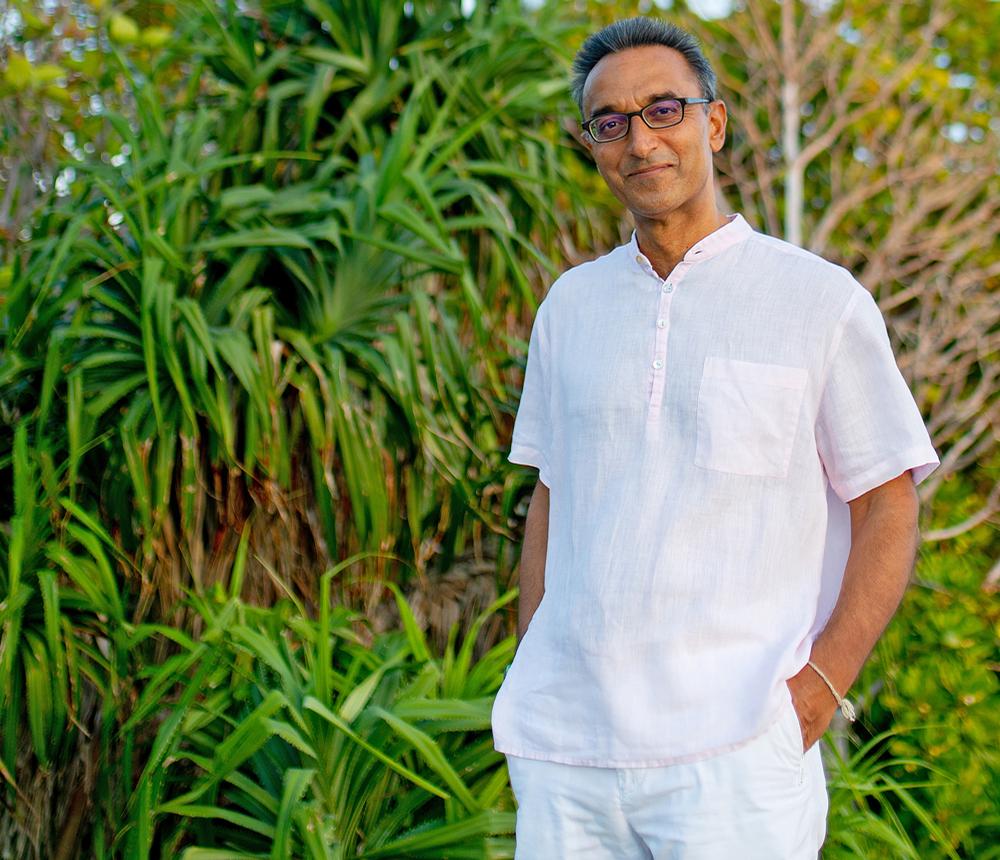
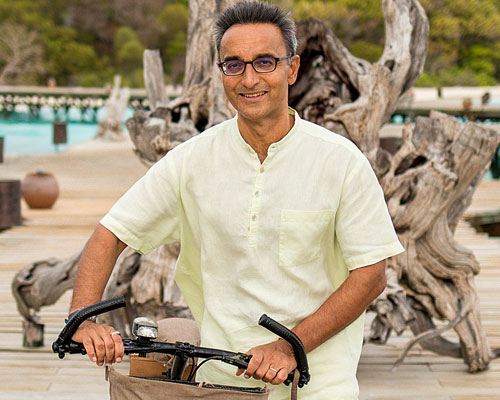
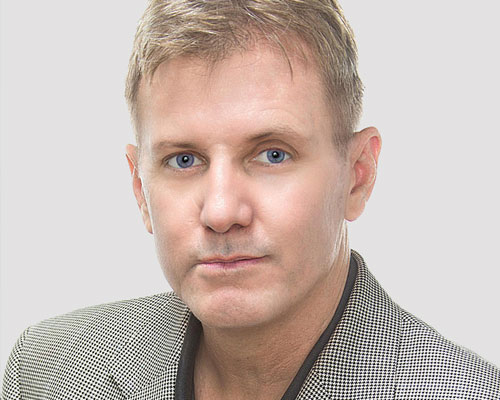
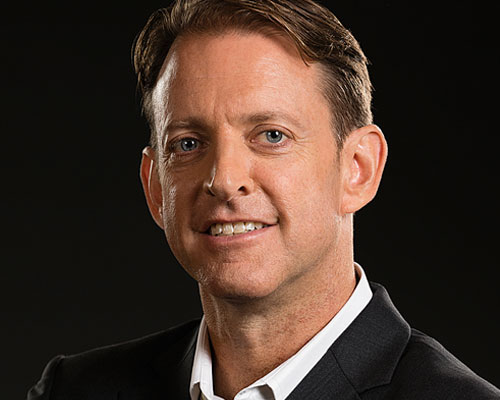
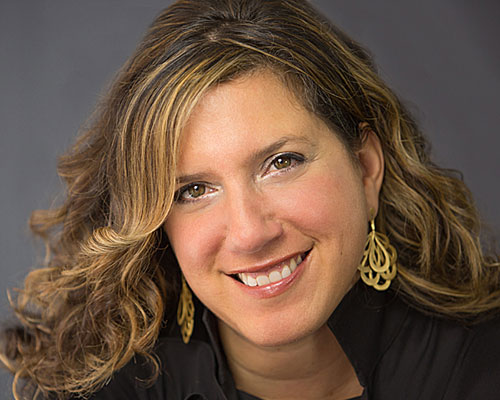
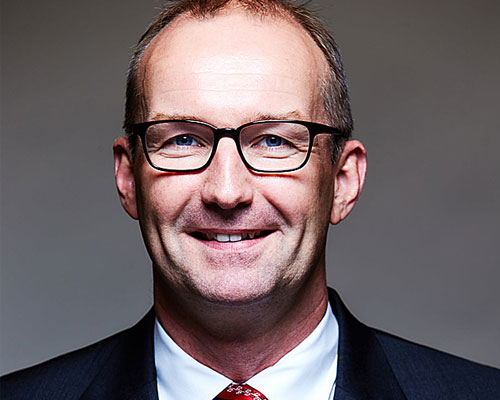
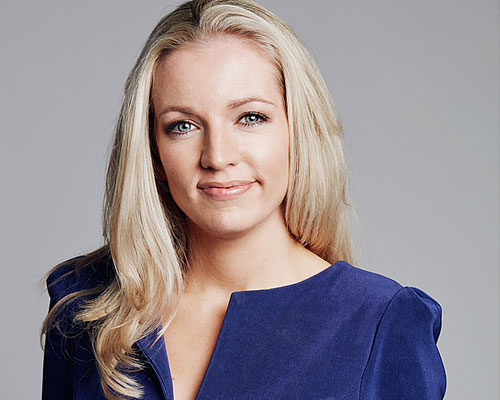
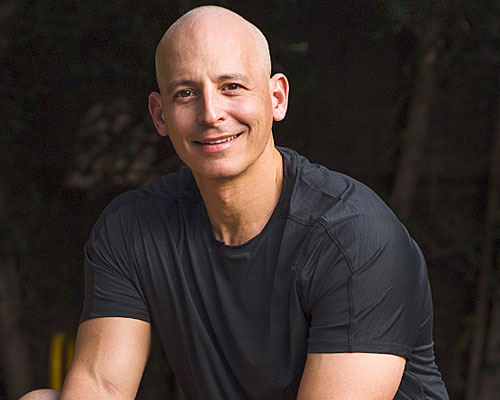
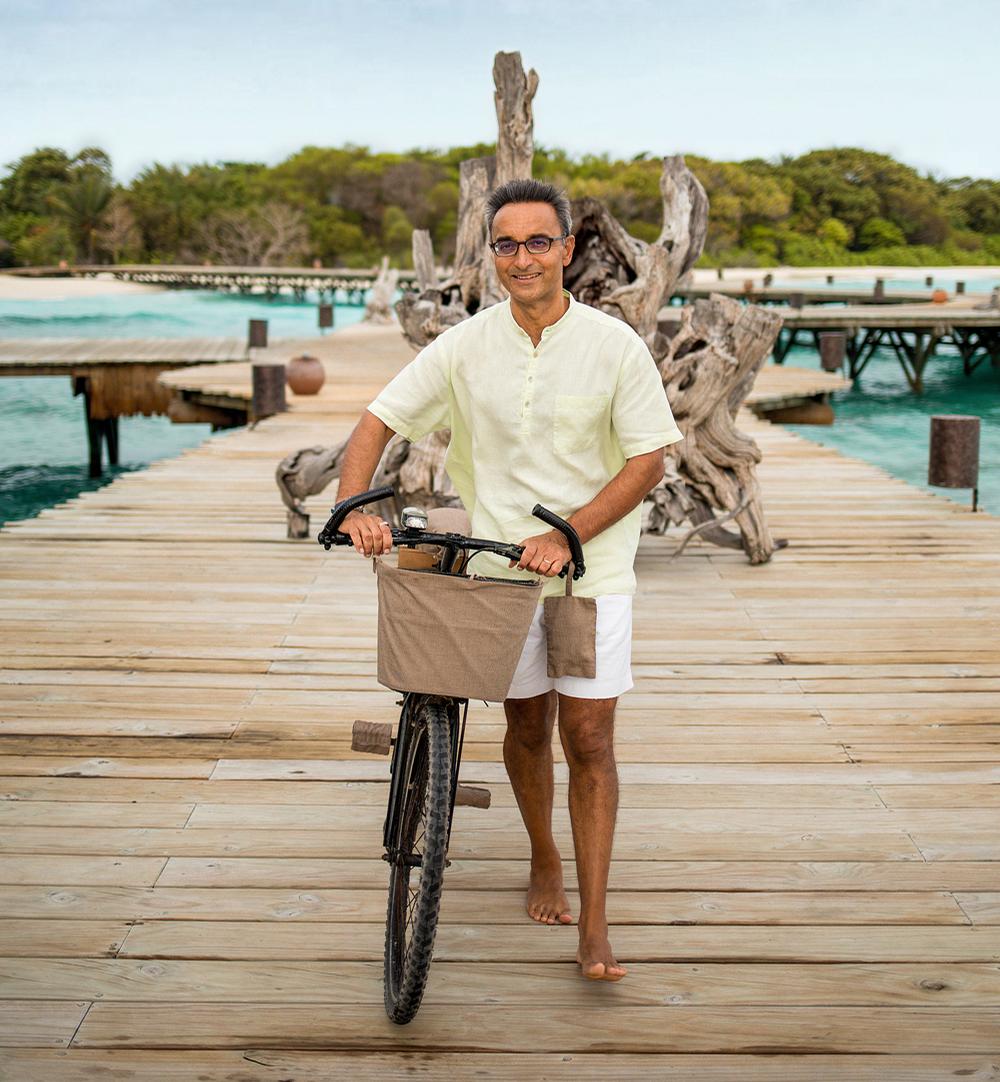
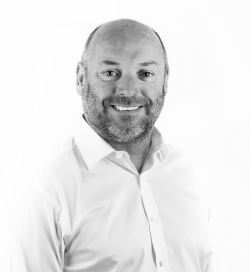
As well as launching Soneva, Shivdasani founded Six Senses and sold the business in 2012 / photo: Sonu Shivdasani, Soneva by Julia Neeson
In 1995, Sonu Shivdasani and his wife Eva opened one of the first-ever luxury resorts in the Maldives after falling in love with the Indian Ocean archipelago on their honeymoon. Not only did Soneva Fushi pave a way for the Maldives as a bucket-list destination, it set a new standard in barefoot luxury with its ‘no news, no shoes’ policy and has pioneered the very meaning of sustainability in high-end hospitality.
The Shivdasani’s also developed the Six Senses Resorts & Spas brand which they sold to private equity group Pegasus in 2012. Six Senses was subsequently sold to IHG in 2019 for US$300m (€251.8m, £216m).
Today, Six Senses still manages two of Soneva’s spas – one at Soneva Fushi and the other at Soneva Kiri in Koh Kood, Thailand.
Soneva in Aqua, the company’s chartered yacht is based in the Maldives, offering on-board treatments and a glass-bottomed spa, revealing tropical fish below.
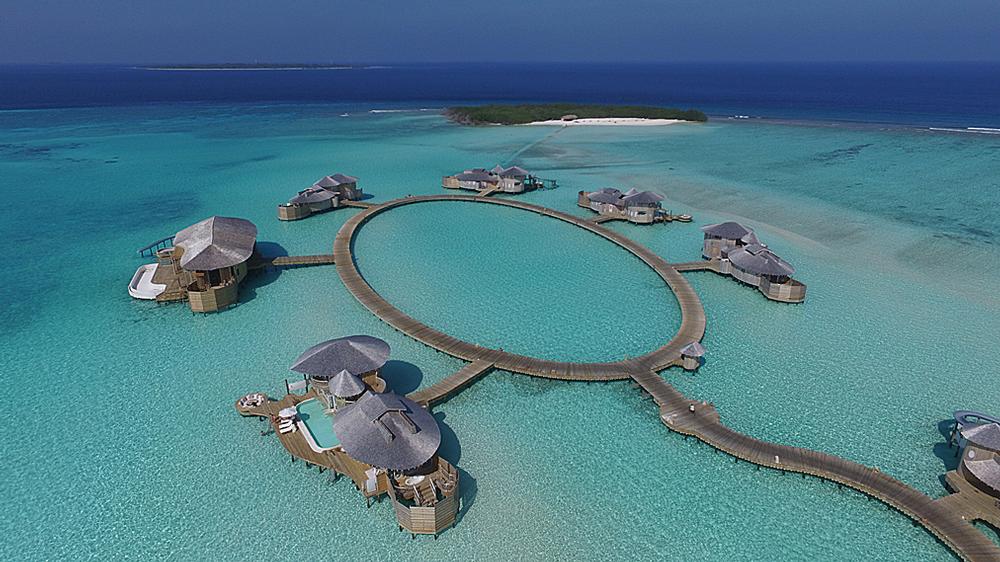
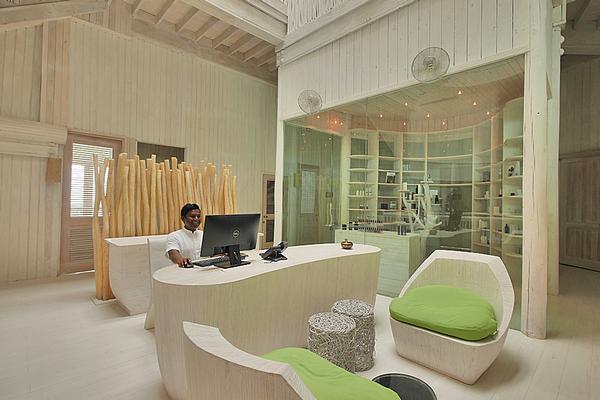
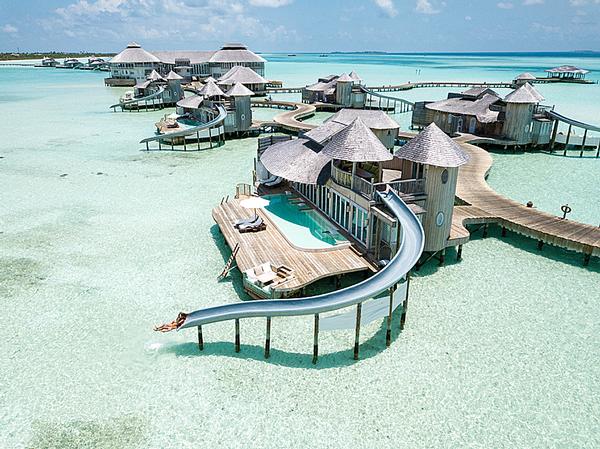
The portfolio is rounded out by the fourth resort, Soneva Jani in the Maldives, which is due to reveal a completely refreshed wellness centre and dedicated ayurvedic clinic imminently.
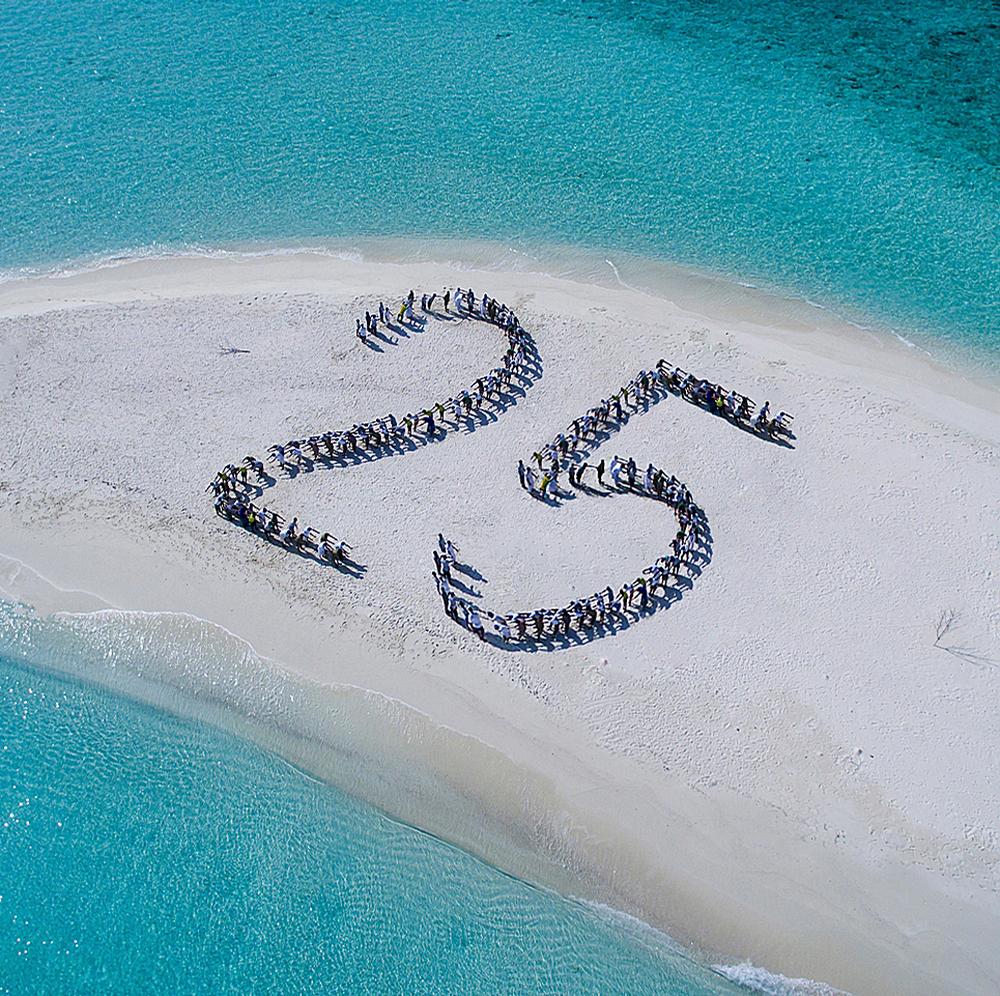
As the group celebrates its 25th anniversary, Shivdasani reflects on how the industry has evolved, Soneva’s milestone achievements, where it’s headed… and the role that spa and wellness has to play.
How have you seen the industry change over the last 25 years? Magical service has always been the definition of luxury and that’s still true today. But with more boutique brands being bought by mainstream hotel chains, luxury has become institutional and differentiation between brands has diminished. The opportunity for Soneva is to be unique by staying true to our values and maintaining our beliefs and philosophy.
What’s the best decision you’ve made ... and the worst? When I first visited the Maldives with Eva, we had never seen anything quite like it. Eva loved the untouched, simple way of life and we decided we wanted to open a resort like no other, while ensuring we protect the environment and have a purpose beyond turning a profit. That decision changed our lives.
Sometimes you hold onto the past and it’s not healthy and this was my experience with Six Senses. Eva and I contemplated selling its management business back in 2005/2006, but we found it difficult to let go because it was successful. By holding on for five years longer than we should have, we did not achieve its true value.
What can we expect from Chapter Two at Soneva Jani? We’re adding 27 luxe over-water villas, on top of the existing 24, plus three new dining experiences. By Q2 2021 there’ll be a 1,742sq m wellness centre on the picturesque South Beach to join our 471sq m Soneva Spa.
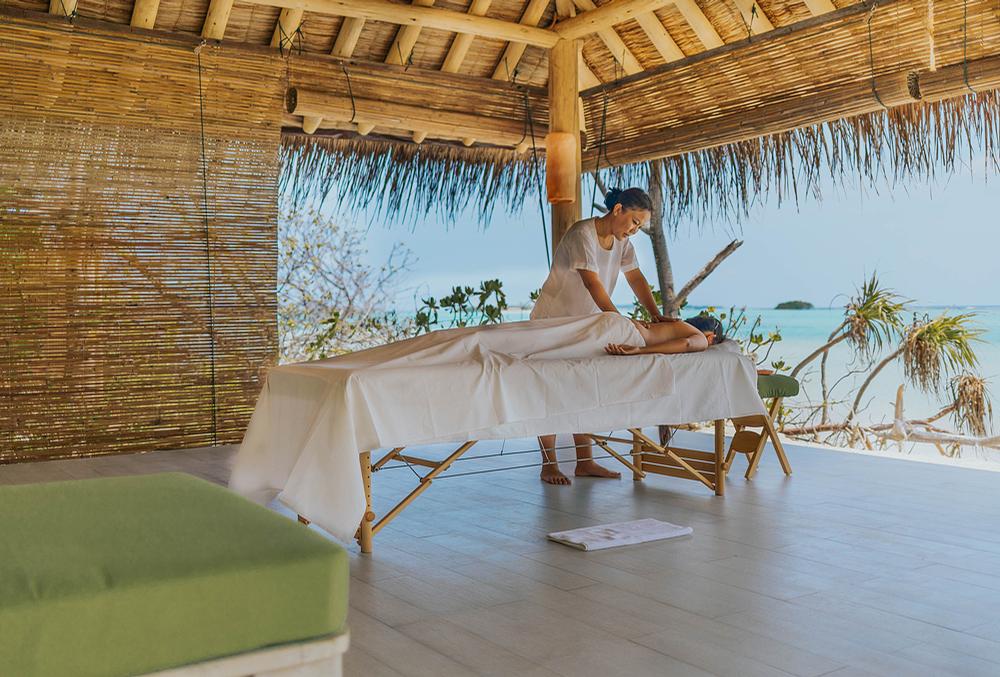
The idea is to set the standard in holistic wellness by combining ayurvedic techniques with cutting-edge therapies – the centre will have a dedicated ayurvedic clinic, as well as a consultation room for visiting specialists, two indoor therapy rooms and three open-air treatment spaces. We’ll refresh our menu but continue to work with Sodashi.
Guests will have access to a cross-functional fitness area, open-air yoga pavilion and a retail space selling sustainable apparel and wellness products.
As part of the update, we’ll offer the Soneva Unlimited package where unlimited spa treatments are included in the price of a new villa.
Have you always had spas at your resorts? Yes – in fact, Soneva Fushi had the first spa in the Maldives. Eva’s sister, Amie, created it as she was involved in this business.
Today, it would be deemed crazy if a resort didn’t include one, but it was unusual 25 years ago.
Because it was uncommon, many of our guests didn’t make use of the spa – especially the men – so we offered a free treatment to all guests. Many who hadn’t had a massage in their lives before were blown away by how nice it was and we soon filled it up with repeat business.
How has spa changed? Spa culture caught on globally as a result of growing affluence among the urban rich, however, people are sharing similar experiences – whether it’s food, retail, style of houses, offices or cars – so overall, there’s a greater demand for space, privacy and genuine, authentic experiences.
I think that this has led to a greater interest in alternative healing. Our visiting practitioner programme sees guests returning for learning experiences which have a unique and positive impact on their lives.
Our attention today is also focused on the ingredients we use and the origin of the ingredients.
Our focus was always to combine the best of western science-based wellness, with the ancient traditions of Asia and I feel the next focus for wellness is going back to its roots. We’ll see more focus on traditional healing, whether that’s ayurveda, Tibetan medicines or TCM. It’s about benefiting and learning from thousands of years of wisdom.
Could spas be doing more in terms of sustainability? There’s a misconception that spas can’t be sustainable, but this isn’t true. Our spas use products that are natural and organic and focus on treatments using touch. Towels and linens used are non-bleached and responsibly sourced. Furthermore, the way we operate our laundry ensures that the use of these has minimal environmental impact.
There’s an opportunity to overhaul old thinking and practices when it comes to sustainability and the way our industry looks at it. It’s possible to be sustainable and luxurious, and sustainability can be a profit centre if done in the right way.
How have you changed in your spas following COVID? We’ve modified all our cleaning protocols, adding an extra 15 minutes for sanitisation between services. We have outdoor treatment rooms, but we won’t be introducing more touchless therapies – we’ve just adapted the massages we do have.
How have you adapted your business during the pandemic? We’re lucky to have a team of digital storytellers at each of our properties who’ve created inspiring, visually beautiful content on an almost daily basis for our social media feeds and our travel partners. We retained contracts with all our PR agencies and our sales representatives, as we believe that now more than ever we need to be in contact with our guests and partners.
Our culture at Soneva is very innovative and dynamic. We were quickly able to move everything (and everyone!) online and create virtual FAM trips, live yoga sessions, webinars with guests, press and travel partners and more. We even hosted virtual wine tasting events for our repeat guests.
Have you seen more interest in wellness real-estate? In this time of uncertainty, we see people craving safety and stability. A concept like Soneva Villa Ownership provides that safety, especially because our villas are in the secluded paradise of the Maldives.
Will Soneva align with the regenerative travel movement? The philosophy of Soneva since its inception has been that we are guardians of places that have existed long before us.
Our unique vision is inspired by nature’s magnitude, mystery and enchanting beauty. This is the very definition of regenerative travel.
Luxury and sustainability are not opposites, in fact, they feed off each other. The past 25 years have taught us that the more sustainable we are, the more luxurious we become.
When you blend opposites, it creates a unique experience and a strong level of guest loyalty.
What else is on the cards? We have two new resorts planned. One in Okinawa, Japan, will open in about three years and that will be a resort with spa and residences like Soneva Fushi and Soneva Jani.
I’m excited about Soneva Soul, our other new resort concept for the Maldives. Many of the spas we’ve operated have been for healthy people, but we want to place more emphasis on the medical aspect.
Eventually, Soneva may also enter cities such as London, Paris and New York, as our business model is to target the leisure client and not necessarily to just operate resorts.
A pioneer in sustainability
photo: soneva fushi
Sustainability has always played a vital role at Soneva and “all of our resorts are carbon neutral, and we continue to make a difference wherever we can,” says Shivdasani. Each site recycles 90 per cent of its waste (and Soneva is aiming for 100 per cent by 2030) and 12 per cent of total energy comes from renewable sources (and the goal is to get this to 100 per cent by 2025).
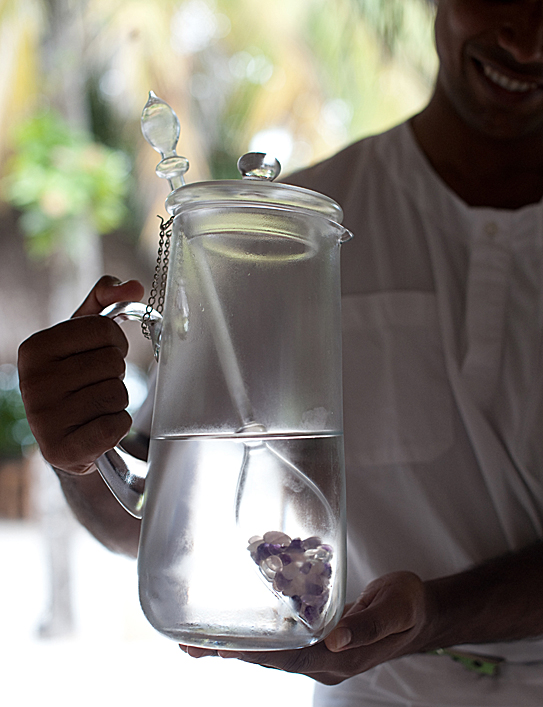
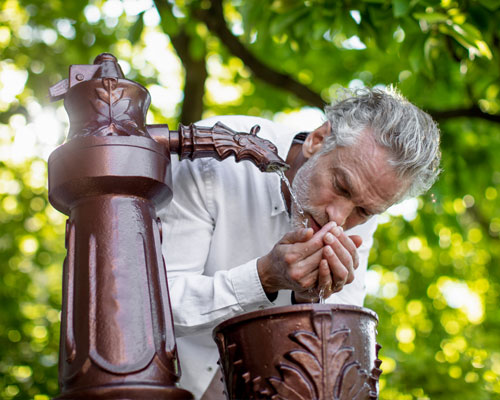
In 1998, it was one of the first hotel companies in the world to ban plastic drinking straws and 10 years later prohibited imported bottled water. Instead, it filters and mineralises its own water on-site which it sells to guests – the proceeds of this fund 500 clean water projects globally. In addition, the Soneva Foundation has raised more than US$6m (€5m, £4.3m) to support a wide range of environmental projects and initiatives.
SLOW LIFE experiences
photo: Soneva Kiri, Eco Centro
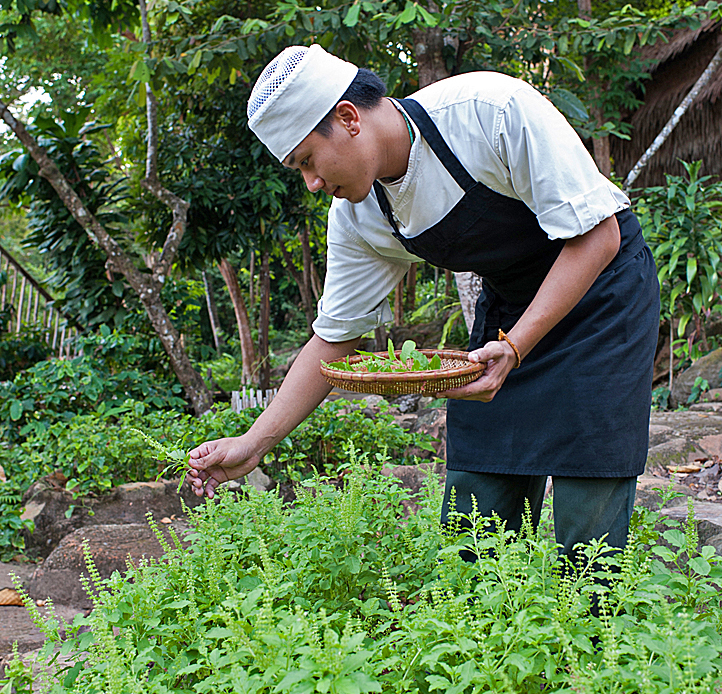
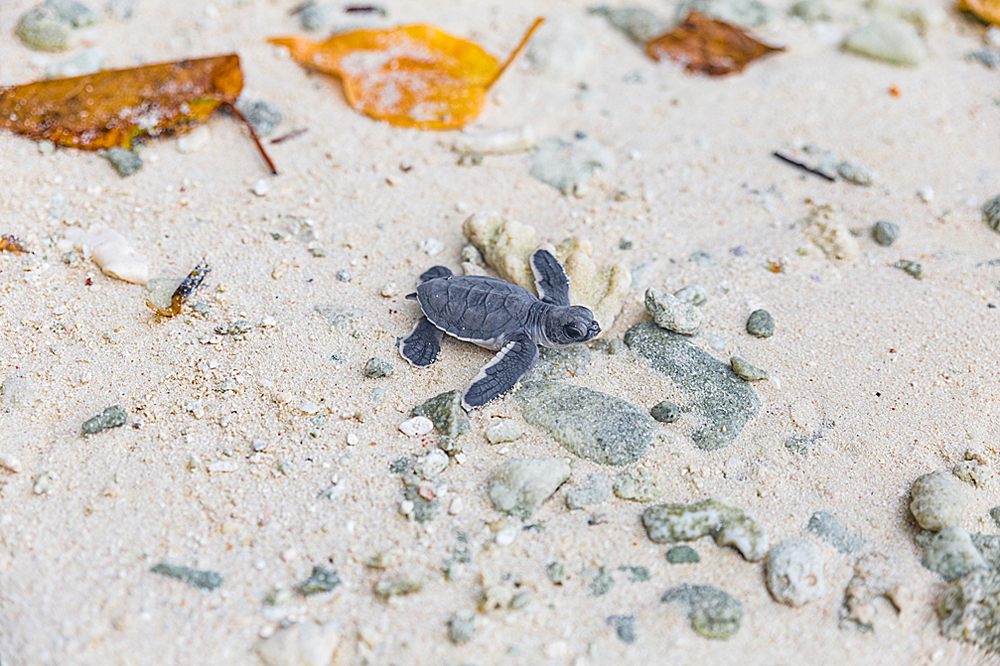
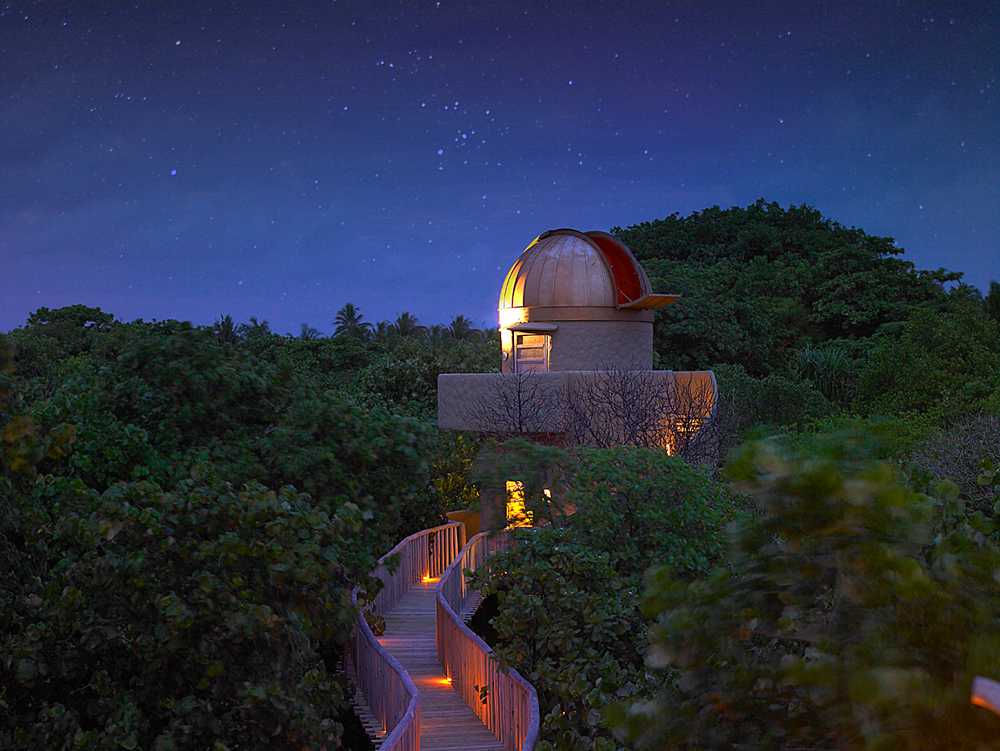
The SLOW LIFE concept – sustainable, local, organic, wellness, learning, inspiring, fun – is at the heart of Soneva’s philosophy. This manifests itself in a range of experiences designed to create unforgettable memories. Each Soneva property boasts its own observatory with in-resident astronomers and outdoor cinema screens. Guests can learn about onsite organic gardens and pick herbs, fruit and vegetables for their lunch. Most recently, it’s launched ‘new conscious experiences’ which include a host of thoughtful programmes – from coral planting, delving into marine conservation and traditional fishing expeditions, to finding out how to track wildlife and watching turtle hatchlings make their way to the ocean.
“As modern life picks up pace, Sonvea’s SLOW LIFE ethos offers our visitors a less hurried, more mindful and more appreciative look at the world,” says Shivdasani.
Read more from this issue of Attractions Management magazine
View contents of Attractions Management 2021 issue 1
Editor's letter: Healing the world
With the impact of COVID-19 affecting millions of people globally, spas have a special role to play in the recovery movement
Spa Programmes: On the menu
Healing heartache retreats at Chablé Mexico and Czech spas using mineral water to treat long COVID feature in our latest programming highlights
Programming: Kevin Kelly
Four Seasons’ Sensei retreat in Hawaii taps into wearable tech and biometric data
Programming: Jeremy McCarthy
Mandarin Oriental rolls out it Inner Strength Outer Strength mental wellness course to guests
Interview: Emlyn Brown
Accor’s global vice-president of wellbeing talks to Katie Barnes about business strategies following COVID
Everyone’s talking about: Local markets
How are spas adapting their business model to attract locals? And what happens when international tourists return? Spa Business magazine reports
Trends: Spa Foresight™ 20/21
Touch hunger, lung health, resilience and COVID cool spots all feature in future predictions from the Spa Business team
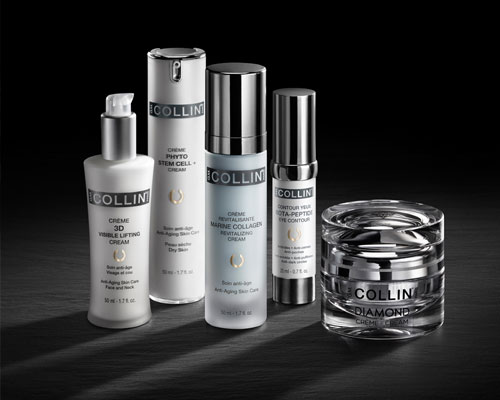
Sponsored: G.M. COLLIN: New partnerships
Skincare brand GM Collin is
re-energising its sales network and looking
for new distributors from across the globe
to drive its business network
Insight: Hindsight 2020
Mia Kyricos looks at the harsh lessons that spas can learn from the last year
Analysis: On your marks
Analyst Jan Freitag suggests a timescale for global hotel recovery and hotel spas
Research: Eyes on Ireland
An Irish Spa Association snapshot survey shows the impact of COVID on spas across country
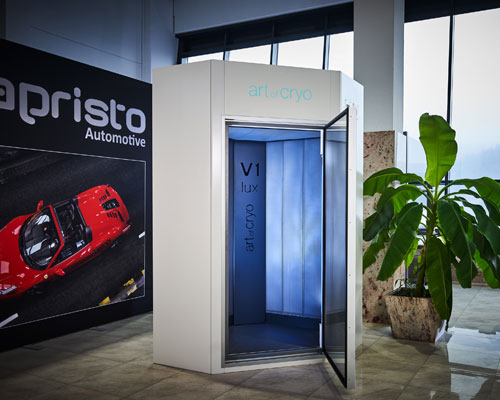
Promotion: Artofcryo.com: Chill factor
Artofcryo.com provides evidence-based whole body cryotherapy solutions,
offering effective solutions for guests and an attractive ROI for investors
Fitness: Harley Pasternak
The celebrity trainer and nutritionist shares his vision of fitness and health in the age of coronavirus
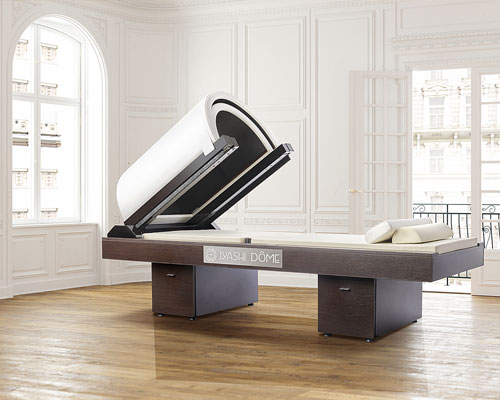
Promotion: Iyashi Dôme: Optimal solution
Iyashi Dôme Japanese saunas offer a versatile treatment solution for spas searching for quality touchless treatments backed by science and Japanese technology
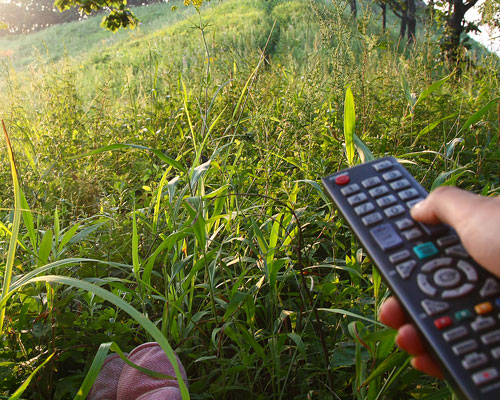
Finishing touch: Watch out
UK researchers launch a new study to explore how digital nature experiences can be good for us
As well as launching Soneva, Shivdasani founded Six Senses and sold the business in 2012 / photo: Sonu Shivdasani, Soneva by Julia Neeson
In 1995, Sonu Shivdasani and his wife Eva opened one of the first-ever luxury resorts in the Maldives after falling in love with the Indian Ocean archipelago on their honeymoon. Not only did Soneva Fushi pave a way for the Maldives as a bucket-list destination, it set a new standard in barefoot luxury with its ‘no news, no shoes’ policy and has pioneered the very meaning of sustainability in high-end hospitality.
The Shivdasani’s also developed the Six Senses Resorts & Spas brand which they sold to private equity group Pegasus in 2012. Six Senses was subsequently sold to IHG in 2019 for US$300m (€251.8m, £216m).
Today, Six Senses still manages two of Soneva’s spas – one at Soneva Fushi and the other at Soneva Kiri in Koh Kood, Thailand.
Soneva in Aqua, the company’s chartered yacht is based in the Maldives, offering on-board treatments and a glass-bottomed spa, revealing tropical fish below.
The portfolio is rounded out by the fourth resort, Soneva Jani in the Maldives, which is due to reveal a completely refreshed wellness centre and dedicated ayurvedic clinic imminently.
As the group celebrates its 25th anniversary, Shivdasani reflects on how the industry has evolved, Soneva’s milestone achievements, where it’s headed… and the role that spa and wellness has to play.
How have you seen the industry change over the last 25 years? Magical service has always been the definition of luxury and that’s still true today. But with more boutique brands being bought by mainstream hotel chains, luxury has become institutional and differentiation between brands has diminished. The opportunity for Soneva is to be unique by staying true to our values and maintaining our beliefs and philosophy.
What’s the best decision you’ve made ... and the worst? When I first visited the Maldives with Eva, we had never seen anything quite like it. Eva loved the untouched, simple way of life and we decided we wanted to open a resort like no other, while ensuring we protect the environment and have a purpose beyond turning a profit. That decision changed our lives.
Sometimes you hold onto the past and it’s not healthy and this was my experience with Six Senses. Eva and I contemplated selling its management business back in 2005/2006, but we found it difficult to let go because it was successful. By holding on for five years longer than we should have, we did not achieve its true value.
What can we expect from Chapter Two at Soneva Jani? We’re adding 27 luxe over-water villas, on top of the existing 24, plus three new dining experiences. By Q2 2021 there’ll be a 1,742sq m wellness centre on the picturesque South Beach to join our 471sq m Soneva Spa.
The idea is to set the standard in holistic wellness by combining ayurvedic techniques with cutting-edge therapies – the centre will have a dedicated ayurvedic clinic, as well as a consultation room for visiting specialists, two indoor therapy rooms and three open-air treatment spaces. We’ll refresh our menu but continue to work with Sodashi.
Guests will have access to a cross-functional fitness area, open-air yoga pavilion and a retail space selling sustainable apparel and wellness products.
As part of the update, we’ll offer the Soneva Unlimited package where unlimited spa treatments are included in the price of a new villa.
Have you always had spas at your resorts? Yes – in fact, Soneva Fushi had the first spa in the Maldives. Eva’s sister, Amie, created it as she was involved in this business.
Today, it would be deemed crazy if a resort didn’t include one, but it was unusual 25 years ago.
Because it was uncommon, many of our guests didn’t make use of the spa – especially the men – so we offered a free treatment to all guests. Many who hadn’t had a massage in their lives before were blown away by how nice it was and we soon filled it up with repeat business.
How has spa changed? Spa culture caught on globally as a result of growing affluence among the urban rich, however, people are sharing similar experiences – whether it’s food, retail, style of houses, offices or cars – so overall, there’s a greater demand for space, privacy and genuine, authentic experiences.
I think that this has led to a greater interest in alternative healing. Our visiting practitioner programme sees guests returning for learning experiences which have a unique and positive impact on their lives.
Our attention today is also focused on the ingredients we use and the origin of the ingredients.
Our focus was always to combine the best of western science-based wellness, with the ancient traditions of Asia and I feel the next focus for wellness is going back to its roots. We’ll see more focus on traditional healing, whether that’s ayurveda, Tibetan medicines or TCM. It’s about benefiting and learning from thousands of years of wisdom.
Could spas be doing more in terms of sustainability? There’s a misconception that spas can’t be sustainable, but this isn’t true. Our spas use products that are natural and organic and focus on treatments using touch. Towels and linens used are non-bleached and responsibly sourced. Furthermore, the way we operate our laundry ensures that the use of these has minimal environmental impact.
There’s an opportunity to overhaul old thinking and practices when it comes to sustainability and the way our industry looks at it. It’s possible to be sustainable and luxurious, and sustainability can be a profit centre if done in the right way.
How have you changed in your spas following COVID? We’ve modified all our cleaning protocols, adding an extra 15 minutes for sanitisation between services. We have outdoor treatment rooms, but we won’t be introducing more touchless therapies – we’ve just adapted the massages we do have.
How have you adapted your business during the pandemic? We’re lucky to have a team of digital storytellers at each of our properties who’ve created inspiring, visually beautiful content on an almost daily basis for our social media feeds and our travel partners. We retained contracts with all our PR agencies and our sales representatives, as we believe that now more than ever we need to be in contact with our guests and partners.
Our culture at Soneva is very innovative and dynamic. We were quickly able to move everything (and everyone!) online and create virtual FAM trips, live yoga sessions, webinars with guests, press and travel partners and more. We even hosted virtual wine tasting events for our repeat guests.
Have you seen more interest in wellness real-estate? In this time of uncertainty, we see people craving safety and stability. A concept like Soneva Villa Ownership provides that safety, especially because our villas are in the secluded paradise of the Maldives.
Will Soneva align with the regenerative travel movement? The philosophy of Soneva since its inception has been that we are guardians of places that have existed long before us.
Our unique vision is inspired by nature’s magnitude, mystery and enchanting beauty. This is the very definition of regenerative travel.
Luxury and sustainability are not opposites, in fact, they feed off each other. The past 25 years have taught us that the more sustainable we are, the more luxurious we become.
When you blend opposites, it creates a unique experience and a strong level of guest loyalty.
What else is on the cards? We have two new resorts planned. One in Okinawa, Japan, will open in about three years and that will be a resort with spa and residences like Soneva Fushi and Soneva Jani.
I’m excited about Soneva Soul, our other new resort concept for the Maldives. Many of the spas we’ve operated have been for healthy people, but we want to place more emphasis on the medical aspect.
Eventually, Soneva may also enter cities such as London, Paris and New York, as our business model is to target the leisure client and not necessarily to just operate resorts.
A pioneer in sustainability
photo: soneva fushi
Sustainability has always played a vital role at Soneva and “all of our resorts are carbon neutral, and we continue to make a difference wherever we can,” says Shivdasani. Each site recycles 90 per cent of its waste (and Soneva is aiming for 100 per cent by 2030) and 12 per cent of total energy comes from renewable sources (and the goal is to get this to 100 per cent by 2025).
In 1998, it was one of the first hotel companies in the world to ban plastic drinking straws and 10 years later prohibited imported bottled water. Instead, it filters and mineralises its own water on-site which it sells to guests – the proceeds of this fund 500 clean water projects globally. In addition, the Soneva Foundation has raised more than US$6m (€5m, £4.3m) to support a wide range of environmental projects and initiatives.
SLOW LIFE experiences
photo: Soneva Kiri, Eco Centro
The SLOW LIFE concept – sustainable, local, organic, wellness, learning, inspiring, fun – is at the heart of Soneva’s philosophy. This manifests itself in a range of experiences designed to create unforgettable memories. Each Soneva property boasts its own observatory with in-resident astronomers and outdoor cinema screens. Guests can learn about onsite organic gardens and pick herbs, fruit and vegetables for their lunch. Most recently, it’s launched ‘new conscious experiences’ which include a host of thoughtful programmes – from coral planting, delving into marine conservation and traditional fishing expeditions, to finding out how to track wildlife and watching turtle hatchlings make their way to the ocean.
“As modern life picks up pace, Sonvea’s SLOW LIFE ethos offers our visitors a less hurried, more mindful and more appreciative look at the world,” says Shivdasani.
Read more from this issue of Attractions Management magazine
View contents of Attractions Management 2021 issue 1
Editor's letter: Healing the world
With the impact of COVID-19 affecting millions of people globally, spas have a special role to play in the recovery movement
Spa Programmes: On the menu
Healing heartache retreats at Chablé Mexico and Czech spas using mineral water to treat long COVID feature in our latest programming highlights
Programming: Kevin Kelly
Four Seasons’ Sensei retreat in Hawaii taps into wearable tech and biometric data
Programming: Jeremy McCarthy
Mandarin Oriental rolls out it Inner Strength Outer Strength mental wellness course to guests
Interview: Emlyn Brown
Accor’s global vice-president of wellbeing talks to Katie Barnes about business strategies following COVID
Everyone’s talking about: Local markets
How are spas adapting their business model to attract locals? And what happens when international tourists return? Spa Business magazine reports
Trends: Spa Foresight™ 20/21
Touch hunger, lung health, resilience and COVID cool spots all feature in future predictions from the Spa Business team
Sponsored: G.M. COLLIN: New partnerships
Skincare brand GM Collin is
re-energising its sales network and looking
for new distributors from across the globe
to drive its business network
Insight: Hindsight 2020
Mia Kyricos looks at the harsh lessons that spas can learn from the last year
Analysis: On your marks
Analyst Jan Freitag suggests a timescale for global hotel recovery and hotel spas
Research: Eyes on Ireland
An Irish Spa Association snapshot survey shows the impact of COVID on spas across country
Promotion: Artofcryo.com: Chill factor
Artofcryo.com provides evidence-based whole body cryotherapy solutions,
offering effective solutions for guests and an attractive ROI for investors
Fitness: Harley Pasternak
The celebrity trainer and nutritionist shares his vision of fitness and health in the age of coronavirus
Promotion: Iyashi Dôme: Optimal solution
Iyashi Dôme Japanese saunas offer a versatile treatment solution for spas searching for quality touchless treatments backed by science and Japanese technology
Finishing touch: Watch out
UK researchers launch a new study to explore how digital nature experiences can be good for us
Abu Dhabi-based investment firm Mubadala Capital has made a binding, fully financed
€1 billion
offer to acquire Pierre and Vacances SA, the European holiday resort operator behind the
continental European Center Parcs business.
Expo 2030 Riyadh is being planned as a permanent visitor destination, with organisers
confirming the six-million-square-metre site will become a Global Village after the event closes.
The owner of one of Australia's best-known waterparks has acquired a major competitor,
creating a new attractions business spanning two of the country's largest visitor destinations.
The Toverland theme park in the Netherlands has announced a €98m expansion programme
that will add a resort, new attractions and staff facilities as it pursues plans to become a multi-
day destination.
Hotel de France, located on the British Isle of Jersey, has created a wellness retreat package
that includes a hot yoga session that will take place in Jersey Zoo’s butterfly sanctuary.
A new immersive attraction designed to transport visitors into the final hours of ancient Pompeii
is preparing to open near the world-famous archaeological site in southern Italy.
Experience design company, BRC Imagination Arts, has completed a transition that sees founder
Bob Rogers pass ownership of the business to four long-serving senior executives, while
remaining actively involved with the company.
Movie Park Germany has opened a new Paramount Pictures-themed attraction as part of its 30th
anniversary celebrations, using immersive storytelling and adaptive reuse to reinforce the park’s
longstanding “Hollywood in Germany” positioning.
Therme Manchester’s 28-acre development, which will include interconnected glass pavilions
that measure 65,000sq m, will be the largest bathing and wellbeing attraction in the world once
complete, according to prof David Russell, CEO of Therme UK.
Efteling has opened Hooghmoed, a new family drop tower designed to broaden the appeal of its
recently launched Sirene Island themed area and introduce younger visitors to thrill attractions.
+ More news
COMPANY PROFILES
TechnoAlpin Indoor TechnoAlpin is the world leader for snowmaking systems. With the Indoor snow division, TechnoAlpin c [more...]
Taylor Made Designs Founded in 1993, Taylor Made
Designs supply corporate clothing
and brand-enhancing merchandise
to [more...]
Sally Corporation Our services include: Dark ride design & build; Redevelopment of existing attractions; High-quality [more...]
Simworx Ltd The company was initially established
in 1997. Terry Monkton and Andrew
Roberts are the key stakeh [more...]