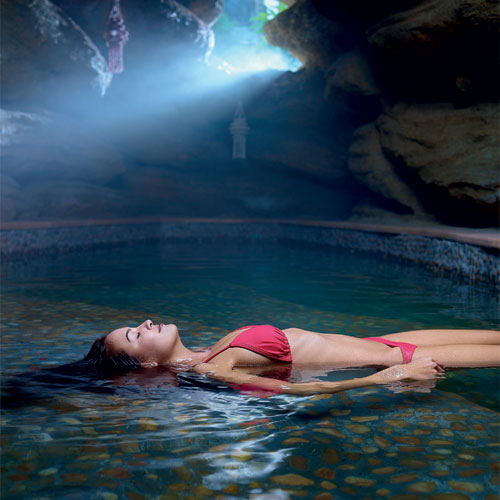
The study was based on 14 practitioners who specialise in a specific meditation technique which is known as Acem Meditation / photo: shutterstock.com/Vinogradov Illya
Brain activity is greater during meditation than during periods of idle rest, refuting the idea that meditation is used to empty the mind – according to a study by neuroscientists from Norway and Australia*.
Scientists from The Norwegian University of Science and Technology, The University of Oslo and The University of Sydney used functional magnetic resonance image scanning to see what goes on in the brain during Acem Meditation – a mindful relaxation technique based on modern psychology and research.
Acem is a non-directive meditation technique which involves the mental repetition of a soothing, yet meaningless sound combining vowels and consonants. At the same time it allows spontaneously-occurring thoughts, images, sensations, memories and emotions to pass freely through the mind.
The method is thought to facilitate mental processing of emotional experiences, thereby contributing to wellness and stress management. Fourteen experienced practitioners of the Acem Meditation technique took part in the study.
The predominant resting system in the brain is called the ‘default mode network’ which is responsible for our wandering mind. Interestingly, the research found that this wandering mind mode is activated on a greater level during meditation than when the mind is resting normally.
The study highlighted that the brain simply activates different networks when it rests, compared to when someone concentrates or attends to an external task.
The default mode network is considerably less active when the spontaneous flow of wandering thoughts is restricted by a more concentrated focus of attention during concentrative meditation – not common to non-directive Acem Meditation. The areas of the brain which are less active during meditation include those which are involved in processing memories and emotions.
The results were published in the journal Frontiers in Human Neuroscience.
* Xu J and Davanger S et al. Nondirective Meditation Activates Default Mode Network and Areas Associated with Memory Retrieval and Emotional Processing. Frontiers in Human Neuroscience, 2014
Read more from this issue of Attractions Management magazine
View contents of Attractions Management 2014 issue 3
Letters: Letters
Bill Bensley gives his opinion on where spa design is heading in the future
Luxury brands: The high life
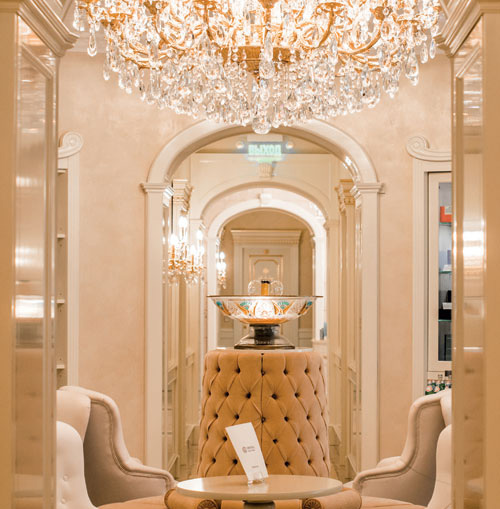
We take a look at the spa concepts of luxury brands such as Dior, Guerlain, Armani and Versace
Country focus: The Maldives
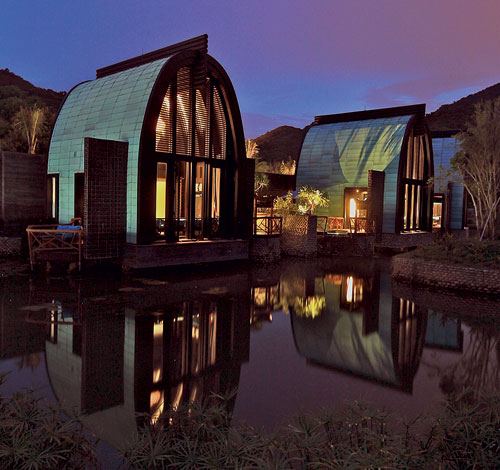
Neena Dhillon takes a look around Cheval Blanc Randheli and Velaa Private Island – two of the hottest new spa destinations in the Maldives
Q&A: Morgan Lefrançois
The spa business development manager at Clarins on working with Velaa Private Island; plus a first-person account of the resort by Liz Terry
Therapy: Well seasoned
An underground salt mine offering subterraneotherapy and herb spas feature in this report by Sophie Benge
Holiday village spa: Full steam ahead
The unique hydrothermal spa concept at Center Parcs UK attracts 300,000 guests a year and brings in £15m in revenue. Katie Barnes visits its latest site
Marketing: Screen star
Professional spa brands are using TV shopping channel QVC to increase footfall in spas and can sell up to £4m of products in just one day
Mineral Spa: Mission accomplished
With 168 pools and 90 treatment rooms, Mission Hills Haikou has one of the world’s largest spa and mineral springs. Jennifer Harbottle finds out more
Fitness: Cool customer
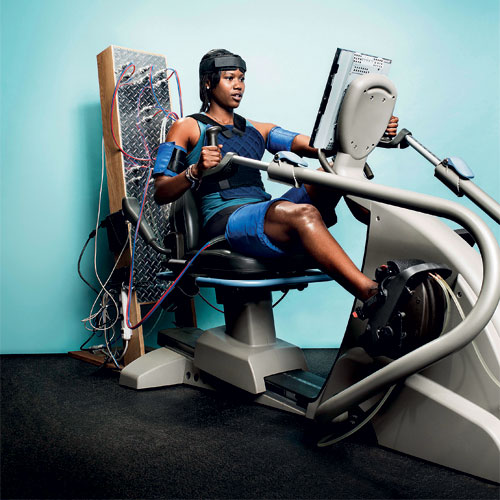
We explain the science behind Vasper, a high-tech fitness system that’s being used by athletes and astronauts
The study was based on 14 practitioners who specialise in a specific meditation technique which is known as Acem Meditation / photo: shutterstock.com/Vinogradov Illya
Brain activity is greater during meditation than during periods of idle rest, refuting the idea that meditation is used to empty the mind – according to a study by neuroscientists from Norway and Australia*.
Scientists from The Norwegian University of Science and Technology, The University of Oslo and The University of Sydney used functional magnetic resonance image scanning to see what goes on in the brain during Acem Meditation – a mindful relaxation technique based on modern psychology and research.
Acem is a non-directive meditation technique which involves the mental repetition of a soothing, yet meaningless sound combining vowels and consonants. At the same time it allows spontaneously-occurring thoughts, images, sensations, memories and emotions to pass freely through the mind.
The method is thought to facilitate mental processing of emotional experiences, thereby contributing to wellness and stress management. Fourteen experienced practitioners of the Acem Meditation technique took part in the study.
The predominant resting system in the brain is called the ‘default mode network’ which is responsible for our wandering mind. Interestingly, the research found that this wandering mind mode is activated on a greater level during meditation than when the mind is resting normally.
The study highlighted that the brain simply activates different networks when it rests, compared to when someone concentrates or attends to an external task.
The default mode network is considerably less active when the spontaneous flow of wandering thoughts is restricted by a more concentrated focus of attention during concentrative meditation – not common to non-directive Acem Meditation. The areas of the brain which are less active during meditation include those which are involved in processing memories and emotions.
The results were published in the journal Frontiers in Human Neuroscience.
* Xu J and Davanger S et al. Nondirective Meditation Activates Default Mode Network and Areas Associated with Memory Retrieval and Emotional Processing. Frontiers in Human Neuroscience, 2014
Read more from this issue of Attractions Management magazine
View contents of Attractions Management 2014 issue 3
Letters: Letters
Bill Bensley gives his opinion on where spa design is heading in the future
Luxury brands: The high life
We take a look at the spa concepts of luxury brands such as Dior, Guerlain, Armani and Versace
Country focus: The Maldives
Neena Dhillon takes a look around Cheval Blanc Randheli and Velaa Private Island – two of the hottest new spa destinations in the Maldives
Q&A: Morgan Lefrançois
The spa business development manager at Clarins on working with Velaa Private Island; plus a first-person account of the resort by Liz Terry
Therapy: Well seasoned
An underground salt mine offering subterraneotherapy and herb spas feature in this report by Sophie Benge
Holiday village spa: Full steam ahead
The unique hydrothermal spa concept at Center Parcs UK attracts 300,000 guests a year and brings in £15m in revenue. Katie Barnes visits its latest site
Marketing: Screen star
Professional spa brands are using TV shopping channel QVC to increase footfall in spas and can sell up to £4m of products in just one day
Mineral Spa: Mission accomplished
With 168 pools and 90 treatment rooms, Mission Hills Haikou has one of the world’s largest spa and mineral springs. Jennifer Harbottle finds out more
Fitness: Cool customer
We explain the science behind Vasper, a high-tech fitness system that’s being used by athletes and astronauts
San Antonio Zoo has reported a US$283 million economic impact for 2025, following a decade-
long transformation programme that has seen almost US$200 million invested into the Texas
attraction.
Plans for the AU$180 million redevelopment of Reef HQ Aquarium in Townsville, Australia, are
progressing, with the project set to transform the attraction into a global centre for reef
education and conservation.
Abu Dhabi-based investment firm Mubadala Capital has made a binding, fully financed
€1 billion
offer to acquire Pierre and Vacances SA, the European holiday resort operator behind the
continental European Center Parcs business.
Disney has reaffirmed its commitment to investing US$30 billion in its US parks and cruise
business by 2033, using new America250 celebrations to underline the role its attractions play
in supporting jobs, tourism and economic growth.
Expo 2030 Riyadh is being planned as a permanent visitor destination, with organisers
confirming the six-million-square-metre site will become a Global Village after the event closes.
The owner of one of Australia's best-known waterparks has acquired a major competitor,
creating a new attractions business spanning two of the country's largest visitor destinations.
The Toverland theme park in the Netherlands has announced a €98m expansion programme
that will add a resort, new attractions and staff facilities as it pursues plans to become a multi-
day destination.
Hotel de France, located on the British Isle of Jersey, has created a wellness retreat package
that includes a hot yoga session that will take place in Jersey Zoo’s butterfly sanctuary.
A new immersive attraction designed to transport visitors into the final hours of ancient Pompeii
is preparing to open near the world-famous archaeological site in southern Italy.
Experience design company, BRC Imagination Arts, has completed a transition that sees founder
Bob Rogers pass ownership of the business to four long-serving senior executives, while
remaining actively involved with the company.