Tell us about the Jorvik Viking Centre. A five-year excavation from 1976 to 1981 by the York Archaeological Trust [YAT] unearthed the 1,000-year-old remains of the Viking city of York in the UK. A million people came to see the excavation, which showed us how much interest there’d be in an attraction.
In 1984, 30 years ago, we at YAT built the Jorvik Viking Centre on the exact site where that excavation took place. The remains of the timber-framed and wattle houses, workshops and backyards of the Viking city of Jorvik are beneath the visitors’ feet and can be seen through the glass floor on arrival and then up close as they travel around on a motorised car ride.
Eveything is authentic and based on what we found, from the layout of the houses to the positioning of the objects where they were found – and would have been laid out during that Viking period.
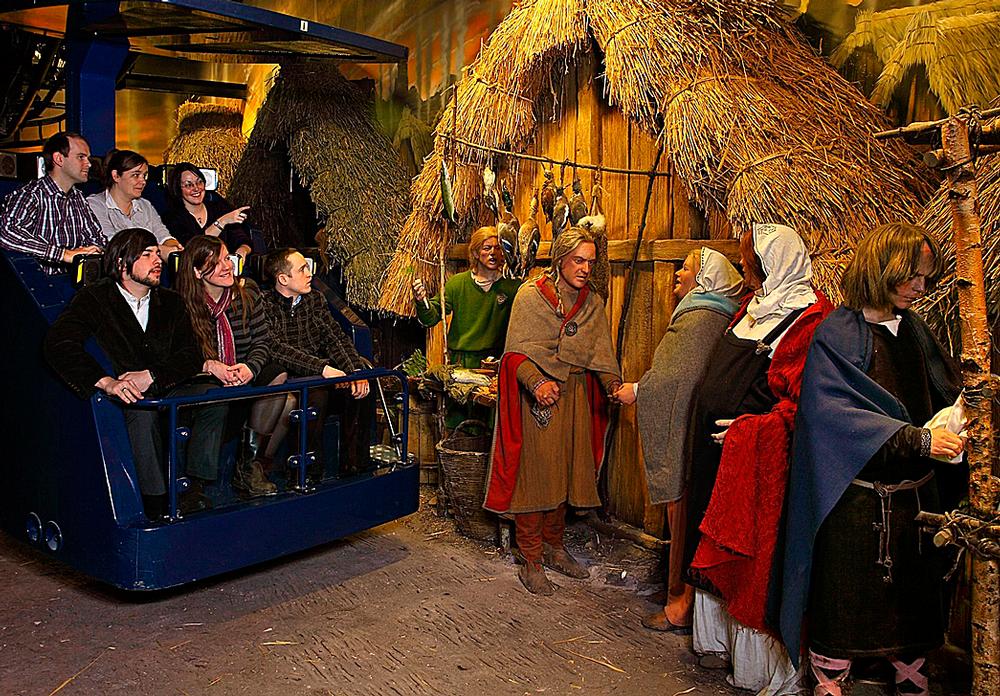
What’s the content? We’re an interactive experience rather than an exhibition, with different elements and areas, and staff and archaeologists who will happily talk all day to visitors. A car ride takes visitors past the reconstructed Viking city, following the street patterns we found as we excavated. For example, the blacksmith’s house is built on the spot where the slag, ironworking and tools were found.
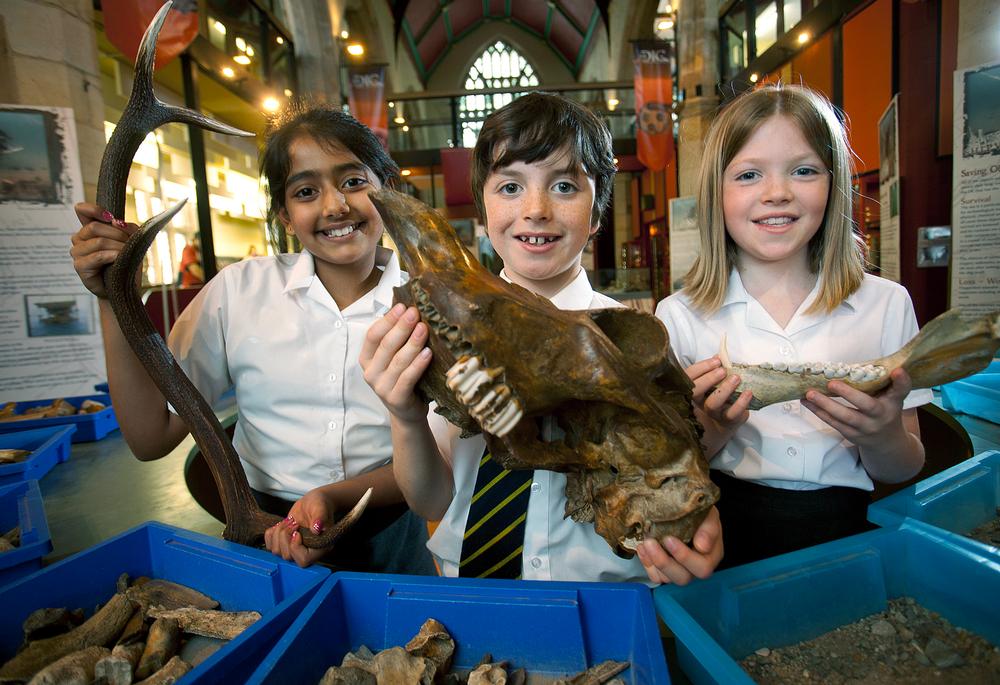
After the ride, there is a series of galleries where visitors can get close to and handle some of the objects and learn about the research we’ve done over the past three decades. Among the objects are some skeletons of the Viking-age inhabitants and we discuss how they lived and died. There are about 400 objects, which are brought to life using AV and touch screens and floating heads in glass cases (using the Pepper’s Ghost effect) that talk to visitors.
The final section is dedicated to the end of the Viking period and we show how the Normans came into England in 1066, how it affected York and what happened after the invasion.
Our live Vikings tell visitors everything they need to know about Viking-age York. An average visit lasts 90 minutes, but some people stay for several hours chatting to our staff.
What is its aim? The three words we use to describe Jorvik are discover, explore, experience. We want to make archaeology accessible to as many people as possible. We aim to provide visitors with something they didn’t know when they arrived. It’s about learning, but having fun while learning.
What makes Jorvik special? We’re different to other attractions because we’re authentic. Visitors are standing on the site of the excavation. It’s not like a museum in a building. Visitors are standing on the exact spot where the Vikings lived and worked. We take people underground, down to the level of the Vikings. We’re an immersive experience – we get visitors involved with objects. Feedback shows visitors really appreciate being able to talk to the staff and archaeologists we have onsite.
What is the archaeological element? Archaeology is who we are and what we do. We have the objects, the research and the people. The Jorvik Group is part of York Archaeological Trust, so we have access to continuing research and excavation, which feeds into the attraction.
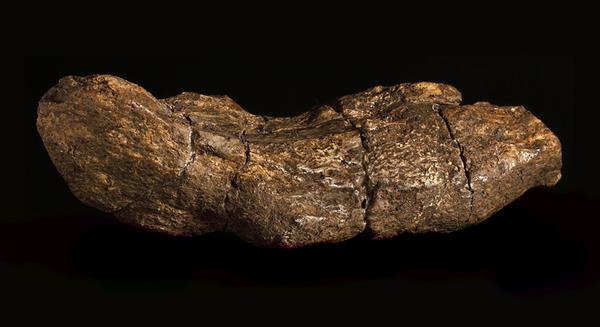
What’s the most unusual artefact? Viking poo. Or Viking coprolite, to give it its proper name. From this we can tell what that Viking ate and that he had worms in his stomach. You don’t expect to find that. It brings Vikings to life that little bit more.
What are the smells and sounds? The smell is a very important part of what we represent and is one of the main things people comment on. The general Viking city smell isn’t too fragrant. We have ironworking because there’s a blacksmith’s shop, and food smells including stew and apples at the market scene. There’s a variety of smells. People tend to remember the not so nice smells, such as the cesspit. On the ride, visitors hear the old Norse language. We worked with York university to get that as authentic as possible. We translated out scripts so you hear the chatting and discussions and arguments of the people of Jorvik at that time.
What technology do you use? This summer we are launching an app that brings the Coppergate area [the surrounding area to the centre] to life. It’ll show where we found artefacts and how we used those objects in Jorvik.
We have state-of-the-art animatronics which talk to visitors. These were put in in 2010 by US firm Life Formations, who also provides many of the large US theme parks. The animatronics chat in Norse and we provide translations.
We worked with Dundee University to recreate a Viking face using a digital reconstruction from one of the skulls we found. We can now show what that particular Viking woman looked like.
What are the 30th anniversary celebrations? We started on our actual birthday with a street party in April. Through the year we have a series of archaeological talks based on the material that we’ve found. That will culminate in April 2015 with a publicly accessible conference on the theme of the Vikings. Over the summer we have many things planned, including an eight-week-long open-air exhibition with interactives and a chance for people to have a go at archaeological activities.
How has the centre evolved since 1984? We’ve had three looks to the centre. In 1984 we had a ride and various galleries, which, at the time, was a new way of doing things compared to traditional museums with artefacts in glass cases. In 2000, we stripped everything out and rebuilt the whole thing. We put a suspended ride in and new animatronics. In 2010, we took the story back to the archaeology more, as the notion that everything you see comes from this excavation had been lost a bit. We returned to that and put the glass floor in the first gallery, which visitors can walk over. Some attractions have done this before, but not in the expanse that we have – 700sq ft [65sqm].
Over the past 10 years we’ve extended the number of staff who work in the centre. In response to visitor feedback we’ve had, we now have 10 to 12 people on the floor at all times.
How will the centre develop? Technology’s changing all the time and we’re trying to keep on top of that. The mobile technology we’re introducing this year with the app will keep advancing and we’ll bring more 3D elements in, such as the face reconstruction. Archaeologically, we’re always responding to the new research that comes through. We’re constantly researching the objects and excavation we did 30 years ago and finding out new things from the material as science progresses. For example, we can tell more about the skeletons – where that person came from, what they ate, what diseases they suffered from, how old they were when they died. That kind of scientific research changes things for us and will continue to do so.
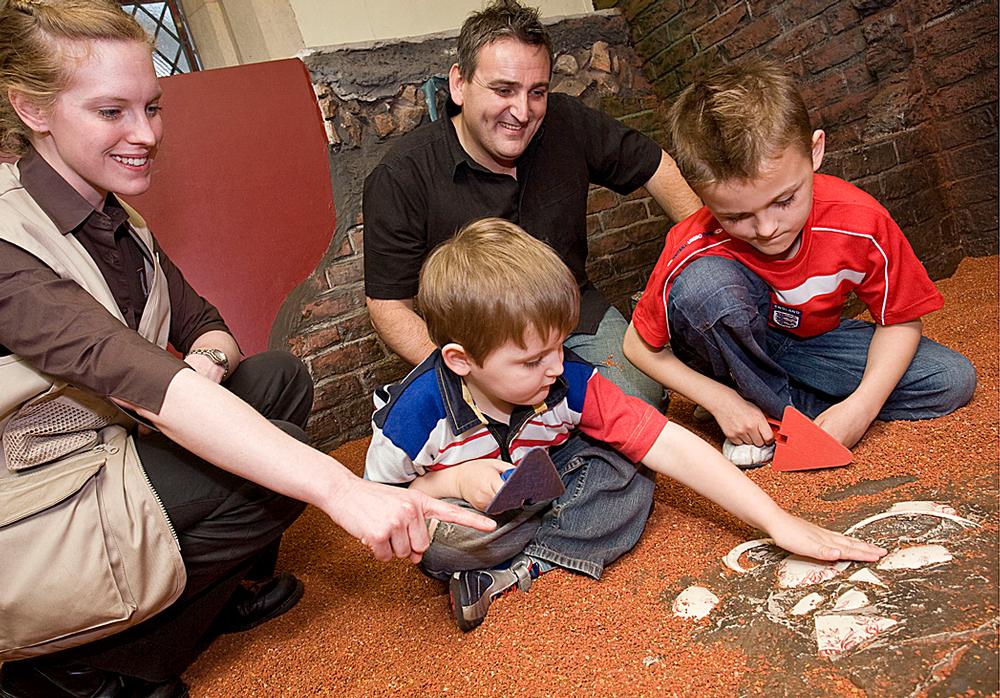
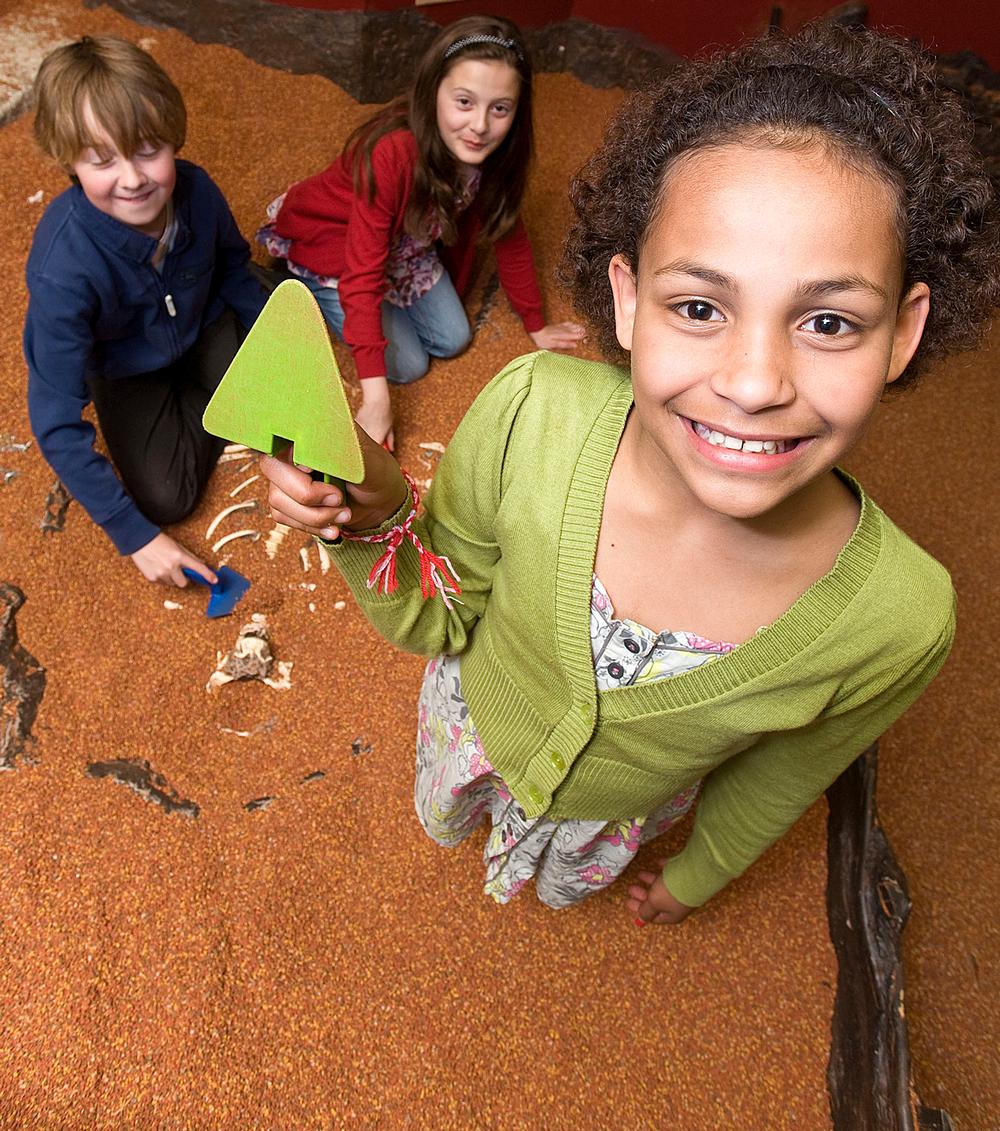
What other sites do you oversee? There are five altogether. As well as Jorvik, we have Dig, a hands-on archaeological centre in a medieval church near Jorvik. We took four iconic digs that we’ve done in York over four different time periods – a Roman excavation, Viking Coppergate, a medieval and a Victorian dig – and reconstructed those using rubberised soil.
We look after Barley Hall, a late-medieval, early Tudor, timber-framed town house in York that we excavated in the 1980s and have reconstructed, and two of the mediaeval gateways, or bars, in the city walls surrounding York. We run Monk Bar as the Richard III Experience and Micklegate Bar as the Henry VII experience. It’s the same concept with interactive, informative experiences. We also run the Viking Festival and Yorkshire Medieval Festival.
How many visitors do you have? Jorvik recieves 400,000 visitors a year. Across the five attractions it’s more than half a million. We’re on the hit list of the top three things to see in York for tourists and have many school trips. We rely on admissions, as we don’t receive any other funding. We’ve had 17 million visitors since opening, so we were right about there being an interest.
Read more from this issue of Attractions Management magazine
View contents of Attractions Management 2014 issue 3
Editor’s letter: Here comes China
As China opens up to the West, the nation’s attractions are
booming, with existing attractions reporting record attendances and
new museums, theme parks and science centres planned
Teamworking: The Art of Collaboration
Merlin’s Mark Fisher talks about working
with Hollywood studio DreamWorks on
the upcoming Shrek-themed midways,
how to spot a winning IP and the
importance of creative collaboration
Talking Point: Whose Museum Is It Anyway?
Five experts debate how museums
can tackle the controversial issue
of balancing the needs of the visitor
with their curatorial responsibilities
Analysis: TEA/AECOM Enduring Appeal
Theme park attendance for 2013
reached an all-time high, and museums
worldwide performed well. AECOM’s
economics experts crunch the numbers
Theme Parks: Oceans of Fun
Chimelong International Ocean Resort
is a big development on a small island.
Will its proximity to the gambling haven
of Macau be a help or a hindrance?
Museums: Virtual Visits
Europe’s biggest museum conference
looks at how technology and the digital
revolution can enhance the attraction. We
report from the event in Newcastle, UK
Technology: Face Reality
As Facebook’s Mark Zuckerberg buys
Oculus VR and its Rift device, we look at
how far VR has come, and ask whether
it has a place in the attractions industry
Profile: Sarah Maltby
As Jorvik turns 30, director Sarah
Maltby talks about keeping archaeology
at the heart of what the Viking centre
does, and moving with the times
Storytelling: Inside Story
Abu Dhabi’s Yas Waterworld draws on
the local culture to create a narrative
journey for its visitors. Atkins Global
tells us about an innovative approach
Interview: Rick Schwartz
San Diego Zoo Global ambassador on the
Tiger Trail and conservation initiatives
Tell us about the Jorvik Viking Centre. A five-year excavation from 1976 to 1981 by the York Archaeological Trust [YAT] unearthed the 1,000-year-old remains of the Viking city of York in the UK. A million people came to see the excavation, which showed us how much interest there’d be in an attraction.
In 1984, 30 years ago, we at YAT built the Jorvik Viking Centre on the exact site where that excavation took place. The remains of the timber-framed and wattle houses, workshops and backyards of the Viking city of Jorvik are beneath the visitors’ feet and can be seen through the glass floor on arrival and then up close as they travel around on a motorised car ride.
Eveything is authentic and based on what we found, from the layout of the houses to the positioning of the objects where they were found – and would have been laid out during that Viking period.
What’s the content? We’re an interactive experience rather than an exhibition, with different elements and areas, and staff and archaeologists who will happily talk all day to visitors. A car ride takes visitors past the reconstructed Viking city, following the street patterns we found as we excavated. For example, the blacksmith’s house is built on the spot where the slag, ironworking and tools were found.
After the ride, there is a series of galleries where visitors can get close to and handle some of the objects and learn about the research we’ve done over the past three decades. Among the objects are some skeletons of the Viking-age inhabitants and we discuss how they lived and died. There are about 400 objects, which are brought to life using AV and touch screens and floating heads in glass cases (using the Pepper’s Ghost effect) that talk to visitors.
The final section is dedicated to the end of the Viking period and we show how the Normans came into England in 1066, how it affected York and what happened after the invasion.
Our live Vikings tell visitors everything they need to know about Viking-age York. An average visit lasts 90 minutes, but some people stay for several hours chatting to our staff.
What is its aim? The three words we use to describe Jorvik are discover, explore, experience. We want to make archaeology accessible to as many people as possible. We aim to provide visitors with something they didn’t know when they arrived. It’s about learning, but having fun while learning.
What makes Jorvik special? We’re different to other attractions because we’re authentic. Visitors are standing on the site of the excavation. It’s not like a museum in a building. Visitors are standing on the exact spot where the Vikings lived and worked. We take people underground, down to the level of the Vikings. We’re an immersive experience – we get visitors involved with objects. Feedback shows visitors really appreciate being able to talk to the staff and archaeologists we have onsite.
What is the archaeological element? Archaeology is who we are and what we do. We have the objects, the research and the people. The Jorvik Group is part of York Archaeological Trust, so we have access to continuing research and excavation, which feeds into the attraction.
What’s the most unusual artefact? Viking poo. Or Viking coprolite, to give it its proper name. From this we can tell what that Viking ate and that he had worms in his stomach. You don’t expect to find that. It brings Vikings to life that little bit more.
What are the smells and sounds? The smell is a very important part of what we represent and is one of the main things people comment on. The general Viking city smell isn’t too fragrant. We have ironworking because there’s a blacksmith’s shop, and food smells including stew and apples at the market scene. There’s a variety of smells. People tend to remember the not so nice smells, such as the cesspit. On the ride, visitors hear the old Norse language. We worked with York university to get that as authentic as possible. We translated out scripts so you hear the chatting and discussions and arguments of the people of Jorvik at that time.
What technology do you use? This summer we are launching an app that brings the Coppergate area [the surrounding area to the centre] to life. It’ll show where we found artefacts and how we used those objects in Jorvik.
We have state-of-the-art animatronics which talk to visitors. These were put in in 2010 by US firm Life Formations, who also provides many of the large US theme parks. The animatronics chat in Norse and we provide translations.
We worked with Dundee University to recreate a Viking face using a digital reconstruction from one of the skulls we found. We can now show what that particular Viking woman looked like.
What are the 30th anniversary celebrations? We started on our actual birthday with a street party in April. Through the year we have a series of archaeological talks based on the material that we’ve found. That will culminate in April 2015 with a publicly accessible conference on the theme of the Vikings. Over the summer we have many things planned, including an eight-week-long open-air exhibition with interactives and a chance for people to have a go at archaeological activities.
How has the centre evolved since 1984? We’ve had three looks to the centre. In 1984 we had a ride and various galleries, which, at the time, was a new way of doing things compared to traditional museums with artefacts in glass cases. In 2000, we stripped everything out and rebuilt the whole thing. We put a suspended ride in and new animatronics. In 2010, we took the story back to the archaeology more, as the notion that everything you see comes from this excavation had been lost a bit. We returned to that and put the glass floor in the first gallery, which visitors can walk over. Some attractions have done this before, but not in the expanse that we have – 700sq ft [65sqm].
Over the past 10 years we’ve extended the number of staff who work in the centre. In response to visitor feedback we’ve had, we now have 10 to 12 people on the floor at all times.
How will the centre develop? Technology’s changing all the time and we’re trying to keep on top of that. The mobile technology we’re introducing this year with the app will keep advancing and we’ll bring more 3D elements in, such as the face reconstruction. Archaeologically, we’re always responding to the new research that comes through. We’re constantly researching the objects and excavation we did 30 years ago and finding out new things from the material as science progresses. For example, we can tell more about the skeletons – where that person came from, what they ate, what diseases they suffered from, how old they were when they died. That kind of scientific research changes things for us and will continue to do so.
What other sites do you oversee? There are five altogether. As well as Jorvik, we have Dig, a hands-on archaeological centre in a medieval church near Jorvik. We took four iconic digs that we’ve done in York over four different time periods – a Roman excavation, Viking Coppergate, a medieval and a Victorian dig – and reconstructed those using rubberised soil.
We look after Barley Hall, a late-medieval, early Tudor, timber-framed town house in York that we excavated in the 1980s and have reconstructed, and two of the mediaeval gateways, or bars, in the city walls surrounding York. We run Monk Bar as the Richard III Experience and Micklegate Bar as the Henry VII experience. It’s the same concept with interactive, informative experiences. We also run the Viking Festival and Yorkshire Medieval Festival.
How many visitors do you have? Jorvik recieves 400,000 visitors a year. Across the five attractions it’s more than half a million. We’re on the hit list of the top three things to see in York for tourists and have many school trips. We rely on admissions, as we don’t receive any other funding. We’ve had 17 million visitors since opening, so we were right about there being an interest.
Read more from this issue of Attractions Management magazine
View contents of Attractions Management 2014 issue 3
Editor’s letter: Here comes China
As China opens up to the West, the nation’s attractions are
booming, with existing attractions reporting record attendances and
new museums, theme parks and science centres planned
Teamworking: The Art of Collaboration
Merlin’s Mark Fisher talks about working
with Hollywood studio DreamWorks on
the upcoming Shrek-themed midways,
how to spot a winning IP and the
importance of creative collaboration
Talking Point: Whose Museum Is It Anyway?
Five experts debate how museums
can tackle the controversial issue
of balancing the needs of the visitor
with their curatorial responsibilities
Analysis: TEA/AECOM Enduring Appeal
Theme park attendance for 2013
reached an all-time high, and museums
worldwide performed well. AECOM’s
economics experts crunch the numbers
Theme Parks: Oceans of Fun
Chimelong International Ocean Resort
is a big development on a small island.
Will its proximity to the gambling haven
of Macau be a help or a hindrance?
Museums: Virtual Visits
Europe’s biggest museum conference
looks at how technology and the digital
revolution can enhance the attraction. We
report from the event in Newcastle, UK
Technology: Face Reality
As Facebook’s Mark Zuckerberg buys
Oculus VR and its Rift device, we look at
how far VR has come, and ask whether
it has a place in the attractions industry
Profile: Sarah Maltby
As Jorvik turns 30, director Sarah
Maltby talks about keeping archaeology
at the heart of what the Viking centre
does, and moving with the times
Storytelling: Inside Story
Abu Dhabi’s Yas Waterworld draws on
the local culture to create a narrative
journey for its visitors. Atkins Global
tells us about an innovative approach
Interview: Rick Schwartz
San Diego Zoo Global ambassador on the
Tiger Trail and conservation initiatives
Abu Dhabi-based investment firm Mubadala Capital has made a binding, fully financed
€1 billion
offer to acquire Pierre and Vacances SA, the European holiday resort operator behind the
continental European Center Parcs business.
Expo 2030 Riyadh is being planned as a permanent visitor destination, with organisers
confirming the six-million-square-metre site will become a Global Village after the event closes.
The owner of one of Australia's best-known waterparks has acquired a major competitor,
creating a new attractions business spanning two of the country's largest visitor destinations.
The Toverland theme park in the Netherlands has announced a €98m expansion programme
that will add a resort, new attractions and staff facilities as it pursues plans to become a multi-
day destination.
Hotel de France, located on the British Isle of Jersey, has created a wellness retreat package
that includes a hot yoga session that will take place in Jersey Zoo’s butterfly sanctuary.
A new immersive attraction designed to transport visitors into the final hours of ancient Pompeii
is preparing to open near the world-famous archaeological site in southern Italy.
Experience design company, BRC Imagination Arts, has completed a transition that sees founder
Bob Rogers pass ownership of the business to four long-serving senior executives, while
remaining actively involved with the company.
Movie Park Germany has opened a new Paramount Pictures-themed attraction as part of its 30th
anniversary celebrations, using immersive storytelling and adaptive reuse to reinforce the park’s
longstanding “Hollywood in Germany” positioning.
Therme Manchester’s 28-acre development, which will include interconnected glass pavilions
that measure 65,000sq m, will be the largest bathing and wellbeing attraction in the world once
complete, according to prof David Russell, CEO of Therme UK.
Efteling has opened Hooghmoed, a new family drop tower designed to broaden the appeal of its
recently launched Sirene Island themed area and introduce younger visitors to thrill attractions.
+ More news
COMPANY PROFILES
DJW David & Lynn Willrich started the Company
over thirty years ago, from the Audio Visual
Department [more...]