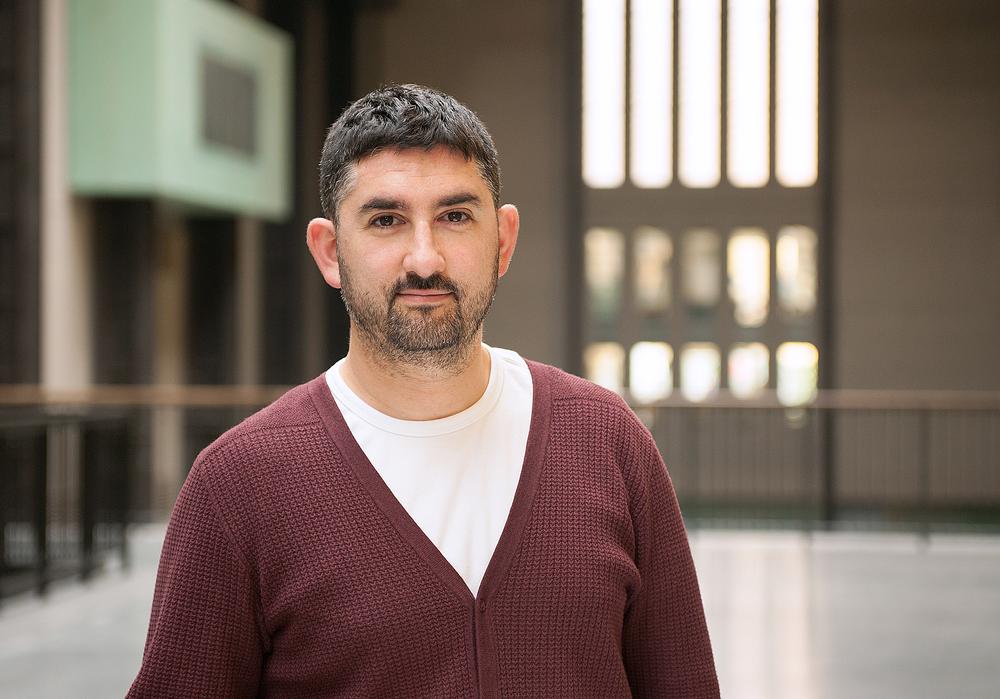
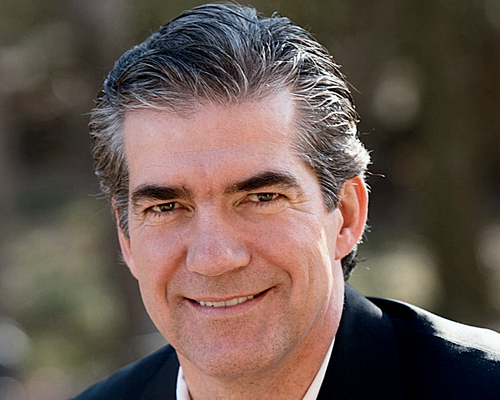
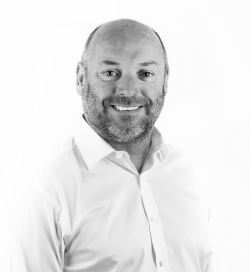
Tate Modern senior curator Mark Godfrey expects visitor numbers to rise following the opening of the extension / PHOTO: COURTESY OF TATE
The opening this June of the long-awaited expansion to London’s Tate Modern opens up a new world of opportunities to artists as well as visitors, according to Tate Modern senior curator Mark Godfrey.
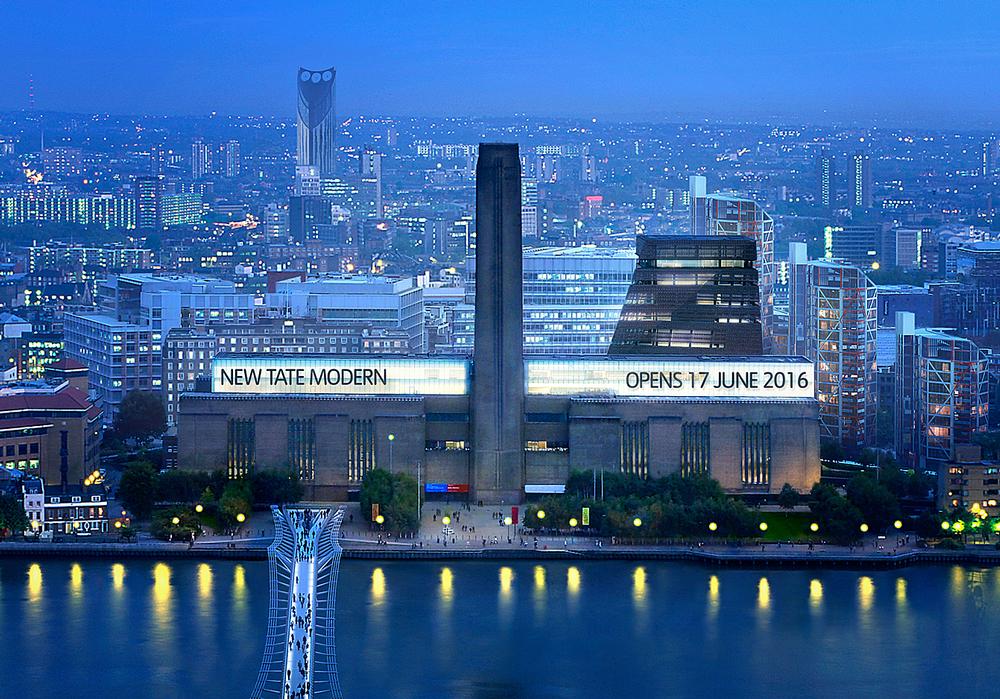
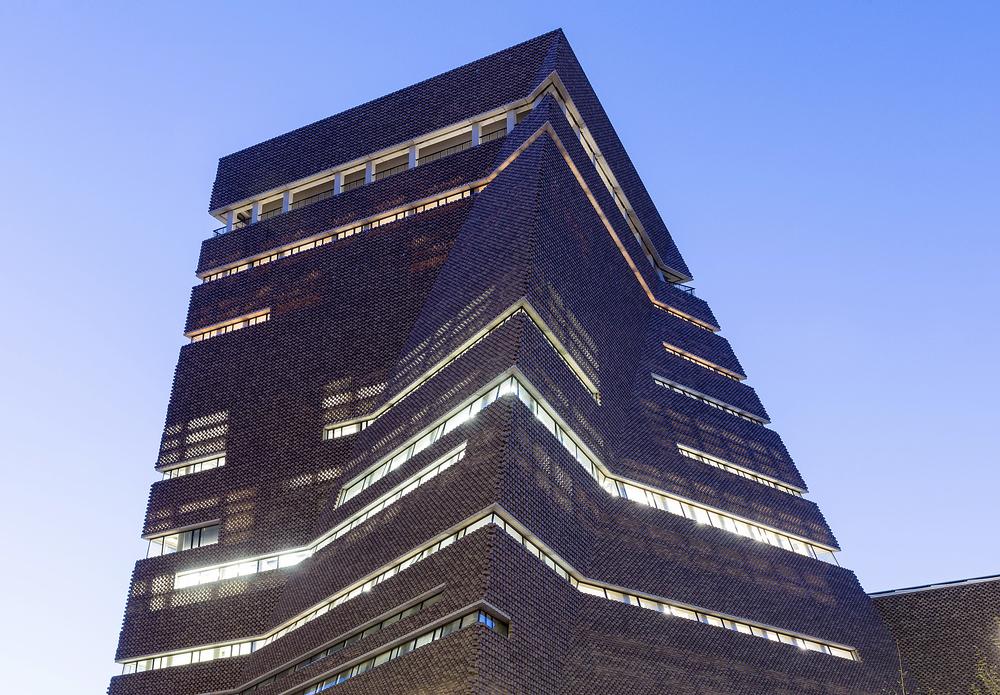
Back in 2000, a derelict power station by the River Thames was transformed, by Swiss architects Herzog & de Meuron, into the Tate Modern. The same architects are behind the newly opened extension building, which has been constructed on the site of the power station’s former Switch House. The 10-storey “twisted pyramid” adds 60 per cent more space.
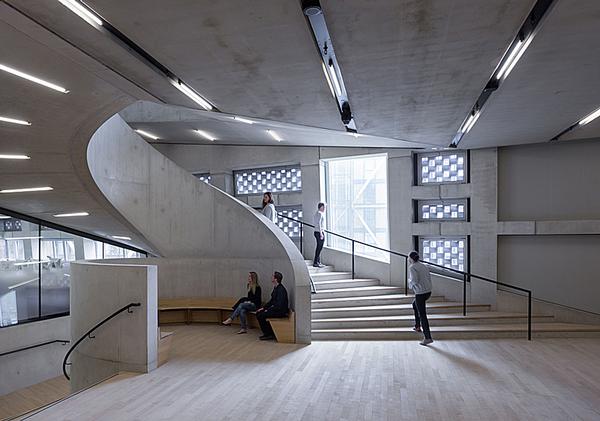
Cylindrical underground tanks, which were formerly used to hold the power station’s oil, form the physical foundation of the 65-metre (213-foot) tall, 21,500sqm (230,400sq ft) building and provide space dedicated to live art, installation and film. The new floors above are connected by both lifts and a sweeping concrete staircase, while two bridges connect the Switch House with the Boiler House and the museum’s original facilities.
“Throughout the galleries we have more flexible spaces. In the basement are the tanks, huge circular areas, where there’s no daylight, but it’s rigged for performances and different types of live art,” says Godfrey. “It’s the kind of space I think that artists will come to and be inspired – respond to the possibilities, the shapes, the materiality, the concrete, the circularity of those spaces.”
The Switch House has cost a reported £260m ($345m, €310m) – almost £50m ($66m, €60m) more than expected. The Tate Modern currently receives 5 million annual visitors – a figure which is expected to rise in the years ahead.
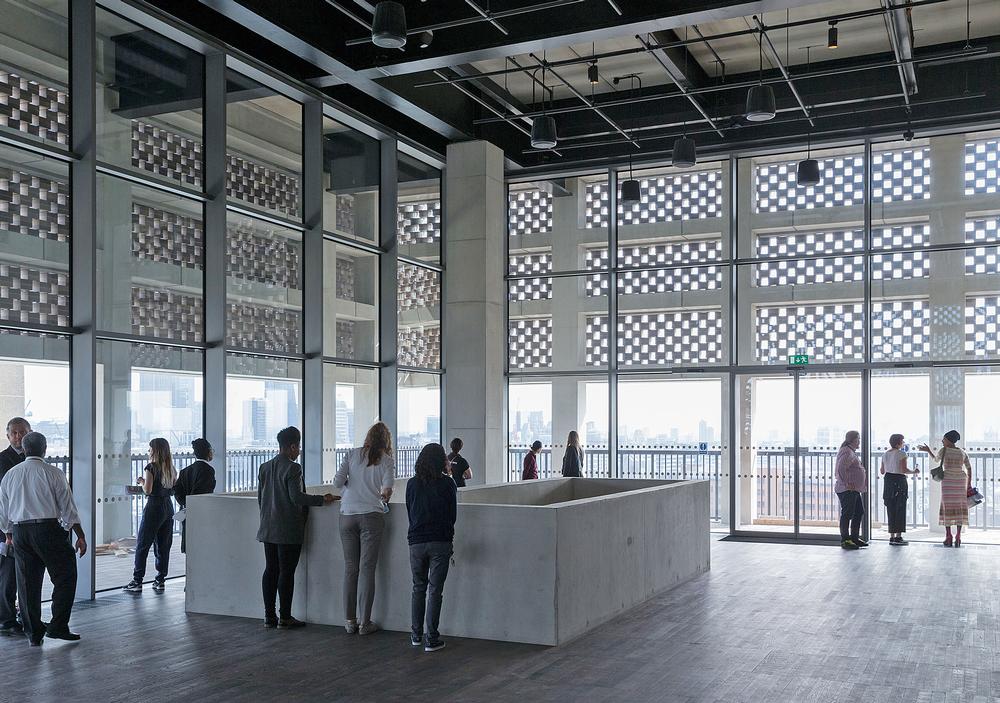
“The second floor offers vast areas without pillars, creating very long sightlines. It can be partitioned, but we don’t need to regiment the space with walls,” Godfrey says. “The space offers a lot of flexibility in terms of how you might structure an exhibition or create conversations between artworks over quite a lot of space. There are also higher ceilings and natural light. Natural light is really important in several of the artworks we have in the collection – it really brings the work alive.”
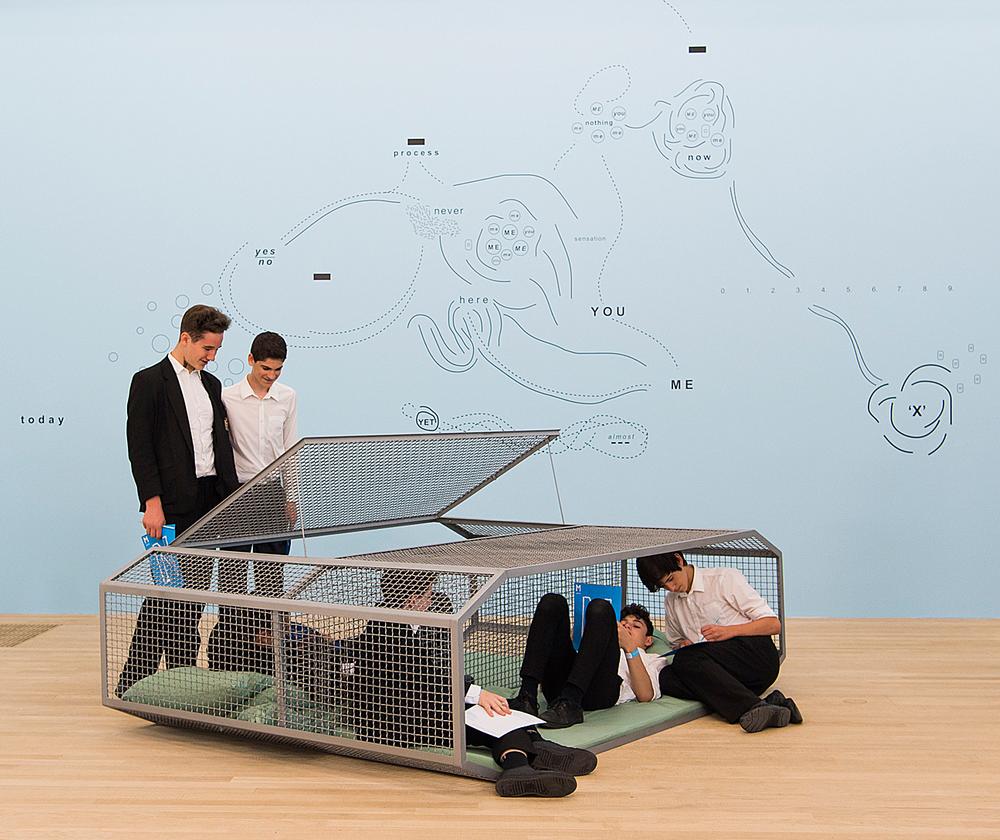
“The third floor is a smaller space with possibilities for blackouts and film projections. On the fourth floor you’ve got two wonderfully proportioned galleries with high ceilings – and again it’s exciting to see how artists won’t just have their works placed here, but will respond to the space to create installations. There are so many ways in which an artist would look at the shapes, angles, textures, lighting, brickwork, and would be motivated by those factors,” he says.
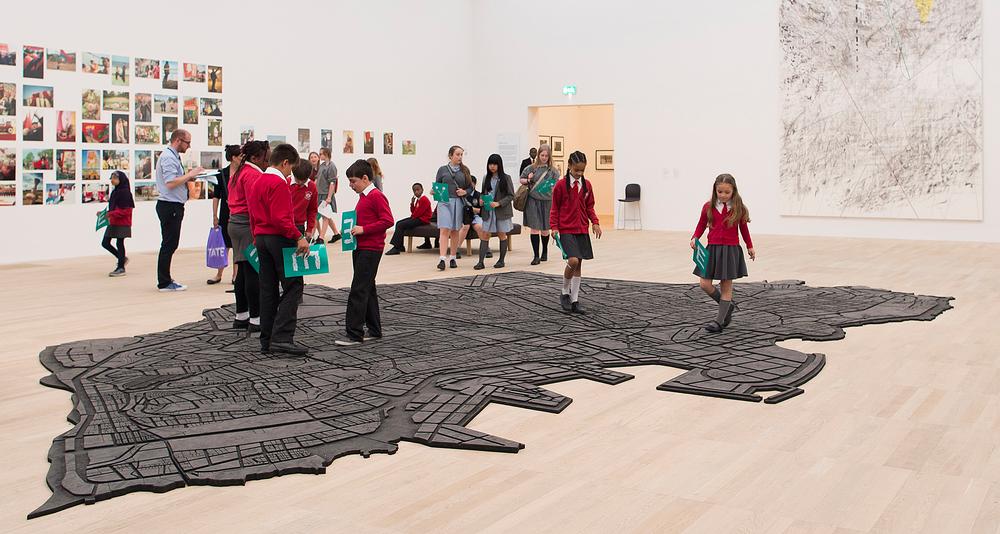
The Switch House’s debut exhibit draws on work from across the Tate collection, with a focus on newly acquired works and an intention to show a more diverse array of international artists – from Lebanon, Nigeria, Turkey, Egypt, Ethiopia, Brazil, Japan and China – and more female artists.
Read more from this issue of Attractions Management magazine
View contents of Attractions Management 2016 issue 3
Editor’s Letter: Place-Shifting
Technology is giving us the
power to Place-Shift experiences
to create on-demand, immersive
attractions in any location
Promotional Feature: EAS - Beautiful Horizons
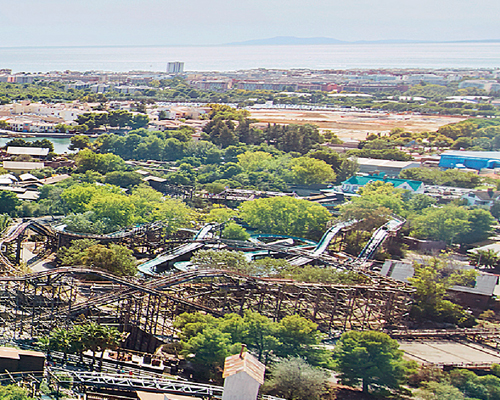
The attractions industry is set to descend upon one of Europe’s
most inspiring cities – Barcelona. And if it’s inspiration
you’re looking for, the Euro Attractions Show is the place
Theme Parks: Desert Operations
On the brink of an entertainment revolution, Dubai looks forward to three major theme park openings. Attractions Management caught up with key decision- makers from the upcoming attractions
Mystery Shopper: Disney Delights
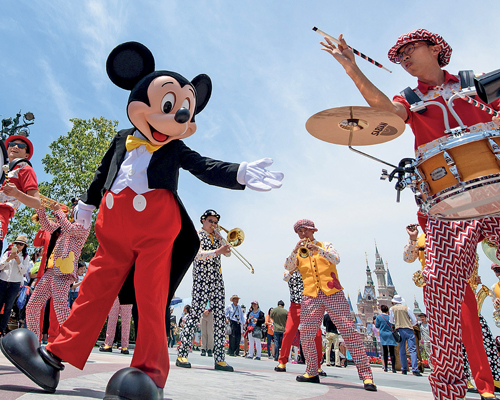
Disneyland Shanghai is the company’s first new theme park resort since 2005 and its biggest investment to date. TEA president-elect David Willrich went undercover to find out what Disney’s doing differently
Analysis: Part 3 - Benchmarking
Consultant David Camp asks how we measure success as he focuses on benchmarking and market penetration rates in part three of the series
Opinion: Media Frenzy
Is it time for media-based rides to raise their game? Gavin and Jason Fox, creative directors from Oscar-winning special effects studio Framestore, believe Hollywood-standard content is the next step for the industry
A view of London’s Tate Modern and new extension from the other side of the Thames / PHOTO: HAYES DAVIDSON
The multi-storey building, described as a “twisting pyramid” offers different perspectives and experiences on each level / PHOTO: IWAN BAAN
The Switch House was designed by Swiss architects Herzog & de Meuron and cost a reported £260m / PHOTO: IWAN BAAN
The galleries are designed to accommodate different styles of art, such as installation art, performance art and film / PHOTO: J Fernandes, TATE Photography
The galleries are designed to accommodate different styles of art, such as installation art, performance art and film / PHOTO: J Fernandes, TATE Photography
The galleries are designed to accommodate different styles of art, such as installation art, performance art and film / PHOTO: IWAN BAAN
COMPANY PROFILES
Clip 'n Climb
Clip ‘n Climb currently offers facility owners and
investors more than 40 colourful and unique
Cha [more...]
Polin Waterparks
Polin was founded in Istanbul in 1976. Polin
has since grown into a leading company in
the waterpa [more...]
Taylor Made Designs
Founded in 1993, Taylor Made
Designs supply corporate clothing
and brand-enhancing merchandise
to [more...]
Tate Modern senior curator Mark Godfrey expects visitor numbers to rise following the opening of the extension / PHOTO: COURTESY OF TATE
The opening this June of the long-awaited expansion to London’s Tate Modern opens up a new world of opportunities to artists as well as visitors, according to Tate Modern senior curator Mark Godfrey.
Back in 2000, a derelict power station by the River Thames was transformed, by Swiss architects Herzog & de Meuron, into the Tate Modern. The same architects are behind the newly opened extension building, which has been constructed on the site of the power station’s former Switch House. The 10-storey “twisted pyramid” adds 60 per cent more space.
Cylindrical underground tanks, which were formerly used to hold the power station’s oil, form the physical foundation of the 65-metre (213-foot) tall, 21,500sqm (230,400sq ft) building and provide space dedicated to live art, installation and film. The new floors above are connected by both lifts and a sweeping concrete staircase, while two bridges connect the Switch House with the Boiler House and the museum’s original facilities.
“Throughout the galleries we have more flexible spaces. In the basement are the tanks, huge circular areas, where there’s no daylight, but it’s rigged for performances and different types of live art,” says Godfrey. “It’s the kind of space I think that artists will come to and be inspired – respond to the possibilities, the shapes, the materiality, the concrete, the circularity of those spaces.”
The Switch House has cost a reported £260m ($345m, €310m) – almost £50m ($66m, €60m) more than expected. The Tate Modern currently receives 5 million annual visitors – a figure which is expected to rise in the years ahead.
“The second floor offers vast areas without pillars, creating very long sightlines. It can be partitioned, but we don’t need to regiment the space with walls,” Godfrey says. “The space offers a lot of flexibility in terms of how you might structure an exhibition or create conversations between artworks over quite a lot of space. There are also higher ceilings and natural light. Natural light is really important in several of the artworks we have in the collection – it really brings the work alive.”
“The third floor is a smaller space with possibilities for blackouts and film projections. On the fourth floor you’ve got two wonderfully proportioned galleries with high ceilings – and again it’s exciting to see how artists won’t just have their works placed here, but will respond to the space to create installations. There are so many ways in which an artist would look at the shapes, angles, textures, lighting, brickwork, and would be motivated by those factors,” he says.
The Switch House’s debut exhibit draws on work from across the Tate collection, with a focus on newly acquired works and an intention to show a more diverse array of international artists – from Lebanon, Nigeria, Turkey, Egypt, Ethiopia, Brazil, Japan and China – and more female artists.
Read more from this issue of Attractions Management magazine
View contents of Attractions Management 2016 issue 3
Editor’s Letter: Place-Shifting
Technology is giving us the
power to Place-Shift experiences
to create on-demand, immersive
attractions in any location
Promotional Feature: EAS - Beautiful Horizons
The attractions industry is set to descend upon one of Europe’s
most inspiring cities – Barcelona. And if it’s inspiration
you’re looking for, the Euro Attractions Show is the place
Theme Parks: Desert Operations
On the brink of an entertainment revolution, Dubai looks forward to three major theme park openings. Attractions Management caught up with key decision- makers from the upcoming attractions
Mystery Shopper: Disney Delights
Disneyland Shanghai is the company’s first new theme park resort since 2005 and its biggest investment to date. TEA president-elect David Willrich went undercover to find out what Disney’s doing differently
Analysis: Part 3 - Benchmarking
Consultant David Camp asks how we measure success as he focuses on benchmarking and market penetration rates in part three of the series
Opinion: Media Frenzy
Is it time for media-based rides to raise their game? Gavin and Jason Fox, creative directors from Oscar-winning special effects studio Framestore, believe Hollywood-standard content is the next step for the industry
A view of London’s Tate Modern and new extension from the other side of the Thames / PHOTO: HAYES DAVIDSON
The multi-storey building, described as a “twisting pyramid” offers different perspectives and experiences on each level / PHOTO: IWAN BAAN
The Switch House was designed by Swiss architects Herzog & de Meuron and cost a reported £260m / PHOTO: IWAN BAAN
The galleries are designed to accommodate different styles of art, such as installation art, performance art and film / PHOTO: J Fernandes, TATE Photography
The galleries are designed to accommodate different styles of art, such as installation art, performance art and film / PHOTO: J Fernandes, TATE Photography
The galleries are designed to accommodate different styles of art, such as installation art, performance art and film / PHOTO: IWAN BAAN
Abu Dhabi-based investment firm Mubadala Capital has made a binding, fully financed
€1 billion
offer to acquire Pierre and Vacances SA, the European holiday resort operator behind the
continental European Center Parcs business.
Disney has reaffirmed its commitment to investing US$30 billion in its US parks and cruise
business by 2033, using new America250 celebrations to underline the role its attractions play
in supporting jobs, tourism and economic growth.
Expo 2030 Riyadh is being planned as a permanent visitor destination, with organisers
confirming the six-million-square-metre site will become a Global Village after the event closes.
The owner of one of Australia's best-known waterparks has acquired a major competitor,
creating a new attractions business spanning two of the country's largest visitor destinations.
The Toverland theme park in the Netherlands has announced a €98m expansion programme
that will add a resort, new attractions and staff facilities as it pursues plans to become a multi-
day destination.
Hotel de France, located on the British Isle of Jersey, has created a wellness retreat package
that includes a hot yoga session that will take place in Jersey Zoo’s butterfly sanctuary.
A new immersive attraction designed to transport visitors into the final hours of ancient Pompeii
is preparing to open near the world-famous archaeological site in southern Italy.
Experience design company, BRC Imagination Arts, has completed a transition that sees founder
Bob Rogers pass ownership of the business to four long-serving senior executives, while
remaining actively involved with the company.
Movie Park Germany has opened a new Paramount Pictures-themed attraction as part of its 30th
anniversary celebrations, using immersive storytelling and adaptive reuse to reinforce the park’s
longstanding “Hollywood in Germany” positioning.
Therme Manchester’s 28-acre development, which will include interconnected glass pavilions
that measure 65,000sq m, will be the largest bathing and wellbeing attraction in the world once
complete, according to prof David Russell, CEO of Therme UK.
+ More news
COMPANY PROFILES
Clip 'n Climb Clip ‘n Climb currently offers facility owners and
investors more than 40 colourful and unique
Cha [more...]
Polin Waterparks Polin was founded in Istanbul in 1976. Polin
has since grown into a leading company in
the waterpa [more...]
Taylor Made Designs Founded in 1993, Taylor Made
Designs supply corporate clothing
and brand-enhancing merchandise
to [more...]