The Buchinger Wilhelmi fasting method is almost 105 years old, but the family behind it are still pushing ahead with exciting research and innovations. Megan Whitby talks to the father-son duo driving change
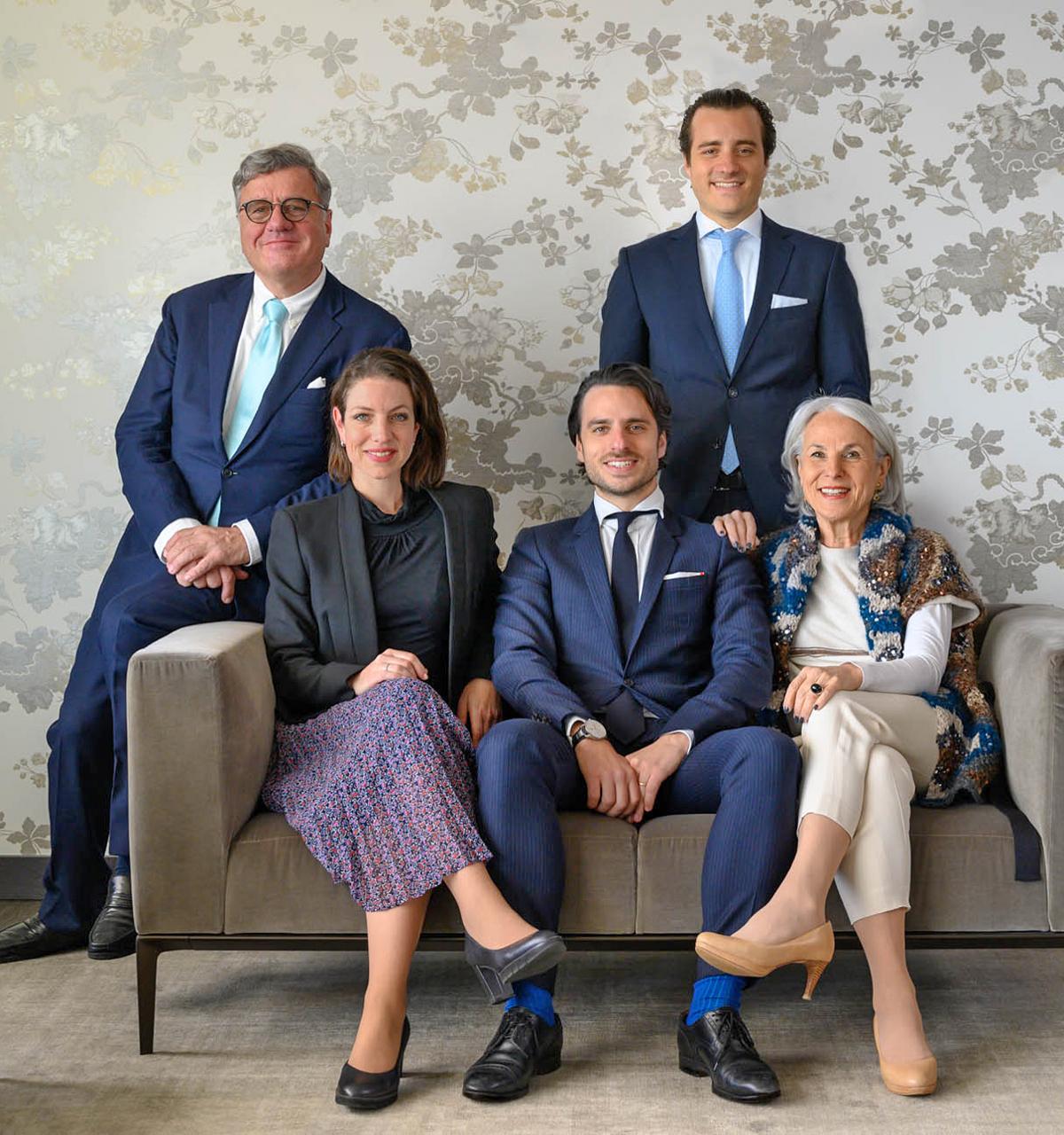
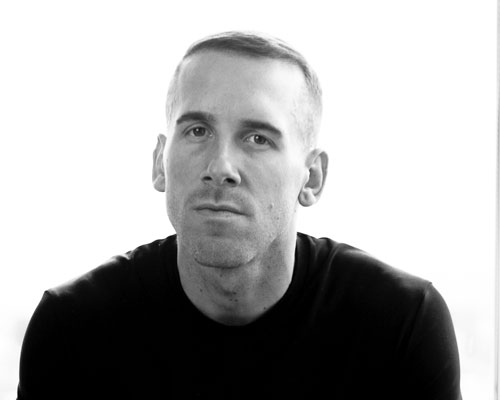
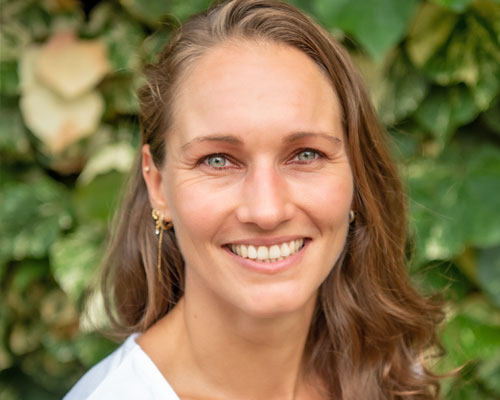
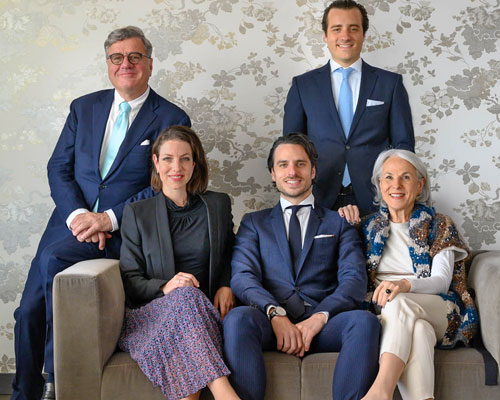
Raimund and Leo Wilhelmi (back); Katharina Rohrer-Zaiser, Victor and Francoise Wilhelmi (front) / photo: Buchinger Wilhelmi
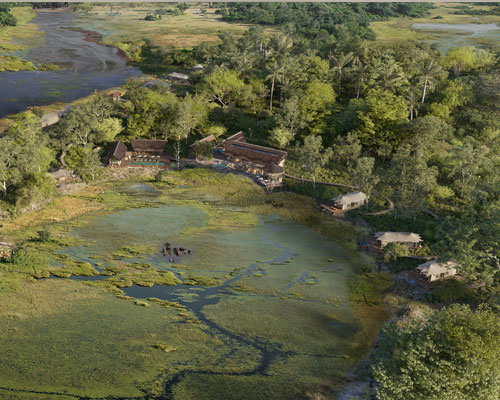
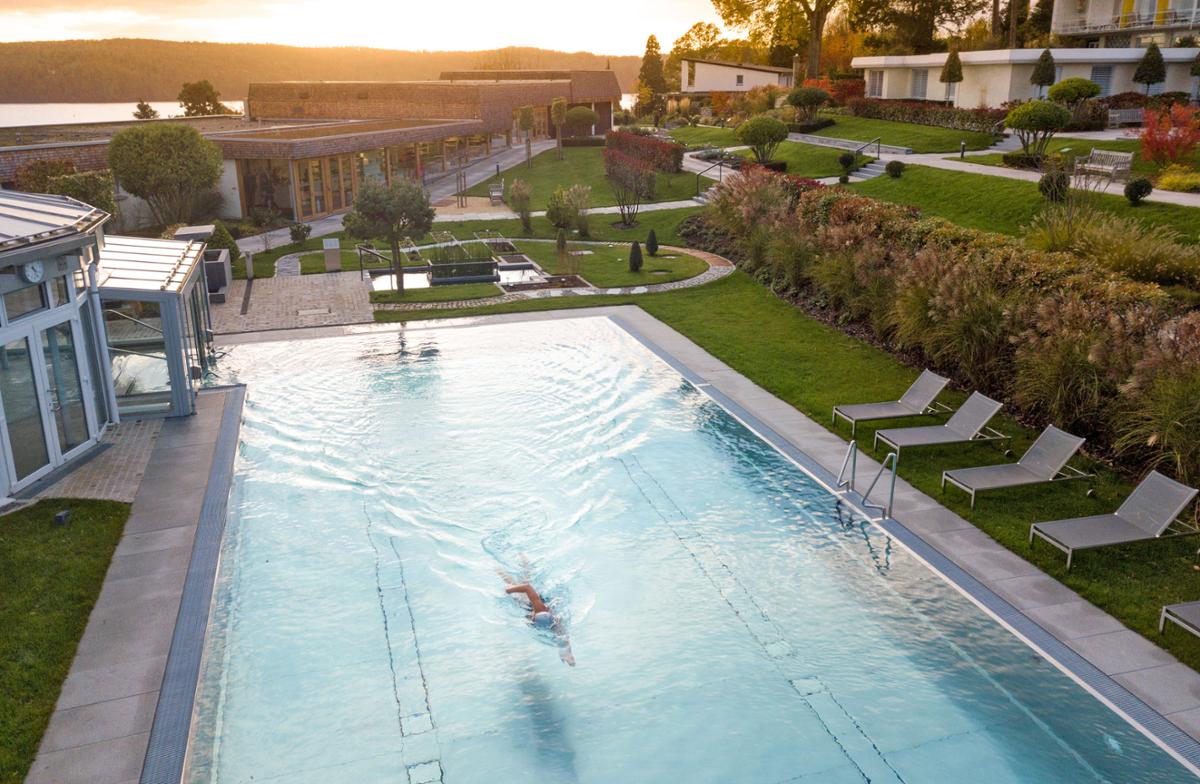
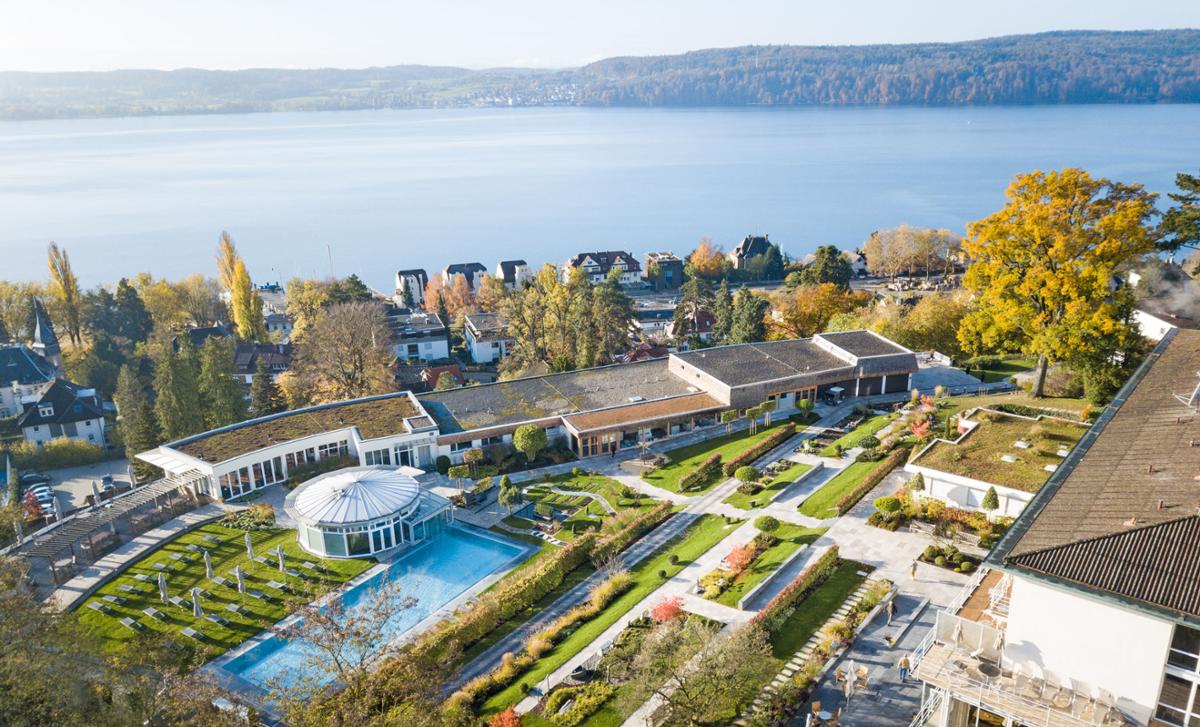
At the bucolic setting of the Buchinger Wilhelmi integrative medicine clinic on the shores of Lake Constance, south Germany, a 93-year-old guest has legendary status for visiting twice annually for the past 40 years. He’s one of more than 7,000 clients from around the world who come to either the German site or sister property in Marbella, Spain, for its famous fasting method each year.
The method, developed by medical doctor and philosopher Dr Otto Buchinger in 1920, involves a daily intake of organic fruit juice and soup averaging 200-250 calories, accompanied by gentle physical activity.
Programmes starting at 10 days (see p80) are used to prevent and treat a wide range of pre-existing conditions. Most recently, in-house researchers are looking at fasting impacts when combined with weight loss drugs, while its effect on Alzheimer’s and multiple sclerosis are in line for investigation.
Other innovations include adding music and art therapy to the mix, which, over the years, has already been bolstered with more than 250 different modalities. Plans for further sites and the creation of an interior design concept – inspired by a partnership with architect Matteo Thun – are also on the wish list.
Four generations of fasting What sets Buchinger Wilhelmi apart the most, however, is its nurturing touch – thanks to being a family-run business spanning four generations. Otto Buchinger first passed the baton to his daughter Maria (Wilhelmi by marriage) who opened the second clinic. Her children – Raimund and Jutta and their respective partners – later took over, with each couple managing a clinic.
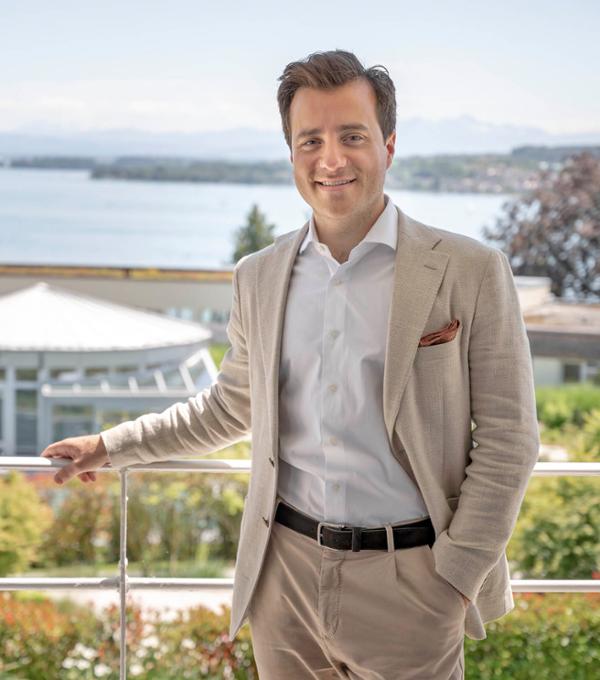
Now, the business’ future lies in the hands of Otto’s great-grandchildren, Katharina Rohrer-Zaiser and Victor Wilhelmi, who oversee the Marbella clinic, and Leo Wilhelmi, who heads up the flagship facility in Lake Constance.
Spa Business sat down with father-and-son duo, Raimund and Leo, for an update about the business and plans for the next chapter.
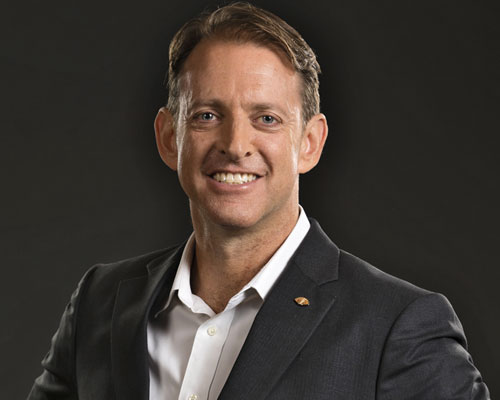
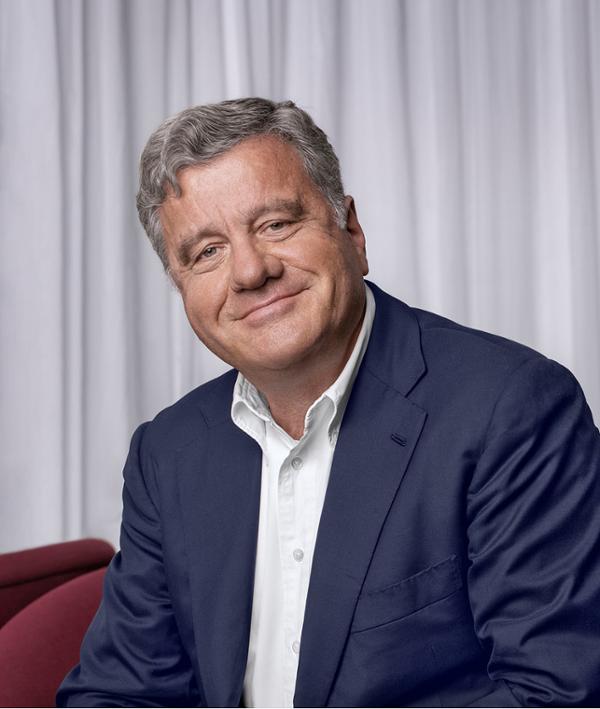
Raimund Wilhelmi, President Raimund has dedicated more than 40 years of his life to Buchinger Wilhelmi – 34 of which he spent running the flagship with his wife and head of the research institute, Dr Francoise Wilhelmi de Toledo. In 2019, he was succeeded as managing director by Leo and began serving as group president and chair of the advisory board.
“The men in our family nurtured the innovation and entrepreneurial side of Buchinger Wilhelmi alongside the women, but the women gave it spirit,” he says. “My mother – known as the Grand Dame of Fasting – loved caring for people and her legacy lives on in the compassionate way we treat every guest like family.
“This impacts every step of how we operate, from the way our staff warmly embrace guests, to the sense of belonging and community that’s fostered between fellow fasters.” Tellingly, 70 per cent of clientele at Lake Constance are repeat customers and many say they feel a powerful urge to return and top-up after their first, often transformational, visit.
Raimund adds: “Fasting is the most powerful, non-pharmacological, intervention in medicine. It is a gift we found and developed and it’s nothing short of a miracle. Our offering is unique because we’re a family-owned clinic – not a resort – with a science-first approach. If you couple this with our natural healing environments, the tangible effects guests get from fasting and our exceptionally strong team, we’ve created a business model that creates the need for people to return.”
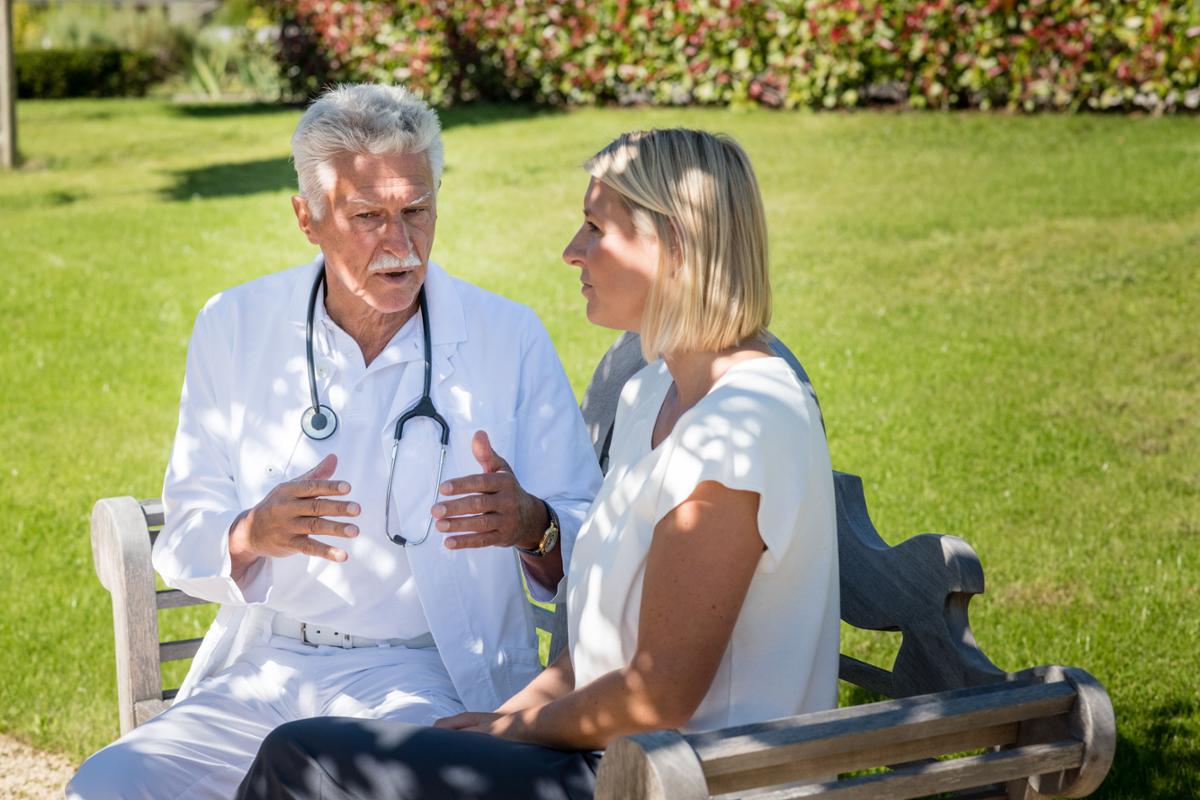
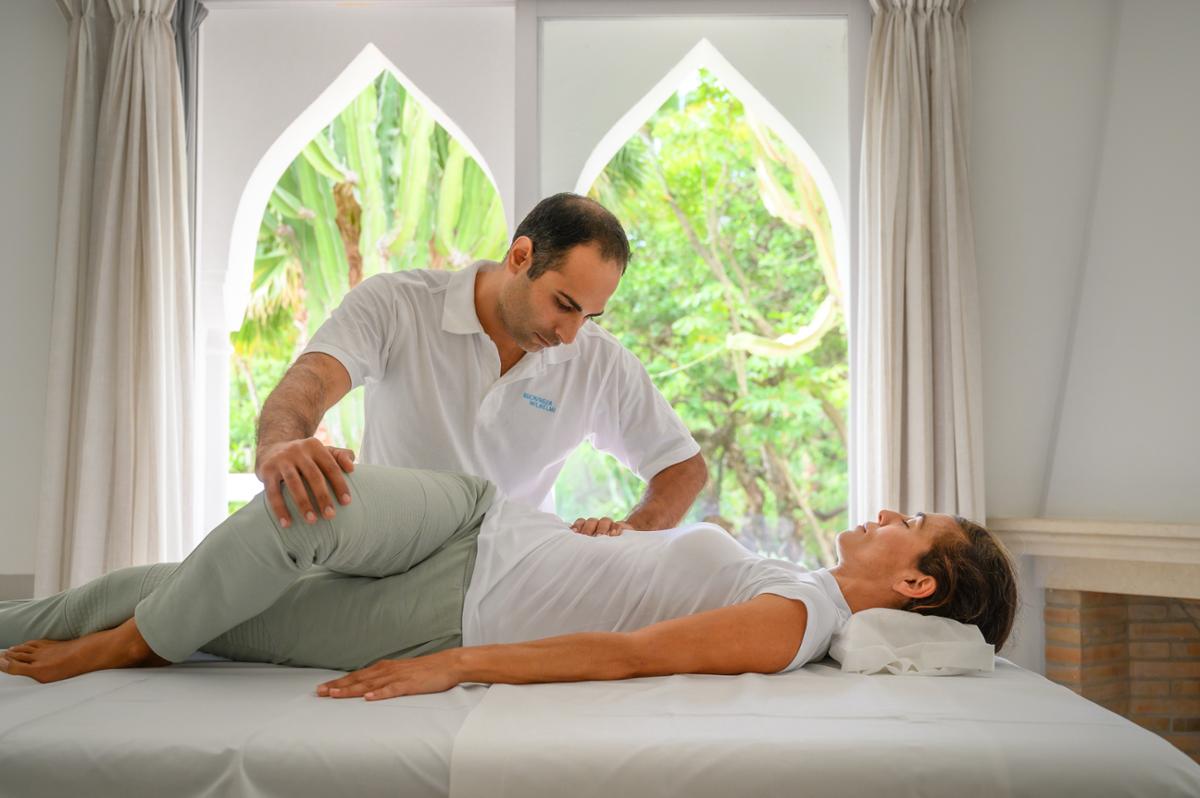
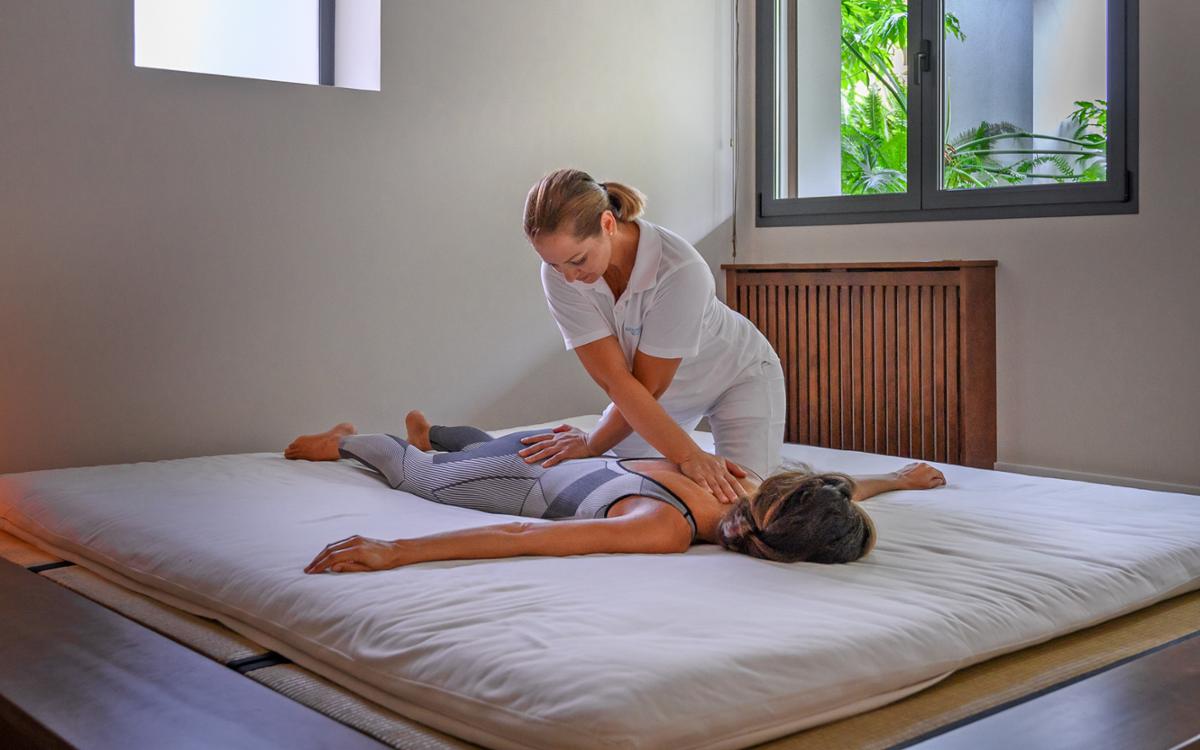
A people business Guests are in a delicate state when fasting so it’s imperative the team can empathise with this, says Raimund. In response, Buchinger Wilhelmi ensures every employee fasts at least once before starting their role. This includes the team of 10 doctors at Lake Constance and its 40 practitioners who specialise in everything from rheumatology and naturopathy, to homoeopathy and diabetes. Massage therapists, counsellors, nutritionists and personal trainers bolster the offering. “The staff are deeply committed to providing guests with the very best care, both physically and mentally,” says Raimund.
He describes Buchinger Wilhelmi as a people business that’s heavy on personnel – “but, we know our customers love it because that’s why they return.” In fact, staff are so well received that some regular guests will decline to visit until their preferred team member is available.
It’s perhaps no surprise then, that Raimund is keen to expand the brand with further locations.
Psychology, art and mental strength At present, his focus is on how the clinics can support guests mentally – something he believes is just as profound as the physical impact of getting the most out of the fasting journey.
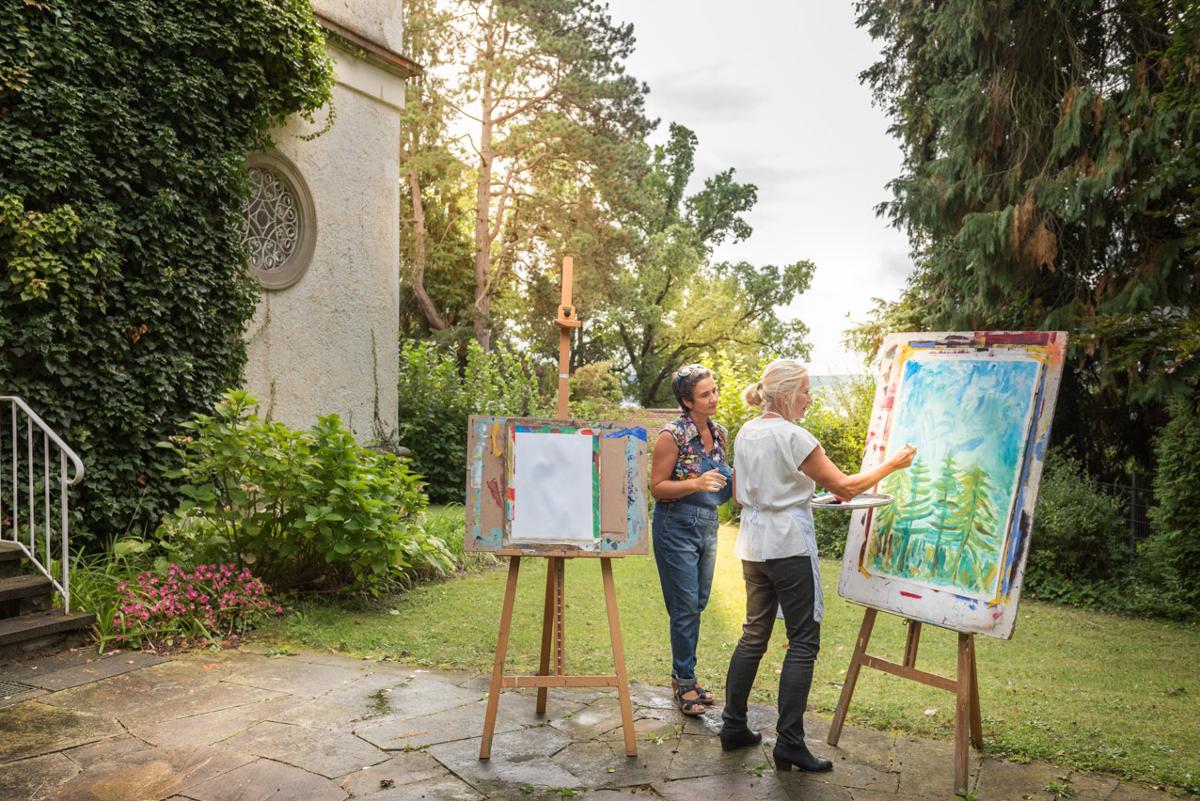
During his tenure, this led him to supplement the therapeutic team with psychologists and also to hire an art consultant. He explains: “Art has a physical effect on your body and fasting is a deeply physical experience. To me, art is capable of enhancing how you feel.”
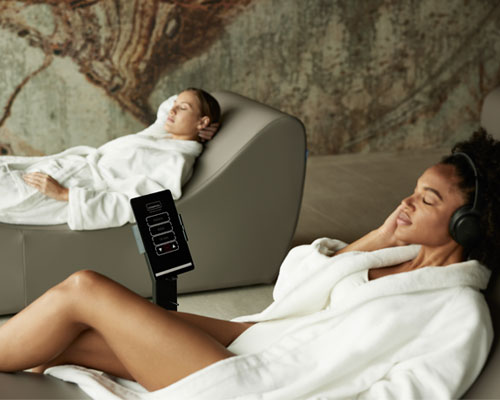
He feels that the environment, music, architecture and art that guests are exposed to while fasting can enrich their experience. This inspired him to establish both music and art therapy as staple offerings at Buchinger Wilhelmi and now both feature heavily in the clinics’ activity schedule.
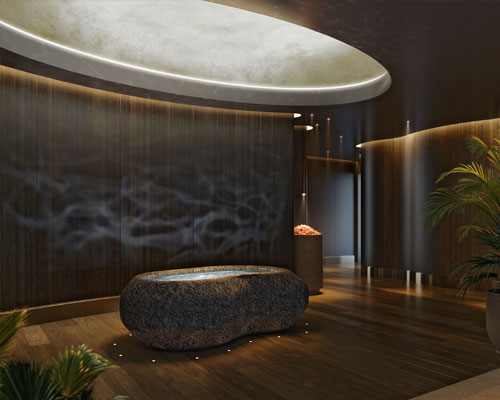
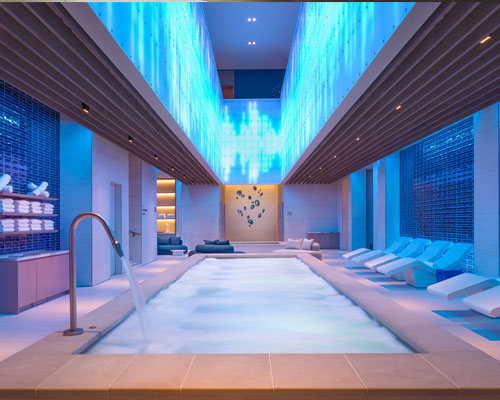
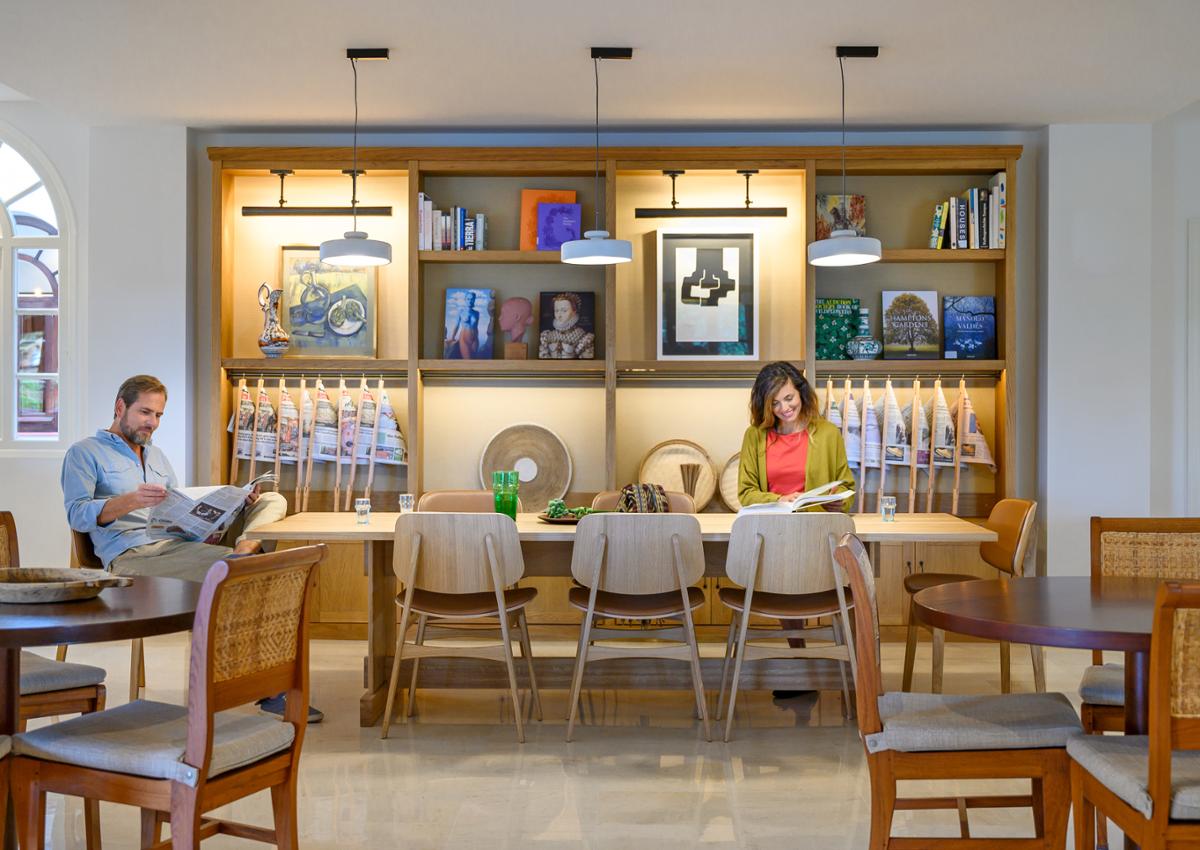
Last year a refresh of parts of the flagship site in Germany sparked another idea. The minimalist, nature-centric renovation of its fasting salon and dining area was led by Italian architect and designer Matteo Thun – who also happens to be a long-term guest.
Raimund says there are ambitions to develop a Buchinger Wilhelmi interior design concept that can be used throughout their locations. It will guide the choice of fabrics, artwork, lighting and furniture placement, influencing how people use a room, adding intuitiveness and ultimately enhancing the overall experience.
Leo Wilhelmi MD, Lake Constance Following in his father’s footsteps, Leo has overseen the Lake Constance clinic for almost five years and is working on its next chapter.
The team recently rolled out modern programming, including IV therapy, hyperbaric oxygen therapy, microbiome analyses and epigenetic testing.
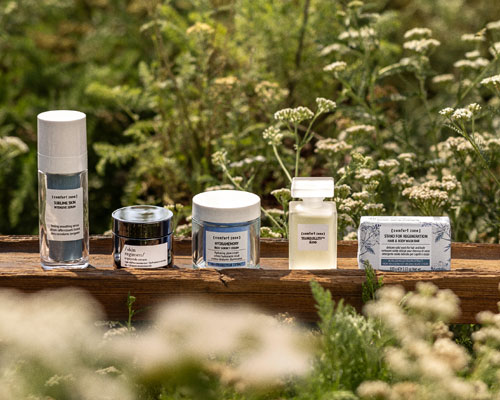
The clinic has also welcomed two new specialists in psychological therapy and Traditional Chinese Medicine, expanded its meditation and yoga activities and announced a partnership with Berlin-based cosmetic brand, I+M, to launch an all-natural cosmetics line.
Tech innovations Fasting is the crux of Buchinger Wilhelmi’s model but Leo says the team is constantly honing the offering in line with technological advancements.
“Obviously, we can’t make fasting technologically dependent but we can use tech to support it,” he says, revealing that there are plans to integrate nutrition tracking via a glucose monitor and app and to roll out sports testing such as spirometry, ergonomic assessments and breath analysis.
Leo also has ambitions to develop a supplement line which will support the microbiome and digestive system after fasting. This, he says, is a crucial step as the “two weeks post-treatment are where you regenerate everything you’ve depleted as the body is in super repair mode”.
Another big focus for Leo is research. In-house scientists have already demonstrated how the Buchinger Wilhelmi fasting method has positive effects on weight loss, cardiovascular health, detoxification, liver health, blood pressure, mood, blood sugar levels, cholesterol, arthritis and Type 2 diabetes. However, he wants to uncover more information about the physiological mechanisms at play and reveal further benefits.
Research goals Cancer, Long COVID and the microbiome are current areas of research, although this work remains in the early stages.
In the long term, the goal is to produce concrete evidence that fasting can help with Parkinson’s, Alzheimer’s and multiple sclerosis.
Investigating how fasting combines with weight-loss drugs such as Ozempic and Wegovy is on the agenda too, as growing numbers of guests are intrigued by this. “These [weight loss drugs] aren’t things that we believe in from a philosophical point of view, because our approach is always a non-pharmacological one for longevity, healthspan and health,” he says. “But, it’s human nature to avoid hard work and look for a quick fix so we need to learn more.”
Longer stays, more men In 2023, the average length of stay at Buchinger Wilhelmi Lake Constance grew from 10 to 14.5 days, which Leo says is a testament to both the rise in hybrid working as well as the overwhelming re-prioritisation of health. He feels some consumers now place the same importance on booking health breaks as their regular holidays.
Other key patterns include guests increasingly booking in groups, a fall in their average age from 50 to 45 and a more even 50/50 split between male and female guests. The latter in particular marks a change from pre-pandemic times when the guest base was predominantly women visiting for prevention, while a small proportion of men would come following a health crisis.
“For men to visit a clinic like ours before the pandemic was often an admission of weakness. We used to have male guests asking us not to reveal they were staying because people would think they were burned out. Now, the mindset has shifted and men are no longer ashamed to invest in their health,” he explains.
Pioneers of fasting Looking ahead, the Wilhelmis intend to safeguard their legacy traditions while at the same time continuing to explore opportunities to innovate and grow.
“We’re in the business of empowering people to live a healthy and fulfilling life and remaining a family operation is the guarantee for our success,” Leo says. “We want to continue to be the pioneers of fasting and push for our approach to become the best in the world. This is why we remain so committed to conducting research, publishing what we know and constantly evolving our unique and powerful fasting approach.”
History: a Deeper dive
2024 marks the 70th anniversary of Buchinger Wilhelmi, a clinic on the shores of Lake Constance in south Germany which specialises in the fasting method founded by Dr Otto Buchinger in 1920.
Featuring 150 rooms, the clinic, together with its 101-key sister property in Marbella, Spain, receives more than 7,000 guests from 60 countries annually.
During their stay, guests receive consultations with a doctor, daily nurse check-ups and have 24-hour access to medical personnel as well as a varied daily activity schedule including yoga, spa treatments, hiking, meditation, music concerts, art classes and cooking demonstrations.
Packages range from 10 days, two weeks or three weeks and 5-10 per cent of guests stay longer – with the maximum stay capped at 40 days. The starting price for a 10-day package is €2,745 (US$2,978, £2,340) per person.
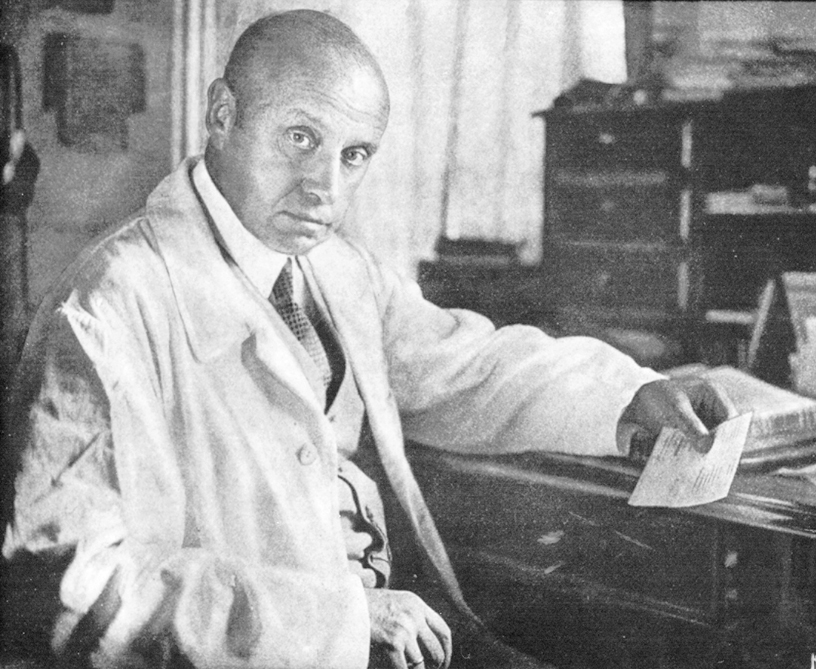
Dr Otto Buchinger created the fasting method in 1920 / photo: Buchinger Wilhelmi
Read more from this issue of Attractions Management magazine
View contents of Attractions Management 2024 issue 1
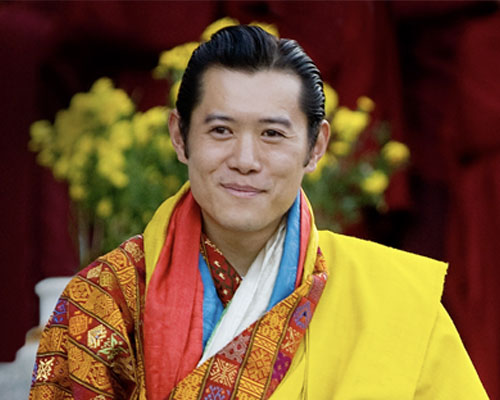
Profile: King of Bhutan
Plans for a 'mindfulness city' nearly as big as Hong Kong have been unveiled by the King of Bhutan. Katie Barnes takes a closer look
Destination focus: London
Major hotel brands from Mandarin Oriental and Raffles to Six Senses are all investing in the UK capital, but how will they differentiate themselves asks Katie Barnes
Sponsored: Beltrami – made in Italy
Beltrami has more than 50 years’ experience creating bespoke textile products for spas around the world, with a focus on quality
Jeremy McCarthy: Details matter
Attention to detail is a superpower and necessity in the luxury spa arena, says our contributing editor
Interview: Esin Güral Argat
The owner of Joali Being tells Neena Dhillon what inspired her to create an island dedicated to transformative wellbeing in the Maldives
Family matters: The Wilhelmis
The father and son duo behind the Buchinger Wilhelmi fasting method share their exciting plans for research and innovation with Megan Whitby
First person: By royal appointment
Lindsay Madden-Nadeau has a hypo-healing experience at Atlantis The Royal, Kerzner's sister property to the iconic Atlantis The Palm
Interview: Lyndell Nelis
The wellness director for Atlantis Resorts explains how its two Dubai properties are 'smashing it' when it comes to spa performance
New opening: Kilolani Spa
Grand Wailea's famous Hawaiian spa has been transformed into a moon-inspired, open-air haven
Event report: Hotting it up
Jane Kitchen reveals the thermal spa issues and trends delegates were talking about at this industry gathering in California
Sponsored: High end
Hoar Cross Hall has a new gym to match its award-winning hotel and spa. We find out more about the transformation
Software: Building relationships
Using personal data to create tailored experiences is paramount for spas, but operators have been fined millions for breaching GDPR. How can software systems help navigate this?
Sponsored: Add life
Increasing life expectancy is one of the great achievements of our
times and Starpool is working to bring real meaning to longevity
An opportunity to reimagine one of the UK’s most recognisable towers has been formally
opened by Rivington Hark, as St Johns Beacon invites operators and partners to shape its
next phase. [more...]
The Buchinger Wilhelmi fasting method is almost 105 years old, but the family behind it are still pushing ahead with exciting research and innovations. Megan Whitby talks to the father-son duo driving change
Raimund and Leo Wilhelmi (back); Katharina Rohrer-Zaiser, Victor and Francoise Wilhelmi (front) / photo: Buchinger Wilhelmi
At the bucolic setting of the Buchinger Wilhelmi integrative medicine clinic on the shores of Lake Constance, south Germany, a 93-year-old guest has legendary status for visiting twice annually for the past 40 years. He’s one of more than 7,000 clients from around the world who come to either the German site or sister property in Marbella, Spain, for its famous fasting method each year.
The method, developed by medical doctor and philosopher Dr Otto Buchinger in 1920, involves a daily intake of organic fruit juice and soup averaging 200-250 calories, accompanied by gentle physical activity.
Programmes starting at 10 days (see p80) are used to prevent and treat a wide range of pre-existing conditions. Most recently, in-house researchers are looking at fasting impacts when combined with weight loss drugs, while its effect on Alzheimer’s and multiple sclerosis are in line for investigation.
Other innovations include adding music and art therapy to the mix, which, over the years, has already been bolstered with more than 250 different modalities. Plans for further sites and the creation of an interior design concept – inspired by a partnership with architect Matteo Thun – are also on the wish list.
Four generations of fasting What sets Buchinger Wilhelmi apart the most, however, is its nurturing touch – thanks to being a family-run business spanning four generations. Otto Buchinger first passed the baton to his daughter Maria (Wilhelmi by marriage) who opened the second clinic. Her children – Raimund and Jutta and their respective partners – later took over, with each couple managing a clinic.
Now, the business’ future lies in the hands of Otto’s great-grandchildren, Katharina Rohrer-Zaiser and Victor Wilhelmi, who oversee the Marbella clinic, and Leo Wilhelmi, who heads up the flagship facility in Lake Constance.
Spa Business sat down with father-and-son duo, Raimund and Leo, for an update about the business and plans for the next chapter.
Raimund Wilhelmi, President Raimund has dedicated more than 40 years of his life to Buchinger Wilhelmi – 34 of which he spent running the flagship with his wife and head of the research institute, Dr Francoise Wilhelmi de Toledo. In 2019, he was succeeded as managing director by Leo and began serving as group president and chair of the advisory board.
“The men in our family nurtured the innovation and entrepreneurial side of Buchinger Wilhelmi alongside the women, but the women gave it spirit,” he says. “My mother – known as the Grand Dame of Fasting – loved caring for people and her legacy lives on in the compassionate way we treat every guest like family.
“This impacts every step of how we operate, from the way our staff warmly embrace guests, to the sense of belonging and community that’s fostered between fellow fasters.” Tellingly, 70 per cent of clientele at Lake Constance are repeat customers and many say they feel a powerful urge to return and top-up after their first, often transformational, visit.
Raimund adds: “Fasting is the most powerful, non-pharmacological, intervention in medicine. It is a gift we found and developed and it’s nothing short of a miracle. Our offering is unique because we’re a family-owned clinic – not a resort – with a science-first approach. If you couple this with our natural healing environments, the tangible effects guests get from fasting and our exceptionally strong team, we’ve created a business model that creates the need for people to return.”
A people business Guests are in a delicate state when fasting so it’s imperative the team can empathise with this, says Raimund. In response, Buchinger Wilhelmi ensures every employee fasts at least once before starting their role. This includes the team of 10 doctors at Lake Constance and its 40 practitioners who specialise in everything from rheumatology and naturopathy, to homoeopathy and diabetes. Massage therapists, counsellors, nutritionists and personal trainers bolster the offering. “The staff are deeply committed to providing guests with the very best care, both physically and mentally,” says Raimund.
He describes Buchinger Wilhelmi as a people business that’s heavy on personnel – “but, we know our customers love it because that’s why they return.” In fact, staff are so well received that some regular guests will decline to visit until their preferred team member is available.
It’s perhaps no surprise then, that Raimund is keen to expand the brand with further locations.
Psychology, art and mental strength At present, his focus is on how the clinics can support guests mentally – something he believes is just as profound as the physical impact of getting the most out of the fasting journey.
During his tenure, this led him to supplement the therapeutic team with psychologists and also to hire an art consultant. He explains: “Art has a physical effect on your body and fasting is a deeply physical experience. To me, art is capable of enhancing how you feel.”
He feels that the environment, music, architecture and art that guests are exposed to while fasting can enrich their experience. This inspired him to establish both music and art therapy as staple offerings at Buchinger Wilhelmi and now both feature heavily in the clinics’ activity schedule.
Last year a refresh of parts of the flagship site in Germany sparked another idea. The minimalist, nature-centric renovation of its fasting salon and dining area was led by Italian architect and designer Matteo Thun – who also happens to be a long-term guest.
Raimund says there are ambitions to develop a Buchinger Wilhelmi interior design concept that can be used throughout their locations. It will guide the choice of fabrics, artwork, lighting and furniture placement, influencing how people use a room, adding intuitiveness and ultimately enhancing the overall experience.
Leo Wilhelmi MD, Lake Constance Following in his father’s footsteps, Leo has overseen the Lake Constance clinic for almost five years and is working on its next chapter.
The team recently rolled out modern programming, including IV therapy, hyperbaric oxygen therapy, microbiome analyses and epigenetic testing.
The clinic has also welcomed two new specialists in psychological therapy and Traditional Chinese Medicine, expanded its meditation and yoga activities and announced a partnership with Berlin-based cosmetic brand, I+M, to launch an all-natural cosmetics line.
Tech innovations Fasting is the crux of Buchinger Wilhelmi’s model but Leo says the team is constantly honing the offering in line with technological advancements.
“Obviously, we can’t make fasting technologically dependent but we can use tech to support it,” he says, revealing that there are plans to integrate nutrition tracking via a glucose monitor and app and to roll out sports testing such as spirometry, ergonomic assessments and breath analysis.
Leo also has ambitions to develop a supplement line which will support the microbiome and digestive system after fasting. This, he says, is a crucial step as the “two weeks post-treatment are where you regenerate everything you’ve depleted as the body is in super repair mode”.
Another big focus for Leo is research. In-house scientists have already demonstrated how the Buchinger Wilhelmi fasting method has positive effects on weight loss, cardiovascular health, detoxification, liver health, blood pressure, mood, blood sugar levels, cholesterol, arthritis and Type 2 diabetes. However, he wants to uncover more information about the physiological mechanisms at play and reveal further benefits.
Research goals Cancer, Long COVID and the microbiome are current areas of research, although this work remains in the early stages.
In the long term, the goal is to produce concrete evidence that fasting can help with Parkinson’s, Alzheimer’s and multiple sclerosis.
Investigating how fasting combines with weight-loss drugs such as Ozempic and Wegovy is on the agenda too, as growing numbers of guests are intrigued by this. “These [weight loss drugs] aren’t things that we believe in from a philosophical point of view, because our approach is always a non-pharmacological one for longevity, healthspan and health,” he says. “But, it’s human nature to avoid hard work and look for a quick fix so we need to learn more.”
Longer stays, more men In 2023, the average length of stay at Buchinger Wilhelmi Lake Constance grew from 10 to 14.5 days, which Leo says is a testament to both the rise in hybrid working as well as the overwhelming re-prioritisation of health. He feels some consumers now place the same importance on booking health breaks as their regular holidays.
Other key patterns include guests increasingly booking in groups, a fall in their average age from 50 to 45 and a more even 50/50 split between male and female guests. The latter in particular marks a change from pre-pandemic times when the guest base was predominantly women visiting for prevention, while a small proportion of men would come following a health crisis.
“For men to visit a clinic like ours before the pandemic was often an admission of weakness. We used to have male guests asking us not to reveal they were staying because people would think they were burned out. Now, the mindset has shifted and men are no longer ashamed to invest in their health,” he explains.
Pioneers of fasting Looking ahead, the Wilhelmis intend to safeguard their legacy traditions while at the same time continuing to explore opportunities to innovate and grow.
“We’re in the business of empowering people to live a healthy and fulfilling life and remaining a family operation is the guarantee for our success,” Leo says. “We want to continue to be the pioneers of fasting and push for our approach to become the best in the world. This is why we remain so committed to conducting research, publishing what we know and constantly evolving our unique and powerful fasting approach.”
History: a Deeper dive
2024 marks the 70th anniversary of Buchinger Wilhelmi, a clinic on the shores of Lake Constance in south Germany which specialises in the fasting method founded by Dr Otto Buchinger in 1920.
Featuring 150 rooms, the clinic, together with its 101-key sister property in Marbella, Spain, receives more than 7,000 guests from 60 countries annually.
During their stay, guests receive consultations with a doctor, daily nurse check-ups and have 24-hour access to medical personnel as well as a varied daily activity schedule including yoga, spa treatments, hiking, meditation, music concerts, art classes and cooking demonstrations.
Packages range from 10 days, two weeks or three weeks and 5-10 per cent of guests stay longer – with the maximum stay capped at 40 days. The starting price for a 10-day package is €2,745 (US$2,978, £2,340) per person.
Dr Otto Buchinger created the fasting method in 1920 / photo: Buchinger Wilhelmi
Read more from this issue of Attractions Management magazine
View contents of Attractions Management 2024 issue 1
Profile: King of Bhutan
Plans for a 'mindfulness city' nearly as big as Hong Kong have been unveiled by the King of Bhutan. Katie Barnes takes a closer look
Destination focus: London
Major hotel brands from Mandarin Oriental and Raffles to Six Senses are all investing in the UK capital, but how will they differentiate themselves asks Katie Barnes
Sponsored: Beltrami – made in Italy
Beltrami has more than 50 years’ experience creating bespoke textile products for spas around the world, with a focus on quality
Jeremy McCarthy: Details matter
Attention to detail is a superpower and necessity in the luxury spa arena, says our contributing editor
Interview: Esin Güral Argat
The owner of Joali Being tells Neena Dhillon what inspired her to create an island dedicated to transformative wellbeing in the Maldives
Family matters: The Wilhelmis
The father and son duo behind the Buchinger Wilhelmi fasting method share their exciting plans for research and innovation with Megan Whitby
First person: By royal appointment
Lindsay Madden-Nadeau has a hypo-healing experience at Atlantis The Royal, Kerzner's sister property to the iconic Atlantis The Palm
Interview: Lyndell Nelis
The wellness director for Atlantis Resorts explains how its two Dubai properties are 'smashing it' when it comes to spa performance
New opening: Kilolani Spa
Grand Wailea's famous Hawaiian spa has been transformed into a moon-inspired, open-air haven
Event report: Hotting it up
Jane Kitchen reveals the thermal spa issues and trends delegates were talking about at this industry gathering in California
Sponsored: High end
Hoar Cross Hall has a new gym to match its award-winning hotel and spa. We find out more about the transformation
Software: Building relationships
Using personal data to create tailored experiences is paramount for spas, but operators have been fined millions for breaching GDPR. How can software systems help navigate this?
Sponsored: Add life
Increasing life expectancy is one of the great achievements of our
times and Starpool is working to bring real meaning to longevity
A new immersive attraction designed to transport visitors into the final hours of ancient Pompeii
is preparing to open near the world-famous archaeological site in southern Italy.
Experience design company, BRC Imagination Arts, has completed a transition that sees founder
Bob Rogers pass ownership of the business to four long-serving senior executives, while
remaining actively involved with the company.
Movie Park Germany has opened a new Paramount Pictures-themed attraction as part of its 30th
anniversary celebrations, using immersive storytelling and adaptive reuse to reinforce the park’s
longstanding “Hollywood in Germany” positioning.
Therme Manchester’s 28-acre development, which will include interconnected glass pavilions
that measure 65,000sq m, will be the largest bathing and wellbeing attraction in the world once
complete, according to prof David Russell, CEO of Therme UK.
Efteling has opened Hooghmoed, a new family drop tower designed to broaden the appeal of its
recently launched Sirene Island themed area and introduce younger visitors to thrill attractions.
A proposed Puy du Fou development near Bicester and Universal Destinations and Experiences’
planned resort in Bedford are emerging as part of a wider transformation of the Oxford–
Cambridge Growth Corridor into a major centre for UK leisure and tourism inv
Shedd Aquarium has opened the Immersion Theater developed in partnership with SimEx-
Iwerks, as part of a wider strategy to enhance the guest experience and create additional
revenue opportunities.
The UK government has announced a temporary reduction in VAT on visitor attractions and
children’s meals as part of a summer cost-of-living support package designed to stimulate the
visitor economy and encourage family days out.
As designer Yinka Ilori prepares for his first solo gallery show in London, he speaks exclusively
to CLADmag about his mission to spread joy, the power of play, and his bold approach to using
colour (including the colours you won’t see in his work).
The government of Thailand is exploring plans for a THB300bn (£6.3bn, US$8.3bn)
entertainment complex in the country’s Eastern Economic Corridor (EEC), with officials
proposing a large-scale theme park and sports destination as part of a broader tourism and
economic development strategy.
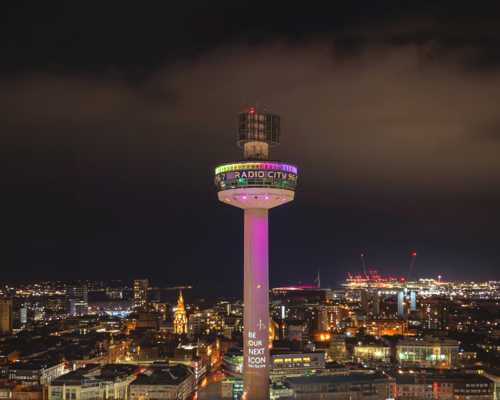
An opportunity to reimagine one of the UK’s most recognisable towers has been formally
opened by Rivington Hark, as St Johns Beacon invites operators and partners to shape its
next phase. [more...]