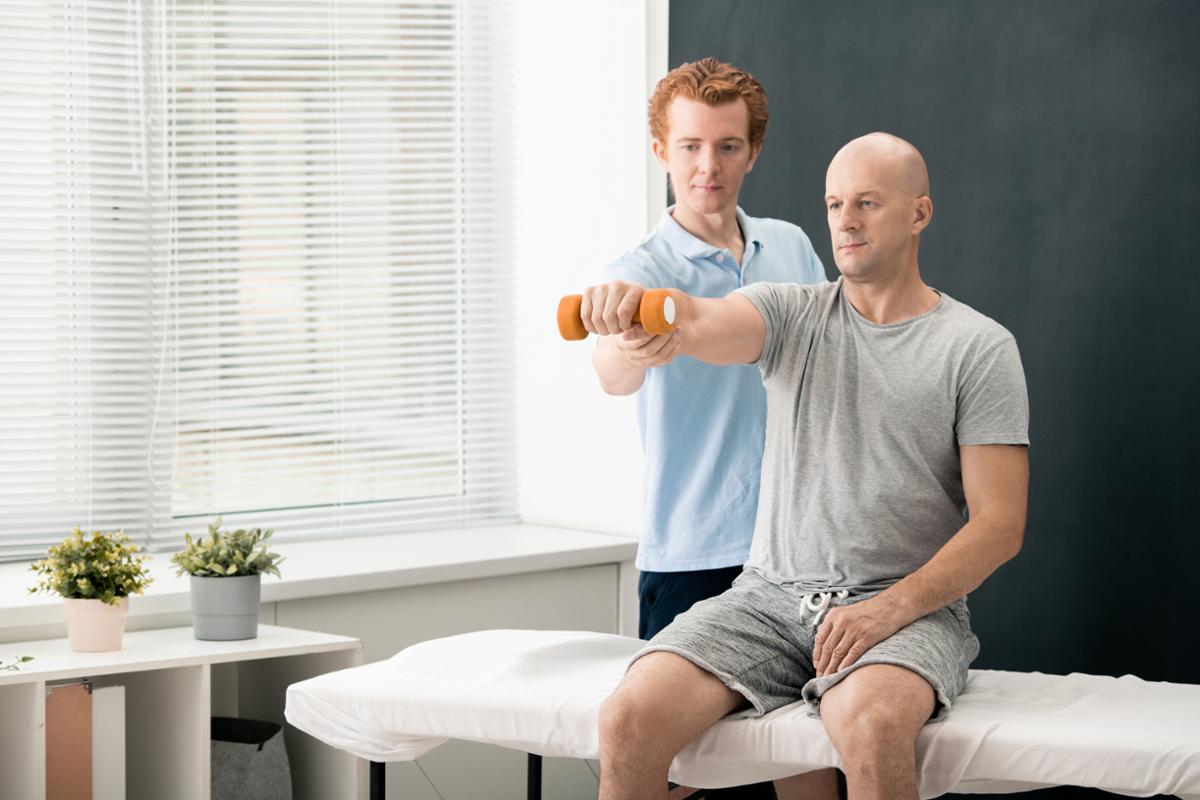
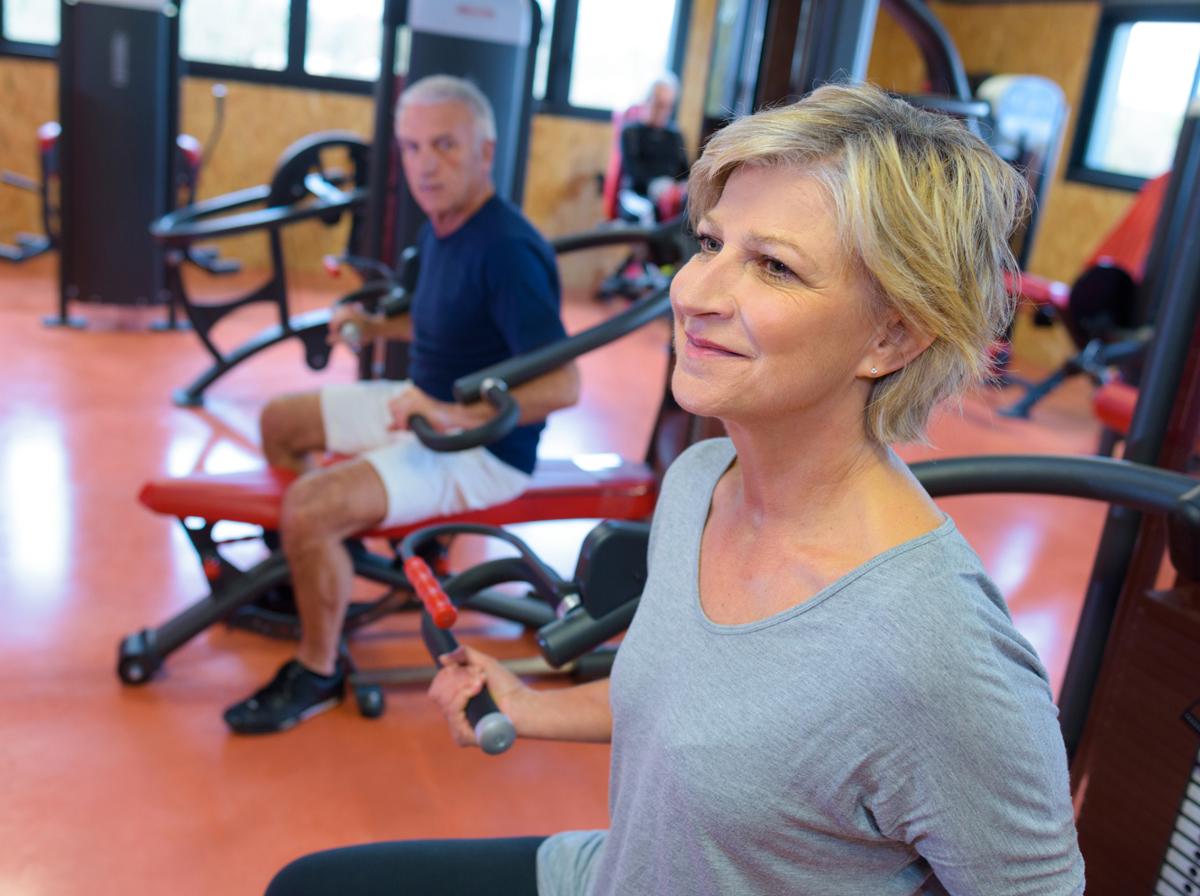
A new study from London hospitals shows exciting results / Photo: Shutterstock/Pressmaster
In a UK study funded by the Guy’s and St Thomas’ NHS Foundation Trust, the first evidence has been discovered which proves structured exercise intervention during pre-surgical chemotherapy enhances tumour regression. The study specifically examined the role of exercise prehabilitation in oesophageal cancer treatment.
Patients on the trial showed encouraging results, including a strengthening of the immune system; a partial reversal of chemo-related deconditioning and loss of muscle mass and function, leading to an improvement in quality of life during treatment.
The team behind the study, published in the British Journal of Sports Medicine, said it was an extremely encouraging moment to observe an improved response to chemotherapy treatment in cancer patients following an exercise intervention.
Power of prehab The team compared two groups of oesophageal cancer patients undergoing chemotherapy prior to surgery. Twenty-one patients were assigned to a structured prehabilitation exercise intervention for 16 weeks, while a second group of 19 patients followed standard care without structured exercise.
The exercise intervention programme was moderate intensity, in line with World Health Organization and UK Chief Medical Officer guidelines for physical activity. It included 150 minutes of moderate-intensity aerobic exercise (ie, walking) and two strength sessions per week.
Biochemical and body composition analyses were performed at multiple times prior to starting, during and following chemotherapy, as well as prior to and following surgery, to measure radiological and pathological markers of disease regression.
The results showed the exercise group demonstrated higher rates of tumour regression and downstaging, as well as improved immune function, reduced inflammation and a reduction in chemotherapy-related reductions in muscle mass and physical deconditioning.
Protect the NHS Prehabilitation is increasingly seen as a key part of supporting cancer patients during treatment. Andrew Davies, consultant surgeon at Guy’s and St Thomas, and lead author of the study, says the results are exciting: “This is the first time a relationship between exercise and chemotherapy response has been shown in a human trial. It opens up the possibility of benefitting patients with other types of cancer and those in palliative as well as curative settings.”
As the health and fitness sector looks to move closer to the healthcare sector, prehabilitation is one service which could certainly be offered in gyms and leisure centres, such as GM Active’s Prehab4Cancer programme – see NHS feature in this issue.
A new study from London hospitals shows exciting results / Photo: Shutterstock/Pressmaster
In a UK study funded by the Guy’s and St Thomas’ NHS Foundation Trust, the first evidence has been discovered which proves structured exercise intervention during pre-surgical chemotherapy enhances tumour regression. The study specifically examined the role of exercise prehabilitation in oesophageal cancer treatment.
Patients on the trial showed encouraging results, including a strengthening of the immune system; a partial reversal of chemo-related deconditioning and loss of muscle mass and function, leading to an improvement in quality of life during treatment.
The team behind the study, published in the British Journal of Sports Medicine, said it was an extremely encouraging moment to observe an improved response to chemotherapy treatment in cancer patients following an exercise intervention.
Power of prehab The team compared two groups of oesophageal cancer patients undergoing chemotherapy prior to surgery. Twenty-one patients were assigned to a structured prehabilitation exercise intervention for 16 weeks, while a second group of 19 patients followed standard care without structured exercise.
The exercise intervention programme was moderate intensity, in line with World Health Organization and UK Chief Medical Officer guidelines for physical activity. It included 150 minutes of moderate-intensity aerobic exercise (ie, walking) and two strength sessions per week.
Biochemical and body composition analyses were performed at multiple times prior to starting, during and following chemotherapy, as well as prior to and following surgery, to measure radiological and pathological markers of disease regression.
The results showed the exercise group demonstrated higher rates of tumour regression and downstaging, as well as improved immune function, reduced inflammation and a reduction in chemotherapy-related reductions in muscle mass and physical deconditioning.
Protect the NHS Prehabilitation is increasingly seen as a key part of supporting cancer patients during treatment. Andrew Davies, consultant surgeon at Guy’s and St Thomas, and lead author of the study, says the results are exciting: “This is the first time a relationship between exercise and chemotherapy response has been shown in a human trial. It opens up the possibility of benefitting patients with other types of cancer and those in palliative as well as curative settings.”
As the health and fitness sector looks to move closer to the healthcare sector, prehabilitation is one service which could certainly be offered in gyms and leisure centres, such as GM Active’s Prehab4Cancer programme – see NHS feature in this issue.
Abu Dhabi-based investment firm Mubadala Capital has made a binding, fully financed
€1 billion
offer to acquire Pierre and Vacances SA, the European holiday resort operator behind the
continental European Center Parcs business.
Disney has reaffirmed its commitment to investing US$30 billion in its US parks and cruise
business by 2033, using new America250 celebrations to underline the role its attractions play
in supporting jobs, tourism and economic growth.
Expo 2030 Riyadh is being planned as a permanent visitor destination, with organisers
confirming the six-million-square-metre site will become a Global Village after the event closes.
The owner of one of Australia's best-known waterparks has acquired a major competitor,
creating a new attractions business spanning two of the country's largest visitor destinations.
The Toverland theme park in the Netherlands has announced a €98m expansion programme
that will add a resort, new attractions and staff facilities as it pursues plans to become a multi-
day destination.
Hotel de France, located on the British Isle of Jersey, has created a wellness retreat package
that includes a hot yoga session that will take place in Jersey Zoo’s butterfly sanctuary.
A new immersive attraction designed to transport visitors into the final hours of ancient Pompeii
is preparing to open near the world-famous archaeological site in southern Italy.
Experience design company, BRC Imagination Arts, has completed a transition that sees founder
Bob Rogers pass ownership of the business to four long-serving senior executives, while
remaining actively involved with the company.
Movie Park Germany has opened a new Paramount Pictures-themed attraction as part of its 30th
anniversary celebrations, using immersive storytelling and adaptive reuse to reinforce the park’s
longstanding “Hollywood in Germany” positioning.
Therme Manchester’s 28-acre development, which will include interconnected glass pavilions
that measure 65,000sq m, will be the largest bathing and wellbeing attraction in the world once
complete, according to prof David Russell, CEO of Therme UK.
+ More news
COMPANY PROFILES
TechnoAlpin Indoor TechnoAlpin is the world leader for snowmaking systems. With the Indoor snow division, TechnoAlpin c [more...]
Clip 'n Climb Clip ‘n Climb currently offers facility owners and
investors more than 40 colourful and unique
Cha [more...]