Latest
issue
GET ATTRACTIONS MANAGEMENT
magazine
Yes! Send me the FREE digital edition of Attractions Management and the FREE weekly Attractions Management ezines and breaking news alerts!
Not right now, thanksclose this window I've already subscribed. I've already subscribed.
Get Attractions Management digital magazine FREE
Sign up here ▸
Jobs   News   Features   Products   Company profilesProfiles   Magazine   Handbook   Advertise    Subscribe  
Active Kids
Active healthy kids

In 2014, the Active Healthy Kids Global Alliance created the Global Matrix, which has become the most comprehensive assessment of global variation in child and youth physical activity. Steph Eaves talks to president Mark Tremblay about the matrix and its latest findings

By Steph Eaves | Published in Sports Management 2019 issue 3


How did the first Global Matrix come about?
As Active Healthy Kids Canada produced annual report cards for Canada, we were increasingly approached by other countries to mentor them to prepare similar report cards. Eventually this became sufficiently burdensome that we decided to make it a group effort.

So we worked with 14 additional countries to prepare report cards following a harmonised process and timelines, for concurrent release at the Global Summit on the Physical Activity of Children in Toronto in May 2014. This effort came to represent the Global Matrix 1.0.

The basic idea was that core indicators that were graded in the report cards would be tabulated for all countries and presented in a matrix of grades that would show how each country was doing.

The launch of the Global Matrix 1.0 generated worldwide media attention and offered unique insights into which countries were leading, and which were lagging in the various report card indicators, and these insights offered potential solutions to help improve the grades.

How did the Active Healthy Kids Global Alliance get started?
After the release of the Global Matrix 1.0, all participating countries met to debrief on its success and voted unanimously to work together, recruit additional countries, and repeat the process in the future. This led to the formation of the Active Healthy Kids Global Alliance, and the planning for the Global Matrix 2.0.

What are your main aims for the Global Matrix?
The Global Matrix initiative serves to: elevate public awareness of the global childhood physical inactivity crisis, be an accountability index for all citizens, be a surveillance synthesis mechanism, be an advocacy tool for physical activity leaders and organizations, drive policy change, provide a process for identifying research and surveillance needs, and be a challenge to other countries and jurisdictions to implement similar processes to allow comparisons and facilitate improvements.

Through credible knowledge synthesis and translation and international collaboration and cooperation we believe the Global Matrix can elevate the priority of childhood physical activity and provide unique insights that can inform creative strategic interventions and approaches to recalibrate the movement behaviours of contemporary children.

How does the report card system work?
Using all of the best available evidence within a country, a group of experts within that country synthesises and discusses that evidence and attempts to achieve consensus on a grade that corresponds to that evidence, while following the common grading rubric applied against established measurement benchmarks.

The proposed grades and the underlying evidence supporting them are audited by the Active Healthy Kids Global Alliance, modified if necessary, and then finalised. The substantiating evidence is provided in the long form report card for each country.

What enduring trends have you seen across the three matrices?
We’ve learned that no country has the solution to the childhood inactivity crisis. Some countries do better than others in certain indicators, yet do worse on others. This global variation is necessary to cross-fertilise best practice across countries.

What’s consistent among countries with more active children is that physical activity is driven by pervasive cultural norms – being active is not just a choice, but a way of life, and part of the fabric of habitual behaviours.

What are some of the most important learnings?
Ironically, and consistent in all three Global Matrix initiatives, is the observation of an inverse relationship between sources of influence for physical activity that are believed to be important – for example, government investment, built environment characteristics and physical education programmes – and the actual behaviours these aim to support, such as physical activity, active transportation and active play.

What seems more important than the typical approaches taken by high income countries around the world – investing in more infrastructure, for instance – is freedom to move and play wherever, whenever, however children choose. The takeaway is to just let kids play, with less structure and more opportunity.

What have countries done with the results?
There are many examples, for instance:
• Expansion: report card focused on physical activity of youth with chronic conditions and disabilities was produced in the Netherlands
• Education: a national conference focused on childhood physical activity was created in Denmark
• Policy: a new regulation mandating one hour of daily physical activity in public schools was introduced in Chile
• Surveillance: nationally representative physical activity surveys were developed in China, Chile, and Thailand
• A detailed account of the international impact of the Report Cards and Global Matrices was recently published in the Journal of Physical Activity and Health (https://paahjournal.com)

What are your future plans and goals for the Global Matrix?
Our future plans are to continue with the Global Matrix initiative, and continue expanding the number of participating countries. We hope to have 75 countries participating in the Global Matrix 4.0.

The Active Healthy Kids Global Alliance also hopes to expand its efforts to “power the global movement to get kids moving” through additional data-driven initiatives – stay tuned!

For more information visit: www.activehealthykids.org
Findings from the Global Matrix 3.0
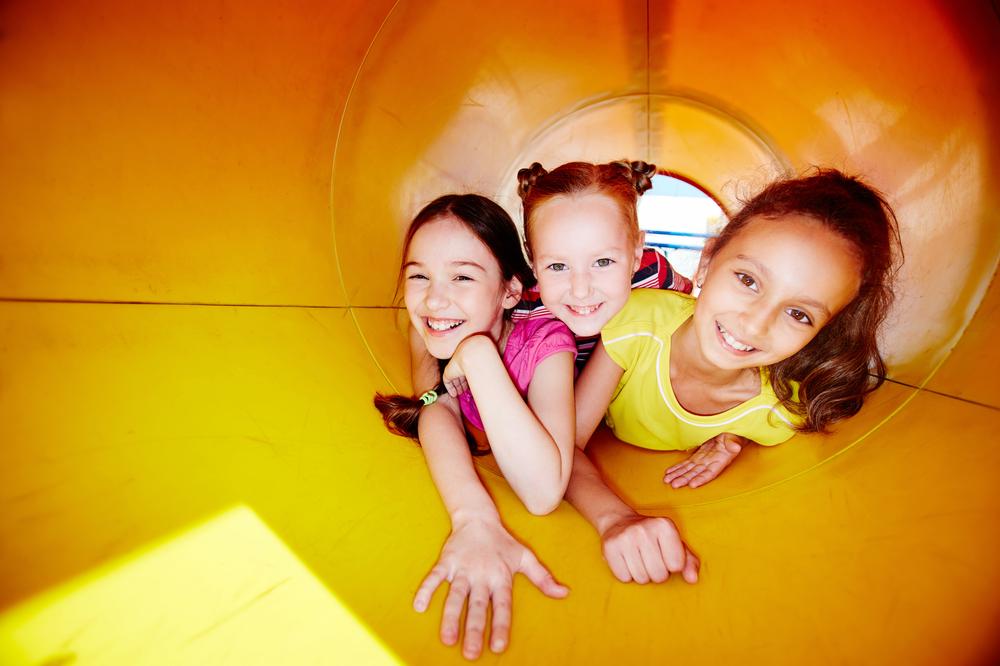
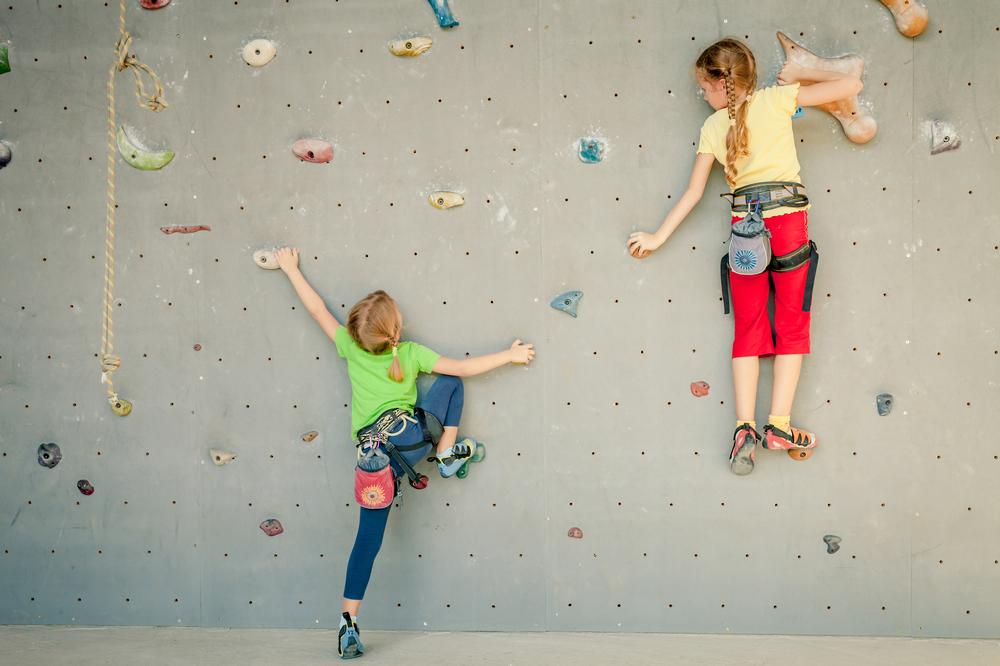
The majority of children around the world are not meeting physical activity guidelines © shutterstock/pixinoo

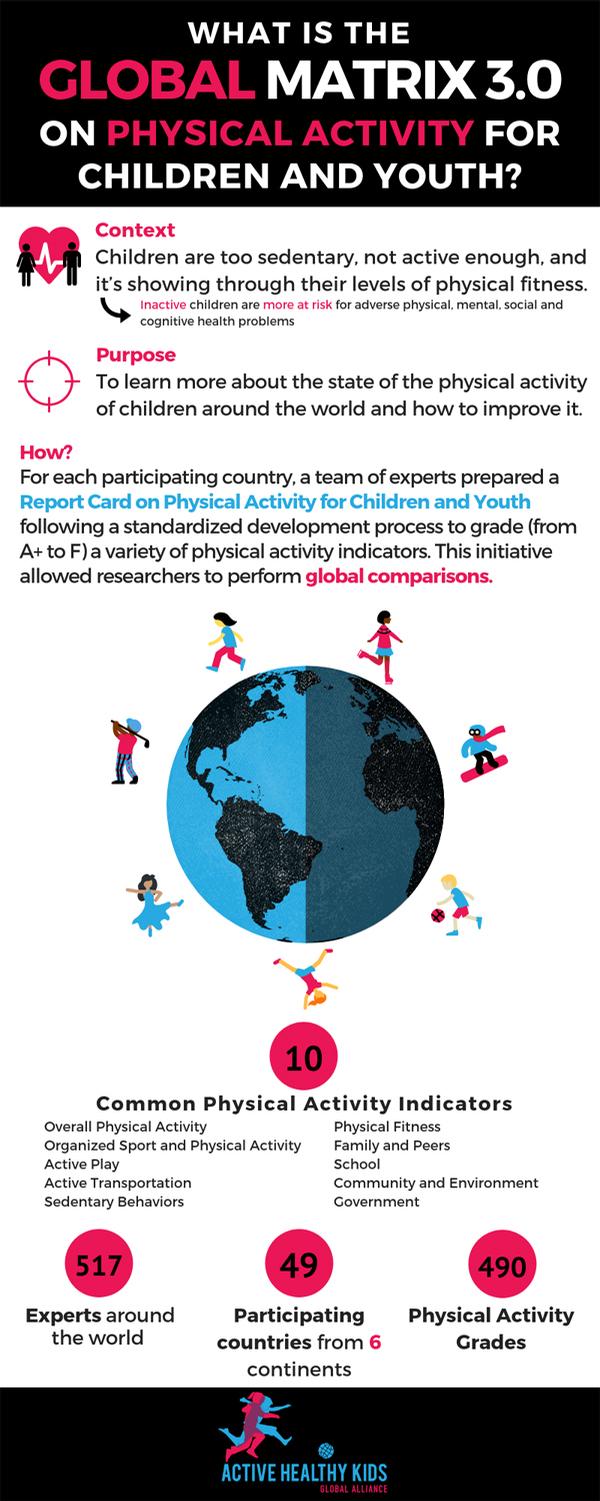
Based on an analysis of 49 countries, we are facing a global epidemic of childhood inactivity

The majority of children and youth are not meeting the physical activity guideline of a daily 60 minutes of moderate to vigorous physical activity, and spend too much time in front of a recreational screen

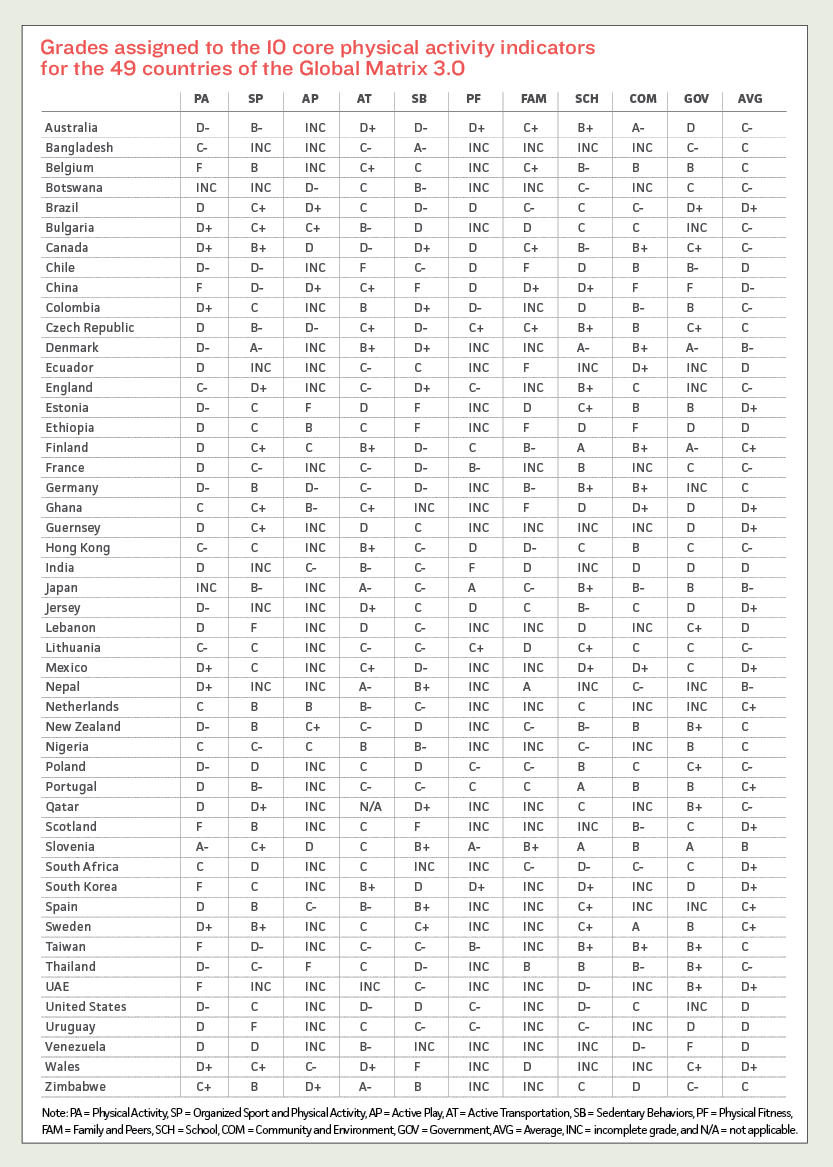
Slovenia obtained the best grades for Overall Physical Activity (A-), Family and Peers (B+), and Government (A), and received an overall average grade of B

A notable feature in Slovenia is the importance of sport for the culture of this almost 30-year old country as “Slovenes tend to view sports as an effective tool in fostering national identity among citizens and making successful global identity claims”

Lower behavioral grades and higher source of influence grades were observed within the very high Human Development Index (wealthier) countries

Generally low average grades for each indicator were observed in the high Human Development Index countries

The report revealed that modern lifestyles – increases in screen time, the growing urbanisation of communities and the rise in automation of previously manual tasks – are contributing to a pervasive public health problem

Zimbabwe reports above-average grades in Overall Physical Activity (C+) and Sedentary Behaviours (B)

Overall physical activity is mostly affected by active transportation which, for the majority of the children in Zimbabwe, is a necessity in everyday life

Japan had the best grades for Active Transportation (A-) and Physical Fitness (A), and had no grades lower than C-

Japan has a highly established “walking to school practice” that has been implemented since the School Education Act enforcement order, enacted in 1953. It states that public elementary schools should be located within no more than 4 km, and for public junior high schools no more than 6 km, from the student’s home

Higher behavioral grades (Overall Physical Activity, Organised Sport and Physical Activity, Active Play, Active Transportation, and Sedentary Behaviors) and lower Source of Influence grades (Family and Peers, School, Community and Environment, and Government) were generally observed in the low and medium Human Development Index countries

Many countries have made changes to their physical activity strategies based on the results of the matrix © shutterstock/Dmitry Naumov

/ © shutterstock/Pressmaster
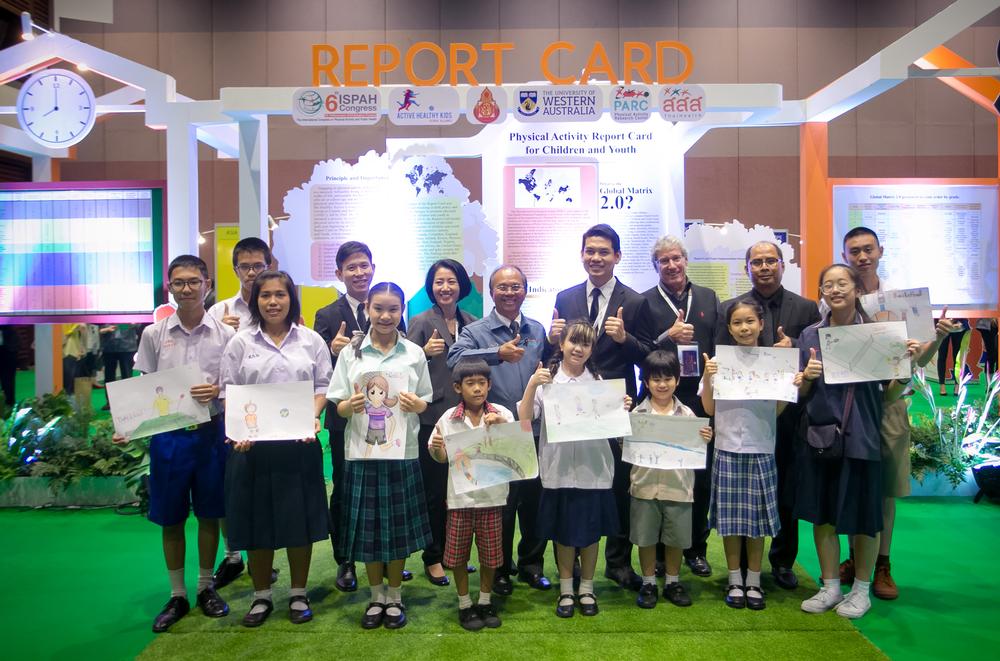
The Global Matrix 1.0 was launched in 2014, gaining worldwide media attention
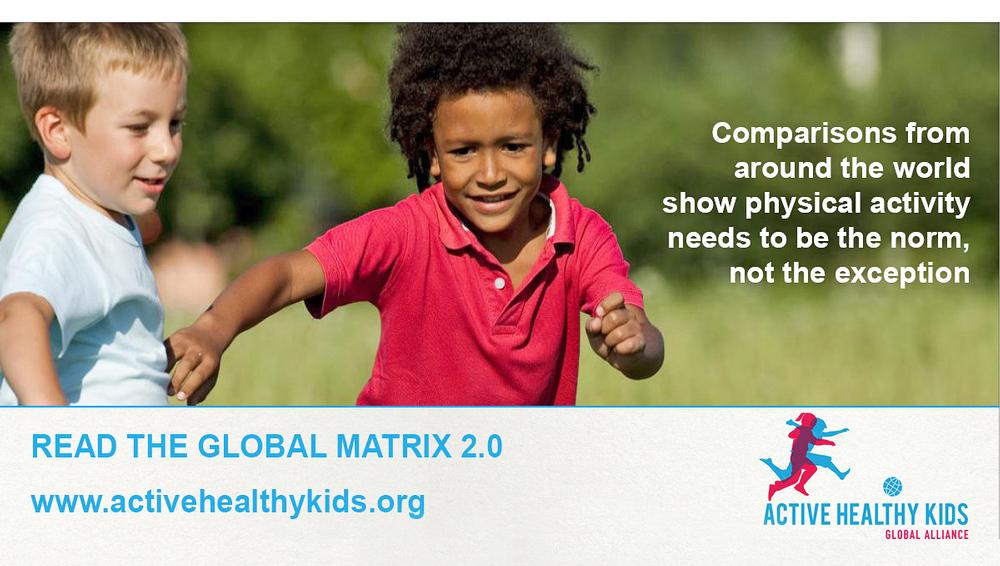
The Global Matrix compares the physical activity levels of children across the world
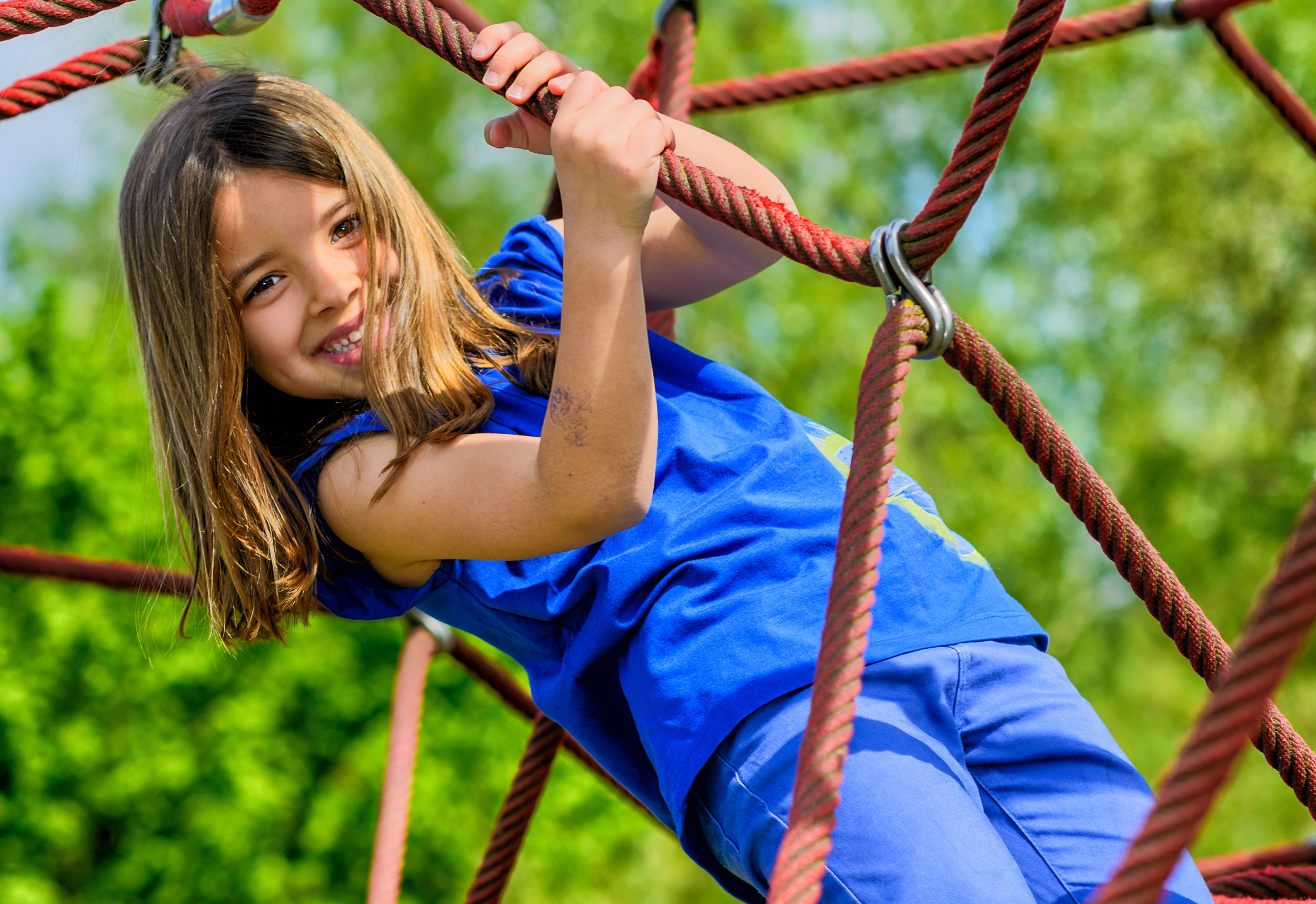
Kids move more when they have more freedom
Kids move more when they have more freedom / © shutterstock/altanaka
COMPANY PROFILES
IDEATTACK

IDEATTACK is a full-service planning and design company with headquarters in Los Angeles. [more...]
RMA Ltd

RMA Ltd is a one-stop global company that can design, build and produce from a greenfield site upw [more...]
Taylor Made Designs

Founded in 1993, Taylor Made Designs supply corporate clothing and brand-enhancing merchandise to [more...]
Alterface

Alterface’s Creative Division team is seasoned in concept and ride development, as well as storyte [more...]
+ More profiles  
CATALOGUE GALLERY
 

+ More catalogues  
DIRECTORY
+ More directory  
DIARY


23-26 Aug 2026

Elevate Spa Riviera Maya Edition

The Riviera Maya Edition Kanai, Playa del Carmen, Mexico
28-29 Sep 2026

Wellness Destination AI Tech Summit – Tourism, Hospitality & Real Estate, 28-29 Sept 2026

Grand Ballroom, METT Singapore, Singapore
+ More diary  
LATEST ISSUES
+ View Magazine Archive

Attractions Management

2026 issue 1


View issue contents
View on turning pages
Download PDF
FREE digital subscription
Print subscription

Attractions Management

2025 issue 2


View issue contents
View on turning pages
Download PDF
FREE digital subscription
Print subscription

Attractions Management

2025 issue 1


View issue contents
View on turning pages
Download PDF
FREE digital subscription
Print subscription

Attractions Management

2024 issue 4


View issue contents
View on turning pages
Download PDF
FREE digital subscription
Print subscription

Attractions Management News

06 Apr 2020 issue 153


View on turning pages
Download PDF
View archive
FREE digital subscription
Print subscription

Attractions Handbook

2019


View issue contents
View on turning pages
Download PDF
FREE digital subscription
Print subscription
 
ABOUT LEISURE MEDIA
LEISURE MEDIA MAGAZINES
LEISURE MEDIA HANDBOOKS
LEISURE MEDIA WEBSITES
LEISURE MEDIA PRODUCT SEARCH
 
ATTRACTIONS MANAGEMENT
ATTRACTIONS MANAGEMENT NEWS
ATTRACTIONS HANDBOOK
PRINT SUBSCRIPTIONS
FREE DIGITAL SUBSCRIPTIONS
ADVERTISE . CONTACT US

Leisure Media
Tel: +44 (0)1462 431385

©Cybertrek 2026
Get Attractions Management digital magazine FREE
Sign up here ▸
Jobs    News   Products   Magazine   Subscribe
Active Kids
Active healthy kids

In 2014, the Active Healthy Kids Global Alliance created the Global Matrix, which has become the most comprehensive assessment of global variation in child and youth physical activity. Steph Eaves talks to president Mark Tremblay about the matrix and its latest findings

By Steph Eaves | Published in Sports Management 2019 issue 3


How did the first Global Matrix come about?
As Active Healthy Kids Canada produced annual report cards for Canada, we were increasingly approached by other countries to mentor them to prepare similar report cards. Eventually this became sufficiently burdensome that we decided to make it a group effort.

So we worked with 14 additional countries to prepare report cards following a harmonised process and timelines, for concurrent release at the Global Summit on the Physical Activity of Children in Toronto in May 2014. This effort came to represent the Global Matrix 1.0.

The basic idea was that core indicators that were graded in the report cards would be tabulated for all countries and presented in a matrix of grades that would show how each country was doing.

The launch of the Global Matrix 1.0 generated worldwide media attention and offered unique insights into which countries were leading, and which were lagging in the various report card indicators, and these insights offered potential solutions to help improve the grades.

How did the Active Healthy Kids Global Alliance get started?
After the release of the Global Matrix 1.0, all participating countries met to debrief on its success and voted unanimously to work together, recruit additional countries, and repeat the process in the future. This led to the formation of the Active Healthy Kids Global Alliance, and the planning for the Global Matrix 2.0.

What are your main aims for the Global Matrix?
The Global Matrix initiative serves to: elevate public awareness of the global childhood physical inactivity crisis, be an accountability index for all citizens, be a surveillance synthesis mechanism, be an advocacy tool for physical activity leaders and organizations, drive policy change, provide a process for identifying research and surveillance needs, and be a challenge to other countries and jurisdictions to implement similar processes to allow comparisons and facilitate improvements.

Through credible knowledge synthesis and translation and international collaboration and cooperation we believe the Global Matrix can elevate the priority of childhood physical activity and provide unique insights that can inform creative strategic interventions and approaches to recalibrate the movement behaviours of contemporary children.

How does the report card system work?
Using all of the best available evidence within a country, a group of experts within that country synthesises and discusses that evidence and attempts to achieve consensus on a grade that corresponds to that evidence, while following the common grading rubric applied against established measurement benchmarks.

The proposed grades and the underlying evidence supporting them are audited by the Active Healthy Kids Global Alliance, modified if necessary, and then finalised. The substantiating evidence is provided in the long form report card for each country.

What enduring trends have you seen across the three matrices?
We’ve learned that no country has the solution to the childhood inactivity crisis. Some countries do better than others in certain indicators, yet do worse on others. This global variation is necessary to cross-fertilise best practice across countries.

What’s consistent among countries with more active children is that physical activity is driven by pervasive cultural norms – being active is not just a choice, but a way of life, and part of the fabric of habitual behaviours.

What are some of the most important learnings?
Ironically, and consistent in all three Global Matrix initiatives, is the observation of an inverse relationship between sources of influence for physical activity that are believed to be important – for example, government investment, built environment characteristics and physical education programmes – and the actual behaviours these aim to support, such as physical activity, active transportation and active play.

What seems more important than the typical approaches taken by high income countries around the world – investing in more infrastructure, for instance – is freedom to move and play wherever, whenever, however children choose. The takeaway is to just let kids play, with less structure and more opportunity.

What have countries done with the results?
There are many examples, for instance:
• Expansion: report card focused on physical activity of youth with chronic conditions and disabilities was produced in the Netherlands
• Education: a national conference focused on childhood physical activity was created in Denmark
• Policy: a new regulation mandating one hour of daily physical activity in public schools was introduced in Chile
• Surveillance: nationally representative physical activity surveys were developed in China, Chile, and Thailand
• A detailed account of the international impact of the Report Cards and Global Matrices was recently published in the Journal of Physical Activity and Health (https://paahjournal.com)

What are your future plans and goals for the Global Matrix?
Our future plans are to continue with the Global Matrix initiative, and continue expanding the number of participating countries. We hope to have 75 countries participating in the Global Matrix 4.0.

The Active Healthy Kids Global Alliance also hopes to expand its efforts to “power the global movement to get kids moving” through additional data-driven initiatives – stay tuned!

For more information visit: www.activehealthykids.org
Findings from the Global Matrix 3.0
The majority of children around the world are not meeting physical activity guidelines © shutterstock/pixinoo

Based on an analysis of 49 countries, we are facing a global epidemic of childhood inactivity

The majority of children and youth are not meeting the physical activity guideline of a daily 60 minutes of moderate to vigorous physical activity, and spend too much time in front of a recreational screen

Slovenia obtained the best grades for Overall Physical Activity (A-), Family and Peers (B+), and Government (A), and received an overall average grade of B

A notable feature in Slovenia is the importance of sport for the culture of this almost 30-year old country as “Slovenes tend to view sports as an effective tool in fostering national identity among citizens and making successful global identity claims”

Lower behavioral grades and higher source of influence grades were observed within the very high Human Development Index (wealthier) countries

Generally low average grades for each indicator were observed in the high Human Development Index countries

The report revealed that modern lifestyles – increases in screen time, the growing urbanisation of communities and the rise in automation of previously manual tasks – are contributing to a pervasive public health problem

Zimbabwe reports above-average grades in Overall Physical Activity (C+) and Sedentary Behaviours (B)

Overall physical activity is mostly affected by active transportation which, for the majority of the children in Zimbabwe, is a necessity in everyday life

Japan had the best grades for Active Transportation (A-) and Physical Fitness (A), and had no grades lower than C-

Japan has a highly established “walking to school practice” that has been implemented since the School Education Act enforcement order, enacted in 1953. It states that public elementary schools should be located within no more than 4 km, and for public junior high schools no more than 6 km, from the student’s home

Higher behavioral grades (Overall Physical Activity, Organised Sport and Physical Activity, Active Play, Active Transportation, and Sedentary Behaviors) and lower Source of Influence grades (Family and Peers, School, Community and Environment, and Government) were generally observed in the low and medium Human Development Index countries

Many countries have made changes to their physical activity strategies based on the results of the matrix © shutterstock/Dmitry Naumov

/ © shutterstock/Pressmaster
The Global Matrix 1.0 was launched in 2014, gaining worldwide media attention
The Global Matrix compares the physical activity levels of children across the world
Kids move more when they have more freedom
Kids move more when they have more freedom / © shutterstock/altanaka
LATEST NEWS
London Museum makes destination dining part of the attraction
London Museum will open four new food and drink destinations when it launches its new home at Smithfield on 28 November, making hospitality a central part of the visitor experience at one of the capital's biggest cultural openings of the year.
OMA completes New Museum transformation with landmark expansion and Oberon restaurant
OMA has completed a major transformation of New York's New Museum, creating a larger cultural campus that combines expanded exhibition spaces with learning, performance, hospitality and public programming.
David Rockwell creates immersive magic destination, The Hand and The Eye
A US$50 million (£44.2 million, €51.2 million) transformation of Chicago's historic McCormick Mansion has created a new destination that combines live magic, immersive theatre, dining and private membership under one roof.
Montana Heritage Center opens with immersive exhibits and US$107 million investment
The Montana Historical Society has officially celebrated the opening of its new Montana Heritage Center, a US$107 million (£79 million, €92 million) destination that combines immersive storytelling with cutting-edge audiovisual technology to bring the sta
Universal launches new theme park model with Kids Resort
Universal Destinations and Experiences has launched a new regional theme park model with the opening of Universal Kids Resort in Frisco, Texas.
San Antonio Zoo reports $283 million economic impact as expansion plans progress
San Antonio Zoo has reported a US$283 million economic impact for 2025, following a decade- long transformation programme that has seen almost US$200 million invested into the Texas attraction.
Great Barrier Reef attraction set for AU$180 million reinvention
Plans for the AU$180 million redevelopment of Reef HQ Aquarium in Townsville, Australia, are progressing, with the project set to transform the attraction into a global centre for reef education and conservation.
Mubadala makes €1 billion bid for Pierre and Vacances
Abu Dhabi-based investment firm Mubadala Capital has made a binding, fully financed €1 billion offer to acquire Pierre and Vacances SA, the European holiday resort operator behind the continental European Center Parcs business.
Disney confirms US$30 billion investment programme as it highlights its economic impact
Disney has reaffirmed its commitment to investing US$30 billion in its US parks and cruise business by 2033, using new America250 celebrations to underline the role its attractions play in supporting jobs, tourism and economic growth.
Expo 2030 Riyadh will create a permanent global destination
Expo 2030 Riyadh is being planned as a permanent visitor destination, with organisers confirming the six-million-square-metre site will become a Global Village after the event closes.
Australian waterpark acquisition creates new leisure attractions group
The owner of one of Australia's best-known waterparks has acquired a major competitor, creating a new attractions business spanning two of the country's largest visitor destinations.
London Museum reveals 2026 opening date for new Smithfield home
The London Museum’s new site will open in Smithfield, East London, on 28 November 2026.
+ More news   
 
COMPANY PROFILES
IDEATTACK

IDEATTACK is a full-service planning and design company with headquarters in Los Angeles. [more...]
RMA Ltd

RMA Ltd is a one-stop global company that can design, build and produce from a greenfield site upw [more...]
Taylor Made Designs

Founded in 1993, Taylor Made Designs supply corporate clothing and brand-enhancing merchandise to [more...]
Alterface

Alterface’s Creative Division team is seasoned in concept and ride development, as well as storyte [more...]
+ More profiles  
CATALOGUE GALLERY
+ More catalogues  
DIRECTORY
+ More directory  
DIARY


23-26 Aug 2026

Elevate Spa Riviera Maya Edition

The Riviera Maya Edition Kanai, Playa del Carmen, Mexico
28-29 Sep 2026

Wellness Destination AI Tech Summit – Tourism, Hospitality & Real Estate, 28-29 Sept 2026

Grand Ballroom, METT Singapore, Singapore
+ More diary  


ADVERTISE . CONTACT US

Leisure Media
Tel: +44 (0)1462 431385

©Cybertrek 2026

ABOUT LEISURE MEDIA
LEISURE MEDIA MAGAZINES
LEISURE MEDIA HANDBOOKS
LEISURE MEDIA WEBSITES
LEISURE MEDIA PRODUCT SEARCH
ATTRACTIONS MANAGEMENT NEWS
ATTRACTIONS HANDBOOK
PRINT SUBSCRIPTIONS
FREE DIGITAL SUBSCRIPTIONS