Recent incidents on the football pitch suggest racism is still rife in part of Britain. Combined with the restrictions Brexit might impose on international transfers, if it happens, it’s a tense time for football.
Olivia Bridge looks at how this could impact future success
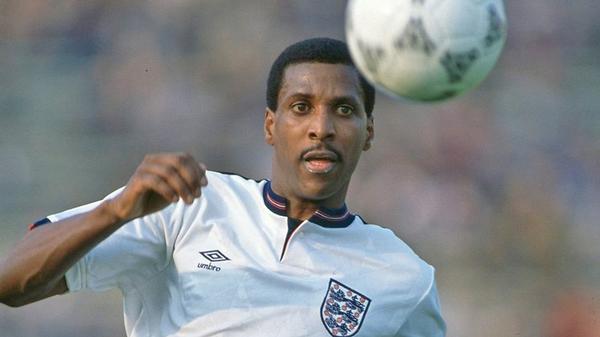
Viv Anderson, England’s first black footballer, endured racism
Public feeling over Brexit couldn’t be more divided. However, in a sphere where politics and Brexit debates are usually kept at the door, English football is suddenly faced with an unprecedented list of challenges that will continue to grow, the longer the Football Association (FA) turns a blind eye.
Racism is currently dominating the conversation in English football, with critics calling the sudden resurgence a crisis. In the last six months alone, Manchester City’s Raheem Sterling, Arsenal’s Pierre Emerick Aubameyang, Chelsea’s Callum-Hudson Odoi and Tottenham Hotspur’s Danny Rose have all been subjected to racial slurs, monkey chants and/or having bananas thrown at them – and often on more than one occasion.
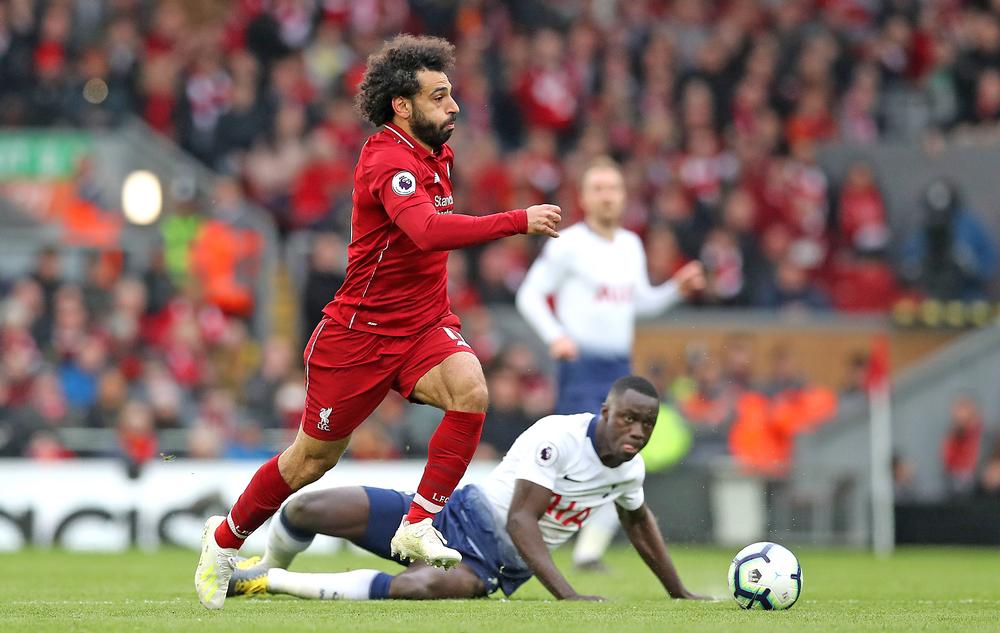
Liverpool’s Mohammed Salah was abused by a West Ham fan in February and again more recently by Chelsea fans singing ‘Salah is a bomber’ in a video. At the time of writing, Derby County’s Duane Holmes, Wigan’s Nathan Byrne, Crystal Palace’s Wilfried Zaha have been added to the ever-growing list of victims. Non-league player, Linford Harris of FC Wymeswold has also announced his departure from the league this April as a result of racism.
Modern day racism Despite Kick It Out and numerous anti-racism organisations popping up all over the UK, incidents appear to be happening with such great frequency that many are beginning to distrust the FA’s attempts to tackle it. In fact, Kick It Out reported there had been an 11 per cent increase in intolerable behaviour in 2017-18, with racism alone accounting for 53 per cent of the reported abuse – and this doesn’t even cover unreported attacks or those in grassroots football.
Paltry fines, stadium bans and awareness training clearly isn’t working. It’s been forty years since England’s first black footballer, Viv Anderson, was signed and had bananas thrown at him. But what’s changed? England’s current football icon, Danny Rose, has stated that he cannot wait until retirement due to similar levels of racist abuse.
Immigration fuels football Such a rise in xenophobic prejudices makes no sense. Immigration fuels the British economy, diversifies our landscape and has evolved sport into the prestigious spectacle it is today. The Premier League in particular owes a debt to migration: having gone from strength to strength – and rich to richest – since its inception in 1992. Foreign expertise has transformed the sport, endowing it with the globally renowned, cosmopolitan status it enjoys today.
Elite sports stars from all over the globe have flocked to play in the FA’s top divisions, especially EU players who have benefited from having frictionless mobility across the European Economic Area (EEA).
According to the Football Observatory, European nationals are now a far more frequent presence on the FA’s pitches than homegrown British players.
Similarly, the World Cup semi-finalists were a showcase of progressive pro-immigration attitudes. For example, 17 out of 23 players in France’s squad and 46.7 per cent of the England squad were either immigrants themselves or the descendants of migrants. The Migration Museum actually found that only five players would have remained in the England squad if ancestral immigration history disqualified members.
Yet at a wholly unfortunate time and here to fan the flames of hostility further is Brexit – whenever it may be.
Brexit hurdles Pencilled in for 2021 is the skills-based immigration plan for EU citizens, including professional sports players. This means that, after Brexit, EU footballers will need to satisfy the FA’s points system and the Home Office’s Sports Visa UK requirements. This system includes measuring transfer fees, salary, international expertise, FIFA’s rank and passing an English language test. They must also prove that their employment will make a significant contribution to the development of their football team and sport as a whole.
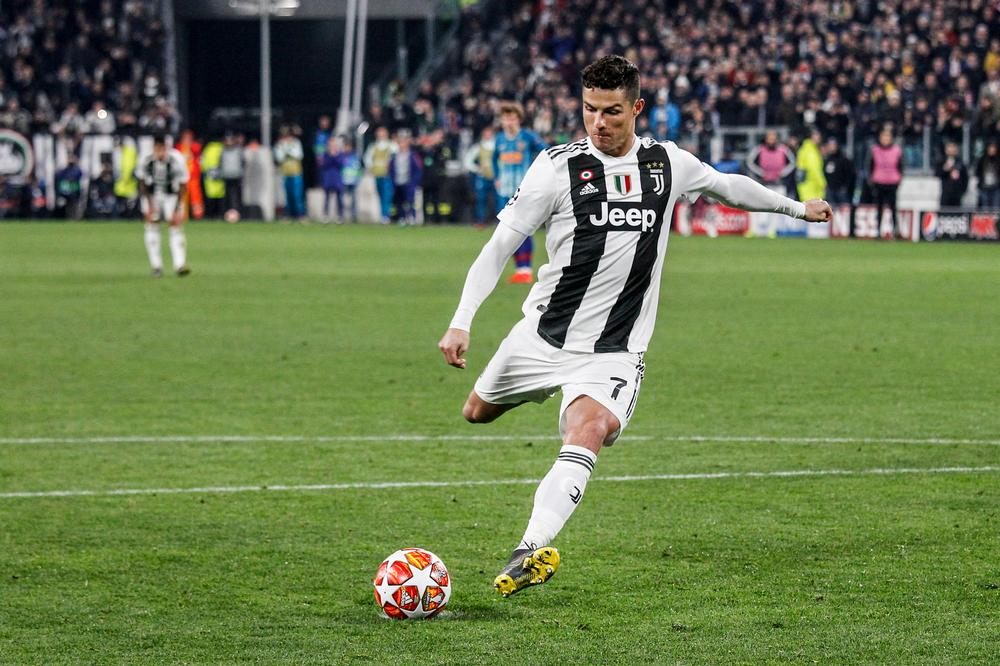
Evidently the replacement of Free Movement in which players could just waltz through border control and into any EEA football team is not only a costly affair but involves the most restrictive boundaries possible. Such red lines would have banned stars such as Cristiano Ronaldo, Dimitri Payet, N’Golo Kante and Riyad Mahrez from entry entirely, had they been subjected to the same requirements.
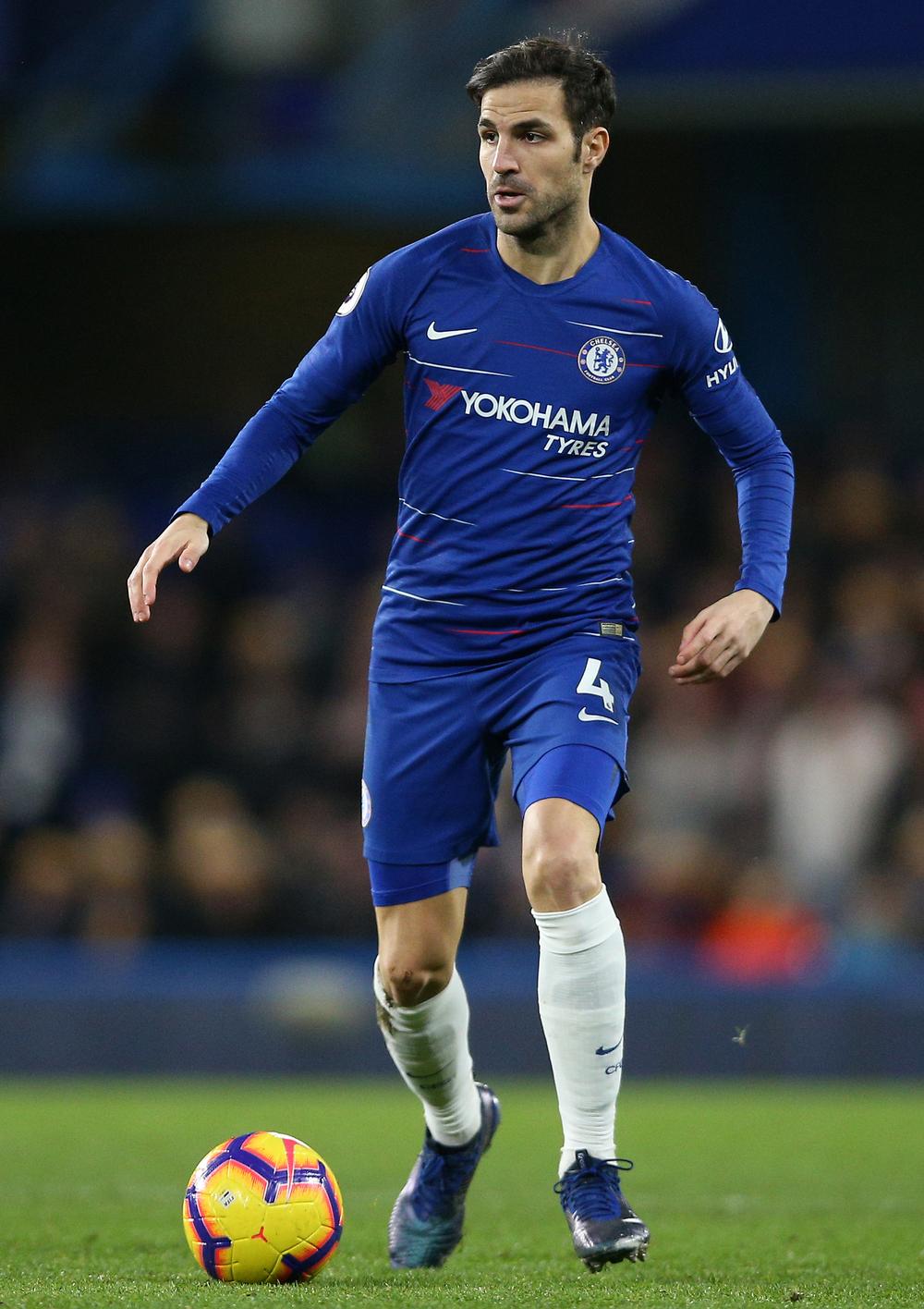
A further consequence of Brexit involves the end of signing under-18s and young talent from abroad. EEA member states benefit from an exemption to FIFA’s Article 19 rule which bans transferring minors. Obviously, cancelling its membership to the EU involves the UK subscribing to this restriction. Namely, football icons such as Cesc Fàbregas, Andreas Christensen and Timothy Fosu-Mensah would not gain entry under these rules, since they were signed by Arsenal, Chelsea and Manchester United respectively when they were just 16 years old.
As the Football Observatory notes, “given the Brexit context, a possible limit on the scope of international recruitment may oblige the majority of Premier League teams to modify their transfer strategies”, which could spell disaster. Clubs might need to poach players from other teams further down the pyramid, rather than looking overseas almost entirely for their new talent.
What’s to come? It’s inevitable that Brexit will reshape the pitch, its players and the pyramid in terms of what we know today. The end of frictionless mobility brought by the UK’s departure from the EU would massively dilute the top divisions’ access to talent – and clobber its attractiveness in the process.
The FA estimates that as many as 65 per cent of current players would not have qualified under the planned system. Perhaps Newcastle United’s failure to secure Brazilian Marlon Santos and this January’s slow transfer window are a signs of what’s to come.
Couple this with racism, however, and the very foundations of the League’s success are bound to be shaken. It’s possible the Premier League will fall behind its Continental competitors as a result.
What will happen when a restrictive visa system is imposed and racism left to thrive? What will happen when prejudiced attitudes are favoured over players’ merits and skill? Time will tell, but it’s really not looking good.
Recent incidents on the football pitch suggest racism is still rife in part of Britain. Combined with the restrictions Brexit might impose on international transfers, if it happens, it’s a tense time for football.
Olivia Bridge looks at how this could impact future success
Viv Anderson, England’s first black footballer, endured racism
Public feeling over Brexit couldn’t be more divided. However, in a sphere where politics and Brexit debates are usually kept at the door, English football is suddenly faced with an unprecedented list of challenges that will continue to grow, the longer the Football Association (FA) turns a blind eye.
Racism is currently dominating the conversation in English football, with critics calling the sudden resurgence a crisis. In the last six months alone, Manchester City’s Raheem Sterling, Arsenal’s Pierre Emerick Aubameyang, Chelsea’s Callum-Hudson Odoi and Tottenham Hotspur’s Danny Rose have all been subjected to racial slurs, monkey chants and/or having bananas thrown at them – and often on more than one occasion.
Liverpool’s Mohammed Salah was abused by a West Ham fan in February and again more recently by Chelsea fans singing ‘Salah is a bomber’ in a video. At the time of writing, Derby County’s Duane Holmes, Wigan’s Nathan Byrne, Crystal Palace’s Wilfried Zaha have been added to the ever-growing list of victims. Non-league player, Linford Harris of FC Wymeswold has also announced his departure from the league this April as a result of racism.
Modern day racism Despite Kick It Out and numerous anti-racism organisations popping up all over the UK, incidents appear to be happening with such great frequency that many are beginning to distrust the FA’s attempts to tackle it. In fact, Kick It Out reported there had been an 11 per cent increase in intolerable behaviour in 2017-18, with racism alone accounting for 53 per cent of the reported abuse – and this doesn’t even cover unreported attacks or those in grassroots football.
Paltry fines, stadium bans and awareness training clearly isn’t working. It’s been forty years since England’s first black footballer, Viv Anderson, was signed and had bananas thrown at him. But what’s changed? England’s current football icon, Danny Rose, has stated that he cannot wait until retirement due to similar levels of racist abuse.
Immigration fuels football Such a rise in xenophobic prejudices makes no sense. Immigration fuels the British economy, diversifies our landscape and has evolved sport into the prestigious spectacle it is today. The Premier League in particular owes a debt to migration: having gone from strength to strength – and rich to richest – since its inception in 1992. Foreign expertise has transformed the sport, endowing it with the globally renowned, cosmopolitan status it enjoys today.
Elite sports stars from all over the globe have flocked to play in the FA’s top divisions, especially EU players who have benefited from having frictionless mobility across the European Economic Area (EEA).
According to the Football Observatory, European nationals are now a far more frequent presence on the FA’s pitches than homegrown British players.
Similarly, the World Cup semi-finalists were a showcase of progressive pro-immigration attitudes. For example, 17 out of 23 players in France’s squad and 46.7 per cent of the England squad were either immigrants themselves or the descendants of migrants. The Migration Museum actually found that only five players would have remained in the England squad if ancestral immigration history disqualified members.
Yet at a wholly unfortunate time and here to fan the flames of hostility further is Brexit – whenever it may be.
Brexit hurdles Pencilled in for 2021 is the skills-based immigration plan for EU citizens, including professional sports players. This means that, after Brexit, EU footballers will need to satisfy the FA’s points system and the Home Office’s Sports Visa UK requirements. This system includes measuring transfer fees, salary, international expertise, FIFA’s rank and passing an English language test. They must also prove that their employment will make a significant contribution to the development of their football team and sport as a whole.
Evidently the replacement of Free Movement in which players could just waltz through border control and into any EEA football team is not only a costly affair but involves the most restrictive boundaries possible. Such red lines would have banned stars such as Cristiano Ronaldo, Dimitri Payet, N’Golo Kante and Riyad Mahrez from entry entirely, had they been subjected to the same requirements.
A further consequence of Brexit involves the end of signing under-18s and young talent from abroad. EEA member states benefit from an exemption to FIFA’s Article 19 rule which bans transferring minors. Obviously, cancelling its membership to the EU involves the UK subscribing to this restriction. Namely, football icons such as Cesc Fàbregas, Andreas Christensen and Timothy Fosu-Mensah would not gain entry under these rules, since they were signed by Arsenal, Chelsea and Manchester United respectively when they were just 16 years old.
As the Football Observatory notes, “given the Brexit context, a possible limit on the scope of international recruitment may oblige the majority of Premier League teams to modify their transfer strategies”, which could spell disaster. Clubs might need to poach players from other teams further down the pyramid, rather than looking overseas almost entirely for their new talent.
What’s to come? It’s inevitable that Brexit will reshape the pitch, its players and the pyramid in terms of what we know today. The end of frictionless mobility brought by the UK’s departure from the EU would massively dilute the top divisions’ access to talent – and clobber its attractiveness in the process.
The FA estimates that as many as 65 per cent of current players would not have qualified under the planned system. Perhaps Newcastle United’s failure to secure Brazilian Marlon Santos and this January’s slow transfer window are a signs of what’s to come.
Couple this with racism, however, and the very foundations of the League’s success are bound to be shaken. It’s possible the Premier League will fall behind its Continental competitors as a result.
What will happen when a restrictive visa system is imposed and racism left to thrive? What will happen when prejudiced attitudes are favoured over players’ merits and skill? Time will tell, but it’s really not looking good.
The Montana Historical Society has officially celebrated the opening of its new Montana
Heritage
Center, a US$107 million (£79 million, €92 million) destination that combines immersive
storytelling with cutting-edge audiovisual technology to bring the sta
San Antonio Zoo has reported a US$283 million economic impact for 2025, following a decade-
long transformation programme that has seen almost US$200 million invested into the Texas
attraction.
Plans for the AU$180 million redevelopment of Reef HQ Aquarium in Townsville, Australia, are
progressing, with the project set to transform the attraction into a global centre for reef
education and conservation.
Abu Dhabi-based investment firm Mubadala Capital has made a binding, fully financed
€1 billion
offer to acquire Pierre and Vacances SA, the European holiday resort operator behind the
continental European Center Parcs business.
Disney has reaffirmed its commitment to investing US$30 billion in its US parks and cruise
business by 2033, using new America250 celebrations to underline the role its attractions play
in supporting jobs, tourism and economic growth.
Expo 2030 Riyadh is being planned as a permanent visitor destination, with organisers
confirming the six-million-square-metre site will become a Global Village after the event closes.
The owner of one of Australia's best-known waterparks has acquired a major competitor,
creating a new attractions business spanning two of the country's largest visitor destinations.
The Toverland theme park in the Netherlands has announced a €98m expansion programme
that will add a resort, new attractions and staff facilities as it pursues plans to become a multi-
day destination.
Hotel de France, located on the British Isle of Jersey, has created a wellness retreat package
that includes a hot yoga session that will take place in Jersey Zoo’s butterfly sanctuary.
A new immersive attraction designed to transport visitors into the final hours of ancient Pompeii
is preparing to open near the world-famous archaeological site in southern Italy.
+ More news
COMPANY PROFILES
Sally Corporation Our services include: Dark ride design & build; Redevelopment of existing attractions; High-quality [more...]
IDEATTACK IDEATTACK is a full-service planning and
design company with headquarters in
Los Angeles. [more...]
QubicaAMF UK QubicaAMF is the largest and most
innovative bowling equipment provider with
600 employees worldwi [more...]
IAAPA EMEA IAAPA Expo Europe was established in 2006 and has grown to the largest international conference and [more...]