Physical activity will be a clinical priority for GPs for the next three years, with doctors offered training and support to help them get people active. But if fitness – as a subset of activity – wants to benefit, it must up its game
By Kate Cracknell | Published in Health Club Management 2016 issue 8
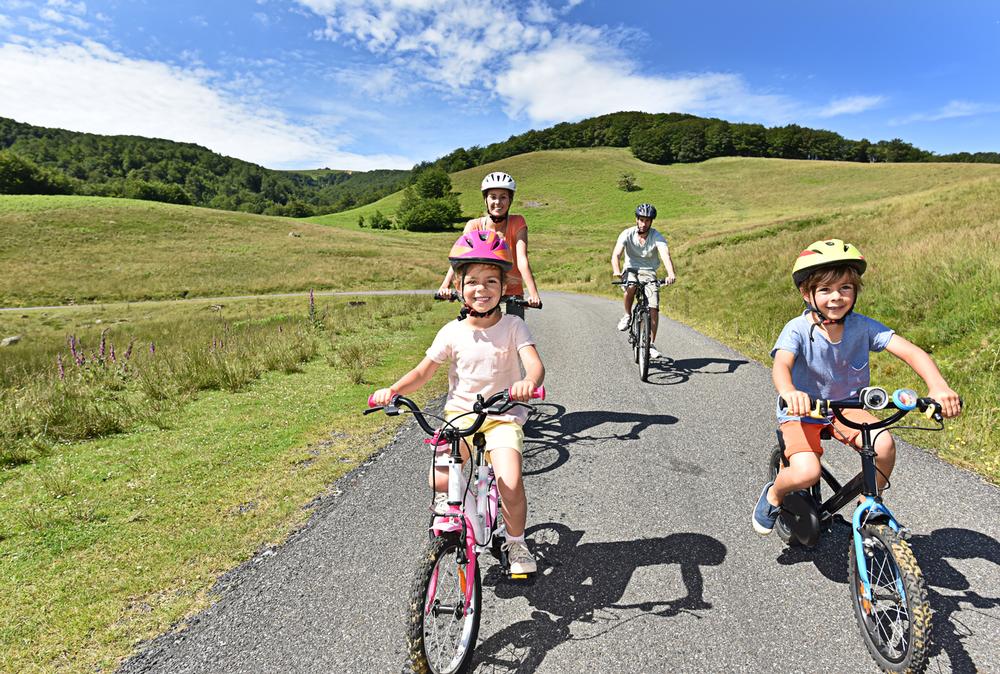
Activity is on the agenda – but will gyms be included? / shutterstock
One in six deaths could be prevented by getting the public more active... yet the professionals with the authority and credibility to steer us towards this course of action, namely GPs, “often feel ill-equipped – due to lack of training, time and incentives – to discuss physical activity with patients”. So says Dr Zoe Williams, GP clinical champion for physical activity for Public Health England (PHE) and the Royal College of General Practitioners (RCGP).
Fair to say there are trailblazers out there: the likes of Dr William Bird, with his passion for outdoor activity (see p10), and Dr John Morgan, “the GP who prescribes walking” who hit the headlines back in 2014. But as a general rule, doctors don’t feel confident in offering exercise advice, because it was never included in their original training.
This is a gap that urgently needs to be plugged. GPs and their teams deal with 90 per cent of NHS patient contacts, and Ipsos MORI research shows they’re far and away people’s primary source of advice on how to stay healthy: 57 per cent of people would ask their GP for such advice; only 1 per cent would ask a personal trainer. If GPs could be brought around to a preventative healthcare message, the impact on public health – and the sustainability of the NHS – could be huge.
So there’s cause for celebration with the news that the RCGP has made physical activity and lifestyle a clinical priority for the next three years, including training to support GPs in delivering this agenda. Meanwhile PHE’s new Health Matters report says GPs should exercise themselves, to be role models for their patients, and should mention physical activity in every consultation.
So is this the breakthrough our sector has been waiting for? We’ve been tantalisingly close before now. After much lobbying, exercise finally made it onto the Quality and Outcomes Framework – which rewards GPs for adhering to specified practices – in April 2013, only to be removed again a year later. Meanwhile ukactive has run successful pilots placing exercise professionals in GP surgeries, but as yet no national roll-out. And exercise referral, in spite of being around for decades, remains disjointed across the UK, with only isolated pockets of best practice.
These latest announcements could mark a turning point, but the gym sector has some work to do if it wants to be involved. As Everyone Health’s Annie Holden told HCM recently: “In the health world, people are disdainful of leisure delivering healthcare.” (See HCM June 16, p44)
Everyone Health has proven its worth in the healthcare sphere, while Nuffield Health (see p32) is a shining example of joined-up thinking, bringing gyms into partnerships with hospitals to deliver wellbeing across the spectrum. But how many more operators can emulate this?
Of course, not every gym has to go down this route. But with gym penetration rates only growing very slowly, the profile of members barely changing, and a flurry of preventative healthcare opportunities suddenly coming our way as reported in this page over recent months – from PHE’s healthy lifestyle campaign, One You, to inactivity becoming Sport England’s priority #1; and from Healthier You, the NHS-led diabetes prevention programme, to this RCGP initiative – there’s never been a better time for our sector to spread its wings.
So let’s put our energy behind upskilling our workforce: EuropeActive is pushing for qualifications at Level 5 and above (see p16), while CIMSPA wants to recognise those with medically-credible skills via a ‘Chartered Professional’ seal of approval. Let’s make gyms more welcoming (see again the inspirational Dr Bird on p10), but also get out into the community. Let’s offer GPs free access, so they know first-hand the benefits. And let’s develop a model that focuses as much on behaviour change as on fitness and performance.
The new national agenda is about physical activity more broadly; if the gym sector wants to be a part of this, it needs to prove it.
Physical activity will be a clinical priority for GPs for the next three years, with doctors offered training and support to help them get people active. But if fitness – as a subset of activity – wants to benefit, it must up its game
By Kate Cracknell | Published in Health Club Management 2016 issue 8
Activity is on the agenda – but will gyms be included? / shutterstock
One in six deaths could be prevented by getting the public more active... yet the professionals with the authority and credibility to steer us towards this course of action, namely GPs, “often feel ill-equipped – due to lack of training, time and incentives – to discuss physical activity with patients”. So says Dr Zoe Williams, GP clinical champion for physical activity for Public Health England (PHE) and the Royal College of General Practitioners (RCGP).
Fair to say there are trailblazers out there: the likes of Dr William Bird, with his passion for outdoor activity (see p10), and Dr John Morgan, “the GP who prescribes walking” who hit the headlines back in 2014. But as a general rule, doctors don’t feel confident in offering exercise advice, because it was never included in their original training.
This is a gap that urgently needs to be plugged. GPs and their teams deal with 90 per cent of NHS patient contacts, and Ipsos MORI research shows they’re far and away people’s primary source of advice on how to stay healthy: 57 per cent of people would ask their GP for such advice; only 1 per cent would ask a personal trainer. If GPs could be brought around to a preventative healthcare message, the impact on public health – and the sustainability of the NHS – could be huge.
So there’s cause for celebration with the news that the RCGP has made physical activity and lifestyle a clinical priority for the next three years, including training to support GPs in delivering this agenda. Meanwhile PHE’s new Health Matters report says GPs should exercise themselves, to be role models for their patients, and should mention physical activity in every consultation.
So is this the breakthrough our sector has been waiting for? We’ve been tantalisingly close before now. After much lobbying, exercise finally made it onto the Quality and Outcomes Framework – which rewards GPs for adhering to specified practices – in April 2013, only to be removed again a year later. Meanwhile ukactive has run successful pilots placing exercise professionals in GP surgeries, but as yet no national roll-out. And exercise referral, in spite of being around for decades, remains disjointed across the UK, with only isolated pockets of best practice.
These latest announcements could mark a turning point, but the gym sector has some work to do if it wants to be involved. As Everyone Health’s Annie Holden told HCM recently: “In the health world, people are disdainful of leisure delivering healthcare.” (See HCM June 16, p44)
Everyone Health has proven its worth in the healthcare sphere, while Nuffield Health (see p32) is a shining example of joined-up thinking, bringing gyms into partnerships with hospitals to deliver wellbeing across the spectrum. But how many more operators can emulate this?
Of course, not every gym has to go down this route. But with gym penetration rates only growing very slowly, the profile of members barely changing, and a flurry of preventative healthcare opportunities suddenly coming our way as reported in this page over recent months – from PHE’s healthy lifestyle campaign, One You, to inactivity becoming Sport England’s priority #1; and from Healthier You, the NHS-led diabetes prevention programme, to this RCGP initiative – there’s never been a better time for our sector to spread its wings.
So let’s put our energy behind upskilling our workforce: EuropeActive is pushing for qualifications at Level 5 and above (see p16), while CIMSPA wants to recognise those with medically-credible skills via a ‘Chartered Professional’ seal of approval. Let’s make gyms more welcoming (see again the inspirational Dr Bird on p10), but also get out into the community. Let’s offer GPs free access, so they know first-hand the benefits. And let’s develop a model that focuses as much on behaviour change as on fitness and performance.
The new national agenda is about physical activity more broadly; if the gym sector wants to be a part of this, it needs to prove it.
OMA has completed a major transformation of New York's New Museum, creating a larger
cultural campus that combines expanded exhibition spaces with learning, performance,
hospitality and public programming.
A US$50 million (£44.2 million, €51.2 million) transformation of Chicago's historic McCormick
Mansion has created a new destination that combines live magic, immersive theatre, dining and
private membership under one roof.
The Montana Historical Society has officially celebrated the opening of its new Montana
Heritage
Center, a US$107 million (£79 million, €92 million) destination that combines immersive
storytelling with cutting-edge audiovisual technology to bring the sta
San Antonio Zoo has reported a US$283 million economic impact for 2025, following a decade-
long transformation programme that has seen almost US$200 million invested into the Texas
attraction.
Plans for the AU$180 million redevelopment of Reef HQ Aquarium in Townsville, Australia, are
progressing, with the project set to transform the attraction into a global centre for reef
education and conservation.
Abu Dhabi-based investment firm Mubadala Capital has made a binding, fully financed
€1 billion
offer to acquire Pierre and Vacances SA, the European holiday resort operator behind the
continental European Center Parcs business.
Disney has reaffirmed its commitment to investing US$30 billion in its US parks and cruise
business by 2033, using new America250 celebrations to underline the role its attractions play
in supporting jobs, tourism and economic growth.
Expo 2030 Riyadh is being planned as a permanent visitor destination, with organisers
confirming the six-million-square-metre site will become a Global Village after the event closes.
The owner of one of Australia's best-known waterparks has acquired a major competitor,
creating a new attractions business spanning two of the country's largest visitor destinations.
The Toverland theme park in the Netherlands has announced a €98m expansion programme
that will add a resort, new attractions and staff facilities as it pursues plans to become a multi-
day destination.
+ More news
COMPANY PROFILES
IDEATTACK IDEATTACK is a full-service planning and
design company with headquarters in
Los Angeles. [more...]
Painting With Light By combining lighting, video, scenic and architectural elements, sound and special effects we tell s [more...]
instantprint We’re a Yorkshire-based online printer, founded
in 2009 by Adam Carnell and James Kinsella. [more...]
Clip 'n Climb Clip ‘n Climb currently offers facility owners and
investors more than 40 colourful and unique
Cha [more...]