The Apple Watch marks part of a revolution in fitness
Rapidly advancing technologies are revolutionising almost every industry, and health and fitness is no exception, with a growing number of digital alternatives to working out in health clubs now available. Like the digital revolution of music, which destroyed record store business models, the explosion of digital fitness alternatives like wearables and mobile apps looms over traditional fitness business models; the overall wearable technology market looks set to reach as many as 1 billion units by 2020.
This month’s release of the Apple Watch represents a significant event within this trend, with global sales set to exceed 30 million units in 2015 according to some reports. Apple’s entry to the wearables market draws particular attention thanks to the company’s status as king of consumer product development: ensuring the Apple Watch successfully fulfils consumer needs will be the brand’s top priority.
No immediate blow So what will the launch of the Apple Watch really mean to the health club industry?
In the near-term and based on what the Apple Watch, other wearables and mobile applications can do today, the technology won’t immediately deliver a crushing blow to existing business models. While consumers are likely to purchase technologies to help them become healthier, these technologies are simply not at the point where they can deliver results and fully replace bricks and mortar fitness services and experiences. As with predictions of flying cars decades ago, enthusiasm can outpace reality when it comes to emerging technologies.
However, despite some of the Apple Watch’s initial limitations such as battery life, the technology of this product – and indeed others – will continue to advance. Over the next five years, we’re therefore likely to see a variety of business disruptions resulting from tools – including the Apple Watch 2 and beyond – that will certainly begin to significantly impact the health club industry. Consumers will be offered more convenient and effective alternatives to gym memberships, and a real shift in consumer habits will most likely occur as a result.
Get the prep work done It’s therefore essential that gyms begin to consider service models that incorporate these consumer technologies. For example, coaching could use wearables to enhance feedback from trainers for client activities inside and outside the four walls of the gym, while the compilation of a variety of data from wearables, apps, fitness equipment, billing and CRM – including, of course, integration with Apple’s own HealthKit – could enable personalised member experiences in-club.
The list of possibilities is long, and the solution may well come from an industry outsider with a fresh perspective: Uber wasn’t founded by cab drivers. But ultimately, as with other industries, if bricks and mortar fitness models don’t embrace the shift towards a blend of digital and bricks and mortar service models, the prognosis might not be good.
In the interim, don’t be worried that the Apple Watch will take away your clients as soon as it’s launched – but be prepared for what’s to come. Believe me, technology is revolutionising health and fitness for the better, whether we like it or not.
Bryan O’Rourke is a health club industry expert, technologist, financier, shareholder and executive in several fitness companies. He is CEO of consulting firm Integerus and the Fitness Industry Technology Council (www.fit-c.org), CSO of Fitmarc and The Flywheel Group, and a member of the ACE industry advisory panel.
Web: www.bryankorourke.com
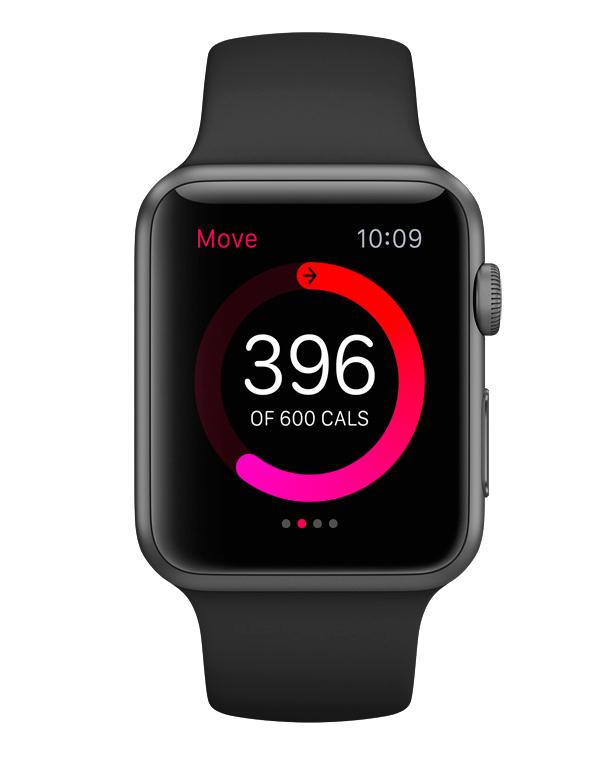
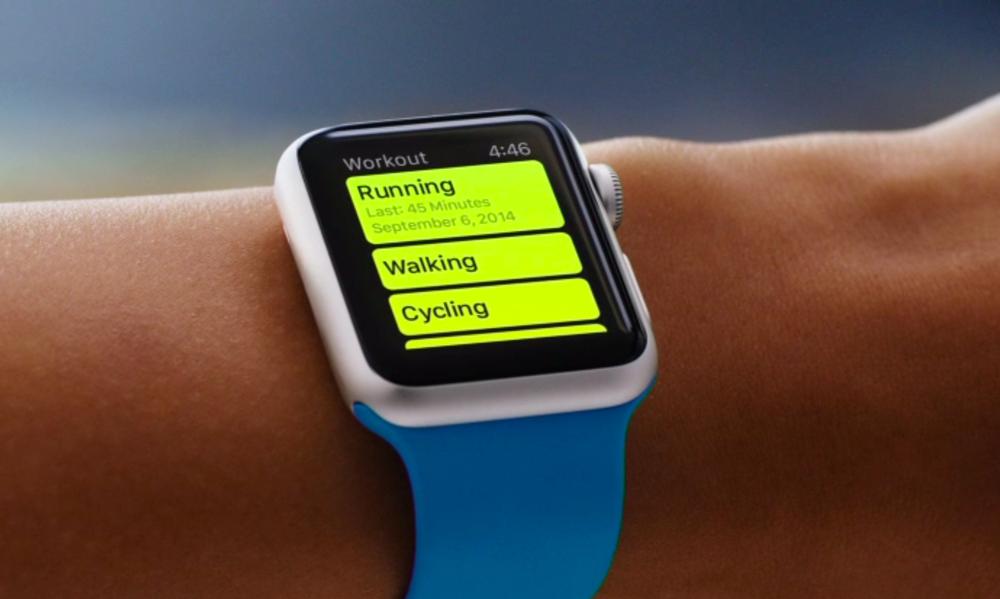
Global sales of the Apple Watch are predicted to exceed 30 million units in 2015
COMPANY PROFILES
Painting With Light
By combining lighting, video, scenic and architectural elements, sound and special effects we tell s [more...]
RMA Ltd
RMA Ltd is a one-stop global company
that can design, build and produce from a
greenfield site upw [more...]
Holovis
Holovis is a privately owned company
established in 2004 by CEO Stuart
Hetherington. [more...]
QubicaAMF UK
QubicaAMF is the largest and most
innovative bowling equipment provider with
600 employees worldwi [more...]
The Apple Watch marks part of a revolution in fitness
Rapidly advancing technologies are revolutionising almost every industry, and health and fitness is no exception, with a growing number of digital alternatives to working out in health clubs now available. Like the digital revolution of music, which destroyed record store business models, the explosion of digital fitness alternatives like wearables and mobile apps looms over traditional fitness business models; the overall wearable technology market looks set to reach as many as 1 billion units by 2020.
This month’s release of the Apple Watch represents a significant event within this trend, with global sales set to exceed 30 million units in 2015 according to some reports. Apple’s entry to the wearables market draws particular attention thanks to the company’s status as king of consumer product development: ensuring the Apple Watch successfully fulfils consumer needs will be the brand’s top priority.
No immediate blow So what will the launch of the Apple Watch really mean to the health club industry?
In the near-term and based on what the Apple Watch, other wearables and mobile applications can do today, the technology won’t immediately deliver a crushing blow to existing business models. While consumers are likely to purchase technologies to help them become healthier, these technologies are simply not at the point where they can deliver results and fully replace bricks and mortar fitness services and experiences. As with predictions of flying cars decades ago, enthusiasm can outpace reality when it comes to emerging technologies.
However, despite some of the Apple Watch’s initial limitations such as battery life, the technology of this product – and indeed others – will continue to advance. Over the next five years, we’re therefore likely to see a variety of business disruptions resulting from tools – including the Apple Watch 2 and beyond – that will certainly begin to significantly impact the health club industry. Consumers will be offered more convenient and effective alternatives to gym memberships, and a real shift in consumer habits will most likely occur as a result.
Get the prep work done It’s therefore essential that gyms begin to consider service models that incorporate these consumer technologies. For example, coaching could use wearables to enhance feedback from trainers for client activities inside and outside the four walls of the gym, while the compilation of a variety of data from wearables, apps, fitness equipment, billing and CRM – including, of course, integration with Apple’s own HealthKit – could enable personalised member experiences in-club.
The list of possibilities is long, and the solution may well come from an industry outsider with a fresh perspective: Uber wasn’t founded by cab drivers. But ultimately, as with other industries, if bricks and mortar fitness models don’t embrace the shift towards a blend of digital and bricks and mortar service models, the prognosis might not be good.
In the interim, don’t be worried that the Apple Watch will take away your clients as soon as it’s launched – but be prepared for what’s to come. Believe me, technology is revolutionising health and fitness for the better, whether we like it or not.
Bryan O’Rourke is a health club industry expert, technologist, financier, shareholder and executive in several fitness companies. He is CEO of consulting firm Integerus and the Fitness Industry Technology Council (www.fit-c.org), CSO of Fitmarc and The Flywheel Group, and a member of the ACE industry advisory panel.
Web: www.bryankorourke.com
Global sales of the Apple Watch are predicted to exceed 30 million units in 2015
London Museum will open four new food and drink destinations when it launches its new home
at Smithfield on 28 November, making hospitality a central part of the visitor experience at one
of the capital's biggest cultural openings of the year.
OMA has completed a major transformation of New York's New Museum, creating a larger
cultural campus that combines expanded exhibition spaces with learning, performance,
hospitality and public programming.
A US$50 million (£44.2 million, €51.2 million) transformation of Chicago's historic McCormick
Mansion has created a new destination that combines live magic, immersive theatre, dining and
private membership under one roof.
The Montana Historical Society has officially celebrated the opening of its new Montana
Heritage
Center, a US$107 million (£79 million, €92 million) destination that combines immersive
storytelling with cutting-edge audiovisual technology to bring the sta
San Antonio Zoo has reported a US$283 million economic impact for 2025, following a decade-
long transformation programme that has seen almost US$200 million invested into the Texas
attraction.
Plans for the AU$180 million redevelopment of Reef HQ Aquarium in Townsville, Australia, are
progressing, with the project set to transform the attraction into a global centre for reef
education and conservation.
Abu Dhabi-based investment firm Mubadala Capital has made a binding, fully financed
€1 billion
offer to acquire Pierre and Vacances SA, the European holiday resort operator behind the
continental European Center Parcs business.
Disney has reaffirmed its commitment to investing US$30 billion in its US parks and cruise
business by 2033, using new America250 celebrations to underline the role its attractions play
in supporting jobs, tourism and economic growth.
Expo 2030 Riyadh is being planned as a permanent visitor destination, with organisers
confirming the six-million-square-metre site will become a Global Village after the event closes.
The owner of one of Australia's best-known waterparks has acquired a major competitor,
creating a new attractions business spanning two of the country's largest visitor destinations.