Aerobic exercise was proven to lift mood / NDAB Creativity/shutterstock
A study by Rutgers University suggests it could be possible to predict which young adults with major depression would benefit most from exercise.
The Rutgers-led team studied two groups of young adults with major depression, focusing on aerobic exercise and its impact on depressive symptoms.
For a period of eight weeks, one group undertook moderate-intensity aerobic exercise three times a week, while the other group did some light-intensity stretching.
Reduced depression Symptoms of depression were reduced by 55 per cent in the aerobic exercise group, compared to 31 per cent in the light-intensity stretching group.
Crucially, while aerobic exercise didn’t influence reward processing or cognitive control, people with better reward processing when the study began were more likely to successfully respond to exercise treatment as a result of the exercise regime carried out.
The term ‘cognitive control’ refers to processes that allow adjustments in behaviour to help people achieve goals and resist distractions.
Reward processing (or reward-related brain activity) reflects the response to rewarding stimuli or outcomes and the ability to process and then modulate your response to positive and negative outcomes, such as achievement or loss.
Reward processing Deficits in reward processing have been linked to multiple psychiatric conditions, including major depression. These deficits may reflect anhedonia – the loss of interest in or inability to experience pleasure – which can be found in many cases of depression.
“Our study needs to be replicated to investigate further, but the precision medicine approach of predicting who may or may not benefit from exercise as an antidepressant is provocative,” said senior author Brandon Alderman, an associate professor at Rutgers University. “We also need to know whether exercise has a similar antidepressant effect in younger adolescents and in adults with more treatment-resistant forms of depression who have not responded well to traditional treatments.”
The study was published in the journal Psychological Medicine.
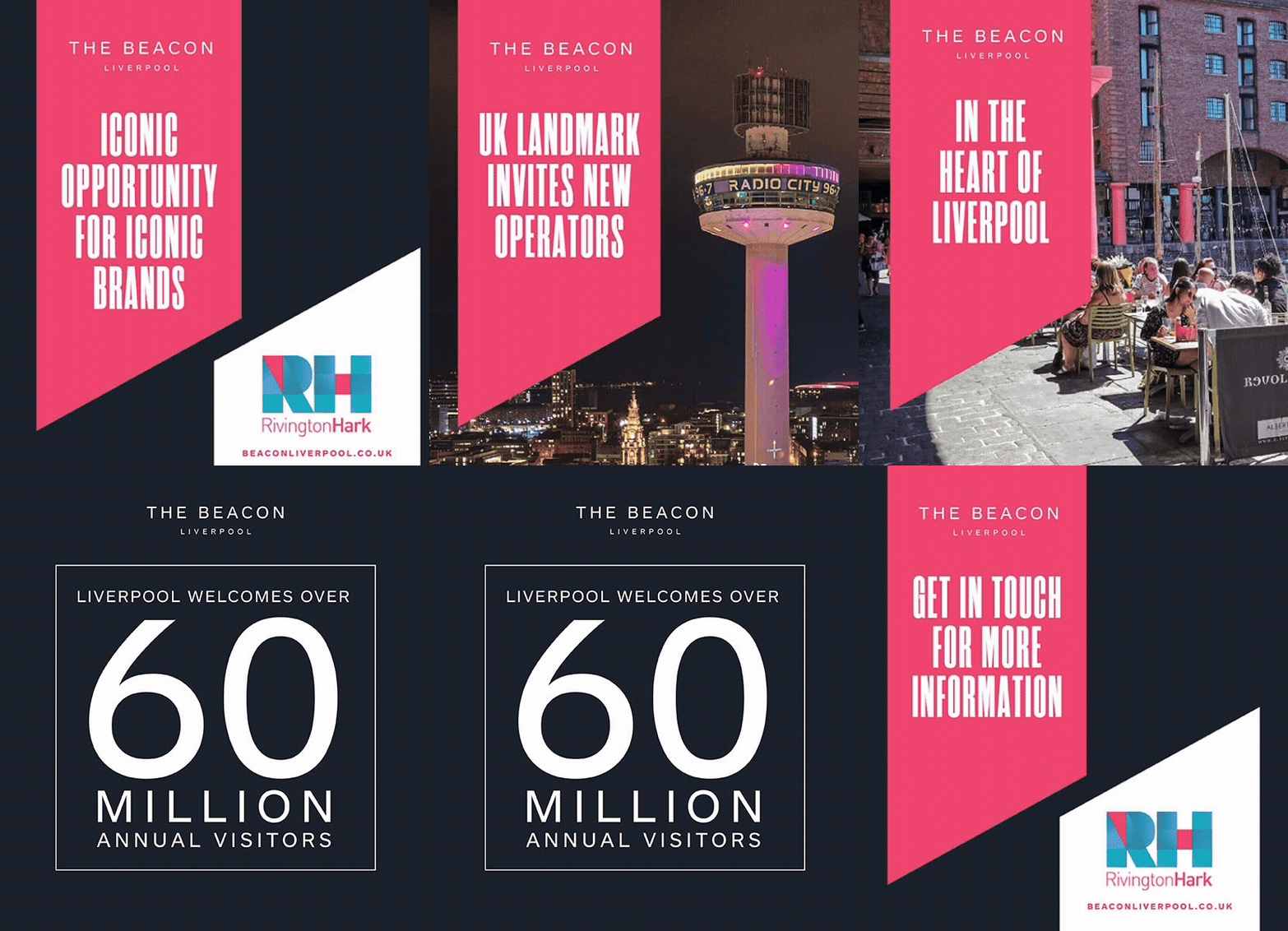
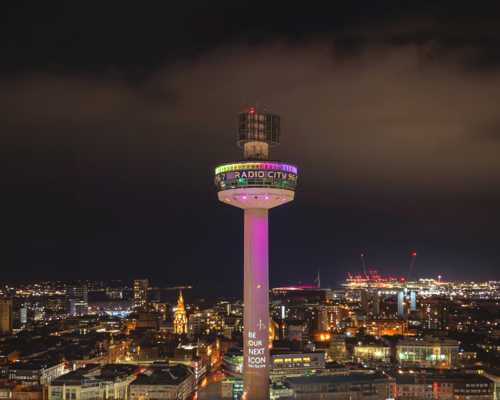
An opportunity to reimagine one of the UK’s most recognisable towers has been formally
opened by Rivington Hark, as St Johns Beacon invites operators and partners to shape its
next phase. [more...]
Aerobic exercise was proven to lift mood / NDAB Creativity/shutterstock
A study by Rutgers University suggests it could be possible to predict which young adults with major depression would benefit most from exercise.
The Rutgers-led team studied two groups of young adults with major depression, focusing on aerobic exercise and its impact on depressive symptoms.
For a period of eight weeks, one group undertook moderate-intensity aerobic exercise three times a week, while the other group did some light-intensity stretching.
Reduced depression Symptoms of depression were reduced by 55 per cent in the aerobic exercise group, compared to 31 per cent in the light-intensity stretching group.
Crucially, while aerobic exercise didn’t influence reward processing or cognitive control, people with better reward processing when the study began were more likely to successfully respond to exercise treatment as a result of the exercise regime carried out.
The term ‘cognitive control’ refers to processes that allow adjustments in behaviour to help people achieve goals and resist distractions.
Reward processing (or reward-related brain activity) reflects the response to rewarding stimuli or outcomes and the ability to process and then modulate your response to positive and negative outcomes, such as achievement or loss.
Reward processing Deficits in reward processing have been linked to multiple psychiatric conditions, including major depression. These deficits may reflect anhedonia – the loss of interest in or inability to experience pleasure – which can be found in many cases of depression.
“Our study needs to be replicated to investigate further, but the precision medicine approach of predicting who may or may not benefit from exercise as an antidepressant is provocative,” said senior author Brandon Alderman, an associate professor at Rutgers University. “We also need to know whether exercise has a similar antidepressant effect in younger adolescents and in adults with more treatment-resistant forms of depression who have not responded well to traditional treatments.”
The study was published in the journal Psychological Medicine.
Hotel de France, located on the British Isle of Jersey, has created a wellness retreat package
that includes a hot yoga session that will take place in Jersey Zoo’s butterfly sanctuary.
A new immersive attraction designed to transport visitors into the final hours of ancient Pompeii
is preparing to open near the world-famous archaeological site in southern Italy.
Experience design company, BRC Imagination Arts, has completed a transition that sees founder
Bob Rogers pass ownership of the business to four long-serving senior executives, while
remaining actively involved with the company.
Movie Park Germany has opened a new Paramount Pictures-themed attraction as part of its 30th
anniversary celebrations, using immersive storytelling and adaptive reuse to reinforce the park’s
longstanding “Hollywood in Germany” positioning.
Therme Manchester’s 28-acre development, which will include interconnected glass pavilions
that measure 65,000sq m, will be the largest bathing and wellbeing attraction in the world once
complete, according to prof David Russell, CEO of Therme UK.
Efteling has opened Hooghmoed, a new family drop tower designed to broaden the appeal of its
recently launched Sirene Island themed area and introduce younger visitors to thrill attractions.
A proposed Puy du Fou development near Bicester and Universal Destinations and Experiences’
planned resort in Bedford are emerging as part of a wider transformation of the Oxford–
Cambridge Growth Corridor into a major centre for UK leisure and tourism inv
Shedd Aquarium has opened the Immersion Theater developed in partnership with SimEx-
Iwerks, as part of a wider strategy to enhance the guest experience and create additional
revenue opportunities.
The UK government has announced a temporary reduction in VAT on visitor attractions and
children’s meals as part of a summer cost-of-living support package designed to stimulate the
visitor economy and encourage family days out.
As designer Yinka Ilori prepares for his first solo gallery show in London, he speaks exclusively
to CLADmag about his mission to spread joy, the power of play, and his bold approach to using
colour (including the colours you won’t see in his work).
The government of Thailand is exploring plans for a THB300bn (£6.3bn, US$8.3bn)
entertainment complex in the country’s Eastern Economic Corridor (EEC), with officials
proposing a large-scale theme park and sports destination as part of a broader tourism and
economic development strategy.
+ More news
COMPANY PROFILES
Holovis Holovis is a privately owned company
established in 2004 by CEO Stuart
Hetherington. [more...]
Sally Corporation Our services include: Dark ride design & build; Redevelopment of existing attractions; High-quality [more...]
instantprint We’re a Yorkshire-based online printer, founded
in 2009 by Adam Carnell and James Kinsella. [more...]
RMA Ltd RMA Ltd is a one-stop global company
that can design, build and produce from a
greenfield site upw [more...]
An opportunity to reimagine one of the UK’s most recognisable towers has been formally
opened by Rivington Hark, as St Johns Beacon invites operators and partners to shape its
next phase. [more...]