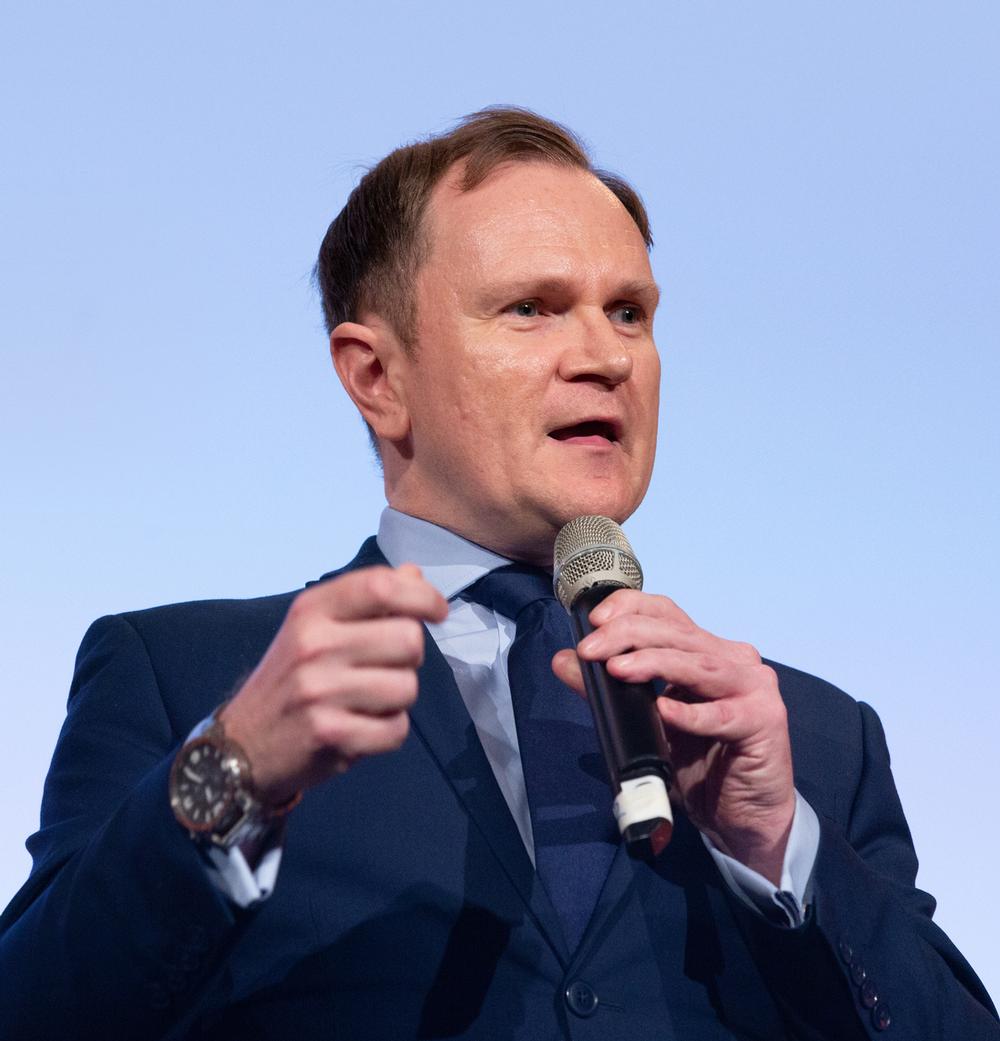
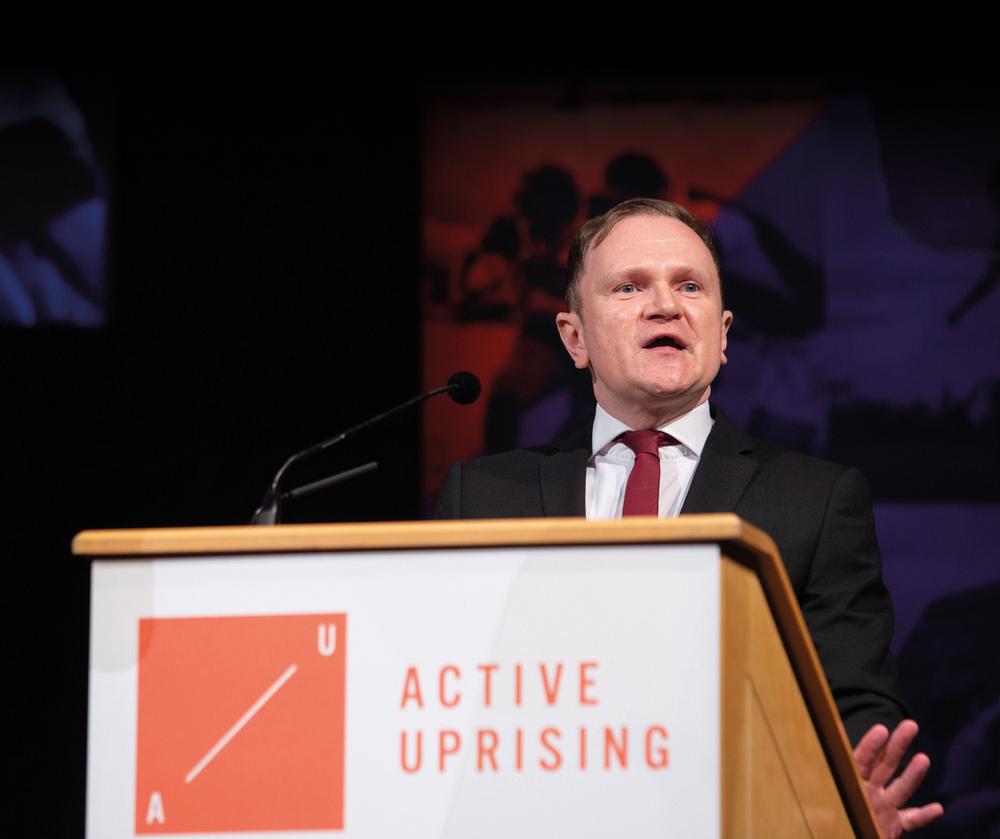
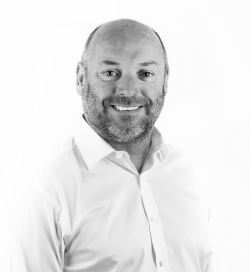
Edwards was appointed CEO of ukactive in July 2019 after joining the organisation in 2016
What are you working on right now? The priority is helping members stay open. We’ve seen an incredibly intense period of work due to the pandemic and it’s also been a highly volatile political environment, with lots of uncertainty for our sector.
Every day we’re going into battle around issues of operational survival, which everybody understands.
Now we’ve reopened across all four UK nations, we must focus on influencing decision-making in government to minimise future closures – either as part of localised lockdowns or more national closures generated by a potential second spike.
We’re making every effort in our lobbying to ensure decision-making that affects our sector, at both national and local government levels, is based on scientific evidence and factual accuracy, in terms of our operating model.
We must avoid a repeat of the situation that happened with local lockdown in Bradford, where there were challenges around both decision-making and evidence that needlessly damaged the sector there.
What’s the next set of priorities? We’ve been working around the clock with members to gather evidence about the control of transmission and provide assurance to the government. In turn, we need the sector to provide us with data that shows we’re meeting the challenges set by the guidance and setting the highest standards of any sector, building consumer confidence to support recovery.
There remains a considerable amount of work for us to do to make sure fitness operators receive the financial support they need to survive. We’ve been using the collaborative weight of other sectors to make the case for protection from legal action on unpaid rent.
At the same time, we’ve been calling for VAT relief and giving evidence to DCMS about the need for ring-fenced funding to protect public leisure operators. This support would ensure the short-term viability of part of our sector, aiding public leisure operators’ recovery and improving their chances of helping support the population’s health and wellbeing at this critical time.
Away from those battles we have a chance to reconsider how the sector represents itself in a post-COVID world.
Tell us about the lobbying From the outset, we had a clear plan and message and we’ve seen some positive wins, including the extension of rent relief and furlough support, and the change to planning regulations around Use Class Order which will enable more gyms to open in the high street.
There are still some major asks on the table and we continue to lobby strongly for those.
The pandemic has devastated many sectors, and so the fight to be heard and influence the small group of decision-makers at the heart of this government is really tough. But we know our lobbying has had an impact.
For example, we know there were serious discussions about reopening the sector in October, rather than July, meaning we would be still closed today, had we not made that progress. But through our collective efforts with our members and partners, we got that changed for the positive.
Our sector has no single political home, so success also means trying to coordinate multiple conversations across government, bringing different departments together to talk about the urgent needs our sector has to protect its enormous long-term potential to help the nation.
We’re so proud of our members, who have come together across many diverging lines with a common goal to protect the industry.
I’m also proud of the work done by the ukactive team; the challenges have been relentless and they’ve really risen to the challenge.
The governance arrangements ukactive put in place have seen us engage with members to get the best counsel and help drive positive change.
It’s also been really important that we’ve worked closely with Sport England, CIMSPA and Community Leisure UK, to show the united voice of our sector in the most challenging of times.
What has this collaboration achieved? We all know what’s at stake – for our workforce and the communities we serve. Everyone has been working towards the best possible solutions in the face of the closure. We’ve seen true collaboration with our operator members, from the smallest to largest, which means we’ve been able to get on-the-ground feedback and access to expertise based on their specialisms, and they’ve supported our representations to government.
It’s also led to a greater appetite to share data, which is so vital for building confidence and informing the decision-making about our sector.
It’s been great to report on data gathered by both public and private operators, meaning we can make better representation to government.
We want to give the best possible picture to the decision-makers, armed with all the data the sector can provide. We’re now able to mobilise with greater agility.
We’re much more agile than we were at the start of the crisis, due to the governance structure we now have in place.
We’ve seen a far greater focus on standards across the sector, which have been under great scrutiny as a result of COVID-19. As a result, we’ve taken huge strides on health and safety, but also on the standards we set ourselves across a whole range of societal issues as well. We’ll be working a lot over the coming months with our partners to set the highest standards for our customers – we want to be fully inclusive for all the communities we work in.
Tell us about the COVID-19 response We’ve been capturing evidence on visits versus reported cases of COVID-19 from across the sector, with reporting from over 1,500 sites in the UK – and the list is growing.
This gives us the evidence to make the case against localised closures where those occur. To be blunt, the more data we capture, the greater the chance we can minimise local or national closures going forward.
We have the apparatus in place in terms of standards, but having the evidence base as well helps bust some of the myths about our sector which were perpetuated at the start.
The myths about our sector being a ‘super-spreader’ of COVID-19 have been thoroughly debunked. We’ve made it clear: any decisions going forward have to be made based on evidence, not on instinct and whim.
It’s early days and we remain vigilant and humble – the most important thing is to look after what we are in control of and not compromise our standards.
What future do you see for the industry? There’s truth in the view that we are not valued correctly by government and that’s what we need to change. But we have choices to make when bad things happen and for all the understandable anger and frustration about how we’ve been treated, we have to work constructively with government to get the results we seek.
This is a powerful government that could be in place for another decade, so we have to collaborate and work to show them we’re the solution to a number of the societal challenges they face.
Our success in moving the date for reopening happened because there was a shift in how our sector is perceived. When we hosted the visits to five of our members’ sites from the deputy chief medical officer and SAGE, it was a great collaboration with our members to show the very best of our sector and help change their desktop perceptions to a clear understanding of the sector’s operations. It gave us a chance to take advice from them and also to empower the deputy CMO and SAGE to fine-tune the official reopening guidance.
What’s the key to this? The value proposition for our sector is not yet as strong as we want. That’s been reflected in this crisis and there’s a need for us to continue to make that case collectively. We have to have a fundamental change in the way physical activity is valued in the UK.
We’ll only show our true value by continuing to reach for high standards, by telling our story through incontrovertible data and evidence and – crucially – by revealing the long-term, positive benefit the sector can have on, potentially, every person in the UK.
The big question is, how seriously do we all want to be connected with the health agenda, beyond the rhetoric of saying we do? How far do we want to go with social prescribing, backing the discussions ukactive is having with the NHS and National Academy for Social Prescribing? How far do we want to drive the professionalism of our sector, working with CIMSPA to enhance our reputation and truly reflect the totality of people who use our services?
The future of our industry is as a ‘national health service’ – we can’t dance around these conversations – if we’re serious about being closer to health agencies, that needs change and commitment.
Over the next few months, ukactive will drive these discussions across the sector, including new consultations on our sector’s role in workplace health, and also ageing and long-term health conditions. We need the whole sector to get involved in these important pieces of work, as they will help shape the future relations we have as a sector with both the government and its health agencies.
What fall-out will there be from the pandemic in terms of facility closures? Any facility closed is a tragedy, as is the loss of jobs, but we have to be realistic – the sector will not come out of these crises unscathed.
We continue to work to avoid closures wherever possible and in terms of market changes, we need to ensure the collective can service all communities and cohorts, which means we must ensure a strong public, private and independent sector to meet our full potential.
These operators meet different needs in the communities they serve. What we’ve witnessed throughout this crisis is how strong the collaboration has been between the public and private operators. All have a role to play in our nation’s health.
What shape is the public sector in? This comes back to value. Public leisure services are non-statutory, so they don’t have the same protection as other local services. Difficult decisions are being taken by local authorities but ultimately, central government must be held accountable.
It’s a very challenging situation, but we’ve been clear that the loss of local authority provision weakens the health of the nation. It undermines all of the commitments made by the government to improving the health of the nation.
Leisure facilities, along with gyms, are knitted into the fabric of our society. Our data shows clearly how vital they are, in particular for those from lower-income backgrounds, BAME communities, and women. Their loss would widen some of our greatest health inequalities.
How can operators diversify? This depends on our appetite to be part of the new health agenda. Are we prepared to back the necessary changes, operationally and in our audiences, to support a wider community?
It requires change and investment – less financial, more cultural – but it will strengthen our case for providing a national service.
ukactive will create the enabling environment for the sector to capitalise on, from workplace health, to active ageing and long-term conditions, and children and young people, and I invite every organisation to become part of our consultations on workplace wellbeing, ageing and long-term health conditions, to consider how they might serve these new audiences.
We support the sector by facilitating these opportunities and this will help protect our long-term future and sustainability as a sector.
We’re going to continue a national conversation, starting with the Great British Week of Sport, which offers a window into the sector, followed in November by the National Summit. These events represent a chance to tell our story and to show the evidence.
We provide so many opportunities for solutions, but they’ve got to be unlocked. You can’t compromise when it comes to driving change.
What does the future hold for ukactive? ukactive will continue to support the sector, focusing on key areas – both strategically and at local level – that provide new avenues for growth and new offerings.
We’re already underway with two major consultations; to reimagine ageing by learning how best to engage people to lead healthier lifestyles in later life, and a workplace consultation to understand how businesses can support physically active workforces.
We continue to progress our work in partnership with Sport England, which focuses on the strategic areas of digital transformation, improvement of infrastructure, how the sector can become more inclusive, and the development of our campaigns to engage new audiences.
We all have a duty to re-evaluate our long-term value to the UK and how we speak about our sector. In the short-term, the Great British Week of Sport (19-27 September) is our opportunity to show the best of what we do.
We need to make our voice heard, showing the positive impact we have on the physical, mental, and social wellbeing of the nation. This is the united voice we need to take into the heart of government, showing we’re the solution for many of the societal issues facing the UK.
We will draw together the biggest coalition of support from across the sector to make the case. It will help position our sector as a public health service, creating new opportunities for our members.
Moving into the future, in collaboration with our members, partners and stakeholders, we will forge a shared foundation to grow our voice, our customer base and our industry.
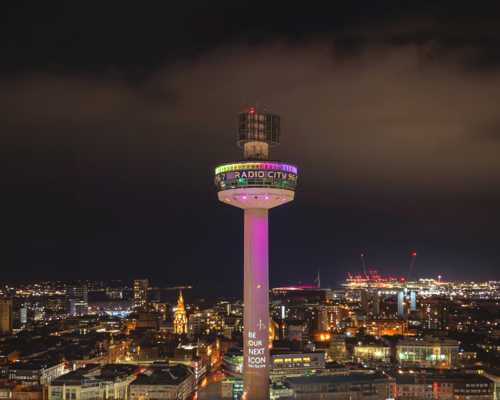
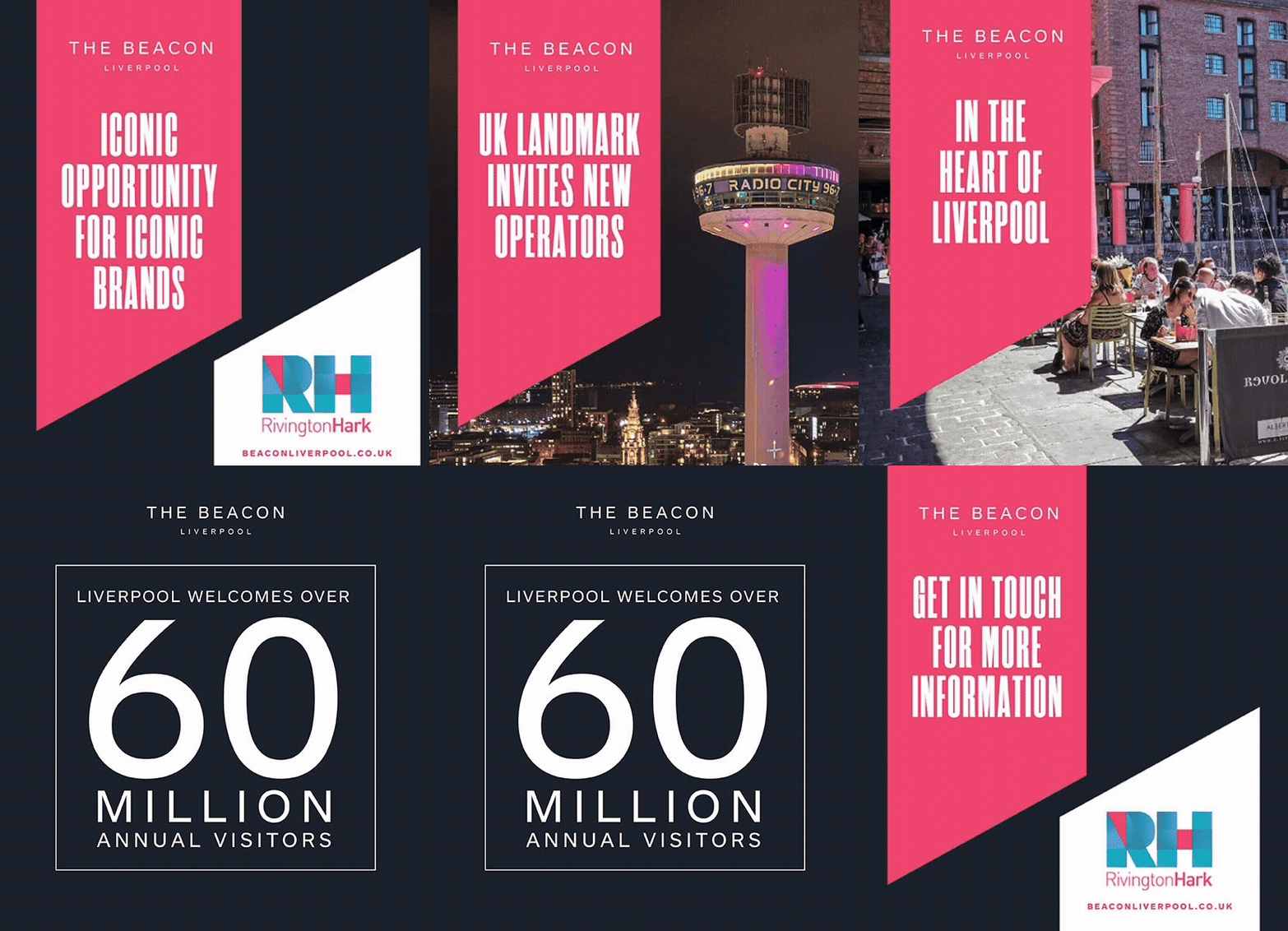
An opportunity to reimagine one of the UK’s most recognisable towers has been formally
opened by Rivington Hark, as St Johns Beacon invites operators and partners to shape its
next phase. [more...]
Edwards was appointed CEO of ukactive in July 2019 after joining the organisation in 2016
What are you working on right now? The priority is helping members stay open. We’ve seen an incredibly intense period of work due to the pandemic and it’s also been a highly volatile political environment, with lots of uncertainty for our sector.
Every day we’re going into battle around issues of operational survival, which everybody understands.
Now we’ve reopened across all four UK nations, we must focus on influencing decision-making in government to minimise future closures – either as part of localised lockdowns or more national closures generated by a potential second spike.
We’re making every effort in our lobbying to ensure decision-making that affects our sector, at both national and local government levels, is based on scientific evidence and factual accuracy, in terms of our operating model.
We must avoid a repeat of the situation that happened with local lockdown in Bradford, where there were challenges around both decision-making and evidence that needlessly damaged the sector there.
What’s the next set of priorities? We’ve been working around the clock with members to gather evidence about the control of transmission and provide assurance to the government. In turn, we need the sector to provide us with data that shows we’re meeting the challenges set by the guidance and setting the highest standards of any sector, building consumer confidence to support recovery.
There remains a considerable amount of work for us to do to make sure fitness operators receive the financial support they need to survive. We’ve been using the collaborative weight of other sectors to make the case for protection from legal action on unpaid rent.
At the same time, we’ve been calling for VAT relief and giving evidence to DCMS about the need for ring-fenced funding to protect public leisure operators. This support would ensure the short-term viability of part of our sector, aiding public leisure operators’ recovery and improving their chances of helping support the population’s health and wellbeing at this critical time.
Away from those battles we have a chance to reconsider how the sector represents itself in a post-COVID world.
Tell us about the lobbying From the outset, we had a clear plan and message and we’ve seen some positive wins, including the extension of rent relief and furlough support, and the change to planning regulations around Use Class Order which will enable more gyms to open in the high street.
There are still some major asks on the table and we continue to lobby strongly for those.
The pandemic has devastated many sectors, and so the fight to be heard and influence the small group of decision-makers at the heart of this government is really tough. But we know our lobbying has had an impact.
For example, we know there were serious discussions about reopening the sector in October, rather than July, meaning we would be still closed today, had we not made that progress. But through our collective efforts with our members and partners, we got that changed for the positive.
Our sector has no single political home, so success also means trying to coordinate multiple conversations across government, bringing different departments together to talk about the urgent needs our sector has to protect its enormous long-term potential to help the nation.
We’re so proud of our members, who have come together across many diverging lines with a common goal to protect the industry.
I’m also proud of the work done by the ukactive team; the challenges have been relentless and they’ve really risen to the challenge.
The governance arrangements ukactive put in place have seen us engage with members to get the best counsel and help drive positive change.
It’s also been really important that we’ve worked closely with Sport England, CIMSPA and Community Leisure UK, to show the united voice of our sector in the most challenging of times.
What has this collaboration achieved? We all know what’s at stake – for our workforce and the communities we serve. Everyone has been working towards the best possible solutions in the face of the closure. We’ve seen true collaboration with our operator members, from the smallest to largest, which means we’ve been able to get on-the-ground feedback and access to expertise based on their specialisms, and they’ve supported our representations to government.
It’s also led to a greater appetite to share data, which is so vital for building confidence and informing the decision-making about our sector.
It’s been great to report on data gathered by both public and private operators, meaning we can make better representation to government.
We want to give the best possible picture to the decision-makers, armed with all the data the sector can provide. We’re now able to mobilise with greater agility.
We’re much more agile than we were at the start of the crisis, due to the governance structure we now have in place.
We’ve seen a far greater focus on standards across the sector, which have been under great scrutiny as a result of COVID-19. As a result, we’ve taken huge strides on health and safety, but also on the standards we set ourselves across a whole range of societal issues as well. We’ll be working a lot over the coming months with our partners to set the highest standards for our customers – we want to be fully inclusive for all the communities we work in.
Tell us about the COVID-19 response We’ve been capturing evidence on visits versus reported cases of COVID-19 from across the sector, with reporting from over 1,500 sites in the UK – and the list is growing.
This gives us the evidence to make the case against localised closures where those occur. To be blunt, the more data we capture, the greater the chance we can minimise local or national closures going forward.
We have the apparatus in place in terms of standards, but having the evidence base as well helps bust some of the myths about our sector which were perpetuated at the start.
The myths about our sector being a ‘super-spreader’ of COVID-19 have been thoroughly debunked. We’ve made it clear: any decisions going forward have to be made based on evidence, not on instinct and whim.
It’s early days and we remain vigilant and humble – the most important thing is to look after what we are in control of and not compromise our standards.
What future do you see for the industry? There’s truth in the view that we are not valued correctly by government and that’s what we need to change. But we have choices to make when bad things happen and for all the understandable anger and frustration about how we’ve been treated, we have to work constructively with government to get the results we seek.
This is a powerful government that could be in place for another decade, so we have to collaborate and work to show them we’re the solution to a number of the societal challenges they face.
Our success in moving the date for reopening happened because there was a shift in how our sector is perceived. When we hosted the visits to five of our members’ sites from the deputy chief medical officer and SAGE, it was a great collaboration with our members to show the very best of our sector and help change their desktop perceptions to a clear understanding of the sector’s operations. It gave us a chance to take advice from them and also to empower the deputy CMO and SAGE to fine-tune the official reopening guidance.
What’s the key to this? The value proposition for our sector is not yet as strong as we want. That’s been reflected in this crisis and there’s a need for us to continue to make that case collectively. We have to have a fundamental change in the way physical activity is valued in the UK.
We’ll only show our true value by continuing to reach for high standards, by telling our story through incontrovertible data and evidence and – crucially – by revealing the long-term, positive benefit the sector can have on, potentially, every person in the UK.
The big question is, how seriously do we all want to be connected with the health agenda, beyond the rhetoric of saying we do? How far do we want to go with social prescribing, backing the discussions ukactive is having with the NHS and National Academy for Social Prescribing? How far do we want to drive the professionalism of our sector, working with CIMSPA to enhance our reputation and truly reflect the totality of people who use our services?
The future of our industry is as a ‘national health service’ – we can’t dance around these conversations – if we’re serious about being closer to health agencies, that needs change and commitment.
Over the next few months, ukactive will drive these discussions across the sector, including new consultations on our sector’s role in workplace health, and also ageing and long-term health conditions. We need the whole sector to get involved in these important pieces of work, as they will help shape the future relations we have as a sector with both the government and its health agencies.
What fall-out will there be from the pandemic in terms of facility closures? Any facility closed is a tragedy, as is the loss of jobs, but we have to be realistic – the sector will not come out of these crises unscathed.
We continue to work to avoid closures wherever possible and in terms of market changes, we need to ensure the collective can service all communities and cohorts, which means we must ensure a strong public, private and independent sector to meet our full potential.
These operators meet different needs in the communities they serve. What we’ve witnessed throughout this crisis is how strong the collaboration has been between the public and private operators. All have a role to play in our nation’s health.
What shape is the public sector in? This comes back to value. Public leisure services are non-statutory, so they don’t have the same protection as other local services. Difficult decisions are being taken by local authorities but ultimately, central government must be held accountable.
It’s a very challenging situation, but we’ve been clear that the loss of local authority provision weakens the health of the nation. It undermines all of the commitments made by the government to improving the health of the nation.
Leisure facilities, along with gyms, are knitted into the fabric of our society. Our data shows clearly how vital they are, in particular for those from lower-income backgrounds, BAME communities, and women. Their loss would widen some of our greatest health inequalities.
How can operators diversify? This depends on our appetite to be part of the new health agenda. Are we prepared to back the necessary changes, operationally and in our audiences, to support a wider community?
It requires change and investment – less financial, more cultural – but it will strengthen our case for providing a national service.
ukactive will create the enabling environment for the sector to capitalise on, from workplace health, to active ageing and long-term conditions, and children and young people, and I invite every organisation to become part of our consultations on workplace wellbeing, ageing and long-term health conditions, to consider how they might serve these new audiences.
We support the sector by facilitating these opportunities and this will help protect our long-term future and sustainability as a sector.
We’re going to continue a national conversation, starting with the Great British Week of Sport, which offers a window into the sector, followed in November by the National Summit. These events represent a chance to tell our story and to show the evidence.
We provide so many opportunities for solutions, but they’ve got to be unlocked. You can’t compromise when it comes to driving change.
What does the future hold for ukactive? ukactive will continue to support the sector, focusing on key areas – both strategically and at local level – that provide new avenues for growth and new offerings.
We’re already underway with two major consultations; to reimagine ageing by learning how best to engage people to lead healthier lifestyles in later life, and a workplace consultation to understand how businesses can support physically active workforces.
We continue to progress our work in partnership with Sport England, which focuses on the strategic areas of digital transformation, improvement of infrastructure, how the sector can become more inclusive, and the development of our campaigns to engage new audiences.
We all have a duty to re-evaluate our long-term value to the UK and how we speak about our sector. In the short-term, the Great British Week of Sport (19-27 September) is our opportunity to show the best of what we do.
We need to make our voice heard, showing the positive impact we have on the physical, mental, and social wellbeing of the nation. This is the united voice we need to take into the heart of government, showing we’re the solution for many of the societal issues facing the UK.
We will draw together the biggest coalition of support from across the sector to make the case. It will help position our sector as a public health service, creating new opportunities for our members.
Moving into the future, in collaboration with our members, partners and stakeholders, we will forge a shared foundation to grow our voice, our customer base and our industry.
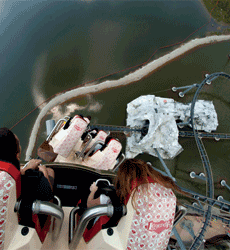
Movie Park Germany has opened a new Paramount Pictures-themed attraction as part of its 30th
anniversary celebrations, using immersive storytelling and adaptive reuse to reinforce the park’s
longstanding “Hollywood in Germany” positioning.
Therme Manchester’s 28-acre development, which will include interconnected glass pavilions
that measure 65,000sq m, will be the largest bathing and wellbeing attraction in the world once
complete, according to prof David Russell, CEO of Therme UK.
Efteling has opened Hooghmoed, a new family drop tower designed to broaden the appeal of its
recently launched Sirene Island themed area and introduce younger visitors to thrill attractions.
A proposed Puy du Fou development near Bicester and Universal Destinations and Experiences’
planned resort in Bedford are emerging as part of a wider transformation of the Oxford–
Cambridge Growth Corridor into a major centre for UK leisure and tourism inv
Shedd Aquarium has opened the Immersion Theater developed in partnership with SimEx-
Iwerks, as part of a wider strategy to enhance the guest experience and create additional
revenue opportunities.
The UK government has announced a temporary reduction in VAT on visitor attractions and
children’s meals as part of a summer cost-of-living support package designed to stimulate the
visitor economy and encourage family days out.
As designer Yinka Ilori prepares for his first solo gallery show in London, he speaks exclusively
to CLADmag about his mission to spread joy, the power of play, and his bold approach to using
colour (including the colours you won’t see in his work).
The government of Thailand is exploring plans for a THB300bn (£6.3bn, US$8.3bn)
entertainment complex in the country’s Eastern Economic Corridor (EEC), with officials
proposing a large-scale theme park and sports destination as part of a broader tourism and
economic development strategy.
Royal Caribbean has revealed its Hero of the Seas cruise ship, home to the most pools at sea
(nine), and a record-breaking 28 dining venues, as well as attractions including a waterpark
with two new family raft slides.
An opportunity to reimagine one of the UK’s most recognisable towers has been formally
opened by Rivington Hark, as St Johns Beacon invites operators and partners to shape its
next phase. [more...]