Whether sheltered from the storm by government support or facing the full impact of the shutdown, all operators will ultimately have to reopen while COVID-19 is still active in the community. The question is how?
For operators who are currently closed, the dilemma is when to reopen. Regardless of circumstance, everyone is facing the same ultimate question: how to deal with controlling the transmission of COVID-19?
Logic dictates we will need to reopen gyms before a vaccine is created (and the vaccination programme completed) because we can’t shut the economy down for the year or more it will take to get to this stage in the control of the pandemic.
So we must prepare to reopen while the virus is still active – regardless of whether gyms are the first or last to do so.
In terms of timing, there’ll be an optimum, and operators who get this right will have an advantage. The challenge is to figure out what this looks like for the customer, what it looks like operationally, and how it works in terms of costs and margins to ensure the financials are sustainable.
The pandemic has exposed weaknesses in the health club business model and shown more diversified income streams are vital, so build this into your relaunch plan as much as you can.
Reopening needs to be tackled as though you’re launching a new business, with the same inspiration, energy, process and reference to expertise it takes to launch anything successful.
How will we adapt our health clubs to still deliver meaningful and valued experiences, while avoiding issues with transmission?
There won’t be one answer. We’ll need to adjust operating procedures, re-train staff, invest in tech and start testing staff and customers as soon as we can, to keep the gym as a safe space.
Maybe we’ll offer bookable one-hour slots with PT support while carrying out anti-viral fogging between sessions? This would spread usage through the day and would be more doable with people working from home and having control over their time.
Maybe we’ll invest in UV robots, anti-viral air filters and social distancing software to ensure density is controlled?
Maybe we’ll insist both members and staff wear masks, close certain areas of the gym or move some operations outside?
There will also be new liabilities and our insurance policies, employment, and customer contracts will need to be revised.
It’s clear operators who come forward with a model that’s safe and can convince consumers of this, while still delivering a good experience, will have a huge commercial advantage.
Once your COVID-19-compliant offering has been nailed down it must be market-tested with customers – you have to know how many will come back for what you’re offering before you reopen. Research will be mission-critical at this point and it may take a series of iterations to find the right combination.
Now is also the time to recalibrate your relationship with your customers. They don’t have to be passive in the face of this crisis but can be part of the solution if you allow them to be.
Many have stepped up and volunteered during the shutdown and will be open to your approaches, so ask them to help and be more responsible for their actions. This will strengthen your community – something people have missed over the last few months – and could be a deciding factor in terms of success.
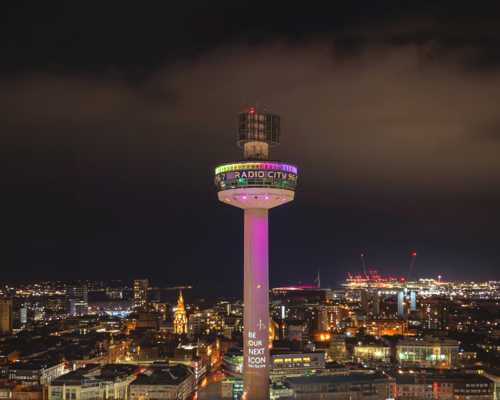
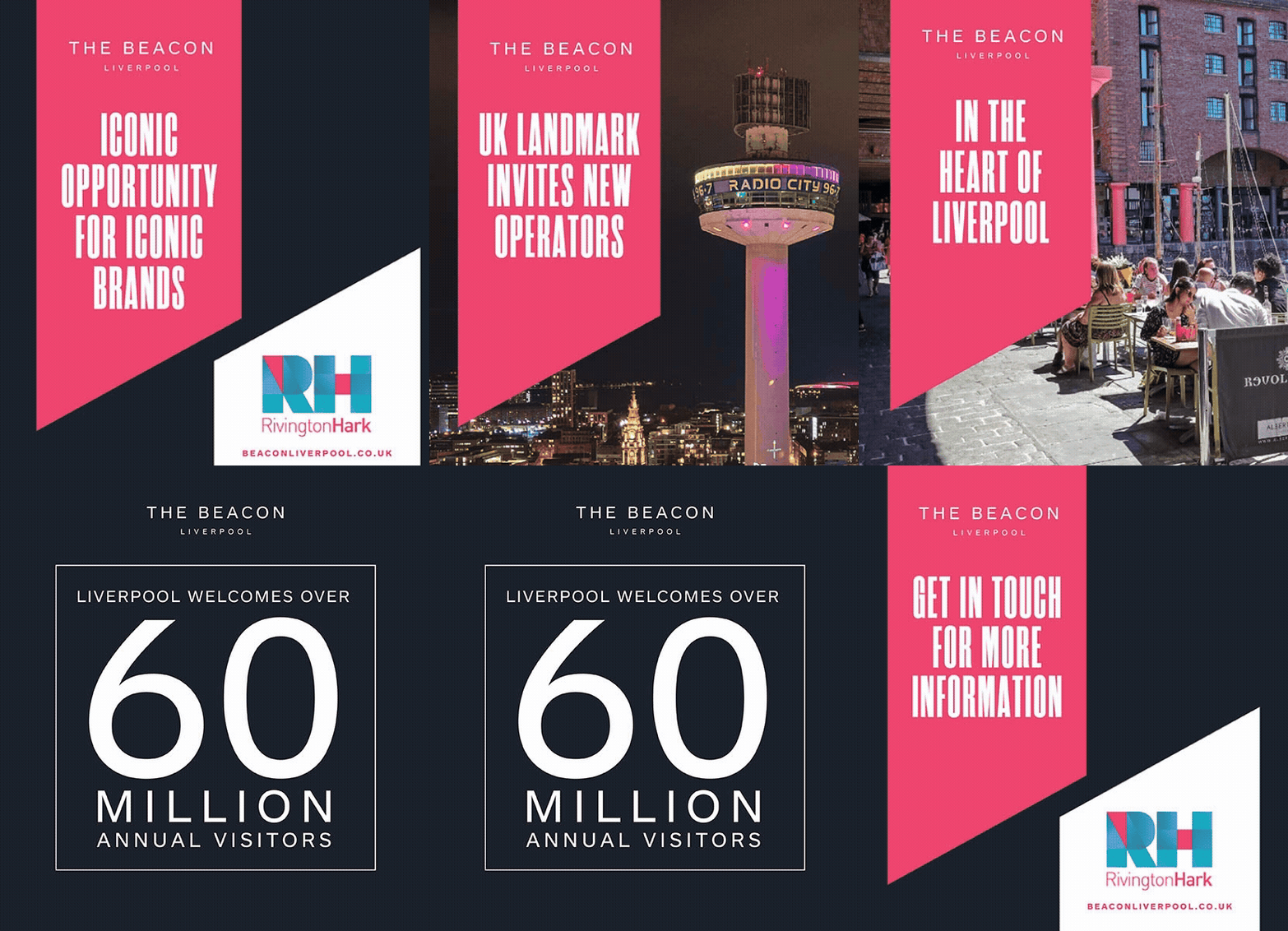
An opportunity to reimagine one of the UK’s most recognisable towers has been formally
opened by Rivington Hark, as St Johns Beacon invites operators and partners to shape its
next phase. [more...]
Whether sheltered from the storm by government support or facing the full impact of the shutdown, all operators will ultimately have to reopen while COVID-19 is still active in the community. The question is how?
For operators who are currently closed, the dilemma is when to reopen. Regardless of circumstance, everyone is facing the same ultimate question: how to deal with controlling the transmission of COVID-19?
Logic dictates we will need to reopen gyms before a vaccine is created (and the vaccination programme completed) because we can’t shut the economy down for the year or more it will take to get to this stage in the control of the pandemic.
So we must prepare to reopen while the virus is still active – regardless of whether gyms are the first or last to do so.
In terms of timing, there’ll be an optimum, and operators who get this right will have an advantage. The challenge is to figure out what this looks like for the customer, what it looks like operationally, and how it works in terms of costs and margins to ensure the financials are sustainable.
The pandemic has exposed weaknesses in the health club business model and shown more diversified income streams are vital, so build this into your relaunch plan as much as you can.
Reopening needs to be tackled as though you’re launching a new business, with the same inspiration, energy, process and reference to expertise it takes to launch anything successful.
How will we adapt our health clubs to still deliver meaningful and valued experiences, while avoiding issues with transmission?
There won’t be one answer. We’ll need to adjust operating procedures, re-train staff, invest in tech and start testing staff and customers as soon as we can, to keep the gym as a safe space.
Maybe we’ll offer bookable one-hour slots with PT support while carrying out anti-viral fogging between sessions? This would spread usage through the day and would be more doable with people working from home and having control over their time.
Maybe we’ll invest in UV robots, anti-viral air filters and social distancing software to ensure density is controlled?
Maybe we’ll insist both members and staff wear masks, close certain areas of the gym or move some operations outside?
There will also be new liabilities and our insurance policies, employment, and customer contracts will need to be revised.
It’s clear operators who come forward with a model that’s safe and can convince consumers of this, while still delivering a good experience, will have a huge commercial advantage.
Once your COVID-19-compliant offering has been nailed down it must be market-tested with customers – you have to know how many will come back for what you’re offering before you reopen. Research will be mission-critical at this point and it may take a series of iterations to find the right combination.
Now is also the time to recalibrate your relationship with your customers. They don’t have to be passive in the face of this crisis but can be part of the solution if you allow them to be.
Many have stepped up and volunteered during the shutdown and will be open to your approaches, so ask them to help and be more responsible for their actions. This will strengthen your community – something people have missed over the last few months – and could be a deciding factor in terms of success.
A new immersive attraction designed to transport visitors into the final hours of ancient Pompeii
is preparing to open near the world-famous archaeological site in southern Italy.
Experience design company, BRC Imagination Arts, has completed a transition that sees founder
Bob Rogers pass ownership of the business to four long-serving senior executives, while
remaining actively involved with the company.
Movie Park Germany has opened a new Paramount Pictures-themed attraction as part of its 30th
anniversary celebrations, using immersive storytelling and adaptive reuse to reinforce the park’s
longstanding “Hollywood in Germany” positioning.
Therme Manchester’s 28-acre development, which will include interconnected glass pavilions
that measure 65,000sq m, will be the largest bathing and wellbeing attraction in the world once
complete, according to prof David Russell, CEO of Therme UK.
Efteling has opened Hooghmoed, a new family drop tower designed to broaden the appeal of its
recently launched Sirene Island themed area and introduce younger visitors to thrill attractions.
A proposed Puy du Fou development near Bicester and Universal Destinations and Experiences’
planned resort in Bedford are emerging as part of a wider transformation of the Oxford–
Cambridge Growth Corridor into a major centre for UK leisure and tourism inv
Shedd Aquarium has opened the Immersion Theater developed in partnership with SimEx-
Iwerks, as part of a wider strategy to enhance the guest experience and create additional
revenue opportunities.
The UK government has announced a temporary reduction in VAT on visitor attractions and
children’s meals as part of a summer cost-of-living support package designed to stimulate the
visitor economy and encourage family days out.
As designer Yinka Ilori prepares for his first solo gallery show in London, he speaks exclusively
to CLADmag about his mission to spread joy, the power of play, and his bold approach to using
colour (including the colours you won’t see in his work).
The government of Thailand is exploring plans for a THB300bn (£6.3bn, US$8.3bn)
entertainment complex in the country’s Eastern Economic Corridor (EEC), with officials
proposing a large-scale theme park and sports destination as part of a broader tourism and
economic development strategy.
An opportunity to reimagine one of the UK’s most recognisable towers has been formally
opened by Rivington Hark, as St Johns Beacon invites operators and partners to shape its
next phase. [more...]