Leading trade bodies representing the physical activity sector have called on the government to introduce "urgent additional measures" in order to keep leisure facilities afloat during the COVID-19 (coronavirus) pandemic.
The heads of ukactive, the Chartered Institute for the Management of Sport and Physical Activity (CIMSPA), and Community Leisure UK have written to chancellor Rishi Sunak, offering to work with the Treasury on the priorities for financial support designed to protect thousands of jobs, businesses and charities.
Gyms, leisure centres and other activity facilities were closed as part of a UK-wide lockdown on 23 March. PM Boris Johnson did, however, say people could continue to go out to exercise once a day – as long as they adhere to physical distancing measures in order to remain safe, in line with guidance from Public Health England.
In the letter to the Chancellor, the sector leaders highlighted the unique position and value of the physical activity sector – and its ability to contribute to the nation’s health.
"We want to work with you and your team to ensure the physical activity sector has the tools it needs to survive in this rapidly changing climate," the letter reads.
"Our gyms, leisure facilities and sports providers are on the frontline of the prevention agenda, contributing hugely to both our national wellbeing and productivity.
"We cannot allow the facilities at the heart of our communities to disappear. "Figures show that public leisure alone is worth £3.3bn annually, having a huge impact on wellbeing (£2.4bn) and health (£715m), but findings also demonstrate benefits for wider social issues such as education and crime, shaping the future of children and young people, ensuring a productive workforce, tackling loneliness, supporting an ageing society, and providing deeper connections within communities. Throughout the coronavirus crisis our members have been working tirelessly to support the public to maintain active lives, supporting the nation through increasing pressures on both our physical and mental health, as our routines are disrupted.
"The significance of maintaining our physical and mental health cannot be underplayed in these circumstances, and the physical activity sector finds itself uniquely placed to offer support to people.
"If physical activity organisations are not supported to survive, it will be difficult for this vital infrastructure to be restored once the crisis is over – and a lengthy restoration process would have dire consequences for our society.”
The measures proposed by the sector bodies are:
Comprehensive salary payment support, as instituted in other European countries.
Rental/management fees reduction support, to reduce/cease rental payments.
For public sector operators, clarification on the responsibility of local authority clients and the non-payment of management fees as well as additional support with cash flow.
Making gym memberships tax deductible for a stipulated period. This would make it easier to regain memberships after the unsettled period, as well as possibly allowing facilities to hold on to current members.
In addition to this, the sector is looking for clarification on the processes for the following:
Clarity on the terms of loan provision, as six months is not feasible for the repayment of interest, given the low margins within the sector. It requests that the window is extended to 12 months.
Clarity on Business Interruption Insurance and the grounds for pay-outs, in addition to confirming the parameters in the new business interruption loan scheme.
Clarity on non-payment of VAT, National Insurance, pension and payroll contributions during the period of disruption.
Clarity on tailored financial support for self-employed physical activity professionals.
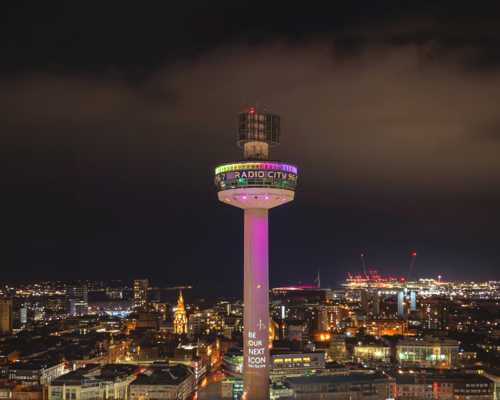
An opportunity to reimagine one of the UK’s most recognisable towers has been formally
opened by Rivington Hark, as St Johns Beacon invites operators and partners to shape its
next phase. [more...]
Leading trade bodies representing the physical activity sector have called on the government to introduce "urgent additional measures" in order to keep leisure facilities afloat during the COVID-19 (coronavirus) pandemic.
The heads of ukactive, the Chartered Institute for the Management of Sport and Physical Activity (CIMSPA), and Community Leisure UK have written to chancellor Rishi Sunak, offering to work with the Treasury on the priorities for financial support designed to protect thousands of jobs, businesses and charities.
Gyms, leisure centres and other activity facilities were closed as part of a UK-wide lockdown on 23 March. PM Boris Johnson did, however, say people could continue to go out to exercise once a day – as long as they adhere to physical distancing measures in order to remain safe, in line with guidance from Public Health England.
In the letter to the Chancellor, the sector leaders highlighted the unique position and value of the physical activity sector – and its ability to contribute to the nation’s health.
"We want to work with you and your team to ensure the physical activity sector has the tools it needs to survive in this rapidly changing climate," the letter reads.
"Our gyms, leisure facilities and sports providers are on the frontline of the prevention agenda, contributing hugely to both our national wellbeing and productivity.
"We cannot allow the facilities at the heart of our communities to disappear. "Figures show that public leisure alone is worth £3.3bn annually, having a huge impact on wellbeing (£2.4bn) and health (£715m), but findings also demonstrate benefits for wider social issues such as education and crime, shaping the future of children and young people, ensuring a productive workforce, tackling loneliness, supporting an ageing society, and providing deeper connections within communities. Throughout the coronavirus crisis our members have been working tirelessly to support the public to maintain active lives, supporting the nation through increasing pressures on both our physical and mental health, as our routines are disrupted.
"The significance of maintaining our physical and mental health cannot be underplayed in these circumstances, and the physical activity sector finds itself uniquely placed to offer support to people.
"If physical activity organisations are not supported to survive, it will be difficult for this vital infrastructure to be restored once the crisis is over – and a lengthy restoration process would have dire consequences for our society.”
The measures proposed by the sector bodies are:
Comprehensive salary payment support, as instituted in other European countries.
Rental/management fees reduction support, to reduce/cease rental payments.
For public sector operators, clarification on the responsibility of local authority clients and the non-payment of management fees as well as additional support with cash flow.
Making gym memberships tax deductible for a stipulated period. This would make it easier to regain memberships after the unsettled period, as well as possibly allowing facilities to hold on to current members.
In addition to this, the sector is looking for clarification on the processes for the following:
Clarity on the terms of loan provision, as six months is not feasible for the repayment of interest, given the low margins within the sector. It requests that the window is extended to 12 months.
Clarity on Business Interruption Insurance and the grounds for pay-outs, in addition to confirming the parameters in the new business interruption loan scheme.
Clarity on non-payment of VAT, National Insurance, pension and payroll contributions during the period of disruption.
Clarity on tailored financial support for self-employed physical activity professionals.
A new immersive attraction designed to transport visitors into the final hours of ancient Pompeii
is preparing to open near the world-famous archaeological site in southern Italy.
Experience design company, BRC Imagination Arts, has completed a transition that sees founder
Bob Rogers pass ownership of the business to four long-serving senior executives, while
remaining actively involved with the company.
Movie Park Germany has opened a new Paramount Pictures-themed attraction as part of its 30th
anniversary celebrations, using immersive storytelling and adaptive reuse to reinforce the park’s
longstanding “Hollywood in Germany” positioning.
Therme Manchester’s 28-acre development, which will include interconnected glass pavilions
that measure 65,000sq m, will be the largest bathing and wellbeing attraction in the world once
complete, according to prof David Russell, CEO of Therme UK.
Efteling has opened Hooghmoed, a new family drop tower designed to broaden the appeal of its
recently launched Sirene Island themed area and introduce younger visitors to thrill attractions.
A proposed Puy du Fou development near Bicester and Universal Destinations and Experiences’
planned resort in Bedford are emerging as part of a wider transformation of the Oxford–
Cambridge Growth Corridor into a major centre for UK leisure and tourism inv
Shedd Aquarium has opened the Immersion Theater developed in partnership with SimEx-
Iwerks, as part of a wider strategy to enhance the guest experience and create additional
revenue opportunities.
The UK government has announced a temporary reduction in VAT on visitor attractions and
children’s meals as part of a summer cost-of-living support package designed to stimulate the
visitor economy and encourage family days out.
As designer Yinka Ilori prepares for his first solo gallery show in London, he speaks exclusively
to CLADmag about his mission to spread joy, the power of play, and his bold approach to using
colour (including the colours you won’t see in his work).
The government of Thailand is exploring plans for a THB300bn (£6.3bn, US$8.3bn)
entertainment complex in the country’s Eastern Economic Corridor (EEC), with officials
proposing a large-scale theme park and sports destination as part of a broader tourism and
economic development strategy.
An opportunity to reimagine one of the UK’s most recognisable towers has been formally
opened by Rivington Hark, as St Johns Beacon invites operators and partners to shape its
next phase. [more...]