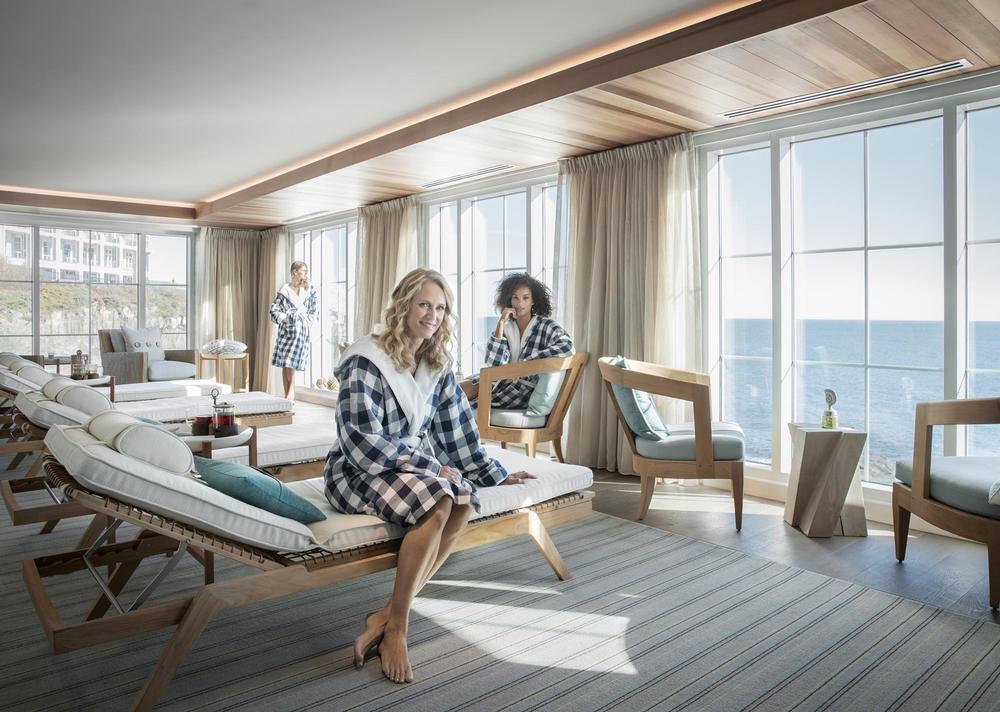
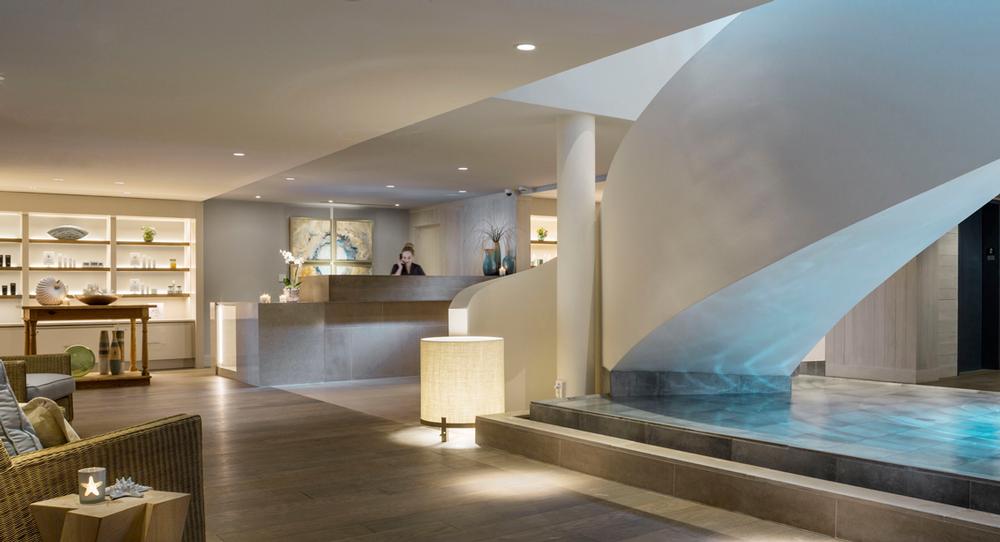
The US has seen increases in spa revenues, visits, locations, and employment / shutterstock
The spa industry in the US has been boosted by another year of healthy growth, according to the International Spa Association’s 2018 US Spa Industry Study, which was carried out in collaboration with PricewaterhouseCoopers (PwC) and funded by the ISPA Foundation.
The research is a nationwide overview of the US spa industry’s size and performance, and looks at data from 2017 through to May 2018.
The report is the result of a large-scale survey of spa operators across the United States. Respondents provided key metrics for 2,375 spa locations, and this year’s estimates show a sector that continues to grow.
Against a nationwide backdrop of higher GDP and employment numbers, there are increases in spa revenues, visits, number of locations and employment within the spa industry, marking the eighth year of positive growth since the financial downturn of the late 2000s.
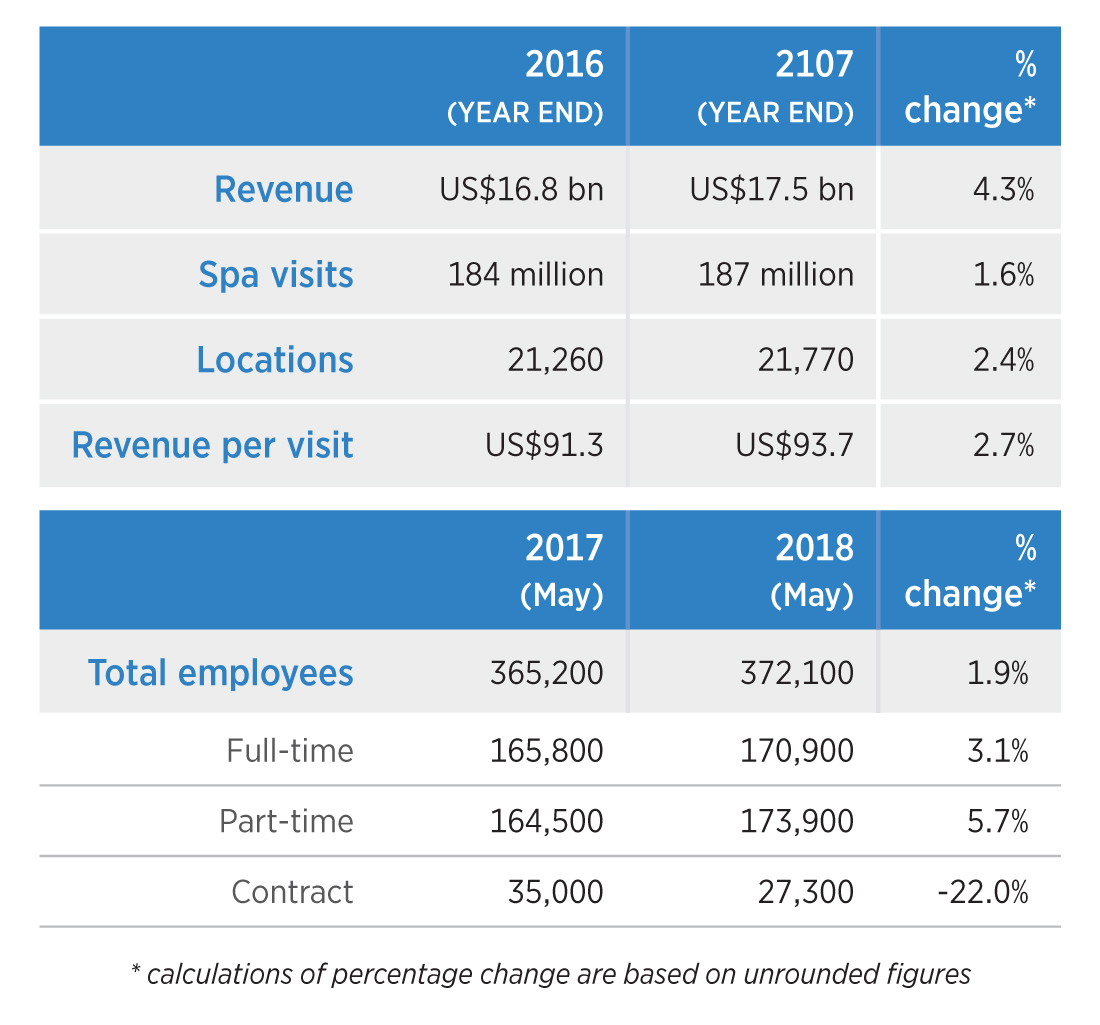
The big five Each of the ‘big five’ statistics increased in 2017, reinforcing the industry’s growth (see Table 1). Total spa revenue is estimated to have reached US$17.5bn in 2017 – another all-time record figure for the industry. With the wider US economy growing more rapidly in 2017 (up 2.3 per cent compared to 1.5 per cent in 2016), the spa arena reflects this trend, with growth picking up from 3.1 per cent in 2016 to 4.3 per cent in 2017.
The last year has also seen a more modest rise in total visits, to 187 million (+1.6 per cent) – the equivalent of over 511,000 people visiting US spas each day. Bringing the revenue and visits data together means that revenue-per-visit rose healthily in 2017, up 2.7 per cent to US$93.70 (€80.20, £71.50).
With overall employment in the US economy rising by 1.6 per cent in 2017, the number of people working in the US spa industry has reached an all-time high, increasing for the second consecutive year to 372,100 (+1.9 per cent). By a wafer-thin margin, part-time employees are now more numerous than full-time staff. The total number of part-time workers grew to 173,900 in 2017 (+5.7 per cent), compared to a more modest growth in the number employed full-time (170,900, +3.1 per cent). Backing up a long-standing industry trend, this year’s results show a further fall in the number of contractors to 27,300 (-22 per cent); this group now represents fewer than one in 10 of the workforce.
Spa locations in the US are now at an all-time record high. Growth of 2.4 per cent in 2017 means that the 21,770 establishments surpasses the previous high of 21,300 recorded in 2008, just before the recession. The net increase of 510 spa locations in 2017 equates to just shy of 10 new spas opening every week.
Looking ahead Spas are continuing to use a variety of methods and techniques to ensure they remain well-positioned for further growth. Their use of modern communication channels continues to come to the forefront, with over three quarters (78 per cent) reporting that they offered social media promotions in 2017 and almost a third (32 per cent) offering special promotions to consumers who gave their spa a positive mention on social media or review sites. In addition, 77 per cent said they offered their clients electronic appointment reminders.
To keep themselves current, spas are actively refreshing their offering, with 60 per cent reporting that they are planning to offer new treatments in 2018 and 45 per cent planning to add new product lines. A recent trend is the continued rise of male spa goers, and in accordance, 41 per cent of spas are actively targeting this key growing segment with special promotions.
Spas are also making behind-the-scenes advancements to strengthen the business, with 59 per cent planning to adopt new or revised standard operating procedures in the next year and 54 per cent seeking to provide employees with new training opportunities. This is a very positive trend as ISPA’s new Spa Workforce Study (see SB18/2 p44) shows that therapists and managers are great advocates for the industry – especially when they have a positive working environment.
The big 5 statistics
out-turn and percentage change in 2017
About the research
The ISPA 2018 US Spa Industry Study, prepared by PricewaterhouseCoopers (PwC) and funded by the ISPA Foundation,
focuses on financial performance, growth and employment, as well as ownership structures, product and service offerings, future trends and emerging issues.
ISPA members may download a free copy of the latest report at experienceispa.com, and non-members can purchase it through the site.
Based in the US, ISPA represents operators and suppliers in more than 60 countries covering all aspects of the global spa industry.
About the author:
Colin McIlheney
Colin McIlheney is global research director at PwC.
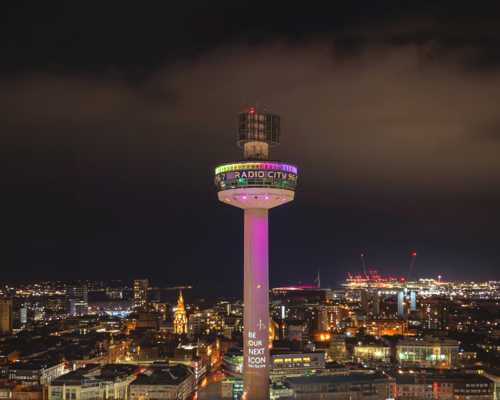
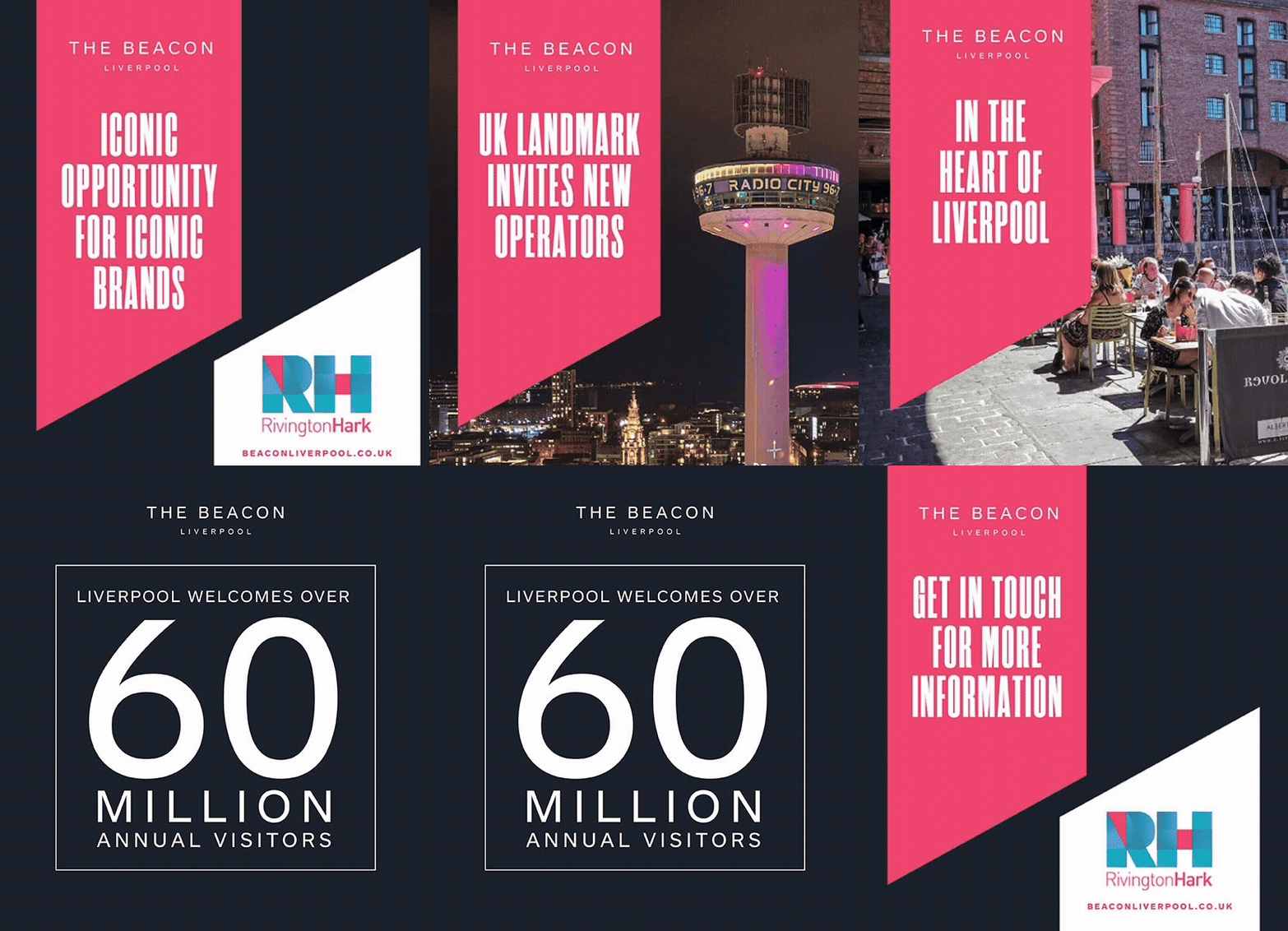
An opportunity to reimagine one of the UK’s most recognisable towers has been formally
opened by Rivington Hark, as St Johns Beacon invites operators and partners to shape its
next phase. [more...]
The US has seen increases in spa revenues, visits, locations, and employment / shutterstock
The spa industry in the US has been boosted by another year of healthy growth, according to the International Spa Association’s 2018 US Spa Industry Study, which was carried out in collaboration with PricewaterhouseCoopers (PwC) and funded by the ISPA Foundation.
The research is a nationwide overview of the US spa industry’s size and performance, and looks at data from 2017 through to May 2018.
The report is the result of a large-scale survey of spa operators across the United States. Respondents provided key metrics for 2,375 spa locations, and this year’s estimates show a sector that continues to grow.
Against a nationwide backdrop of higher GDP and employment numbers, there are increases in spa revenues, visits, number of locations and employment within the spa industry, marking the eighth year of positive growth since the financial downturn of the late 2000s.
The big five Each of the ‘big five’ statistics increased in 2017, reinforcing the industry’s growth (see Table 1). Total spa revenue is estimated to have reached US$17.5bn in 2017 – another all-time record figure for the industry. With the wider US economy growing more rapidly in 2017 (up 2.3 per cent compared to 1.5 per cent in 2016), the spa arena reflects this trend, with growth picking up from 3.1 per cent in 2016 to 4.3 per cent in 2017.
The last year has also seen a more modest rise in total visits, to 187 million (+1.6 per cent) – the equivalent of over 511,000 people visiting US spas each day. Bringing the revenue and visits data together means that revenue-per-visit rose healthily in 2017, up 2.7 per cent to US$93.70 (€80.20, £71.50).
With overall employment in the US economy rising by 1.6 per cent in 2017, the number of people working in the US spa industry has reached an all-time high, increasing for the second consecutive year to 372,100 (+1.9 per cent). By a wafer-thin margin, part-time employees are now more numerous than full-time staff. The total number of part-time workers grew to 173,900 in 2017 (+5.7 per cent), compared to a more modest growth in the number employed full-time (170,900, +3.1 per cent). Backing up a long-standing industry trend, this year’s results show a further fall in the number of contractors to 27,300 (-22 per cent); this group now represents fewer than one in 10 of the workforce.
Spa locations in the US are now at an all-time record high. Growth of 2.4 per cent in 2017 means that the 21,770 establishments surpasses the previous high of 21,300 recorded in 2008, just before the recession. The net increase of 510 spa locations in 2017 equates to just shy of 10 new spas opening every week.
Looking ahead Spas are continuing to use a variety of methods and techniques to ensure they remain well-positioned for further growth. Their use of modern communication channels continues to come to the forefront, with over three quarters (78 per cent) reporting that they offered social media promotions in 2017 and almost a third (32 per cent) offering special promotions to consumers who gave their spa a positive mention on social media or review sites. In addition, 77 per cent said they offered their clients electronic appointment reminders.
To keep themselves current, spas are actively refreshing their offering, with 60 per cent reporting that they are planning to offer new treatments in 2018 and 45 per cent planning to add new product lines. A recent trend is the continued rise of male spa goers, and in accordance, 41 per cent of spas are actively targeting this key growing segment with special promotions.
Spas are also making behind-the-scenes advancements to strengthen the business, with 59 per cent planning to adopt new or revised standard operating procedures in the next year and 54 per cent seeking to provide employees with new training opportunities. This is a very positive trend as ISPA’s new Spa Workforce Study (see SB18/2 p44) shows that therapists and managers are great advocates for the industry – especially when they have a positive working environment.
The big 5 statistics
out-turn and percentage change in 2017
About the research
The ISPA 2018 US Spa Industry Study, prepared by PricewaterhouseCoopers (PwC) and funded by the ISPA Foundation,
focuses on financial performance, growth and employment, as well as ownership structures, product and service offerings, future trends and emerging issues.
ISPA members may download a free copy of the latest report at experienceispa.com, and non-members can purchase it through the site.
Based in the US, ISPA represents operators and suppliers in more than 60 countries covering all aspects of the global spa industry.
About the author:
Colin McIlheney
Colin McIlheney is global research director at PwC.
Hotel de France, located on the British Isle of Jersey, has created a wellness retreat package
that includes a hot yoga session that will take place in Jersey Zoo’s butterfly sanctuary.
A new immersive attraction designed to transport visitors into the final hours of ancient Pompeii
is preparing to open near the world-famous archaeological site in southern Italy.
Experience design company, BRC Imagination Arts, has completed a transition that sees founder
Bob Rogers pass ownership of the business to four long-serving senior executives, while
remaining actively involved with the company.
Movie Park Germany has opened a new Paramount Pictures-themed attraction as part of its 30th
anniversary celebrations, using immersive storytelling and adaptive reuse to reinforce the park’s
longstanding “Hollywood in Germany” positioning.
Therme Manchester’s 28-acre development, which will include interconnected glass pavilions
that measure 65,000sq m, will be the largest bathing and wellbeing attraction in the world once
complete, according to prof David Russell, CEO of Therme UK.
Efteling has opened Hooghmoed, a new family drop tower designed to broaden the appeal of its
recently launched Sirene Island themed area and introduce younger visitors to thrill attractions.
A proposed Puy du Fou development near Bicester and Universal Destinations and Experiences’
planned resort in Bedford are emerging as part of a wider transformation of the Oxford–
Cambridge Growth Corridor into a major centre for UK leisure and tourism inv
Shedd Aquarium has opened the Immersion Theater developed in partnership with SimEx-
Iwerks, as part of a wider strategy to enhance the guest experience and create additional
revenue opportunities.
The UK government has announced a temporary reduction in VAT on visitor attractions and
children’s meals as part of a summer cost-of-living support package designed to stimulate the
visitor economy and encourage family days out.
As designer Yinka Ilori prepares for his first solo gallery show in London, he speaks exclusively
to CLADmag about his mission to spread joy, the power of play, and his bold approach to using
colour (including the colours you won’t see in his work).
The government of Thailand is exploring plans for a THB300bn (£6.3bn, US$8.3bn)
entertainment complex in the country’s Eastern Economic Corridor (EEC), with officials
proposing a large-scale theme park and sports destination as part of a broader tourism and
economic development strategy.
+ More news
COMPANY PROFILES
DJW David & Lynn Willrich started the Company
over thirty years ago, from the Audio Visual
Department [more...]
IDEATTACK IDEATTACK is a full-service planning and
design company with headquarters in
Los Angeles. [more...]
IAAPA EMEA IAAPA Expo Europe was established in 2006 and has grown to the largest international conference and [more...]
Taylor Made Designs Founded in 1993, Taylor Made
Designs supply corporate clothing
and brand-enhancing merchandise
to [more...]
An opportunity to reimagine one of the UK’s most recognisable towers has been formally
opened by Rivington Hark, as St Johns Beacon invites operators and partners to shape its
next phase. [more...]