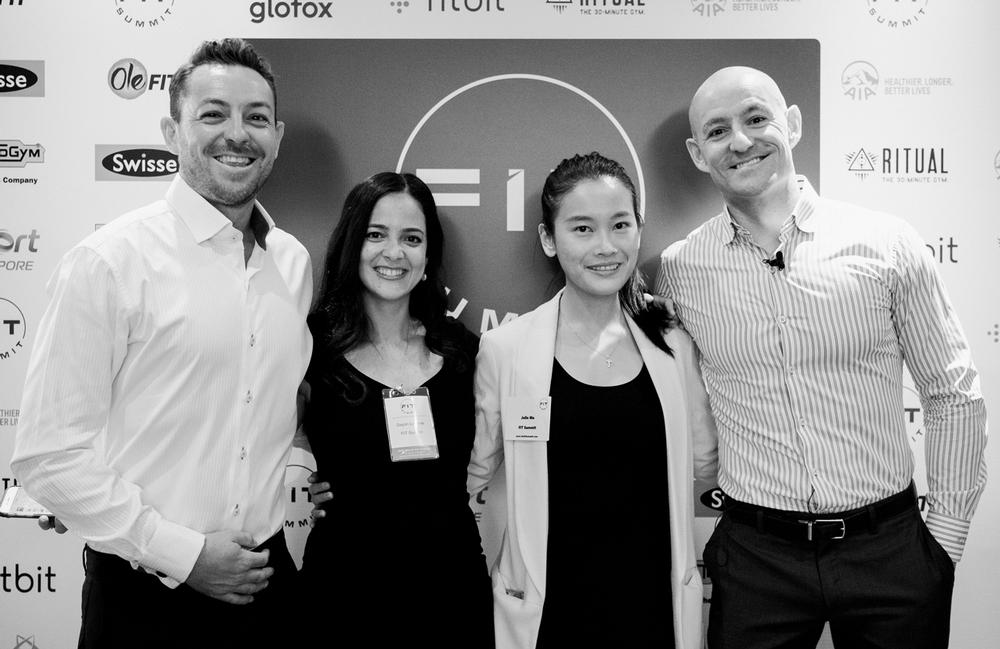
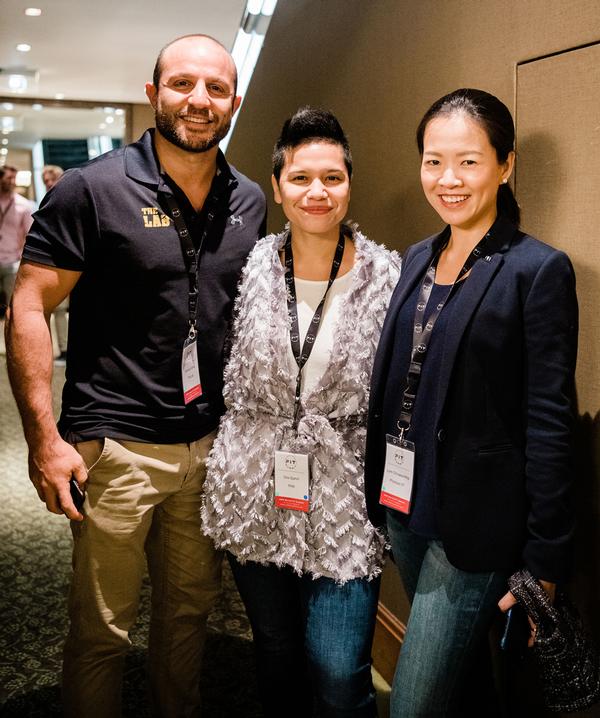
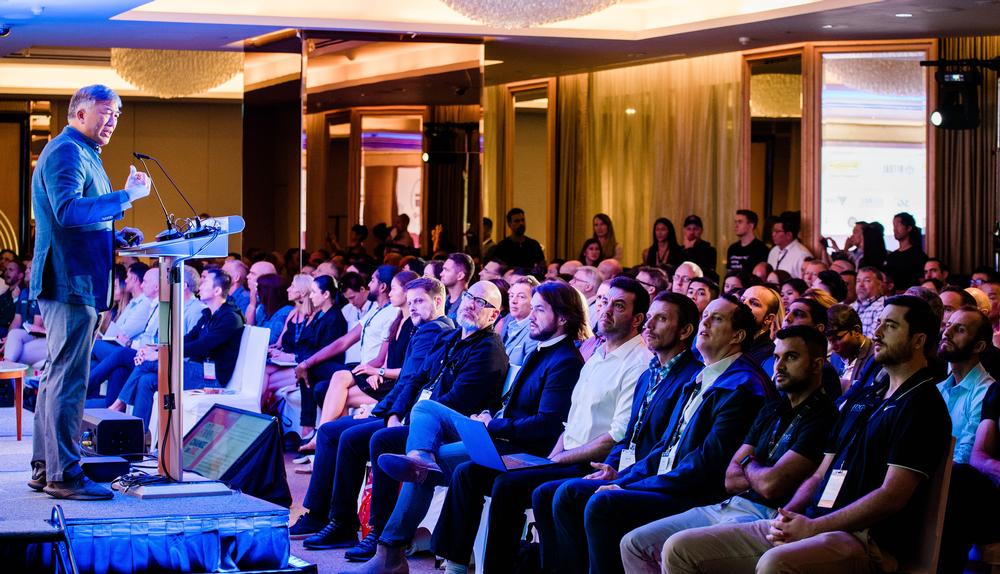
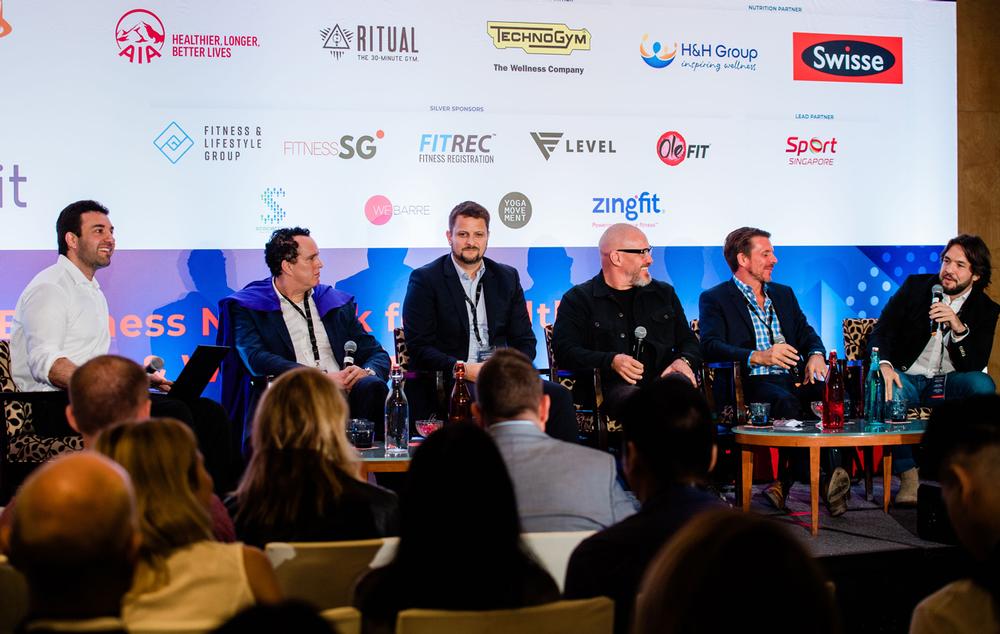
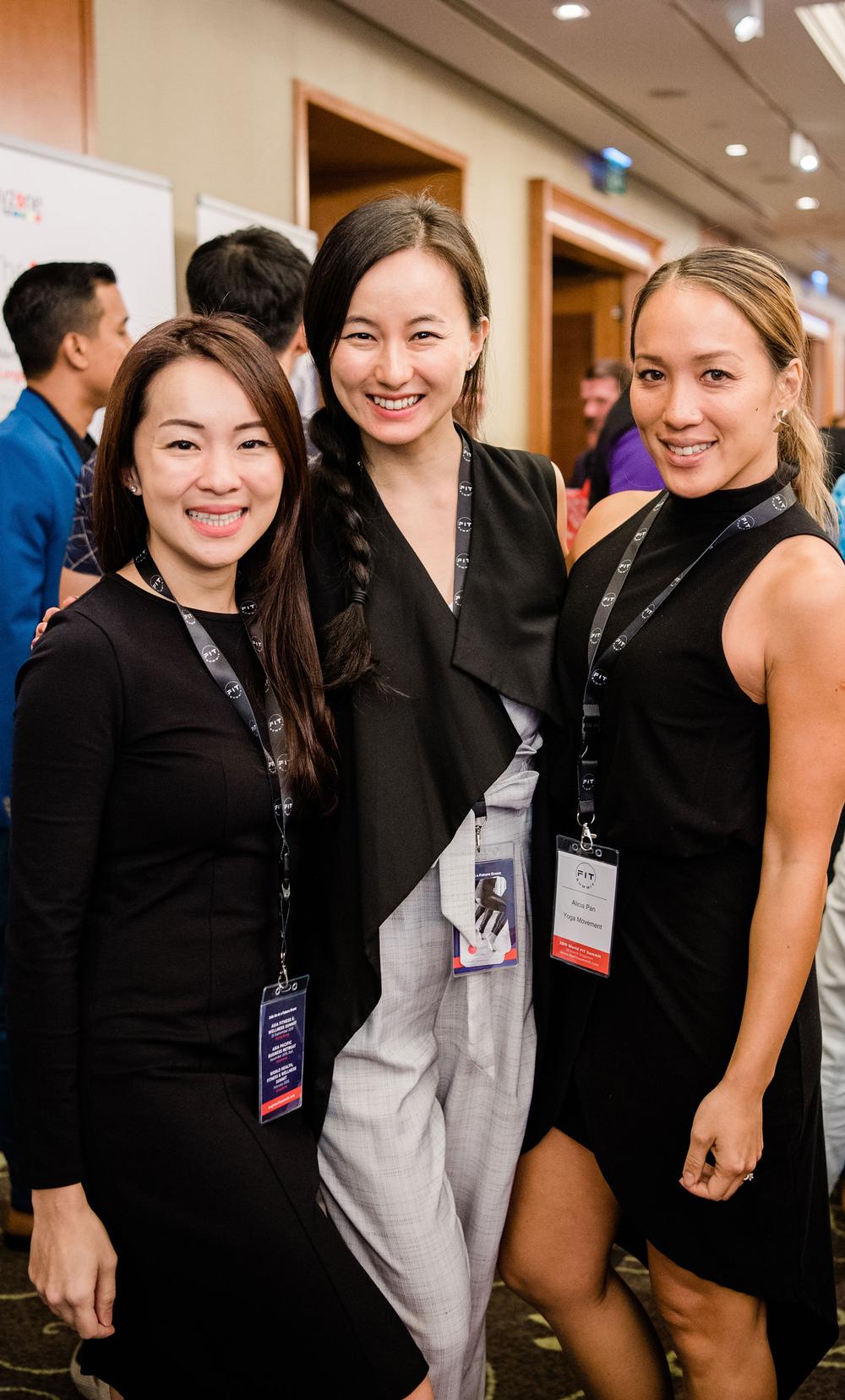
Over 300 fitness executives gathered in Singapore recently for the World Fit Summit.
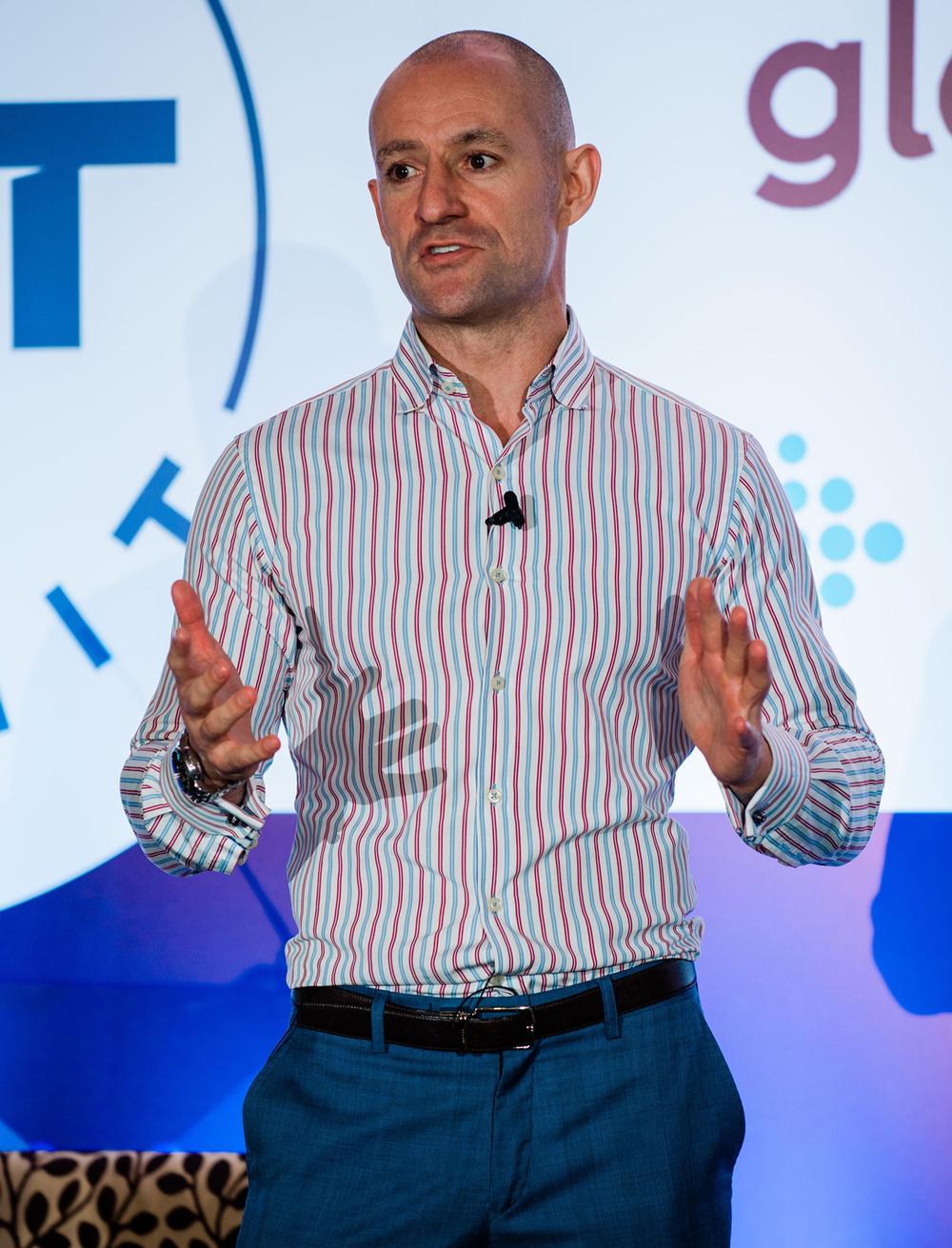
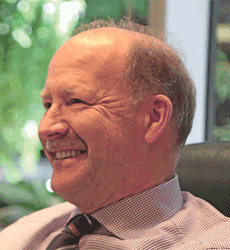
HCM’s Steph Eaves attended to chat with CEO and founder Ross Campbell
and find out more about the industry in Asia
By Steph Eaves | Published in Health Club Management 2019 issue 7
How did you come to be based in Asia? I studied sports science and neuroscience at university in Glasgow, having been a gym fanatic growing up. After university I fell into events and media and became the co-founder, CEO and then chair of an energy events company – Oil & Gas Council – that expanded to five offices globally.
I moved to Singapore from London to grow the business, and once we had successfully expanded into Asia, I sold my stake. After the sale I decided to start my own gym in Singapore – The Jungle.
What made you decide to launch Fit Summit? When doing a business review of The Jungle, I realised there was no influential business network in Asia to help gym owners and fitness brands grow their business. This was the catalyst for creating FIT Summit. Creating scalable and profitable fitness-related businesses in Asia is very tough – I’ve had first-hand experience of that. I wanted to ensure other business owners and investors had access to the connectivity and business knowledge they needed to ensure the success of their business and the return of their investment.
What’s your take on the fitness industry in Asia? Excluding Japan, Asia has 35+ countries and a population of over 3 billion people, many of whom have had little exposure to fitness. We are far behind more mature markets in terms of market penetration for gym membership and investing in physical activities. Exercise is not part of the day-to-day lifestyle of most. This, however, is the opportunity many companies are now chasing.
Big boxes are finding increasing success across Asia. Yoga, pilates, HIIT and boxing have strong followings across many demographics and age ranges. However, we have a long way to go to successfully and sustainably grow our industry.
How do you see fitness in Asia evolving over the next few years? Market penetration rates will increase and consumer price sensitivity will decrease, resulting in key evolutions across several fronts. Higher capitalised and better managed independents will take market share from the small, niche boutique market. There’ll be an increase in the number of franchise brands in the region – especially HIIT and 24/7 gym concepts.
There will be unprecedented product choice for consumers as businesses innovate with everything from price point, membership structures, technology, design and experience. Big boxes will also be taking market share from the boutique market space with their innovative small box concepts and big investments in technology.
Fit for business
Fit Summit speakers share their insights into Asia’s fitness industry
Rich Hutson
CEO, CHi Fitness, Malaysia
Rich Hutson
"Penetration rates are considerably higher in Europe and North America, and I don’t ever see Asia coming close to those numbers until more affordable options are available"
It’s a very exciting time to be in Asia as there’s still considerable growth to come from within the fitness industry.
I think the boutique sector and big box budget clubs will see the biggest growth as they have the greatest opportunity. The budget clubs should make fitness more affordable to some of the lower income sectors and increase the penetration rates across Asia. Penetration rates are considerably higher in Australia, Europe and North America, and I don’t ever see Asia coming close to those numbers until more affordable options are available for lower income sectors.
Anabel Chew
Co-founder, WeBarre, Singapore
Anabel Chew
"The entry of ClassPass into Asia has fuelled the growth, awareness and demand for fitness and wellness classes"
In some Asian cities like Singapore, Hong Kong and Bangkok, there is a significant fitness footprint and boutique fitness is thriving and growing immensely. The entry of ClassPass into Asia has also fuelled the growth, awareness and demand for fitness and wellness classes.
There is much more opportunity in other cities around Asia, as people become more aware of the importance to live an active lifestyle. I think the quality of classes in Asia are levelling up very quickly, and I wouldn’t be surprised if the standards will match or even surpass fitness studios and gyms in the US, UK and Australia.
Simon Flint
CEO, Evolution Wellness, Southeast Asia
Simon Flint
"Regional governments are becoming more aware of the importance of intervening in sedentary lifestyles, which has to be good for our industry"
While it’s highly fragmented, the fitness industry in Asia is still attracting a number of new startups, hobbyists and franchisees, due to the relatively low barriers to entry for a small box outfit.
It’s my personal view that there is sometimes an under-appreciation for the complexities around the health club industry and what it takes to be successful over the long term, and this can be evidenced in a number of outlet closures alongside an increasing number of openings.
On the positive side, there’s an ever-increasing interest in the consumer mind around health and longevity. On top of that, regional governments are becoming more aware of the importance of intervening in sedentary lifestyles.
Shan Ms
Director, Cult.fit, India
Shan Ms
"In India, it’s about market creation – one needs to innovate heavily to reach the under-penetrated market"
Gym penetration in India is very low. The Indian fitness market is very small compared to other global markets but is growing very fast thanks to increased awareness, disposable incomes and better supply of gyms. Developing markets in Asia will behave similarly to what we are seeing in India, but markets like Singapore, Japan and Korea are different – they’re at very advanced stages.
It’s a very price-sensitive market and consumers are value-conscious. One needs to enhance the value and make it more compelling for the user. With a compelling product, the right business model and good marketing, the market can grow.
In India, it’s about market creation – copying globally successful models won’t work. One needs to innovate heavily to reach the under-penetrated market.
Jack Thomas
Founder, BASE & founder, Fitness Business Asia podcast, Thailand
Jack Thomas
"Concepts are coming to Asia quicker now than they used to – in just one or two years"
The fitness industry in Thailand is a few years behind cities like London and New York, of course. But concepts are coming here quicker now than they used to. Where something that’s popular in America might have taken five or six years to hit Asia in the past, now it’s more like one or two years.
We’ve definitely seen an explosion in boutiques in the last few years. But in Singapore and Thailand it feels like that’s levelled out for now. I think some boutique operators are realising that it’s not an easy path to riches. Even though health and fitness is booming, it doesn’t mean you can just set up a business and it will automatically be successful.
I think we’ll see some consolidation over the next few years. There’ll be a few players that will join forces.
Gita Sjahrir
Co-founder, Ride, Indonesia
Gita Sjahrir
"The big issue right now in Asia is that studios are so competitive with each other. And that’s stupid"
The big issue right now in Asia is that studios are so competitive with each other. And that’s stupid. If you’re in the boutique fitness industry, you’re attracting a certain demographic. So why are we competing with each other, trying to bite off little pieces of the same pie, when we can just work together to grow the pie? It’s better to be part of an industry where there are lots of great players.
Fit Summit’s six core goals:
To defragment the industry in Asia and be a catalyst for collaboration, knowledge sharing and growth.
To facilitate new investment into the Asia industry.
To help the industry optimally deliver innovative services, solutions and products into the marketplace.
To partner companies to ensure their employees are benefiting from new breakthroughs in health, fitness and wellness.
To assist government ministries and agencies to promote new health, fitness and wellness initiatives.
To promote Asia as a hub for health, fitness and wellness and a new global centre of excellence and innovation.
Upcoming event:
Asia Fitness & Wellness Summit
This thought leadership and business development conference will take place on 25 September at the Mira Hotel, Hong Kong.
The event has been designed so owners, managers and investors in health, fitness and wellness brands can meet and do business.
On the agenda will be fitness, wellness and corporate wellness trends, investments, products, technology, market innovations, engagement strategies and partnerships.
www.thefitsummit.com/events/asia
About FIT Summit
FIT Summit is the thought leadership and networking platform for Asia-Pacific’s health, fitness and wellness industry.
Its network includes multinational gyms, franchisees, boutiques and start-ups, apparel, equipment, nutrition and technology providers, sporting events, insurers, investment firms, consultancy groups, government bodies and corporate wellness.
This conference, which will be held at the Alila Seminyak on 28 November 2019, will focus on the business of wellness, looking at retreats, fitness, wellness and spa facilities, business trends, international investment, consumer demand, technology, wellness tourism, and market innovation.
The event will include keynote presentations, panel discussions, interactive Q&As, a sunset cocktail reception and a second day of optional wellness activities, such as yoga, meditation, mindfulness and fitness classes.
The event will welcome 225 executives, 100 companies and will feature 25 Speakers.
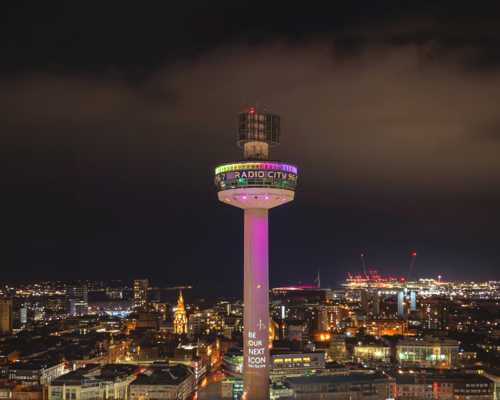
An opportunity to reimagine one of the UK’s most recognisable towers has been formally
opened by Rivington Hark, as St Johns Beacon invites operators and partners to shape its
next phase. [more...]
Over 300 fitness executives gathered in Singapore recently for the World Fit Summit.
HCM’s Steph Eaves attended to chat with CEO and founder Ross Campbell
and find out more about the industry in Asia
By Steph Eaves | Published in Health Club Management 2019 issue 7
How did you come to be based in Asia? I studied sports science and neuroscience at university in Glasgow, having been a gym fanatic growing up. After university I fell into events and media and became the co-founder, CEO and then chair of an energy events company – Oil & Gas Council – that expanded to five offices globally.
I moved to Singapore from London to grow the business, and once we had successfully expanded into Asia, I sold my stake. After the sale I decided to start my own gym in Singapore – The Jungle.
What made you decide to launch Fit Summit? When doing a business review of The Jungle, I realised there was no influential business network in Asia to help gym owners and fitness brands grow their business. This was the catalyst for creating FIT Summit. Creating scalable and profitable fitness-related businesses in Asia is very tough – I’ve had first-hand experience of that. I wanted to ensure other business owners and investors had access to the connectivity and business knowledge they needed to ensure the success of their business and the return of their investment.
What’s your take on the fitness industry in Asia? Excluding Japan, Asia has 35+ countries and a population of over 3 billion people, many of whom have had little exposure to fitness. We are far behind more mature markets in terms of market penetration for gym membership and investing in physical activities. Exercise is not part of the day-to-day lifestyle of most. This, however, is the opportunity many companies are now chasing.
Big boxes are finding increasing success across Asia. Yoga, pilates, HIIT and boxing have strong followings across many demographics and age ranges. However, we have a long way to go to successfully and sustainably grow our industry.
How do you see fitness in Asia evolving over the next few years? Market penetration rates will increase and consumer price sensitivity will decrease, resulting in key evolutions across several fronts. Higher capitalised and better managed independents will take market share from the small, niche boutique market. There’ll be an increase in the number of franchise brands in the region – especially HIIT and 24/7 gym concepts.
There will be unprecedented product choice for consumers as businesses innovate with everything from price point, membership structures, technology, design and experience. Big boxes will also be taking market share from the boutique market space with their innovative small box concepts and big investments in technology.
Fit for business
Fit Summit speakers share their insights into Asia’s fitness industry
Rich Hutson
CEO, CHi Fitness, Malaysia
Rich Hutson
"Penetration rates are considerably higher in Europe and North America, and I don’t ever see Asia coming close to those numbers until more affordable options are available"
It’s a very exciting time to be in Asia as there’s still considerable growth to come from within the fitness industry.
I think the boutique sector and big box budget clubs will see the biggest growth as they have the greatest opportunity. The budget clubs should make fitness more affordable to some of the lower income sectors and increase the penetration rates across Asia. Penetration rates are considerably higher in Australia, Europe and North America, and I don’t ever see Asia coming close to those numbers until more affordable options are available for lower income sectors.
Anabel Chew
Co-founder, WeBarre, Singapore
Anabel Chew
"The entry of ClassPass into Asia has fuelled the growth, awareness and demand for fitness and wellness classes"
In some Asian cities like Singapore, Hong Kong and Bangkok, there is a significant fitness footprint and boutique fitness is thriving and growing immensely. The entry of ClassPass into Asia has also fuelled the growth, awareness and demand for fitness and wellness classes.
There is much more opportunity in other cities around Asia, as people become more aware of the importance to live an active lifestyle. I think the quality of classes in Asia are levelling up very quickly, and I wouldn’t be surprised if the standards will match or even surpass fitness studios and gyms in the US, UK and Australia.
Simon Flint
CEO, Evolution Wellness, Southeast Asia
Simon Flint
"Regional governments are becoming more aware of the importance of intervening in sedentary lifestyles, which has to be good for our industry"
While it’s highly fragmented, the fitness industry in Asia is still attracting a number of new startups, hobbyists and franchisees, due to the relatively low barriers to entry for a small box outfit.
It’s my personal view that there is sometimes an under-appreciation for the complexities around the health club industry and what it takes to be successful over the long term, and this can be evidenced in a number of outlet closures alongside an increasing number of openings.
On the positive side, there’s an ever-increasing interest in the consumer mind around health and longevity. On top of that, regional governments are becoming more aware of the importance of intervening in sedentary lifestyles.
Shan Ms
Director, Cult.fit, India
Shan Ms
"In India, it’s about market creation – one needs to innovate heavily to reach the under-penetrated market"
Gym penetration in India is very low. The Indian fitness market is very small compared to other global markets but is growing very fast thanks to increased awareness, disposable incomes and better supply of gyms. Developing markets in Asia will behave similarly to what we are seeing in India, but markets like Singapore, Japan and Korea are different – they’re at very advanced stages.
It’s a very price-sensitive market and consumers are value-conscious. One needs to enhance the value and make it more compelling for the user. With a compelling product, the right business model and good marketing, the market can grow.
In India, it’s about market creation – copying globally successful models won’t work. One needs to innovate heavily to reach the under-penetrated market.
Jack Thomas
Founder, BASE & founder, Fitness Business Asia podcast, Thailand
Jack Thomas
"Concepts are coming to Asia quicker now than they used to – in just one or two years"
The fitness industry in Thailand is a few years behind cities like London and New York, of course. But concepts are coming here quicker now than they used to. Where something that’s popular in America might have taken five or six years to hit Asia in the past, now it’s more like one or two years.
We’ve definitely seen an explosion in boutiques in the last few years. But in Singapore and Thailand it feels like that’s levelled out for now. I think some boutique operators are realising that it’s not an easy path to riches. Even though health and fitness is booming, it doesn’t mean you can just set up a business and it will automatically be successful.
I think we’ll see some consolidation over the next few years. There’ll be a few players that will join forces.
Gita Sjahrir
Co-founder, Ride, Indonesia
Gita Sjahrir
"The big issue right now in Asia is that studios are so competitive with each other. And that’s stupid"
The big issue right now in Asia is that studios are so competitive with each other. And that’s stupid. If you’re in the boutique fitness industry, you’re attracting a certain demographic. So why are we competing with each other, trying to bite off little pieces of the same pie, when we can just work together to grow the pie? It’s better to be part of an industry where there are lots of great players.
Fit Summit’s six core goals:
To defragment the industry in Asia and be a catalyst for collaboration, knowledge sharing and growth.
To facilitate new investment into the Asia industry.
To help the industry optimally deliver innovative services, solutions and products into the marketplace.
To partner companies to ensure their employees are benefiting from new breakthroughs in health, fitness and wellness.
To assist government ministries and agencies to promote new health, fitness and wellness initiatives.
To promote Asia as a hub for health, fitness and wellness and a new global centre of excellence and innovation.
Upcoming event:
Asia Fitness & Wellness Summit
This thought leadership and business development conference will take place on 25 September at the Mira Hotel, Hong Kong.
The event has been designed so owners, managers and investors in health, fitness and wellness brands can meet and do business.
On the agenda will be fitness, wellness and corporate wellness trends, investments, products, technology, market innovations, engagement strategies and partnerships.
www.thefitsummit.com/events/asia
About FIT Summit
FIT Summit is the thought leadership and networking platform for Asia-Pacific’s health, fitness and wellness industry.
Its network includes multinational gyms, franchisees, boutiques and start-ups, apparel, equipment, nutrition and technology providers, sporting events, insurers, investment firms, consultancy groups, government bodies and corporate wellness.
This conference, which will be held at the Alila Seminyak on 28 November 2019, will focus on the business of wellness, looking at retreats, fitness, wellness and spa facilities, business trends, international investment, consumer demand, technology, wellness tourism, and market innovation.
The event will include keynote presentations, panel discussions, interactive Q&As, a sunset cocktail reception and a second day of optional wellness activities, such as yoga, meditation, mindfulness and fitness classes.
The event will welcome 225 executives, 100 companies and will feature 25 Speakers.
Hotel de France, located on the British Isle of Jersey, has created a wellness retreat package
that includes a hot yoga session that will take place in Jersey Zoo’s butterfly sanctuary.
A new immersive attraction designed to transport visitors into the final hours of ancient Pompeii
is preparing to open near the world-famous archaeological site in southern Italy.
Experience design company, BRC Imagination Arts, has completed a transition that sees founder
Bob Rogers pass ownership of the business to four long-serving senior executives, while
remaining actively involved with the company.
Movie Park Germany has opened a new Paramount Pictures-themed attraction as part of its 30th
anniversary celebrations, using immersive storytelling and adaptive reuse to reinforce the park’s
longstanding “Hollywood in Germany” positioning.
Therme Manchester’s 28-acre development, which will include interconnected glass pavilions
that measure 65,000sq m, will be the largest bathing and wellbeing attraction in the world once
complete, according to prof David Russell, CEO of Therme UK.
Efteling has opened Hooghmoed, a new family drop tower designed to broaden the appeal of its
recently launched Sirene Island themed area and introduce younger visitors to thrill attractions.
A proposed Puy du Fou development near Bicester and Universal Destinations and Experiences’
planned resort in Bedford are emerging as part of a wider transformation of the Oxford–
Cambridge Growth Corridor into a major centre for UK leisure and tourism inv
Shedd Aquarium has opened the Immersion Theater developed in partnership with SimEx-
Iwerks, as part of a wider strategy to enhance the guest experience and create additional
revenue opportunities.
The UK government has announced a temporary reduction in VAT on visitor attractions and
children’s meals as part of a summer cost-of-living support package designed to stimulate the
visitor economy and encourage family days out.
As designer Yinka Ilori prepares for his first solo gallery show in London, he speaks exclusively
to CLADmag about his mission to spread joy, the power of play, and his bold approach to using
colour (including the colours you won’t see in his work).
The government of Thailand is exploring plans for a THB300bn (£6.3bn, US$8.3bn)
entertainment complex in the country’s Eastern Economic Corridor (EEC), with officials
proposing a large-scale theme park and sports destination as part of a broader tourism and
economic development strategy.
+ More news
COMPANY PROFILES
Taylor Made Designs Founded in 1993, Taylor Made
Designs supply corporate clothing
and brand-enhancing merchandise
to [more...]
Painting With Light By combining lighting, video, scenic and architectural elements, sound and special effects we tell s [more...]
TechnoAlpin Indoor TechnoAlpin is the world leader for snowmaking systems. With the Indoor snow division, TechnoAlpin c [more...]
An opportunity to reimagine one of the UK’s most recognisable towers has been formally
opened by Rivington Hark, as St Johns Beacon invites operators and partners to shape its
next phase. [more...]