Larissa Davies and Themis Kokolakakis take a look at the winning relationship of sports participation and mental wellbeing with individual and community development
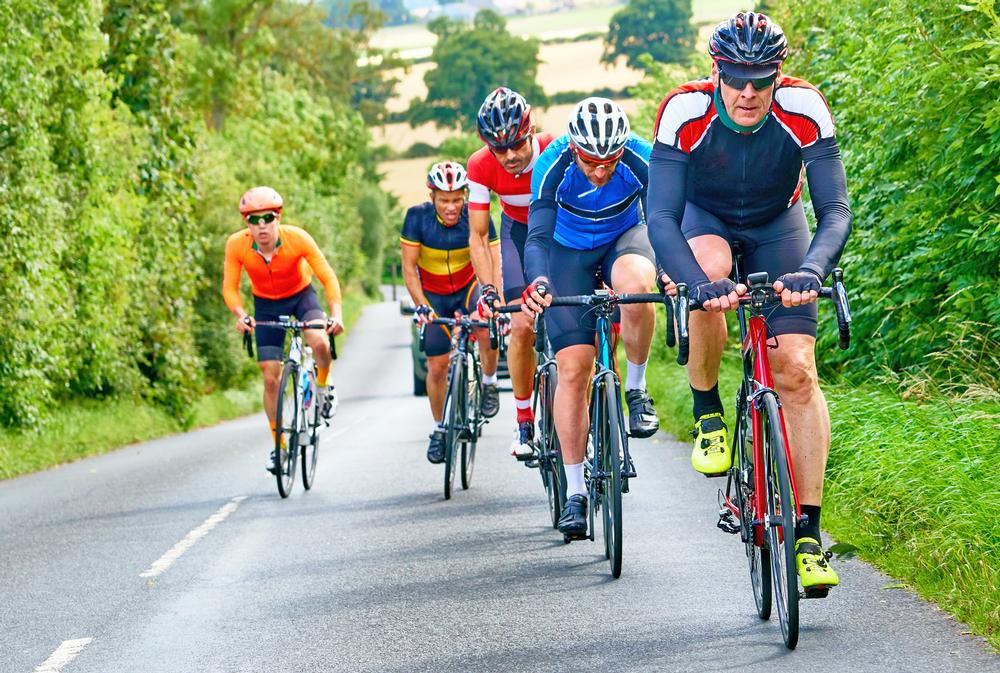
Cycling for leisure increases the likelihood of achieving a high level
of social trust by 25 per cent / shutterstock/Duncan Andison
The relationship between sports participation and wellbeing outcomes has become one of the most widely researched areas in sport research over the last decade.
The Sport Industry Research Centre (SIRC) has investigated, for the first time, the relationship between engagement in sport and physical activity and the strategy outcomes of three key areas: mental wellbeing, individual development, and social and community development. Based on Sport England’s Active Lives Adult Survey (2018), the analysis is set out in the government’s Sporting Future strategy.
Although we know that sport and physical activity can have a positive impact beyond the physical health benefits derived from increased participation, it’s challenging to measure and quantify the wider impact on society. Much current evidence relating to outcomes is qualitative or case-study based. In the Active Lives Adult Survey, the outcomes are classified as:
• mental wellbeing: life satisfaction, feeling worthwhile, happiness and anxiety
• individual development: self-efficacy
• social and community development: social trust
It’s all positive According to the Active Lives Adult Survey, participating in sport and physical activity has a positive impact on mental wellbeing, individual development, and social and community development – and the more intense the activity, the stronger the effect. The survey shows that participants in any sport or physical activity are 57 per cent more likely to experience higher levels of perceived self-efficacy.
Volunteering in sport also has a positive effect on mental wellbeing, individual development, and social and community development – and its effect is more pronounced in the latter. The survey shows that people who volunteer are also 29 per cent more likely to report social trust than those who do not volunteer.
People who both participated in sport or physical activity and volunteered achieved even better outcomes than those who either took part in sport/physical activity or volunteered (without combining).
Sports club membership on its own has a statistically significant effect on mental wellbeing. The research found that sport club members are 35 per cent more likely to achieve very high life satisfaction than those who are not members of a club.
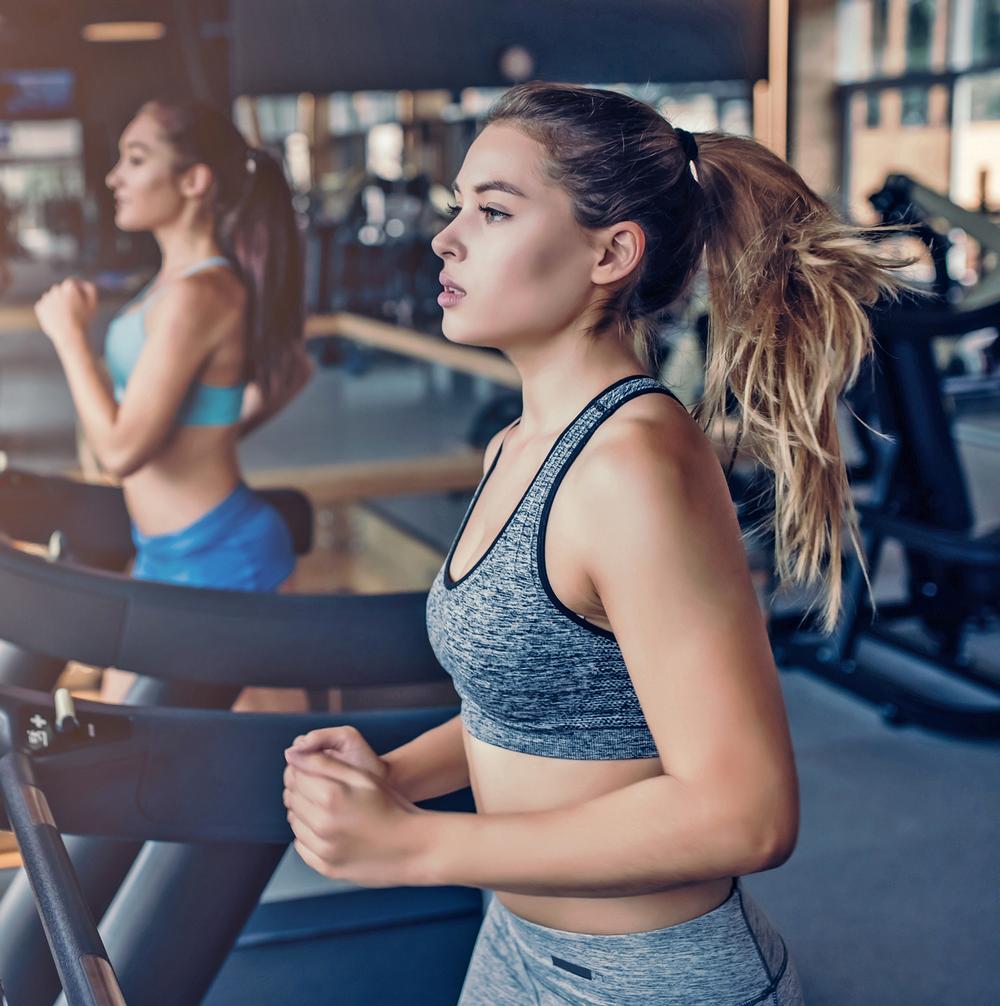
Get more active As activity levels increase from inactive to fairly active and then active, all four outcomes of mental wellbeing (life satisfaction, happiness, worthwhileness and anxiety) achieve progressively better results. The same pattern can be shown to be true in the case of the other three outcomes: anxiety, self-efficacy and social trust. In addition, these relationships were found to be stronger in the case of people with disabilities, illustrating the role that sport and physical activity can play in achieving better wellbeing outcomes for the population as a whole.
Volunteer your time Of those surveyed, people who volunteered reported higher levels of self-efficacy and social trust compared with those who did not. Volunteers are more likely to feel good about their community and, compared with those who have never volunteered in sport, are more likely to report that they trust others in their community. This makes volunteering a particularly effective tool in community development and social integration. Similar associations can be found between volunteering and all four mental wellbeing outcomes (life satisfaction, happiness, worthwhileness and anxiety).
Winning combination Furthermore, the Active Lives research shows that all these positive outcomes are stronger when people volunteer (at least twice a year) and participate in sport and physical activity (at least 150 minutes per week). In terms of policy, it makes sense to motivate those who already participate in sport and physical activity to volunteer twice a year, thereby achieving even higher wellbeing outcomes.
Key drivers Life satisfaction Sport-related drivers of life satisfaction that emerged from the results of Active Lives showed that people who are moderately active (30-149 minutes per week) are 13 per cent more likely to achieve ‘very high’ life satisfaction. This probability increases to 32 per cent in the case of walking for leisure and to 35 per cent (maximum) on joining a sports club. The combination of sports activity and social interaction that can be easily achieved within a sports club environment is particularly useful in this regard.
Self-efficacy Allowing for demographic differences, doing sport or other physical activity twice a month improves the likelihood of achieving a higher level of self-efficacy by 10 per cent (compared with those who do less than 30 minutes a week).
This likelihood increases by 32 per cent among fairy active participants, 39 per cent among volunteers, and by a maximum of 57 per cent in the case of active people (those who undertake at least 150 minutes of exercise per week).
Social trust Being active for at least 150 minutes a week, although very effective in terms of self-efficacy, links to only an 11 per cent increase in the likelihood of achieving a high level of social trust; its highest values are found in cases of volunteering (29 per cent), cycling for leisure (25 per cent) and sporting activities (25 per cent).
Conclusion While modest, the contribution of this research should not be understated. The survey adds credible cross-sectional data analysis and provides a baseline against which to measure progress in relation to the government’s strategy outcomes.
In the context of mental wellbeing, traditional tools like sports club membership and sports volunteering are particularly relevant driving outcomes in life satisfaction and social trust correspondingly. Being active is particularly important for achieving high levels of self-efficacy and also improves the results across the whole set of wellbeing outcomes.
About the authors
Larissa Davies is a Reader (Associate Professor) in Sport Management and Themis Kokolakakis is a Reader (Associate Professor) in Sport Economics at Sheffield Hallam University.
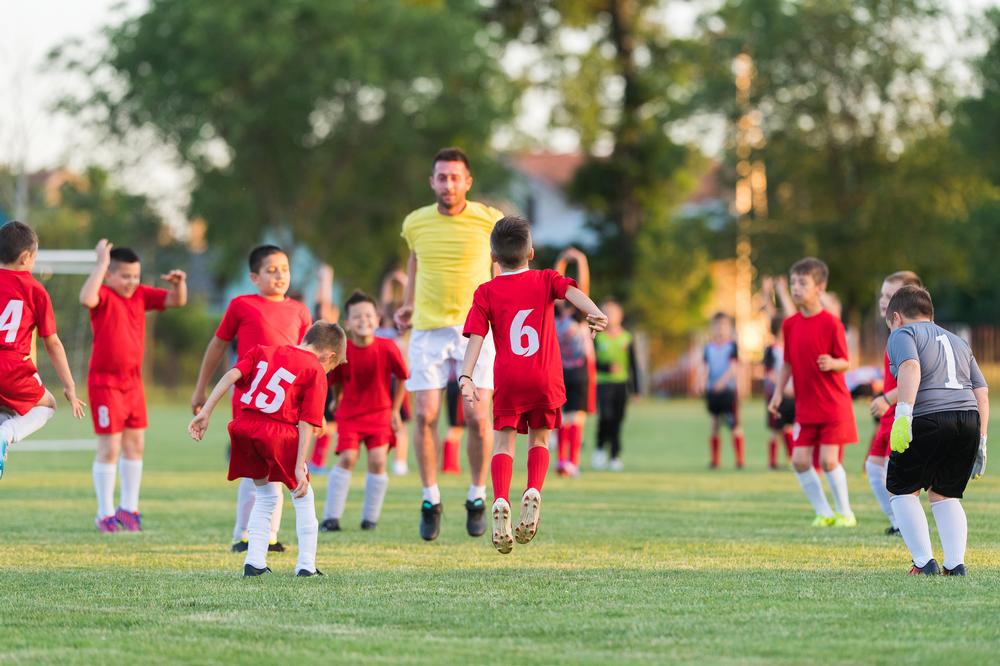
Volunteers in sport are more likely to feel good about their community / shutterstock/Fotokostic
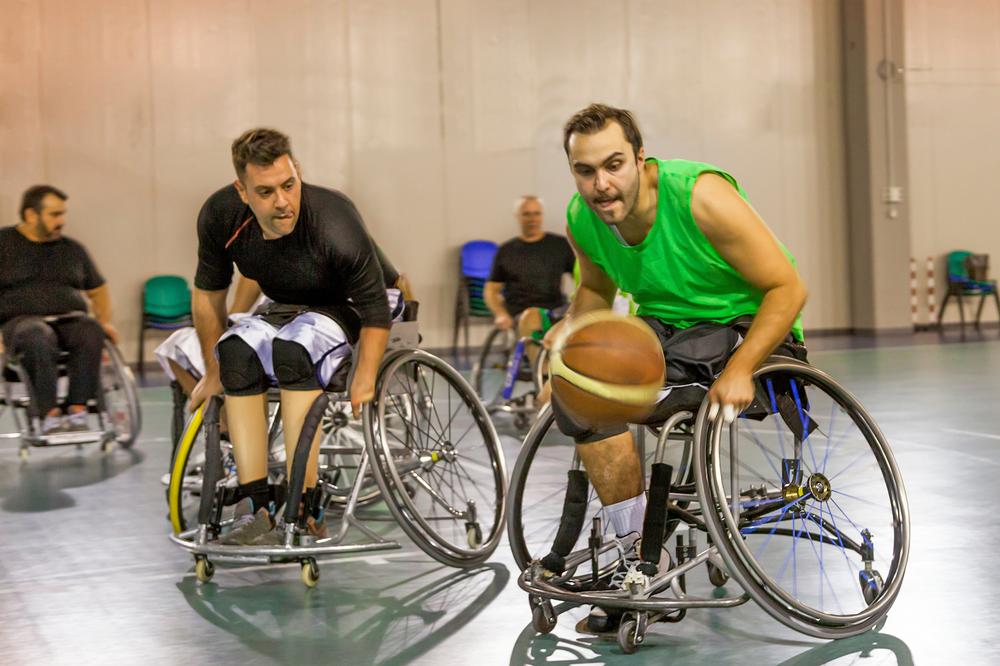
As activity levels increase from inactive to active, all outcomes of mental wellbeing satisfaction achieve better results / shutterstock/ marino bocelli
Physical activity twice a month boosts self-efficacy by 10 per cent / shutterstock/4 PM production
COMPANY PROFILES
Alterface
Alterface’s Creative Division team is
seasoned in concept and ride development,
as well as storyte [more...]
QubicaAMF UK
QubicaAMF is the largest and most
innovative bowling equipment provider with
600 employees worldwi [more...]
Simworx Ltd
The company was initially established
in 1997. Terry Monkton and Andrew
Roberts are the key stakeh [more...]
Holovis
Holovis is a privately owned company
established in 2004 by CEO Stuart
Hetherington. [more...]
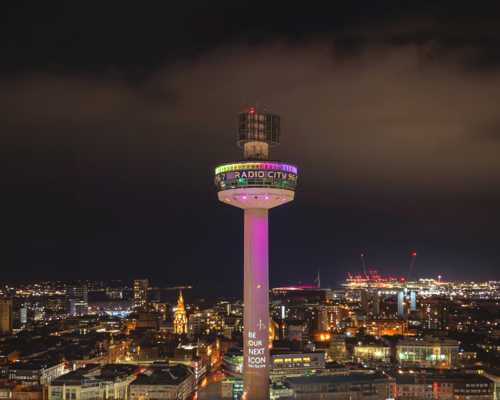
An opportunity to reimagine one of the UK’s most recognisable towers has been formally
opened by Rivington Hark, as St Johns Beacon invites operators and partners to shape its
next phase. [more...]
Larissa Davies and Themis Kokolakakis take a look at the winning relationship of sports participation and mental wellbeing with individual and community development
Cycling for leisure increases the likelihood of achieving a high level
of social trust by 25 per cent / shutterstock/Duncan Andison
The relationship between sports participation and wellbeing outcomes has become one of the most widely researched areas in sport research over the last decade.
The Sport Industry Research Centre (SIRC) has investigated, for the first time, the relationship between engagement in sport and physical activity and the strategy outcomes of three key areas: mental wellbeing, individual development, and social and community development. Based on Sport England’s Active Lives Adult Survey (2018), the analysis is set out in the government’s Sporting Future strategy.
Although we know that sport and physical activity can have a positive impact beyond the physical health benefits derived from increased participation, it’s challenging to measure and quantify the wider impact on society. Much current evidence relating to outcomes is qualitative or case-study based. In the Active Lives Adult Survey, the outcomes are classified as:
• mental wellbeing: life satisfaction, feeling worthwhile, happiness and anxiety
• individual development: self-efficacy
• social and community development: social trust
It’s all positive According to the Active Lives Adult Survey, participating in sport and physical activity has a positive impact on mental wellbeing, individual development, and social and community development – and the more intense the activity, the stronger the effect. The survey shows that participants in any sport or physical activity are 57 per cent more likely to experience higher levels of perceived self-efficacy.
Volunteering in sport also has a positive effect on mental wellbeing, individual development, and social and community development – and its effect is more pronounced in the latter. The survey shows that people who volunteer are also 29 per cent more likely to report social trust than those who do not volunteer.
People who both participated in sport or physical activity and volunteered achieved even better outcomes than those who either took part in sport/physical activity or volunteered (without combining).
Sports club membership on its own has a statistically significant effect on mental wellbeing. The research found that sport club members are 35 per cent more likely to achieve very high life satisfaction than those who are not members of a club.
Get more active As activity levels increase from inactive to fairly active and then active, all four outcomes of mental wellbeing (life satisfaction, happiness, worthwhileness and anxiety) achieve progressively better results. The same pattern can be shown to be true in the case of the other three outcomes: anxiety, self-efficacy and social trust. In addition, these relationships were found to be stronger in the case of people with disabilities, illustrating the role that sport and physical activity can play in achieving better wellbeing outcomes for the population as a whole.
Volunteer your time Of those surveyed, people who volunteered reported higher levels of self-efficacy and social trust compared with those who did not. Volunteers are more likely to feel good about their community and, compared with those who have never volunteered in sport, are more likely to report that they trust others in their community. This makes volunteering a particularly effective tool in community development and social integration. Similar associations can be found between volunteering and all four mental wellbeing outcomes (life satisfaction, happiness, worthwhileness and anxiety).
Winning combination Furthermore, the Active Lives research shows that all these positive outcomes are stronger when people volunteer (at least twice a year) and participate in sport and physical activity (at least 150 minutes per week). In terms of policy, it makes sense to motivate those who already participate in sport and physical activity to volunteer twice a year, thereby achieving even higher wellbeing outcomes.
Key drivers Life satisfaction Sport-related drivers of life satisfaction that emerged from the results of Active Lives showed that people who are moderately active (30-149 minutes per week) are 13 per cent more likely to achieve ‘very high’ life satisfaction. This probability increases to 32 per cent in the case of walking for leisure and to 35 per cent (maximum) on joining a sports club. The combination of sports activity and social interaction that can be easily achieved within a sports club environment is particularly useful in this regard.
Self-efficacy Allowing for demographic differences, doing sport or other physical activity twice a month improves the likelihood of achieving a higher level of self-efficacy by 10 per cent (compared with those who do less than 30 minutes a week).
This likelihood increases by 32 per cent among fairy active participants, 39 per cent among volunteers, and by a maximum of 57 per cent in the case of active people (those who undertake at least 150 minutes of exercise per week).
Social trust Being active for at least 150 minutes a week, although very effective in terms of self-efficacy, links to only an 11 per cent increase in the likelihood of achieving a high level of social trust; its highest values are found in cases of volunteering (29 per cent), cycling for leisure (25 per cent) and sporting activities (25 per cent).
Conclusion While modest, the contribution of this research should not be understated. The survey adds credible cross-sectional data analysis and provides a baseline against which to measure progress in relation to the government’s strategy outcomes.
In the context of mental wellbeing, traditional tools like sports club membership and sports volunteering are particularly relevant driving outcomes in life satisfaction and social trust correspondingly. Being active is particularly important for achieving high levels of self-efficacy and also improves the results across the whole set of wellbeing outcomes.
About the authors
Larissa Davies is a Reader (Associate Professor) in Sport Management and Themis Kokolakakis is a Reader (Associate Professor) in Sport Economics at Sheffield Hallam University.
Volunteers in sport are more likely to feel good about their community / shutterstock/Fotokostic
As activity levels increase from inactive to active, all outcomes of mental wellbeing satisfaction achieve better results / shutterstock/ marino bocelli
Physical activity twice a month boosts self-efficacy by 10 per cent / shutterstock/4 PM production
Hotel de France, located on the British Isle of Jersey, has created a wellness retreat package
that includes a hot yoga session that will take place in Jersey Zoo’s butterfly sanctuary.
A new immersive attraction designed to transport visitors into the final hours of ancient Pompeii
is preparing to open near the world-famous archaeological site in southern Italy.
Experience design company, BRC Imagination Arts, has completed a transition that sees founder
Bob Rogers pass ownership of the business to four long-serving senior executives, while
remaining actively involved with the company.
Movie Park Germany has opened a new Paramount Pictures-themed attraction as part of its 30th
anniversary celebrations, using immersive storytelling and adaptive reuse to reinforce the park’s
longstanding “Hollywood in Germany” positioning.
Therme Manchester’s 28-acre development, which will include interconnected glass pavilions
that measure 65,000sq m, will be the largest bathing and wellbeing attraction in the world once
complete, according to prof David Russell, CEO of Therme UK.
Efteling has opened Hooghmoed, a new family drop tower designed to broaden the appeal of its
recently launched Sirene Island themed area and introduce younger visitors to thrill attractions.
A proposed Puy du Fou development near Bicester and Universal Destinations and Experiences’
planned resort in Bedford are emerging as part of a wider transformation of the Oxford–
Cambridge Growth Corridor into a major centre for UK leisure and tourism inv
Shedd Aquarium has opened the Immersion Theater developed in partnership with SimEx-
Iwerks, as part of a wider strategy to enhance the guest experience and create additional
revenue opportunities.
The UK government has announced a temporary reduction in VAT on visitor attractions and
children’s meals as part of a summer cost-of-living support package designed to stimulate the
visitor economy and encourage family days out.
As designer Yinka Ilori prepares for his first solo gallery show in London, he speaks exclusively
to CLADmag about his mission to spread joy, the power of play, and his bold approach to using
colour (including the colours you won’t see in his work).
The government of Thailand is exploring plans for a THB300bn (£6.3bn, US$8.3bn)
entertainment complex in the country’s Eastern Economic Corridor (EEC), with officials
proposing a large-scale theme park and sports destination as part of a broader tourism and
economic development strategy.
+ More news
COMPANY PROFILES
Alterface Alterface’s Creative Division team is
seasoned in concept and ride development,
as well as storyte [more...]
QubicaAMF UK QubicaAMF is the largest and most
innovative bowling equipment provider with
600 employees worldwi [more...]
Simworx Ltd The company was initially established
in 1997. Terry Monkton and Andrew
Roberts are the key stakeh [more...]
Holovis Holovis is a privately owned company
established in 2004 by CEO Stuart
Hetherington. [more...]
An opportunity to reimagine one of the UK’s most recognisable towers has been formally
opened by Rivington Hark, as St Johns Beacon invites operators and partners to shape its
next phase. [more...]