Boutique fitness has been a driving force of customer service levels and innovation across the fitness sector during the past five years. We’ve started to see the pioneers grow their offerings to become true multi-site operators, while some of the largest franchises in the world are now breaking ground in the UK.
Boutique fitness is one of the most attractive areas for entrepreneurs from beyond the sector to make their mark in fitness, with investors following. We’ve seen boutique site numbers swell, and there’s a race for property.
Yet some fear that we may have reached ‘peak boutique’ – the point where growth begins to plateau and tail off.
At ukactive’s Sweat event last month, we addressed the debate head-on. The boutique fitness market, and indeed fitness as a whole, will see huge changes in the coming years, but that doesn’t have to sound a death knell for boutiques.
Boutique fitness is built to last, but the boom must be converted into sustainable long-term growth. As Charlotte Dennis noted in her excellent speech, that means building on the intense loyalty boutiques inspire in their customers to create brands that are ‘future proof’. It also means, as Emma Barry argued, being receptive to the trends shaping and remaking the sector, ensuring boutique studios stay ahead of the curve and continue to meet changing customer habits and tastes.
Emma Barry, Catalyst
Emma Barry
Is the boutique boom reaching breaking-point? The short answer is no.
At the epicentre of fitness in ‘Fit-iron’ – AKA the Flatiron district in New York – despite consolidation, discounting, drops in visit frequency, ridiculous rents and a non-event IPO; the fitness evangelists are still pounding the pavements seeking to tighten their assets.
The industry continues to grow (up 2.6 per cent to US$87.5bn in 2018, says IHRSA) and investment is flowing from traditional sources and crowdfunding.
And the activity in the sector is extraordinary: Orangetheory has joined the $1bn club (shared earnings), F45 has gone north of 1,500 facilities worldwide, ClassPass has acquired GuavaPass to serve Asia, Barry’s Bootcamp is heading down-under, UFC is expanding aggressively, Xponential has added Stride to its stable of franchise brands, Equinox has promoted internal hero Precision Run to standalone status on the heels of backing Rumble, China is coming online with Cross Fit and the established London boutiques are expanding.
"Expect a proliferation of business models, price points, delivery mechanisms, programming ideas and bundled services to come. Boutique fitness is inserting itself into the fabric of our lives"
These are not signs that boutique-fitness is slowing down any time soon. Of course, the temperature will drop as the segment matures and the concepts reach beyond first-mover cities to secondary cities and suburbia.
The best way to preserve boutique-fitness-fever is to learn from adjacent industries and partners: the verticals of food, fashion and fitness continue to amalgamate as hotels, corporates, wellness travel and events knowingly weave boutique fitness into their story.
Expect a proliferation of business models, price points, delivery mechanisms, programming ideas and bundled services to come. Boutique fitness is successfully inserting itself into the fabric of our lives as a desired component of our hyper-personalised existence.
Catherine Jones, Orangetheory
Catherine Jones
I would say that the boutique boom is, realistically, still in its infancy. London has become the central ‘bubble’ of all things boutique fitness and is often the starting point for a fitness brand, but that shouldn’t mean that’s where it ends.
The thing with fitness is, there’s a myriad of variables in terms of fitness offerings and there are still plenty more concepts to come. London can feel very saturated very quickly because of the nature of that ‘bubble’ we immerse ourselves in, particularly within the fitness industry, but there is clearly still a demand within the capital, with the likes of Third Space and The Engine Room opening studios this year.
It’s been recognised that the more common trend now is to mix up the exercise regime with a range of different classes rather than sticking to a single gym membership. This demand for variety continues to provide a platform for new fitness studios to open and cater to the fitness enthusiast.
"Demand for variety continues to provide a platform for new fitness studios to open and cater for the fitness enthusiast"
This same demand is growing across the rest of the of the UK; as more professionals move away from London to places that are cheaper to live, there are hubs of busy professionals in cities all over the UK. With this in mind, Orangetheory is now expanding into the Midlands and Northern England, with plans to open 40 sites in the next nine years. Our first site in this region launched in December (2018), in Altrincham, Greater Manchester with record-breaking pre-sales.
One thing to remember is that unlike London, the concept of ‘boutique fitness’ is arguably still new to the rest of the UK, so some education of the market is necessary. The audience familiarity is more with large, big box gyms, where they pay very little, but this often takes away the excitement or accountability, so results are often slower.
The key is to create more than a fitness offering; what makes you special, why should people trust in you to reach their goals? We see ourselves as competing more with PTs than gyms, as the workout is science-backed and individualised to get people results. People like to belong to something, and we ensure our studios are small enough to feel like a community that extends far beyond the studio doors.
Orangetheory is expanding its boutique offer into the Midlands and Northern England
Kevin Teague, Mindbody EMEA
Kevin Teague
The temperature of the boutique fitness market can be taken by looking at average monthly booking data from the Mindbody app (1 October 2016 – 30 September 2018).
The figures show that users of the Mindbody app are booking an average of 267,440 classes and appointments at boutique studios each month in the UK and Ireland – an increase of 35 per cent year on year.
Of this, we know the app brought in around 9,000 new customers each month, so, it’s evident there continues to be demand for fitness services and the tech to facilitate booking them.
"There are opportunities outside London for successful boutiques to exist and fitness operators wanting to grow faster might consider doing so outside the capital"
Breaking down the data and looking more closely at individual regions can tell us something about the trajectory of the industry. For example, 95,000 classes were booked each month outside London – places with the highest growth were Cardiff and Reading, then Manchester, Leeds and Edinburgh.
Manchester saw the greatest demand with over 7,700 classes booked per month on average (a 64 per cent increase year on year).
This indicates that there are opportunities outside London for successful boutiques to exist and fitness operators wanting to grow faster might consider doing so outside the capital.
Overall, it is incredible to see how the boutique industry has grown in the UK and Ireland over the past two years.
Figures from the Mindbody app show boutique bookings are rising 35 per cent year on year
Liz Joy Oakley, MoreYoga
Liz Joy Oakley
The Boutique Boom does feel as though it could be reaching breaking point for a lot of health and fitness businesses, as more and more high-end boutique studios are opening across London and the UK as a whole.
At MoreYoga we’re setting ourselves apart from competitors by keeping our prices affordable, studios accessible and working in a collaborative and agile way.
Finding suitable and affordable property is often a real barrier to studios opening further sites.
While we’ve been steadily opening more and more stand-alone sites on the high street, we’ve also been working together with Everyone Active to further extend this reach.
"We’re setting ourselves apart from competitors by keeping our prices affordable, our studios accessible and working in a collaborative and agile way"
We opened our first club-in-club studio at Everyone Active’s Marshall Street Leisure centre in October 2018 and it’s proven to be a great success with classes capacity week in, week out. By working together, we’ve been able to offer MoreYoga to more people in more areas and provide a boutique experience in-club for Everyone Active members.
Our next in-club site at Ladbroke Grove Westway Sports & Fitness Centre is due to open this month (March 2019).
With advances in technology keeping us more connected than ever before and stress-related illnesses on the rise, we’re working hard to offer clients a more holistic approach to healthcare without breaking the bank.
We don’t think that the yoga boom is anywhere close to reaching breaking point, with more people wanting to try yoga, but our model allows them access to high-quality classes without the financial commitment many boutique businesses require in return.
MoreYoga aims to keep yoga affordable for more people
MoreYoga is opening clubs within Everyone Active centres
Chloe Combi, Gen Z specialist
Chloe Combi
The boutique boom, driven by millennials, mirrors trends on popular social media platforms like Instagram and YouTube and popular fitness gurus like Kayla Itsines and Joe Wicks.
The emphasis is absolutely focused on personal fitness, personal great shape and personal best – as opposed to the competitive and team-like nature of sports and fitness in previous decades.
Gen Z are definitely a generation still focused on fitness, good looks and healthy eating – although this applies far more to the middle classes and up, who can afford to exercise, eat well and have access to gym, boutiques and classes.
Looking to the future, the health and fitness industry has to consider how to have cross-class appeal, so that everyone has access to good health and exercise and not just the more well off.
"Gen Z are definitely a generation focused on fitness,
good looks and healthy eating – although this applies far
more to the middle classes and up, who can afford to exercise, eat well and access a gym, boutiques and classes"
A way to drive this (which will also help the industry thrive) is to seek government or private support, or to collaborate with schools, universities or sports bodies to drive majority, national interest.
In terms of what to provide, Gen Z will also be interested in self-motivation and the personal goal orientation of boutiques – but there should be a greater emphasis on teamwork, team-building and working together.
Gen Z is a generation often isolated in terms of their social activities, so united activities will become more sought out as we move into the next decade.
Gyms and boutiques will also need to consider gamification, virtual reality and cutting edge technology, using elements of other favoured Gen-Z activities (like gaming, YouTubing) into physical exercise and making it futuristic, exciting, competitive on a global scale and fun.
Gen Z are still focused on fitness, good looks and healthy eating shutterstock
An opportunity to reimagine one of the UK’s most recognisable towers has been formally
opened by Rivington Hark, as St Johns Beacon invites operators and partners to shape its
next phase. [more...]
Boutique fitness has been a driving force of customer service levels and innovation across the fitness sector during the past five years. We’ve started to see the pioneers grow their offerings to become true multi-site operators, while some of the largest franchises in the world are now breaking ground in the UK.
Boutique fitness is one of the most attractive areas for entrepreneurs from beyond the sector to make their mark in fitness, with investors following. We’ve seen boutique site numbers swell, and there’s a race for property.
Yet some fear that we may have reached ‘peak boutique’ – the point where growth begins to plateau and tail off.
At ukactive’s Sweat event last month, we addressed the debate head-on. The boutique fitness market, and indeed fitness as a whole, will see huge changes in the coming years, but that doesn’t have to sound a death knell for boutiques.
Boutique fitness is built to last, but the boom must be converted into sustainable long-term growth. As Charlotte Dennis noted in her excellent speech, that means building on the intense loyalty boutiques inspire in their customers to create brands that are ‘future proof’. It also means, as Emma Barry argued, being receptive to the trends shaping and remaking the sector, ensuring boutique studios stay ahead of the curve and continue to meet changing customer habits and tastes.
Emma Barry, Catalyst
Emma Barry
Is the boutique boom reaching breaking-point? The short answer is no.
At the epicentre of fitness in ‘Fit-iron’ – AKA the Flatiron district in New York – despite consolidation, discounting, drops in visit frequency, ridiculous rents and a non-event IPO; the fitness evangelists are still pounding the pavements seeking to tighten their assets.
The industry continues to grow (up 2.6 per cent to US$87.5bn in 2018, says IHRSA) and investment is flowing from traditional sources and crowdfunding.
And the activity in the sector is extraordinary: Orangetheory has joined the $1bn club (shared earnings), F45 has gone north of 1,500 facilities worldwide, ClassPass has acquired GuavaPass to serve Asia, Barry’s Bootcamp is heading down-under, UFC is expanding aggressively, Xponential has added Stride to its stable of franchise brands, Equinox has promoted internal hero Precision Run to standalone status on the heels of backing Rumble, China is coming online with Cross Fit and the established London boutiques are expanding.
"Expect a proliferation of business models, price points, delivery mechanisms, programming ideas and bundled services to come. Boutique fitness is inserting itself into the fabric of our lives"
These are not signs that boutique-fitness is slowing down any time soon. Of course, the temperature will drop as the segment matures and the concepts reach beyond first-mover cities to secondary cities and suburbia.
The best way to preserve boutique-fitness-fever is to learn from adjacent industries and partners: the verticals of food, fashion and fitness continue to amalgamate as hotels, corporates, wellness travel and events knowingly weave boutique fitness into their story.
Expect a proliferation of business models, price points, delivery mechanisms, programming ideas and bundled services to come. Boutique fitness is successfully inserting itself into the fabric of our lives as a desired component of our hyper-personalised existence.
Catherine Jones, Orangetheory
Catherine Jones
I would say that the boutique boom is, realistically, still in its infancy. London has become the central ‘bubble’ of all things boutique fitness and is often the starting point for a fitness brand, but that shouldn’t mean that’s where it ends.
The thing with fitness is, there’s a myriad of variables in terms of fitness offerings and there are still plenty more concepts to come. London can feel very saturated very quickly because of the nature of that ‘bubble’ we immerse ourselves in, particularly within the fitness industry, but there is clearly still a demand within the capital, with the likes of Third Space and The Engine Room opening studios this year.
It’s been recognised that the more common trend now is to mix up the exercise regime with a range of different classes rather than sticking to a single gym membership. This demand for variety continues to provide a platform for new fitness studios to open and cater to the fitness enthusiast.
"Demand for variety continues to provide a platform for new fitness studios to open and cater for the fitness enthusiast"
This same demand is growing across the rest of the of the UK; as more professionals move away from London to places that are cheaper to live, there are hubs of busy professionals in cities all over the UK. With this in mind, Orangetheory is now expanding into the Midlands and Northern England, with plans to open 40 sites in the next nine years. Our first site in this region launched in December (2018), in Altrincham, Greater Manchester with record-breaking pre-sales.
One thing to remember is that unlike London, the concept of ‘boutique fitness’ is arguably still new to the rest of the UK, so some education of the market is necessary. The audience familiarity is more with large, big box gyms, where they pay very little, but this often takes away the excitement or accountability, so results are often slower.
The key is to create more than a fitness offering; what makes you special, why should people trust in you to reach their goals? We see ourselves as competing more with PTs than gyms, as the workout is science-backed and individualised to get people results. People like to belong to something, and we ensure our studios are small enough to feel like a community that extends far beyond the studio doors.
Orangetheory is expanding its boutique offer into the Midlands and Northern England
Kevin Teague, Mindbody EMEA
Kevin Teague
The temperature of the boutique fitness market can be taken by looking at average monthly booking data from the Mindbody app (1 October 2016 – 30 September 2018).
The figures show that users of the Mindbody app are booking an average of 267,440 classes and appointments at boutique studios each month in the UK and Ireland – an increase of 35 per cent year on year.
Of this, we know the app brought in around 9,000 new customers each month, so, it’s evident there continues to be demand for fitness services and the tech to facilitate booking them.
"There are opportunities outside London for successful boutiques to exist and fitness operators wanting to grow faster might consider doing so outside the capital"
Breaking down the data and looking more closely at individual regions can tell us something about the trajectory of the industry. For example, 95,000 classes were booked each month outside London – places with the highest growth were Cardiff and Reading, then Manchester, Leeds and Edinburgh.
Manchester saw the greatest demand with over 7,700 classes booked per month on average (a 64 per cent increase year on year).
This indicates that there are opportunities outside London for successful boutiques to exist and fitness operators wanting to grow faster might consider doing so outside the capital.
Overall, it is incredible to see how the boutique industry has grown in the UK and Ireland over the past two years.
Figures from the Mindbody app show boutique bookings are rising 35 per cent year on year
Liz Joy Oakley, MoreYoga
Liz Joy Oakley
The Boutique Boom does feel as though it could be reaching breaking point for a lot of health and fitness businesses, as more and more high-end boutique studios are opening across London and the UK as a whole.
At MoreYoga we’re setting ourselves apart from competitors by keeping our prices affordable, studios accessible and working in a collaborative and agile way.
Finding suitable and affordable property is often a real barrier to studios opening further sites.
While we’ve been steadily opening more and more stand-alone sites on the high street, we’ve also been working together with Everyone Active to further extend this reach.
"We’re setting ourselves apart from competitors by keeping our prices affordable, our studios accessible and working in a collaborative and agile way"
We opened our first club-in-club studio at Everyone Active’s Marshall Street Leisure centre in October 2018 and it’s proven to be a great success with classes capacity week in, week out. By working together, we’ve been able to offer MoreYoga to more people in more areas and provide a boutique experience in-club for Everyone Active members.
Our next in-club site at Ladbroke Grove Westway Sports & Fitness Centre is due to open this month (March 2019).
With advances in technology keeping us more connected than ever before and stress-related illnesses on the rise, we’re working hard to offer clients a more holistic approach to healthcare without breaking the bank.
We don’t think that the yoga boom is anywhere close to reaching breaking point, with more people wanting to try yoga, but our model allows them access to high-quality classes without the financial commitment many boutique businesses require in return.
MoreYoga aims to keep yoga affordable for more people
MoreYoga is opening clubs within Everyone Active centres
Chloe Combi, Gen Z specialist
Chloe Combi
The boutique boom, driven by millennials, mirrors trends on popular social media platforms like Instagram and YouTube and popular fitness gurus like Kayla Itsines and Joe Wicks.
The emphasis is absolutely focused on personal fitness, personal great shape and personal best – as opposed to the competitive and team-like nature of sports and fitness in previous decades.
Gen Z are definitely a generation still focused on fitness, good looks and healthy eating – although this applies far more to the middle classes and up, who can afford to exercise, eat well and have access to gym, boutiques and classes.
Looking to the future, the health and fitness industry has to consider how to have cross-class appeal, so that everyone has access to good health and exercise and not just the more well off.
"Gen Z are definitely a generation focused on fitness,
good looks and healthy eating – although this applies far
more to the middle classes and up, who can afford to exercise, eat well and access a gym, boutiques and classes"
A way to drive this (which will also help the industry thrive) is to seek government or private support, or to collaborate with schools, universities or sports bodies to drive majority, national interest.
In terms of what to provide, Gen Z will also be interested in self-motivation and the personal goal orientation of boutiques – but there should be a greater emphasis on teamwork, team-building and working together.
Gen Z is a generation often isolated in terms of their social activities, so united activities will become more sought out as we move into the next decade.
Gyms and boutiques will also need to consider gamification, virtual reality and cutting edge technology, using elements of other favoured Gen-Z activities (like gaming, YouTubing) into physical exercise and making it futuristic, exciting, competitive on a global scale and fun.
Gen Z are still focused on fitness, good looks and healthy eating shutterstock
Hotel de France, located on the British Isle of Jersey, has created a wellness retreat package
that includes a hot yoga session that will take place in Jersey Zoo’s butterfly sanctuary.
A new immersive attraction designed to transport visitors into the final hours of ancient Pompeii
is preparing to open near the world-famous archaeological site in southern Italy.
Experience design company, BRC Imagination Arts, has completed a transition that sees founder
Bob Rogers pass ownership of the business to four long-serving senior executives, while
remaining actively involved with the company.
Movie Park Germany has opened a new Paramount Pictures-themed attraction as part of its 30th
anniversary celebrations, using immersive storytelling and adaptive reuse to reinforce the park’s
longstanding “Hollywood in Germany” positioning.
Therme Manchester’s 28-acre development, which will include interconnected glass pavilions
that measure 65,000sq m, will be the largest bathing and wellbeing attraction in the world once
complete, according to prof David Russell, CEO of Therme UK.
Efteling has opened Hooghmoed, a new family drop tower designed to broaden the appeal of its
recently launched Sirene Island themed area and introduce younger visitors to thrill attractions.
A proposed Puy du Fou development near Bicester and Universal Destinations and Experiences’
planned resort in Bedford are emerging as part of a wider transformation of the Oxford–
Cambridge Growth Corridor into a major centre for UK leisure and tourism inv
Shedd Aquarium has opened the Immersion Theater developed in partnership with SimEx-
Iwerks, as part of a wider strategy to enhance the guest experience and create additional
revenue opportunities.
The UK government has announced a temporary reduction in VAT on visitor attractions and
children’s meals as part of a summer cost-of-living support package designed to stimulate the
visitor economy and encourage family days out.
As designer Yinka Ilori prepares for his first solo gallery show in London, he speaks exclusively
to CLADmag about his mission to spread joy, the power of play, and his bold approach to using
colour (including the colours you won’t see in his work).
The government of Thailand is exploring plans for a THB300bn (£6.3bn, US$8.3bn)
entertainment complex in the country’s Eastern Economic Corridor (EEC), with officials
proposing a large-scale theme park and sports destination as part of a broader tourism and
economic development strategy.
+ More news
COMPANY PROFILES
QubicaAMF UK QubicaAMF is the largest and most
innovative bowling equipment provider with
600 employees worldwi [more...]
IDEATTACK IDEATTACK is a full-service planning and
design company with headquarters in
Los Angeles. [more...]
An opportunity to reimagine one of the UK’s most recognisable towers has been formally
opened by Rivington Hark, as St Johns Beacon invites operators and partners to shape its
next phase. [more...]











 Emma Barry
 Catherine Jones
 Kevin Teague
 Liz Joy Oakley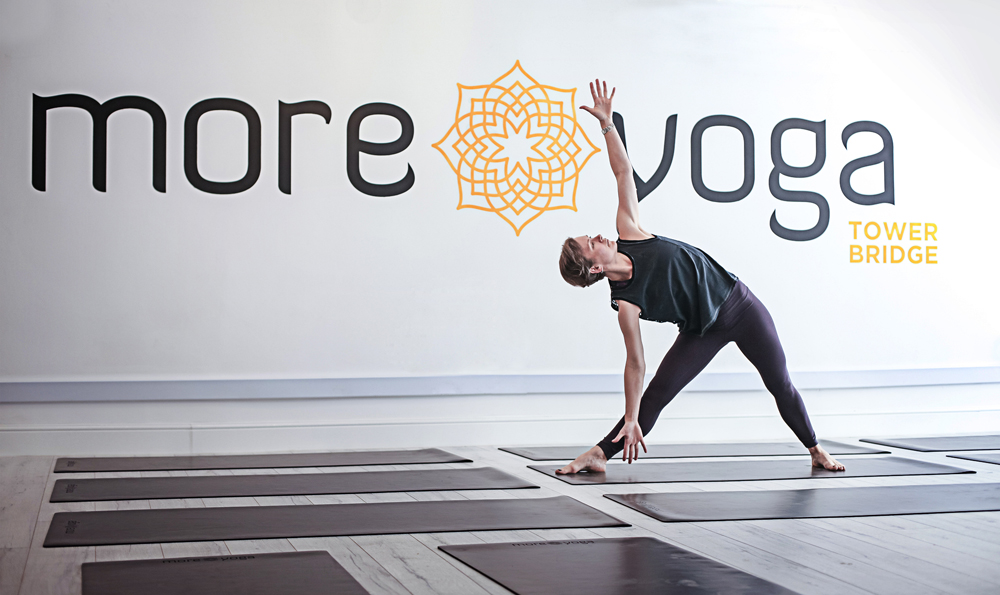
 Chloe Combi