FC Barcelona unveils Nikken Sekkei's 'sentimental' design for New Camp Nou
POSTED 21 Apr 2016 . BY Kim Megson
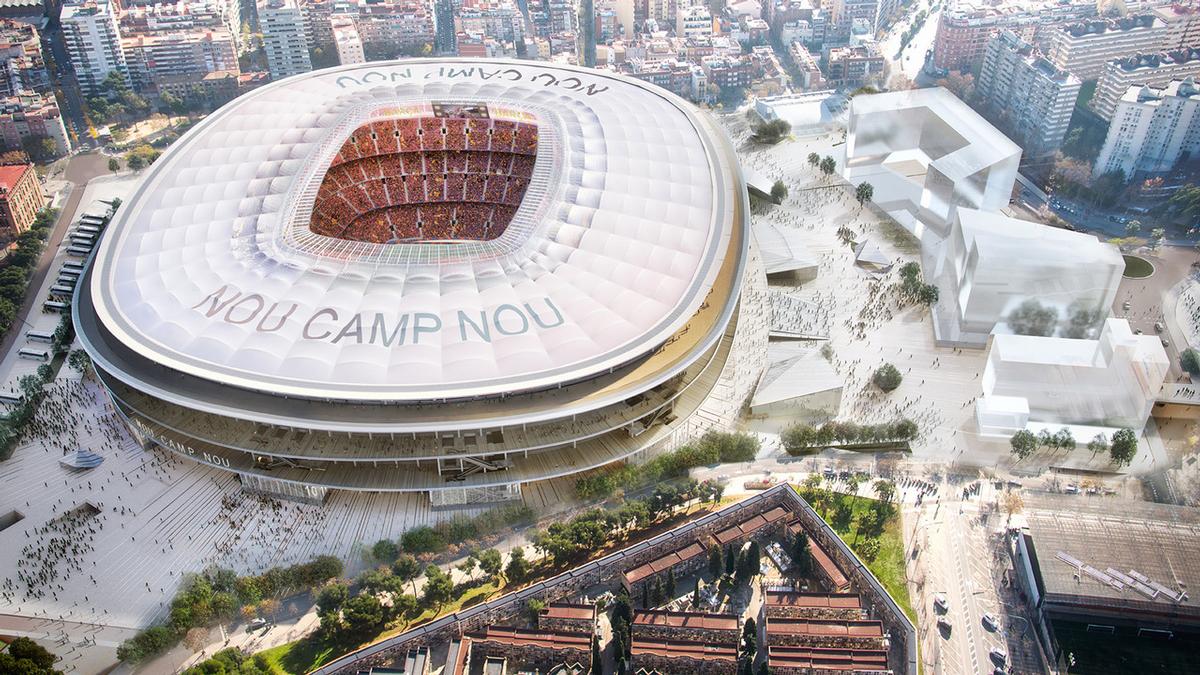
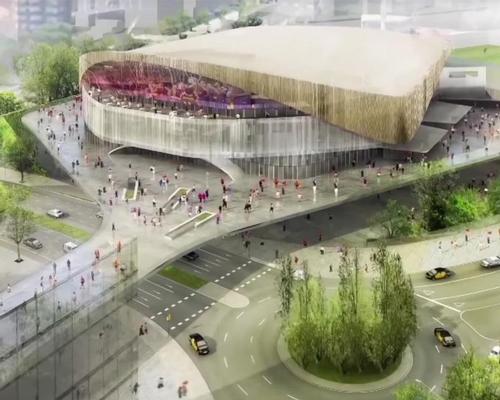
The architects said: 'The great open space around the stadium is like a large piece of origami, carefully arranged not to disturb the flow of people into the stadium' Credit: FC Barcelona
Spanish football giant FC Barcelona has revealed more details about its plans to revamp its iconic Camp Nou stadium, with a design by Japanese architecture studio Nikken Sekkei.
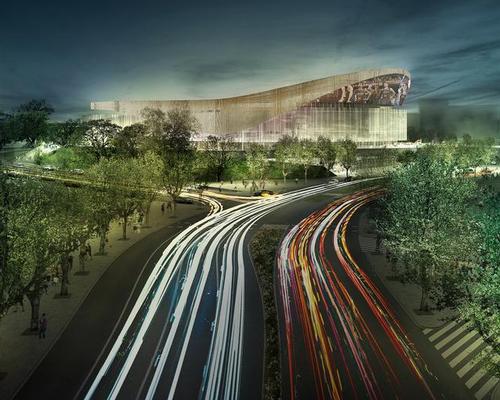
The new design takes the famous open bowl designed by Francesc Mitjans in 1957 and reinterprets and inverts it, adding a new roof to the stadium but creating an open space around the ground, which will integrate with the club’s huge planned Espai sports district and the city beyond.
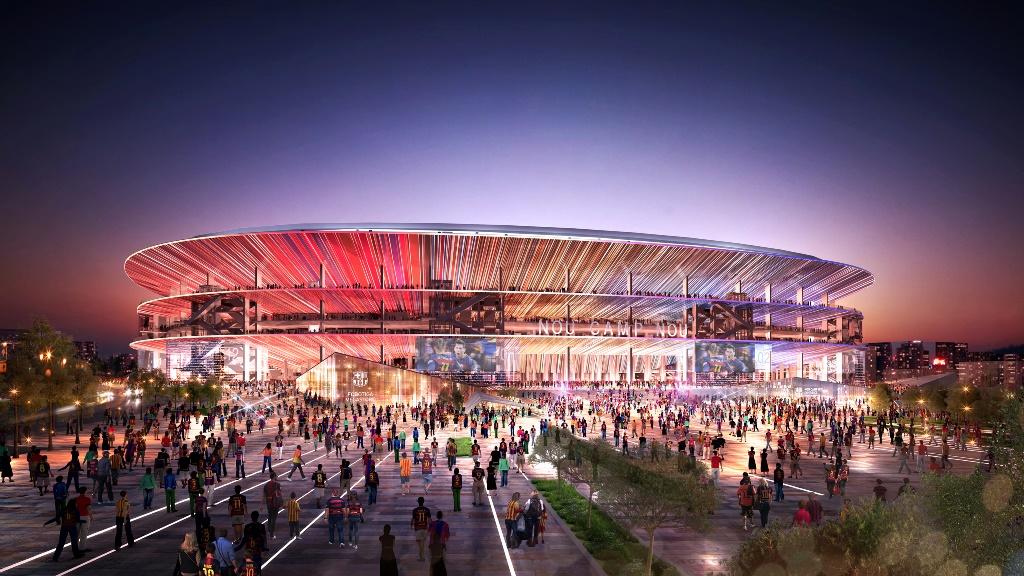
“Our design is derived from the essence of the original stadium,” said Nikken Sekkei project architect Takeyuki Katsuya. “The great open space around the stadium is like a large piece of origami, carefully arranged not to disturb the flow of people into the stadium. People can be outside, enjoying the Mediterranean climate.”
The Japanese architectural team – who have never worked in Europe but whose previous stadium designs include the the Big Swan Stadium in Niigata and the Tokyo Dome in Japan – will collaborate with Catalan architects Joan Pascual and Ramon Ausió.
“It is a perfect match,” said Pascual. “We’re speaking as architects to architects. This has allowed us to get to know each other well. We understand what Barca is, what it represents and we know what it means for the city. The project is very respectful of the work of Mitjans and the solution was to continue his path.
“The whole project needed to simultaneously capture the two settings, the stadium and the city. It will feel timeless. The members will continue to feel at home; they will not see the difference. They will only notice the improvements.”
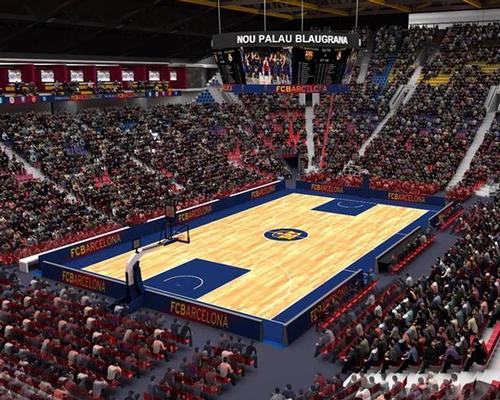
As part of the renovation, described by the club as “sentimental,” the New Camp Nou will expand its capacity to approximately 105,000 spectators, with all seats being covered by the new 47,000sq m (506,000sq ft) ETFE-clad semi-transparent roof.
The roof, which will be illuminated in the club’s colours in the evenings and is designed to reflect the Mediterranean light, will protect fans from the rain and direct sunlight, and improve the interior acoustics. It will feature the latest technology in scoreboards, pitch lighting, speakers and WiFi access points, and will collect water and solar energy to water the pitch and power the lights.
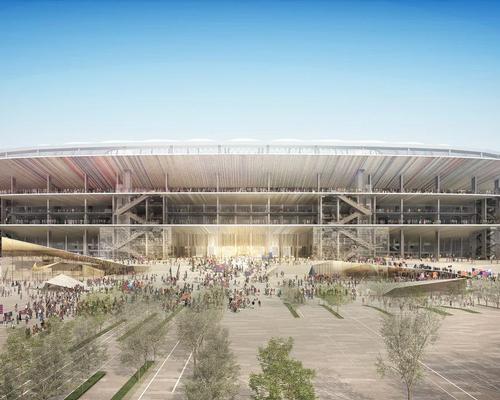
The stadium’s 360-degree perimeter will be enclosed by a glass facade at ground level and include a large atrium providing access to the first tier. Interior concourses will be protected by pitched eaves and will be free of barriers. Stairs, escalators and lifts will ensure complete accessibility to all tiers, leading up to a spacious sky deck with panoramic views of the stadium’s seating bowl and the city.
FC Barcelona president Josep Maria Bartomeu said: “We all win with the New Camp Nou. Barça win, because we’ll have a unique stadium, unlike any other in the world. A stadium with the best facilities for our players, a stadium that will be good for our finances and especially a stadium where our members and supporters will win, because it shall be a New Camp Nou that is adapted to people’s needs, with all the comforts and services, with social areas, where people can come together and be together, from the old to the young."
The total project is expected to cost €600m (US$651.9m, £467.4m), with over half reportedly being spent on the Nou Camp renovations. Funding will come from the sale of naming rights, profits from the new district and loans.
FC Barcelona selects Nikken Sekkei to redesign Nou Camp POSTED 08 Mar 2016. BY Kim Megson FC Barcelona has announced that Japanese architects Nikken Sekkei and Spanish studio
Pascual i Ausió Arquitectes have won the hotly-contested tender to design the new Camp
Nou, following a final meeting of the judges today (8 March).
Movie Park Germany has opened a new Paramount Pictures-themed attraction as part of its 30th
anniversary celebrations, using immersive storytelling and adaptive reuse to reinforce the park’s
longstanding “Hollywood in Germany” positioning.
Therme Manchester’s 28-acre development, which will include interconnected glass pavilions
that measure 65,000sq m, will be the largest bathing and wellbeing attraction in the world once
complete, according to prof David Russell, CEO of Therme UK.
Efteling has opened Hooghmoed, a new family drop tower designed to broaden the appeal of its
recently launched Sirene Island themed area and introduce younger visitors to thrill attractions.
An opportunity to reimagine one of the UK’s most recognisable towers has been formally
opened by Rivington Hark, as St Johns Beacon invites operators and partners to shape its
next phase. [more...]
FC Barcelona unveils Nikken Sekkei's 'sentimental' design for New Camp Nou
POSTED 21 Apr 2016 . BY Kim Megson
The architects said: 'The great open space around the stadium is like a large piece of origami, carefully arranged not to disturb the flow of people into the stadium' Credit: FC Barcelona
Spanish football giant FC Barcelona has revealed more details about its plans to revamp its iconic Camp Nou stadium, with a design by Japanese architecture studio Nikken Sekkei.
The new design takes the famous open bowl designed by Francesc Mitjans in 1957 and reinterprets and inverts it, adding a new roof to the stadium but creating an open space around the ground, which will integrate with the club’s huge planned Espai sports district and the city beyond.
“Our design is derived from the essence of the original stadium,” said Nikken Sekkei project architect Takeyuki Katsuya. “The great open space around the stadium is like a large piece of origami, carefully arranged not to disturb the flow of people into the stadium. People can be outside, enjoying the Mediterranean climate.”
The Japanese architectural team – who have never worked in Europe but whose previous stadium designs include the the Big Swan Stadium in Niigata and the Tokyo Dome in Japan – will collaborate with Catalan architects Joan Pascual and Ramon Ausió.
“It is a perfect match,” said Pascual. “We’re speaking as architects to architects. This has allowed us to get to know each other well. We understand what Barca is, what it represents and we know what it means for the city. The project is very respectful of the work of Mitjans and the solution was to continue his path.
“The whole project needed to simultaneously capture the two settings, the stadium and the city. It will feel timeless. The members will continue to feel at home; they will not see the difference. They will only notice the improvements.”
As part of the renovation, described by the club as “sentimental,” the New Camp Nou will expand its capacity to approximately 105,000 spectators, with all seats being covered by the new 47,000sq m (506,000sq ft) ETFE-clad semi-transparent roof.
The roof, which will be illuminated in the club’s colours in the evenings and is designed to reflect the Mediterranean light, will protect fans from the rain and direct sunlight, and improve the interior acoustics. It will feature the latest technology in scoreboards, pitch lighting, speakers and WiFi access points, and will collect water and solar energy to water the pitch and power the lights.
The stadium’s 360-degree perimeter will be enclosed by a glass facade at ground level and include a large atrium providing access to the first tier. Interior concourses will be protected by pitched eaves and will be free of barriers. Stairs, escalators and lifts will ensure complete accessibility to all tiers, leading up to a spacious sky deck with panoramic views of the stadium’s seating bowl and the city.
FC Barcelona president Josep Maria Bartomeu said: “We all win with the New Camp Nou. Barça win, because we’ll have a unique stadium, unlike any other in the world. A stadium with the best facilities for our players, a stadium that will be good for our finances and especially a stadium where our members and supporters will win, because it shall be a New Camp Nou that is adapted to people’s needs, with all the comforts and services, with social areas, where people can come together and be together, from the old to the young."
The total project is expected to cost €600m (US$651.9m, £467.4m), with over half reportedly being spent on the Nou Camp renovations. Funding will come from the sale of naming rights, profits from the new district and loans.
FC Barcelona selects Nikken Sekkei to redesign Nou Camp POSTED 08 Mar 2016. BY Kim Megson FC Barcelona has announced that Japanese architects Nikken Sekkei and Spanish studio
Pascual i Ausió Arquitectes have won the hotly-contested tender to design the new Camp
Nou, following a final meeting of the judges today (8 March).
Movie Park Germany has opened a new Paramount Pictures-themed attraction as part of its 30th
anniversary celebrations, using immersive storytelling and adaptive reuse to reinforce the park’s
longstanding “Hollywood in Germany” positioning.
Therme Manchester’s 28-acre development, which will include interconnected glass pavilions
that measure 65,000sq m, will be the largest bathing and wellbeing attraction in the world once
complete, according to prof David Russell, CEO of Therme UK.
Efteling has opened Hooghmoed, a new family drop tower designed to broaden the appeal of its
recently launched Sirene Island themed area and introduce younger visitors to thrill attractions.
A proposed Puy du Fou development near Bicester and Universal Destinations and Experiences’
planned resort in Bedford are emerging as part of a wider transformation of the Oxford–
Cambridge Growth Corridor into a major centre for UK leisure and tourism inv
Shedd Aquarium has opened the Immersion Theater developed in partnership with SimEx-
Iwerks, as part of a wider strategy to enhance the guest experience and create additional
revenue opportunities.
An opportunity to reimagine one of the UK’s most recognisable towers has been formally
opened by Rivington Hark, as St Johns Beacon invites operators and partners to shape its
next phase. [more...]