Ward wants to ‘inject the urgency to make things happen’
You’ve been in post for almost two years. Where do you see ukactive in another two years’ time? The ukactive board just signed off our 2017–2019 business plan and there’s so much potential in this agenda – it really excites me to imagine where we could be in two years’ time.
But there’s a heck of a job still to do. The end goal is ultimately to make physical activity the natural choice for the whole of society, embedding it into every aspect of our daily lives – not to mention landing the major policy breakthrough that can bring this into being.
This will create huge opportunities for our sector and we want to share best practice and make the most of the themes that pull us all together.
We will also continue to make a tangible impact on our members’ businesses, addressing the things that cause them pain. Bringing a new generation of leaders through our Future Leaders programme will help, but there are other areas where we can help – evidencing the impact of products and services, for example, and enhancing the reputation of the sector with investors.
For me personally, I’m determined to inject the urgency to make things happen, while building a world-class team and ukactive board to carry this forward.
What’s the biggest challenge for the sector to overcome in 2017? We’re yet to really get to grips with diversity. It’s 2017 and we have to ensure companies, from the boardroom to the gym floor, are reflective of the wider population. There are strategic, operational and moral reasons why this is the right thing to do. However, there will soon be financial imperatives too, with Sport England’s new funding criteria placing greater emphasis on diversity.
For our part, we’re seeking to boost diversity and accelerate a new breed of leaders through our Future Leaders programme, including offering bursaries in conjunction with Matrix Fitness to fast-track outstanding disabled candidates onto the course.
Where do you think ukactive is having the biggest impact? ukactive is probably best known for the impact of its government-facing work – the growing focus on tackling inactivity at government level, for example.
Our campaigning work and reports have struck a chord, with both government and Sport England strategies now placing a far greater emphasis on turning the tide of inactivity.
The focus now shifts from simply highlighting the severity of the problem to the delivery of practical solutions. That’s exactly what we’ve sought to offer through our two Blueprint for an Active Britain reports.
We can’t just highlight the problem – we need to shine the brightest light possible on the hundreds of examples where people are making things happen, getting on with the job and having an impact. We have to help the entire sector to learn from each other, so the whole sector can grow.
Are there any particular areas where you’d like to do even more going forward? We set out to identify opportunities where we felt the sector could have an impact on national policies, and to deliver on these, but while we’ve taken great strides forward – the Blueprint for an Active Britain, which we released in November 2015, had a huge impact on subsequent strategies and investment plans from DCMS and then Sport England – actually having an impact on policy off the back of this is still a work in progress.
There have been numerous things that we championed, for a long time as a sole and lonely voice, and we’re delighted to now see them happening: for example, a focus on inactivity; increased prominence of the health agenda; an end to funding by birthright simply as a result of being an National Governing Body; and an openness to working with anyone with the ability to make an impact. But we still have more to do, for sure.
There also remains a huge amount of consensus to be built, particularly around the area of youth inactivity. That’s why we’re particularly eager to drive the impact of ukactive Kids: we want to standardise the measurement of activity levels in our schools, champion investment in holiday camps, and to promote active mile schemes.
Is it hard to balance your government-facing work with the needs of ukactive members? We never forget where we’ve come from. The bedrock of our success are the health club and leisure centre operators who helped build ukactive with their support. We need to have an umbilical cord to their commercial agenda, understanding what’s on their minds and exactly where we can help.
I recognise that I’m not an operator and never have been. I can’t lecture our members on how to run their facilities. But I’ve made it a personal focus to be as close as possible to our members to understand what’s on their minds; to make sure my team focuses on operators’ core commercial agenda; to deepen engagement with them; and to use the insight that comes from this to develop services which can really add value to them – Future Leaders and the ActiveLab accelerator are two examples, helping our members with succession planning and cultivating an innovative climate in the physical activity sector.
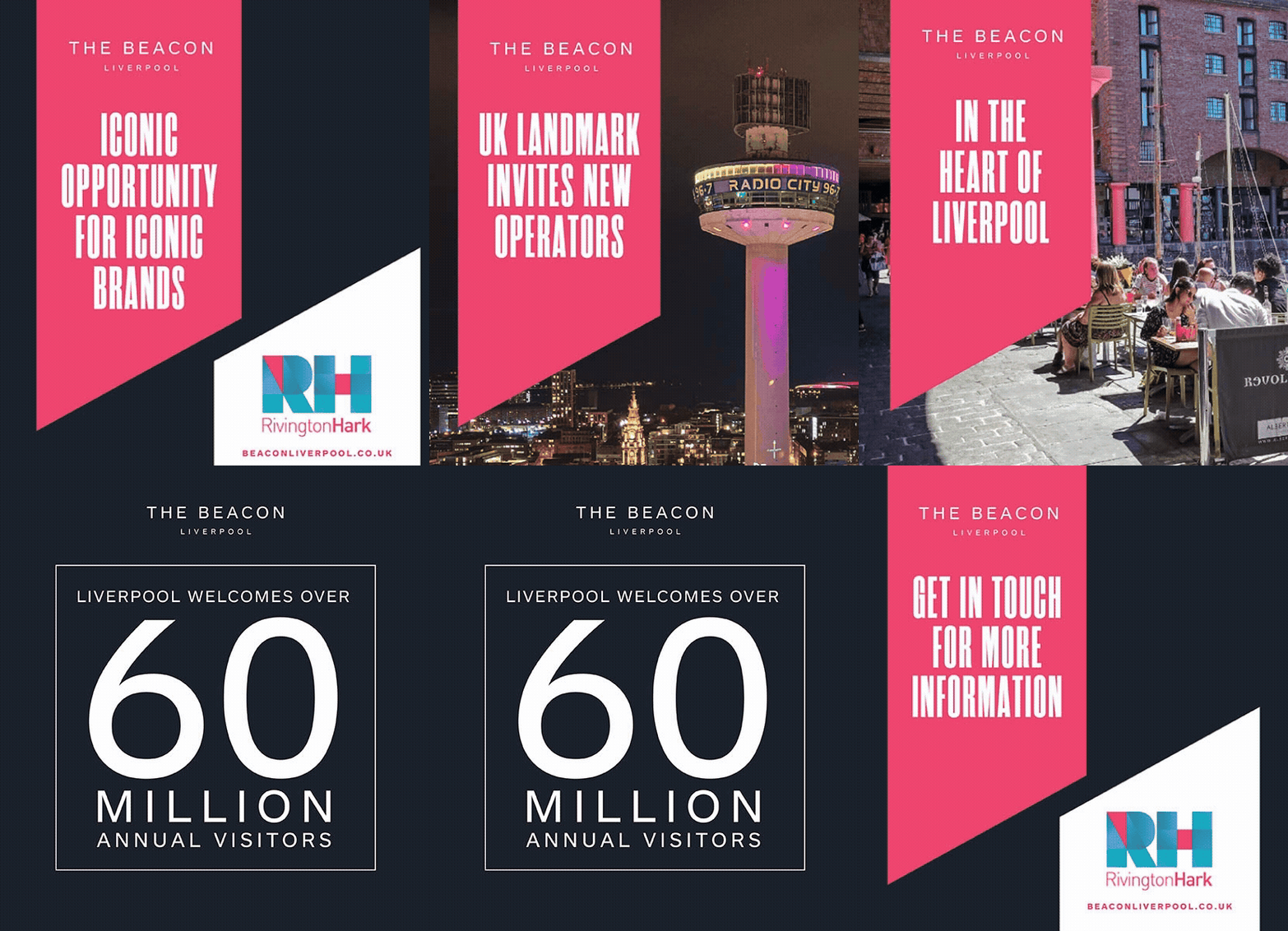
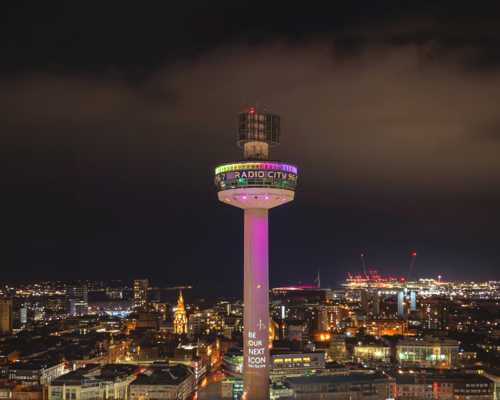
An opportunity to reimagine one of the UK’s most recognisable towers has been formally
opened by Rivington Hark, as St Johns Beacon invites operators and partners to shape its
next phase. [more...]
Ward wants to ‘inject the urgency to make things happen’
You’ve been in post for almost two years. Where do you see ukactive in another two years’ time? The ukactive board just signed off our 2017–2019 business plan and there’s so much potential in this agenda – it really excites me to imagine where we could be in two years’ time.
But there’s a heck of a job still to do. The end goal is ultimately to make physical activity the natural choice for the whole of society, embedding it into every aspect of our daily lives – not to mention landing the major policy breakthrough that can bring this into being.
This will create huge opportunities for our sector and we want to share best practice and make the most of the themes that pull us all together.
We will also continue to make a tangible impact on our members’ businesses, addressing the things that cause them pain. Bringing a new generation of leaders through our Future Leaders programme will help, but there are other areas where we can help – evidencing the impact of products and services, for example, and enhancing the reputation of the sector with investors.
For me personally, I’m determined to inject the urgency to make things happen, while building a world-class team and ukactive board to carry this forward.
What’s the biggest challenge for the sector to overcome in 2017? We’re yet to really get to grips with diversity. It’s 2017 and we have to ensure companies, from the boardroom to the gym floor, are reflective of the wider population. There are strategic, operational and moral reasons why this is the right thing to do. However, there will soon be financial imperatives too, with Sport England’s new funding criteria placing greater emphasis on diversity.
For our part, we’re seeking to boost diversity and accelerate a new breed of leaders through our Future Leaders programme, including offering bursaries in conjunction with Matrix Fitness to fast-track outstanding disabled candidates onto the course.
Where do you think ukactive is having the biggest impact? ukactive is probably best known for the impact of its government-facing work – the growing focus on tackling inactivity at government level, for example.
Our campaigning work and reports have struck a chord, with both government and Sport England strategies now placing a far greater emphasis on turning the tide of inactivity.
The focus now shifts from simply highlighting the severity of the problem to the delivery of practical solutions. That’s exactly what we’ve sought to offer through our two Blueprint for an Active Britain reports.
We can’t just highlight the problem – we need to shine the brightest light possible on the hundreds of examples where people are making things happen, getting on with the job and having an impact. We have to help the entire sector to learn from each other, so the whole sector can grow.
Are there any particular areas where you’d like to do even more going forward? We set out to identify opportunities where we felt the sector could have an impact on national policies, and to deliver on these, but while we’ve taken great strides forward – the Blueprint for an Active Britain, which we released in November 2015, had a huge impact on subsequent strategies and investment plans from DCMS and then Sport England – actually having an impact on policy off the back of this is still a work in progress.
There have been numerous things that we championed, for a long time as a sole and lonely voice, and we’re delighted to now see them happening: for example, a focus on inactivity; increased prominence of the health agenda; an end to funding by birthright simply as a result of being an National Governing Body; and an openness to working with anyone with the ability to make an impact. But we still have more to do, for sure.
There also remains a huge amount of consensus to be built, particularly around the area of youth inactivity. That’s why we’re particularly eager to drive the impact of ukactive Kids: we want to standardise the measurement of activity levels in our schools, champion investment in holiday camps, and to promote active mile schemes.
Is it hard to balance your government-facing work with the needs of ukactive members? We never forget where we’ve come from. The bedrock of our success are the health club and leisure centre operators who helped build ukactive with their support. We need to have an umbilical cord to their commercial agenda, understanding what’s on their minds and exactly where we can help.
I recognise that I’m not an operator and never have been. I can’t lecture our members on how to run their facilities. But I’ve made it a personal focus to be as close as possible to our members to understand what’s on their minds; to make sure my team focuses on operators’ core commercial agenda; to deepen engagement with them; and to use the insight that comes from this to develop services which can really add value to them – Future Leaders and the ActiveLab accelerator are two examples, helping our members with succession planning and cultivating an innovative climate in the physical activity sector.
Hotel de France, located on the British Isle of Jersey, has created a wellness retreat package
that includes a hot yoga session that will take place in Jersey Zoo’s butterfly sanctuary.
A new immersive attraction designed to transport visitors into the final hours of ancient Pompeii
is preparing to open near the world-famous archaeological site in southern Italy.
Experience design company, BRC Imagination Arts, has completed a transition that sees founder
Bob Rogers pass ownership of the business to four long-serving senior executives, while
remaining actively involved with the company.
Movie Park Germany has opened a new Paramount Pictures-themed attraction as part of its 30th
anniversary celebrations, using immersive storytelling and adaptive reuse to reinforce the park’s
longstanding “Hollywood in Germany” positioning.
Therme Manchester’s 28-acre development, which will include interconnected glass pavilions
that measure 65,000sq m, will be the largest bathing and wellbeing attraction in the world once
complete, according to prof David Russell, CEO of Therme UK.
Efteling has opened Hooghmoed, a new family drop tower designed to broaden the appeal of its
recently launched Sirene Island themed area and introduce younger visitors to thrill attractions.
A proposed Puy du Fou development near Bicester and Universal Destinations and Experiences’
planned resort in Bedford are emerging as part of a wider transformation of the Oxford–
Cambridge Growth Corridor into a major centre for UK leisure and tourism inv
Shedd Aquarium has opened the Immersion Theater developed in partnership with SimEx-
Iwerks, as part of a wider strategy to enhance the guest experience and create additional
revenue opportunities.
The UK government has announced a temporary reduction in VAT on visitor attractions and
children’s meals as part of a summer cost-of-living support package designed to stimulate the
visitor economy and encourage family days out.
As designer Yinka Ilori prepares for his first solo gallery show in London, he speaks exclusively
to CLADmag about his mission to spread joy, the power of play, and his bold approach to using
colour (including the colours you won’t see in his work).
The government of Thailand is exploring plans for a THB300bn (£6.3bn, US$8.3bn)
entertainment complex in the country’s Eastern Economic Corridor (EEC), with officials
proposing a large-scale theme park and sports destination as part of a broader tourism and
economic development strategy.
+ More news
COMPANY PROFILES
Taylor Made Designs Founded in 1993, Taylor Made
Designs supply corporate clothing
and brand-enhancing merchandise
to [more...]
Painting With Light By combining lighting, video, scenic and architectural elements, sound and special effects we tell s [more...]
IDEATTACK IDEATTACK is a full-service planning and
design company with headquarters in
Los Angeles. [more...]
instantprint We’re a Yorkshire-based online printer, founded
in 2009 by Adam Carnell and James Kinsella. [more...]
An opportunity to reimagine one of the UK’s most recognisable towers has been formally
opened by Rivington Hark, as St Johns Beacon invites operators and partners to shape its
next phase. [more...]