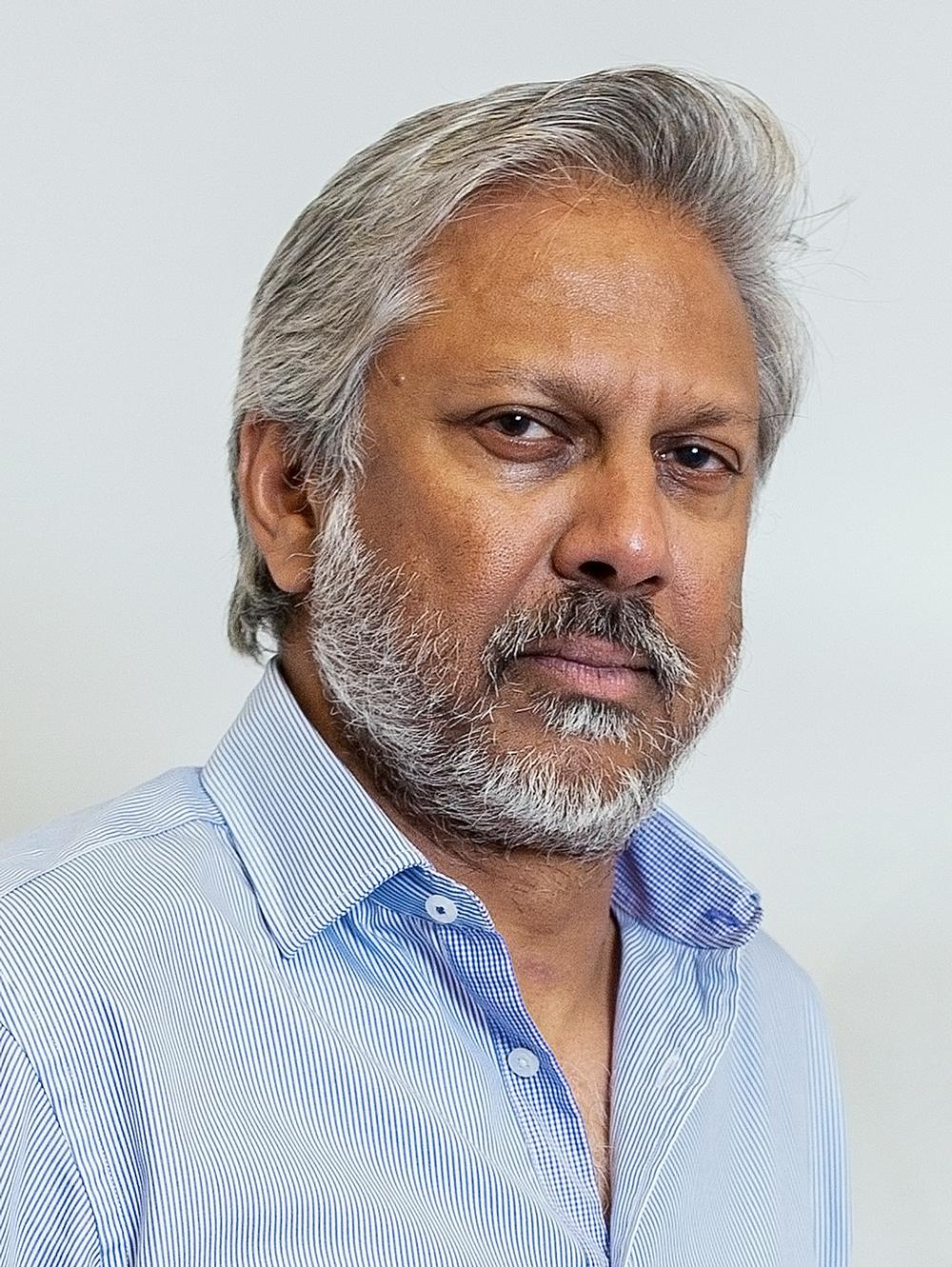
Stadia and arenas built for events such as the FIFA World Cup and Olympic Games should all be temporary, according to South African architect Ruben Reddy.
Talking to CLAD, Reddy argued that most football stadiums are unsustainable, and that, if possible, sports clubs playing in the same city should attempt to share a venue, while all sporting infrastructure for major events should be temporary.
His firm – Ruben Reddy Architects – is behind the plan for the 2022 Commonwealth Games in Durban, and by using existing and temporary facilities he said the cost of hosting the whole event would be £57m (US$73.8m, €65.6m), or as he described it, half of the transfer fee paid by Manchester United for Paul Pogba.
“We’re not going to be burdening the taxpayers of Durban Province and the country to upkeep the maintenance of capital projects,” he said. “We’ve learnt a hard lesson in South Africa because of the 2010 World Cup. We gave, gave, gave, and didn’t get a lot back in return.”
He highlighted the Durban-based Moses Mabhida Stadium, which cost US$450m to construct, as an example of a venue which hasn’t been sustainable for the South African government. While the original outlay was significant enough, Reddy was keen to demonstrate that sustainability becomes an issue when considering the ongoing maintenance of the building.
THE BIGGER PICTURE “Building the stadium is only 25 per cent of its life cycle,” said Reddy. “Keeping the thing to a world-class standard is a constant drain on the budget. Every year it sits there that money could be used for something else.”
To create the right conditions for these countries to bid and host these events – without stretching themselves financially – Reddy is an evangelical advocate of temporary venues.
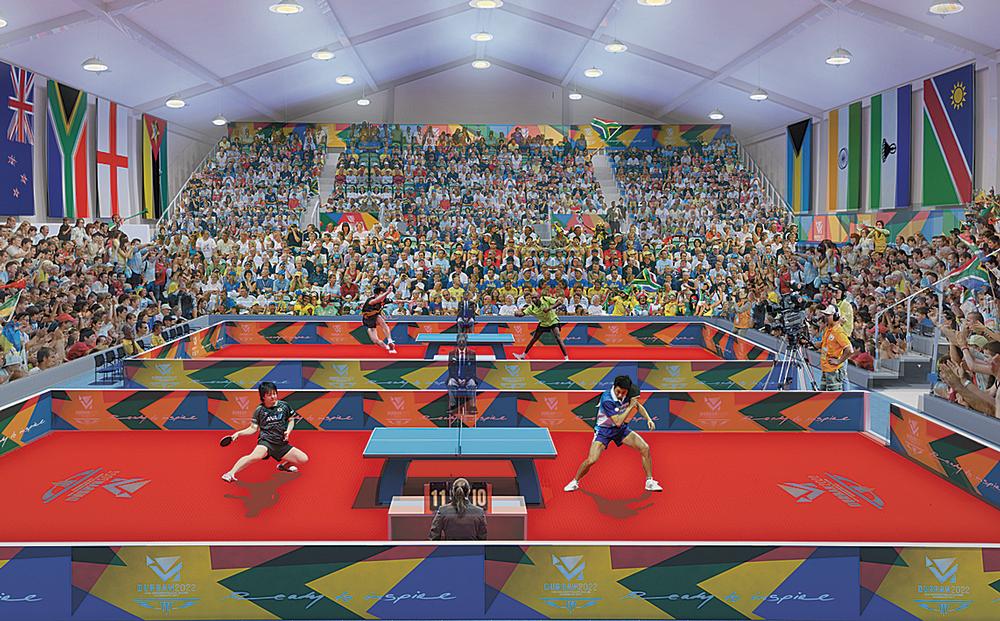
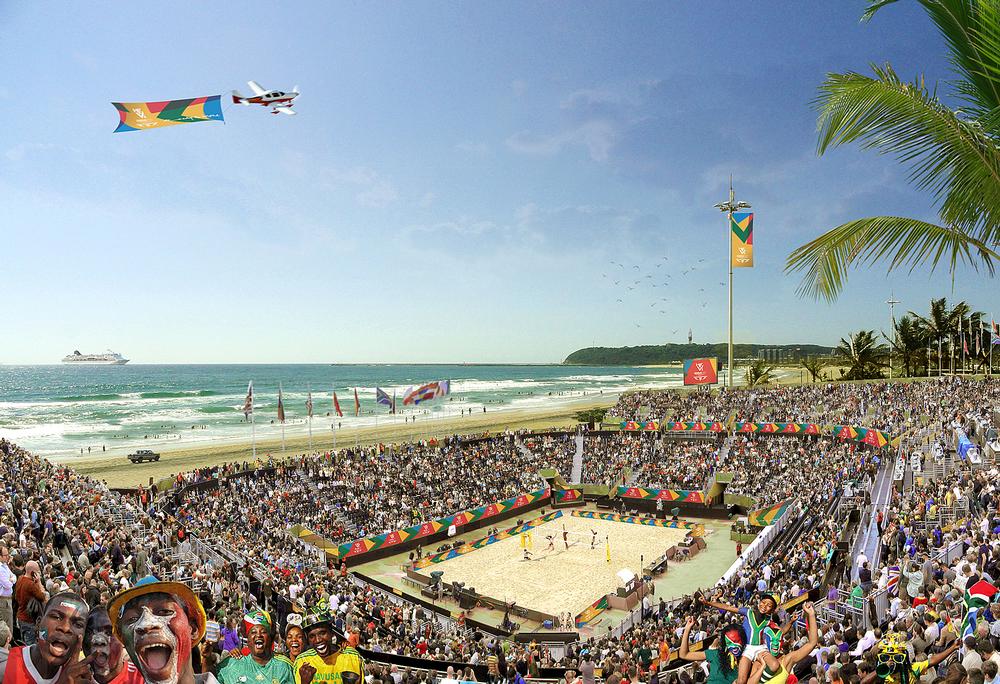
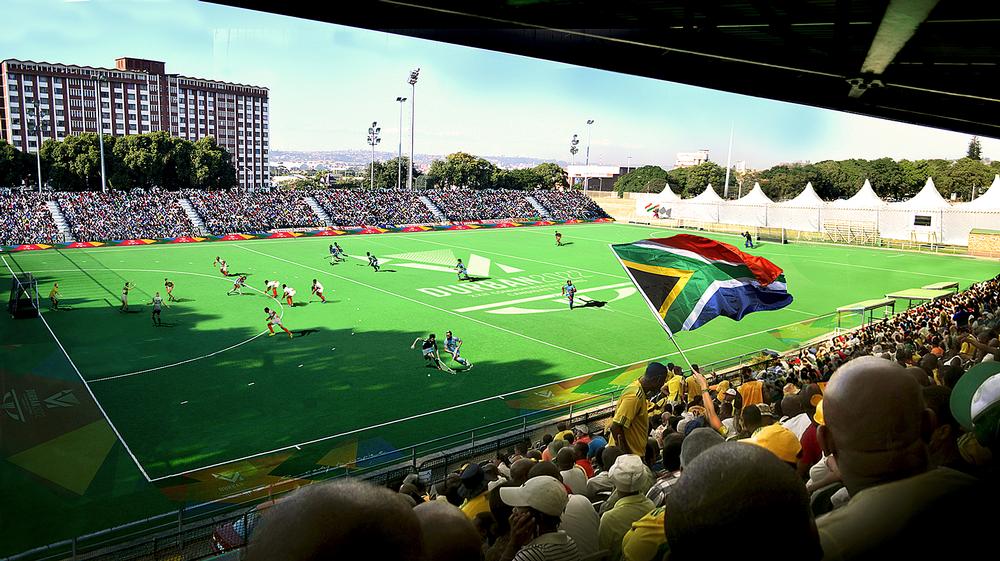
All of the venues he has designed for the Durban Games are temporary. Facilities for weightlifting, volleyball, hockey, squash and table tennis have been designed by his firm, using materials that will be reused following the Games. All of the permanent structures earmarked for the Commonwealth Games have been built already.
Reddy lauded examples of good practice with temporary facilities, such as the handball court constructed for the Rio Olympic Games. Following the event the venue was deconstructed and used to build four schools, but Reddy revealed Durban’s plans are slightly more modest.
“The total infrastructure spend of a Commonwealth Games is around eight per cent of the Olympic Games,” he said. “The temporary facilities we’ll look at will be standard stock and not on the same level as Rio.”
But the principle remains the same, said Reddy, and stressed that it should be implemented at every major event.
Government, said Reddy, should not view the hosting of an event as a “big megalomaniac ribbon-cutting opportunity.”
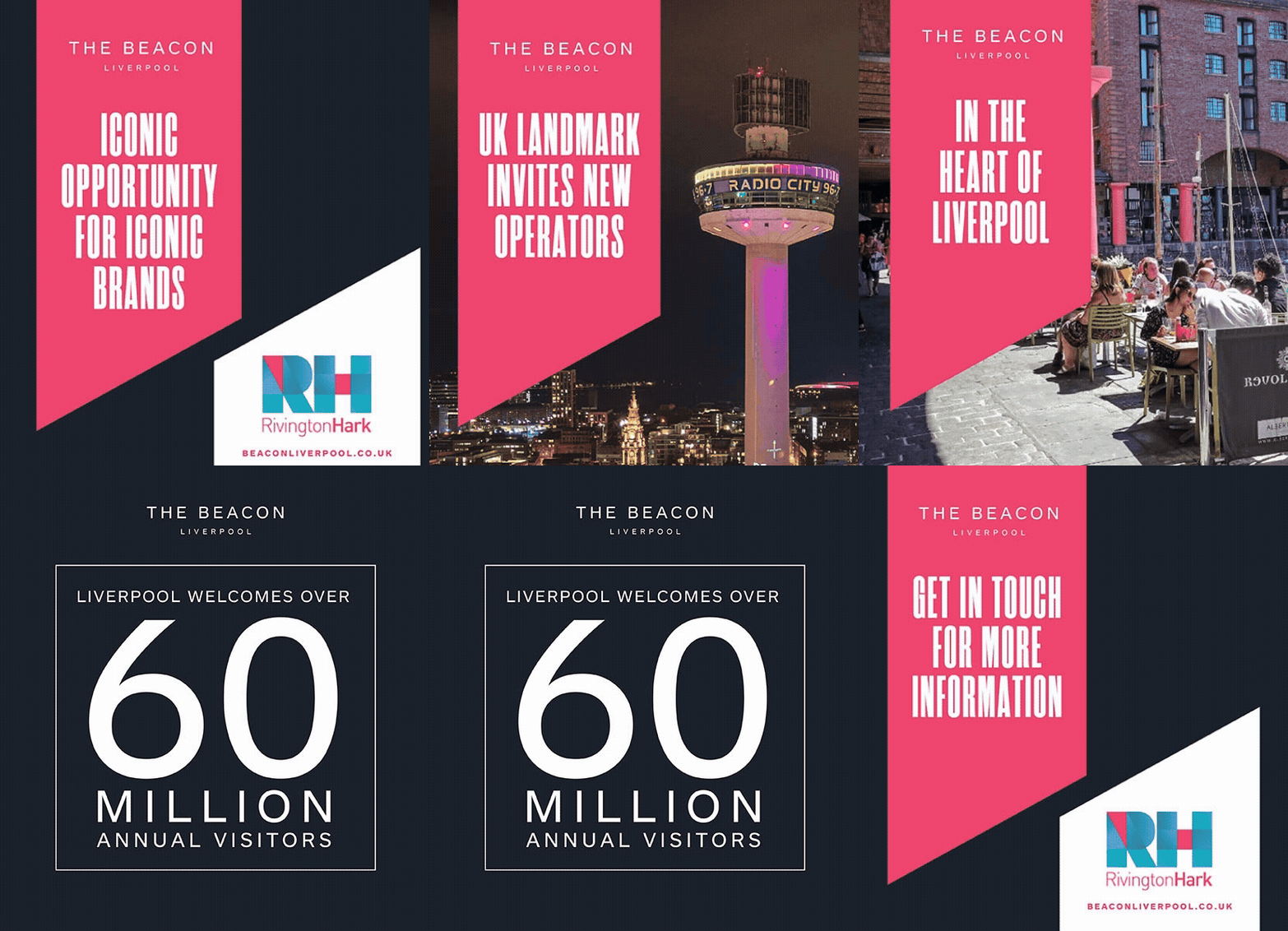
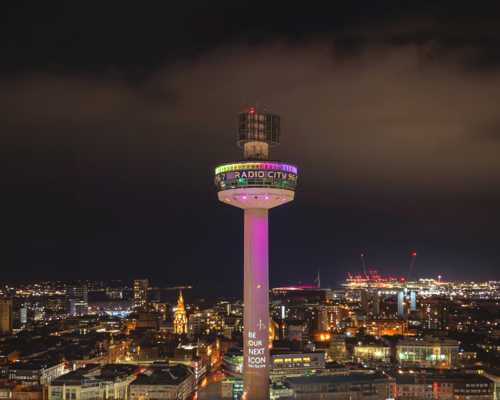
An opportunity to reimagine one of the UK’s most recognisable towers has been formally
opened by Rivington Hark, as St Johns Beacon invites operators and partners to shape its
next phase. [more...]
Stadia and arenas built for events such as the FIFA World Cup and Olympic Games should all be temporary, according to South African architect Ruben Reddy.
Talking to CLAD, Reddy argued that most football stadiums are unsustainable, and that, if possible, sports clubs playing in the same city should attempt to share a venue, while all sporting infrastructure for major events should be temporary.
His firm – Ruben Reddy Architects – is behind the plan for the 2022 Commonwealth Games in Durban, and by using existing and temporary facilities he said the cost of hosting the whole event would be £57m (US$73.8m, €65.6m), or as he described it, half of the transfer fee paid by Manchester United for Paul Pogba.
“We’re not going to be burdening the taxpayers of Durban Province and the country to upkeep the maintenance of capital projects,” he said. “We’ve learnt a hard lesson in South Africa because of the 2010 World Cup. We gave, gave, gave, and didn’t get a lot back in return.”
He highlighted the Durban-based Moses Mabhida Stadium, which cost US$450m to construct, as an example of a venue which hasn’t been sustainable for the South African government. While the original outlay was significant enough, Reddy was keen to demonstrate that sustainability becomes an issue when considering the ongoing maintenance of the building.
THE BIGGER PICTURE “Building the stadium is only 25 per cent of its life cycle,” said Reddy. “Keeping the thing to a world-class standard is a constant drain on the budget. Every year it sits there that money could be used for something else.”
To create the right conditions for these countries to bid and host these events – without stretching themselves financially – Reddy is an evangelical advocate of temporary venues.
All of the venues he has designed for the Durban Games are temporary. Facilities for weightlifting, volleyball, hockey, squash and table tennis have been designed by his firm, using materials that will be reused following the Games. All of the permanent structures earmarked for the Commonwealth Games have been built already.
Reddy lauded examples of good practice with temporary facilities, such as the handball court constructed for the Rio Olympic Games. Following the event the venue was deconstructed and used to build four schools, but Reddy revealed Durban’s plans are slightly more modest.
“The total infrastructure spend of a Commonwealth Games is around eight per cent of the Olympic Games,” he said. “The temporary facilities we’ll look at will be standard stock and not on the same level as Rio.”
But the principle remains the same, said Reddy, and stressed that it should be implemented at every major event.
Government, said Reddy, should not view the hosting of an event as a “big megalomaniac ribbon-cutting opportunity.”
Hotel de France, located on the British Isle of Jersey, has created a wellness retreat package
that includes a hot yoga session that will take place in Jersey Zoo’s butterfly sanctuary.
A new immersive attraction designed to transport visitors into the final hours of ancient Pompeii
is preparing to open near the world-famous archaeological site in southern Italy.
Experience design company, BRC Imagination Arts, has completed a transition that sees founder
Bob Rogers pass ownership of the business to four long-serving senior executives, while
remaining actively involved with the company.
Movie Park Germany has opened a new Paramount Pictures-themed attraction as part of its 30th
anniversary celebrations, using immersive storytelling and adaptive reuse to reinforce the park’s
longstanding “Hollywood in Germany” positioning.
Therme Manchester’s 28-acre development, which will include interconnected glass pavilions
that measure 65,000sq m, will be the largest bathing and wellbeing attraction in the world once
complete, according to prof David Russell, CEO of Therme UK.
Efteling has opened Hooghmoed, a new family drop tower designed to broaden the appeal of its
recently launched Sirene Island themed area and introduce younger visitors to thrill attractions.
A proposed Puy du Fou development near Bicester and Universal Destinations and Experiences’
planned resort in Bedford are emerging as part of a wider transformation of the Oxford–
Cambridge Growth Corridor into a major centre for UK leisure and tourism inv
Shedd Aquarium has opened the Immersion Theater developed in partnership with SimEx-
Iwerks, as part of a wider strategy to enhance the guest experience and create additional
revenue opportunities.
The UK government has announced a temporary reduction in VAT on visitor attractions and
children’s meals as part of a summer cost-of-living support package designed to stimulate the
visitor economy and encourage family days out.
As designer Yinka Ilori prepares for his first solo gallery show in London, he speaks exclusively
to CLADmag about his mission to spread joy, the power of play, and his bold approach to using
colour (including the colours you won’t see in his work).
The government of Thailand is exploring plans for a THB300bn (£6.3bn, US$8.3bn)
entertainment complex in the country’s Eastern Economic Corridor (EEC), with officials
proposing a large-scale theme park and sports destination as part of a broader tourism and
economic development strategy.
+ More news
COMPANY PROFILES
IDEATTACK IDEATTACK is a full-service planning and
design company with headquarters in
Los Angeles. [more...]
instantprint We’re a Yorkshire-based online printer, founded
in 2009 by Adam Carnell and James Kinsella. [more...]
An opportunity to reimagine one of the UK’s most recognisable towers has been formally
opened by Rivington Hark, as St Johns Beacon invites operators and partners to shape its
next phase. [more...]