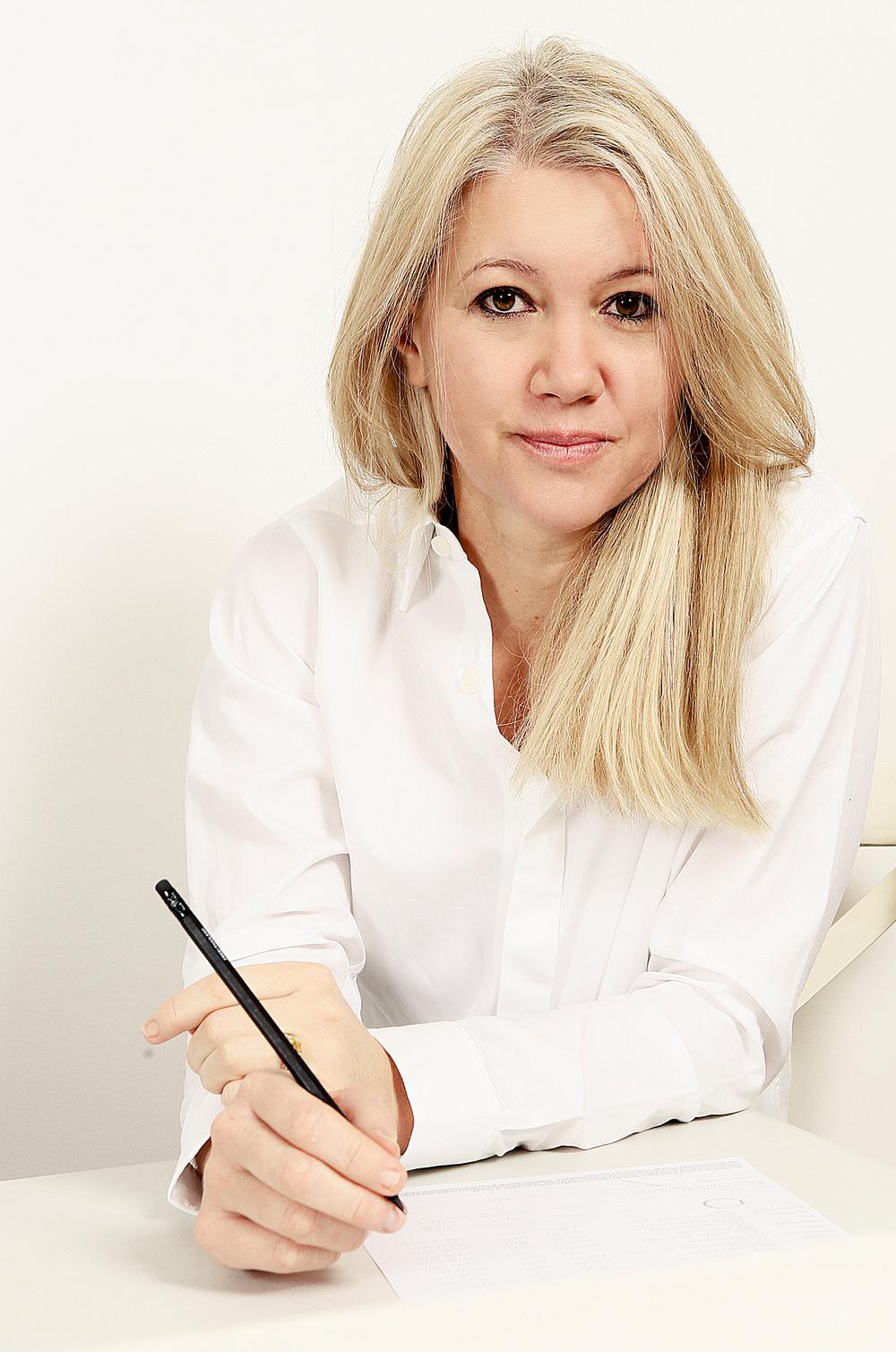
Inge Moore has called on hospitality designers to incorporate fun, interactivity and individuality into spa and gym design.
The interior designer – who is in the process of launching bespoke hospitality design studio MUSE after leaving Hirsch Bedner Associates (HBA) – told CLAD that spa and fitness spaces have been “totally neglected” in the past, but are now coming to be seen as essential parts of the hotel experience.
“The whole way we’re thinking about our travel experience is changing,” she said. “These days when we stay at a nice place we expect there to be great spa, gym, fitness facilities and yoga. The better you can deliver those spaces, the more special you make people’s experience.
“For too long spas and gyms were the last space on everyone’s programme, with the few rooms left at the end turned into the gym. Now the demand is for them to be more than just rows and rows of exercise machines. They should be super fun areas to socialise and learn.
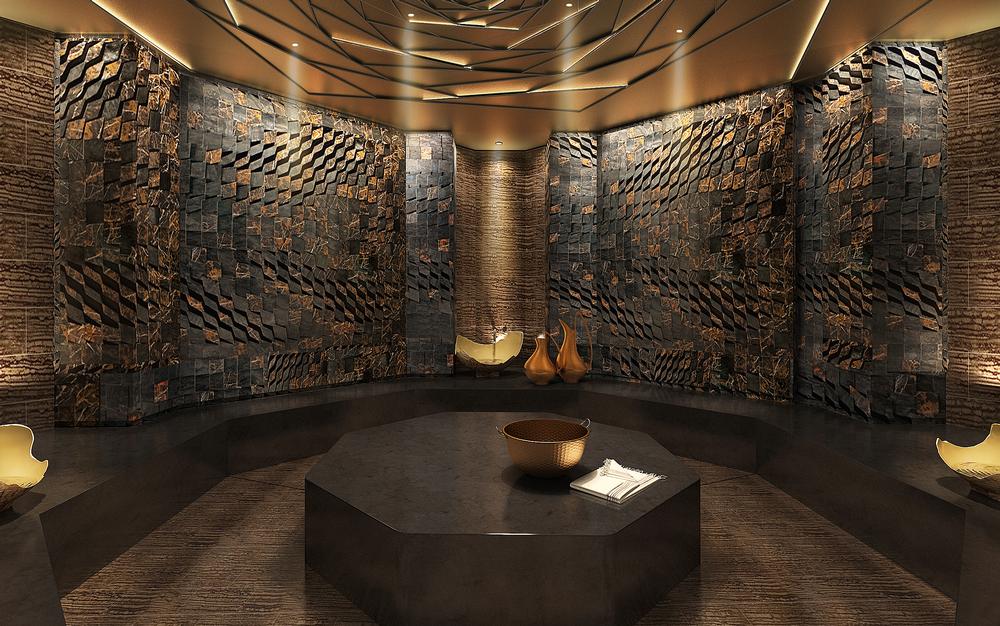
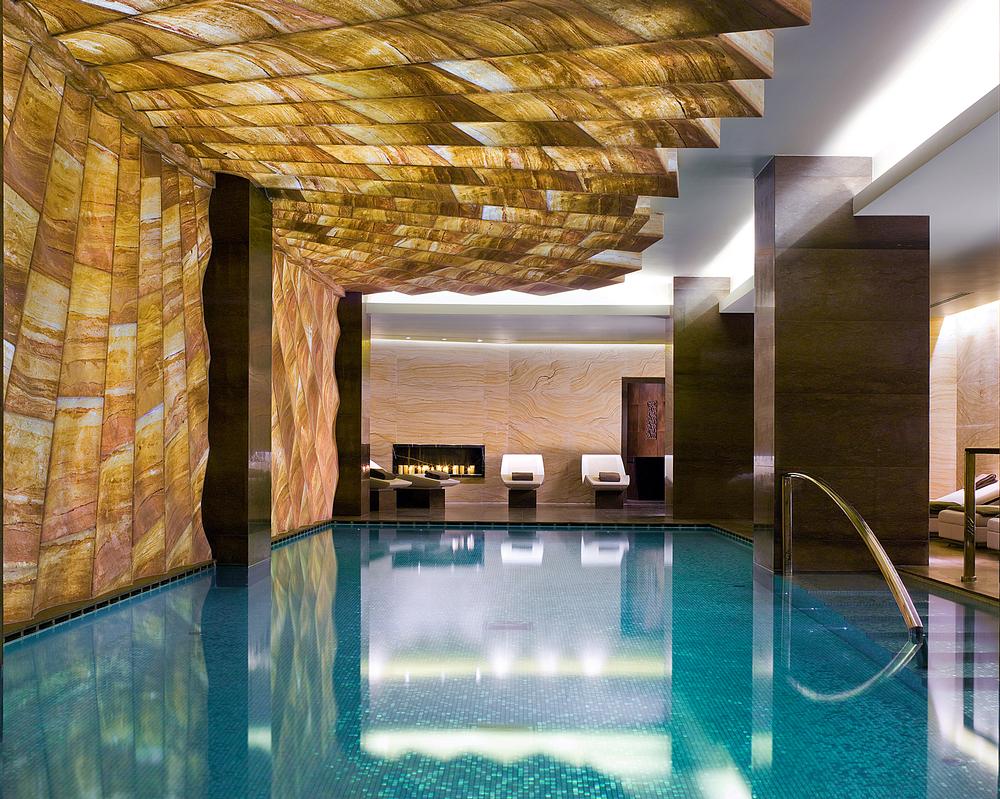
“This can be achieved through the lighting, textures and materials you use and by bringing in the narrative of the resort into these spaces. There are lots of opportunities to really push the design of these areas further.”
Moore has previously designed a host of hospitality projects with HBA – who will invest in MUSE, despite it being a standalone company – including the renovation of London’s Grosvenor House for JW Marriott, a luxury sleeper train for Belmond in Ireland and the Belmond Eagle Island Safari Lodge in Botswana. With the new studio, Moore, co-founder Nathan Hutchins and their team of 15 are working on a spa resort in Goa, a new hotel in Ibiza and another luxury train for Belmond, this time in Peru.
STANDING OUT Individuality is the feature that unifies all of these projects, Moore told CLAD.
“The design standard in hotels has gone way beyond what it was 10 years ago,” she said. “There’s so much competition within the hospitality space that everyone wants a unique project, whether it’s a Hyatt, a Four Seasons or a Marriott.
“It’s so important to stand out. Everywhere you go, there are good hotels and countless Airbnbs, so yours needs to be special. People choose to stay at the more interesting spaces, especially now the world’s become much more visual, with social media and everyone sending selfies of the places they visit. That creates a huge opportunity for designers to make beautiful spaces that also make people feel good.”
Asked how MUSE will create uniqueness in spas and gyms, Moore said the key is delivering a story, as well as allowing guests to receive a fun lesson or experience. “People increasingly want to learn about health and wellbeing through spaces where you do some interactive things together,” she said.
“For example, you can learn why it’s good to eat certain foods or to exercise in a certain way. Our idea is you go to a hotel and learn or experience something new. By presenting this in a fun, interactive way that includes spaces for people across the age spectrum you can create really interesting, memorable experiences.”
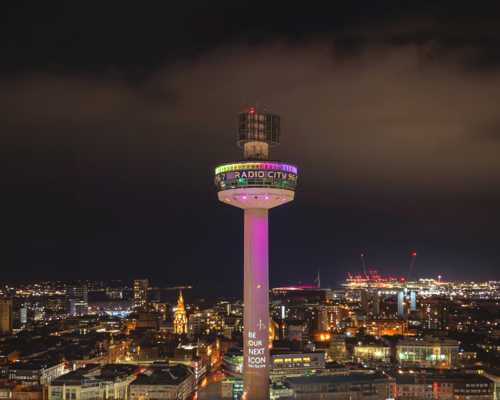
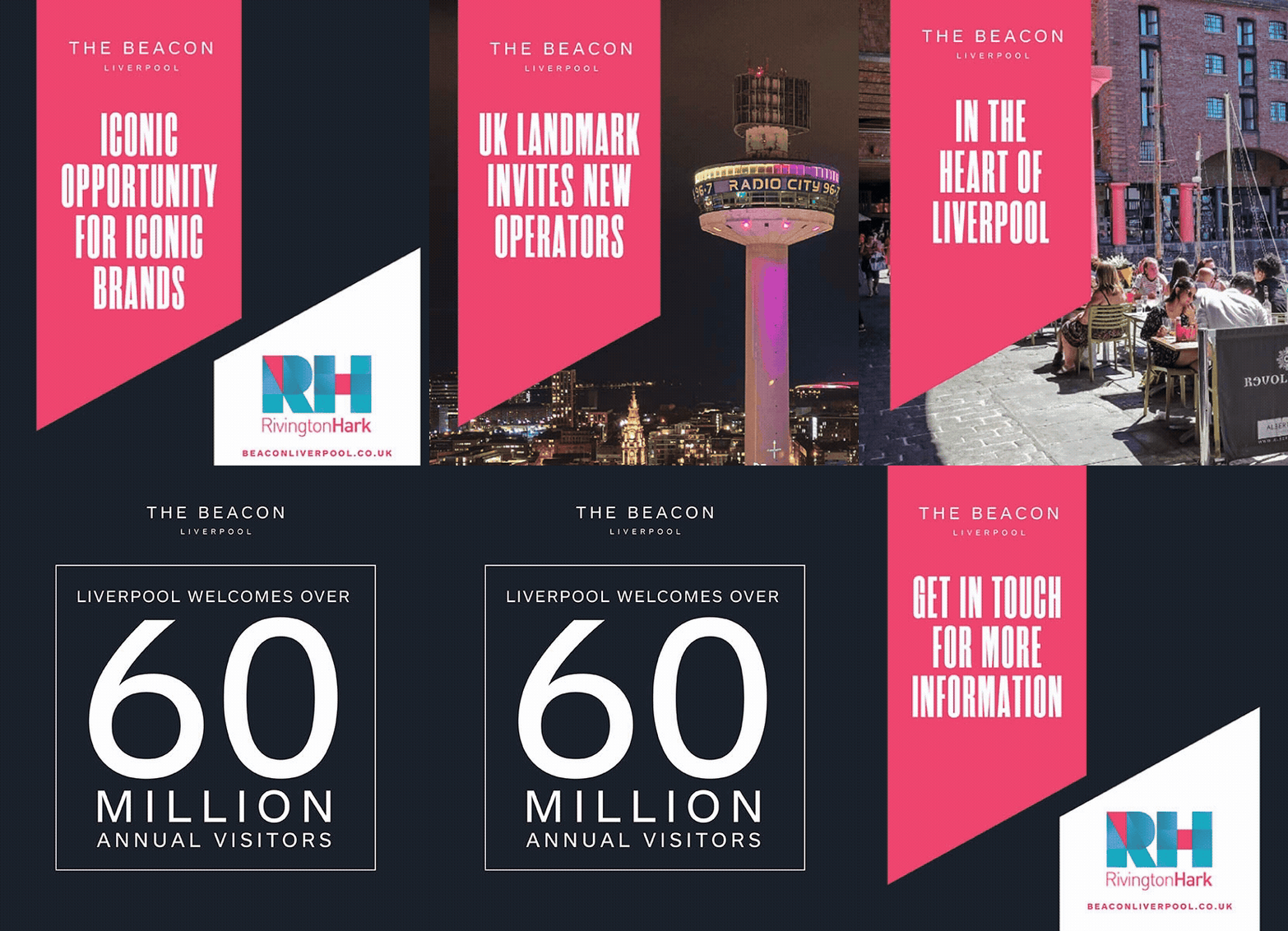
An opportunity to reimagine one of the UK’s most recognisable towers has been formally
opened by Rivington Hark, as St Johns Beacon invites operators and partners to shape its
next phase. [more...]
Inge Moore has called on hospitality designers to incorporate fun, interactivity and individuality into spa and gym design.
The interior designer – who is in the process of launching bespoke hospitality design studio MUSE after leaving Hirsch Bedner Associates (HBA) – told CLAD that spa and fitness spaces have been “totally neglected” in the past, but are now coming to be seen as essential parts of the hotel experience.
“The whole way we’re thinking about our travel experience is changing,” she said. “These days when we stay at a nice place we expect there to be great spa, gym, fitness facilities and yoga. The better you can deliver those spaces, the more special you make people’s experience.
“For too long spas and gyms were the last space on everyone’s programme, with the few rooms left at the end turned into the gym. Now the demand is for them to be more than just rows and rows of exercise machines. They should be super fun areas to socialise and learn.
“This can be achieved through the lighting, textures and materials you use and by bringing in the narrative of the resort into these spaces. There are lots of opportunities to really push the design of these areas further.”
Moore has previously designed a host of hospitality projects with HBA – who will invest in MUSE, despite it being a standalone company – including the renovation of London’s Grosvenor House for JW Marriott, a luxury sleeper train for Belmond in Ireland and the Belmond Eagle Island Safari Lodge in Botswana. With the new studio, Moore, co-founder Nathan Hutchins and their team of 15 are working on a spa resort in Goa, a new hotel in Ibiza and another luxury train for Belmond, this time in Peru.
STANDING OUT Individuality is the feature that unifies all of these projects, Moore told CLAD.
“The design standard in hotels has gone way beyond what it was 10 years ago,” she said. “There’s so much competition within the hospitality space that everyone wants a unique project, whether it’s a Hyatt, a Four Seasons or a Marriott.
“It’s so important to stand out. Everywhere you go, there are good hotels and countless Airbnbs, so yours needs to be special. People choose to stay at the more interesting spaces, especially now the world’s become much more visual, with social media and everyone sending selfies of the places they visit. That creates a huge opportunity for designers to make beautiful spaces that also make people feel good.”
Asked how MUSE will create uniqueness in spas and gyms, Moore said the key is delivering a story, as well as allowing guests to receive a fun lesson or experience. “People increasingly want to learn about health and wellbeing through spaces where you do some interactive things together,” she said.
“For example, you can learn why it’s good to eat certain foods or to exercise in a certain way. Our idea is you go to a hotel and learn or experience something new. By presenting this in a fun, interactive way that includes spaces for people across the age spectrum you can create really interesting, memorable experiences.”
Hotel de France, located on the British Isle of Jersey, has created a wellness retreat package
that includes a hot yoga session that will take place in Jersey Zoo’s butterfly sanctuary.
A new immersive attraction designed to transport visitors into the final hours of ancient Pompeii
is preparing to open near the world-famous archaeological site in southern Italy.
Experience design company, BRC Imagination Arts, has completed a transition that sees founder
Bob Rogers pass ownership of the business to four long-serving senior executives, while
remaining actively involved with the company.
Movie Park Germany has opened a new Paramount Pictures-themed attraction as part of its 30th
anniversary celebrations, using immersive storytelling and adaptive reuse to reinforce the park’s
longstanding “Hollywood in Germany” positioning.
Therme Manchester’s 28-acre development, which will include interconnected glass pavilions
that measure 65,000sq m, will be the largest bathing and wellbeing attraction in the world once
complete, according to prof David Russell, CEO of Therme UK.
Efteling has opened Hooghmoed, a new family drop tower designed to broaden the appeal of its
recently launched Sirene Island themed area and introduce younger visitors to thrill attractions.
A proposed Puy du Fou development near Bicester and Universal Destinations and Experiences’
planned resort in Bedford are emerging as part of a wider transformation of the Oxford–
Cambridge Growth Corridor into a major centre for UK leisure and tourism inv
Shedd Aquarium has opened the Immersion Theater developed in partnership with SimEx-
Iwerks, as part of a wider strategy to enhance the guest experience and create additional
revenue opportunities.
The UK government has announced a temporary reduction in VAT on visitor attractions and
children’s meals as part of a summer cost-of-living support package designed to stimulate the
visitor economy and encourage family days out.
As designer Yinka Ilori prepares for his first solo gallery show in London, he speaks exclusively
to CLADmag about his mission to spread joy, the power of play, and his bold approach to using
colour (including the colours you won’t see in his work).
The government of Thailand is exploring plans for a THB300bn (£6.3bn, US$8.3bn)
entertainment complex in the country’s Eastern Economic Corridor (EEC), with officials
proposing a large-scale theme park and sports destination as part of a broader tourism and
economic development strategy.
+ More news
COMPANY PROFILES
IDEATTACK IDEATTACK is a full-service planning and
design company with headquarters in
Los Angeles. [more...]
QubicaAMF UK QubicaAMF is the largest and most
innovative bowling equipment provider with
600 employees worldwi [more...]
Painting With Light By combining lighting, video, scenic and architectural elements, sound and special effects we tell s [more...]
Alterface Alterface’s Creative Division team is
seasoned in concept and ride development,
as well as storyte [more...]
An opportunity to reimagine one of the UK’s most recognisable towers has been formally
opened by Rivington Hark, as St Johns Beacon invites operators and partners to shape its
next phase. [more...]