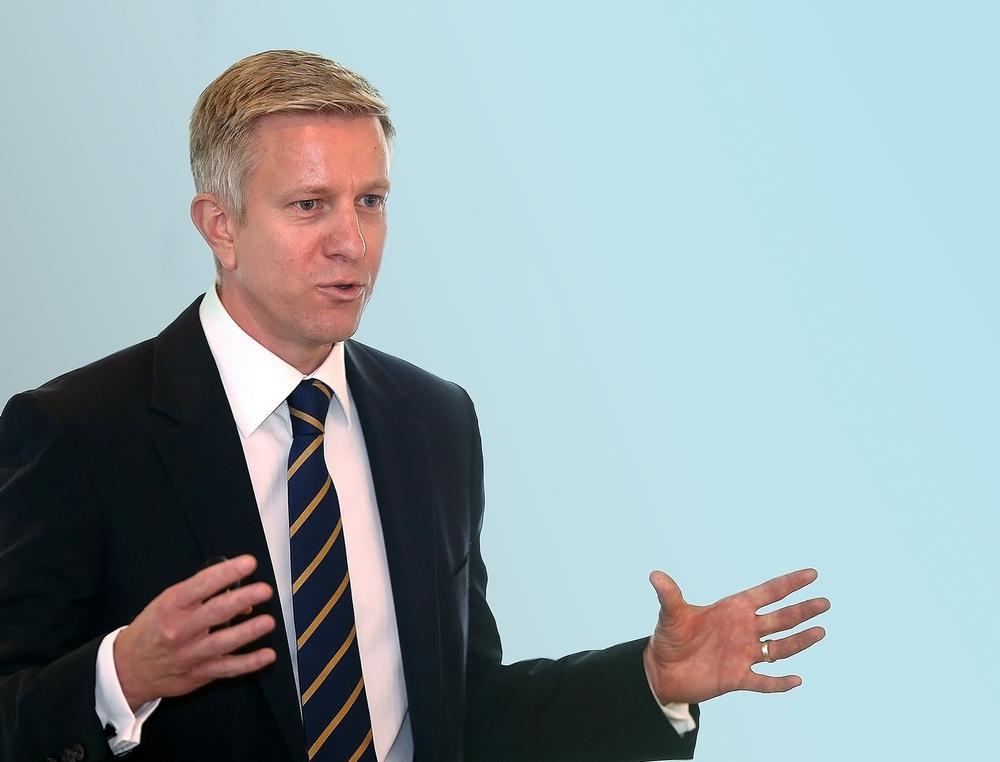
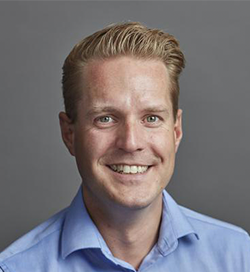
Simon Timson / John Walton/PA Archive/Press Association
We’ve got 79 really good shots at winning medals in Rio,” says UK Sport director of performance Simon Timson. “It will be a challenge to convert all of them, but I think we can confidently say that we would be disappointed with anything less than 48 medals.”
Forty-eight is the magic number for Timson and UK Sport, which is aiming to beat the Beijing 2008 Olympics medal haul of 47 to produce the best-ever away Games for Team GB in Brazil this year.
Following four years of work “refining and refining” medal target ranges based on information and data – as well as detailed conversations with performance directors in individual sports – the quango has come up with a goal of achieving between 47 and 79 medals over 21 sports.
While gaining 48 medals would be a significant achievement, getting closer to the top echelons of the range could be a watershed moment for British sport. If Team GB wins 66 medals or more, it will surpass the 65 won during the London 2012 Games, making Britain the first nation to achieve more podium finishes after hosting the Games.
Timson is cautiously optimistic that the level could be attainable, highlighting a “real strength in depth in the high performance systems” which could deliver the marginal gains needed to push those not expected to win medals onto the podium.
“At least 20 of our athletes are expected to finish fourth, which is the second-highest number behind the US and significantly more than our closest rivals,” he explains. “There’s a fingernail difference between bronze and no medal in a number of sports and I think that will see us convert a number of those fourth places into medals in Rio.”
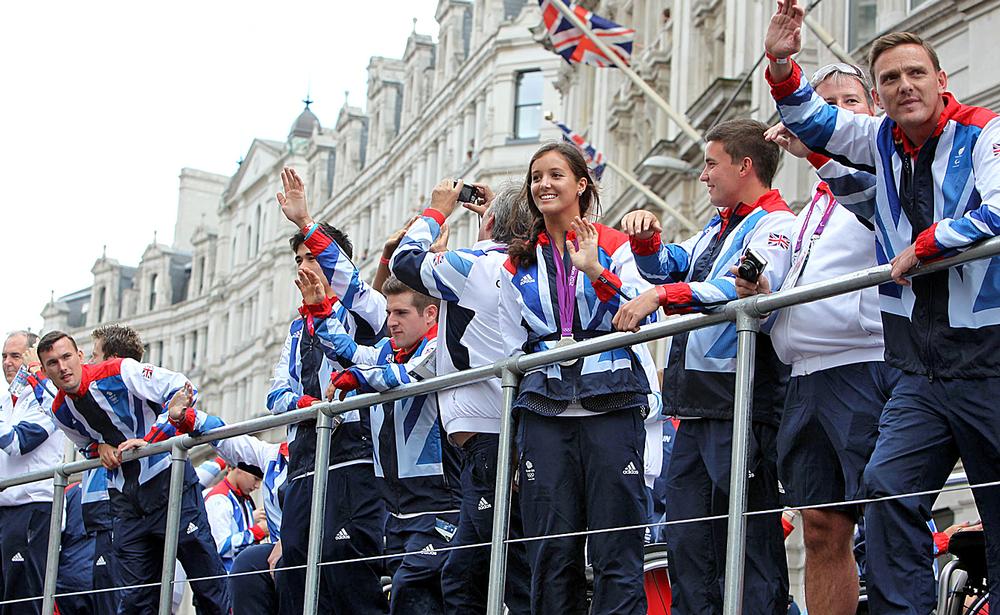
Great expectations The landscape looks even brighter for the Paralympic athletes travelling to Rio this summer, with a London-bettering 121 medals expected over the course of the Games.
Expectations are high and rightly so, after £350m has been plough into Olympic sport over the past four years. Timson will also be keen for the team to do well, considering the Games will be his swansong as UK Sport’s performance chief as he gets ready for a move to the Lawn Tennis Association (LTA) in November. However, Timson insists he is feeling “no pressure personally” and that he won’t be thinking about tennis until the Olympics and Paralympics are over.
He adds: “It’s the athletes that have been training and striving to make the Games and succeed at the Games. They’ve worked their socks off for at least the last four years and we should be celebrating them – all we can expect of them is to deliver their best on the day and try to fulfil their true potential.”
Sustainable platform Timson arrived at UK Sport from the England and Wales Cricket Board in 2013, less than a year after the success of London 2012, and has endeavoured to keep that momentum going looking at Rio and beyond.
He tells Sports Management that he is proud of helping to “put high performance sport in the UK on a sustainable platform for the long-term future”, explaining his three areas of focus to achieve this.
“The first thing is we continued to make long-term investment decisions over eight years and done a lot of work to educate sports and coaches about attracting and nurturing talent,” he says. “Secondly, we now make more evidence and fact-based decisions – rather than make assumptions – and thirdly we don’t allow our investment processes to be emotionally hijacked by what does or doesn’t happen at the Games.”
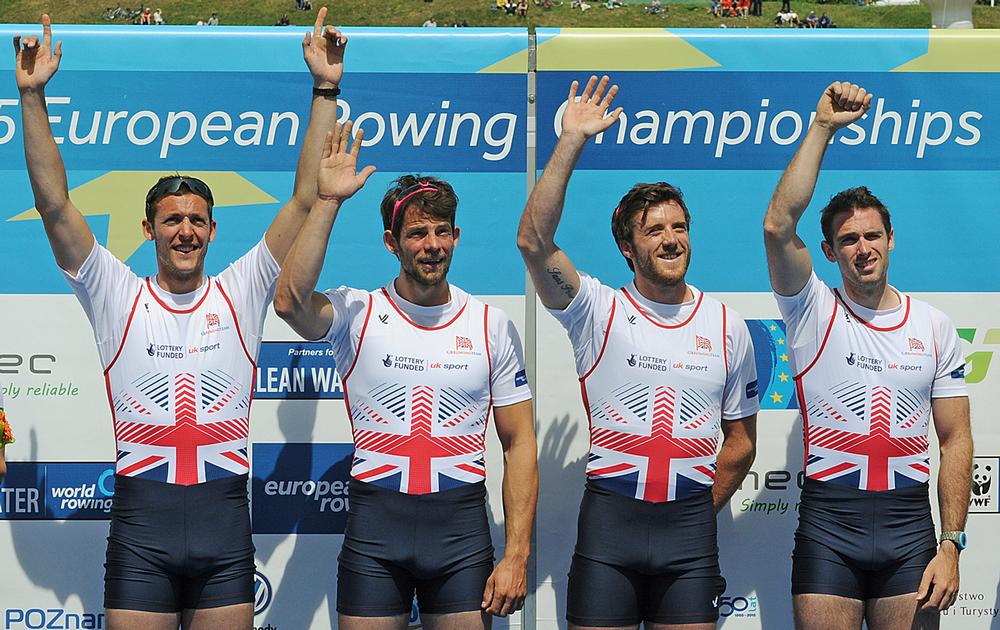
While cycling, athletics and rowing have been earmarked as potential big winners for Team GB in Rio – with maximum targets of 10, nine and eight medals respectively – Timson believes the system will allow other sports to flourish in the run-up to Tokyo 2020.
In January Timson told Sports Management that he expects a renaissance of swimming and gymnastics in four years time, and he now adds shooting to the list.
“We should be focusing on ensuring an ever stronger and sustainable platform for the sports we currently invest in. I think sports like shooting have a particularly exciting future because of what they’ve done in the eight-year pathway in terms of attracting talent to its programme and nurturing it,” says Timson.
Retaining momentum Despite such an encouraging landscape in elite British sport, Timson has identified challenges for his successor in maintaining and growing the success.
“Athletes are our greatest asset and we can never take them for granted,” he says. “We need to ensure we don’t only have daily training regimes that provide world-class facilities, but ones that provide world-class environments. High performance sport is very demanding, but that doesn’t mean the environments can’t be highly supportive, fun and enjoyable.
“We also have to try and maintain the investment, because if we cannot continue to support a broad range of sports with world-class coaching, science, medicine, technology and equipment then others will. Our system has been the envy of the world for the last eight years and copycat systems are springing up all over the world – in Australia, Canada and New Zealand – so it’s going to get harder to succeed and we’ve got to respond to that.”
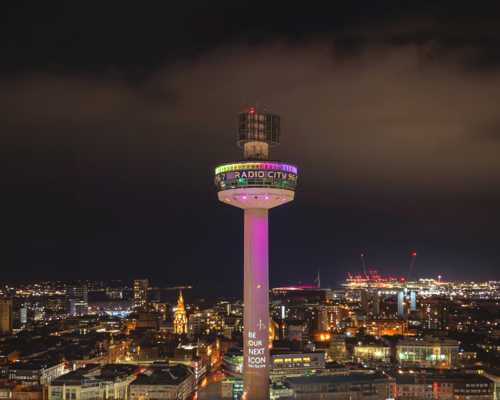
An opportunity to reimagine one of the UK’s most recognisable towers has been formally
opened by Rivington Hark, as St Johns Beacon invites operators and partners to shape its
next phase. [more...]
Simon Timson / John Walton/PA Archive/Press Association
We’ve got 79 really good shots at winning medals in Rio,” says UK Sport director of performance Simon Timson. “It will be a challenge to convert all of them, but I think we can confidently say that we would be disappointed with anything less than 48 medals.”
Forty-eight is the magic number for Timson and UK Sport, which is aiming to beat the Beijing 2008 Olympics medal haul of 47 to produce the best-ever away Games for Team GB in Brazil this year.
Following four years of work “refining and refining” medal target ranges based on information and data – as well as detailed conversations with performance directors in individual sports – the quango has come up with a goal of achieving between 47 and 79 medals over 21 sports.
While gaining 48 medals would be a significant achievement, getting closer to the top echelons of the range could be a watershed moment for British sport. If Team GB wins 66 medals or more, it will surpass the 65 won during the London 2012 Games, making Britain the first nation to achieve more podium finishes after hosting the Games.
Timson is cautiously optimistic that the level could be attainable, highlighting a “real strength in depth in the high performance systems” which could deliver the marginal gains needed to push those not expected to win medals onto the podium.
“At least 20 of our athletes are expected to finish fourth, which is the second-highest number behind the US and significantly more than our closest rivals,” he explains. “There’s a fingernail difference between bronze and no medal in a number of sports and I think that will see us convert a number of those fourth places into medals in Rio.”
Great expectations The landscape looks even brighter for the Paralympic athletes travelling to Rio this summer, with a London-bettering 121 medals expected over the course of the Games.
Expectations are high and rightly so, after £350m has been plough into Olympic sport over the past four years. Timson will also be keen for the team to do well, considering the Games will be his swansong as UK Sport’s performance chief as he gets ready for a move to the Lawn Tennis Association (LTA) in November. However, Timson insists he is feeling “no pressure personally” and that he won’t be thinking about tennis until the Olympics and Paralympics are over.
He adds: “It’s the athletes that have been training and striving to make the Games and succeed at the Games. They’ve worked their socks off for at least the last four years and we should be celebrating them – all we can expect of them is to deliver their best on the day and try to fulfil their true potential.”
Sustainable platform Timson arrived at UK Sport from the England and Wales Cricket Board in 2013, less than a year after the success of London 2012, and has endeavoured to keep that momentum going looking at Rio and beyond.
He tells Sports Management that he is proud of helping to “put high performance sport in the UK on a sustainable platform for the long-term future”, explaining his three areas of focus to achieve this.
“The first thing is we continued to make long-term investment decisions over eight years and done a lot of work to educate sports and coaches about attracting and nurturing talent,” he says. “Secondly, we now make more evidence and fact-based decisions – rather than make assumptions – and thirdly we don’t allow our investment processes to be emotionally hijacked by what does or doesn’t happen at the Games.”
While cycling, athletics and rowing have been earmarked as potential big winners for Team GB in Rio – with maximum targets of 10, nine and eight medals respectively – Timson believes the system will allow other sports to flourish in the run-up to Tokyo 2020.
In January Timson told Sports Management that he expects a renaissance of swimming and gymnastics in four years time, and he now adds shooting to the list.
“We should be focusing on ensuring an ever stronger and sustainable platform for the sports we currently invest in. I think sports like shooting have a particularly exciting future because of what they’ve done in the eight-year pathway in terms of attracting talent to its programme and nurturing it,” says Timson.
Retaining momentum Despite such an encouraging landscape in elite British sport, Timson has identified challenges for his successor in maintaining and growing the success.
“Athletes are our greatest asset and we can never take them for granted,” he says. “We need to ensure we don’t only have daily training regimes that provide world-class facilities, but ones that provide world-class environments. High performance sport is very demanding, but that doesn’t mean the environments can’t be highly supportive, fun and enjoyable.
“We also have to try and maintain the investment, because if we cannot continue to support a broad range of sports with world-class coaching, science, medicine, technology and equipment then others will. Our system has been the envy of the world for the last eight years and copycat systems are springing up all over the world – in Australia, Canada and New Zealand – so it’s going to get harder to succeed and we’ve got to respond to that.”
Hotel de France, located on the British Isle of Jersey, has created a wellness retreat package
that includes a hot yoga session that will take place in Jersey Zoo’s butterfly sanctuary.
A new immersive attraction designed to transport visitors into the final hours of ancient Pompeii
is preparing to open near the world-famous archaeological site in southern Italy.
Experience design company, BRC Imagination Arts, has completed a transition that sees founder
Bob Rogers pass ownership of the business to four long-serving senior executives, while
remaining actively involved with the company.
Movie Park Germany has opened a new Paramount Pictures-themed attraction as part of its 30th
anniversary celebrations, using immersive storytelling and adaptive reuse to reinforce the park’s
longstanding “Hollywood in Germany” positioning.
Therme Manchester’s 28-acre development, which will include interconnected glass pavilions
that measure 65,000sq m, will be the largest bathing and wellbeing attraction in the world once
complete, according to prof David Russell, CEO of Therme UK.
Efteling has opened Hooghmoed, a new family drop tower designed to broaden the appeal of its
recently launched Sirene Island themed area and introduce younger visitors to thrill attractions.
A proposed Puy du Fou development near Bicester and Universal Destinations and Experiences’
planned resort in Bedford are emerging as part of a wider transformation of the Oxford–
Cambridge Growth Corridor into a major centre for UK leisure and tourism inv
Shedd Aquarium has opened the Immersion Theater developed in partnership with SimEx-
Iwerks, as part of a wider strategy to enhance the guest experience and create additional
revenue opportunities.
The UK government has announced a temporary reduction in VAT on visitor attractions and
children’s meals as part of a summer cost-of-living support package designed to stimulate the
visitor economy and encourage family days out.
As designer Yinka Ilori prepares for his first solo gallery show in London, he speaks exclusively
to CLADmag about his mission to spread joy, the power of play, and his bold approach to using
colour (including the colours you won’t see in his work).
The government of Thailand is exploring plans for a THB300bn (£6.3bn, US$8.3bn)
entertainment complex in the country’s Eastern Economic Corridor (EEC), with officials
proposing a large-scale theme park and sports destination as part of a broader tourism and
economic development strategy.
+ More news
COMPANY PROFILES
instantprint We’re a Yorkshire-based online printer, founded
in 2009 by Adam Carnell and James Kinsella. [more...]
IDEATTACK IDEATTACK is a full-service planning and
design company with headquarters in
Los Angeles. [more...]
DJW David & Lynn Willrich started the Company
over thirty years ago, from the Audio Visual
Department [more...]
IAAPA EMEA IAAPA Expo Europe was established in 2006 and has grown to the largest international conference and [more...]
An opportunity to reimagine one of the UK’s most recognisable towers has been formally
opened by Rivington Hark, as St Johns Beacon invites operators and partners to shape its
next phase. [more...]