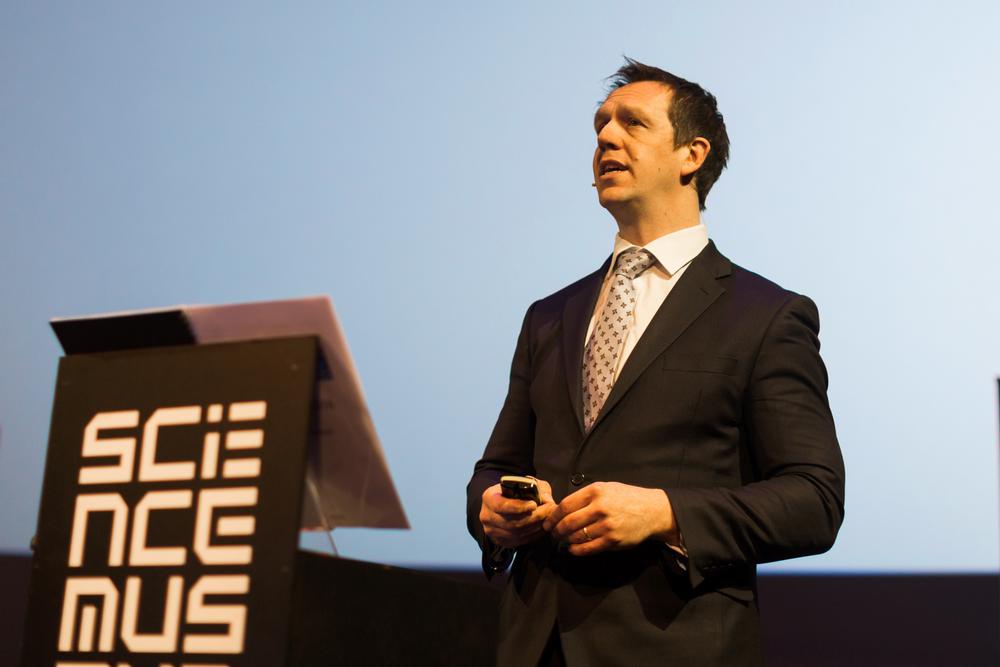
Do County Sports Partnerships still have a role to play in grassroots sport provision? ‘Yes’ says London Sport CEO Peter Fitzboydon, although they shouldn’t be responsible for the direct delivery of sport
From a personal perspective, I’m new to the County Sports Partnership (CSP) world, having been appointed as London Sport’s first chief executive around 18 months ago following the merger of London’s five CSPs.
This gave us the opportunity to start with a blank sheet of paper, with increased scale and political backing, allowing us to think bigger and better than before.
The ongoing appraisal of County Sports Partnerships presents the same blank sheet opportunity, with the potential prize of CSPs forging an impactful and valued remit in the new sporting world.
For that reason, the appraisal may have been better served by asking two slightly different (but connected) questions: what is needed by physical activity and sport at a local level; and how should CSPs be changed – if at all – to fit this remit? After all, form should follow function.
CSPs: the same title across the country, but very different animals. Therein lie strength and weakness. Indeed, the difference in scale and ambition in London means we don’t describe ourselves as a CSP.
This is not to malign the work done in other areas, but is a recognition that our merger created a different organisation with a different role. Adapting to local need is a vital pre-requisite for any CSP, but the resultant inconsistency and inability to speak about them in the same language limits the understanding of our potential.
I believe the local need is for better strategic coordination of the organisations delivering physical activity and sport.
For me, this precludes CSPs from being involved with direct delivery, as it’s difficult to give strategic leadership to organisations who perceive you as their competitor. The shift towards a more uniform strategic level nationally must be met with greater flexibility when it comes to the use of investment and – accordingly – more accountability for results.
The elephant in the room is around driving efficiencies in the network, which inevitably hints at consolidation. This is where I would emphasise the need for caution.
London Sport merged five organisations into one. While the results have been nothing short of great – immediately around £500k more into the ‘system’ each year through savings and increased investment, with increased range and quality of services on offer – the process did not happen without pain. Even more challenging was the stagnation in improvements while the feasibility of the merger was conducted and carried out.
This was undoubtedly the right solution for London, and Sport England showed admirable vision, leadership and determination, along with the Mayor of London’s team, to make it happen. But given the need to show immediate progress against the new government and Sport England strategies, full mergers may need to be off the agenda. Most of the financial savings can be gained by a softer approach. In London Sport’s experience, the efficiency savings were at the top and bottom of the organisation – through shared senior management and support services – the benefit of the formal merger was more around neatness and streamlined governance.
So, what’s the answer? Form should follow function, and in my book, for the new national strategies to be successful, there needs to be a network of local bodies making sure organisations – from different sectors – work together effectively.
Can CSPs fulfil this role effectively? Categorically yes, they can.
The perfect ingredients are all there with exceptional local knowledge, connections and experience. The missing ingredient is more ‘common DNA’ with a clear and consistent purpose across the country, increased accountability and flexibility on how to achieve it in each area. This would no doubt mean change in some areas, but as we’ve experienced in London, sometimes, change is good.
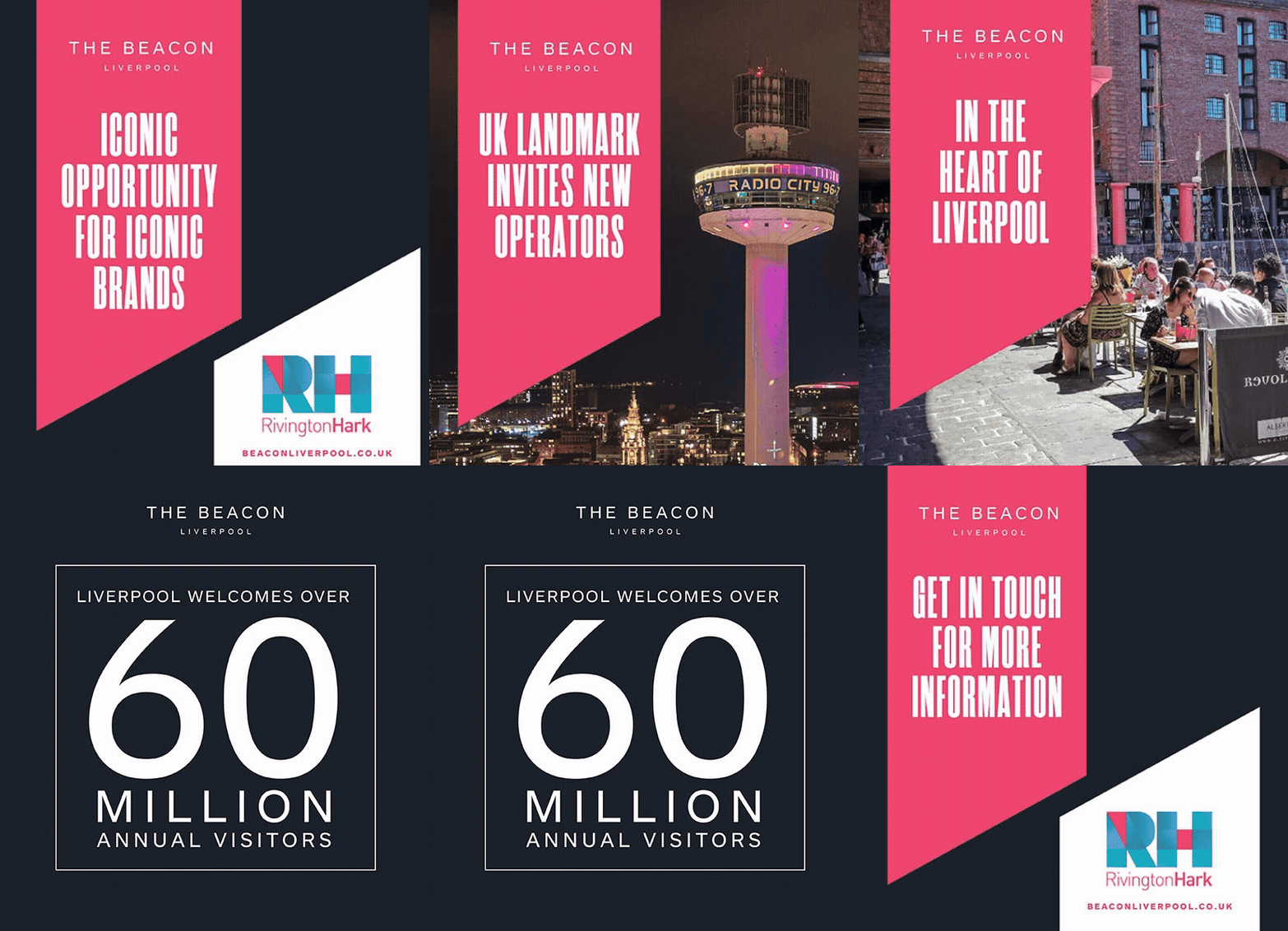
An opportunity to reimagine one of the UK’s most recognisable towers has been formally
opened by Rivington Hark, as St Johns Beacon invites operators and partners to shape its
next phase. [more...]
Do County Sports Partnerships still have a role to play in grassroots sport provision? ‘Yes’ says London Sport CEO Peter Fitzboydon, although they shouldn’t be responsible for the direct delivery of sport
From a personal perspective, I’m new to the County Sports Partnership (CSP) world, having been appointed as London Sport’s first chief executive around 18 months ago following the merger of London’s five CSPs.
This gave us the opportunity to start with a blank sheet of paper, with increased scale and political backing, allowing us to think bigger and better than before.
The ongoing appraisal of County Sports Partnerships presents the same blank sheet opportunity, with the potential prize of CSPs forging an impactful and valued remit in the new sporting world.
For that reason, the appraisal may have been better served by asking two slightly different (but connected) questions: what is needed by physical activity and sport at a local level; and how should CSPs be changed – if at all – to fit this remit? After all, form should follow function.
CSPs: the same title across the country, but very different animals. Therein lie strength and weakness. Indeed, the difference in scale and ambition in London means we don’t describe ourselves as a CSP.
This is not to malign the work done in other areas, but is a recognition that our merger created a different organisation with a different role. Adapting to local need is a vital pre-requisite for any CSP, but the resultant inconsistency and inability to speak about them in the same language limits the understanding of our potential.
I believe the local need is for better strategic coordination of the organisations delivering physical activity and sport.
For me, this precludes CSPs from being involved with direct delivery, as it’s difficult to give strategic leadership to organisations who perceive you as their competitor. The shift towards a more uniform strategic level nationally must be met with greater flexibility when it comes to the use of investment and – accordingly – more accountability for results.
The elephant in the room is around driving efficiencies in the network, which inevitably hints at consolidation. This is where I would emphasise the need for caution.
London Sport merged five organisations into one. While the results have been nothing short of great – immediately around £500k more into the ‘system’ each year through savings and increased investment, with increased range and quality of services on offer – the process did not happen without pain. Even more challenging was the stagnation in improvements while the feasibility of the merger was conducted and carried out.
This was undoubtedly the right solution for London, and Sport England showed admirable vision, leadership and determination, along with the Mayor of London’s team, to make it happen. But given the need to show immediate progress against the new government and Sport England strategies, full mergers may need to be off the agenda. Most of the financial savings can be gained by a softer approach. In London Sport’s experience, the efficiency savings were at the top and bottom of the organisation – through shared senior management and support services – the benefit of the formal merger was more around neatness and streamlined governance.
So, what’s the answer? Form should follow function, and in my book, for the new national strategies to be successful, there needs to be a network of local bodies making sure organisations – from different sectors – work together effectively.
Can CSPs fulfil this role effectively? Categorically yes, they can.
The perfect ingredients are all there with exceptional local knowledge, connections and experience. The missing ingredient is more ‘common DNA’ with a clear and consistent purpose across the country, increased accountability and flexibility on how to achieve it in each area. This would no doubt mean change in some areas, but as we’ve experienced in London, sometimes, change is good.
Hotel de France, located on the British Isle of Jersey, has created a wellness retreat package
that includes a hot yoga session that will take place in Jersey Zoo’s butterfly sanctuary.
A new immersive attraction designed to transport visitors into the final hours of ancient Pompeii
is preparing to open near the world-famous archaeological site in southern Italy.
Experience design company, BRC Imagination Arts, has completed a transition that sees founder
Bob Rogers pass ownership of the business to four long-serving senior executives, while
remaining actively involved with the company.
Movie Park Germany has opened a new Paramount Pictures-themed attraction as part of its 30th
anniversary celebrations, using immersive storytelling and adaptive reuse to reinforce the park’s
longstanding “Hollywood in Germany” positioning.
Therme Manchester’s 28-acre development, which will include interconnected glass pavilions
that measure 65,000sq m, will be the largest bathing and wellbeing attraction in the world once
complete, according to prof David Russell, CEO of Therme UK.
Efteling has opened Hooghmoed, a new family drop tower designed to broaden the appeal of its
recently launched Sirene Island themed area and introduce younger visitors to thrill attractions.
A proposed Puy du Fou development near Bicester and Universal Destinations and Experiences’
planned resort in Bedford are emerging as part of a wider transformation of the Oxford–
Cambridge Growth Corridor into a major centre for UK leisure and tourism inv
Shedd Aquarium has opened the Immersion Theater developed in partnership with SimEx-
Iwerks, as part of a wider strategy to enhance the guest experience and create additional
revenue opportunities.
The UK government has announced a temporary reduction in VAT on visitor attractions and
children’s meals as part of a summer cost-of-living support package designed to stimulate the
visitor economy and encourage family days out.
As designer Yinka Ilori prepares for his first solo gallery show in London, he speaks exclusively
to CLADmag about his mission to spread joy, the power of play, and his bold approach to using
colour (including the colours you won’t see in his work).
The government of Thailand is exploring plans for a THB300bn (£6.3bn, US$8.3bn)
entertainment complex in the country’s Eastern Economic Corridor (EEC), with officials
proposing a large-scale theme park and sports destination as part of a broader tourism and
economic development strategy.
+ More news
COMPANY PROFILES
IDEATTACK IDEATTACK is a full-service planning and
design company with headquarters in
Los Angeles. [more...]
Alterface Alterface’s Creative Division team is
seasoned in concept and ride development,
as well as storyte [more...]
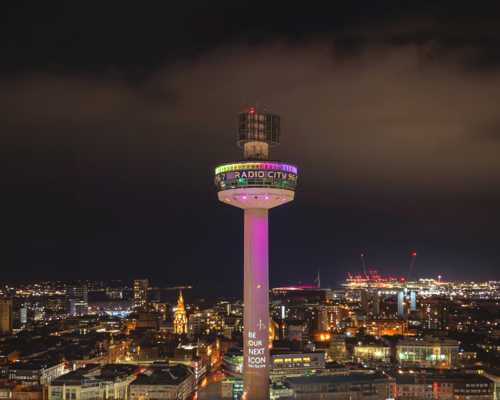
An opportunity to reimagine one of the UK’s most recognisable towers has been formally
opened by Rivington Hark, as St Johns Beacon invites operators and partners to shape its
next phase. [more...]