Despite local authorities struggling with budget cuts in recent years, there has been a steady stream of new swimming pools being opened. But are good design and quality environments being sacrificed, asks Mike Hall, sports partner at FaulknerBrowns Architects
By Mike Hall | Published in Sports Management 2014 issue 3
Of the many casualties of the recession, there is no doubt that the skill- and resource-base of local authority leisure departments have been severely affected.
Despite this, I was pleasantly surprised to see recent figures indicating that the number of new local authority swimming pools coming on stream has been steadily increasing over the last eight years, despite the recession. There were 14 new facilities completed last year, although there were steady declines in the education and commercial sectors.
These completed pools have been procured through a variety of frameworks and public/private sector initiatives. One of the key drivers, however, remains the desire for local authorities to reduce and, indeed, where possible, to remove the running cost deficit associated with leisure facilities from the books altogether. In the light of the diminished local authority skill base, there's a real concern that these facilities may become involved in a race to the bottom, without checks, balances and quality of thinking across all aspects of procurement and design.
Looking forward, we may see some of the skills and resource challenges being addressed by cities and regions aggregating the way new facilities are procured and bundling operational contracts into a larger critical mass with associated economies of scale. The quality of dialogue and debate across the continuum of design, build and operate is, however, still pretty poor. There also remain outdated preconceptions about the benefits good design can bring to the process.
Our collective goal as architects is to produce quality environments that engage people and encourage a healthy lifestyle. To achieve success, a strong social agenda needs to go hand in hand with efficiency, flexibility and cost-effectiveness.
One recent initiative is the resurrection of the RIBA Client Forum in the Sports and Leisure sector. The Royal Incorporation of Architects in Scotland set a strong example with an excellent sporting component to its recent annual conference. While the Client Forum has got off to a slow start, it's an opportunity to engage clients and designers with topical issues. It'd be good to see more of these sessions integrated into sports seminars, conferences and so on. There are reasons to be positive about the upward trend of new facilities. However, the debate on the level of design needs to move forward too.
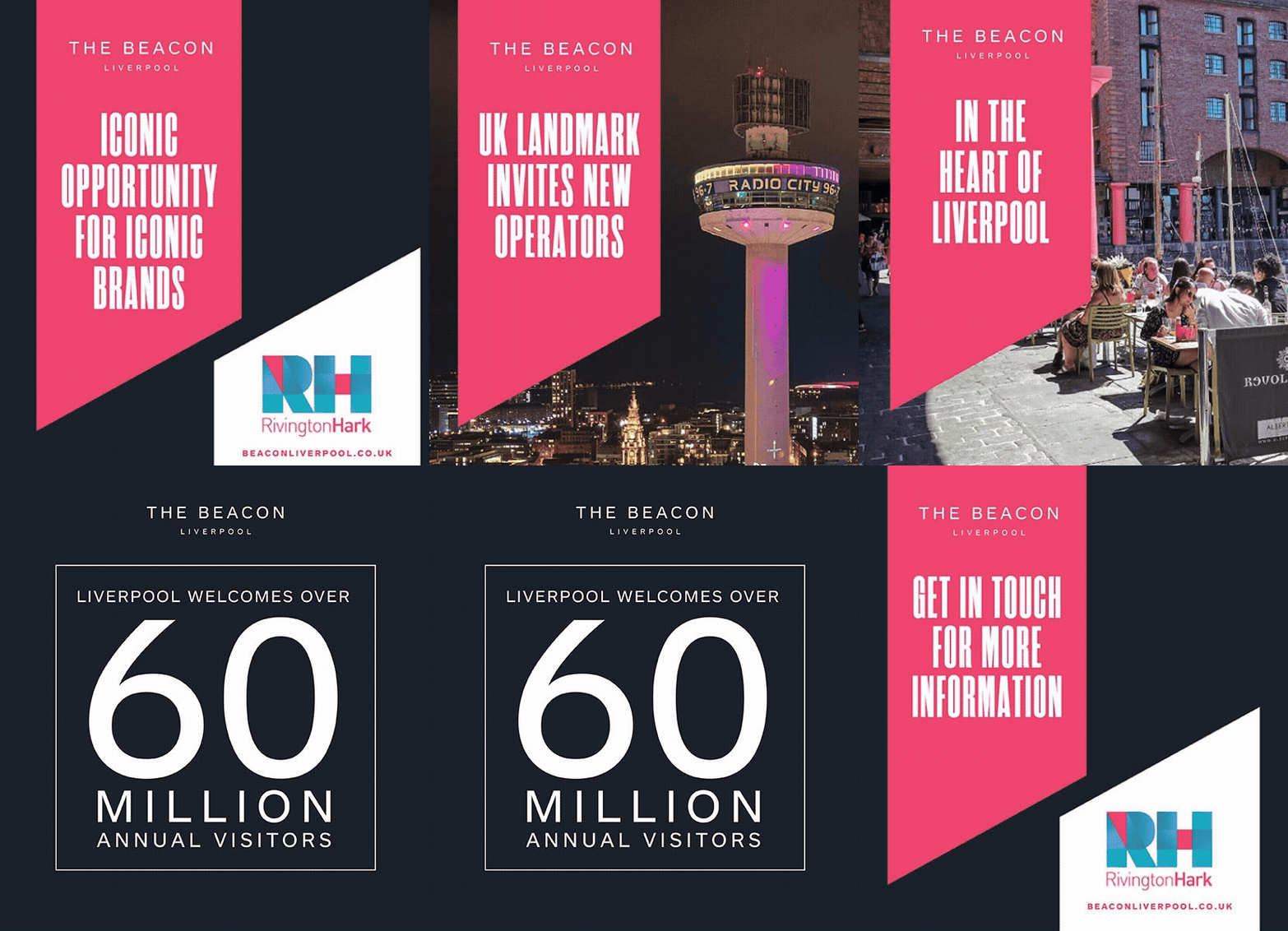
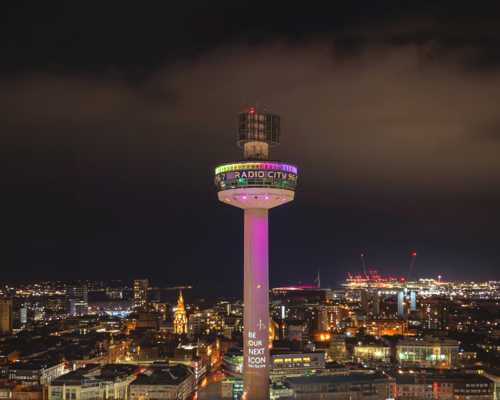
An opportunity to reimagine one of the UK’s most recognisable towers has been formally
opened by Rivington Hark, as St Johns Beacon invites operators and partners to shape its
next phase. [more...]
Despite local authorities struggling with budget cuts in recent years, there has been a steady stream of new swimming pools being opened. But are good design and quality environments being sacrificed, asks Mike Hall, sports partner at FaulknerBrowns Architects
By Mike Hall | Published in Sports Management 2014 issue 3
Of the many casualties of the recession, there is no doubt that the skill- and resource-base of local authority leisure departments have been severely affected.
Despite this, I was pleasantly surprised to see recent figures indicating that the number of new local authority swimming pools coming on stream has been steadily increasing over the last eight years, despite the recession. There were 14 new facilities completed last year, although there were steady declines in the education and commercial sectors.
These completed pools have been procured through a variety of frameworks and public/private sector initiatives. One of the key drivers, however, remains the desire for local authorities to reduce and, indeed, where possible, to remove the running cost deficit associated with leisure facilities from the books altogether. In the light of the diminished local authority skill base, there's a real concern that these facilities may become involved in a race to the bottom, without checks, balances and quality of thinking across all aspects of procurement and design.
Looking forward, we may see some of the skills and resource challenges being addressed by cities and regions aggregating the way new facilities are procured and bundling operational contracts into a larger critical mass with associated economies of scale. The quality of dialogue and debate across the continuum of design, build and operate is, however, still pretty poor. There also remain outdated preconceptions about the benefits good design can bring to the process.
Our collective goal as architects is to produce quality environments that engage people and encourage a healthy lifestyle. To achieve success, a strong social agenda needs to go hand in hand with efficiency, flexibility and cost-effectiveness.
One recent initiative is the resurrection of the RIBA Client Forum in the Sports and Leisure sector. The Royal Incorporation of Architects in Scotland set a strong example with an excellent sporting component to its recent annual conference. While the Client Forum has got off to a slow start, it's an opportunity to engage clients and designers with topical issues. It'd be good to see more of these sessions integrated into sports seminars, conferences and so on. There are reasons to be positive about the upward trend of new facilities. However, the debate on the level of design needs to move forward too.
A new immersive attraction designed to transport visitors into the final hours of ancient Pompeii
is preparing to open near the world-famous archaeological site in southern Italy.
Experience design company, BRC Imagination Arts, has completed a transition that sees founder
Bob Rogers pass ownership of the business to four long-serving senior executives, while
remaining actively involved with the company.
Movie Park Germany has opened a new Paramount Pictures-themed attraction as part of its 30th
anniversary celebrations, using immersive storytelling and adaptive reuse to reinforce the park’s
longstanding “Hollywood in Germany” positioning.
Therme Manchester’s 28-acre development, which will include interconnected glass pavilions
that measure 65,000sq m, will be the largest bathing and wellbeing attraction in the world once
complete, according to prof David Russell, CEO of Therme UK.
Efteling has opened Hooghmoed, a new family drop tower designed to broaden the appeal of its
recently launched Sirene Island themed area and introduce younger visitors to thrill attractions.
A proposed Puy du Fou development near Bicester and Universal Destinations and Experiences’
planned resort in Bedford are emerging as part of a wider transformation of the Oxford–
Cambridge Growth Corridor into a major centre for UK leisure and tourism inv
Shedd Aquarium has opened the Immersion Theater developed in partnership with SimEx-
Iwerks, as part of a wider strategy to enhance the guest experience and create additional
revenue opportunities.
The UK government has announced a temporary reduction in VAT on visitor attractions and
children’s meals as part of a summer cost-of-living support package designed to stimulate the
visitor economy and encourage family days out.
As designer Yinka Ilori prepares for his first solo gallery show in London, he speaks exclusively
to CLADmag about his mission to spread joy, the power of play, and his bold approach to using
colour (including the colours you won’t see in his work).
The government of Thailand is exploring plans for a THB300bn (£6.3bn, US$8.3bn)
entertainment complex in the country’s Eastern Economic Corridor (EEC), with officials
proposing a large-scale theme park and sports destination as part of a broader tourism and
economic development strategy.
An opportunity to reimagine one of the UK’s most recognisable towers has been formally
opened by Rivington Hark, as St Johns Beacon invites operators and partners to shape its
next phase. [more...]