At the sixth annual Green Spa Network Congress, 125 industry leaders came together to map out a planet-friendly spa of the future – Eco-spa 2020. Michael Stusser shares their vision
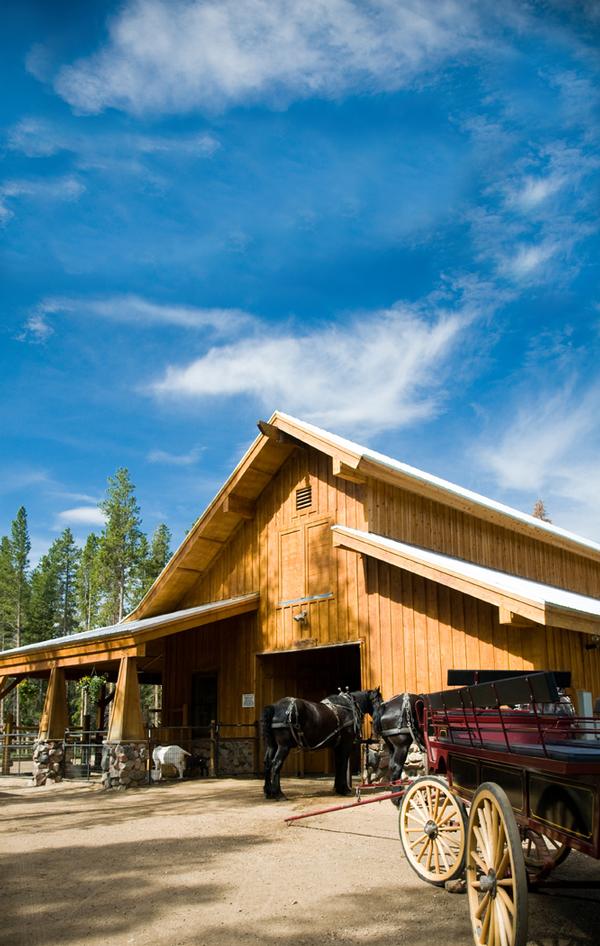
Last September, inside a recycled Civil War-era barn made with hand-hewn timbers and warmed by geothermal heating, 125 talented leaders from the worldwide spa industry gathered at Devil’s Thumb Ranch in Tabernash, Colorado. The LEED Silver-certified facility proved an ideal meeting ground for the sixth annual congress of the Green Spa Network (GSN). Situated in the Rocky Mountains, the dramatic site offered a compelling visual metaphor for the goals of congress: to create plans for an planet-friendly spa of the future – namely Eco-spa 2020.
The event was produced with significant support from sustainable carpet firm Interface, which provided speakers. It also worked alongside GSN board members Michael Bruggeman, from product house Organic Male, and Tara Grodjesk, of education and product company Tara Spa Therapy, to organise everything.
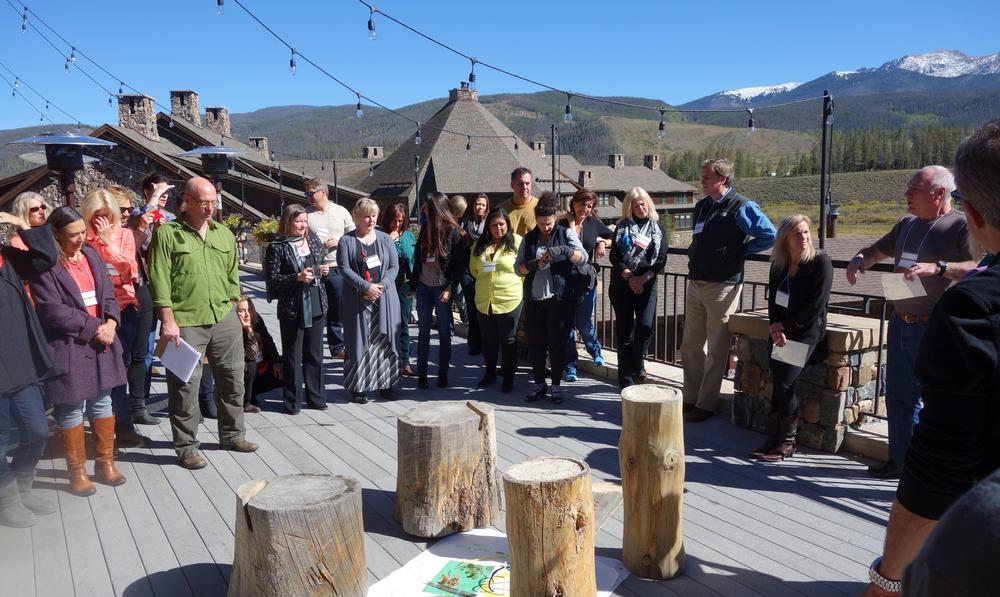
On the first morning, attendees were divided into ‘tribes’ of eight. Over the three days they worked together – both diligently and playfully – to design a new world of spa. Eco-spa 2020 evolved through extensive meetings between keynote speakers, themed lunch conversations and breakout sessions. Slowly, ideas about what future spas should stand for and offer emerged. Potential obstacles and issues they might face were also discussed.
Giving back This stimulating gathering of like-minded spa professionals generated a consensus about the importance of having a larger cause and ideas for giving back to the communities. Eco-spa 2020, they decided, should provide guests with a higher level of learning to encourage good health. Spas of the future could help people to effectively manage stress beyond the treatment room and provide a deeper level of understanding about good diet. They could also serve as shining examples of how water and energy conservation can be elegant without detracting from the spa experience.
Inspired by nature Biomimicry is a term used to explain the concept of innovation reflected in nature and a presentation by Bryony Schwan, executive director of the Biomimicry 3.8 Institute, provided inspiration for the Eco-spa 2020 concepts. Suggested designs were filled with examples of passive cooling and heating, natural light, solar heating and energy production and extensive recycling systems. Clearly, there’s a need for future spa designs to connect more with nature.
Water works As the work of the tribes deepened, common themes emerged, with water being a core issue. Every element of how water is obtained, treated and recycled or disposed of was examined.
Future spas should filter out chlorine which can dry out the skin and lead to many other health issues. Eliminating all plastic bottled water was a goal every spa, including those which are already open, should strive to achieve without delay.
Ideas for using water to enhance the spa experience were also explored. Eco-spa 2020 designs included systems which spray guests with negative ion mist to invigorate and enliven them, as well as alkaline drinking water which is believed to supercharge the immune system.
Get gardening Nearly universal to all future spa plans was a substantial, organic garden that could supply fresh, wholesome vegetables, fruits, herbs and flowers. An increasingly intimate connection with nature and a more profound understanding of the advantages to growing some of our own food will become an essential element of our future. Spas are optimal places to demonstrate and model how to tend the health of the soil and grow food. Why not host a weekly farmers’ market?
Eco-cleaning In a breakout session Patty Field, spa director at The Lodge at Sonoma Renaissance Resort & Spa in the US, presented findings from a four-week trial in which she replaced conventional cleaning products with e-cloth – a microfibre cloth designed to remove grease and dirt by just using water. Field discovered that the e-cloth performed better than conventional chemical-laden products and no paper towels were needed. It also involved less effort which led to a reduction in work hours. She estimated that it saved a remarkable US$400 (€288, £240) a month in total. In addition, staff were healthier (less coughing and asthma) because of the elimination of chemicals.
Root source The ingredients in beauty products were highlighted as a big cause for concern and something that will impact all new spas. In Europe, 1,300 ingredients used in personal care and beauty products have already been prohibited under the EU Cosmetics Directive because studies have shown them to be harmful. Meanwhile, in the US, the Code of Federal Regulations relating to cosmetics and personal care products (21 CFR parts 250-700) has banned or restricted 11 potentially harmful drugs. Operators down the line will be facing enormous changes in the products they offer and how they’re sourced.
Jody Villecco, quality standards coordinator for natural retailer Whole Foods shared details of her company’s strict standards on sourcing bodycare products that are high-grade, safe and that have minimal environmental impact.
In addition, Elizabeth Candelario, the co-director of sustainable farming association Demeter, gave insights on the difference between biodynamic and organic farming. She also talked tribes through her company’s eco-standards for personal care products.
Breathe easy Almost every Eco-spa 2020 proposal had an essential part of its offering dedicated to the importance of supporting people to slow down, become aware of their breath and to become fully mindful.
Numerous ideas were presented with regard to creating a meditative environment and providing a substantive meditative experience. The tribes felt that breath awareness and mindfulness practice in spas are an essential part of wellness and that clients should be encouraged to “let go of the story.”
Access all areas A prime area of concern was the expense and exclusivity of the high-end spa experiences in the industry. Future designs were set up to be more inclusive, to address the health needs of communities more directly and to offer affordable options.
Participants saw spas becoming more socially orientated venues with a welcome mat for families and their children. Floor plans featured a central social instead of an entrance area and reception desk: a comfortable environment to relax between, before or after treatments, or a place simply for soaking up healing energies. Spas didn’t have steps, instead they had an all-ramp design to make them more easily accessible to disabled users. Special reach-out programmes and access would be given to the underserved such as older adults and people with cancer.
New models for spas were envisioned such as: non-profit, co-ops of complementary practitioners offering community support; integration in hospitals, especially in rehab and cancer centres; and crisis centre alliances with services aligned to support, heal, and educate.
Customised services In several groups, a lively discussion focused on moving away from menu-based services to a offering tailored treatments according to a guest’s physical, emotional and spiritual needs. A saliva test was suggested as a means to determine pH and other markers. This could then be used to select the most suitable treatments to rebalance body chemistry.
Gut reaction John Dolliard, an ayurvedic practitioner from Boulder, Colorado, spoke about the emerging knowledge on the microbiome: the universe of bacteria that lives inside and on the surface of our body. It’s estimated that 40lb of body weight consists of bacteria. The major concentration is located in our gut, where 90 per cent of our serotonin is produced. We process stress in the digestive track – when we’re anxious or upset, for example, good bacteria die and other bacterial activities actually alter our genetic code. Microbiology affects neurotransmitters, which make us calm and determine what we think, see and feel.
As spas shift from being primarily indulgent places of escape into places of engagement, this kind of knowledge will become a foundation for supporting lasting transformations. As part of this change, the expansion of diet and nutrition programmes can include awareness of gut health and its connection to the brain and improved immunity.
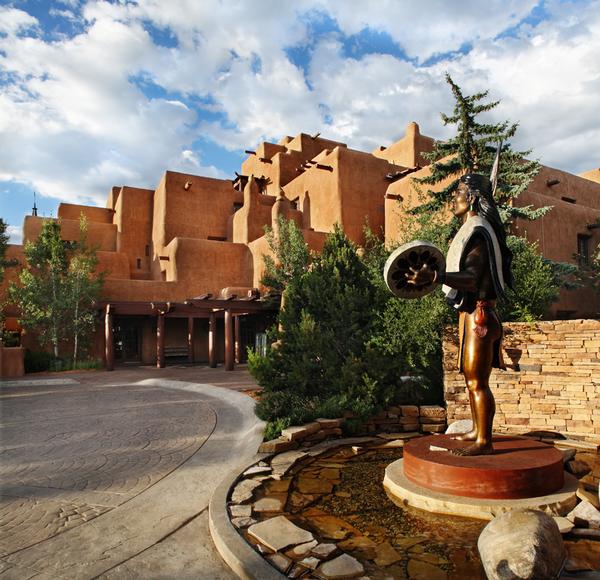
2014 congress The conference concluded on a high note, with hope for a more ecologically benevolent future. Plans are now in full swing for the 2014 GSN congress which will be held in New Mexico on 21-24 September.
GSN is a non-profit organisation. The people behind it are motivated by heart and because they care – about reaching and helping more people, about sustainability and about the very concept of spa.
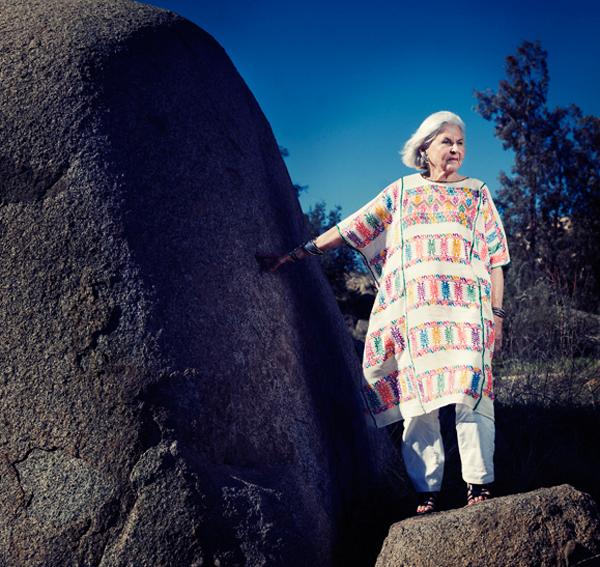
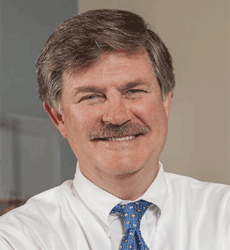
Szekely was recognised for her unwavering commitment to sustainability
ABOUT THE AUTHOR
Michael Stusser is a founding member of the Green Spa Network, which was formed in 2005 and now has 150 members worldwide. He’s also the founder of the eco-friendly Osmosis Day Spa Sanctuary in California, USA. email: [email protected] phone: +1 800 275 3045
Themes presented by the green spa leaders included biomimcry, organic gardening and using water to enhance the spa experience
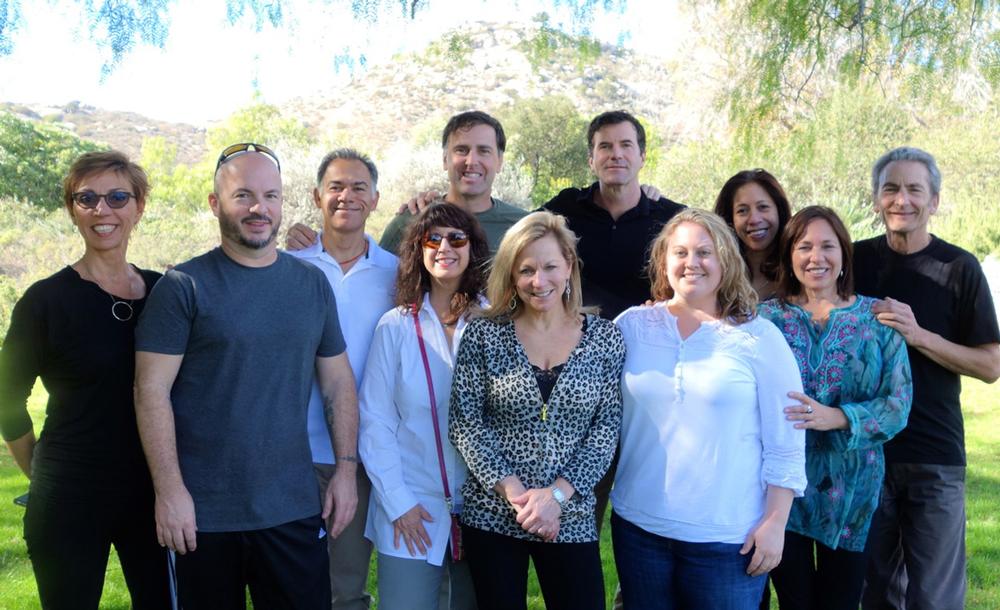
The Green Spa Network was formed in 2005 and now has more than 150 members around the world
Save the date: 22-24 September 2014
Green Spa Network Congress
Inn & Spa at Loretto,
Sante Fe, New Mexico
COMPANY PROFILES
Sally Corporation
Our services include: Dark ride design & build; Redevelopment of existing attractions; High-quality [more...]
Holovis
Holovis is a privately owned company
established in 2004 by CEO Stuart
Hetherington. [more...]
Painting With Light
By combining lighting, video, scenic and architectural elements, sound and special effects we tell s [more...]
An opportunity to reimagine one of the UK’s most recognisable towers has been formally
opened by Rivington Hark, as St Johns Beacon invites operators and partners to shape its
next phase. [more...]
At the sixth annual Green Spa Network Congress, 125 industry leaders came together to map out a planet-friendly spa of the future – Eco-spa 2020. Michael Stusser shares their vision
Last September, inside a recycled Civil War-era barn made with hand-hewn timbers and warmed by geothermal heating, 125 talented leaders from the worldwide spa industry gathered at Devil’s Thumb Ranch in Tabernash, Colorado. The LEED Silver-certified facility proved an ideal meeting ground for the sixth annual congress of the Green Spa Network (GSN). Situated in the Rocky Mountains, the dramatic site offered a compelling visual metaphor for the goals of congress: to create plans for an planet-friendly spa of the future – namely Eco-spa 2020.
The event was produced with significant support from sustainable carpet firm Interface, which provided speakers. It also worked alongside GSN board members Michael Bruggeman, from product house Organic Male, and Tara Grodjesk, of education and product company Tara Spa Therapy, to organise everything.
On the first morning, attendees were divided into ‘tribes’ of eight. Over the three days they worked together – both diligently and playfully – to design a new world of spa. Eco-spa 2020 evolved through extensive meetings between keynote speakers, themed lunch conversations and breakout sessions. Slowly, ideas about what future spas should stand for and offer emerged. Potential obstacles and issues they might face were also discussed.
Giving back This stimulating gathering of like-minded spa professionals generated a consensus about the importance of having a larger cause and ideas for giving back to the communities. Eco-spa 2020, they decided, should provide guests with a higher level of learning to encourage good health. Spas of the future could help people to effectively manage stress beyond the treatment room and provide a deeper level of understanding about good diet. They could also serve as shining examples of how water and energy conservation can be elegant without detracting from the spa experience.
Inspired by nature Biomimicry is a term used to explain the concept of innovation reflected in nature and a presentation by Bryony Schwan, executive director of the Biomimicry 3.8 Institute, provided inspiration for the Eco-spa 2020 concepts. Suggested designs were filled with examples of passive cooling and heating, natural light, solar heating and energy production and extensive recycling systems. Clearly, there’s a need for future spa designs to connect more with nature.
Water works As the work of the tribes deepened, common themes emerged, with water being a core issue. Every element of how water is obtained, treated and recycled or disposed of was examined.
Future spas should filter out chlorine which can dry out the skin and lead to many other health issues. Eliminating all plastic bottled water was a goal every spa, including those which are already open, should strive to achieve without delay.
Ideas for using water to enhance the spa experience were also explored. Eco-spa 2020 designs included systems which spray guests with negative ion mist to invigorate and enliven them, as well as alkaline drinking water which is believed to supercharge the immune system.
Get gardening Nearly universal to all future spa plans was a substantial, organic garden that could supply fresh, wholesome vegetables, fruits, herbs and flowers. An increasingly intimate connection with nature and a more profound understanding of the advantages to growing some of our own food will become an essential element of our future. Spas are optimal places to demonstrate and model how to tend the health of the soil and grow food. Why not host a weekly farmers’ market?
Eco-cleaning In a breakout session Patty Field, spa director at The Lodge at Sonoma Renaissance Resort & Spa in the US, presented findings from a four-week trial in which she replaced conventional cleaning products with e-cloth – a microfibre cloth designed to remove grease and dirt by just using water. Field discovered that the e-cloth performed better than conventional chemical-laden products and no paper towels were needed. It also involved less effort which led to a reduction in work hours. She estimated that it saved a remarkable US$400 (€288, £240) a month in total. In addition, staff were healthier (less coughing and asthma) because of the elimination of chemicals.
Root source The ingredients in beauty products were highlighted as a big cause for concern and something that will impact all new spas. In Europe, 1,300 ingredients used in personal care and beauty products have already been prohibited under the EU Cosmetics Directive because studies have shown them to be harmful. Meanwhile, in the US, the Code of Federal Regulations relating to cosmetics and personal care products (21 CFR parts 250-700) has banned or restricted 11 potentially harmful drugs. Operators down the line will be facing enormous changes in the products they offer and how they’re sourced.
Jody Villecco, quality standards coordinator for natural retailer Whole Foods shared details of her company’s strict standards on sourcing bodycare products that are high-grade, safe and that have minimal environmental impact.
In addition, Elizabeth Candelario, the co-director of sustainable farming association Demeter, gave insights on the difference between biodynamic and organic farming. She also talked tribes through her company’s eco-standards for personal care products.
Breathe easy Almost every Eco-spa 2020 proposal had an essential part of its offering dedicated to the importance of supporting people to slow down, become aware of their breath and to become fully mindful.
Numerous ideas were presented with regard to creating a meditative environment and providing a substantive meditative experience. The tribes felt that breath awareness and mindfulness practice in spas are an essential part of wellness and that clients should be encouraged to “let go of the story.”
Access all areas A prime area of concern was the expense and exclusivity of the high-end spa experiences in the industry. Future designs were set up to be more inclusive, to address the health needs of communities more directly and to offer affordable options.
Participants saw spas becoming more socially orientated venues with a welcome mat for families and their children. Floor plans featured a central social instead of an entrance area and reception desk: a comfortable environment to relax between, before or after treatments, or a place simply for soaking up healing energies. Spas didn’t have steps, instead they had an all-ramp design to make them more easily accessible to disabled users. Special reach-out programmes and access would be given to the underserved such as older adults and people with cancer.
New models for spas were envisioned such as: non-profit, co-ops of complementary practitioners offering community support; integration in hospitals, especially in rehab and cancer centres; and crisis centre alliances with services aligned to support, heal, and educate.
Customised services In several groups, a lively discussion focused on moving away from menu-based services to a offering tailored treatments according to a guest’s physical, emotional and spiritual needs. A saliva test was suggested as a means to determine pH and other markers. This could then be used to select the most suitable treatments to rebalance body chemistry.
Gut reaction John Dolliard, an ayurvedic practitioner from Boulder, Colorado, spoke about the emerging knowledge on the microbiome: the universe of bacteria that lives inside and on the surface of our body. It’s estimated that 40lb of body weight consists of bacteria. The major concentration is located in our gut, where 90 per cent of our serotonin is produced. We process stress in the digestive track – when we’re anxious or upset, for example, good bacteria die and other bacterial activities actually alter our genetic code. Microbiology affects neurotransmitters, which make us calm and determine what we think, see and feel.
As spas shift from being primarily indulgent places of escape into places of engagement, this kind of knowledge will become a foundation for supporting lasting transformations. As part of this change, the expansion of diet and nutrition programmes can include awareness of gut health and its connection to the brain and improved immunity.
2014 congress The conference concluded on a high note, with hope for a more ecologically benevolent future. Plans are now in full swing for the 2014 GSN congress which will be held in New Mexico on 21-24 September.
GSN is a non-profit organisation. The people behind it are motivated by heart and because they care – about reaching and helping more people, about sustainability and about the very concept of spa.
Szekely was recognised for her unwavering commitment to sustainability
ABOUT THE AUTHOR
Michael Stusser is a founding member of the Green Spa Network, which was formed in 2005 and now has 150 members worldwide. He’s also the founder of the eco-friendly Osmosis Day Spa Sanctuary in California, USA. email: [email protected] phone: +1 800 275 3045
Themes presented by the green spa leaders included biomimcry, organic gardening and using water to enhance the spa experience
The Green Spa Network was formed in 2005 and now has more than 150 members around the world
Save the date: 22-24 September 2014
Green Spa Network Congress
Inn & Spa at Loretto,
Sante Fe, New Mexico
Hotel de France, located on the British Isle of Jersey, has created a wellness retreat package
that includes a hot yoga session that will take place in Jersey Zoo’s butterfly sanctuary.
A new immersive attraction designed to transport visitors into the final hours of ancient Pompeii
is preparing to open near the world-famous archaeological site in southern Italy.
Experience design company, BRC Imagination Arts, has completed a transition that sees founder
Bob Rogers pass ownership of the business to four long-serving senior executives, while
remaining actively involved with the company.
Movie Park Germany has opened a new Paramount Pictures-themed attraction as part of its 30th
anniversary celebrations, using immersive storytelling and adaptive reuse to reinforce the park’s
longstanding “Hollywood in Germany” positioning.
Therme Manchester’s 28-acre development, which will include interconnected glass pavilions
that measure 65,000sq m, will be the largest bathing and wellbeing attraction in the world once
complete, according to prof David Russell, CEO of Therme UK.
Efteling has opened Hooghmoed, a new family drop tower designed to broaden the appeal of its
recently launched Sirene Island themed area and introduce younger visitors to thrill attractions.
A proposed Puy du Fou development near Bicester and Universal Destinations and Experiences’
planned resort in Bedford are emerging as part of a wider transformation of the Oxford–
Cambridge Growth Corridor into a major centre for UK leisure and tourism inv
Shedd Aquarium has opened the Immersion Theater developed in partnership with SimEx-
Iwerks, as part of a wider strategy to enhance the guest experience and create additional
revenue opportunities.
The UK government has announced a temporary reduction in VAT on visitor attractions and
children’s meals as part of a summer cost-of-living support package designed to stimulate the
visitor economy and encourage family days out.
As designer Yinka Ilori prepares for his first solo gallery show in London, he speaks exclusively
to CLADmag about his mission to spread joy, the power of play, and his bold approach to using
colour (including the colours you won’t see in his work).
The government of Thailand is exploring plans for a THB300bn (£6.3bn, US$8.3bn)
entertainment complex in the country’s Eastern Economic Corridor (EEC), with officials
proposing a large-scale theme park and sports destination as part of a broader tourism and
economic development strategy.
+ More news
COMPANY PROFILES
Sally Corporation Our services include: Dark ride design & build; Redevelopment of existing attractions; High-quality [more...]
Holovis Holovis is a privately owned company
established in 2004 by CEO Stuart
Hetherington. [more...]
Painting With Light By combining lighting, video, scenic and architectural elements, sound and special effects we tell s [more...]
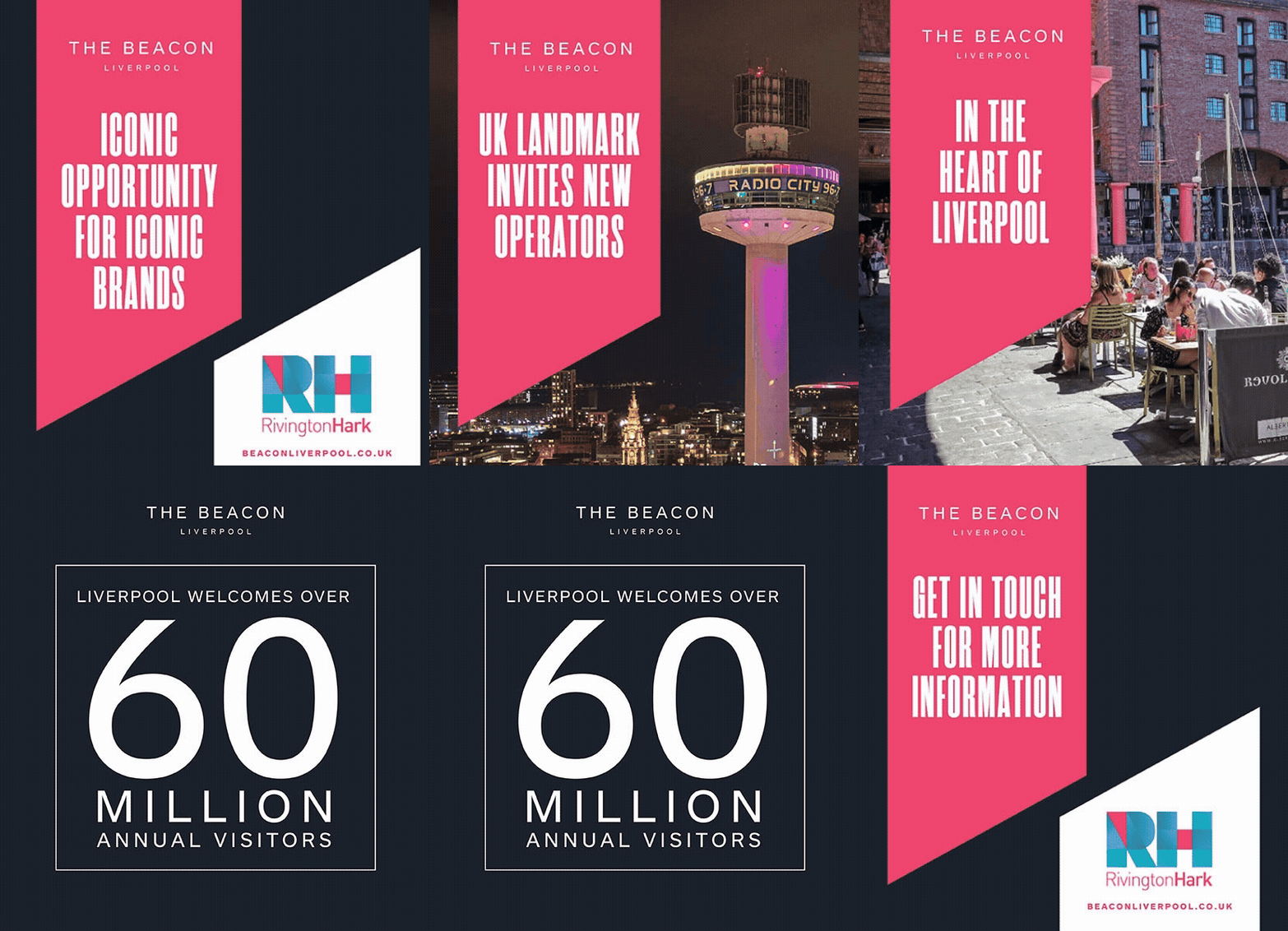
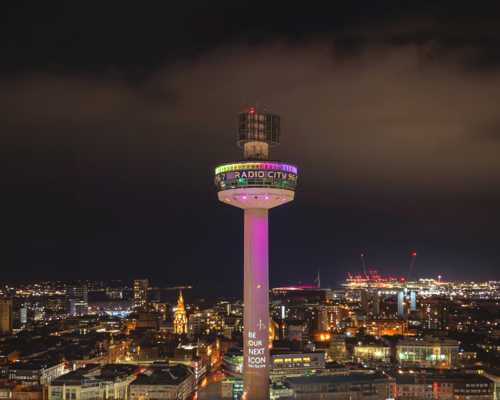
An opportunity to reimagine one of the UK’s most recognisable towers has been formally
opened by Rivington Hark, as St Johns Beacon invites operators and partners to shape its
next phase. [more...]