Is the American Medical Association’s decision to classify obesity as a disease the right one? If so, will this see more credit given to, and investment in, spa, wellness and fitness facilities that offer treatment packages and services?
By Kath Hudson | Published in Spa Business 2014 issue 2
Last June, the American Medical Association (AMA) voted to classify obesity as a disease in its own right, rather than simply the precursor to other illnesses such as cardiovascular disease and type 2 diabetes. This means nearly one in three Americans have a medical condition that requires treatment.
This new ‘disease’ classification means that people can seek help for obesity itself and also means that medical professionals will be remunerated for their time spent treating obesity.
According to a study by Duke University, treatment of obesity-related diseases costs US$150bn (€110bn, £90bn) a year in the US – a figure that’s expected to rise to US$550bn (€400bn, £330bn) in the next 20 years. Although the financial impact of lifestyle diseases has long been acknowledged, recognition of obesity as a disease could result in greater investment by government and the private sector to both develop and reimburse obesity treatments offered by wellness and spa practitioners as well as fitness facilities.
But could it also lead to a rush of drugs to market, over-prescribing, more surgical procedures and people handing over responsibility for their lifestyles to the medical profession?
Will this new classification mean a rise in status for the spa, wellness and fitness industry, with healthcare providers seeking to work more closely with them to prescribe exercise? Or will it take it further away, confining treatment to the medical sector? Might people increasingly expect the solution to come from a pill from the doctor rather than having to get active?
Obesity is certainly a complicated subject and significantly more research is needed to help with its treatment. A study by Memorial University in Newfoundland, for example, found that 5 per cent of the population could be addicted to food.
The UK’s National Institute for Healthcare and Excellence (NICE) declined to comment, but will other countries follow the AMA’s lead? We ask some experts.
Read more from this issue of Attractions Management magazine
View contents of Attractions Management 2014 issue 2
Letters: Letters
Why don't more spas participate in benchmarking schemes?
Interview: Andrew Gibson
The new VP of spa and wellness at FRHI tells Katie Barnes about his plans for spas in the Fairmont, Raffles and Swissôtel hotel chains
First person: Braving the Banya
Jak Phillips gets whacked with birch branches and endures two hours in an 80?C sauna – all in the name of wellness
Hotel spa: Green house
The family behind Ecover cleaning products invests in an idyllic hotel and spa set in the English countryside
Focus on: Gut restoration
The complex nervous system in our stomach is known as the second brain due to the impact it can have on everything from our mood to immunity. Julie Cramer investigates
Celebrity spa: Mane attraction
A passion for horses, wellness and business underpin the new US Salamander Resort & Spa that's owned by filmmaker Sheila C Johnson
Spa software: Operator case studies – part 2
Spa managers tell Kate Corney how they're using software to improve the performance of their businesses – from streamlining operations to keeping on top of revenue reports
Product focus: Private label
What companies offer white label skincare and products? And how can own-brand ranges benefit spas? Kate Corney finds out
“Recognising obesity as a disease will help change the way the medical community tackles this issue. It also elevates the importance of developing new approaches to prevent and manage obesity.
The AMA’s House of Delegates voted for this classification because we believe it will encourage parents and physicians to have candid conversations about their weight and other key health indicators like blood pressure and blood sugar.
Physicians previously had conversations with patients about treating obesity’s health complications, but this designation will help physicians to talk about obesity itself, as well as help them to decide on an appropriate course of action. While healthy eating and physical activity are important for preventing obesity, for some people this is not enough and medication or surgery is needed.
The excess body fat indicative of obesity doesn’t just take up space in the body – it’s metabolically active, producing hormones and other substances that may impair a number of normal body functions, including fertility and the regulation of appetite and metabolism. We’re hopeful this policy will emphasise the seriousness of obesity and its health implications. This classification may also encourage more investment to study and limit this disease.”
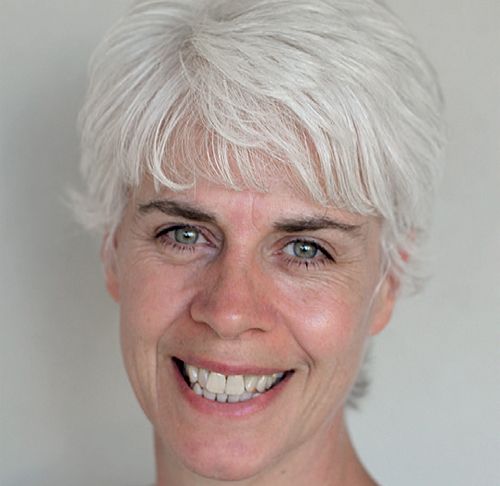
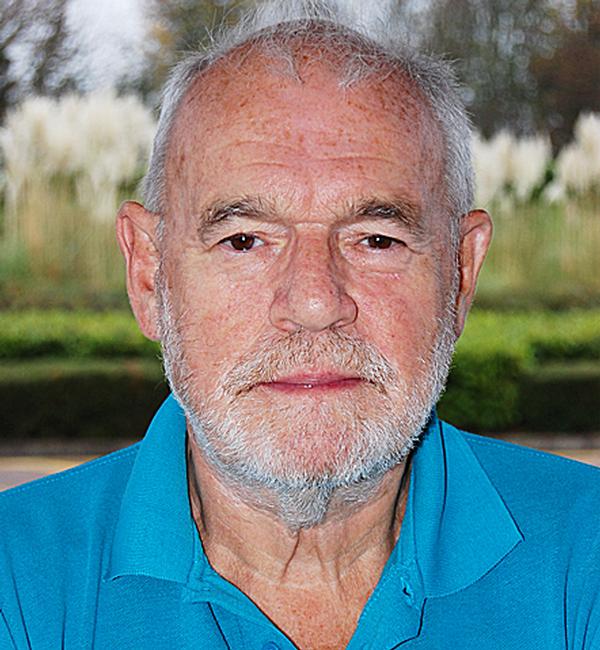
Dr Arya SharmaChair in obesity research & managementUniversity of Alberta
Dr Arya Sharma
“Obesity needs to be medicalised in order to help the millions of people who live with excess weight and the illnesses related to it.
Obesity is viewed by governments, healthcare professionals, media and individuals as being caused by laziness and over-consumption: a stigmatising, over-simplification of a complex health problem. If obesity is viewed as a disease, we can perhaps create a world where health professionals are remunerated for providing treatment services, where people with obesity can seek medical assistance with confidence and where public and private funders will prioritise the provision of obesity prevention, treatment resources and related research.
In many countries, however, fitness and wellness professionals are not licensed or members of organisations that ensure service standards and competencies. Medical training and residency or internship programmes in the health system are generally not part of their training. So, while I support the importance of exercise in weight management, the current training, licensing, regulation and professional standards of wellness and fitness professionals is a long way off from that of other regulated health professionals.”
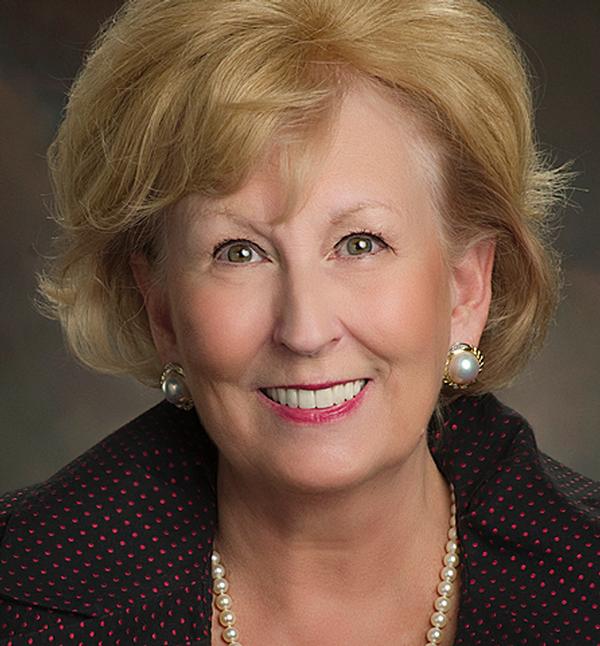
Dr Chris BeedieSenior lecturer,Aberystwyth University, UK
Dr Chris Beedie
“Classifying obesity as a disease could lead to more resources and push it up the agenda for policy makers.
However, the cons far outweigh the pros. This decision arguably reflects a trend towards the medicalisation of life. It’s not a disease: many people diagnosed as obese are actually healthy.
Worryingly, this reclassification throws the weight of responsibility onto the medical sector, potentially taking it away from individuals, parents, educators – including physical educators – and social policy makers. It puts the emphasis on treatment, not prevention, inevitably leading to expensive medical interventions to tackle what is a societal problem.
Humans are programmed to eat as much as we can and to move as little as possible. With technology and highly calorific food, current lifestyles are the perfect storm for obesity. This is what needs addressing.
I doubt this reclassification will mean a boost for the wellness, spa and fitness sector. It could mean the opposite, with treatment – not prevention – becoming the emphasis and medicine taking de facto responsibility for that treatment. The sectors have to better evidence their effectiveness in obesity prevention and management to compete with medicine in this context.”
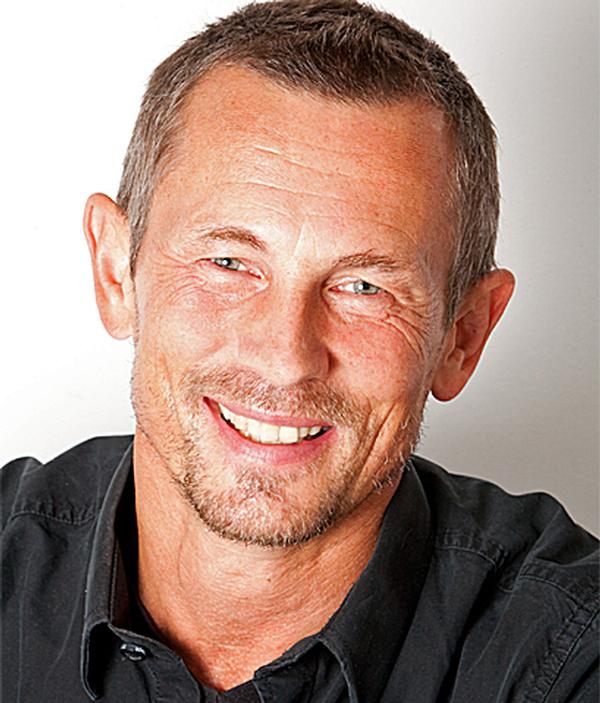
Tam FryHonorary chairChild Growth Foundation
Tam Fry
“Obesity should be classified as a disease – a condition to be treated and not simply dismissed by the medical profession as a problem for parents or individuals. Unrecognised, obesity may quickly trigger more serious conditions which are more costly to treat.
Should the UK follow the lead of the US and classify obesity as a disease, I would hope that more funds would be triggered for preventive measures, especially in primary care, which is currently woefully underfunded.
In my opinion, any further funding should not be directed into the wellness and fitness industry, which is a sophisticated business sector that can look after itself. The fitness industry, in particular, suggests to people that it will provide a quick fix to lose weight. Actually, all people need in order to exercise is a good pair of shoes to go walking. As for kids, they just need space to run around.
What’s more, exercise isn’t the only element that’s needed to stop the development of obesity – eating good, nutritious food is key too and even before that it’s about coaching people on how to maintain a healthy lifestyle. This is particularly important very early on in life as it’s been found that the first 1,000 days of a child’s life is crucial in preventing obesity later on.”
COMPANY PROFILES
instantprint
We’re a Yorkshire-based online printer, founded
in 2009 by Adam Carnell and James Kinsella. [more...]
Clip 'n Climb
Clip ‘n Climb currently offers facility owners and
investors more than 40 colourful and unique
Cha [more...]
Alterface
Alterface’s Creative Division team is
seasoned in concept and ride development,
as well as storyte [more...]
Painting With Light
By combining lighting, video, scenic and architectural elements, sound and special effects we tell s [more...]
An opportunity to reimagine one of the UK’s most recognisable towers has been formally
opened by Rivington Hark, as St Johns Beacon invites operators and partners to shape its
next phase. [more...]
Is the American Medical Association’s decision to classify obesity as a disease the right one? If so, will this see more credit given to, and investment in, spa, wellness and fitness facilities that offer treatment packages and services?
By Kath Hudson | Published in Spa Business 2014 issue 2
Last June, the American Medical Association (AMA) voted to classify obesity as a disease in its own right, rather than simply the precursor to other illnesses such as cardiovascular disease and type 2 diabetes. This means nearly one in three Americans have a medical condition that requires treatment.
This new ‘disease’ classification means that people can seek help for obesity itself and also means that medical professionals will be remunerated for their time spent treating obesity.
According to a study by Duke University, treatment of obesity-related diseases costs US$150bn (€110bn, £90bn) a year in the US – a figure that’s expected to rise to US$550bn (€400bn, £330bn) in the next 20 years. Although the financial impact of lifestyle diseases has long been acknowledged, recognition of obesity as a disease could result in greater investment by government and the private sector to both develop and reimburse obesity treatments offered by wellness and spa practitioners as well as fitness facilities.
But could it also lead to a rush of drugs to market, over-prescribing, more surgical procedures and people handing over responsibility for their lifestyles to the medical profession?
Will this new classification mean a rise in status for the spa, wellness and fitness industry, with healthcare providers seeking to work more closely with them to prescribe exercise? Or will it take it further away, confining treatment to the medical sector? Might people increasingly expect the solution to come from a pill from the doctor rather than having to get active?
Obesity is certainly a complicated subject and significantly more research is needed to help with its treatment. A study by Memorial University in Newfoundland, for example, found that 5 per cent of the population could be addicted to food.
The UK’s National Institute for Healthcare and Excellence (NICE) declined to comment, but will other countries follow the AMA’s lead? We ask some experts.
Read more from this issue of Attractions Management magazine
View contents of Attractions Management 2014 issue 2
Letters: Letters
Why don't more spas participate in benchmarking schemes?
Interview: Andrew Gibson
The new VP of spa and wellness at FRHI tells Katie Barnes about his plans for spas in the Fairmont, Raffles and Swissôtel hotel chains
First person: Braving the Banya
Jak Phillips gets whacked with birch branches and endures two hours in an 80?C sauna – all in the name of wellness
Hotel spa: Green house
The family behind Ecover cleaning products invests in an idyllic hotel and spa set in the English countryside
Focus on: Gut restoration
The complex nervous system in our stomach is known as the second brain due to the impact it can have on everything from our mood to immunity. Julie Cramer investigates
Celebrity spa: Mane attraction
A passion for horses, wellness and business underpin the new US Salamander Resort & Spa that's owned by filmmaker Sheila C Johnson
Spa software: Operator case studies – part 2
Spa managers tell Kate Corney how they're using software to improve the performance of their businesses – from streamlining operations to keeping on top of revenue reports
Product focus: Private label
What companies offer white label skincare and products? And how can own-brand ranges benefit spas? Kate Corney finds out
“Recognising obesity as a disease will help change the way the medical community tackles this issue. It also elevates the importance of developing new approaches to prevent and manage obesity.
The AMA’s House of Delegates voted for this classification because we believe it will encourage parents and physicians to have candid conversations about their weight and other key health indicators like blood pressure and blood sugar.
Physicians previously had conversations with patients about treating obesity’s health complications, but this designation will help physicians to talk about obesity itself, as well as help them to decide on an appropriate course of action. While healthy eating and physical activity are important for preventing obesity, for some people this is not enough and medication or surgery is needed.
The excess body fat indicative of obesity doesn’t just take up space in the body – it’s metabolically active, producing hormones and other substances that may impair a number of normal body functions, including fertility and the regulation of appetite and metabolism. We’re hopeful this policy will emphasise the seriousness of obesity and its health implications. This classification may also encourage more investment to study and limit this disease.”
Dr Arya SharmaChair in obesity research & managementUniversity of Alberta
Dr Arya Sharma
“Obesity needs to be medicalised in order to help the millions of people who live with excess weight and the illnesses related to it.
Obesity is viewed by governments, healthcare professionals, media and individuals as being caused by laziness and over-consumption: a stigmatising, over-simplification of a complex health problem. If obesity is viewed as a disease, we can perhaps create a world where health professionals are remunerated for providing treatment services, where people with obesity can seek medical assistance with confidence and where public and private funders will prioritise the provision of obesity prevention, treatment resources and related research.
In many countries, however, fitness and wellness professionals are not licensed or members of organisations that ensure service standards and competencies. Medical training and residency or internship programmes in the health system are generally not part of their training. So, while I support the importance of exercise in weight management, the current training, licensing, regulation and professional standards of wellness and fitness professionals is a long way off from that of other regulated health professionals.”
Dr Chris BeedieSenior lecturer,Aberystwyth University, UK
Dr Chris Beedie
“Classifying obesity as a disease could lead to more resources and push it up the agenda for policy makers.
However, the cons far outweigh the pros. This decision arguably reflects a trend towards the medicalisation of life. It’s not a disease: many people diagnosed as obese are actually healthy.
Worryingly, this reclassification throws the weight of responsibility onto the medical sector, potentially taking it away from individuals, parents, educators – including physical educators – and social policy makers. It puts the emphasis on treatment, not prevention, inevitably leading to expensive medical interventions to tackle what is a societal problem.
Humans are programmed to eat as much as we can and to move as little as possible. With technology and highly calorific food, current lifestyles are the perfect storm for obesity. This is what needs addressing.
I doubt this reclassification will mean a boost for the wellness, spa and fitness sector. It could mean the opposite, with treatment – not prevention – becoming the emphasis and medicine taking de facto responsibility for that treatment. The sectors have to better evidence their effectiveness in obesity prevention and management to compete with medicine in this context.”
Tam FryHonorary chairChild Growth Foundation
Tam Fry
“Obesity should be classified as a disease – a condition to be treated and not simply dismissed by the medical profession as a problem for parents or individuals. Unrecognised, obesity may quickly trigger more serious conditions which are more costly to treat.
Should the UK follow the lead of the US and classify obesity as a disease, I would hope that more funds would be triggered for preventive measures, especially in primary care, which is currently woefully underfunded.
In my opinion, any further funding should not be directed into the wellness and fitness industry, which is a sophisticated business sector that can look after itself. The fitness industry, in particular, suggests to people that it will provide a quick fix to lose weight. Actually, all people need in order to exercise is a good pair of shoes to go walking. As for kids, they just need space to run around.
What’s more, exercise isn’t the only element that’s needed to stop the development of obesity – eating good, nutritious food is key too and even before that it’s about coaching people on how to maintain a healthy lifestyle. This is particularly important very early on in life as it’s been found that the first 1,000 days of a child’s life is crucial in preventing obesity later on.”
Hotel de France, located on the British Isle of Jersey, has created a wellness retreat package
that includes a hot yoga session that will take place in Jersey Zoo’s butterfly sanctuary.
A new immersive attraction designed to transport visitors into the final hours of ancient Pompeii
is preparing to open near the world-famous archaeological site in southern Italy.
Experience design company, BRC Imagination Arts, has completed a transition that sees founder
Bob Rogers pass ownership of the business to four long-serving senior executives, while
remaining actively involved with the company.
Movie Park Germany has opened a new Paramount Pictures-themed attraction as part of its 30th
anniversary celebrations, using immersive storytelling and adaptive reuse to reinforce the park’s
longstanding “Hollywood in Germany” positioning.
Therme Manchester’s 28-acre development, which will include interconnected glass pavilions
that measure 65,000sq m, will be the largest bathing and wellbeing attraction in the world once
complete, according to prof David Russell, CEO of Therme UK.
Efteling has opened Hooghmoed, a new family drop tower designed to broaden the appeal of its
recently launched Sirene Island themed area and introduce younger visitors to thrill attractions.
A proposed Puy du Fou development near Bicester and Universal Destinations and Experiences’
planned resort in Bedford are emerging as part of a wider transformation of the Oxford–
Cambridge Growth Corridor into a major centre for UK leisure and tourism inv
Shedd Aquarium has opened the Immersion Theater developed in partnership with SimEx-
Iwerks, as part of a wider strategy to enhance the guest experience and create additional
revenue opportunities.
The UK government has announced a temporary reduction in VAT on visitor attractions and
children’s meals as part of a summer cost-of-living support package designed to stimulate the
visitor economy and encourage family days out.
As designer Yinka Ilori prepares for his first solo gallery show in London, he speaks exclusively
to CLADmag about his mission to spread joy, the power of play, and his bold approach to using
colour (including the colours you won’t see in his work).
The government of Thailand is exploring plans for a THB300bn (£6.3bn, US$8.3bn)
entertainment complex in the country’s Eastern Economic Corridor (EEC), with officials
proposing a large-scale theme park and sports destination as part of a broader tourism and
economic development strategy.
+ More news
COMPANY PROFILES
instantprint We’re a Yorkshire-based online printer, founded
in 2009 by Adam Carnell and James Kinsella. [more...]
Clip 'n Climb Clip ‘n Climb currently offers facility owners and
investors more than 40 colourful and unique
Cha [more...]
Alterface Alterface’s Creative Division team is
seasoned in concept and ride development,
as well as storyte [more...]
Painting With Light By combining lighting, video, scenic and architectural elements, sound and special effects we tell s [more...]
An opportunity to reimagine one of the UK’s most recognisable towers has been formally
opened by Rivington Hark, as St Johns Beacon invites operators and partners to shape its
next phase. [more...]