From gas injections to cryotherapy and smoke saunas – treatments based on natural
resources underpin wellness tourism in central and eastern Europe. As interest in this region
gathers pace, Sophie Benge begins a series looking at how different elements are used
By Sophie Benge | Published in Spa Business 2014 issue 2
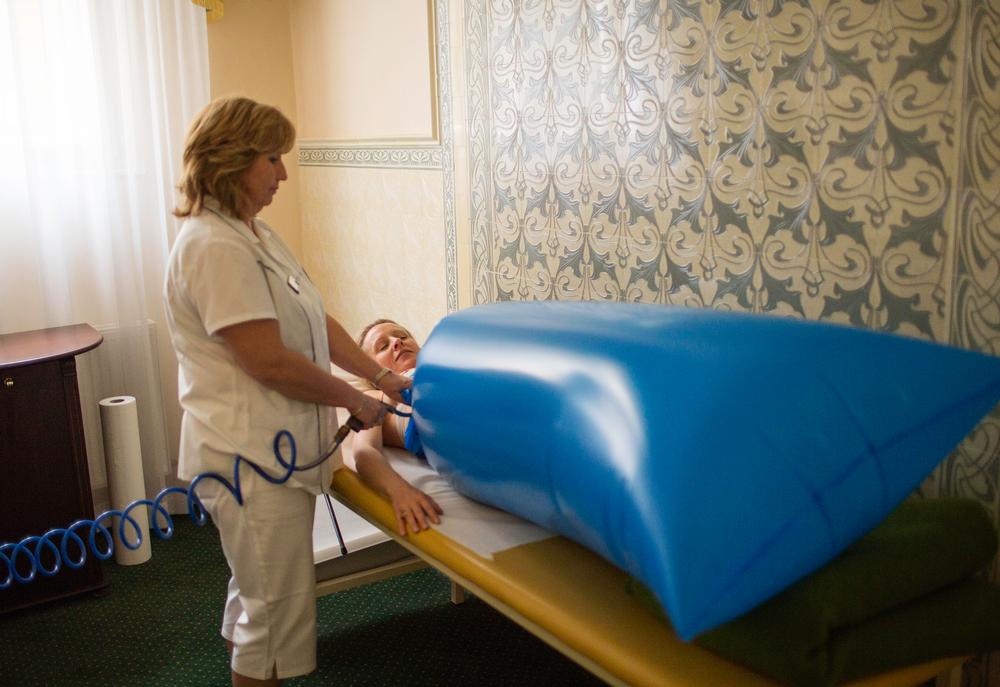
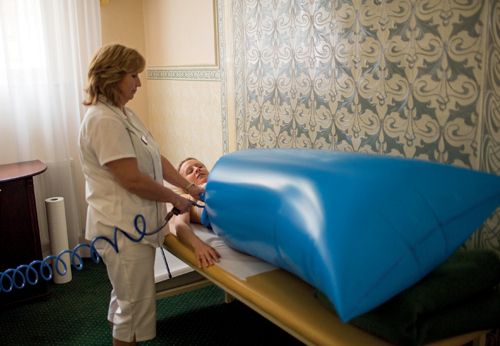
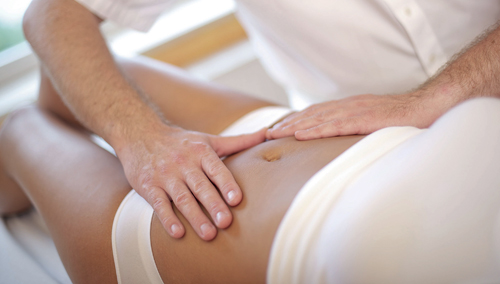
Dry CO2 gas baths are used to stimulate blood flow in the lower limbs
Central and eastern Europe, from Estonia in the north to Ukraine in the south, is blessed with a rich well of natural resources. Mineral water, mud, salt, herbs, heat and gases have been an integral part of cultural tradition as much as they’ve been the mainstay of healthcare for more than three centuries.
At the same time, wellness tourism is gaining traction and Europe is leading the way. In March, the Global Wellness Tourism Congress (GWTC) announced that Europe ranks number one in the world for wellness tourism with its 203 million annual trips and number two for expenditures, accounting for US$158.4bn (€114.3, £95.2) annually. “Europeans are the most sophisticated, experienced wellness- and prevention-focused travellers on the planet,” says GWTC chair and CEO Susie Ellis. “They not only take frequent trips in their own countries and across Europe, they’re also pegged as the largest source market for international wellness travel.”
It’s a good time, therefore, to focus more specifically on the natural resource lexicon in this part of Europe, starting with, perhaps the most idiosyncratic – gases. Broadly, gas in this context refers to naturally-occurring carbon dioxide (CO2) that’s generally administered to ease pain and boost blood circulation. It can also refer to nitrogen gas, which is used in cryotherapy, or simply the movement of intensely hot air, which is at the heart of traditional sauna experiences.
It’s important to remember that while some of these gas therapies may sound unusual, they came about only after meticulous study by scientists and chemists during the 18th and 19th centuries.
Carbon dioxide Naturally-occurring carbon dioxide gas features prominently in the traditional spa treatments of the Czech Republic and Transylvania in Romania. In the spa town of Mariánské Lázn? (formerly known as Marienbad) in the Czech Republic, gas of volcanic origin, containing 99.7 per cent CO2, seeps out of the ground. It’s prevalent in the local mineral spring water and is harnessed for use in a number of therapies that boost blood circulation for an anti-inflammatory effect.
CO2 is also used in ‘dry gas bath’ treatments, where concentrated amounts of it are pumped into plastic bags around the body (see above) working directly on skin receptors to affect vasodilation. The improved blood flow accelerates wound healing and stimulates kidney activity. A very particular benefit is the stimulation in the production of sex hormones: testosterone and oestradiol, a type of oestrogen produced in the ovaries. Thus it’s successfully used to reverse gynaecological problems and sexual dysfunction and to relieve menopause symptoms.
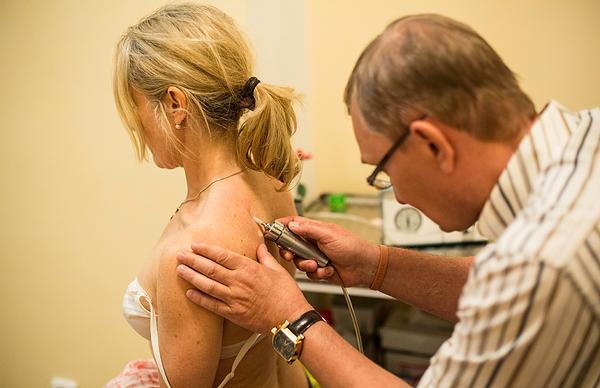
CO2 is also prescribed to be delivered by hypodermic injection into the muscles of the back (see p46). The principle effect is pain reduction, because when CO2 is received through the skin, it causes the blood vessels to relax and allows blood to flow more quickly around the body.
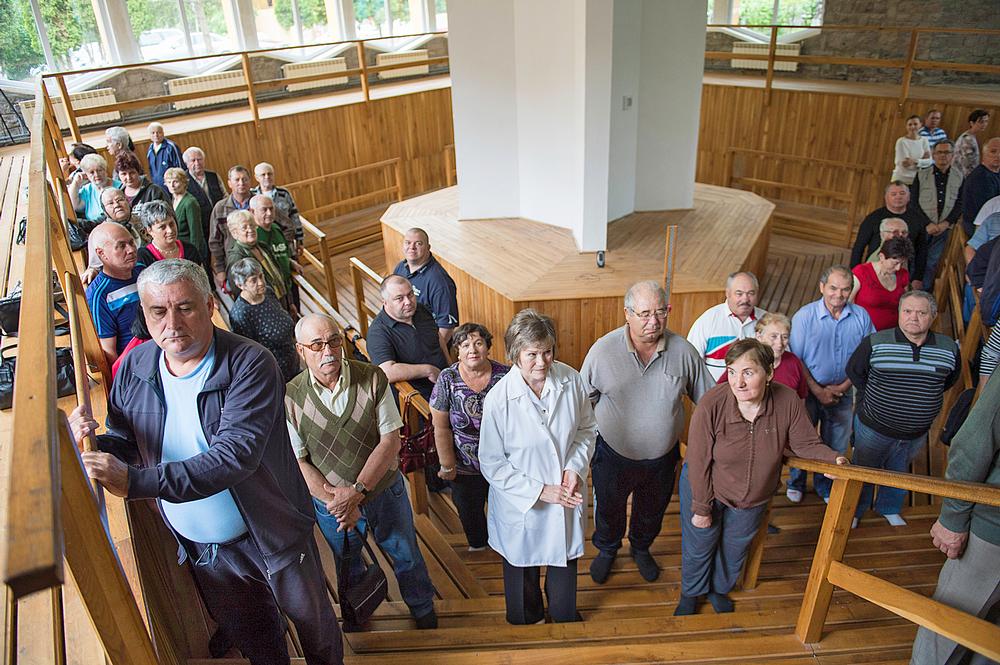
In Transylvania, CO2 is administered in another form to treat patients with hypertension and related heart disorders. At the Dr Benedek Ge’za Cardiovascular Rehabilitation Hospital in Covasna, the state pays for the treatment of 14,000 people a year. Here patients stand, fully clothed and en masse in a wooden amphitheatre in which air with a 96 per cent concentration of CO2 escapes from the underlying fissures in the rock. This sort of exposure also causes the blood vessels to relax and encourages a greater flow of oxygen around the body, as well as increasing blood flow to the heart.
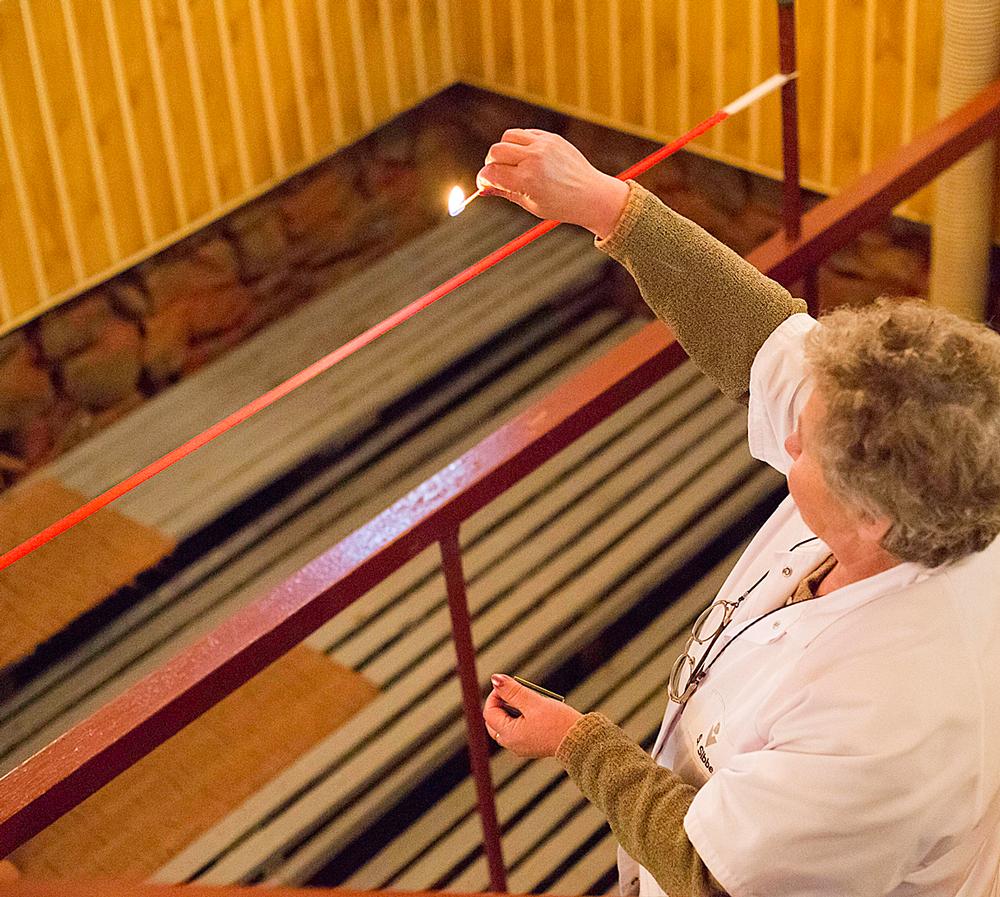
Carbon dioxide is denser than air, which means it doesn’t rise above a certain height. However, to be sure, conditions in the pit are still carefully monitored – with a lit flame that goes out if there’s not enough oxygen – to ensure that CO2 is not the main gas that’s inhaled.
These particular treatments in Transylvania are officially known as mofetta. The sessions are restricted to 20 minutes, after which mild breathlessness sets in. For heart healthy patients in the region, mofetta is colloquially known as natural viagra because of how CO2 stimulates the sex hormones. Increased blood flow is also felt most strongly in the pelvic region where there are a large number of smaller blood vessels.
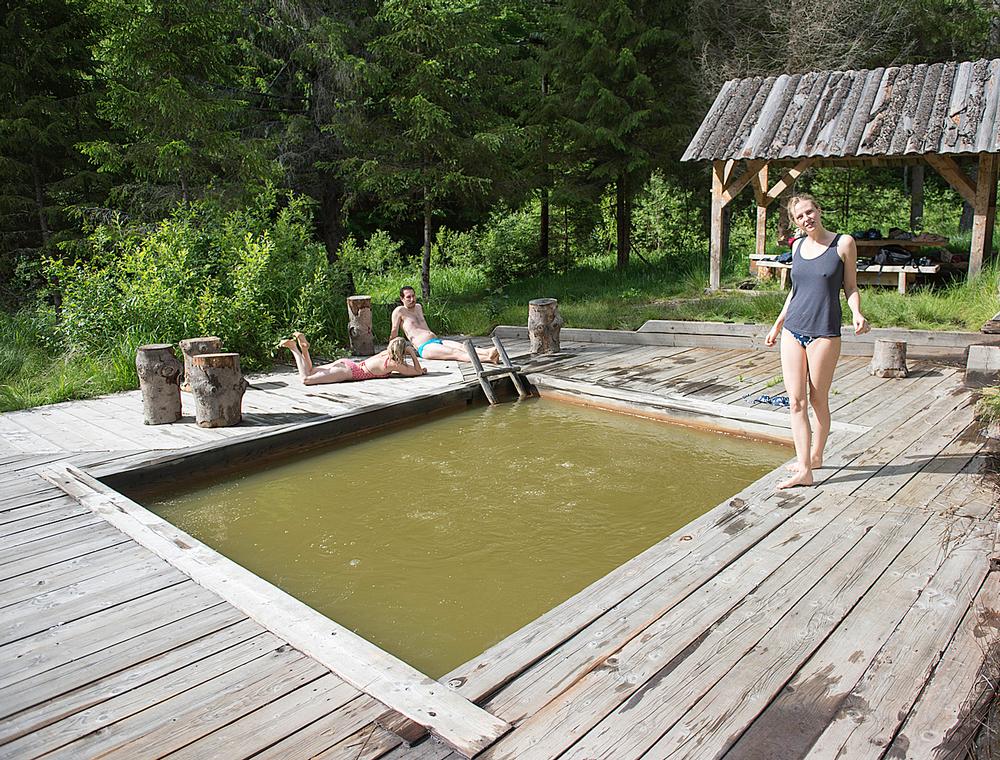
Mofetta is also a term used to describe the many natural pools, bubbling with carbon dioxide, that are free for use in the Transylvanian countryside. Families and friends spend summer days picnicking around them and swimming in them.
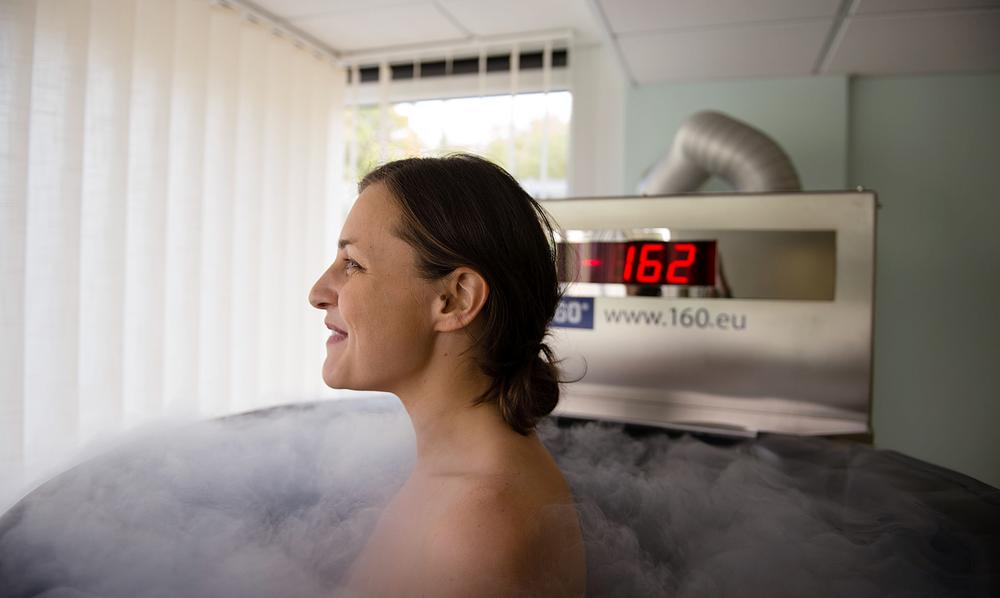
Cryotherapy Cryotherapy is the medical use of nitrogen gas at very low temperatures – selected because it has the ability to reach -160?C.
There are several types of cryotherapy. Whole body cryotherapy is known for treating a range of ailments – professional tennis players have cryotherapy on-site at grand slams to help muscle function, for example, while in central and eastern Europe, it’s used for general health purposes.
The other method of using cryotherapy is to treat benign and malignant tumours.
Whole body cryotherapy involves standing in a chamber filled with nitrogen gas for up to three minutes. Cooling the body to such an extreme for short periods of time subsequently boosts blood circulation, which speeds up metabolic processes. This, in turn, helps with the elimination of toxins.
As a reaction to the cold, the body also starts to produce more endorphins and corticosteroids which have an analgesic and regenerative effect, easing pain and inflammation and boosting both the immune system and mood. As a result, whole body cryotherapy has beneficial effects on many conditions: rheumatic, neurological, inflammatory, metabolic and degenerative.
Smoke saunas and pirts As well as playing a central role in living well, natural resources in central and eastern Europe are a primary motivation for social recreation. This is particularly the case with the smoke sauna culture in Estonia and the pirts in Lativa – two national variations of the Russian sauna or banya (see p50).
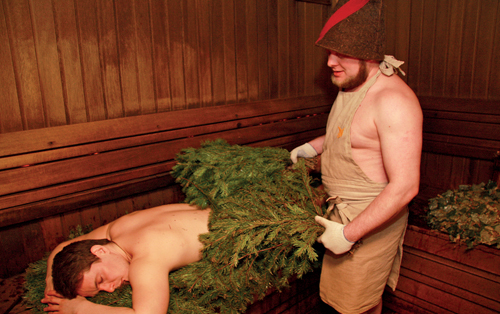
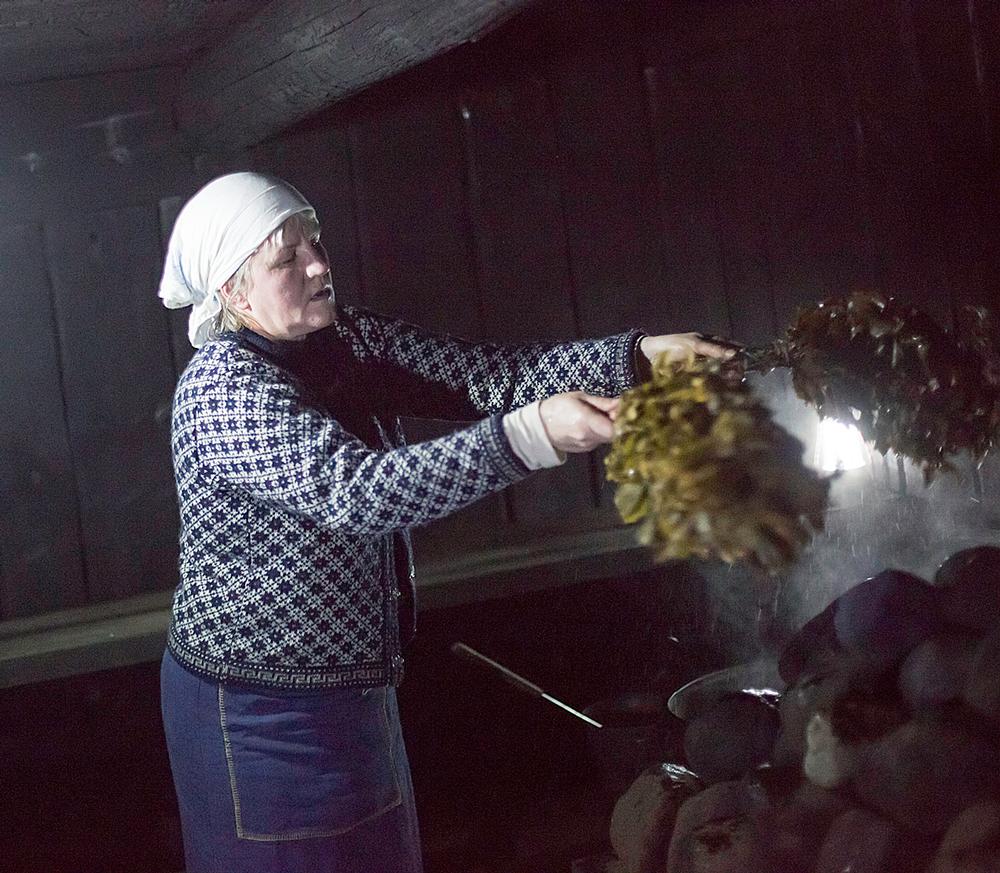
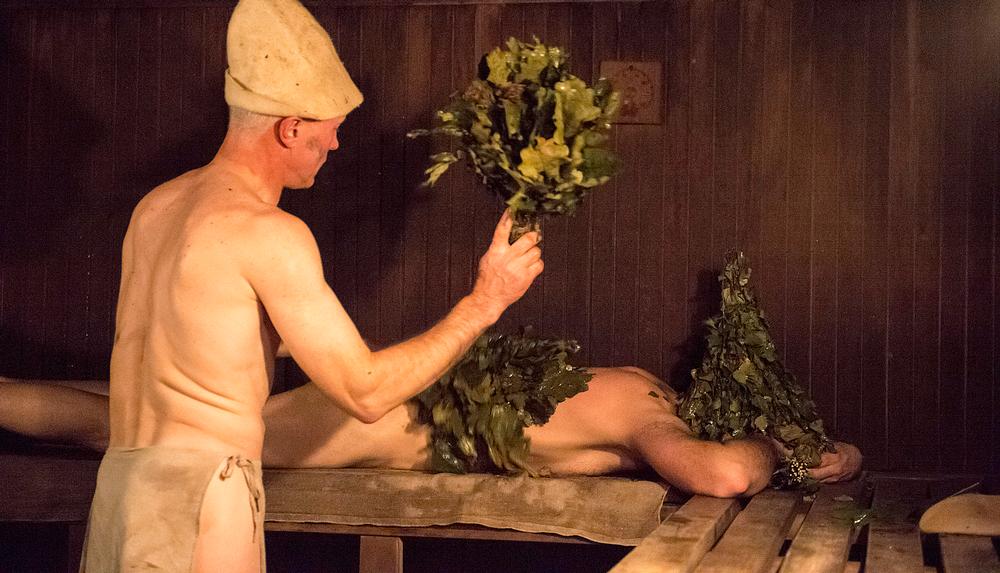
Both the smoke sauna and pirts are best described as a marriage between health and spirituality. They involve a three-hour procedure in intense heat, which is puffed around the body with veniks (a generic Russian term for natural fans made from tree branches), cold water plunging and intervals of relaxation with friends and family. These rituals ease physical tensions and clean the skin but it’s believed that they also nourish the soul – think of them as a full-service mind-body-spirit treatment.
Pirts customs focus on top-to-toe tapping with birch branches (or linden or oak) to stimulate the lymphatic system and accelerate the excretion of toxins. This ritualistic fanning, flicking and steady thwack of birch on skin is also designed to clear the aura and release bad omens.
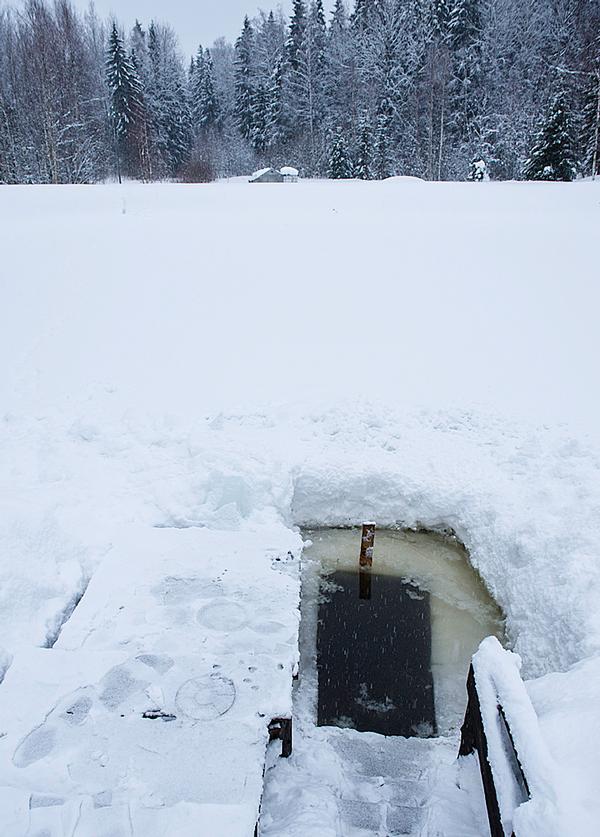
In Estonia, standalone smoke saunas are regarded as a hallowed place for prayer. The facilities became a secret place of worship in a Soviet era that curbed religious practice.
Contrary to suggestion, the smoke element is precisely what makes the air in the smoke sauna so clean. The buildings are built without chimneys and seven hours of stoking an open fire with pine or elder wood kills all bacteria. The smoke is then released through a briefly opened door and the sauna is ready for use.
Climate therapy Climate therapy – the formal use of fresh air for therapeutic purposes – is a bona fide wellness modality in this region. The topography from the Baltic to the Black Sea – particularly on the coasts – provides a mild climate, scientifically acknowledged to be ideal for human health in terms of improving metabolism, appetite, sleep and general frame of mind.
The theory of climate therapy is that air which has the optimal levels of atmospheric pressure, temperature and humidity, wind strength and sun intensity, has a positive influence on the health of all living organisms.
These elements are studied at the Institute of Climate Therapy and Pulmonology, in Yalta, Crimea. The particular geography of sea, pine forest and mountain has brought wellness tourists to this coast for centuries, including many of Russia’s elite, such as playwright Anton Chekhov and composer Sergei Rachmaninoff, for doctor-led treatment protocols which are based on walking in the outdoors.
Health and custom By looking at just one very narrow field of natural resource – namely gases and air – we get some understanding of the importance of nature for both health and local custom in this part of the world. As the relief of physical pain and the stimulation of emotional wellbeing are two very real objectives for tourists and health visitors, it’s likely that wellness tourism in the region will only continue to grow.
Read more from this issue of Attractions Management magazine
View contents of Attractions Management 2014 issue 2
Letters: Letters
Why don't more spas participate in benchmarking schemes?
Interview: Andrew Gibson
The new VP of spa and wellness at FRHI tells Katie Barnes about his plans for spas in the Fairmont, Raffles and Swissôtel hotel chains
First person: Braving the Banya
Jak Phillips gets whacked with birch branches and endures two hours in an 80?C sauna – all in the name of wellness
Hotel spa: Green house
The family behind Ecover cleaning products invests in an idyllic hotel and spa set in the English countryside
Focus on: Gut restoration
The complex nervous system in our stomach is known as the second brain due to the impact it can have on everything from our mood to immunity. Julie Cramer investigates
Celebrity spa: Mane attraction
A passion for horses, wellness and business underpin the new US Salamander Resort & Spa that's owned by filmmaker Sheila C Johnson
Spa software: Operator case studies – part 2
Spa managers tell Kate Corney how they're using software to improve the performance of their businesses – from streamlining operations to keeping on top of revenue reports
Product focus: Private label
What companies offer white label skincare and products? And how can own-brand ranges benefit spas? Kate Corney finds out
After many years in the spa arena my ‘gas experiences’ have certainly been the most unusual.
In the Czech spa down of Mariánské Lázne?, naturally-occurring carbon dioxide is captured for therapeutic use.
At the luxury Hotel Nové Lázne?, I was treated for stiff upper back pain with two injections, each pumping 20ml of CO2 into the muscle tissue beneath the shoulder blades. The syringe was connected to a machine that monitored gas levels and pressure. It looked more scary than it felt and the immediate warming sensation that melted the tension in my upper back easily outweighed the initial prick. My back instantly felt more mobile.
Gas injections are confined to the back area and can be administered daily over a seven-day stay to treat degenerative joint and spine disorders.
My second gas experience at the hotel was the ‘dry gas bath’. Lying on a table in my underwear I wriggled into a thick blue plastic sack which was tightly bound to my chest and pumped full of carbon dioxide. Slowly I felt a warm tingling sensation in my pelvis, as blood flowed more freely in that area of the body.
This treatment is used to treat disorders caused by insufficient blood flow to the lower limbs, including gynaecological, urinary and sexual disfunction. It should be given every day for two weeks for optimum effect, but even in my one-off 15-minute session, I felt relaxed in my head and tingly in my pelvis.
Gas therapies are always prescribed by doctors. In my case, Dr Pavel Knarra has been a specialist in kidney, respiratory, gastro-intestinal and metabolic disorders for 36 years. This gives you some idea of the levels of experience to be found in this field throughout the region. Such profound expertise is a prime reason for having the treatments and I certainly felt I was in very capable hands.
Gas injections in the Czech Republic
Wellness facilities
- Danubius Hotels, Marienbad www.marienbad.cz
- Dr Benedek Ge’za Cardiovascular Rehabilitation Hospital, Transylvania www.cardiologie-covasna.ro
- Lauvaskalni, a traditional wellness guesthouse, in Latvia www.lauvaskalni.lv
- Mooska Farm, a smoke sauna facility in Estonia www.mooska.eu/en
- Inbalans, a banya consultancy www.inbalansgroup.com
A focus on the natural resources of central and eastern Europe forms part of an upcoming book, Healing Sources, Spas and Wellbeing from the Baltic to the Black Sea, which is due to be published in September by Prestel. Details: www.thehealingsources.com
For a first-person account of a traditional Russian banya experience, turn to page 50
Sophie Benge is the writer of Healing Sources Email: [email protected] Tel: +44 7951 056609
A flame goes out if there’s not enough oxygen
Heart patients are exposed to CO2 in the mofetta in Transylvania
Estonian smoke saunas are used for health and spiritual purposes
natural mofetta pools in Transylvania
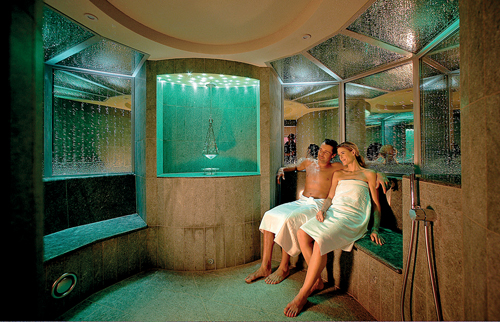
Extreme hot and cold temperatures are used to improve circulation in smoke saunas
Nitrogen gas temperatures can reach -160?C in cryotherapy
In Latvian pirts, intense heat is circulated around the body using fans made from tree branches
COMPANY PROFILES
Painting With Light
By combining lighting, video, scenic and architectural elements, sound and special effects we tell s [more...]
instantprint
We’re a Yorkshire-based online printer, founded
in 2009 by Adam Carnell and James Kinsella. [more...]
Taylor Made Designs
Founded in 1993, Taylor Made
Designs supply corporate clothing
and brand-enhancing merchandise
to [more...]
Alterface
Alterface’s Creative Division team is
seasoned in concept and ride development,
as well as storyte [more...]
An opportunity to reimagine one of the UK’s most recognisable towers has been formally
opened by Rivington Hark, as St Johns Beacon invites operators and partners to shape its
next phase. [more...]
From gas injections to cryotherapy and smoke saunas – treatments based on natural
resources underpin wellness tourism in central and eastern Europe. As interest in this region
gathers pace, Sophie Benge begins a series looking at how different elements are used
By Sophie Benge | Published in Spa Business 2014 issue 2
Dry CO2 gas baths are used to stimulate blood flow in the lower limbs
Central and eastern Europe, from Estonia in the north to Ukraine in the south, is blessed with a rich well of natural resources. Mineral water, mud, salt, herbs, heat and gases have been an integral part of cultural tradition as much as they’ve been the mainstay of healthcare for more than three centuries.
At the same time, wellness tourism is gaining traction and Europe is leading the way. In March, the Global Wellness Tourism Congress (GWTC) announced that Europe ranks number one in the world for wellness tourism with its 203 million annual trips and number two for expenditures, accounting for US$158.4bn (€114.3, £95.2) annually. “Europeans are the most sophisticated, experienced wellness- and prevention-focused travellers on the planet,” says GWTC chair and CEO Susie Ellis. “They not only take frequent trips in their own countries and across Europe, they’re also pegged as the largest source market for international wellness travel.”
It’s a good time, therefore, to focus more specifically on the natural resource lexicon in this part of Europe, starting with, perhaps the most idiosyncratic – gases. Broadly, gas in this context refers to naturally-occurring carbon dioxide (CO2) that’s generally administered to ease pain and boost blood circulation. It can also refer to nitrogen gas, which is used in cryotherapy, or simply the movement of intensely hot air, which is at the heart of traditional sauna experiences.
It’s important to remember that while some of these gas therapies may sound unusual, they came about only after meticulous study by scientists and chemists during the 18th and 19th centuries.
Carbon dioxide Naturally-occurring carbon dioxide gas features prominently in the traditional spa treatments of the Czech Republic and Transylvania in Romania. In the spa town of Mariánské Lázn? (formerly known as Marienbad) in the Czech Republic, gas of volcanic origin, containing 99.7 per cent CO2, seeps out of the ground. It’s prevalent in the local mineral spring water and is harnessed for use in a number of therapies that boost blood circulation for an anti-inflammatory effect.
CO2 is also used in ‘dry gas bath’ treatments, where concentrated amounts of it are pumped into plastic bags around the body (see above) working directly on skin receptors to affect vasodilation. The improved blood flow accelerates wound healing and stimulates kidney activity. A very particular benefit is the stimulation in the production of sex hormones: testosterone and oestradiol, a type of oestrogen produced in the ovaries. Thus it’s successfully used to reverse gynaecological problems and sexual dysfunction and to relieve menopause symptoms.
CO2 is also prescribed to be delivered by hypodermic injection into the muscles of the back (see p46). The principle effect is pain reduction, because when CO2 is received through the skin, it causes the blood vessels to relax and allows blood to flow more quickly around the body.
In Transylvania, CO2 is administered in another form to treat patients with hypertension and related heart disorders. At the Dr Benedek Ge’za Cardiovascular Rehabilitation Hospital in Covasna, the state pays for the treatment of 14,000 people a year. Here patients stand, fully clothed and en masse in a wooden amphitheatre in which air with a 96 per cent concentration of CO2 escapes from the underlying fissures in the rock. This sort of exposure also causes the blood vessels to relax and encourages a greater flow of oxygen around the body, as well as increasing blood flow to the heart.
Carbon dioxide is denser than air, which means it doesn’t rise above a certain height. However, to be sure, conditions in the pit are still carefully monitored – with a lit flame that goes out if there’s not enough oxygen – to ensure that CO2 is not the main gas that’s inhaled.
These particular treatments in Transylvania are officially known as mofetta. The sessions are restricted to 20 minutes, after which mild breathlessness sets in. For heart healthy patients in the region, mofetta is colloquially known as natural viagra because of how CO2 stimulates the sex hormones. Increased blood flow is also felt most strongly in the pelvic region where there are a large number of smaller blood vessels.
Mofetta is also a term used to describe the many natural pools, bubbling with carbon dioxide, that are free for use in the Transylvanian countryside. Families and friends spend summer days picnicking around them and swimming in them.
Cryotherapy Cryotherapy is the medical use of nitrogen gas at very low temperatures – selected because it has the ability to reach -160?C.
There are several types of cryotherapy. Whole body cryotherapy is known for treating a range of ailments – professional tennis players have cryotherapy on-site at grand slams to help muscle function, for example, while in central and eastern Europe, it’s used for general health purposes.
The other method of using cryotherapy is to treat benign and malignant tumours.
Whole body cryotherapy involves standing in a chamber filled with nitrogen gas for up to three minutes. Cooling the body to such an extreme for short periods of time subsequently boosts blood circulation, which speeds up metabolic processes. This, in turn, helps with the elimination of toxins.
As a reaction to the cold, the body also starts to produce more endorphins and corticosteroids which have an analgesic and regenerative effect, easing pain and inflammation and boosting both the immune system and mood. As a result, whole body cryotherapy has beneficial effects on many conditions: rheumatic, neurological, inflammatory, metabolic and degenerative.
Smoke saunas and pirts As well as playing a central role in living well, natural resources in central and eastern Europe are a primary motivation for social recreation. This is particularly the case with the smoke sauna culture in Estonia and the pirts in Lativa – two national variations of the Russian sauna or banya (see p50).
Both the smoke sauna and pirts are best described as a marriage between health and spirituality. They involve a three-hour procedure in intense heat, which is puffed around the body with veniks (a generic Russian term for natural fans made from tree branches), cold water plunging and intervals of relaxation with friends and family. These rituals ease physical tensions and clean the skin but it’s believed that they also nourish the soul – think of them as a full-service mind-body-spirit treatment.
Pirts customs focus on top-to-toe tapping with birch branches (or linden or oak) to stimulate the lymphatic system and accelerate the excretion of toxins. This ritualistic fanning, flicking and steady thwack of birch on skin is also designed to clear the aura and release bad omens.
In Estonia, standalone smoke saunas are regarded as a hallowed place for prayer. The facilities became a secret place of worship in a Soviet era that curbed religious practice.
Contrary to suggestion, the smoke element is precisely what makes the air in the smoke sauna so clean. The buildings are built without chimneys and seven hours of stoking an open fire with pine or elder wood kills all bacteria. The smoke is then released through a briefly opened door and the sauna is ready for use.
Climate therapy Climate therapy – the formal use of fresh air for therapeutic purposes – is a bona fide wellness modality in this region. The topography from the Baltic to the Black Sea – particularly on the coasts – provides a mild climate, scientifically acknowledged to be ideal for human health in terms of improving metabolism, appetite, sleep and general frame of mind.
The theory of climate therapy is that air which has the optimal levels of atmospheric pressure, temperature and humidity, wind strength and sun intensity, has a positive influence on the health of all living organisms.
These elements are studied at the Institute of Climate Therapy and Pulmonology, in Yalta, Crimea. The particular geography of sea, pine forest and mountain has brought wellness tourists to this coast for centuries, including many of Russia’s elite, such as playwright Anton Chekhov and composer Sergei Rachmaninoff, for doctor-led treatment protocols which are based on walking in the outdoors.
Health and custom By looking at just one very narrow field of natural resource – namely gases and air – we get some understanding of the importance of nature for both health and local custom in this part of the world. As the relief of physical pain and the stimulation of emotional wellbeing are two very real objectives for tourists and health visitors, it’s likely that wellness tourism in the region will only continue to grow.
Read more from this issue of Attractions Management magazine
View contents of Attractions Management 2014 issue 2
Letters: Letters
Why don't more spas participate in benchmarking schemes?
Interview: Andrew Gibson
The new VP of spa and wellness at FRHI tells Katie Barnes about his plans for spas in the Fairmont, Raffles and Swissôtel hotel chains
First person: Braving the Banya
Jak Phillips gets whacked with birch branches and endures two hours in an 80?C sauna – all in the name of wellness
Hotel spa: Green house
The family behind Ecover cleaning products invests in an idyllic hotel and spa set in the English countryside
Focus on: Gut restoration
The complex nervous system in our stomach is known as the second brain due to the impact it can have on everything from our mood to immunity. Julie Cramer investigates
Celebrity spa: Mane attraction
A passion for horses, wellness and business underpin the new US Salamander Resort & Spa that's owned by filmmaker Sheila C Johnson
Spa software: Operator case studies – part 2
Spa managers tell Kate Corney how they're using software to improve the performance of their businesses – from streamlining operations to keeping on top of revenue reports
Product focus: Private label
What companies offer white label skincare and products? And how can own-brand ranges benefit spas? Kate Corney finds out
After many years in the spa arena my ‘gas experiences’ have certainly been the most unusual.
In the Czech spa down of Mariánské Lázne?, naturally-occurring carbon dioxide is captured for therapeutic use.
At the luxury Hotel Nové Lázne?, I was treated for stiff upper back pain with two injections, each pumping 20ml of CO2 into the muscle tissue beneath the shoulder blades. The syringe was connected to a machine that monitored gas levels and pressure. It looked more scary than it felt and the immediate warming sensation that melted the tension in my upper back easily outweighed the initial prick. My back instantly felt more mobile.
Gas injections are confined to the back area and can be administered daily over a seven-day stay to treat degenerative joint and spine disorders.
My second gas experience at the hotel was the ‘dry gas bath’. Lying on a table in my underwear I wriggled into a thick blue plastic sack which was tightly bound to my chest and pumped full of carbon dioxide. Slowly I felt a warm tingling sensation in my pelvis, as blood flowed more freely in that area of the body.
This treatment is used to treat disorders caused by insufficient blood flow to the lower limbs, including gynaecological, urinary and sexual disfunction. It should be given every day for two weeks for optimum effect, but even in my one-off 15-minute session, I felt relaxed in my head and tingly in my pelvis.
Gas therapies are always prescribed by doctors. In my case, Dr Pavel Knarra has been a specialist in kidney, respiratory, gastro-intestinal and metabolic disorders for 36 years. This gives you some idea of the levels of experience to be found in this field throughout the region. Such profound expertise is a prime reason for having the treatments and I certainly felt I was in very capable hands.
Gas injections in the Czech Republic
Wellness facilities
- Danubius Hotels, Marienbad www.marienbad.cz
- Dr Benedek Ge’za Cardiovascular Rehabilitation Hospital, Transylvania www.cardiologie-covasna.ro
- Lauvaskalni, a traditional wellness guesthouse, in Latvia www.lauvaskalni.lv
- Mooska Farm, a smoke sauna facility in Estonia www.mooska.eu/en
- Inbalans, a banya consultancy www.inbalansgroup.com
A focus on the natural resources of central and eastern Europe forms part of an upcoming book, Healing Sources, Spas and Wellbeing from the Baltic to the Black Sea, which is due to be published in September by Prestel. Details: www.thehealingsources.com
For a first-person account of a traditional Russian banya experience, turn to page 50
Sophie Benge is the writer of Healing Sources Email: [email protected] Tel: +44 7951 056609
A flame goes out if there’s not enough oxygen
Heart patients are exposed to CO2 in the mofetta in Transylvania
Estonian smoke saunas are used for health and spiritual purposes
natural mofetta pools in Transylvania
Extreme hot and cold temperatures are used to improve circulation in smoke saunas
Nitrogen gas temperatures can reach -160?C in cryotherapy
In Latvian pirts, intense heat is circulated around the body using fans made from tree branches
The Toverland theme park in the Netherlands has announced a €98m expansion programme
that will add a resort, new attractions and staff facilities as it pursues plans to become a multi-
day destination.
Hotel de France, located on the British Isle of Jersey, has created a wellness retreat package
that includes a hot yoga session that will take place in Jersey Zoo’s butterfly sanctuary.
A new immersive attraction designed to transport visitors into the final hours of ancient Pompeii
is preparing to open near the world-famous archaeological site in southern Italy.
Experience design company, BRC Imagination Arts, has completed a transition that sees founder
Bob Rogers pass ownership of the business to four long-serving senior executives, while
remaining actively involved with the company.
Movie Park Germany has opened a new Paramount Pictures-themed attraction as part of its 30th
anniversary celebrations, using immersive storytelling and adaptive reuse to reinforce the park’s
longstanding “Hollywood in Germany” positioning.
Therme Manchester’s 28-acre development, which will include interconnected glass pavilions
that measure 65,000sq m, will be the largest bathing and wellbeing attraction in the world once
complete, according to prof David Russell, CEO of Therme UK.
Efteling has opened Hooghmoed, a new family drop tower designed to broaden the appeal of its
recently launched Sirene Island themed area and introduce younger visitors to thrill attractions.
A proposed Puy du Fou development near Bicester and Universal Destinations and Experiences’
planned resort in Bedford are emerging as part of a wider transformation of the Oxford–
Cambridge Growth Corridor into a major centre for UK leisure and tourism inv
Shedd Aquarium has opened the Immersion Theater developed in partnership with SimEx-
Iwerks, as part of a wider strategy to enhance the guest experience and create additional
revenue opportunities.
The UK government has announced a temporary reduction in VAT on visitor attractions and
children’s meals as part of a summer cost-of-living support package designed to stimulate the
visitor economy and encourage family days out.
+ More news
COMPANY PROFILES
Painting With Light By combining lighting, video, scenic and architectural elements, sound and special effects we tell s [more...]
instantprint We’re a Yorkshire-based online printer, founded
in 2009 by Adam Carnell and James Kinsella. [more...]
Taylor Made Designs Founded in 1993, Taylor Made
Designs supply corporate clothing
and brand-enhancing merchandise
to [more...]
Alterface Alterface’s Creative Division team is
seasoned in concept and ride development,
as well as storyte [more...]
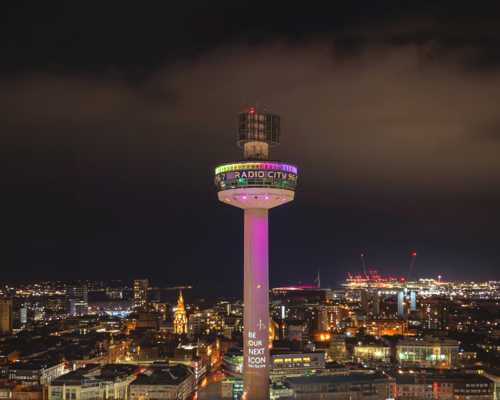
An opportunity to reimagine one of the UK’s most recognisable towers has been formally
opened by Rivington Hark, as St Johns Beacon invites operators and partners to shape its
next phase. [more...]