The number of inactive children is slowly decreasing – by 3.9 per cent over the past year
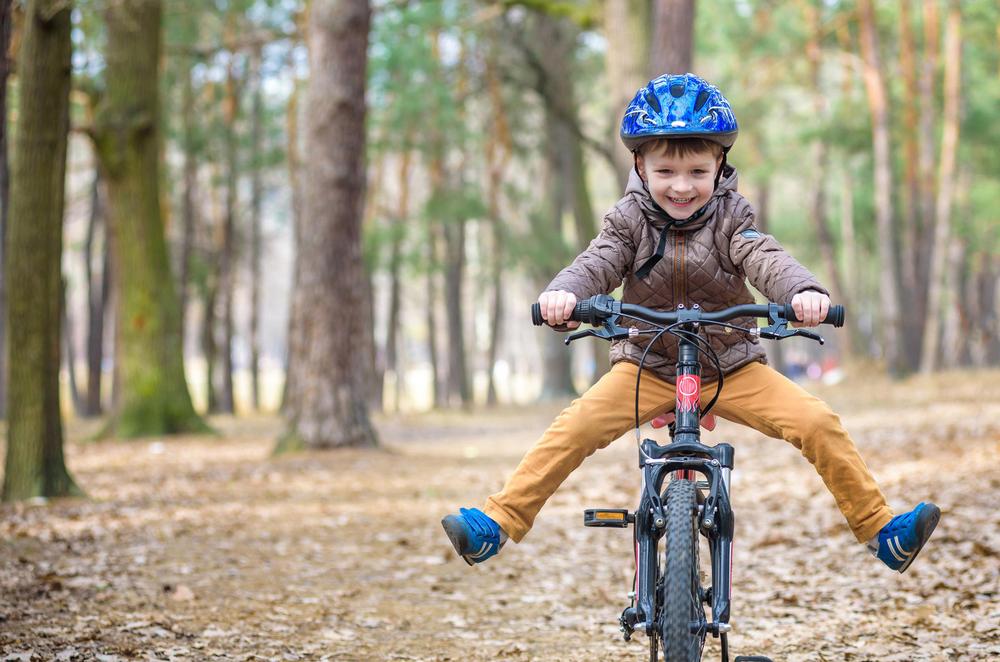
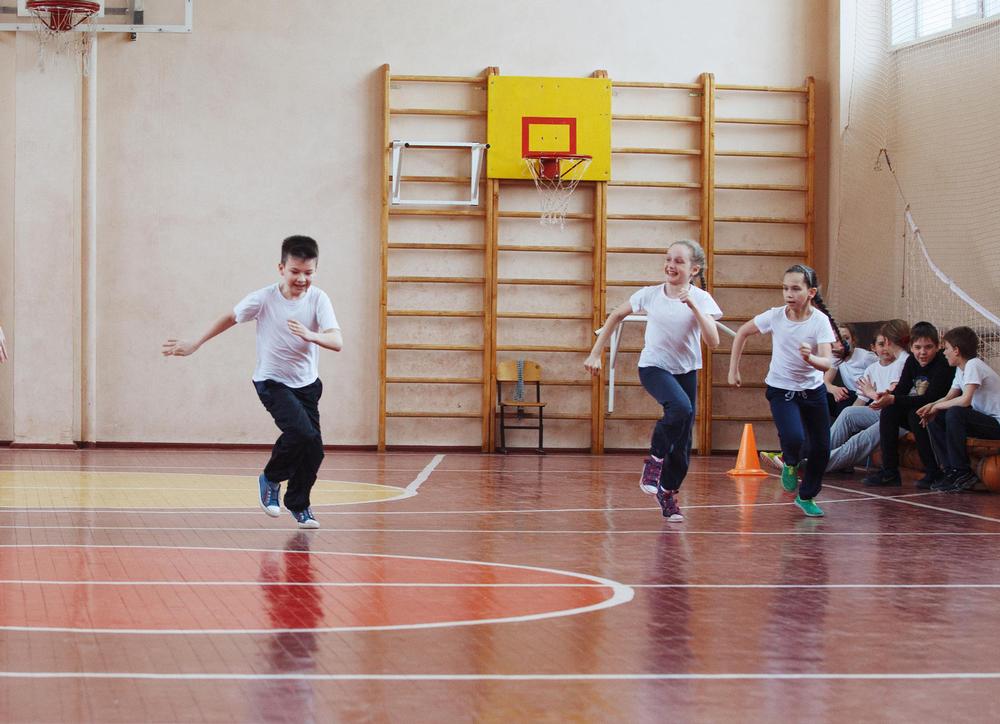
Almost half of children and young people (46.8 per cent) in England are currently doing the recommended average of 60 or more minutes of physical activity a day.
The figure, from the second annual Active Lives Children and Young People Survey, shows there has been a rise of 3.6 per cent in the number of active children over the last year.
In total, 3.3 million children are now meeting the new recommended Chief Medical Officer Guidelines – an increase of 279,600 when compared with 2018. Crucially, the figures show that there has been a rise in children getting active outside of school, with 57 per cent now doing an average of 30 minutes or more a day outside of school (up 4.6 per cent in the last year), compared to 40 per cent being active at school. Activities that have seen a particular increase in popularity outside of school include active play, team sports and walking. At the other end of the scale, 2.1 million children and young people (29.0 per cent) are doing less than 30 minutes of physical activity a day. This means that the number of inactive children is slowly decreasing – by 3.9 per cent over the last year. Another 1.7 million (24.2 per cent) children are ‘fairly active’ taking part in average of 30-59 minutes a day.
There is a persistent inequality factor in activity levels, with children from the most affluent families more active (54 per cent) compared to the least affluent families (42 per cent) – while boys remain more active than girls at every age from five up.
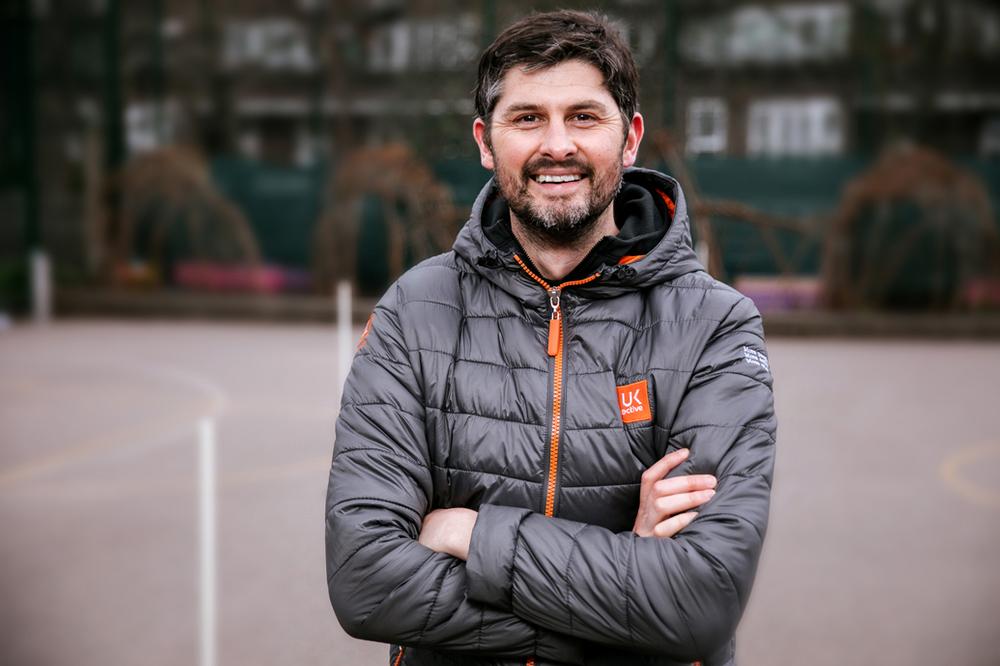
Commenting on the figures, Jack Shakespeare, director of children, families and research at ukactive, said the figures show that increasing exercise opportunities outside of school is working.
"The report shows that out-of-school provision is helping children to be more active," he said. "ukactive’s members are clearly playing a lead role in delivering out-of-school provision and we remain committed to working side by side with Sport England to make this available to all, regardless of gender, race or affluence."
Shakespeare added, however, that the persistent gaps in activity levels that remain between genders – and affluence – need to be addressed.
"While it is positive to learn that activity levels are increasing for some children and young people, it is clear that stark inequalities remain entrenched for many children across the UK. It is unacceptable that physical activity levels are lower among girls, children from poorer backgrounds, and those who are black, Asian or from a minority ethnic group.
"The new Tory government must make physical activity opportunities for all children and young people an urgent priority, not just for the physical health of the next generation but for their mental and social health too.
"Our research shows that during the summer holidays children’s fitness levels fall by around 74 per cent, and by even more in areas of high deprivation. However, 39 per cent of community sports facilities remain locked behind school gates. The government has a duty to protect the most vulnerable in society.”
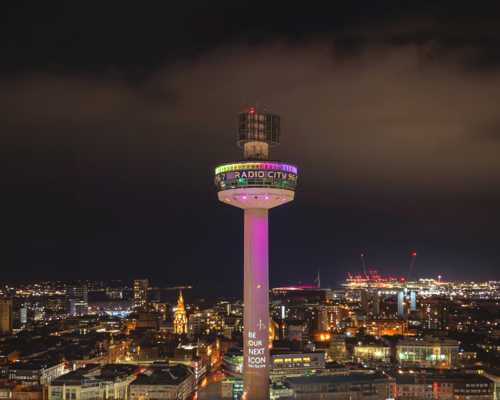
An opportunity to reimagine one of the UK’s most recognisable towers has been formally
opened by Rivington Hark, as St Johns Beacon invites operators and partners to shape its
next phase. [more...]
The number of inactive children is slowly decreasing – by 3.9 per cent over the past year
Almost half of children and young people (46.8 per cent) in England are currently doing the recommended average of 60 or more minutes of physical activity a day.
The figure, from the second annual Active Lives Children and Young People Survey, shows there has been a rise of 3.6 per cent in the number of active children over the last year.
In total, 3.3 million children are now meeting the new recommended Chief Medical Officer Guidelines – an increase of 279,600 when compared with 2018. Crucially, the figures show that there has been a rise in children getting active outside of school, with 57 per cent now doing an average of 30 minutes or more a day outside of school (up 4.6 per cent in the last year), compared to 40 per cent being active at school. Activities that have seen a particular increase in popularity outside of school include active play, team sports and walking. At the other end of the scale, 2.1 million children and young people (29.0 per cent) are doing less than 30 minutes of physical activity a day. This means that the number of inactive children is slowly decreasing – by 3.9 per cent over the last year. Another 1.7 million (24.2 per cent) children are ‘fairly active’ taking part in average of 30-59 minutes a day.
There is a persistent inequality factor in activity levels, with children from the most affluent families more active (54 per cent) compared to the least affluent families (42 per cent) – while boys remain more active than girls at every age from five up.
Commenting on the figures, Jack Shakespeare, director of children, families and research at ukactive, said the figures show that increasing exercise opportunities outside of school is working.
"The report shows that out-of-school provision is helping children to be more active," he said. "ukactive’s members are clearly playing a lead role in delivering out-of-school provision and we remain committed to working side by side with Sport England to make this available to all, regardless of gender, race or affluence."
Shakespeare added, however, that the persistent gaps in activity levels that remain between genders – and affluence – need to be addressed.
"While it is positive to learn that activity levels are increasing for some children and young people, it is clear that stark inequalities remain entrenched for many children across the UK. It is unacceptable that physical activity levels are lower among girls, children from poorer backgrounds, and those who are black, Asian or from a minority ethnic group.
"The new Tory government must make physical activity opportunities for all children and young people an urgent priority, not just for the physical health of the next generation but for their mental and social health too.
"Our research shows that during the summer holidays children’s fitness levels fall by around 74 per cent, and by even more in areas of high deprivation. However, 39 per cent of community sports facilities remain locked behind school gates. The government has a duty to protect the most vulnerable in society.”
The Toverland theme park in the Netherlands has announced a €98m expansion programme
that will add a resort, new attractions and staff facilities as it pursues plans to become a multi-
day destination.
Hotel de France, located on the British Isle of Jersey, has created a wellness retreat package
that includes a hot yoga session that will take place in Jersey Zoo’s butterfly sanctuary.
A new immersive attraction designed to transport visitors into the final hours of ancient Pompeii
is preparing to open near the world-famous archaeological site in southern Italy.
Experience design company, BRC Imagination Arts, has completed a transition that sees founder
Bob Rogers pass ownership of the business to four long-serving senior executives, while
remaining actively involved with the company.
Movie Park Germany has opened a new Paramount Pictures-themed attraction as part of its 30th
anniversary celebrations, using immersive storytelling and adaptive reuse to reinforce the park’s
longstanding “Hollywood in Germany” positioning.
Therme Manchester’s 28-acre development, which will include interconnected glass pavilions
that measure 65,000sq m, will be the largest bathing and wellbeing attraction in the world once
complete, according to prof David Russell, CEO of Therme UK.
Efteling has opened Hooghmoed, a new family drop tower designed to broaden the appeal of its
recently launched Sirene Island themed area and introduce younger visitors to thrill attractions.
A proposed Puy du Fou development near Bicester and Universal Destinations and Experiences’
planned resort in Bedford are emerging as part of a wider transformation of the Oxford–
Cambridge Growth Corridor into a major centre for UK leisure and tourism inv
Shedd Aquarium has opened the Immersion Theater developed in partnership with SimEx-
Iwerks, as part of a wider strategy to enhance the guest experience and create additional
revenue opportunities.
The UK government has announced a temporary reduction in VAT on visitor attractions and
children’s meals as part of a summer cost-of-living support package designed to stimulate the
visitor economy and encourage family days out.
An opportunity to reimagine one of the UK’s most recognisable towers has been formally
opened by Rivington Hark, as St Johns Beacon invites operators and partners to shape its
next phase. [more...]