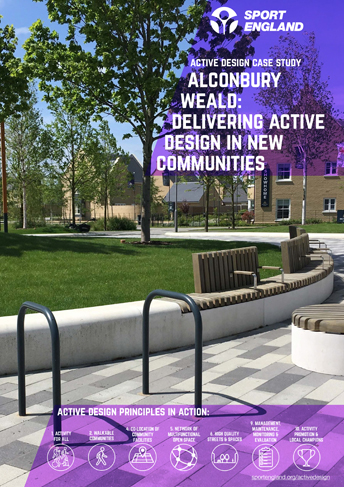
Sport England has published new planning guidance, produced in partnership with David Lock Associates, that aims to make it simpler for local authorities and planning bodies to develop community sports facilities. Steph Eaves talks to Sport England’s Charles Johnston and DLA’s Joseph Carr about the new guidance
By Steph Eaves | Published in Sports Management 2019 issue 3
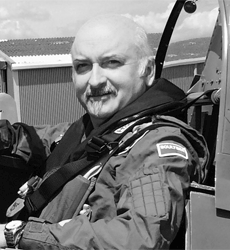
Left: Charles Johnston is director of property at Sport England. Right: Joseph Carr is an associate at David Lock Associates
Why was new planning guidance needed? Johnston: Our new planning for sport guidance is being released for three reasons:
Firstly, to update our current planning guidance in light of the government’s revised National Planning Policy Framework released in 2018. The Framework sets out the government’s planning policies for England and how they should be applied. For our guidance to be a valued and useful resource we need to ensure it keeps up with changes to government planning policy and guidance.
Secondly, to place greater emphasis on the positive role the planning system can play in helping to create active environments. And finally, to bring our previous planning for sport guides together to provide a new single focal point for our all our planning guidance and tools..
Carr: The links between our health and wellbeing and the environment in which we live are well established. The health and wellbeing of our nation is vital, and the built environment plays a critical role in promoting sport and physical activity by making activity a cornerstone of people’s everyday lives.
The government’s Sport Strategy, National Planning Policy and Guidance recognises that promoting sport and physical activity is a critical factor in creating successful places. However, while a significant amount of work exists that illustrates best practice examples, there was a lack of planning-focused guidance, with easy to follow principles and actions to show everyone how to plan for sport.
What are the main aims of the guide? Carr: To provide an up-to-date, easily understandable and comprehensive guide for all those who interact with the planning system to understand the importance of planning for sport and physical activity. The guide is designed specifically for its users, providing easy steps for everyone to be able to plan for sport, or be involved in the process.
We were especially keen to ensure the guide was relatable to those less often involved in the planning process, and for the guide to be commercially aware and useable by the development community. Private developers often deliver the spaces we are trying to shape, so it is essential that they understand both how to plan to meet the needs which a Local Planning Authority has identified, but also that planning for sport and physical activity can have benefits, both commercial and social.
Johnston: The main aim is to provide a useful resource to help people influence the planning system for the benefit of sport and physical activity, whether they work in the planning system on a daily basis or engage with it from time to time.
Additionally, we hope the guidance will help raise further awareness of the importance of the planning system in encouraging people to take part in sports and lead active lives.
How important is the planning and design of facilities to getting and keeping people active? Carr: Absolutely essential. Positive planning and design of a facility can not only make a facility more functional, but can also encourage people to come and use it.
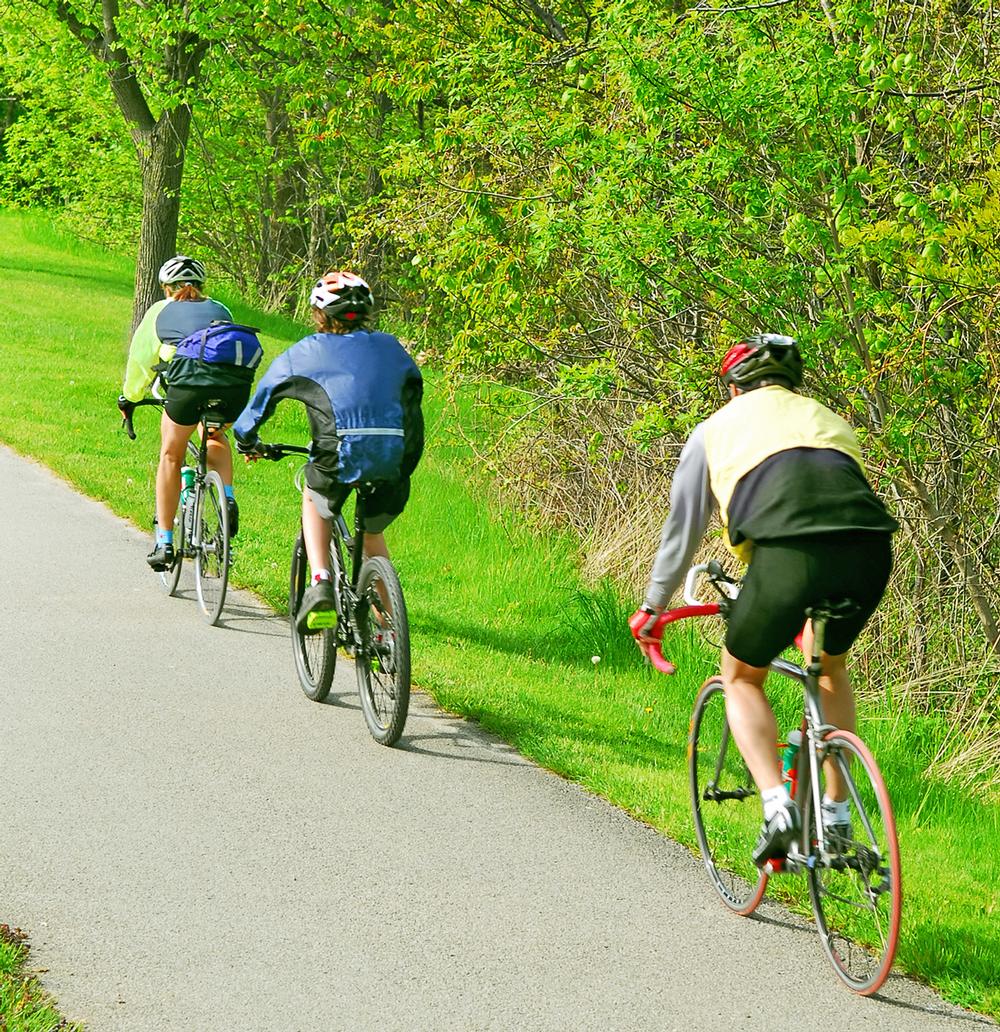
Facility design is not the only important part – the wider environment in which a facility is located is just as important for encouraging users. Provision of attractive walking and cycling routes, drinking fountains and cycle parking in and around facilities can all have a positive impact. We encourage our clients to think strategically about their sites and what they can offer to the wider community, which in turn can attract users to their sites, and also create spaces for the community to be proud of.
Johnston: The places that people get active are critical drivers of our nation’s activity levels. We know the planning system plays a key role in shaping our neighbourhoods and community facilities. More than ever, the importance of where people are being, or want to be, active is a focal point of discussion.
The planning system has a strong direct influence over the nature, design and attractiveness of the local facilities and spaces available to people, the design of their neighbourhoods, easy access to sports facilities as well as the viability of walking or cycling as a means of transport.
How did you decide on the 12 principles? Johnston: We started by listing the key areas where we felt the planning system should play a role. This list looked back at the content of our previous planning guidance and our experience of engaging with the planning system on a daily basis. We then looked to see if we could group any together where they overlapped.
The nature of the principles also benefitted from the consultation we undertook on a draft version of the guidance – we received approximately 400 comments from local authorities, national sports governing bodies, planning and leisure consultancies, government departments and a range of other organisations such as the Town and Country Planning Association, Public Health England, Sustrans, Canals and River Trust, Active Partnerships, StreetGames and the London Playing Fields Foundation.
Carr: We tried to make the principles as comprehensive as possible, covering both plan-making and decision-making in the planning process, with easy-to-follow actions held within the principles to make them relatable and usable by everyone.
What do you see as the key to successfully planning new spaces for sports and activity? Carr: Personally, I think the key is to undertake a comprehensive and strategic approach, not undertaking work in piecemeal chunks. Spaces should be flexible, to allow them to shift in use over time to meet new demand, as well as being well supported and maintained to make sure they continue to thrive. We should be ambitious with the spaces we create, but make sure they are realistic and functional to stand the test of time.
Johnston: Recognising how providing for sport and physical activity can help to meet wider local priorities and understanding local communities and their needs – knowing how people currently participate in sport and physical activity but also for example, what provision and environments may help those that are inactive to make the first steps to becoming active.
The 12 planning-for-sport principles
1. Recognise and give significant weight to the benefits of sport and physical activity.
2. Undertake, maintain and apply robust and up-to-date assessments of need and strategies for sport and physical activity provision, and base policies, decisions and guidance upon them.
3. Plan, design and maintain buildings, developments, facilities, land and environments that enable people to lead active lifestyles.
4. Protect and promote existing physical activity provision and ensure new development does not prejudice its use.
5. Ensure long-term viable management and maintenance of new and existing sport and physical activity.
6. Support improvements to existing sport and physical activity provision where they are needed.
7. Encourage and secure wider community use of existing and new sport and physical activity provision.
8. Support new provision, including allocating new sites, for sport and physical activity which meets identified needs.
9. Ensure a positive approach to meeting the needs generated by new development for sport and physical activity provision.
10. Provide sport and physical activity provision which is fit for purpose and well designed.
11. Plan positively for sport and physical activity provision in desigated landscapes and the green belt.
12. Proactively address any amenity issues arising from sport and physical activity developments.
An opportunity to reimagine one of the UK’s most recognisable towers has been formally
opened by Rivington Hark, as St Johns Beacon invites operators and partners to shape its
next phase. [more...]
Sport England has published new planning guidance, produced in partnership with David Lock Associates, that aims to make it simpler for local authorities and planning bodies to develop community sports facilities. Steph Eaves talks to Sport England’s Charles Johnston and DLA’s Joseph Carr about the new guidance
By Steph Eaves | Published in Sports Management 2019 issue 3
Left: Charles Johnston is director of property at Sport England. Right: Joseph Carr is an associate at David Lock Associates
Why was new planning guidance needed? Johnston: Our new planning for sport guidance is being released for three reasons:
Firstly, to update our current planning guidance in light of the government’s revised National Planning Policy Framework released in 2018. The Framework sets out the government’s planning policies for England and how they should be applied. For our guidance to be a valued and useful resource we need to ensure it keeps up with changes to government planning policy and guidance.
Secondly, to place greater emphasis on the positive role the planning system can play in helping to create active environments. And finally, to bring our previous planning for sport guides together to provide a new single focal point for our all our planning guidance and tools..
Carr: The links between our health and wellbeing and the environment in which we live are well established. The health and wellbeing of our nation is vital, and the built environment plays a critical role in promoting sport and physical activity by making activity a cornerstone of people’s everyday lives.
The government’s Sport Strategy, National Planning Policy and Guidance recognises that promoting sport and physical activity is a critical factor in creating successful places. However, while a significant amount of work exists that illustrates best practice examples, there was a lack of planning-focused guidance, with easy to follow principles and actions to show everyone how to plan for sport.
What are the main aims of the guide? Carr: To provide an up-to-date, easily understandable and comprehensive guide for all those who interact with the planning system to understand the importance of planning for sport and physical activity. The guide is designed specifically for its users, providing easy steps for everyone to be able to plan for sport, or be involved in the process.
We were especially keen to ensure the guide was relatable to those less often involved in the planning process, and for the guide to be commercially aware and useable by the development community. Private developers often deliver the spaces we are trying to shape, so it is essential that they understand both how to plan to meet the needs which a Local Planning Authority has identified, but also that planning for sport and physical activity can have benefits, both commercial and social.
Johnston: The main aim is to provide a useful resource to help people influence the planning system for the benefit of sport and physical activity, whether they work in the planning system on a daily basis or engage with it from time to time.
Additionally, we hope the guidance will help raise further awareness of the importance of the planning system in encouraging people to take part in sports and lead active lives.
How important is the planning and design of facilities to getting and keeping people active? Carr: Absolutely essential. Positive planning and design of a facility can not only make a facility more functional, but can also encourage people to come and use it.
Facility design is not the only important part – the wider environment in which a facility is located is just as important for encouraging users. Provision of attractive walking and cycling routes, drinking fountains and cycle parking in and around facilities can all have a positive impact. We encourage our clients to think strategically about their sites and what they can offer to the wider community, which in turn can attract users to their sites, and also create spaces for the community to be proud of.
Johnston: The places that people get active are critical drivers of our nation’s activity levels. We know the planning system plays a key role in shaping our neighbourhoods and community facilities. More than ever, the importance of where people are being, or want to be, active is a focal point of discussion.
The planning system has a strong direct influence over the nature, design and attractiveness of the local facilities and spaces available to people, the design of their neighbourhoods, easy access to sports facilities as well as the viability of walking or cycling as a means of transport.
How did you decide on the 12 principles? Johnston: We started by listing the key areas where we felt the planning system should play a role. This list looked back at the content of our previous planning guidance and our experience of engaging with the planning system on a daily basis. We then looked to see if we could group any together where they overlapped.
The nature of the principles also benefitted from the consultation we undertook on a draft version of the guidance – we received approximately 400 comments from local authorities, national sports governing bodies, planning and leisure consultancies, government departments and a range of other organisations such as the Town and Country Planning Association, Public Health England, Sustrans, Canals and River Trust, Active Partnerships, StreetGames and the London Playing Fields Foundation.
Carr: We tried to make the principles as comprehensive as possible, covering both plan-making and decision-making in the planning process, with easy-to-follow actions held within the principles to make them relatable and usable by everyone.
What do you see as the key to successfully planning new spaces for sports and activity? Carr: Personally, I think the key is to undertake a comprehensive and strategic approach, not undertaking work in piecemeal chunks. Spaces should be flexible, to allow them to shift in use over time to meet new demand, as well as being well supported and maintained to make sure they continue to thrive. We should be ambitious with the spaces we create, but make sure they are realistic and functional to stand the test of time.
Johnston: Recognising how providing for sport and physical activity can help to meet wider local priorities and understanding local communities and their needs – knowing how people currently participate in sport and physical activity but also for example, what provision and environments may help those that are inactive to make the first steps to becoming active.
The 12 planning-for-sport principles
1. Recognise and give significant weight to the benefits of sport and physical activity.
2. Undertake, maintain and apply robust and up-to-date assessments of need and strategies for sport and physical activity provision, and base policies, decisions and guidance upon them.
3. Plan, design and maintain buildings, developments, facilities, land and environments that enable people to lead active lifestyles.
4. Protect and promote existing physical activity provision and ensure new development does not prejudice its use.
5. Ensure long-term viable management and maintenance of new and existing sport and physical activity.
6. Support improvements to existing sport and physical activity provision where they are needed.
7. Encourage and secure wider community use of existing and new sport and physical activity provision.
8. Support new provision, including allocating new sites, for sport and physical activity which meets identified needs.
9. Ensure a positive approach to meeting the needs generated by new development for sport and physical activity provision.
10. Provide sport and physical activity provision which is fit for purpose and well designed.
11. Plan positively for sport and physical activity provision in desigated landscapes and the green belt.
12. Proactively address any amenity issues arising from sport and physical activity developments.
The Toverland theme park in the Netherlands has announced a €98m expansion programme
that will add a resort, new attractions and staff facilities as it pursues plans to become a multi-
day destination.
Hotel de France, located on the British Isle of Jersey, has created a wellness retreat package
that includes a hot yoga session that will take place in Jersey Zoo’s butterfly sanctuary.
A new immersive attraction designed to transport visitors into the final hours of ancient Pompeii
is preparing to open near the world-famous archaeological site in southern Italy.
Experience design company, BRC Imagination Arts, has completed a transition that sees founder
Bob Rogers pass ownership of the business to four long-serving senior executives, while
remaining actively involved with the company.
Movie Park Germany has opened a new Paramount Pictures-themed attraction as part of its 30th
anniversary celebrations, using immersive storytelling and adaptive reuse to reinforce the park’s
longstanding “Hollywood in Germany” positioning.
Therme Manchester’s 28-acre development, which will include interconnected glass pavilions
that measure 65,000sq m, will be the largest bathing and wellbeing attraction in the world once
complete, according to prof David Russell, CEO of Therme UK.
Efteling has opened Hooghmoed, a new family drop tower designed to broaden the appeal of its
recently launched Sirene Island themed area and introduce younger visitors to thrill attractions.
A proposed Puy du Fou development near Bicester and Universal Destinations and Experiences’
planned resort in Bedford are emerging as part of a wider transformation of the Oxford–
Cambridge Growth Corridor into a major centre for UK leisure and tourism inv
Shedd Aquarium has opened the Immersion Theater developed in partnership with SimEx-
Iwerks, as part of a wider strategy to enhance the guest experience and create additional
revenue opportunities.
The UK government has announced a temporary reduction in VAT on visitor attractions and
children’s meals as part of a summer cost-of-living support package designed to stimulate the
visitor economy and encourage family days out.
As designer Yinka Ilori prepares for his first solo gallery show in London, he speaks exclusively
to CLADmag about his mission to spread joy, the power of play, and his bold approach to using
colour (including the colours you won’t see in his work).
+ More news
COMPANY PROFILES
Polin Waterparks Polin was founded in Istanbul in 1976. Polin
has since grown into a leading company in
the waterpa [more...]
Clip 'n Climb Clip ‘n Climb currently offers facility owners and
investors more than 40 colourful and unique
Cha [more...]
RMA Ltd RMA Ltd is a one-stop global company
that can design, build and produce from a
greenfield site upw [more...]
IAAPA EMEA IAAPA Expo Europe was established in 2006 and has grown to the largest international conference and [more...]
An opportunity to reimagine one of the UK’s most recognisable towers has been formally
opened by Rivington Hark, as St Johns Beacon invites operators and partners to shape its
next phase. [more...]