Leisure trust GLL has partnered with Belfast City Council to invest £105m over the next decade. We talk to the trust’s chair and regional director about how the social enterprise model is transforming operations
Kirk says GLL has enjoyed collaborating with the community in Belfast to drive change and increase activity
When we first took over the Belfast partnership in 2015, the operating practices in place here were 10 to 15 years behind their time,” says Gareth Kirk, GLL’s regional director for the city. “In terms of the equipment, the programming and the way classes were delivered, it was very similar to the way the industry was operating back in 2000.”
Kirk is describing the portfolio of leisure centres owned by Belfast City Council (BCC), which the leisure trust began operating four years ago. GLL took over BCC’s 10 centres in January 2015, running them under its ‘Better’ brand.
Since then, GLL and the council have worked together to upgrade facilities and add four centres to the estate, with a further three set to open within the next 12 months.
“What we’ve been able to do, in the space of just four years, is to move operations and standards forward by 10 years,” he says.
STRATEGIC MOVE The council’s decision to transfer operation of its leisure centres to a charitable social enterprise was part of its plans to refresh and upgrade leisure services across the city. At the heart of its strategy, called Leisure Transformation Programme, is a commitment to invest £105m in leisure services over the next decade – a major financial commitment in times when local authority budgets are constantly squeezed. The investment includes the building of seven new leisure centres.
“Making a capital investment of that magnitude is completely unheard of in today’s environment,” says Kirk. “Most of that funding will be spent on new stock, which has resulted not just in new leisure centres and fitness facilities, but also in significant upgrades in existing venues.
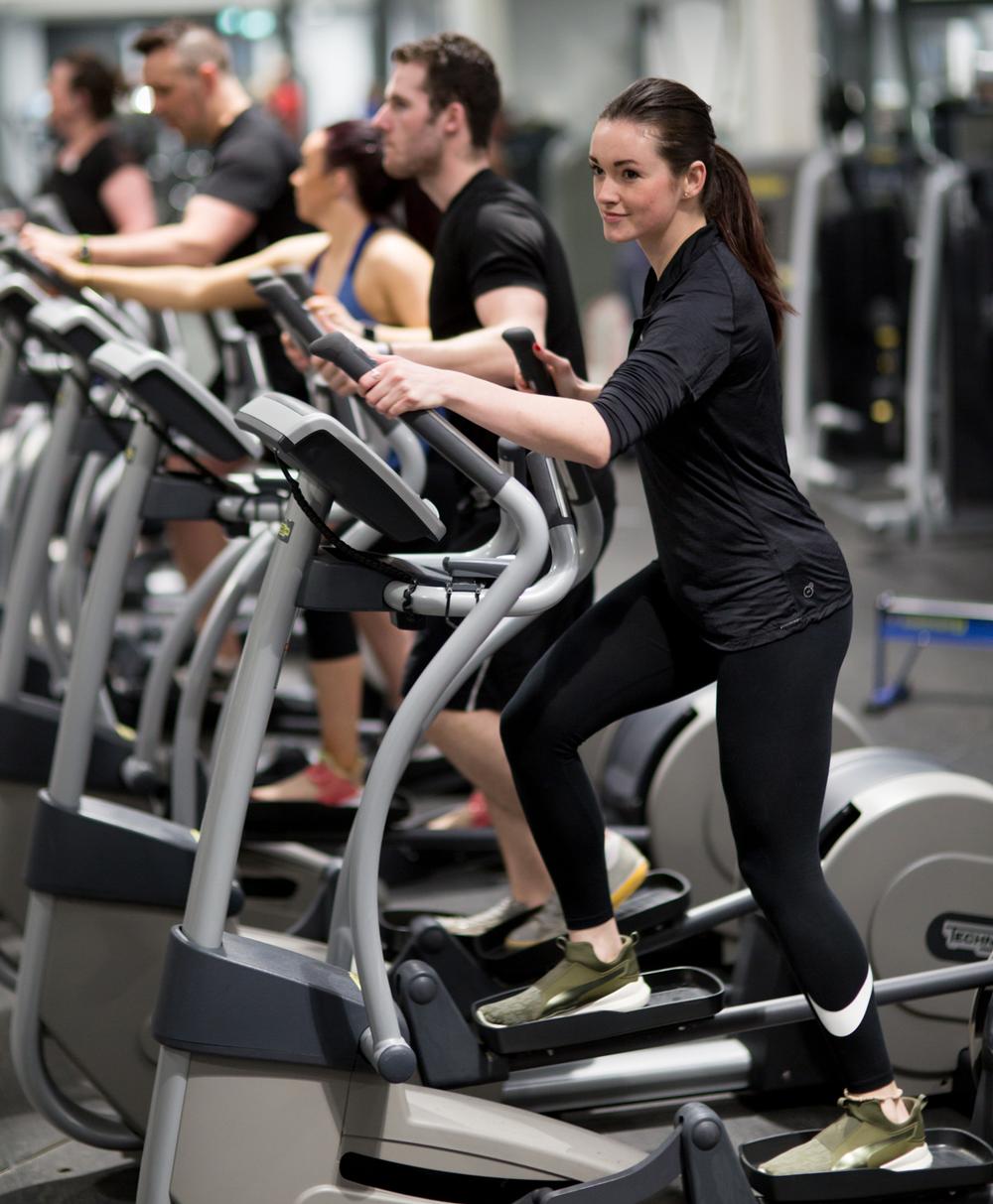
NEW KIT “We’ve pledged to get new kit into every centre, so it’s not all about building new facilities. Our strategy is to make sure every centre – old and new – has got modern equipment.”
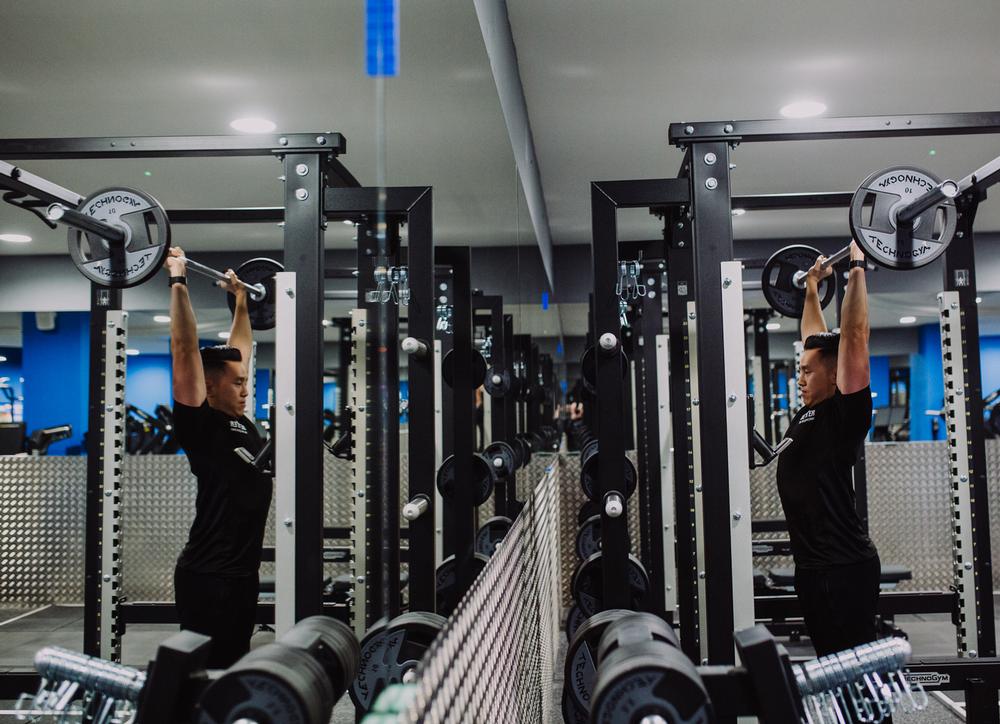
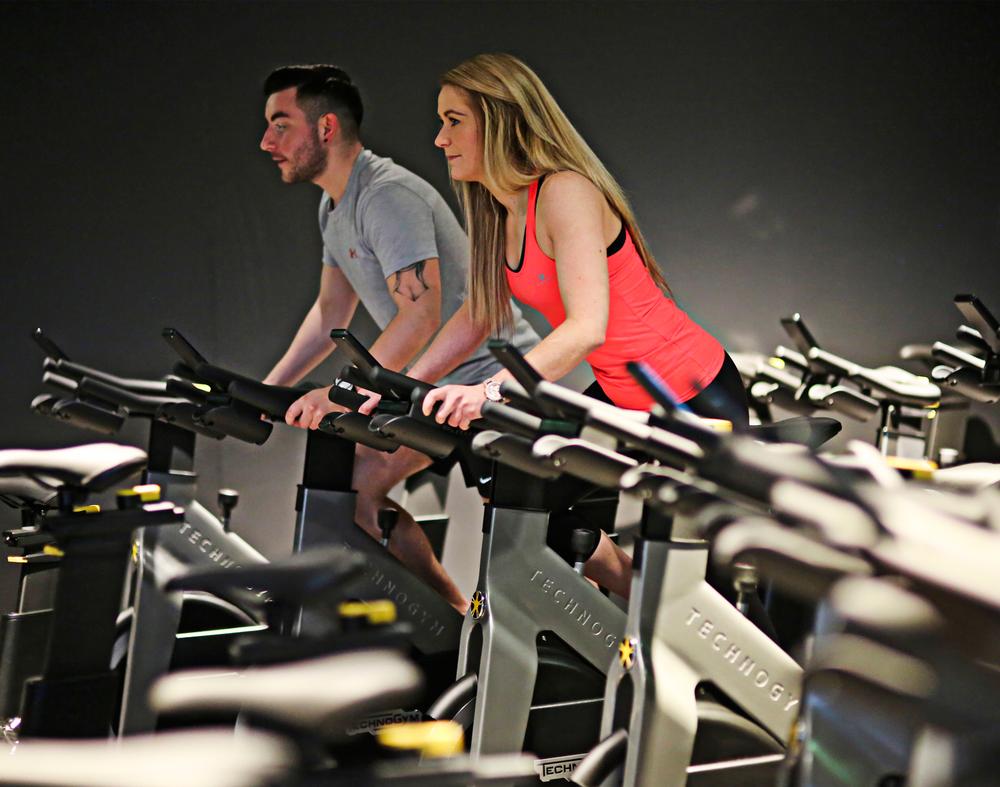
Kirk says the updating of existing centres has been helped by a long-standing partnership the trust has with equipment supplier Technogym.
“Technogym has played a key role in us bringing the portfolio up to date, equipment-wise,” he says, “but also in bringing in new innovations, such as the Technogym Moves concept”.
“They’ve helped us ensure that every facility – whether it’s the brand new £20m Olympia Leisure Centre or the much older Shankill Leisure Centre – has the same selection of equipment. It’s part of the commitment we’ve made to deliver a top quality service for every community. As a result – for a relatively compact and small city – Belfast now has a huge amount of top class, public facilities.”
Kirk says that providing inspiring facilities kitted with modern equipment helps achieve the key objective of the partnership between GLL and the council – to attract and retain new members and get people more active.
“In the past, even if potential new members found their way into a council-operated gym, they would have been faced with the prospect of training on old kit,” Kirk says. “Now, we have consistent quality across the estate.”
ACCESSIBLE TO EVERYONE Kirk adds that as part of the strategy, there’s a focus on tackling one of the UK’s major public health issues – getting people from disadvantaged backgrounds more physically active. The efforts are driven by what Kirk describes as accessible pricing.
“We have two tiers of pricing – around £33-£34 for those who pay the full membership and £16-£17 for those who can’t afford the full price,” he explains. “So around 50 per cent of our members pay half price, because they are in a position where they can’t pay the full membership – such as being unemployed – so we subsidise them.
“The entire social enterprise model is based on the principle of reinvesting all profits back into local facilities and communities – and the membership structure is a perfect example of that.”
BIG IMPACT Kirk says the combination of the council’s capital investment and GLL’s operational expertise has led to impressive results.
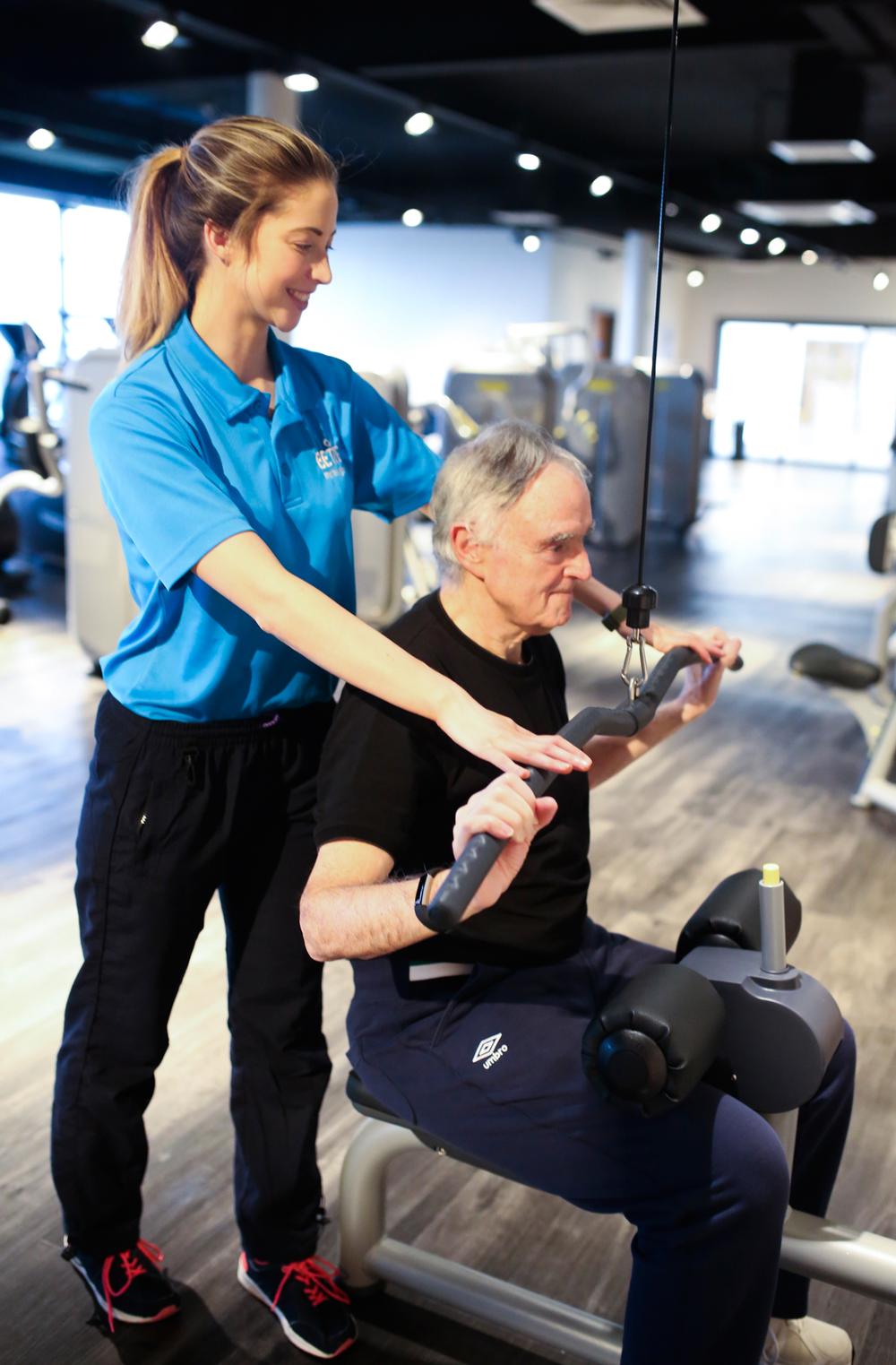
“The impact we’re having on the ground in Belfast is considerable,” he explains. “In terms of the gym membership, for example, there were between 7,000 and 8,000 members when we took over in 2015. Now there are more than 12,000. That growth is mainly down to us improving the gym product and ensuring it’s delivered by well-trained people.”
“We’ve also seen huge growth in the number of children taking part in swimming classes – and that has been without adding any more pools. We’ve got more kids in the pool simply by improving the overall offer and focusing on marketing.
Kirk singles out the new Olympia Leisure Centre – which opened in 2017 at a cost of £21.75m to replace an ageing facility – and how it could be seen as a microcosm of the effects of council investment and GLL operations.
Between 2016 (the last year of the old facility) and 2018, memberships increased from 700 to 2,050 and annual income increased from £425,000 to £1.3m.
FOR THE COMMON GOOD Kirk says that the success of the partnership has raised the profile of the social enterprise model – a relatively new concept not just for Belfast, but for the region. It has also highlighted the fact that not only does the model re-invest in facility stock, but also in other local physical activity projects.
One of these is a GLL-led programme to invest in young, local athletes. More than 100 Belfast athletes have so far benefited from £70,000 worth of funding towards their sport and training. The programme is delivered in partnership with the Mary Peters Trust and Belfast City Council.
“When it comes to new models, the social enterprise format wasn’t really seen here before – and certainly not in leisure,” he says. “It was a significant change for Northern Ireland, not least because around 30 per cent of the country’s workforce is employed in the public sector.”
It is, therefore, perhaps no surprise that while both the council and GLL have hailed the partnership as a great success, others have needed convincing of the benefits of the new system.
These include trade unions, which represent some of the staff employed at the leisure centres that are now operated by GLL. Some have been vocal with their challenges over the involvement of “an outsourced player” and the introduction of more flexible staffing.
Kirk explains the set-up, saying: “The changes have allowed for a close working relationship between us and the staff who are at the centre of the service. Also, they’re part of a strong focus on staff development – we’ve delivered more than 50 internal promotions since the partnership was launched.”
There have been some political challenges too. “I think everyone’s aware of the nature of the city and its history, so there are some challenges to understand and work on,” Kirk says. “But at the local level, people are very open about them and they are quite happy to talk about them and, importantly, there’s a really solution-focused approach about it all. The key is to really collaborate closely with the communities – and that’s exactly what we’ve done.
“The great thing about that is that you get to know people face-to-face, whether it’s members of the team or local councillors. It’s not uncommon for me to get calls from councillors – across all parties – in the evenings discussing a swimming pool issue or a gym fit-out.
“It’s been a challenging first few years, but we’re now in a strong position, with a great partner in Belfast City Council and a shared vision – to improve communities through leisure and physical activity.”
BEYOND BELFAST While BCC is seen as a pioneer due to its embracement of the social enterprise model – and its impressive investment levels – it’s not just Belfast that’s undergoing something of a leisure renaissance. Other councils are following suit and Kirk estimates there are between four and six new leisure centres opening on the outskirts of Belfast in areas run by councils other than BCC.
“There’s a huge amount of capital funding going into new stock, so it’s an exciting time for the leisure industry in Northern Ireland and also for the island of Ireland,” Kirk says.
So, with leisure experiencing a boom in the region and with local authorities looking to develop new facilities, is GLL looking to expand beyond Belfast?
“In short yes,” Kirk says. “We’re in discussions with other councils and partners.”
“It’s taken us four years to really understand the marketplace. It would have been naive for us to come to Northern Ireland thinking that it would operate in the same way as other places we’re active in.
“It’s a different operating environment in terms of people knowing each other and there being real value in getting connected with the community. But that makes for a very friendly and connected environment to work in, with much stronger collaborative working by local partners.
“So I think we’re at the stage now where we can start looking at other opportunities in Northern Ireland if – and when – they present themselves.
“But our focus at the moment is very much still on Belfast – not least because of the big investment and commitment we and the BCC have made. It’s taken us four years to really get things humming along and we’re looking forward to really delivering the results that the social enterprise model is capable of.”
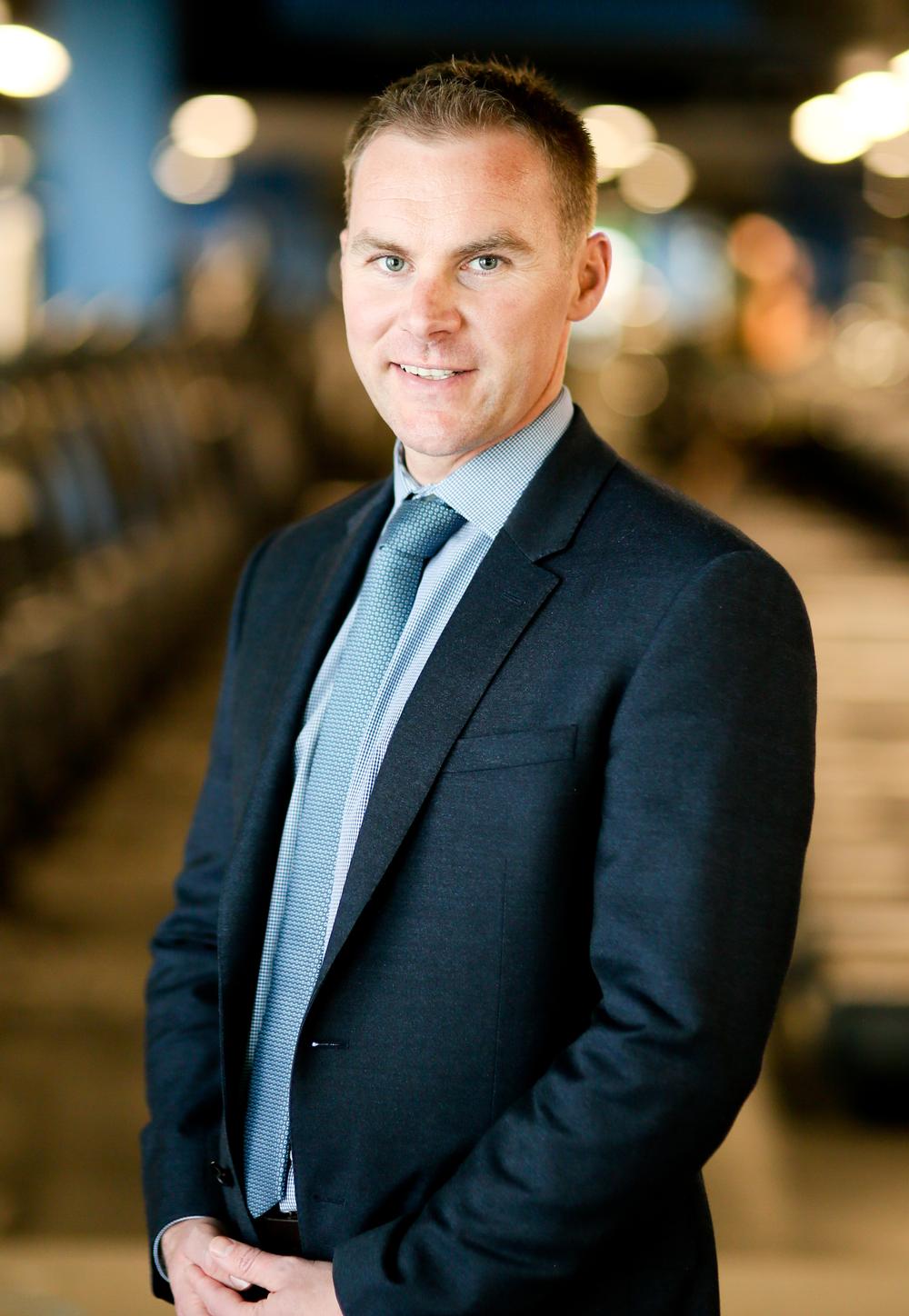
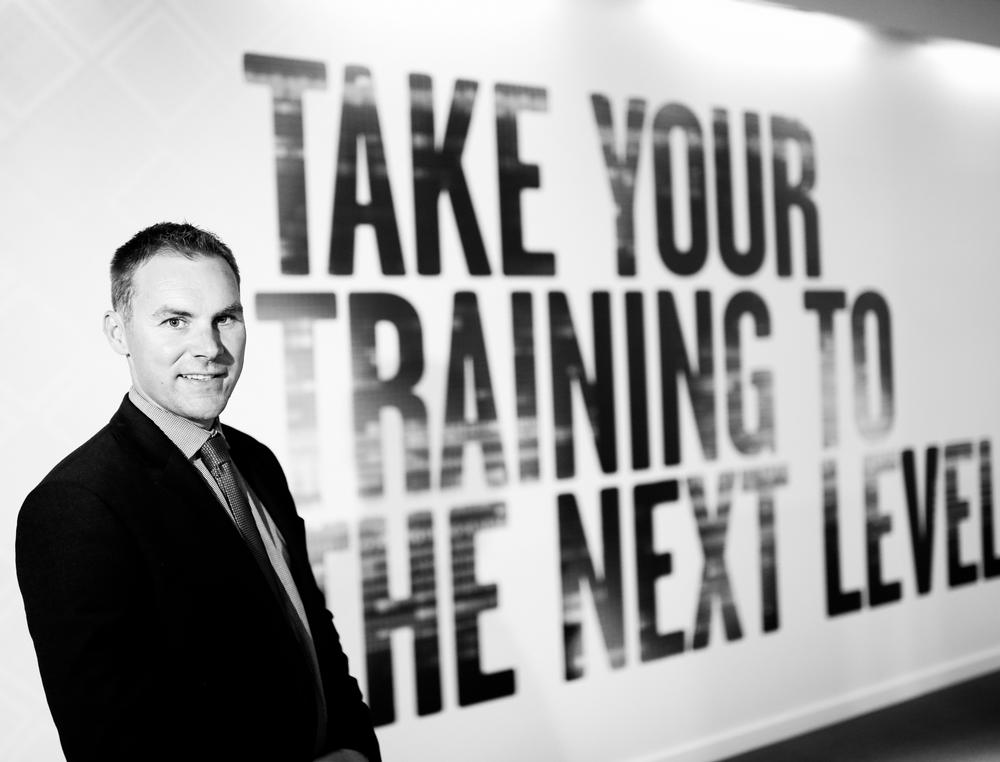
Gareth Kirk:
A SWOT analysis of social enterprises
STRENGTHS
A definite strength is the model’s non-profit aspect and the fact that social enterprises genuinely give back to the community. Once people understand the ethos – that all surpluses are directly re-invested back into the business for the benefit of members and the wider community – it’s a very powerful ‘selling tool’ for everyone involved.
WEAKNESSES
Awareness and understanding of the business model. People still don’t really know enough – or understand – what trusts are and how they operate, so I think we need to figure out how to raise the profile of social enterprise. The weaknesses are often the flip side of the opportunities, so educating people is crucial. There’s no reason why all public leisure shouldn’t be run by social enterprises. It’s proven to be a very sound model.
OPPORTUNITIES
There are definitely opportunities around new products and programmes – which some leisure trusts have already trialled and dabbled in – such as trampoline parks and big soft play centres. I think there are also opportunities to stretch ourselves outside of the gym, swim and exercise classes.
THREATS
These are probably more on the macro level and the wider environment of the unknown – such as political challenges or the fallout from Brexit. Certainly here in Belfast that’s the case, as the political parties aren’t currently talking to one another and no decisions are being made. So it makes it difficult for social enterprises to present their case.
GLL
GLL is an employee-owned company, managed by a team of worker board directors. The UK-wide organisation has more than 14,000 staff and a turnover of circa £300m. Since its launch more than 25 years ago, GLL has re-invested more than £100m back into the services it provides.
An opportunity to reimagine one of the UK’s most recognisable towers has been formally
opened by Rivington Hark, as St Johns Beacon invites operators and partners to shape its
next phase. [more...]
Leisure trust GLL has partnered with Belfast City Council to invest £105m over the next decade. We talk to the trust’s chair and regional director about how the social enterprise model is transforming operations
Kirk says GLL has enjoyed collaborating with the community in Belfast to drive change and increase activity
When we first took over the Belfast partnership in 2015, the operating practices in place here were 10 to 15 years behind their time,” says Gareth Kirk, GLL’s regional director for the city. “In terms of the equipment, the programming and the way classes were delivered, it was very similar to the way the industry was operating back in 2000.”
Kirk is describing the portfolio of leisure centres owned by Belfast City Council (BCC), which the leisure trust began operating four years ago. GLL took over BCC’s 10 centres in January 2015, running them under its ‘Better’ brand.
Since then, GLL and the council have worked together to upgrade facilities and add four centres to the estate, with a further three set to open within the next 12 months.
“What we’ve been able to do, in the space of just four years, is to move operations and standards forward by 10 years,” he says.
STRATEGIC MOVE The council’s decision to transfer operation of its leisure centres to a charitable social enterprise was part of its plans to refresh and upgrade leisure services across the city. At the heart of its strategy, called Leisure Transformation Programme, is a commitment to invest £105m in leisure services over the next decade – a major financial commitment in times when local authority budgets are constantly squeezed. The investment includes the building of seven new leisure centres.
“Making a capital investment of that magnitude is completely unheard of in today’s environment,” says Kirk. “Most of that funding will be spent on new stock, which has resulted not just in new leisure centres and fitness facilities, but also in significant upgrades in existing venues.
NEW KIT “We’ve pledged to get new kit into every centre, so it’s not all about building new facilities. Our strategy is to make sure every centre – old and new – has got modern equipment.”
Kirk says the updating of existing centres has been helped by a long-standing partnership the trust has with equipment supplier Technogym.
“Technogym has played a key role in us bringing the portfolio up to date, equipment-wise,” he says, “but also in bringing in new innovations, such as the Technogym Moves concept”.
“They’ve helped us ensure that every facility – whether it’s the brand new £20m Olympia Leisure Centre or the much older Shankill Leisure Centre – has the same selection of equipment. It’s part of the commitment we’ve made to deliver a top quality service for every community. As a result – for a relatively compact and small city – Belfast now has a huge amount of top class, public facilities.”
Kirk says that providing inspiring facilities kitted with modern equipment helps achieve the key objective of the partnership between GLL and the council – to attract and retain new members and get people more active.
“In the past, even if potential new members found their way into a council-operated gym, they would have been faced with the prospect of training on old kit,” Kirk says. “Now, we have consistent quality across the estate.”
ACCESSIBLE TO EVERYONE Kirk adds that as part of the strategy, there’s a focus on tackling one of the UK’s major public health issues – getting people from disadvantaged backgrounds more physically active. The efforts are driven by what Kirk describes as accessible pricing.
“We have two tiers of pricing – around £33-£34 for those who pay the full membership and £16-£17 for those who can’t afford the full price,” he explains. “So around 50 per cent of our members pay half price, because they are in a position where they can’t pay the full membership – such as being unemployed – so we subsidise them.
“The entire social enterprise model is based on the principle of reinvesting all profits back into local facilities and communities – and the membership structure is a perfect example of that.”
BIG IMPACT Kirk says the combination of the council’s capital investment and GLL’s operational expertise has led to impressive results.
“The impact we’re having on the ground in Belfast is considerable,” he explains. “In terms of the gym membership, for example, there were between 7,000 and 8,000 members when we took over in 2015. Now there are more than 12,000. That growth is mainly down to us improving the gym product and ensuring it’s delivered by well-trained people.”
“We’ve also seen huge growth in the number of children taking part in swimming classes – and that has been without adding any more pools. We’ve got more kids in the pool simply by improving the overall offer and focusing on marketing.
Kirk singles out the new Olympia Leisure Centre – which opened in 2017 at a cost of £21.75m to replace an ageing facility – and how it could be seen as a microcosm of the effects of council investment and GLL operations.
Between 2016 (the last year of the old facility) and 2018, memberships increased from 700 to 2,050 and annual income increased from £425,000 to £1.3m.
FOR THE COMMON GOOD Kirk says that the success of the partnership has raised the profile of the social enterprise model – a relatively new concept not just for Belfast, but for the region. It has also highlighted the fact that not only does the model re-invest in facility stock, but also in other local physical activity projects.
One of these is a GLL-led programme to invest in young, local athletes. More than 100 Belfast athletes have so far benefited from £70,000 worth of funding towards their sport and training. The programme is delivered in partnership with the Mary Peters Trust and Belfast City Council.
“When it comes to new models, the social enterprise format wasn’t really seen here before – and certainly not in leisure,” he says. “It was a significant change for Northern Ireland, not least because around 30 per cent of the country’s workforce is employed in the public sector.”
It is, therefore, perhaps no surprise that while both the council and GLL have hailed the partnership as a great success, others have needed convincing of the benefits of the new system.
These include trade unions, which represent some of the staff employed at the leisure centres that are now operated by GLL. Some have been vocal with their challenges over the involvement of “an outsourced player” and the introduction of more flexible staffing.
Kirk explains the set-up, saying: “The changes have allowed for a close working relationship between us and the staff who are at the centre of the service. Also, they’re part of a strong focus on staff development – we’ve delivered more than 50 internal promotions since the partnership was launched.”
There have been some political challenges too. “I think everyone’s aware of the nature of the city and its history, so there are some challenges to understand and work on,” Kirk says. “But at the local level, people are very open about them and they are quite happy to talk about them and, importantly, there’s a really solution-focused approach about it all. The key is to really collaborate closely with the communities – and that’s exactly what we’ve done.
“The great thing about that is that you get to know people face-to-face, whether it’s members of the team or local councillors. It’s not uncommon for me to get calls from councillors – across all parties – in the evenings discussing a swimming pool issue or a gym fit-out.
“It’s been a challenging first few years, but we’re now in a strong position, with a great partner in Belfast City Council and a shared vision – to improve communities through leisure and physical activity.”
BEYOND BELFAST While BCC is seen as a pioneer due to its embracement of the social enterprise model – and its impressive investment levels – it’s not just Belfast that’s undergoing something of a leisure renaissance. Other councils are following suit and Kirk estimates there are between four and six new leisure centres opening on the outskirts of Belfast in areas run by councils other than BCC.
“There’s a huge amount of capital funding going into new stock, so it’s an exciting time for the leisure industry in Northern Ireland and also for the island of Ireland,” Kirk says.
So, with leisure experiencing a boom in the region and with local authorities looking to develop new facilities, is GLL looking to expand beyond Belfast?
“In short yes,” Kirk says. “We’re in discussions with other councils and partners.”
“It’s taken us four years to really understand the marketplace. It would have been naive for us to come to Northern Ireland thinking that it would operate in the same way as other places we’re active in.
“It’s a different operating environment in terms of people knowing each other and there being real value in getting connected with the community. But that makes for a very friendly and connected environment to work in, with much stronger collaborative working by local partners.
“So I think we’re at the stage now where we can start looking at other opportunities in Northern Ireland if – and when – they present themselves.
“But our focus at the moment is very much still on Belfast – not least because of the big investment and commitment we and the BCC have made. It’s taken us four years to really get things humming along and we’re looking forward to really delivering the results that the social enterprise model is capable of.”
Gareth Kirk:
A SWOT analysis of social enterprises
STRENGTHS
A definite strength is the model’s non-profit aspect and the fact that social enterprises genuinely give back to the community. Once people understand the ethos – that all surpluses are directly re-invested back into the business for the benefit of members and the wider community – it’s a very powerful ‘selling tool’ for everyone involved.
WEAKNESSES
Awareness and understanding of the business model. People still don’t really know enough – or understand – what trusts are and how they operate, so I think we need to figure out how to raise the profile of social enterprise. The weaknesses are often the flip side of the opportunities, so educating people is crucial. There’s no reason why all public leisure shouldn’t be run by social enterprises. It’s proven to be a very sound model.
OPPORTUNITIES
There are definitely opportunities around new products and programmes – which some leisure trusts have already trialled and dabbled in – such as trampoline parks and big soft play centres. I think there are also opportunities to stretch ourselves outside of the gym, swim and exercise classes.
THREATS
These are probably more on the macro level and the wider environment of the unknown – such as political challenges or the fallout from Brexit. Certainly here in Belfast that’s the case, as the political parties aren’t currently talking to one another and no decisions are being made. So it makes it difficult for social enterprises to present their case.
GLL
GLL is an employee-owned company, managed by a team of worker board directors. The UK-wide organisation has more than 14,000 staff and a turnover of circa £300m. Since its launch more than 25 years ago, GLL has re-invested more than £100m back into the services it provides.
Hotel de France, located on the British Isle of Jersey, has created a wellness retreat package
that includes a hot yoga session that will take place in Jersey Zoo’s butterfly sanctuary.
A new immersive attraction designed to transport visitors into the final hours of ancient Pompeii
is preparing to open near the world-famous archaeological site in southern Italy.
Experience design company, BRC Imagination Arts, has completed a transition that sees founder
Bob Rogers pass ownership of the business to four long-serving senior executives, while
remaining actively involved with the company.
Movie Park Germany has opened a new Paramount Pictures-themed attraction as part of its 30th
anniversary celebrations, using immersive storytelling and adaptive reuse to reinforce the park’s
longstanding “Hollywood in Germany” positioning.
Therme Manchester’s 28-acre development, which will include interconnected glass pavilions
that measure 65,000sq m, will be the largest bathing and wellbeing attraction in the world once
complete, according to prof David Russell, CEO of Therme UK.
Efteling has opened Hooghmoed, a new family drop tower designed to broaden the appeal of its
recently launched Sirene Island themed area and introduce younger visitors to thrill attractions.
A proposed Puy du Fou development near Bicester and Universal Destinations and Experiences’
planned resort in Bedford are emerging as part of a wider transformation of the Oxford–
Cambridge Growth Corridor into a major centre for UK leisure and tourism inv
Shedd Aquarium has opened the Immersion Theater developed in partnership with SimEx-
Iwerks, as part of a wider strategy to enhance the guest experience and create additional
revenue opportunities.
The UK government has announced a temporary reduction in VAT on visitor attractions and
children’s meals as part of a summer cost-of-living support package designed to stimulate the
visitor economy and encourage family days out.
As designer Yinka Ilori prepares for his first solo gallery show in London, he speaks exclusively
to CLADmag about his mission to spread joy, the power of play, and his bold approach to using
colour (including the colours you won’t see in his work).
The government of Thailand is exploring plans for a THB300bn (£6.3bn, US$8.3bn)
entertainment complex in the country’s Eastern Economic Corridor (EEC), with officials
proposing a large-scale theme park and sports destination as part of a broader tourism and
economic development strategy.
+ More news
COMPANY PROFILES
Painting With Light By combining lighting, video, scenic and architectural elements, sound and special effects we tell s [more...]
Holovis Holovis is a privately owned company
established in 2004 by CEO Stuart
Hetherington. [more...]
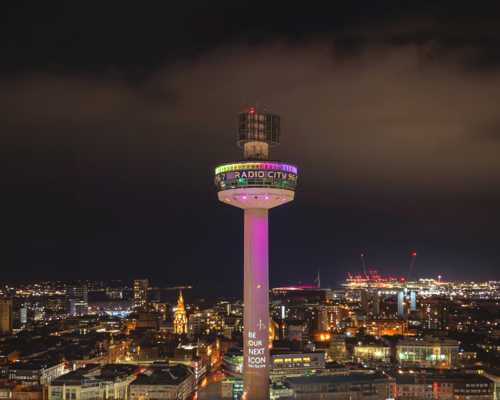
An opportunity to reimagine one of the UK’s most recognisable towers has been formally
opened by Rivington Hark, as St Johns Beacon invites operators and partners to shape its
next phase. [more...]