Nutritional supplements can provide a substantial revenue stream, so it’s worth getting to grips with this business. Health Club Management has gathered some top tips from operators who have cracked the formula…
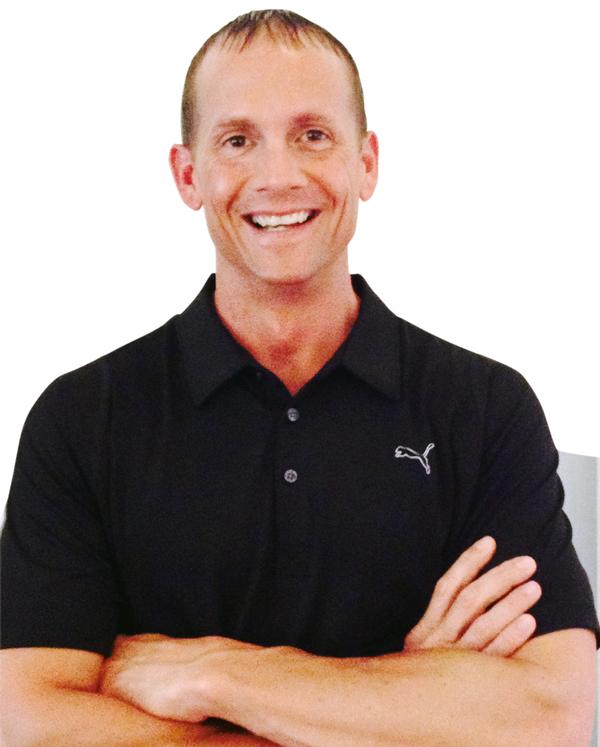
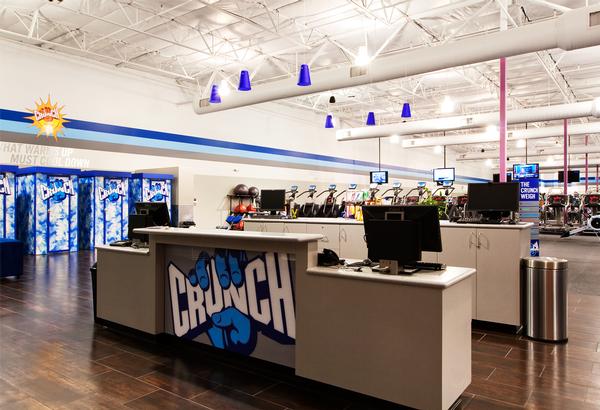
Crunch operates premium health clubs, each with around 4,000 members, and our average club revenue for nutritional supplements is US$6,000 a month. The lowest revenue per club is around US$4,500, with the highest around US$16,000.
So we’ve had a lot of success with nutritional supplements, but I wouldn’t ask members to buy a product I didn’t believe in. We have a long-standing partnership with Dotfit and much of our success is down to the quality of its product and the support it provides through training – it puts a lot of resources at my disposal for training staff. In addition, there’s not one challenge I’ve been presented with that I haven’t been able to find the answer to on the Dotfit website.
In addition to this, we only hire staff who are aligned with our views on exercise science. At the outset, we ask them for their thoughts on nutrition and about their own experience with multi-vitamins. Members’ goals generally involve losing size, but side-effects of dieting include a nutrient deficit and the loss of lean muscle tone. In order to accomplish weight loss while still maintaining good tissue and retaining nutrients, they need multi-vitamins.
Trainers need to be comfortable conversing with clients about nutrition too. This is a sensitive subject, as it encompasses ethnicities and how people were raised.
You run into obstacles and negative perceptions, but we start the conversation with members from the very beginning. We give them a nutrient starter kit with a 30-day supply of vitamins, some meal replacements and snacks. Trainers then pick up on the subject at orientation and take it from there.
“Choose a good partner, with a product you believe in and who will give you sufficient support, especially when it comes to staff training” William Coker, Crunch
Crunch starts the conversation from the beginning, with nutrient starter kits
RECOGNISED BRANDS
Simon Gomm
Simon GommOwner Fitness Station – Dogsthorpe, Peterborough, UK
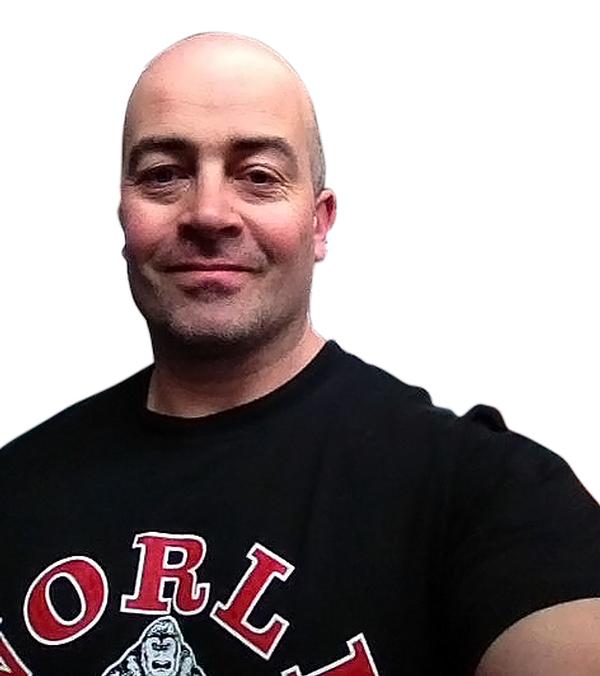
I’ve built supplements up to account for 30–40 per cent of income at my pro-gym, without borrowing a penny. In fact, it’s worked so well for me that I’ve entered into a partnership to open a high street shop and an online shop, because I’ve practically run out of space in the club.
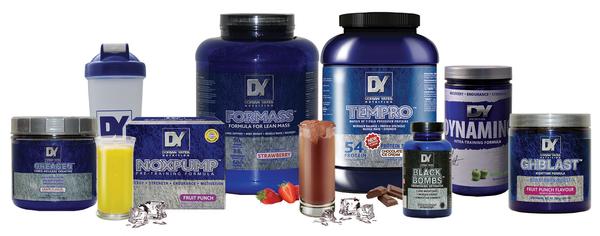
We stock four ranges – whey protein, branch chain aminos, mass gainers and fat burners – across a number of brands: MET Rx, USM, Dorian Yates, NRG, Fuel, Boditronics, Optimum Nutrition and BSN. It’s important to stock the products your members will recognise: look in the magazines your members read and see which brands are promoted, then invest in them. Offer a mix of premium and budget products that are well marketed by the manufacturer. Start off small – you don’t have to invest thousands of pounds.
Revenue streams like this are key to survival for those of us who are going up against the budget chains.
Gomm stocks products like whey protein, mass gainers and fat burners
TAILORED APPROACH
Mark Anthony
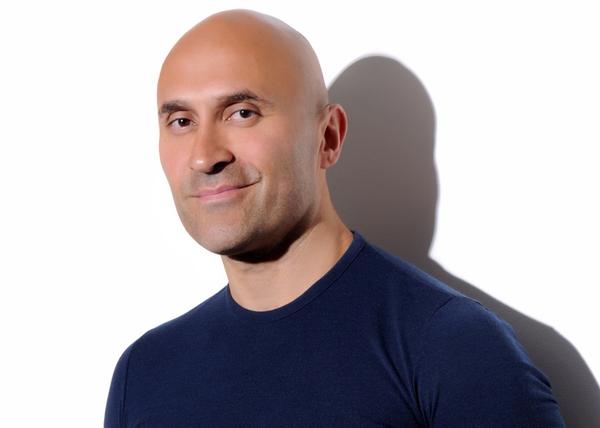
Mark AnthonyCEORush Fitness – Uxbridge and Southend, UK
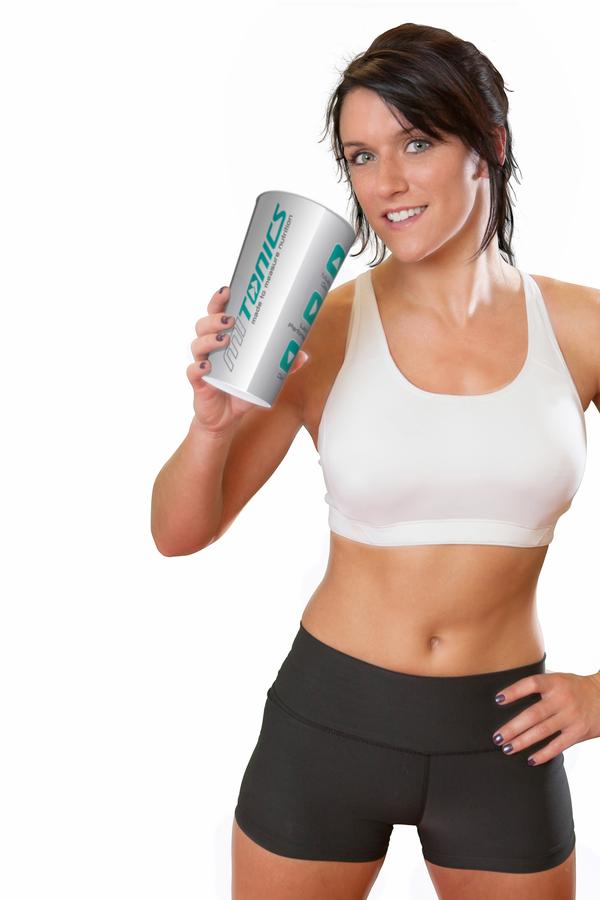
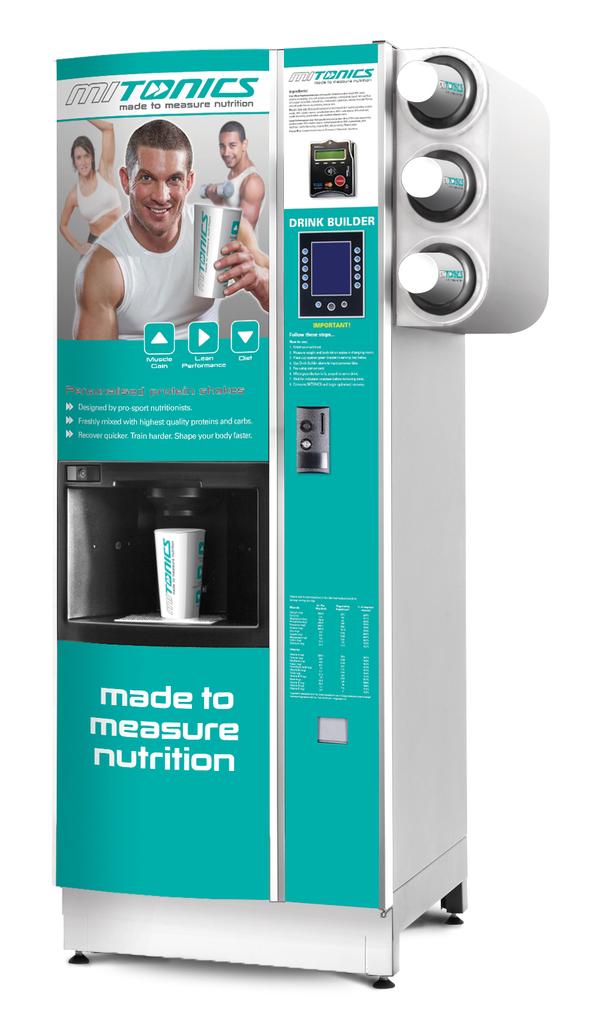
It’s very important to supply the body with the right nutrients after exercise, and Mitonics is revolutionary in that exactly the right protein requirement is calculated for each member, based on their weight and body fat percentage. We work hard to educate members about the importance of nutrition, and have found this precise and scientific approach resonates with them.
After their first workout, we encourage members to try a shake. Once a month, we run a promotional day with free tastings that we promote via email and Facebook.
We’ve just designed some new programmes – Weight Off, Muscle Up, and Lean and Tone – which have special drinks to complement the programmes. These have proved hugely successful.
Although other revenue streams are more significant, protein drinks are a very important part of the offering at our two clubs, and will be at the six new clubs we’re going to be opening this year.
Free tastings can help drive uptake
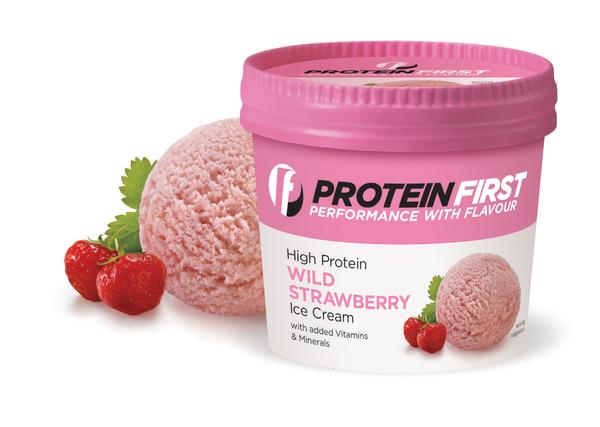
TIPS FROM THE EXPERTS “Make sure they taste good. Protein First’s ice cream has proved a popular seasonal product with our hotel guests. It’s low fat and high protein, so is perceived as a treat with some nutritional benefits”
Laurence Gibson, leisure club manager, Cardiff Marriott Hotel
Offer treats that also
have nutritional benefits
TIPS FROM THE EXPERTS “Matching nutritional supplements to particular programmes can be a good way to promote the product, while also educating the member about the most suitable product for their goals”
Mark Anthony, Rush Fitness
Mitonics calculates the protein requirement for each member
TIPS FROM THE EXPERTS “Speak to product companies about doing an in-club assessment to find out what will work for your clientele, then work with them to run taster days” Simon Gomm, Fitness Station
“Make the most of the rep. We got the MaxiMuscle rep to perform a tasting and staff briefing, so staff felt equipped with the product knowledge they needed to sell to members, learning how to match the product to the member” Laurence Gibson, leisure club manager, Cardiff Marriott Hotel
“Start the conversation about nutritional supplements from the outset. Give new members a starter kit as soon as they join and get the dialogue going with trainers immediately” William Coker, Crunch
“Empower your reception team to chat to interested members and upsell, informing them about the products on a regular basis. Having a monthly meeting on all products – going through ingredients, benefits and how they can help achieve training goals – has boosted our sales of nutritional supplements to make up 75 per cent of our daily sales” Dani Mitilades, operations director, ThirtySeven Degrees Olympia, London
“Hire trainers who share your passion for nutritional supplements, and who are comfortable having the conversation with members. Then make sure they are properly educated about the benefits” William Coker, Crunch
“When going through a member’s diet and food diaries at consultations and programme reviews, prescribe a nutritional supplement, matching the product to the person. We find people are open to recommendations at this point” Laurence Gibson, leisure club manager, Cardiff Marriott Hotel
“We make up taster pots of Body Plus Nutrition during our busy times and find this has a great impact on our daily sales” Dani Mitilades, operations director, ThirtySeven Degrees Olympia, London
“There isn’t a ‘one size fits all’ approach, as different clients will have different aims – some might want to bulk up, for example, while others will be looking to build lean mass. Build relationships with each individual member to find out their aims and be able to recommend the product accordingly” Simon Gomm, Fitness Station
COMPANY PROFILES
IAAPA EMEA
IAAPA Expo Europe was established in 2006 and has grown to the largest international conference and [more...]
Holovis
Holovis is a privately owned company
established in 2004 by CEO Stuart
Hetherington. [more...]
RMA Ltd
RMA Ltd is a one-stop global company
that can design, build and produce from a
greenfield site upw [more...]
Taylor Made Designs
Founded in 1993, Taylor Made
Designs supply corporate clothing
and brand-enhancing merchandise
to [more...]
Nutritional supplements can provide a substantial revenue stream, so it’s worth getting to grips with this business. Health Club Management has gathered some top tips from operators who have cracked the formula…
Crunch operates premium health clubs, each with around 4,000 members, and our average club revenue for nutritional supplements is US$6,000 a month. The lowest revenue per club is around US$4,500, with the highest around US$16,000.
So we’ve had a lot of success with nutritional supplements, but I wouldn’t ask members to buy a product I didn’t believe in. We have a long-standing partnership with Dotfit and much of our success is down to the quality of its product and the support it provides through training – it puts a lot of resources at my disposal for training staff. In addition, there’s not one challenge I’ve been presented with that I haven’t been able to find the answer to on the Dotfit website.
In addition to this, we only hire staff who are aligned with our views on exercise science. At the outset, we ask them for their thoughts on nutrition and about their own experience with multi-vitamins. Members’ goals generally involve losing size, but side-effects of dieting include a nutrient deficit and the loss of lean muscle tone. In order to accomplish weight loss while still maintaining good tissue and retaining nutrients, they need multi-vitamins.
Trainers need to be comfortable conversing with clients about nutrition too. This is a sensitive subject, as it encompasses ethnicities and how people were raised.
You run into obstacles and negative perceptions, but we start the conversation with members from the very beginning. We give them a nutrient starter kit with a 30-day supply of vitamins, some meal replacements and snacks. Trainers then pick up on the subject at orientation and take it from there.
“Choose a good partner, with a product you believe in and who will give you sufficient support, especially when it comes to staff training” William Coker, Crunch
Crunch starts the conversation from the beginning, with nutrient starter kits
RECOGNISED BRANDS
Simon Gomm
Simon GommOwner Fitness Station – Dogsthorpe, Peterborough, UK
I’ve built supplements up to account for 30–40 per cent of income at my pro-gym, without borrowing a penny. In fact, it’s worked so well for me that I’ve entered into a partnership to open a high street shop and an online shop, because I’ve practically run out of space in the club.
We stock four ranges – whey protein, branch chain aminos, mass gainers and fat burners – across a number of brands: MET Rx, USM, Dorian Yates, NRG, Fuel, Boditronics, Optimum Nutrition and BSN. It’s important to stock the products your members will recognise: look in the magazines your members read and see which brands are promoted, then invest in them. Offer a mix of premium and budget products that are well marketed by the manufacturer. Start off small – you don’t have to invest thousands of pounds.
Revenue streams like this are key to survival for those of us who are going up against the budget chains.
Gomm stocks products like whey protein, mass gainers and fat burners
TAILORED APPROACH
Mark Anthony
Mark AnthonyCEORush Fitness – Uxbridge and Southend, UK
It’s very important to supply the body with the right nutrients after exercise, and Mitonics is revolutionary in that exactly the right protein requirement is calculated for each member, based on their weight and body fat percentage. We work hard to educate members about the importance of nutrition, and have found this precise and scientific approach resonates with them.
After their first workout, we encourage members to try a shake. Once a month, we run a promotional day with free tastings that we promote via email and Facebook.
We’ve just designed some new programmes – Weight Off, Muscle Up, and Lean and Tone – which have special drinks to complement the programmes. These have proved hugely successful.
Although other revenue streams are more significant, protein drinks are a very important part of the offering at our two clubs, and will be at the six new clubs we’re going to be opening this year.
Free tastings can help drive uptake
TIPS FROM THE EXPERTS “Make sure they taste good. Protein First’s ice cream has proved a popular seasonal product with our hotel guests. It’s low fat and high protein, so is perceived as a treat with some nutritional benefits”
Laurence Gibson, leisure club manager, Cardiff Marriott Hotel
Offer treats that also
have nutritional benefits
TIPS FROM THE EXPERTS “Matching nutritional supplements to particular programmes can be a good way to promote the product, while also educating the member about the most suitable product for their goals”
Mark Anthony, Rush Fitness
Mitonics calculates the protein requirement for each member
TIPS FROM THE EXPERTS “Speak to product companies about doing an in-club assessment to find out what will work for your clientele, then work with them to run taster days” Simon Gomm, Fitness Station
“Make the most of the rep. We got the MaxiMuscle rep to perform a tasting and staff briefing, so staff felt equipped with the product knowledge they needed to sell to members, learning how to match the product to the member” Laurence Gibson, leisure club manager, Cardiff Marriott Hotel
“Start the conversation about nutritional supplements from the outset. Give new members a starter kit as soon as they join and get the dialogue going with trainers immediately” William Coker, Crunch
“Empower your reception team to chat to interested members and upsell, informing them about the products on a regular basis. Having a monthly meeting on all products – going through ingredients, benefits and how they can help achieve training goals – has boosted our sales of nutritional supplements to make up 75 per cent of our daily sales” Dani Mitilades, operations director, ThirtySeven Degrees Olympia, London
“Hire trainers who share your passion for nutritional supplements, and who are comfortable having the conversation with members. Then make sure they are properly educated about the benefits” William Coker, Crunch
“When going through a member’s diet and food diaries at consultations and programme reviews, prescribe a nutritional supplement, matching the product to the person. We find people are open to recommendations at this point” Laurence Gibson, leisure club manager, Cardiff Marriott Hotel
“We make up taster pots of Body Plus Nutrition during our busy times and find this has a great impact on our daily sales” Dani Mitilades, operations director, ThirtySeven Degrees Olympia, London
“There isn’t a ‘one size fits all’ approach, as different clients will have different aims – some might want to bulk up, for example, while others will be looking to build lean mass. Build relationships with each individual member to find out their aims and be able to recommend the product accordingly” Simon Gomm, Fitness Station
London Museum will open four new food and drink destinations when it launches its new home
at Smithfield on 28 November, making hospitality a central part of the visitor experience at one
of the capital's biggest cultural openings of the year.
OMA has completed a major transformation of New York's New Museum, creating a larger
cultural campus that combines expanded exhibition spaces with learning, performance,
hospitality and public programming.
A US$50 million (£44.2 million, €51.2 million) transformation of Chicago's historic McCormick
Mansion has created a new destination that combines live magic, immersive theatre, dining and
private membership under one roof.
The Montana Historical Society has officially celebrated the opening of its new Montana
Heritage
Center, a US$107 million (£79 million, €92 million) destination that combines immersive
storytelling with cutting-edge audiovisual technology to bring the sta
San Antonio Zoo has reported a US$283 million economic impact for 2025, following a decade-
long transformation programme that has seen almost US$200 million invested into the Texas
attraction.
Plans for the AU$180 million redevelopment of Reef HQ Aquarium in Townsville, Australia, are
progressing, with the project set to transform the attraction into a global centre for reef
education and conservation.
Abu Dhabi-based investment firm Mubadala Capital has made a binding, fully financed
€1 billion
offer to acquire Pierre and Vacances SA, the European holiday resort operator behind the
continental European Center Parcs business.
Disney has reaffirmed its commitment to investing US$30 billion in its US parks and cruise
business by 2033, using new America250 celebrations to underline the role its attractions play
in supporting jobs, tourism and economic growth.
Expo 2030 Riyadh is being planned as a permanent visitor destination, with organisers
confirming the six-million-square-metre site will become a Global Village after the event closes.
The owner of one of Australia's best-known waterparks has acquired a major competitor,
creating a new attractions business spanning two of the country's largest visitor destinations.