Society as a whole is beginning to acknowledge that exercise and physical activity is one of the most important ‘medicines’ an older adult can take for managing chronic disease, decreasing the rate of cognitive decline and improving functionality. But where should this activity take place – are standalone over-50s facilities the way forward, or can any health club or leisure centre successfully cater for this growing population group? We ask the experts....
Sheldon S ZinbergMD Chair and presidentNifty after Fifty, US
Sheldon S Zinberg
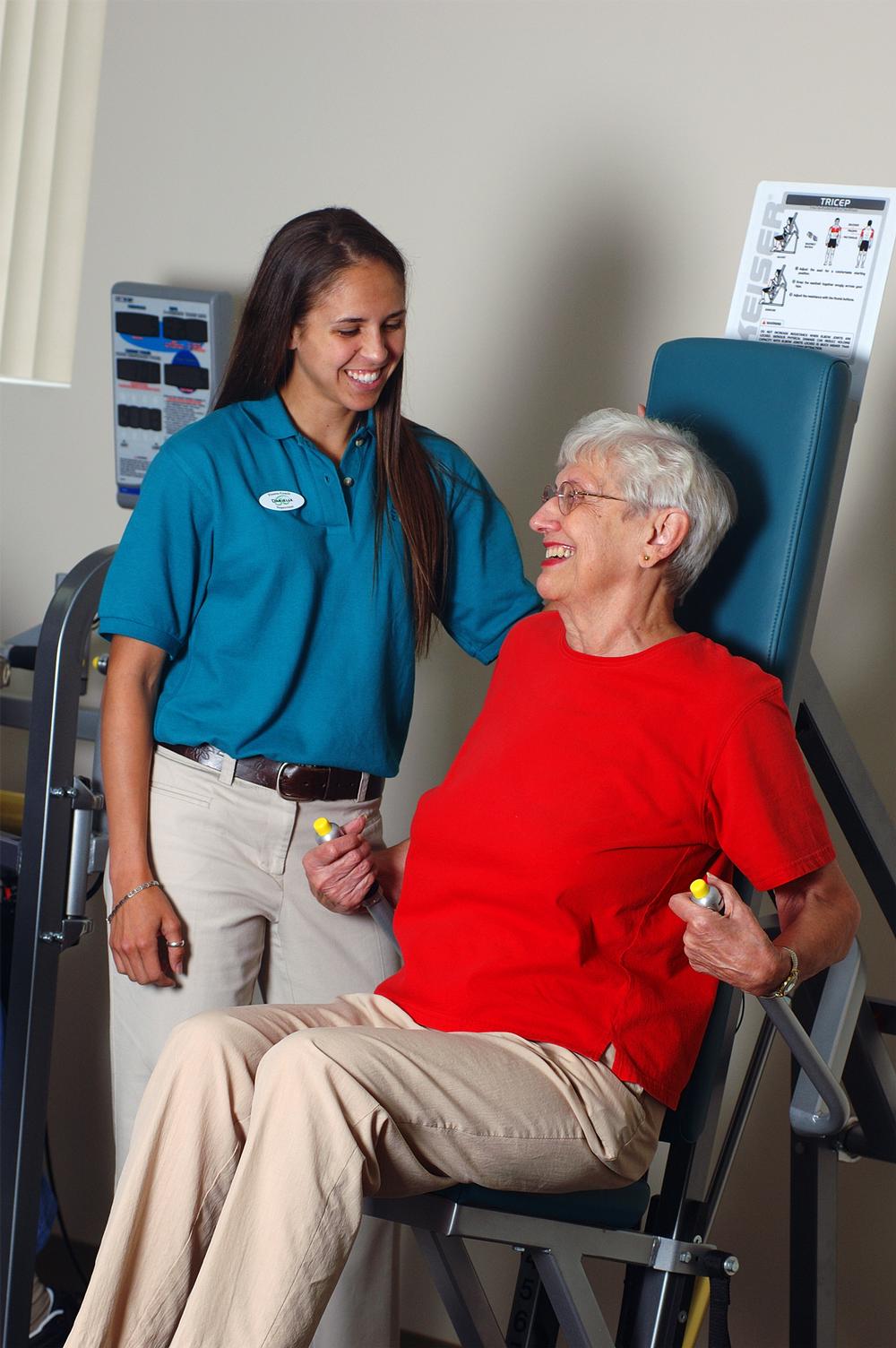
While any exercise is better than no exercise at all, we believe that older people need individually customised, clinically supervised and monitored wellness programmes, offered within centres that are specifically designed to provide a safe, senior-friendly ambience. Most older adults won’t participate in traditional fitness clubs for a number of reasons: the intimidating atmosphere created by the presence of younger, fitter individuals; the noise levels commonly present; and the lack of frequent, affordable supervision.
At Nifty after Fifty, each individual receives a thorough evaluation – conducted by graduate kinesiologists and supervised by physical therapists – that identifies overall fitness, specific areas of more advanced ‘de-fitness’, and frailties associated with specific chronic diseases. These can then be remedially addressed in a bespoke programme.
In an effort to avoid the potential for injury associated with inertia, pneumatic equipment is used for strength training rather than weight stack machines. For aerobic training, we prefer seated stair steppers, ellipticals and cycles that measure the member’s peak exercise capacity in metabolic equivalents (METs).
To improve social interaction, make it fun and improve eye-limb co-ordination, group exercise is offered in the form of balance classes, yoga, cane aerobics, Cane-Fu, Zumba, line dancing, Wii bowling contests, Volley Ball-oon and so on. Our evidenced-based techniques and innovative programmes are researched daily and incorporated only after testing at our corporate centre and approval by our advisory committee.
In spite of all this, many still require added inspiration to participate. We’ve found a healthcare provider’s written prescription is most effective, leading to over 80 per cent compliance for the initial visit. Making the programmes safe, effective and fun provides reasonable assurance of continued compliance.
Jackie HanleySenior Health & Physical Activity Development OfficerOCL, UK
Jackie Hanley
OCL has a long track record of attracting older people into exercise and, from experience, I believe a standalone offering is unnecessary, offering no significant benefits either for the audience or commercially.
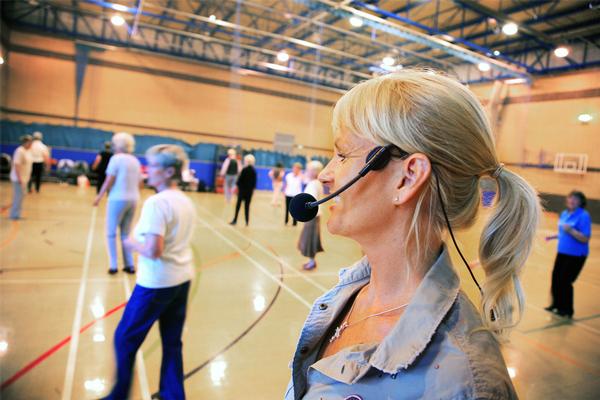
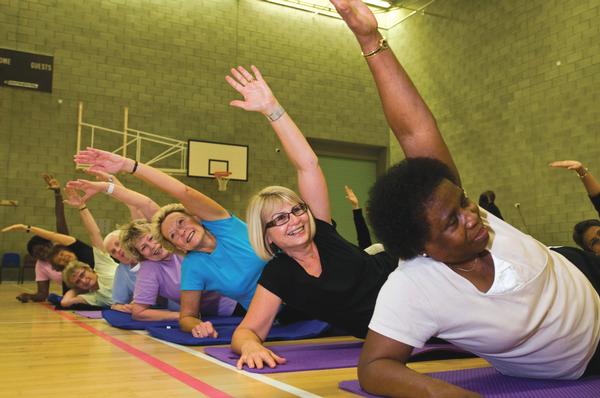
Older adults are our biggest user group, especially during the day, and we run more than 110 classes via our ‘Easy Does It’ programme, plus a further 50 specialist classes aimed at people with health conditions, who also tend to fall into this age bracket.
In my experience, this audience varies dramatically, both physically and mentally, but older adults are consistently straight-talking, rejecting over-promotion or PR hype and spending time carefully selecting their activities. Our most successful promotions include clear, readable information with exact descriptions, focusing on the fact that sessions are fun and have health and lifestyle benefits.
As a general rule, this market doesn’t like to be made to feel ‘older’. Were we to launch a dedicated older adults gym brand, I believe it should be aimed at over-65s. With people living longer and age increasingly becoming just a number, 50 is too young to be termed an ‘older adult’, with the inference that you need specialist facilities. A bespoke/targeted facility would also need incredibly careful branding and PR, to ensure it didn’t alienate the market it’s targeting.
As a general rule, this market doesn’t like to be made to feel ‘older’
OCL’s ’Easy Does It’ programme runs over 100 classes for the older adult market
Amy TomkinsAssociate directorThe Futures Company, UK
Amy Tomkins
Astudy run by The Futures Company in 2012 revealed that nearly 50 per cent of 50- to 60-year-olds agree that their age group is not portrayed accurately in society. This increases to 65 per cent of over-70s, suggesting that it’s easy to get it wrong, particularly if gym operators single out this age group as ‘different’.
Gym providers therefore need to be careful not to alienate the senior audience: being singled out by a gym as ‘older’ – whether through targeted classes within a mainstream gym or through a standalone over-50s positioning – could deter rather than encourage.
Brands in other sectors are adopting a more inclusive approach, with retailers such as M&S regularly using older models in their campaigns, positioning them as ‘one of the girls’ and recognising the similarities between their hopes and dreams and those of a younger audience. Gyms should take note: many of the barriers preventing over-50s from signing up are similar to those facing younger generations. Gyms hoping to target the over-50s should focus on communicating accessibility and inclusivity across age groups, highlighting that we all have similar fears when it comes to signing on the dotted line.
Dennis KeiserFounderKeiser Institute on Aging, US
Dennis Keiser
While mainstream gym brands could be the answer for the older market, they generally have too much going against them to be successful in this market. They already have a reputation for appealing to the younger crowd. Everything they know about the gym business and how to be successful centres around the younger market.
Older adults are a totally different breed. Staff must be more educated, which means they demand more money, which affects profitability. I seriously doubt we’ll see a normal health/leisure gym brand lead the way to the older adult market. My bet would be on the newcomers, unfamiliar with the gym business, building a model around older adults without the prejudice of success with younger adults.
This could start with just one centre: based on how long it takes to make it profitable and establish the brand – and of course their desire and ability to expand – they can become the mainstream name. This is how Nifty after Fifty started in the US. But it has to be profitable, and therein lies the challenge: it costs a lot more money in staffing to cater to the needs of the older adult.
Other challenges in dealing with the over-50s include the diversity of functional ability. This varies little between the age of 20 and 50 years compared to ages 50 to 80, to say nothing about 80 to 100. We shouldn’t be talking in terms of age but rather functional ability. The normal health club/leisure centre environment should be able to cater for the more functional 50- to 70-year-old. The less functional will require a facility dedicated to their needs, which understands medications, chronic diseases and pain, depression and other things that come with age.
Steve CollinsFreedom Leisure Fitness ManagerCrowborough Leisure Centre, UK
Steve Collins
The vital thing to remember is that over-50s don’t constitute one market: a pensioner could be a triathlete or frail and infirm. If you’re going to specifically target this group, you’ll have to hone in on a specific tribe within it.
For example, there’s definitely a market for a centre dedicated to programmes such as exercise for stroke, falls prevention and so on. However, it may not be financially viable in the UK, as people aren’t used to paying for healthcare once something’s medicalised, and private health insurance companies tend to only pay for physiotherapy. Away from the more affluent locations, it would take a change in medical and healthcare culture in this country for such a centre to work.
I believe it’s more feasible to cater for this market within existing centres, where a broader range of services meets the varying needs of the diverse over-50s population. If chair-based exercise is what they need, it’s there, but if they want to do Body Combat, play badminton or do HIIT in the gym, that’s available too.
We offer a range of over-50s sessions and comprehensive exercise referral schemes. We also have studio instructors aged over 50 as role models. But mainly it’s about not patronising people and assuming that, because of their age, they’re only going to like certain things and not be fit. Listen to the customer in front of you and find out what they actually want and enjoy.
Gyms could have over-50s instructors as role models
Society as a whole is beginning to acknowledge that exercise and physical activity is one of the most important ‘medicines’ an older adult can take for managing chronic disease, decreasing the rate of cognitive decline and improving functionality. But where should this activity take place – are standalone over-50s facilities the way forward, or can any health club or leisure centre successfully cater for this growing population group? We ask the experts....
Sheldon S ZinbergMD Chair and presidentNifty after Fifty, US
Sheldon S Zinberg
While any exercise is better than no exercise at all, we believe that older people need individually customised, clinically supervised and monitored wellness programmes, offered within centres that are specifically designed to provide a safe, senior-friendly ambience. Most older adults won’t participate in traditional fitness clubs for a number of reasons: the intimidating atmosphere created by the presence of younger, fitter individuals; the noise levels commonly present; and the lack of frequent, affordable supervision.
At Nifty after Fifty, each individual receives a thorough evaluation – conducted by graduate kinesiologists and supervised by physical therapists – that identifies overall fitness, specific areas of more advanced ‘de-fitness’, and frailties associated with specific chronic diseases. These can then be remedially addressed in a bespoke programme.
In an effort to avoid the potential for injury associated with inertia, pneumatic equipment is used for strength training rather than weight stack machines. For aerobic training, we prefer seated stair steppers, ellipticals and cycles that measure the member’s peak exercise capacity in metabolic equivalents (METs).
To improve social interaction, make it fun and improve eye-limb co-ordination, group exercise is offered in the form of balance classes, yoga, cane aerobics, Cane-Fu, Zumba, line dancing, Wii bowling contests, Volley Ball-oon and so on. Our evidenced-based techniques and innovative programmes are researched daily and incorporated only after testing at our corporate centre and approval by our advisory committee.
In spite of all this, many still require added inspiration to participate. We’ve found a healthcare provider’s written prescription is most effective, leading to over 80 per cent compliance for the initial visit. Making the programmes safe, effective and fun provides reasonable assurance of continued compliance.
Jackie HanleySenior Health & Physical Activity Development OfficerOCL, UK
Jackie Hanley
OCL has a long track record of attracting older people into exercise and, from experience, I believe a standalone offering is unnecessary, offering no significant benefits either for the audience or commercially.
Older adults are our biggest user group, especially during the day, and we run more than 110 classes via our ‘Easy Does It’ programme, plus a further 50 specialist classes aimed at people with health conditions, who also tend to fall into this age bracket.
In my experience, this audience varies dramatically, both physically and mentally, but older adults are consistently straight-talking, rejecting over-promotion or PR hype and spending time carefully selecting their activities. Our most successful promotions include clear, readable information with exact descriptions, focusing on the fact that sessions are fun and have health and lifestyle benefits.
As a general rule, this market doesn’t like to be made to feel ‘older’. Were we to launch a dedicated older adults gym brand, I believe it should be aimed at over-65s. With people living longer and age increasingly becoming just a number, 50 is too young to be termed an ‘older adult’, with the inference that you need specialist facilities. A bespoke/targeted facility would also need incredibly careful branding and PR, to ensure it didn’t alienate the market it’s targeting.
As a general rule, this market doesn’t like to be made to feel ‘older’
OCL’s ’Easy Does It’ programme runs over 100 classes for the older adult market
Amy TomkinsAssociate directorThe Futures Company, UK
Amy Tomkins
Astudy run by The Futures Company in 2012 revealed that nearly 50 per cent of 50- to 60-year-olds agree that their age group is not portrayed accurately in society. This increases to 65 per cent of over-70s, suggesting that it’s easy to get it wrong, particularly if gym operators single out this age group as ‘different’.
Gym providers therefore need to be careful not to alienate the senior audience: being singled out by a gym as ‘older’ – whether through targeted classes within a mainstream gym or through a standalone over-50s positioning – could deter rather than encourage.
Brands in other sectors are adopting a more inclusive approach, with retailers such as M&S regularly using older models in their campaigns, positioning them as ‘one of the girls’ and recognising the similarities between their hopes and dreams and those of a younger audience. Gyms should take note: many of the barriers preventing over-50s from signing up are similar to those facing younger generations. Gyms hoping to target the over-50s should focus on communicating accessibility and inclusivity across age groups, highlighting that we all have similar fears when it comes to signing on the dotted line.
Dennis KeiserFounderKeiser Institute on Aging, US
Dennis Keiser
While mainstream gym brands could be the answer for the older market, they generally have too much going against them to be successful in this market. They already have a reputation for appealing to the younger crowd. Everything they know about the gym business and how to be successful centres around the younger market.
Older adults are a totally different breed. Staff must be more educated, which means they demand more money, which affects profitability. I seriously doubt we’ll see a normal health/leisure gym brand lead the way to the older adult market. My bet would be on the newcomers, unfamiliar with the gym business, building a model around older adults without the prejudice of success with younger adults.
This could start with just one centre: based on how long it takes to make it profitable and establish the brand – and of course their desire and ability to expand – they can become the mainstream name. This is how Nifty after Fifty started in the US. But it has to be profitable, and therein lies the challenge: it costs a lot more money in staffing to cater to the needs of the older adult.
Other challenges in dealing with the over-50s include the diversity of functional ability. This varies little between the age of 20 and 50 years compared to ages 50 to 80, to say nothing about 80 to 100. We shouldn’t be talking in terms of age but rather functional ability. The normal health club/leisure centre environment should be able to cater for the more functional 50- to 70-year-old. The less functional will require a facility dedicated to their needs, which understands medications, chronic diseases and pain, depression and other things that come with age.
Steve CollinsFreedom Leisure Fitness ManagerCrowborough Leisure Centre, UK
Steve Collins
The vital thing to remember is that over-50s don’t constitute one market: a pensioner could be a triathlete or frail and infirm. If you’re going to specifically target this group, you’ll have to hone in on a specific tribe within it.
For example, there’s definitely a market for a centre dedicated to programmes such as exercise for stroke, falls prevention and so on. However, it may not be financially viable in the UK, as people aren’t used to paying for healthcare once something’s medicalised, and private health insurance companies tend to only pay for physiotherapy. Away from the more affluent locations, it would take a change in medical and healthcare culture in this country for such a centre to work.
I believe it’s more feasible to cater for this market within existing centres, where a broader range of services meets the varying needs of the diverse over-50s population. If chair-based exercise is what they need, it’s there, but if they want to do Body Combat, play badminton or do HIIT in the gym, that’s available too.
We offer a range of over-50s sessions and comprehensive exercise referral schemes. We also have studio instructors aged over 50 as role models. But mainly it’s about not patronising people and assuming that, because of their age, they’re only going to like certain things and not be fit. Listen to the customer in front of you and find out what they actually want and enjoy.
Gyms could have over-50s instructors as role models
A US$50 million (£44.2 million, €51.2 million) transformation of Chicago's historic McCormick
Mansion has created a new destination that combines live magic, immersive theatre, dining and
private membership under one roof.
The Montana Historical Society has officially celebrated the opening of its new Montana
Heritage
Center, a US$107 million (£79 million, €92 million) destination that combines immersive
storytelling with cutting-edge audiovisual technology to bring the sta
San Antonio Zoo has reported a US$283 million economic impact for 2025, following a decade-
long transformation programme that has seen almost US$200 million invested into the Texas
attraction.
Plans for the AU$180 million redevelopment of Reef HQ Aquarium in Townsville, Australia, are
progressing, with the project set to transform the attraction into a global centre for reef
education and conservation.
Abu Dhabi-based investment firm Mubadala Capital has made a binding, fully financed
€1 billion
offer to acquire Pierre and Vacances SA, the European holiday resort operator behind the
continental European Center Parcs business.
Disney has reaffirmed its commitment to investing US$30 billion in its US parks and cruise
business by 2033, using new America250 celebrations to underline the role its attractions play
in supporting jobs, tourism and economic growth.
Expo 2030 Riyadh is being planned as a permanent visitor destination, with organisers
confirming the six-million-square-metre site will become a Global Village after the event closes.
The owner of one of Australia's best-known waterparks has acquired a major competitor,
creating a new attractions business spanning two of the country's largest visitor destinations.
The Toverland theme park in the Netherlands has announced a €98m expansion programme
that will add a resort, new attractions and staff facilities as it pursues plans to become a multi-
day destination.
Hotel de France, located on the British Isle of Jersey, has created a wellness retreat package
that includes a hot yoga session that will take place in Jersey Zoo’s butterfly sanctuary.