Latest
issue
Get Attractions Management digital magazine FREE
Sign up here ▸
Jobs   News   Features   Products   Company profilesProfiles   Magazine   Handbook   Advertise    Subscribe  
NEWS
Snøhetta's International Cave Painting Centre opens with full-size replica of famous Lascaux Cave
POSTED 16 Dec 2016 . BY Kim Megson
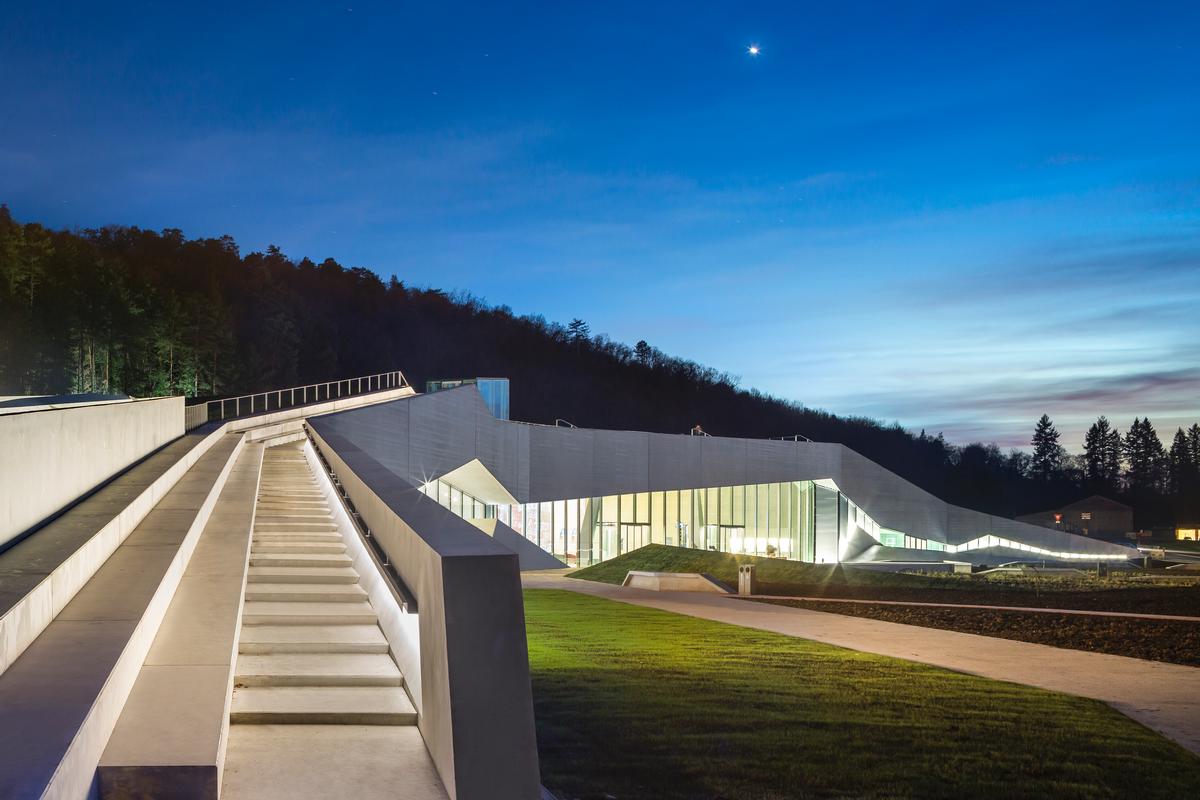
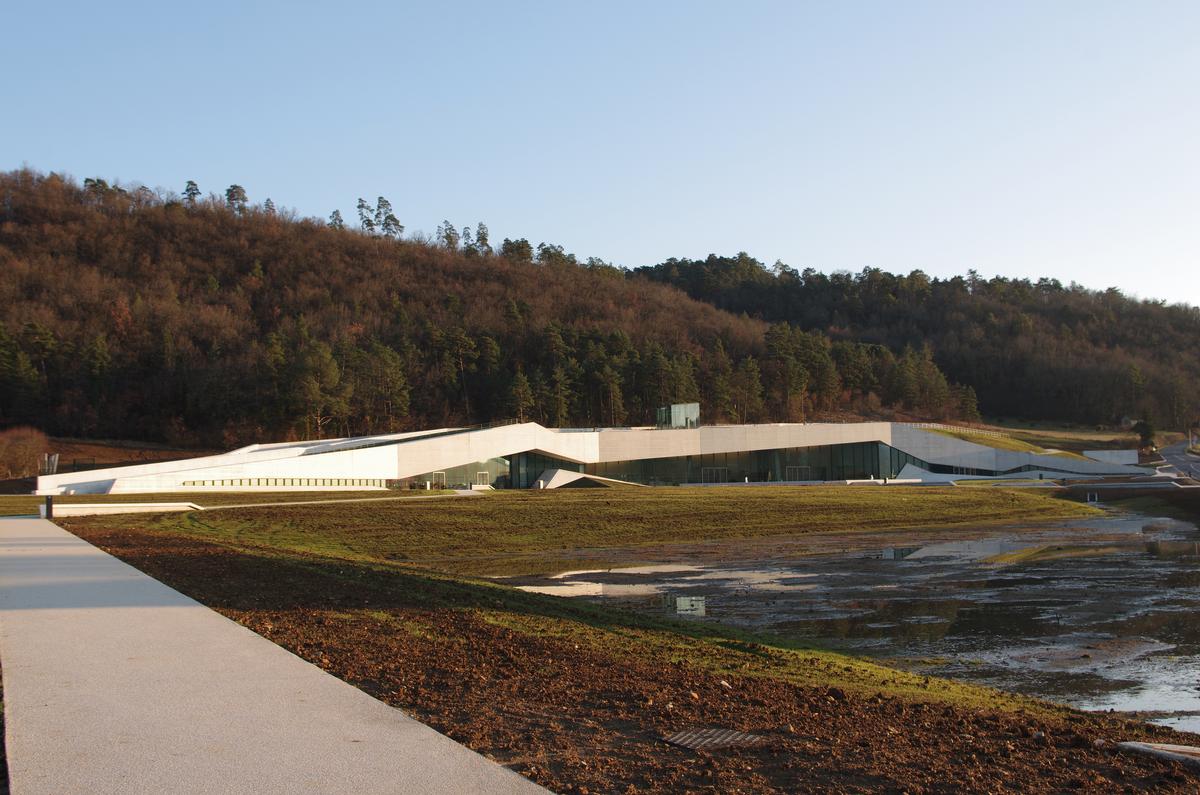
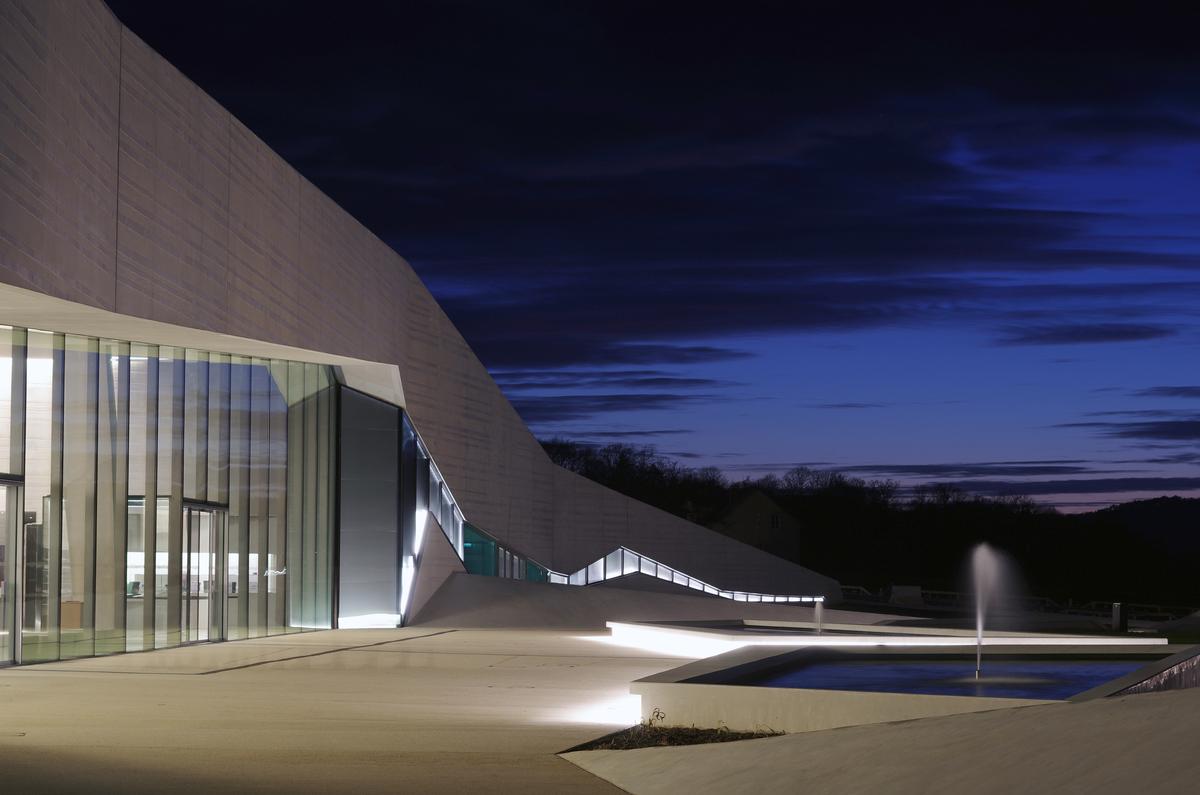
The building has been designed as 'an incision in the landscape' Credit: Boegly + Grazia

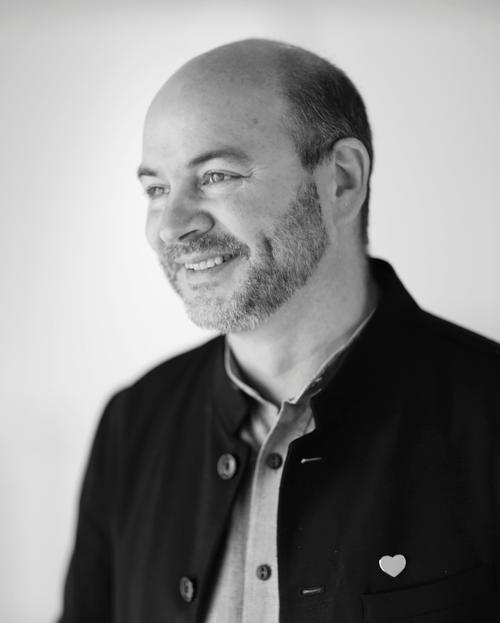
The building feels like neither landscape or architecture. It occupies space and likewise you occupy it.
– Snøhetta founder Craig Dykers
UPDATE: A dramatic new museum celebrating some of the world’s most famous prehistoric cave art has opened at the Lascaux Cave complex in France.

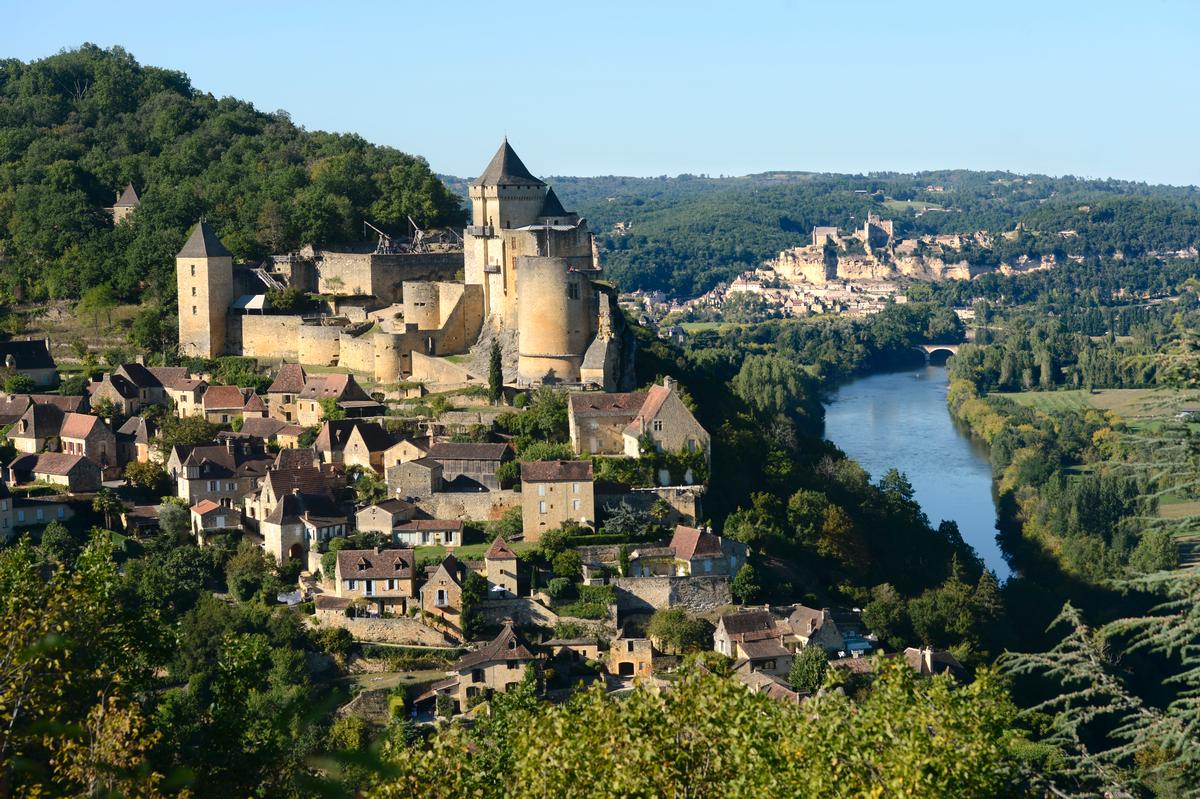
The €66m (US$70.3m, £56.2m) International Centre for Cave Art is located in the town of Montignac-sur-Vézère, at the foot of the hill where the Lascaux caves – adorned with the highest concentration of Paleolithic cave art in Europe – were discovered in 1940.

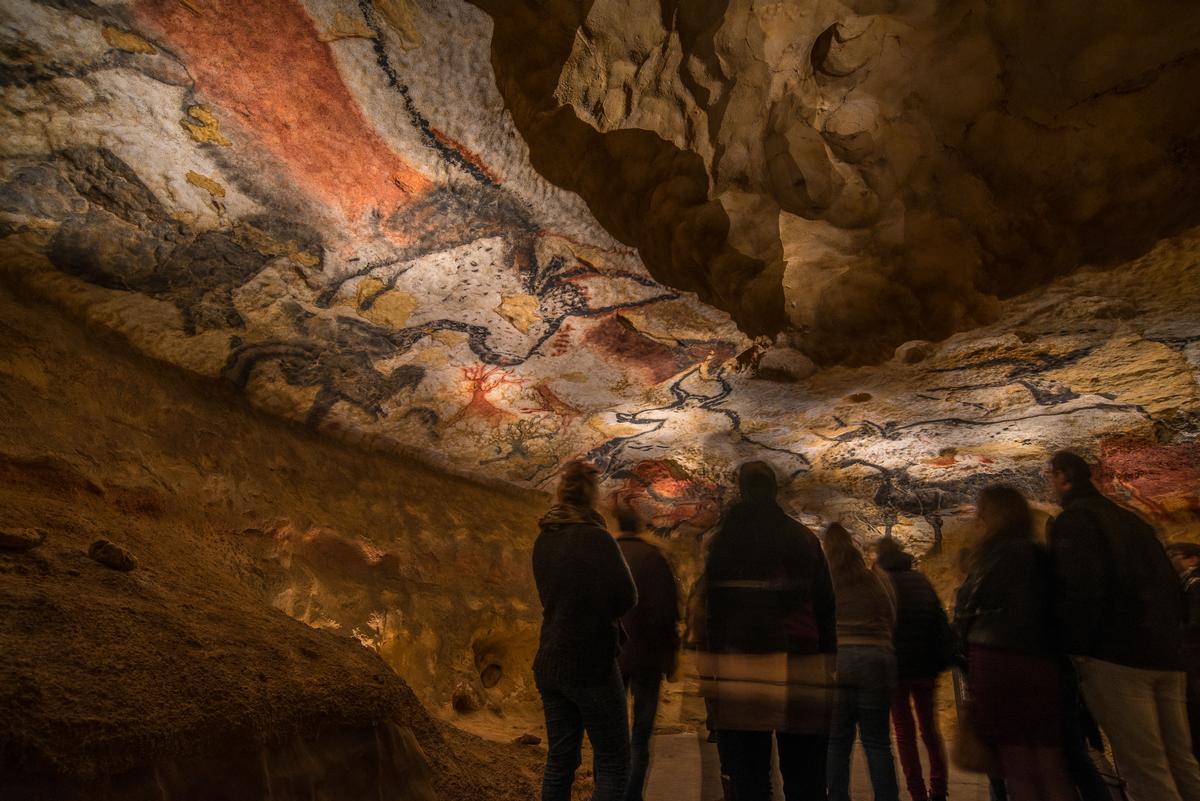
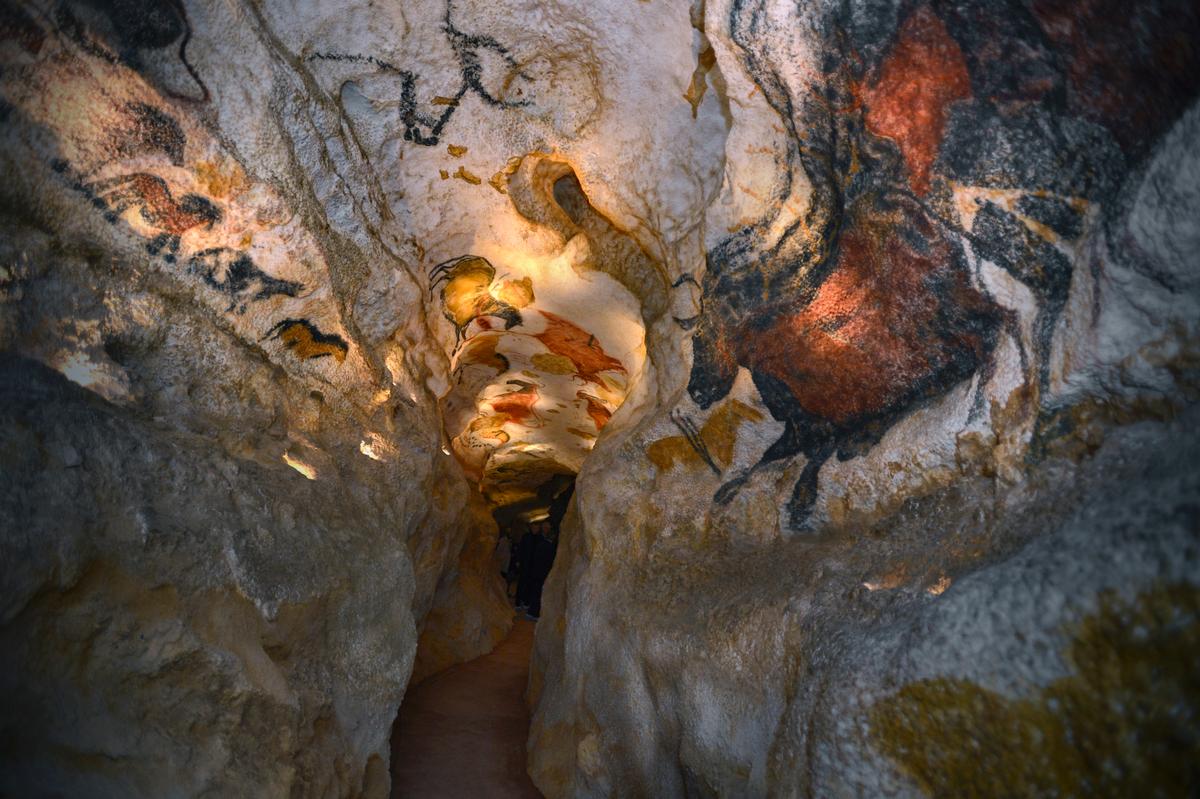
Within the new centre, designed by Norwegian architects Snøhetta and scenographers Casson Mann, is a sensorily authentic replica of the caves called Lascaux IV.

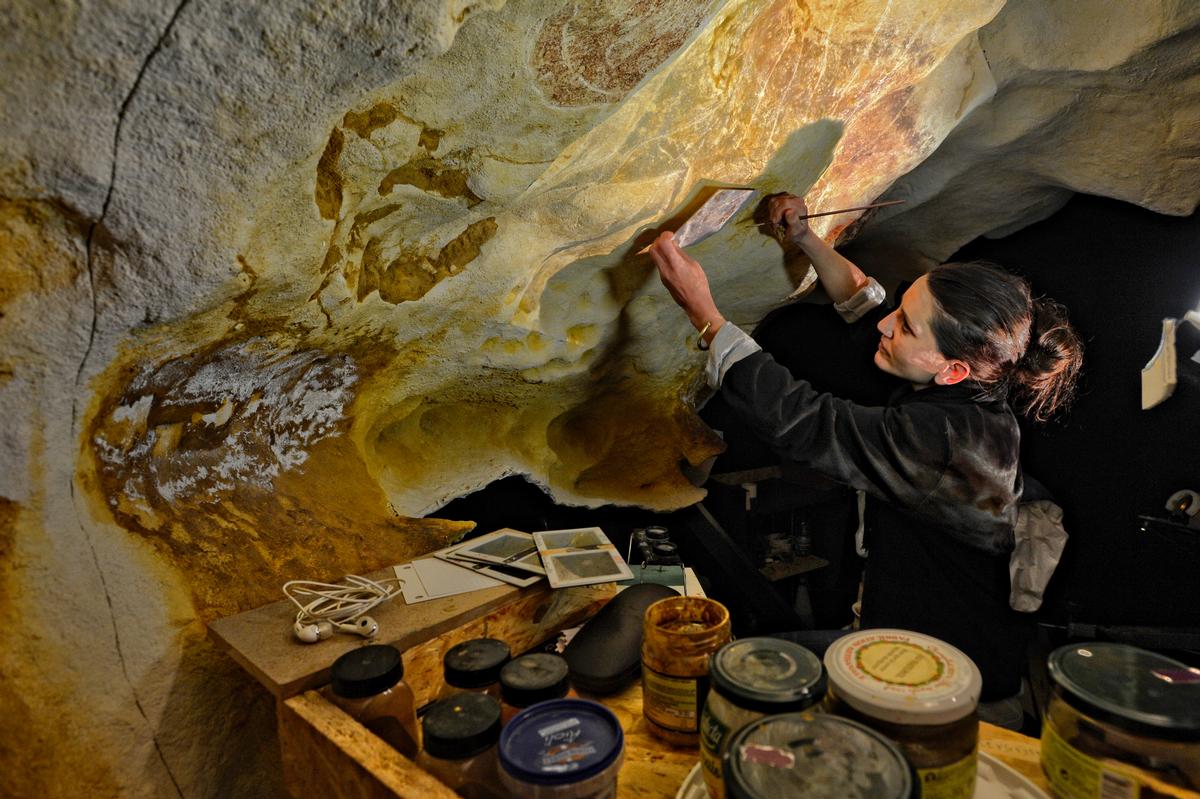
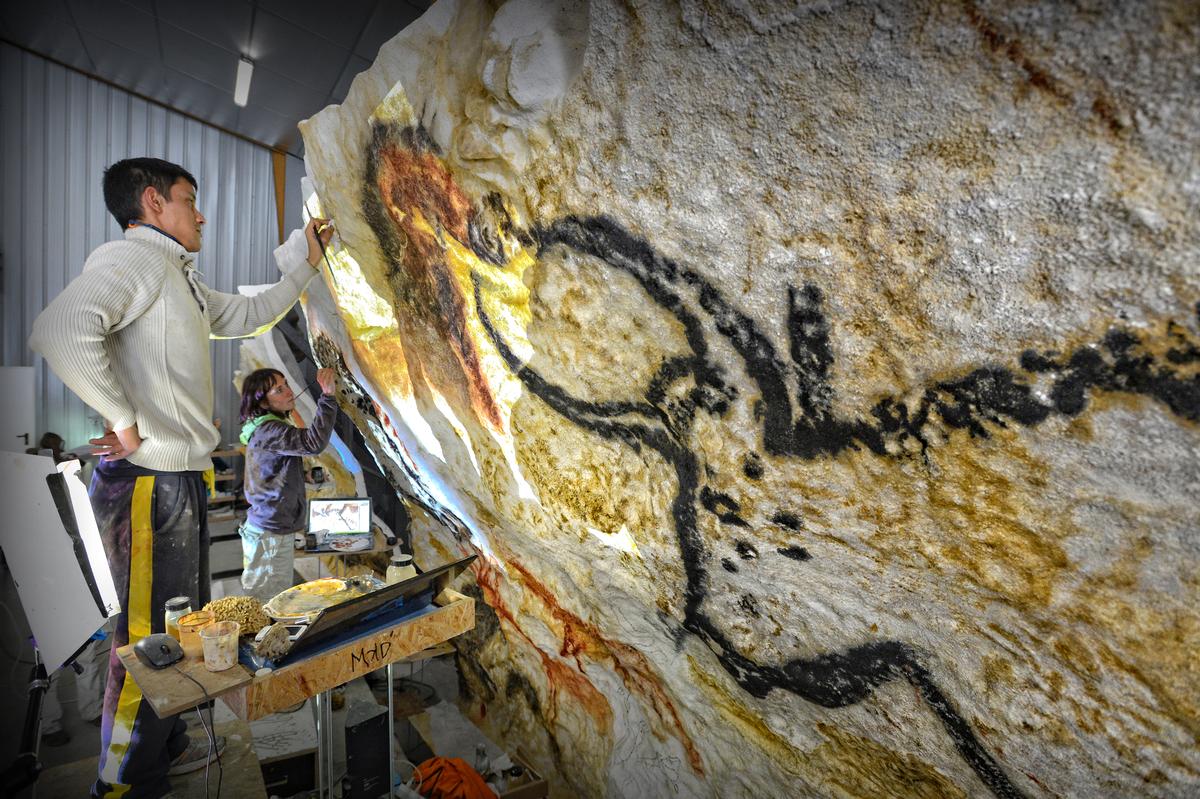
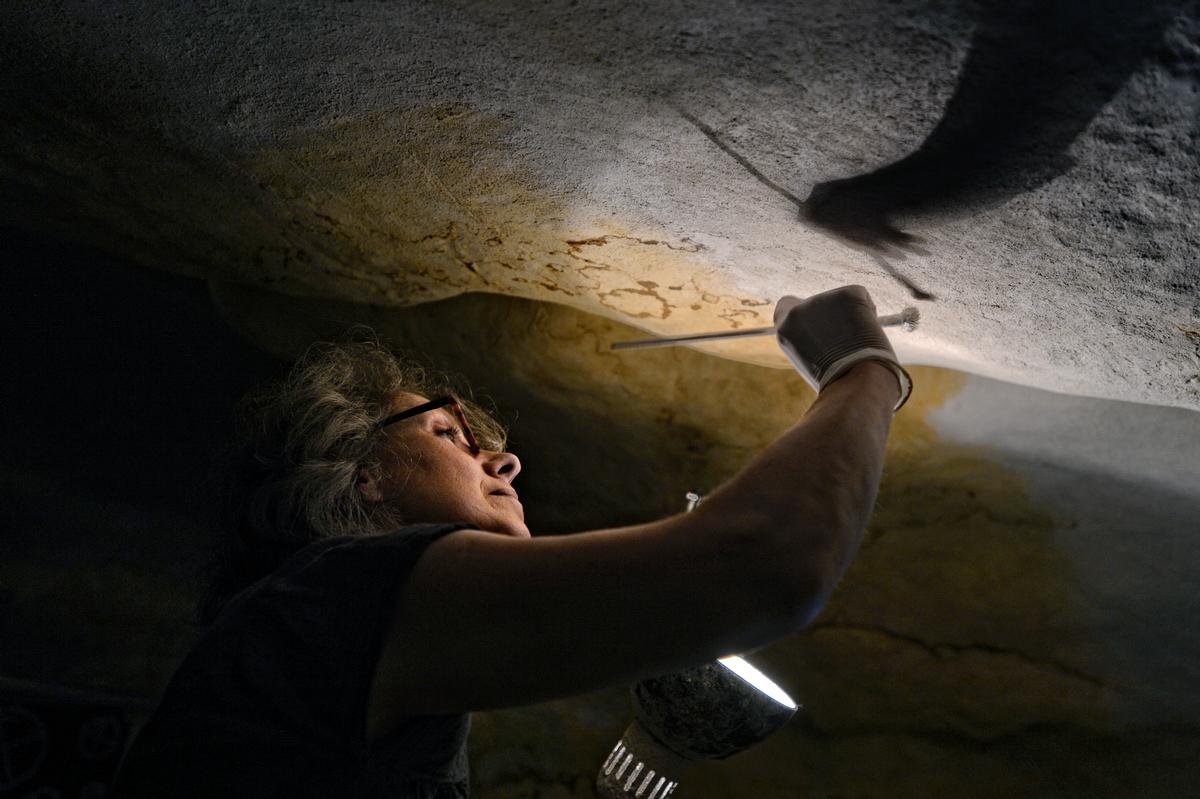
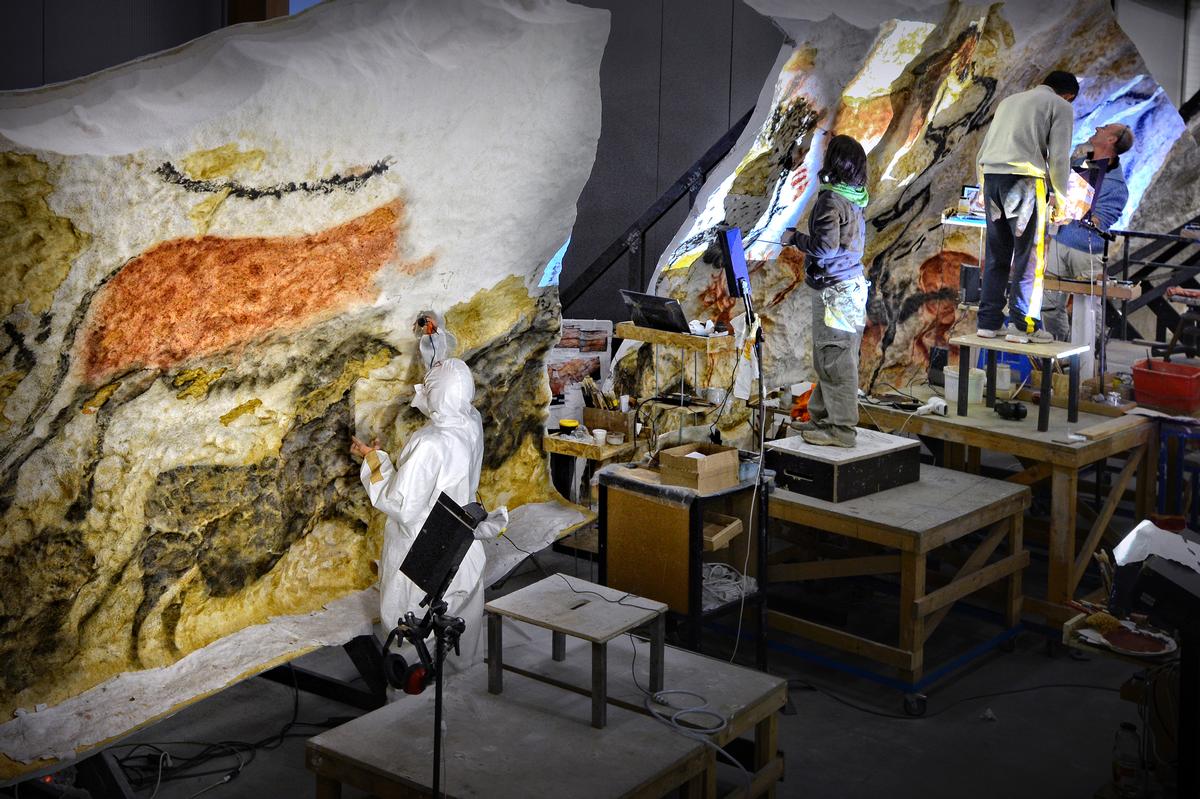
Developed through the advanced 3D laser scanning and casting technologies, and recreated to a tolerance of 1mm, the facsimile has been recreated by the Périgord Facsimile Workshop (AFSP) with the same humidity, light, sound, smell and 16°C temperature of the Unesco-protected original.

Over two years, 25 artists hand painted 900m (2,900ft) of resin rock reproductions, using the same pigments that the prehistoric painters used 20,000 years ago to recreate 1,900 paintings.

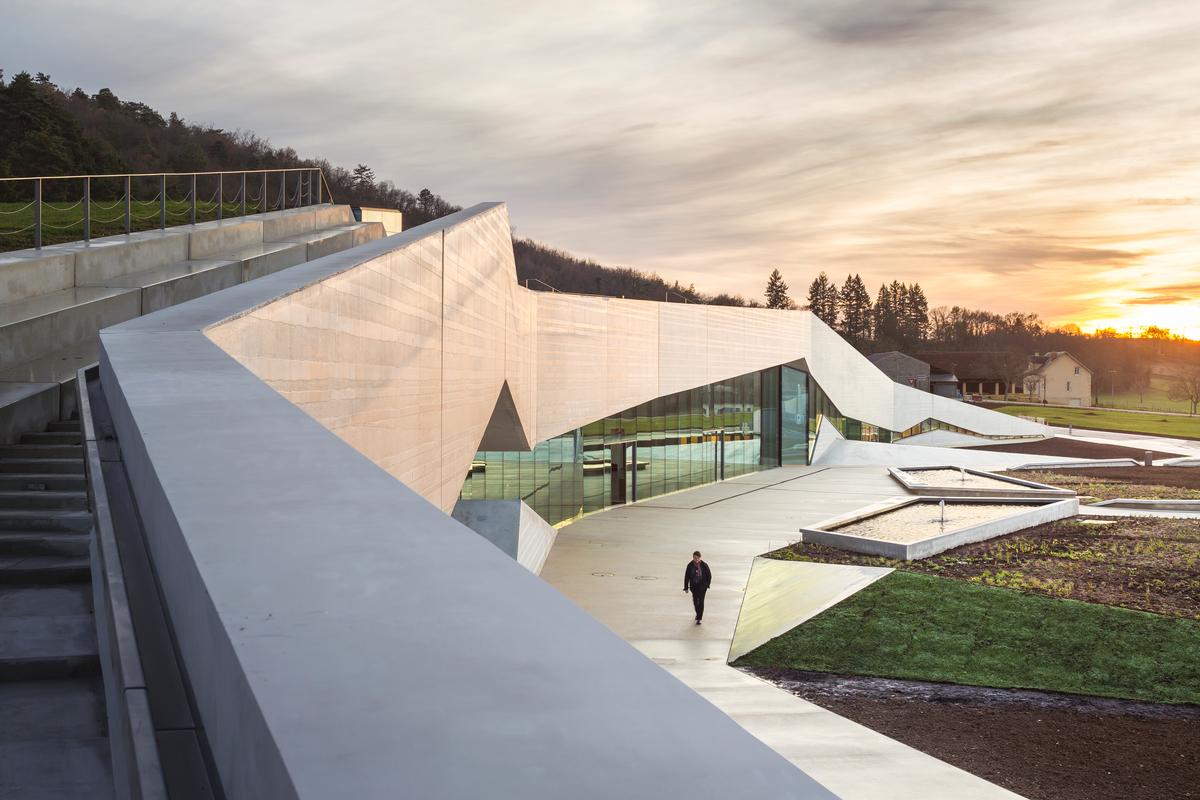
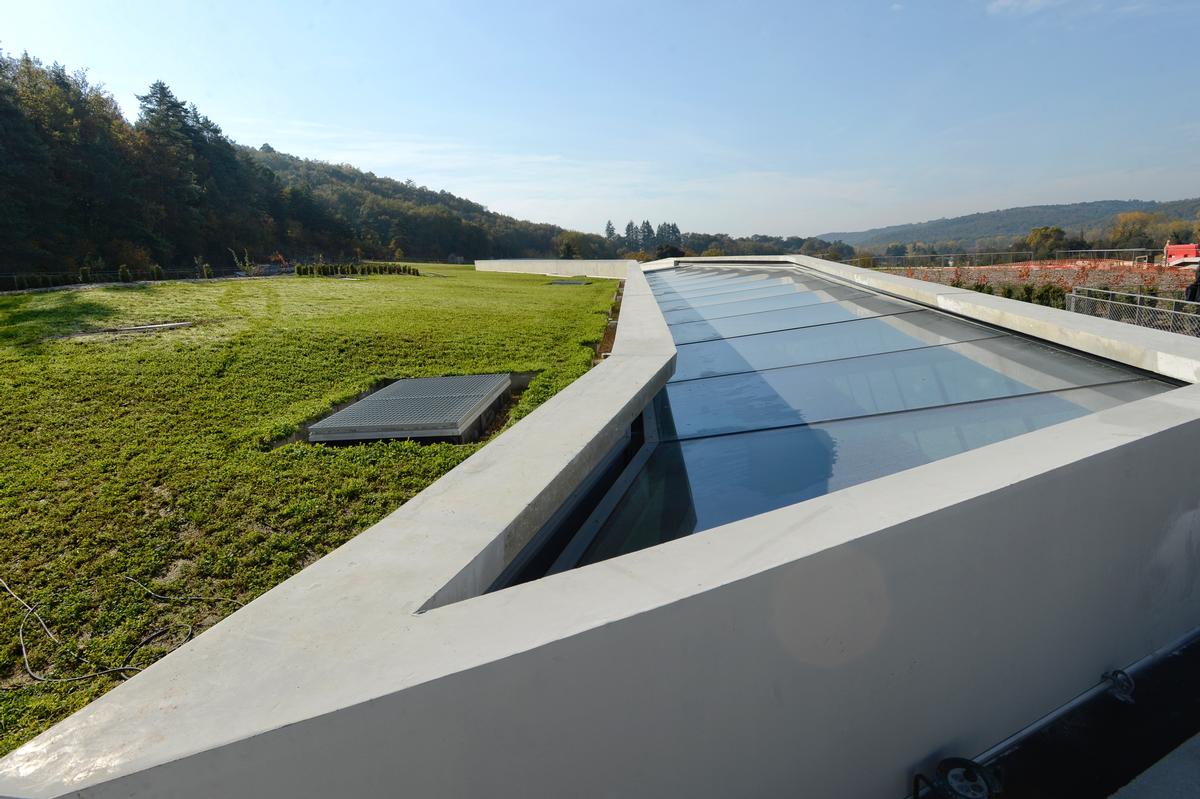
Visitors to the centre ascend from the lobby to the building’s rooftop, where there is a panoramic view of the surrounding valley. In groups of no more than 30, they then descend a gentle slope, as if retracing the steps of the four young boys who discovered the original cave, and enter the facsimile.

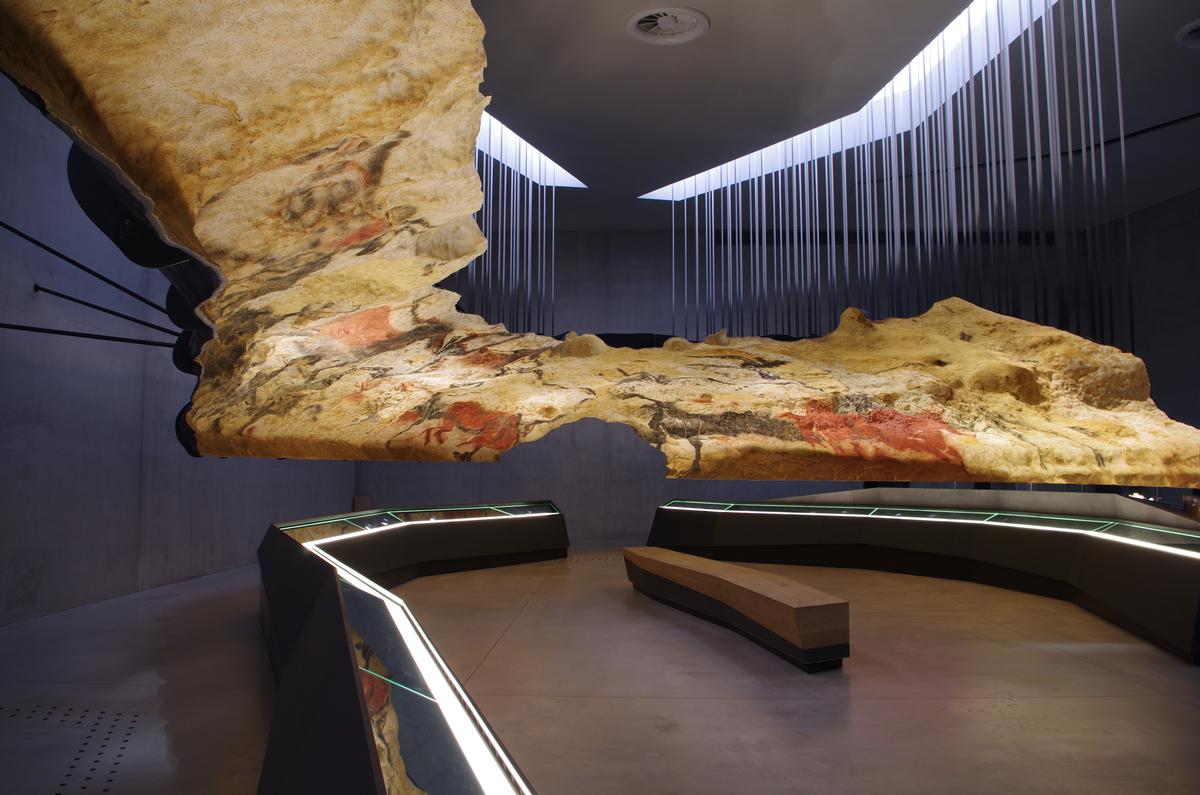
After journeying through the caves, they enter a bright outdoor transitional Cave Garden – the stark difference in atmosphere and light creating a juxtaposition with the underground world. They then enter four linked exhibition rooms, including a 3D theatre, which attempt explain the environmental and cultural context that paved the way for the creation of the cave art, and the techniques and equipment used to create it.

“There’s a massive amount of knowledge about Lascaux, but also many different interpretations about how it came to be and no real answers,” Casson Mann founder Roger Mann told CLAD. “Our goal then was to provide context to these questions, to move people and to give them room to explore the permutations of what they have just seen inside the facsimile.

“Despite the centre being built around a replica, the visitor experience is designed to be one of magic and authenticity.”

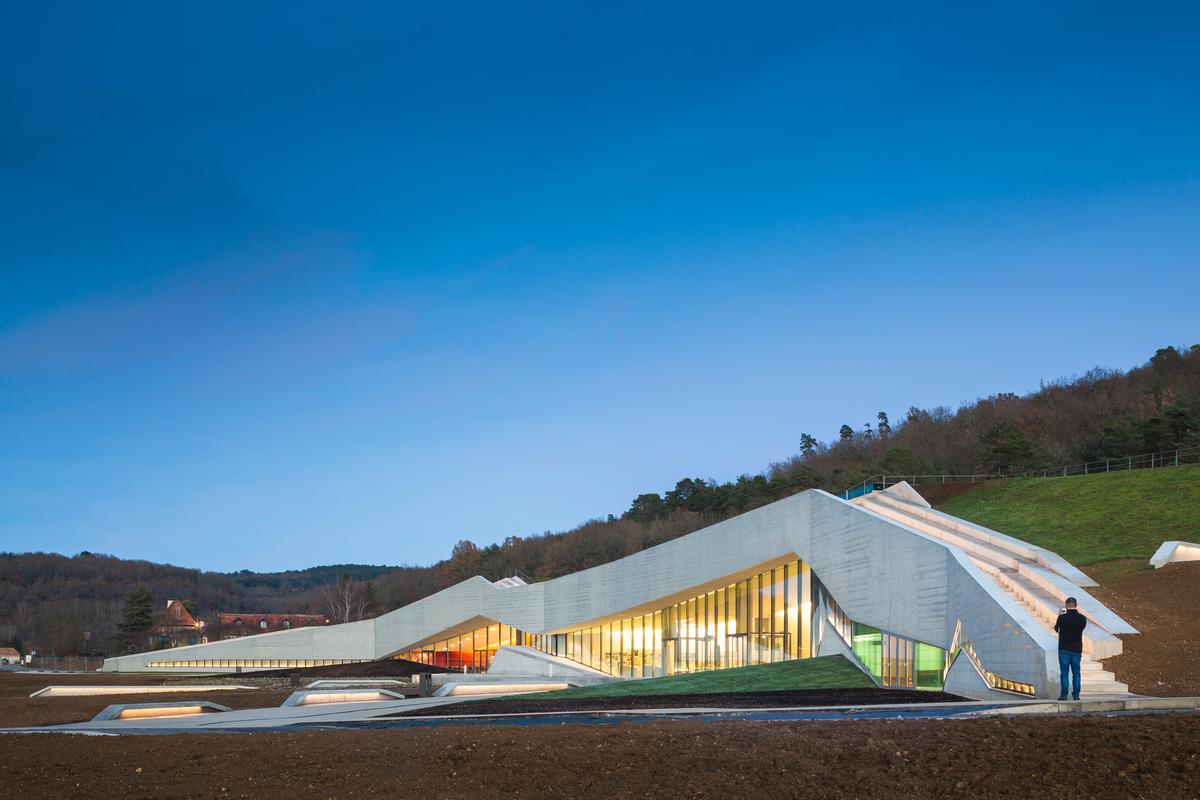
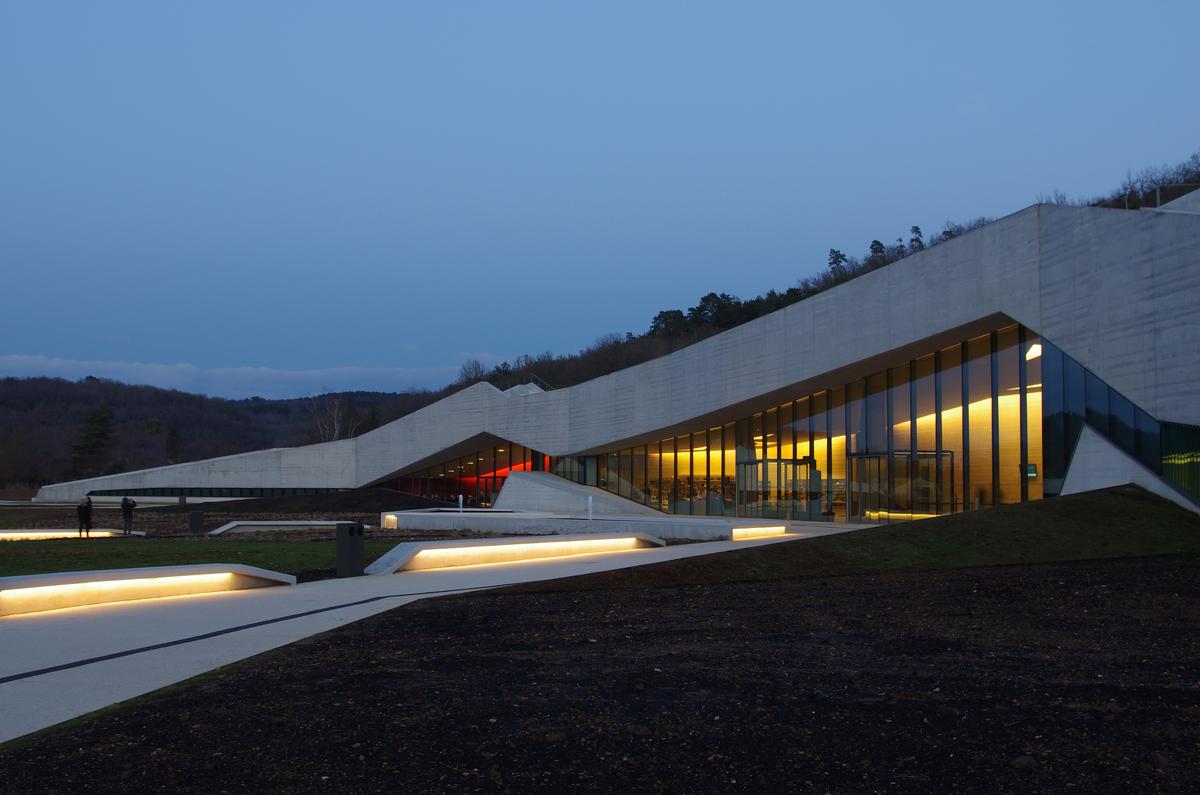
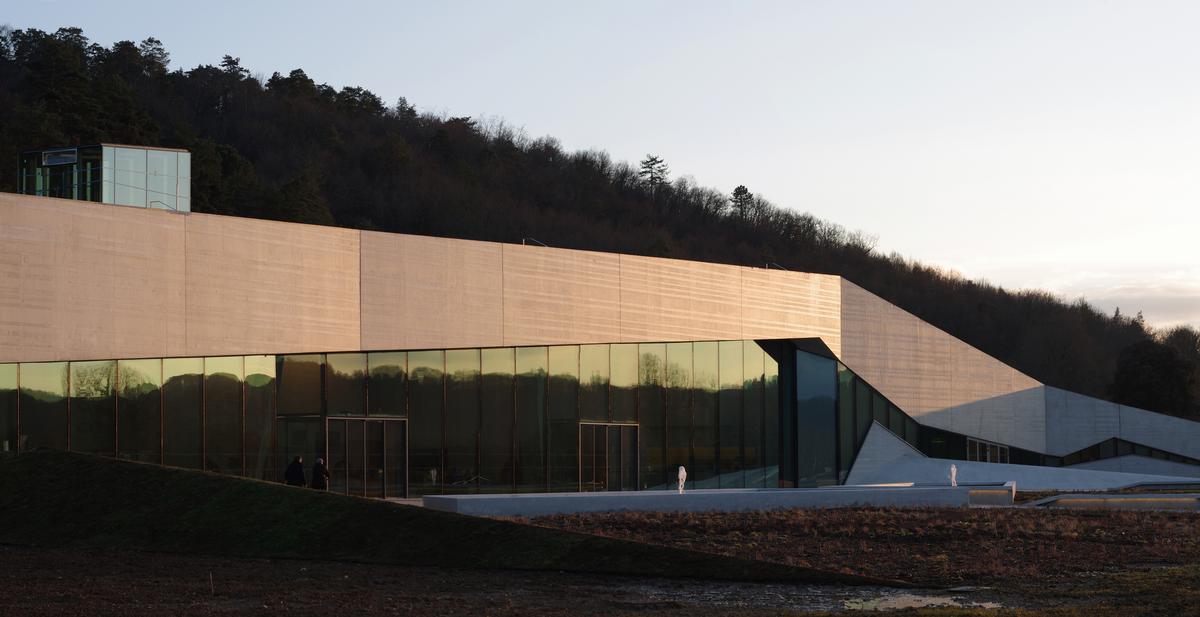
Snøhetta’s building, conceived with local firm SRA Architectes, is a low-rising glass and concrete structure designed as “an incision or a horizontal fault that accentuates the line between the surrounding valley and Lascaux hill.”

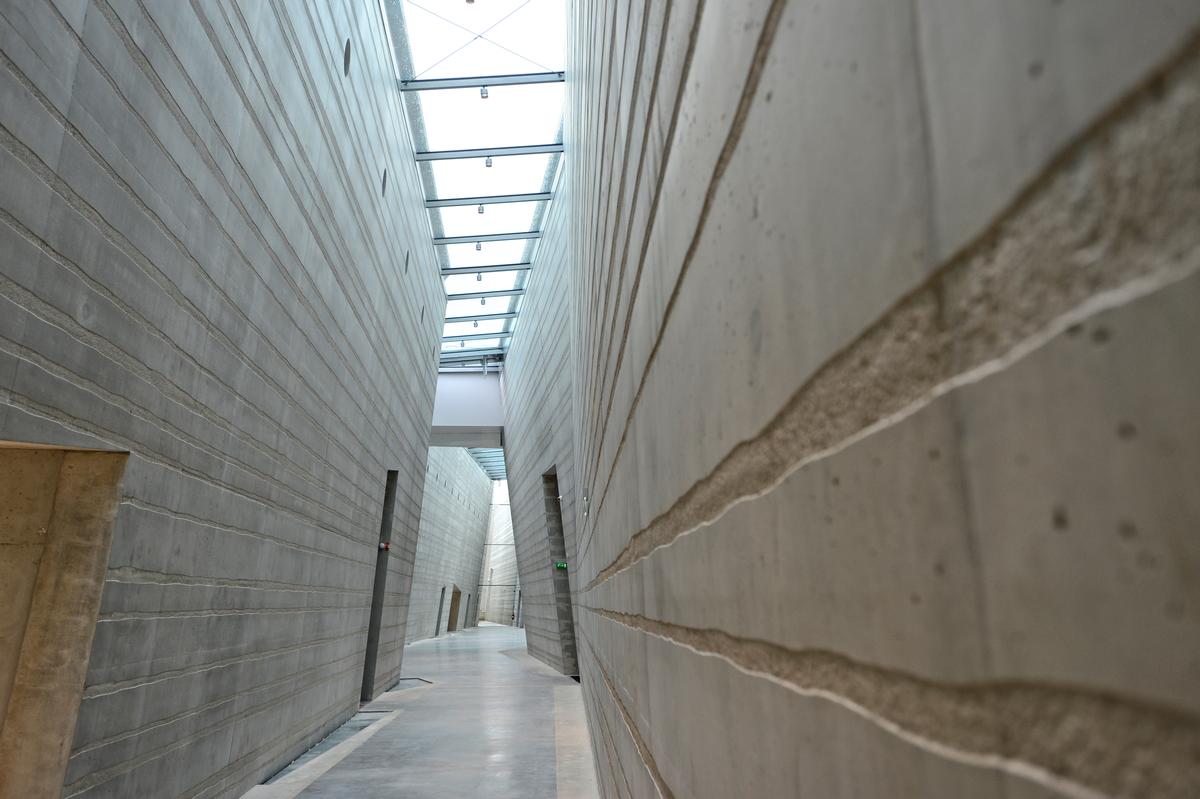
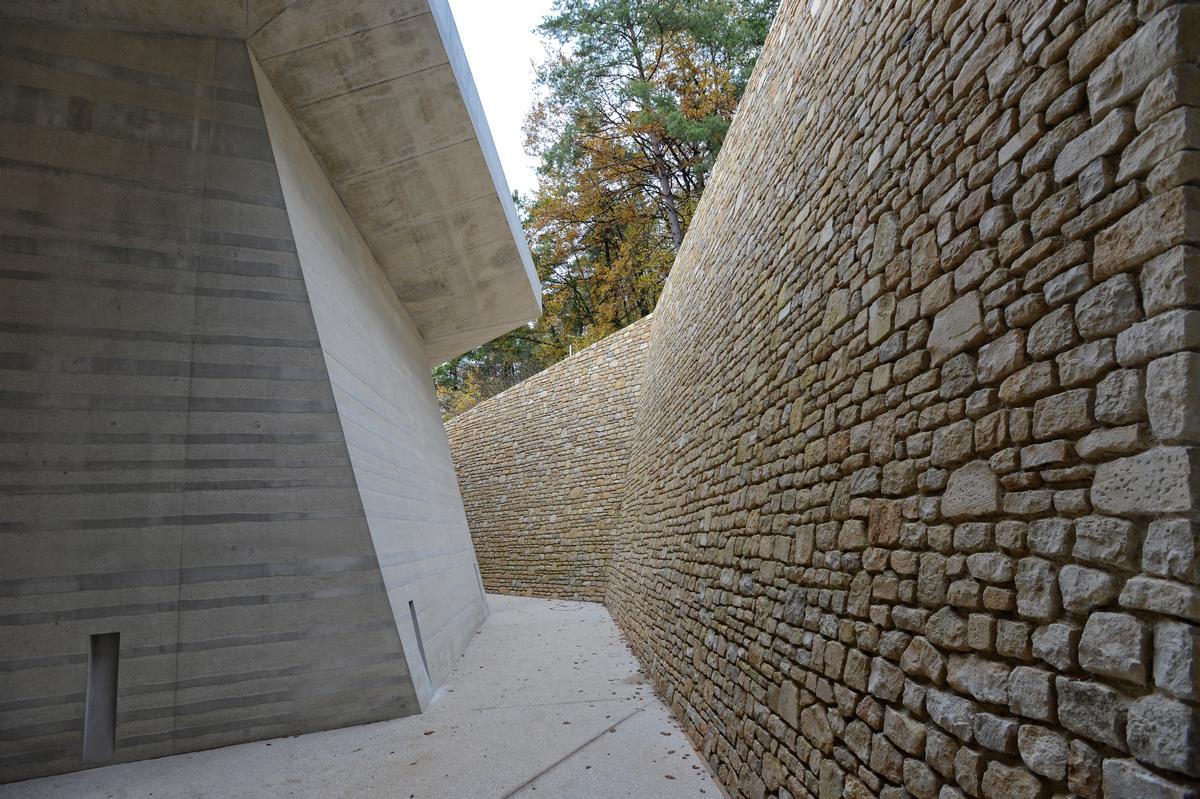
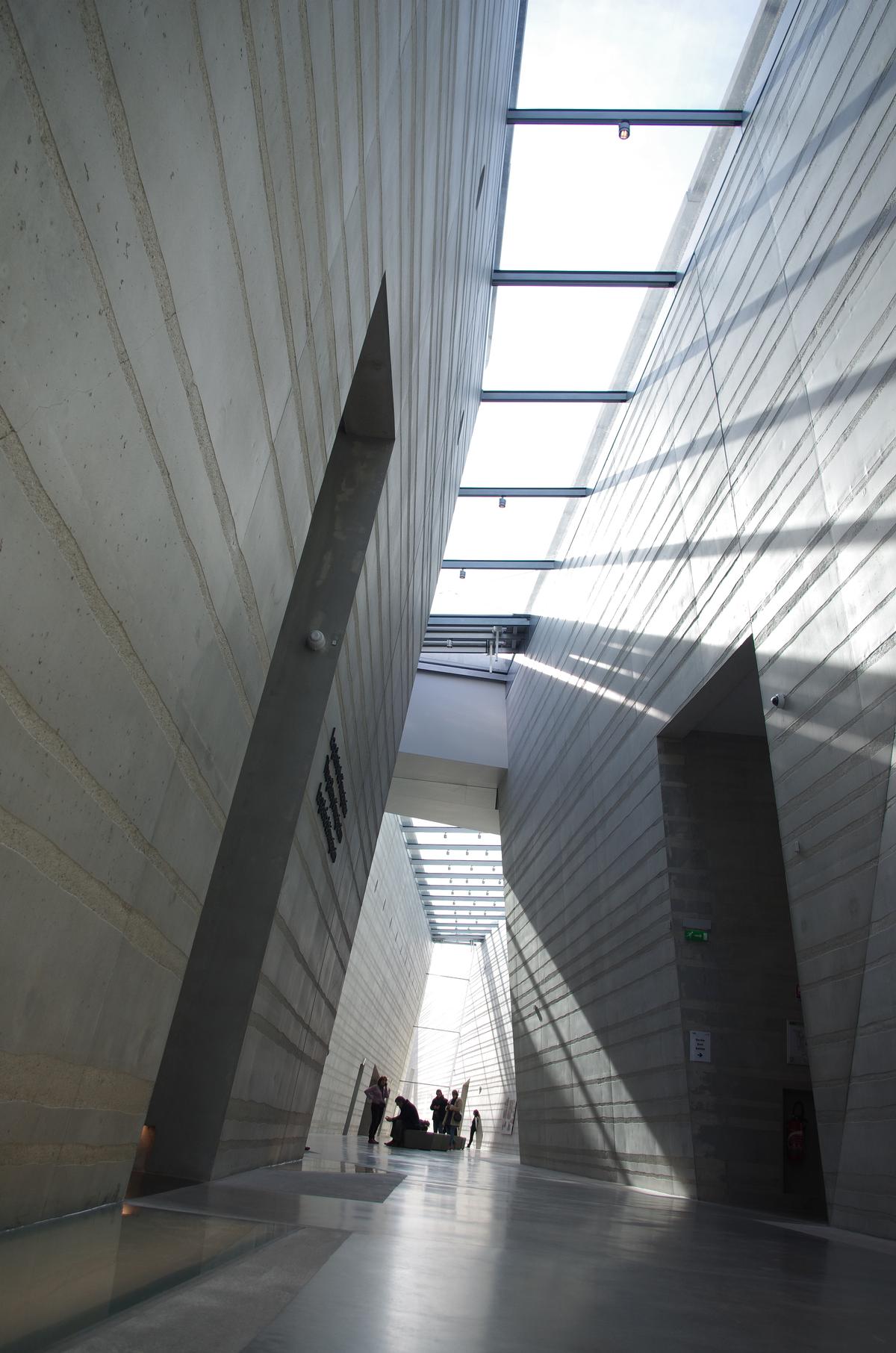
The walls, roof and interior and exterior floors use the same type of concrete to create a distinctive monolithic appearance.

“The building feels as like neither landscape or architecture,” Snøhetta founder Craig Dykers told CLAD. “It occupies space and likewise you occupy it. You walk on the roof, it feel like it’s yours and you own your experience. It is very connected to the earth we stand on, and it mediates between the municipal context of the nearby town, the agrarian landscape of the immediate surroundings and the palaeolithic cave within.”

He added that by framing the experience of the cave replica in contemporary design, the approach counters the trap of artifice. The visitor understands they are in the presence of a reproduction, without distracting from the power of its impact.

The International Centre for Cave Art complements Lascaux II – an original replica of the cave that opened in 1983 near the original – and prevents that attraction from becoming overcrowded.

There is also a Lascaux III – an 800sq m (8,600sq ft) mobile replica of the cave created by AFSP that is taken around the world.


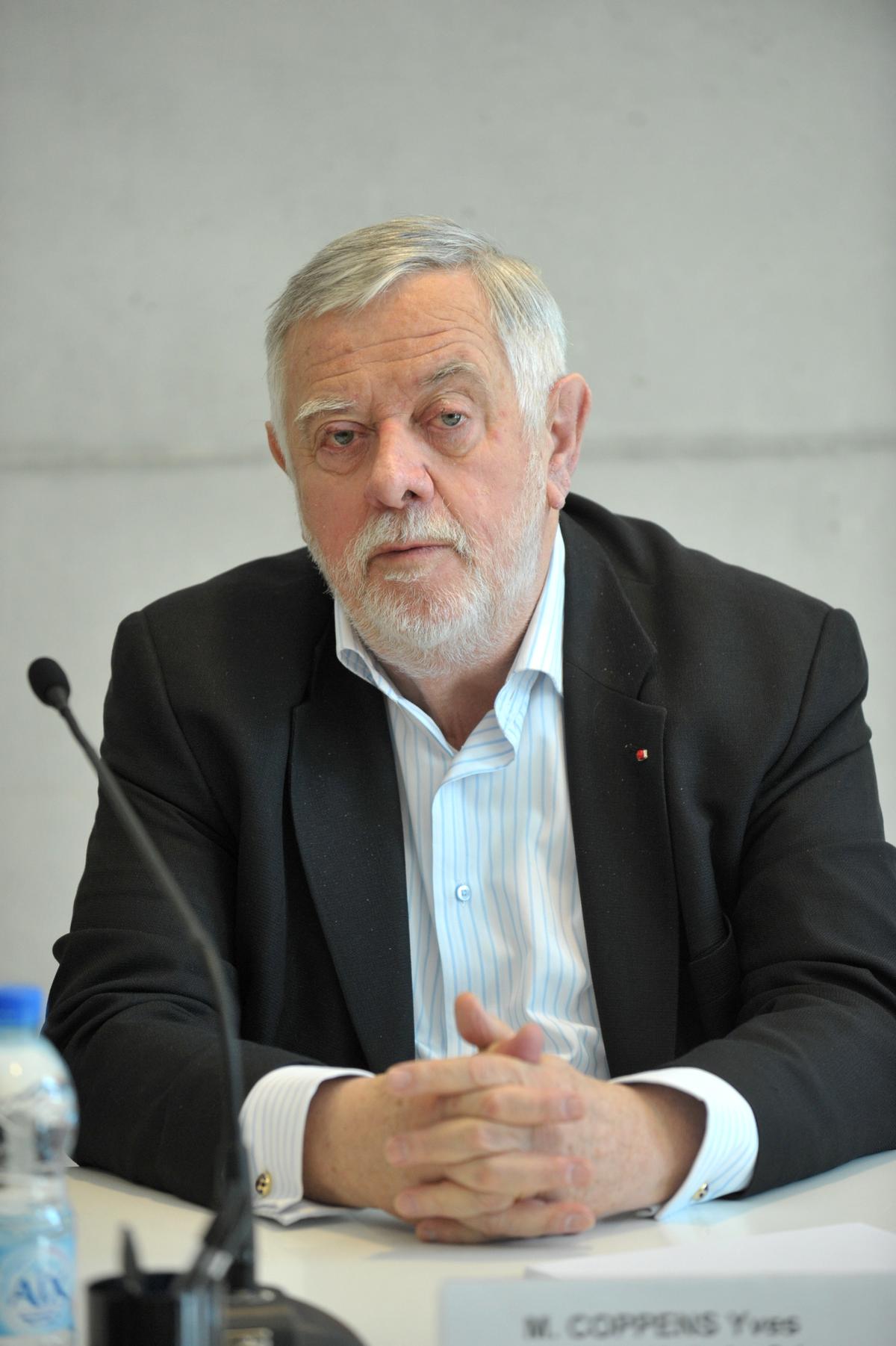
Yves Coppens, president of the Scientific Advisory Board in charge of conserving Lascaux Cave, on the creation of a full-size replica

“The public has a right to figure out what the whole cave looks like. Creating the replica was a matter of honesty. [Lascaux Cave] is a whole entity which can only be grasped if visitors have a reproduction of the whole cave before their eyes.

“Can you imagine a reproduction of the Sistine Chapel in fragments? It would be interesting for an art history lecture, but certainly wouldn’t be the best way to convey the artist’s intention to create a composed, balanced work of art. That is also the case in Lascaux.

“It’s important that visitors know that for approximately 50,000 years humans, first successively, then all at the same time, have had the desire to express themselves in graphic form. They’ve had an idea to convey, a surface on which to do it, and a tool. It existed and does still exist, and it’s a good thing that we can give a wide overview of this.”

The contemporary exterior design means the visitor understands they are in the presence of a reproduction, without distracting from the power of its impact Credit: Boegly + Grazia
The form of the centre merges with Lascaux hill and the forest beyond Credit: Boegly + Grazia
The facsimile has been recreated by the Périgord Facsimile Workshop (AFSP) with the same humidity, light, sound, smell and 16°C temperature of the Unesco-protected original
Four linked exhibition rooms, including a 3D theatre, attempt to explain the environmental and cultural context that paved the way for the creation of the cave art
To create total immersion for visitors, the replica cave and its 1,900 paintings have been fully recreated Credit: Denis Nidos
Lascaux IV complements the other attractions surrounding the Unesco World Heritage Site Credit: Denis Nidos
Concrete was used inside and out to create a monolithic structure Credit: Denis Nidos
International Centre for Cave Art is located in the town of Montignac-sur-Vézère
Credit: Denis Nidos
MORE NEWS
Mubadala makes €1 billion bid for Pierre and Vacances
Abu Dhabi-based investment firm Mubadala Capital has made a binding, fully financed €1 billion offer to acquire Pierre and Vacances SA, the European holiday resort operator behind the continental European Center Parcs business.
Expo 2030 Riyadh will create a permanent global destination
Expo 2030 Riyadh is being planned as a permanent visitor destination, with organisers confirming the six-million-square-metre site will become a Global Village after the event closes.
Australian waterpark acquisition creates new leisure attractions group
The owner of one of Australia's best-known waterparks has acquired a major competitor, creating a new attractions business spanning two of the country's largest visitor destinations.
London Museum reveals 2026 opening date for new Smithfield home
The London Museum’s new site will open in Smithfield, East London, on 28 November 2026.
+ More news   
LATEST JOBS
National Event Planning and Logistics Officer
English Heritage
Salary: £30,190 - £32,636pa + matched pension + benefits
Job location: Home-based with countrywide travel , United Kingdom
+ More jobs  

COMPANY PROFILES
iPlayCO

iPlayCo was established in 1999. [more...]
Vekoma Rides Manufacturing B.V.

Vekoma Rides has a large variety of coasters and attractions. [more...]
TechnoAlpin Indoor

TechnoAlpin is the world leader for snowmaking systems. With the Indoor snow division, TechnoAlpin c [more...]
Sally Corporation

Our services include: Dark ride design & build; Redevelopment of existing attractions; High-quality [more...]
+ More profiles  
CATALOGUE GALLERY
 

+ More catalogues  
DIRECTORY
+ More directory  
DIARY


23-26 Aug 2026

Elevate Spa Riviera Maya Edition

The Riviera Maya Edition Kanai, Playa del Carmen, Mexico
29 Sep - 02 Oct 2026

Synergy - The Retreat Show

Pical Resort, Valamar Collection, Porec, Croatia
+ More diary  
LATEST ISSUES
+ View Magazine Archive

Attractions Management

2026 issue 1


View issue contents
View on turning pages
Download PDF
FREE digital subscription
Print subscription

Attractions Management

2025 issue 2


View issue contents
View on turning pages
Download PDF
FREE digital subscription
Print subscription

Attractions Management

2025 issue 1


View issue contents
View on turning pages
Download PDF
FREE digital subscription
Print subscription

Attractions Management

2024 issue 4


View issue contents
View on turning pages
Download PDF
FREE digital subscription
Print subscription

Attractions Management News

06 Apr 2020 issue 153


View on turning pages
Download PDF
View archive
FREE digital subscription
Print subscription

Attractions Handbook

2019


View issue contents
View on turning pages
Download PDF
FREE digital subscription
Print subscription
 
ABOUT LEISURE MEDIA
LEISURE MEDIA MAGAZINES
LEISURE MEDIA HANDBOOKS
LEISURE MEDIA WEBSITES
LEISURE MEDIA PRODUCT SEARCH
 
ATTRACTIONS MANAGEMENT
ATTRACTIONS MANAGEMENT NEWS
ATTRACTIONS HANDBOOK
PRINT SUBSCRIPTIONS
FREE DIGITAL SUBSCRIPTIONS
ADVERTISE . CONTACT US

Leisure Media
Tel: +44 (0)1462 431385

©Cybertrek 2026
Get Attractions Management digital magazine FREE
Sign up here ▸
Jobs    News   Products   Magazine   Subscribe
NEWS
Snøhetta's International Cave Painting Centre opens with full-size replica of famous Lascaux Cave
POSTED 16 Dec 2016 . BY Kim Megson
The building has been designed as 'an incision in the landscape' Credit: Boegly + Grazia
The building feels like neither landscape or architecture. It occupies space and likewise you occupy it.
– Snøhetta founder Craig Dykers
UPDATE: A dramatic new museum celebrating some of the world’s most famous prehistoric cave art has opened at the Lascaux Cave complex in France.

The €66m (US$70.3m, £56.2m) International Centre for Cave Art is located in the town of Montignac-sur-Vézère, at the foot of the hill where the Lascaux caves – adorned with the highest concentration of Paleolithic cave art in Europe – were discovered in 1940.

Within the new centre, designed by Norwegian architects Snøhetta and scenographers Casson Mann, is a sensorily authentic replica of the caves called Lascaux IV.

Developed through the advanced 3D laser scanning and casting technologies, and recreated to a tolerance of 1mm, the facsimile has been recreated by the Périgord Facsimile Workshop (AFSP) with the same humidity, light, sound, smell and 16°C temperature of the Unesco-protected original.

Over two years, 25 artists hand painted 900m (2,900ft) of resin rock reproductions, using the same pigments that the prehistoric painters used 20,000 years ago to recreate 1,900 paintings.

Visitors to the centre ascend from the lobby to the building’s rooftop, where there is a panoramic view of the surrounding valley. In groups of no more than 30, they then descend a gentle slope, as if retracing the steps of the four young boys who discovered the original cave, and enter the facsimile.

After journeying through the caves, they enter a bright outdoor transitional Cave Garden – the stark difference in atmosphere and light creating a juxtaposition with the underground world. They then enter four linked exhibition rooms, including a 3D theatre, which attempt explain the environmental and cultural context that paved the way for the creation of the cave art, and the techniques and equipment used to create it.

“There’s a massive amount of knowledge about Lascaux, but also many different interpretations about how it came to be and no real answers,” Casson Mann founder Roger Mann told CLAD. “Our goal then was to provide context to these questions, to move people and to give them room to explore the permutations of what they have just seen inside the facsimile.

“Despite the centre being built around a replica, the visitor experience is designed to be one of magic and authenticity.”

Snøhetta’s building, conceived with local firm SRA Architectes, is a low-rising glass and concrete structure designed as “an incision or a horizontal fault that accentuates the line between the surrounding valley and Lascaux hill.”

The walls, roof and interior and exterior floors use the same type of concrete to create a distinctive monolithic appearance.

“The building feels as like neither landscape or architecture,” Snøhetta founder Craig Dykers told CLAD. “It occupies space and likewise you occupy it. You walk on the roof, it feel like it’s yours and you own your experience. It is very connected to the earth we stand on, and it mediates between the municipal context of the nearby town, the agrarian landscape of the immediate surroundings and the palaeolithic cave within.”

He added that by framing the experience of the cave replica in contemporary design, the approach counters the trap of artifice. The visitor understands they are in the presence of a reproduction, without distracting from the power of its impact.

The International Centre for Cave Art complements Lascaux II – an original replica of the cave that opened in 1983 near the original – and prevents that attraction from becoming overcrowded.

There is also a Lascaux III – an 800sq m (8,600sq ft) mobile replica of the cave created by AFSP that is taken around the world.


Yves Coppens, president of the Scientific Advisory Board in charge of conserving Lascaux Cave, on the creation of a full-size replica

“The public has a right to figure out what the whole cave looks like. Creating the replica was a matter of honesty. [Lascaux Cave] is a whole entity which can only be grasped if visitors have a reproduction of the whole cave before their eyes.

“Can you imagine a reproduction of the Sistine Chapel in fragments? It would be interesting for an art history lecture, but certainly wouldn’t be the best way to convey the artist’s intention to create a composed, balanced work of art. That is also the case in Lascaux.

“It’s important that visitors know that for approximately 50,000 years humans, first successively, then all at the same time, have had the desire to express themselves in graphic form. They’ve had an idea to convey, a surface on which to do it, and a tool. It existed and does still exist, and it’s a good thing that we can give a wide overview of this.”

The contemporary exterior design means the visitor understands they are in the presence of a reproduction, without distracting from the power of its impact Credit: Boegly + Grazia
The form of the centre merges with Lascaux hill and the forest beyond Credit: Boegly + Grazia
The facsimile has been recreated by the Périgord Facsimile Workshop (AFSP) with the same humidity, light, sound, smell and 16°C temperature of the Unesco-protected original
Four linked exhibition rooms, including a 3D theatre, attempt to explain the environmental and cultural context that paved the way for the creation of the cave art
To create total immersion for visitors, the replica cave and its 1,900 paintings have been fully recreated Credit: Denis Nidos
Lascaux IV complements the other attractions surrounding the Unesco World Heritage Site Credit: Denis Nidos
Concrete was used inside and out to create a monolithic structure Credit: Denis Nidos
International Centre for Cave Art is located in the town of Montignac-sur-Vézère
Credit: Denis Nidos
MORE NEWS
Mubadala makes €1 billion bid for Pierre and Vacances
Abu Dhabi-based investment firm Mubadala Capital has made a binding, fully financed €1 billion offer to acquire Pierre and Vacances SA, the European holiday resort operator behind the continental European Center Parcs business.
Expo 2030 Riyadh will create a permanent global destination
Expo 2030 Riyadh is being planned as a permanent visitor destination, with organisers confirming the six-million-square-metre site will become a Global Village after the event closes.
Australian waterpark acquisition creates new leisure attractions group
The owner of one of Australia's best-known waterparks has acquired a major competitor, creating a new attractions business spanning two of the country's largest visitor destinations.
London Museum reveals 2026 opening date for new Smithfield home
The London Museum’s new site will open in Smithfield, East London, on 28 November 2026.
Toverland unveils €98m expansion plan as park prepares to launch resort development
The Toverland theme park in the Netherlands has announced a €98m expansion programme that will add a resort, new attractions and staff facilities as it pursues plans to become a multi- day destination.
Butterfly sanctuary to host hot yoga during retreat at Jersey Zoo for Hotel de France
Hotel de France, located on the British Isle of Jersey, has created a wellness retreat package that includes a hot yoga session that will take place in Jersey Zoo’s butterfly sanctuary.
+ More news   
 
COMPANY PROFILES
iPlayCO

iPlayCo was established in 1999. [more...]
Vekoma Rides Manufacturing B.V.

Vekoma Rides has a large variety of coasters and attractions. [more...]
TechnoAlpin Indoor

TechnoAlpin is the world leader for snowmaking systems. With the Indoor snow division, TechnoAlpin c [more...]
Sally Corporation

Our services include: Dark ride design & build; Redevelopment of existing attractions; High-quality [more...]
+ More profiles  
CATALOGUE GALLERY
+ More catalogues  
DIRECTORY
+ More directory  
DIARY


23-26 Aug 2026

Elevate Spa Riviera Maya Edition

The Riviera Maya Edition Kanai, Playa del Carmen, Mexico
29 Sep - 02 Oct 2026

Synergy - The Retreat Show

Pical Resort, Valamar Collection, Porec, Croatia
+ More diary  


ADVERTISE . CONTACT US

Leisure Media
Tel: +44 (0)1462 431385

©Cybertrek 2026

ABOUT LEISURE MEDIA
LEISURE MEDIA MAGAZINES
LEISURE MEDIA HANDBOOKS
LEISURE MEDIA WEBSITES
LEISURE MEDIA PRODUCT SEARCH
ATTRACTIONS MANAGEMENT NEWS
ATTRACTIONS HANDBOOK
PRINT SUBSCRIPTIONS
FREE DIGITAL SUBSCRIPTIONS