When was Biomuseo first mooted?
Back in 1998, Panama was going to receive a batch of land from the Canal zone, so the government organised a series of workshops to determine how best to incorporate those lands into Panama City.
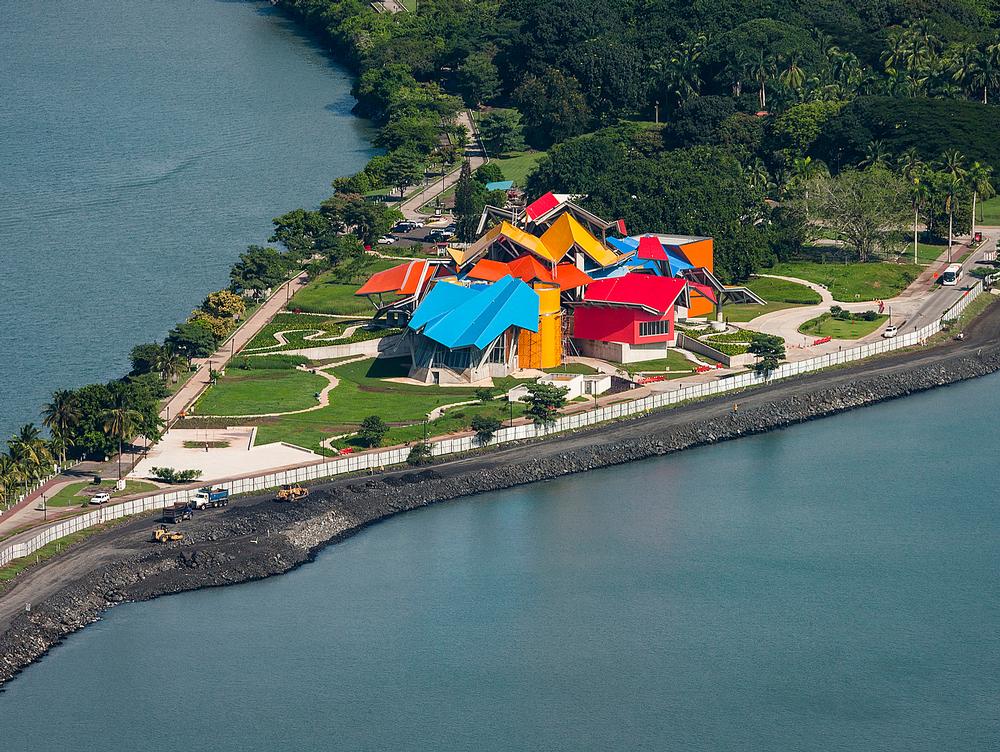
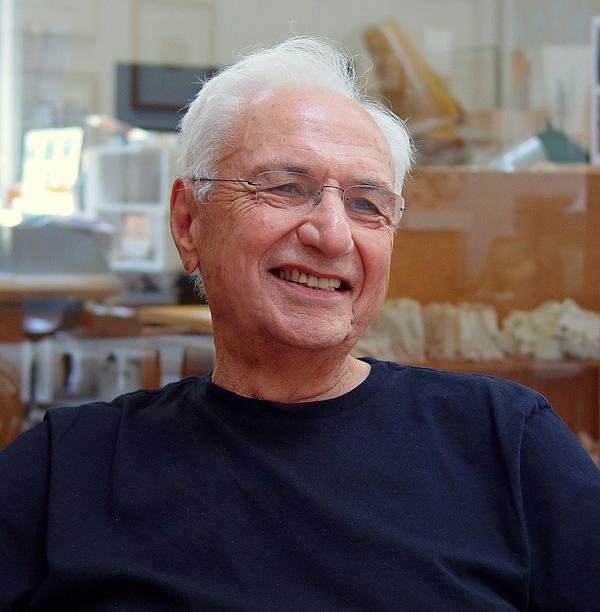
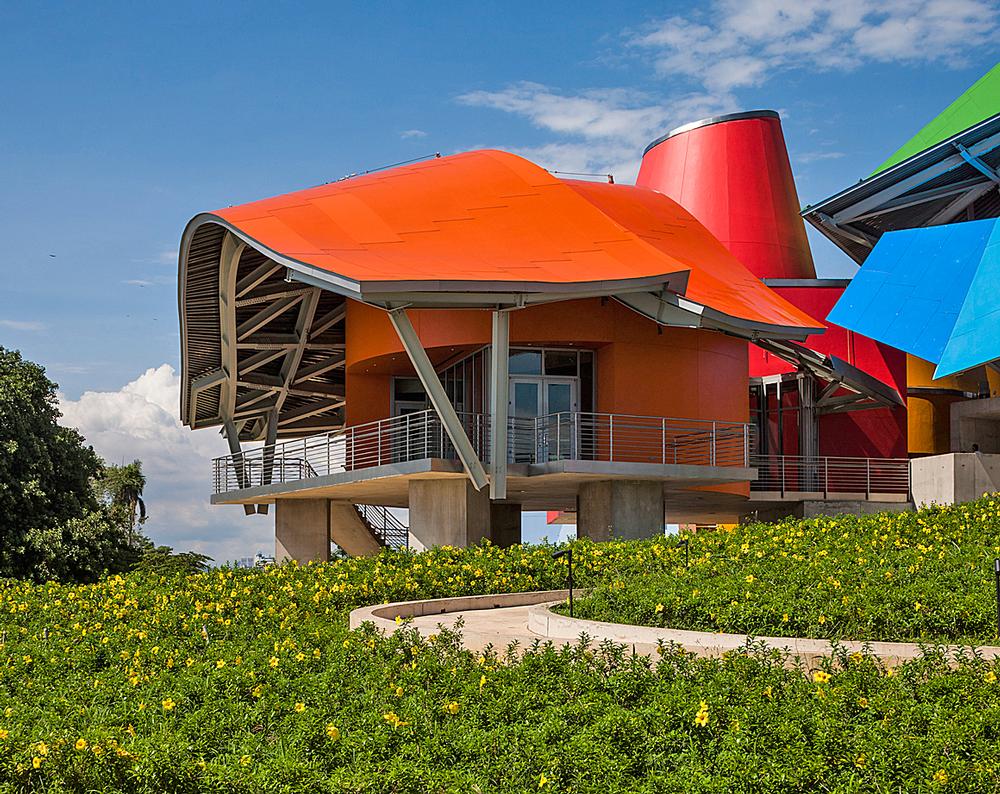
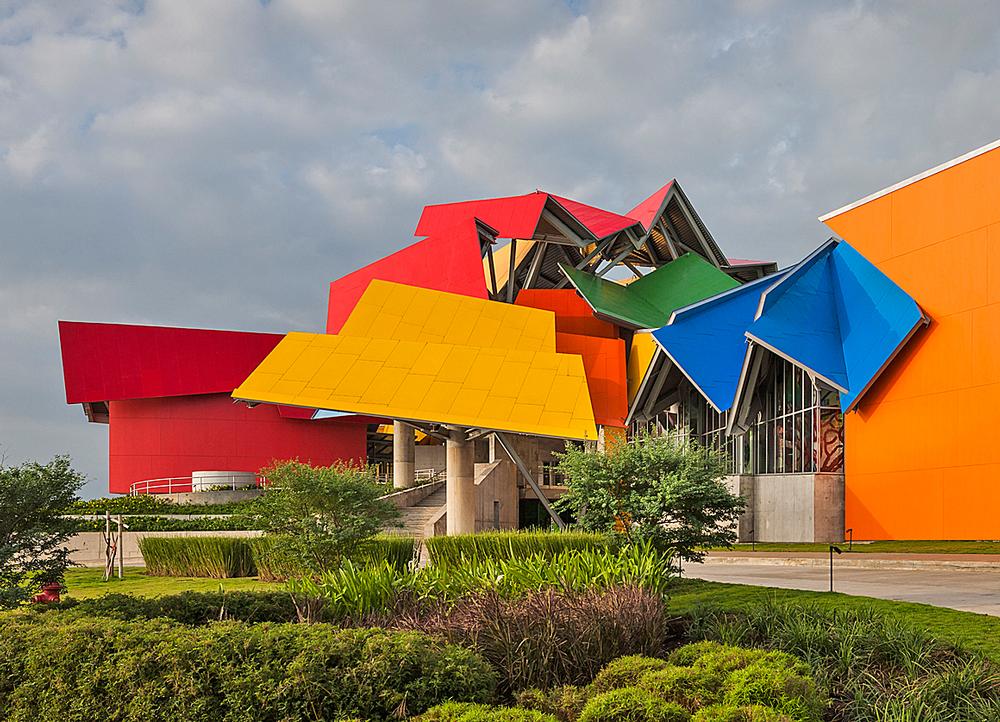
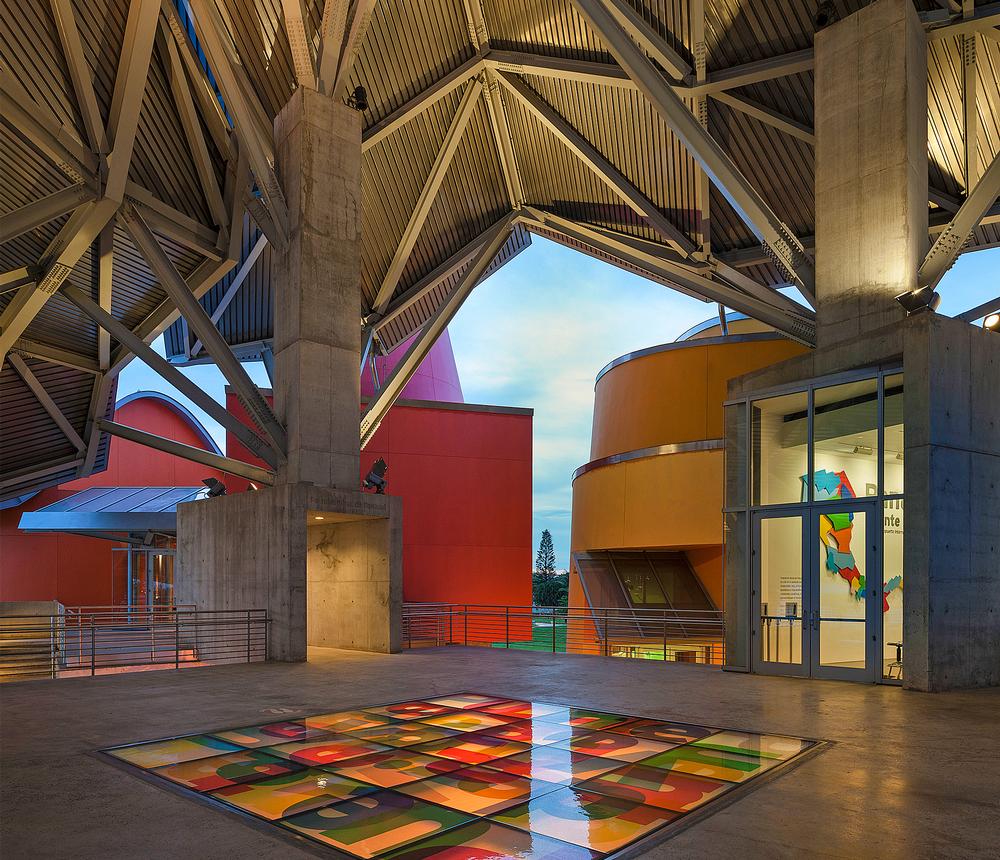
We knew we wanted an architectural building, so a team of international designers was brought in, including Frank Gehry. He was invited to propose a series of projects along the Canal to be the cherry on top of the cake.
As this was four years after the Guggenheim Bilbao opened, everyone in the world was aware of the power that an architectural masterpiece could have to breathe new life into a city.
Unfortunately the project was shelved the following year when there was a change of government, but at that point the Amador Foundation was formed by Panamanian and foreign businesspeople, who still wanted to bring the project to fruition. They lobbied the new government and eventually convinced them to support it; they have also organised the funding.
What’s the relationship with the Smithsonian Institute?
The Smithsonian Institute has had a research base in Panama for 100 years and this has generated most of the content for the exhibits. We worked very closely with both the Smithsonian Institute and the University of Panama and have become the only Smithsonian-affiliated museum outside the US.
What story does Biomuseo tell?
The museum aims to be a showcase to bring the scientific knowledge generated in Panama to the general public.
It tells the story of the isthmus of Panama: the different geological processes which made Panama rise out of the ocean. We see Panama as a bridge between two continents, but also as a barrier which split the tropical ocean in two.
We look at the consequences that event had locally, regionally and globally. We look at how Panama changed the world, such as redirecting the Gulf Stream, so Europe has milder winters than North America.
Panama rising caused Africa to change from a continent of forests to one of savannahs. Some palaeontologists believe that this led to the formation of the human race, as primates had to come down from the trees and had to be more gregarious to survive.
How is the story presented?
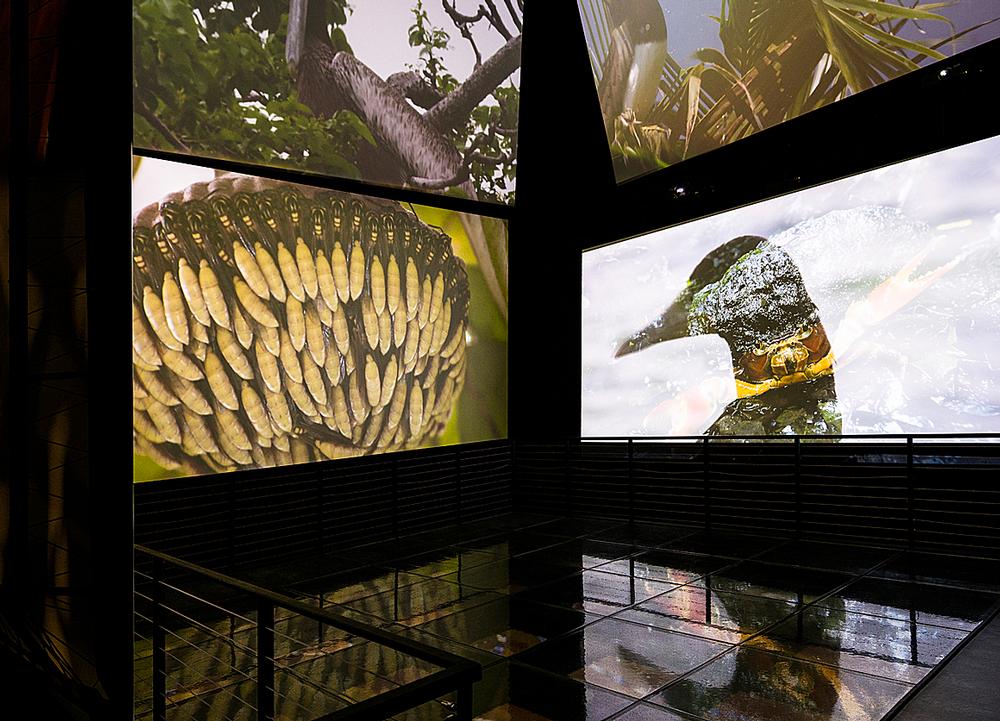
Unlike most science museums, we didn’t have a collection of specimens to put on show. Instead, we decided the museum would be a collection of concepts.
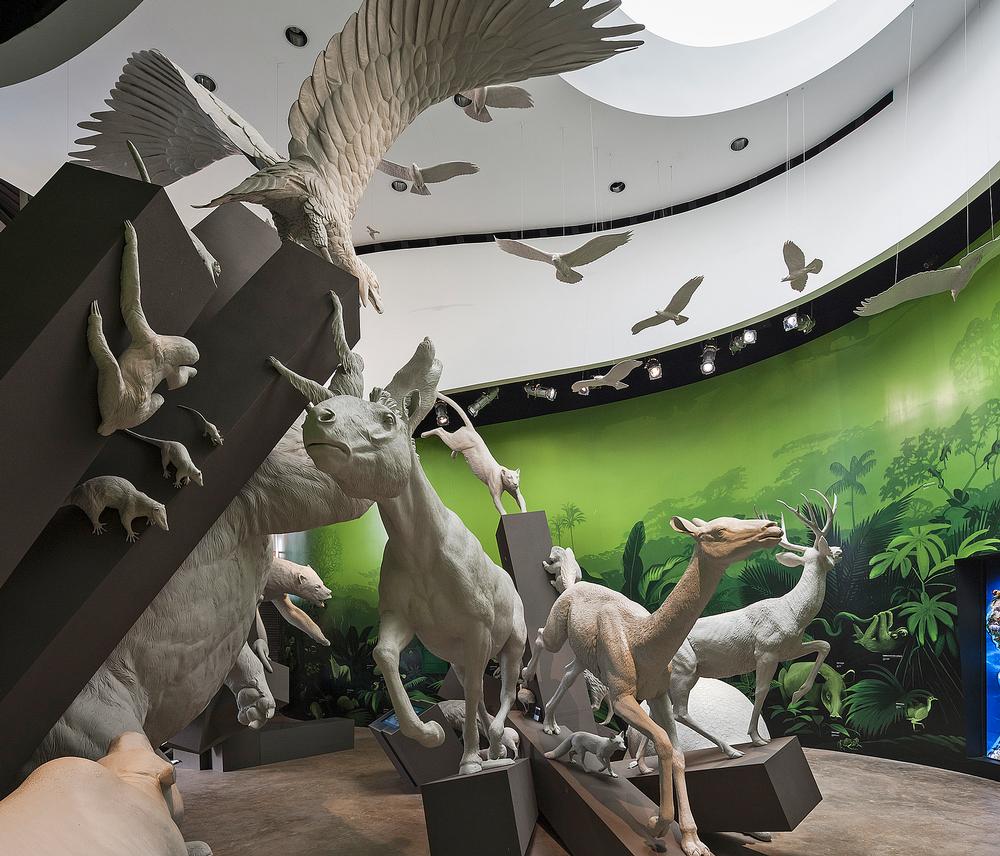
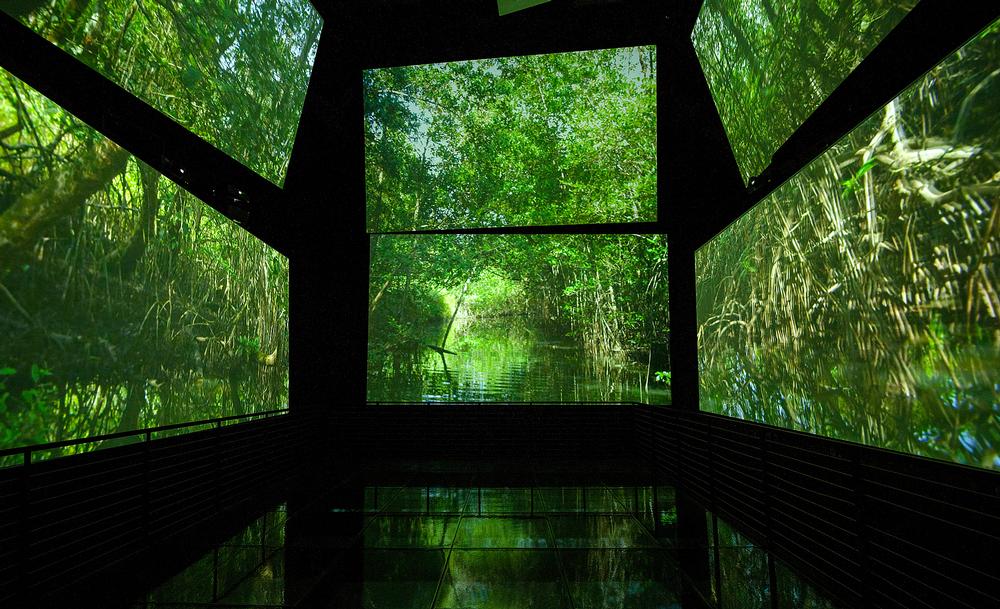
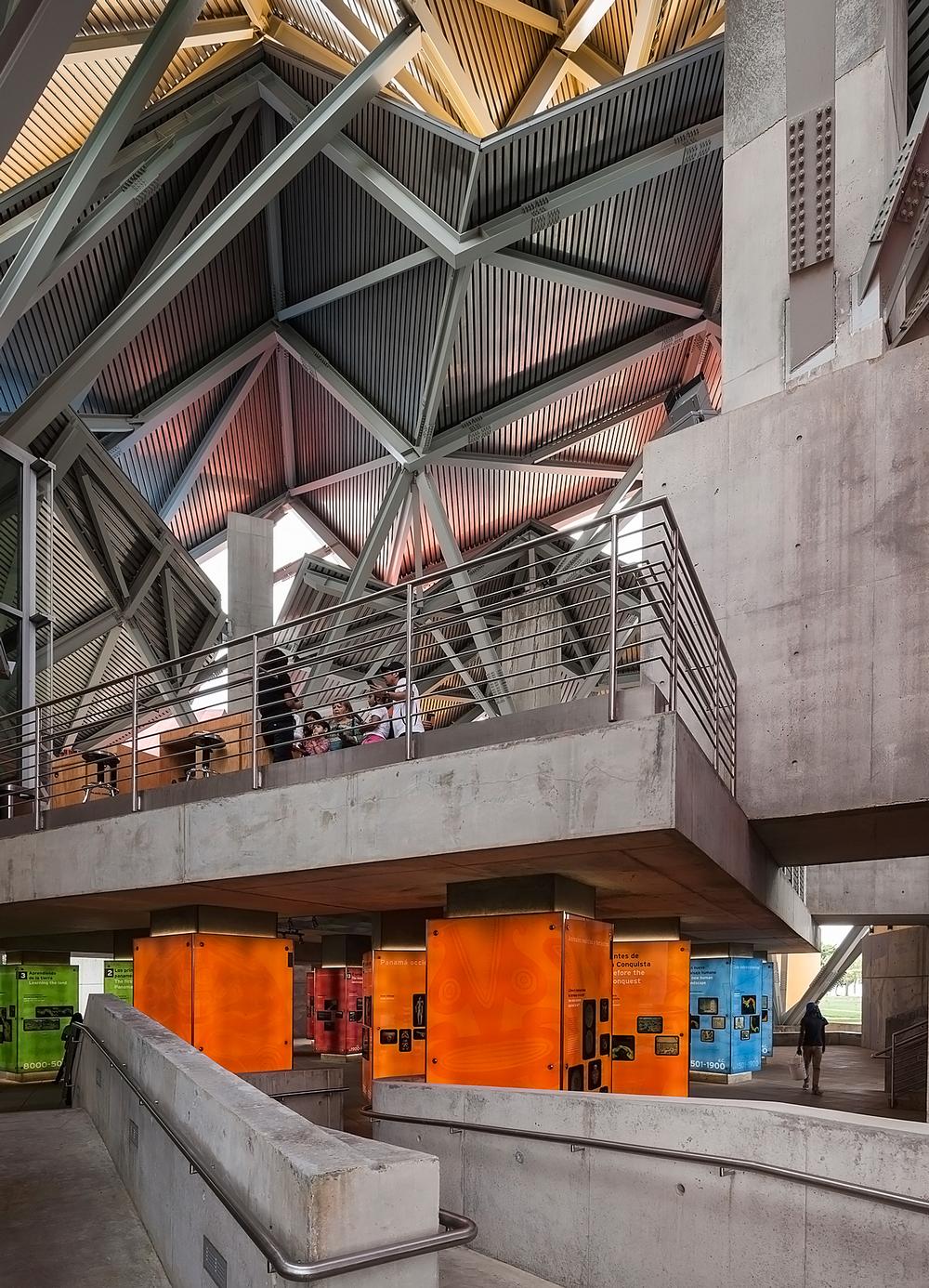
Each gallery tells a story relating to Panama. Instead of exhibit cases we have large murals, sculptures and interactive elements. This approach meant that with every gallery we had to start afresh, because nothing is repeated.
The story is told in large items, which represent large ideas, and are complemented with small, detailed elements which will tell the whole story.
What were the main challenges?
The main challenge is the complexity of building a building with North American quality control, but with Panamanian labour. The style in Panama is usually fast and cheap, so a lot of processes took longer because of the learning curve and these delays cost money.
What stage is the museum at now?
The first five galleries opened in October and we had more than 60,000 visits in the first six months: 60 per cent of which were from Panama. We’re still fundraising for the final three galleries, which are architectural spaces currently being used for temporary exhibits. They are the most expensive ones, and will house an aquarium.
It is a very expensive project. Was it the right move to be so bold?
Thinking big and aiming high are what has made this museum successful.
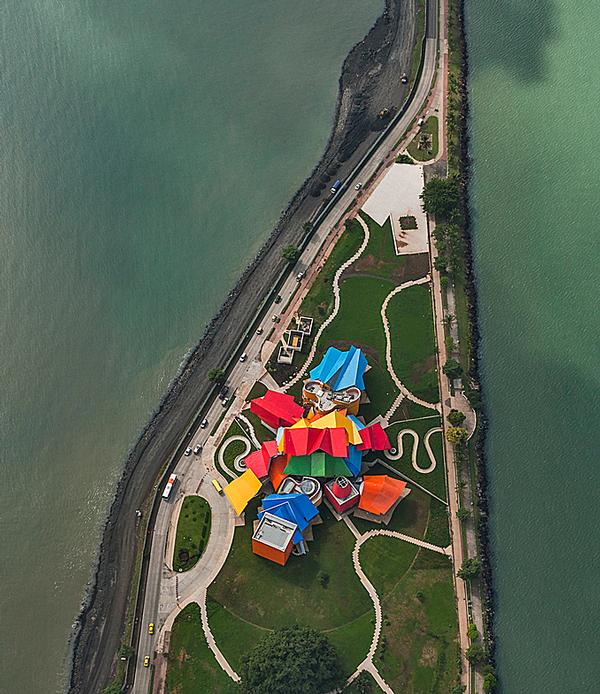
It’s true that having an architectural masterpiece makes Biomuseo relevant to whole sections of the public who wouldn’t otherwise be interested in biodiversity. The building is the bridge between the science world and the art world. It’s been difficult, but it’s undeniably been worth it.