A new report published recently by the Monza and Brianza Chamber of Commerce in Italy has generated millions of column inches of publicity and web postings for its findings, which reveal the economic value of famous European monuments and attractions.
The report – apparently designed to illustrate how Italy is failing to exploit its cultural gems – shows the Eiffel Tower is the clear winner of the title Most Valuable Landmark in Europe, apparently being worth 435bn euro (£343bn, US$563bn) to the French economy.
Criteria used in the valuations include a tourist index, which took into account the economic value of the location, its fame, the flux of visitors to the territory and monument and an economic attractiveness index, which looked at factors such as the number of jobs created and its export value.
Rome's Colloseum and Sagrada Familia in Barcelona were a distant second and third at £72bn (86.4bn euro, US$93bn) and £71bn (85.2bn euro, US$91bn) respectively, followed by the Duomo Cathedral in Milan at £65bn (78bn euro, US$84bn) and the Tower of London at £56bn (67.2bn euro, US$86bn). Stonehenge was seventh at £6.3bn (7.5bn euro, US$8.1bn). Built in 1889, the Eiffel Tower is Europe's most-visited monument, attracting almost eight million tourists a year to Paris.
Regardless of whether the industry can buy into the research methods used in this study, or even agrees with its findings (and it's too soon to say on this), the principles of assessing the economic impact of attractions and creating a global ranking are sound. As an industry, we're constantly agonising over how we can lobby governments more effectively and information like this would really help our cause.
When it comes to leveraging heritage for financial gain, this year has been a big one for Britain, with the Queen's Jubilee and the Olympics following hard on the heels of the royal wedding. UK tourism agency VisitBritain has won praise for its witty GREAT Britain advertising campaign, which has featured national monuments and iconography. Most recently - with the launch of the new 50th anniversary Bond movie, Skyfall - it has rolled out a BOND is GREAT campaign, which is celebrated on our cover.
Part of the film was shot in London and the combination of a global movie franchise, attractions and effective tourism marketing show how collaboration at national and international level can enable the attractions industry to take its rightful place as an effective driver of economic prosperity. We need more initiatives like this which involve attractions and better information about the financial impact that ensues.
Read more from this issue of Attractions Management magazine
View contents of Attractions Management 2012 issue 4
Editor's letter: National Monuments
As a global industry, we're constantly agonising over how we can
lobby governments and stakeholders more effectively. Research which
shows the economic impact of attractions would really help our cause
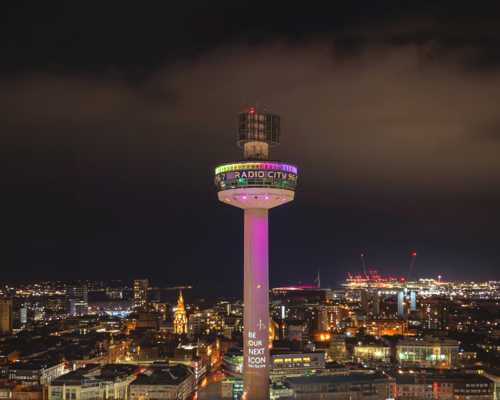
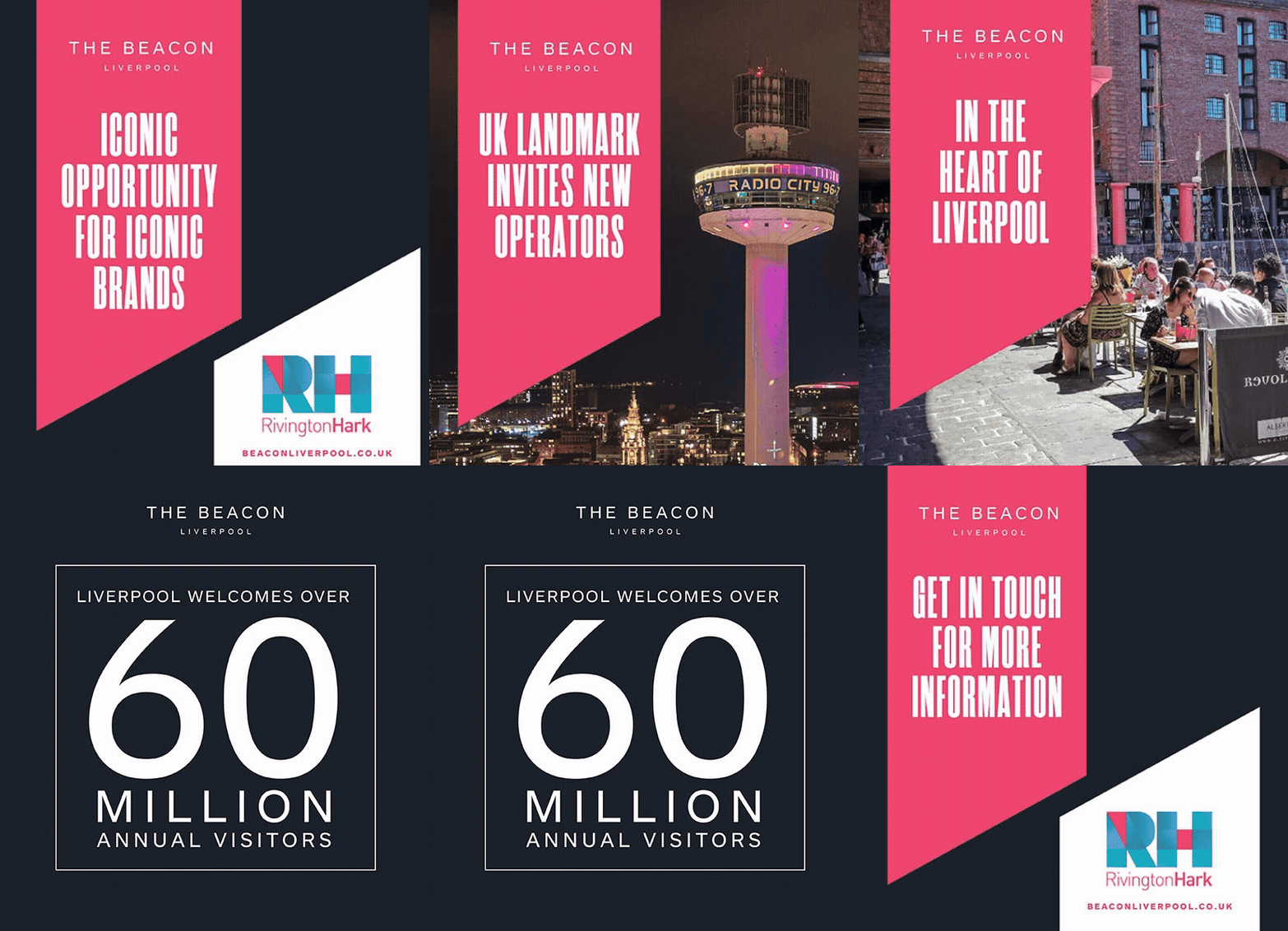
An opportunity to reimagine one of the UK’s most recognisable towers has been formally
opened by Rivington Hark, as St Johns Beacon invites operators and partners to shape its
next phase. [more...]
A new report published recently by the Monza and Brianza Chamber of Commerce in Italy has generated millions of column inches of publicity and web postings for its findings, which reveal the economic value of famous European monuments and attractions.
The report – apparently designed to illustrate how Italy is failing to exploit its cultural gems – shows the Eiffel Tower is the clear winner of the title Most Valuable Landmark in Europe, apparently being worth 435bn euro (£343bn, US$563bn) to the French economy.
Criteria used in the valuations include a tourist index, which took into account the economic value of the location, its fame, the flux of visitors to the territory and monument and an economic attractiveness index, which looked at factors such as the number of jobs created and its export value.
Rome's Colloseum and Sagrada Familia in Barcelona were a distant second and third at £72bn (86.4bn euro, US$93bn) and £71bn (85.2bn euro, US$91bn) respectively, followed by the Duomo Cathedral in Milan at £65bn (78bn euro, US$84bn) and the Tower of London at £56bn (67.2bn euro, US$86bn). Stonehenge was seventh at £6.3bn (7.5bn euro, US$8.1bn). Built in 1889, the Eiffel Tower is Europe's most-visited monument, attracting almost eight million tourists a year to Paris.
Regardless of whether the industry can buy into the research methods used in this study, or even agrees with its findings (and it's too soon to say on this), the principles of assessing the economic impact of attractions and creating a global ranking are sound. As an industry, we're constantly agonising over how we can lobby governments more effectively and information like this would really help our cause.
When it comes to leveraging heritage for financial gain, this year has been a big one for Britain, with the Queen's Jubilee and the Olympics following hard on the heels of the royal wedding. UK tourism agency VisitBritain has won praise for its witty GREAT Britain advertising campaign, which has featured national monuments and iconography. Most recently - with the launch of the new 50th anniversary Bond movie, Skyfall - it has rolled out a BOND is GREAT campaign, which is celebrated on our cover.
Part of the film was shot in London and the combination of a global movie franchise, attractions and effective tourism marketing show how collaboration at national and international level can enable the attractions industry to take its rightful place as an effective driver of economic prosperity. We need more initiatives like this which involve attractions and better information about the financial impact that ensues.
Read more from this issue of Attractions Management magazine
View contents of Attractions Management 2012 issue 4
Editor's letter: National Monuments
As a global industry, we're constantly agonising over how we can
lobby governments and stakeholders more effectively. Research which
shows the economic impact of attractions would really help our cause
Hotel de France, located on the British Isle of Jersey, has created a wellness retreat package
that includes a hot yoga session that will take place in Jersey Zoo’s butterfly sanctuary.
A new immersive attraction designed to transport visitors into the final hours of ancient Pompeii
is preparing to open near the world-famous archaeological site in southern Italy.
Experience design company, BRC Imagination Arts, has completed a transition that sees founder
Bob Rogers pass ownership of the business to four long-serving senior executives, while
remaining actively involved with the company.
Movie Park Germany has opened a new Paramount Pictures-themed attraction as part of its 30th
anniversary celebrations, using immersive storytelling and adaptive reuse to reinforce the park’s
longstanding “Hollywood in Germany” positioning.
Therme Manchester’s 28-acre development, which will include interconnected glass pavilions
that measure 65,000sq m, will be the largest bathing and wellbeing attraction in the world once
complete, according to prof David Russell, CEO of Therme UK.
Efteling has opened Hooghmoed, a new family drop tower designed to broaden the appeal of its
recently launched Sirene Island themed area and introduce younger visitors to thrill attractions.
A proposed Puy du Fou development near Bicester and Universal Destinations and Experiences’
planned resort in Bedford are emerging as part of a wider transformation of the Oxford–
Cambridge Growth Corridor into a major centre for UK leisure and tourism inv
Shedd Aquarium has opened the Immersion Theater developed in partnership with SimEx-
Iwerks, as part of a wider strategy to enhance the guest experience and create additional
revenue opportunities.
The UK government has announced a temporary reduction in VAT on visitor attractions and
children’s meals as part of a summer cost-of-living support package designed to stimulate the
visitor economy and encourage family days out.
As designer Yinka Ilori prepares for his first solo gallery show in London, he speaks exclusively
to CLADmag about his mission to spread joy, the power of play, and his bold approach to using
colour (including the colours you won’t see in his work).
The government of Thailand is exploring plans for a THB300bn (£6.3bn, US$8.3bn)
entertainment complex in the country’s Eastern Economic Corridor (EEC), with officials
proposing a large-scale theme park and sports destination as part of a broader tourism and
economic development strategy.
+ More news
COMPANY PROFILES
IAAPA EMEA IAAPA Expo Europe was established in 2006 and has grown to the largest international conference and [more...]
An opportunity to reimagine one of the UK’s most recognisable towers has been formally
opened by Rivington Hark, as St Johns Beacon invites operators and partners to shape its
next phase. [more...]