As Cooper Hewitt reinvents interactive capabilities for visitors, the head of engineering talks us through the different parts of the digital experience
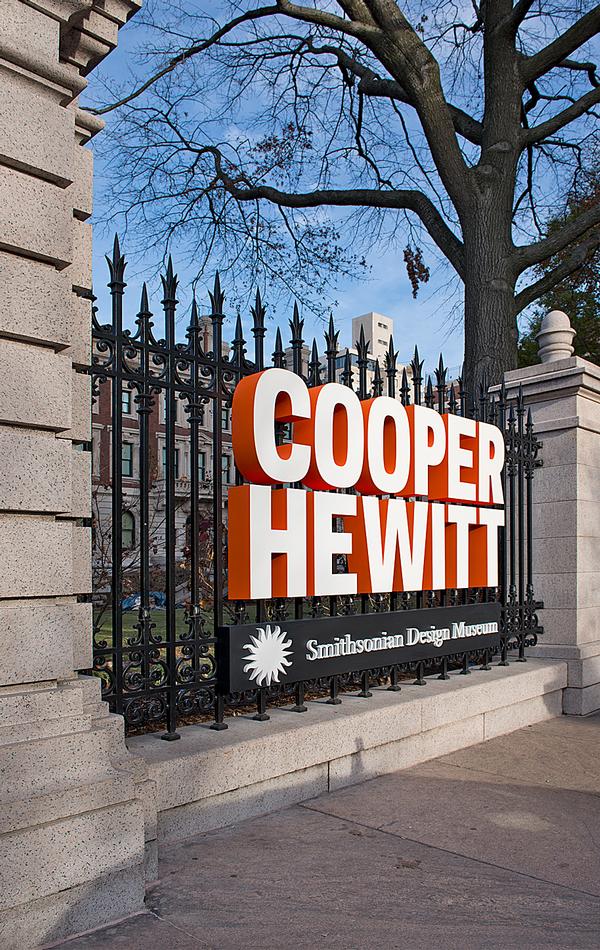
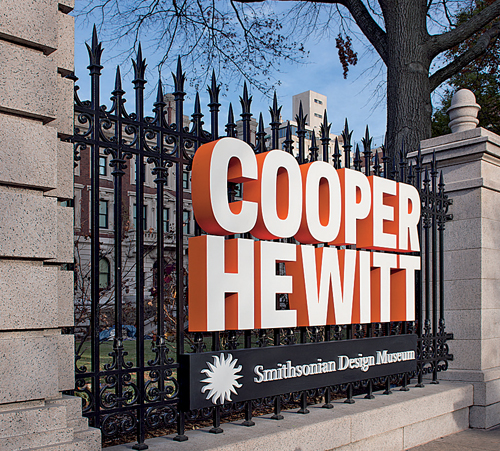
Pentagram designed a new graphic identity and signage for the museum / PHOTO: Matt Flynn / Cooper Hewitt Smithsonian
Cooper Hewitt, Smithsonian Design Museum in New York has emerged from a $81m (£52m, €73m) three-year renovation.
Then-head of engineering Aaron Cope told Attractions Management about the interactive elements, which use cutting-edge technologies and custom-made hardware to create a pioneering visitor experience.
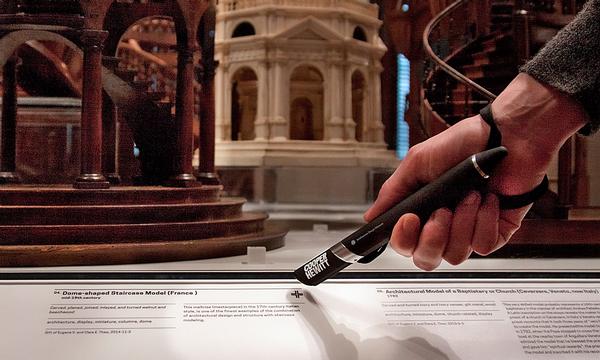
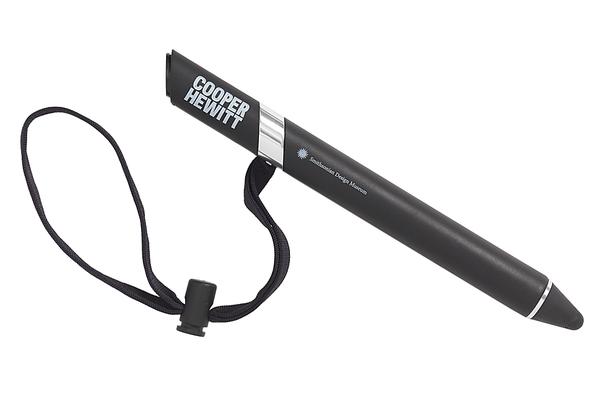
The experience hinges on the idea of a visitor account. Using an NFC-enabled “pen” users can scan object codes and save artefacts of interest to their personal museum Web page.
Cooper Hewitt developed in-house its own digital infrastructure and systems architecture, including the Collections Browser. Mass digitisation of the collection is almost complete.
“The Collections Browser became the scaffolding for everything that followed,” Cope says, including the Pen, Process Lab and Immersion Room.
Cope explained the new experience.
Read more from this issue of Attractions Management magazine
View contents of Attractions Management 2015 issue 3
Interview: Michiel Buchel
Michiel Buchel is Ecsite’s new president and CEO of the Netherland’s biggest science centre, NEMO. He shares his optimism about the science centre sector and the secrets of NEMO’s success
Attractions: All Work, All Play
KidZania, star of the edutainment world, has opened its newest franchise in London, its 17th location to date. We meet the global top team to find out what makes these small cities a big success
Analysis: Be Our Guest
TEA/AECOM’s 2014 Theme Index shows attendance growth across all regions. AECOM experts analyse the recent trends
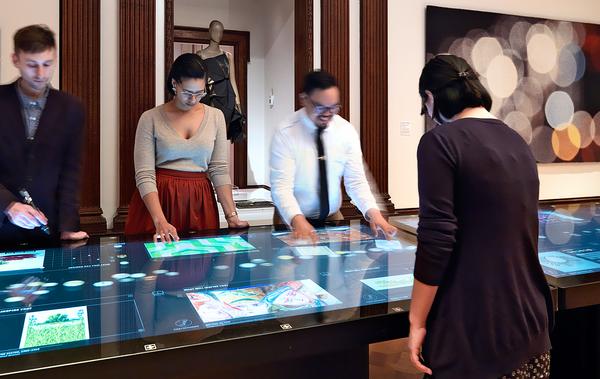
Collections Browser " The Collections Browser runs on the museum’s seven interactive Ideum tables that vary in size up to 84 inches for multiple users of six to eight people. You can browse the objects on display, related objects and see an object’s context in relation to the museum’s historical collection. You can use the tables to create your own designs which you can save to your account. "
PHOTO: Matt Flynn/Cooper Hewitt Smithsonian
Visitors simultaneously view high-resolution images of the collection
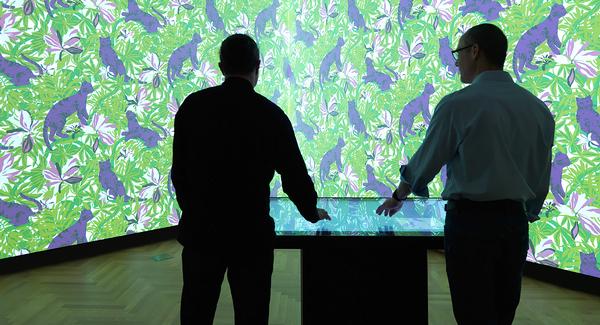
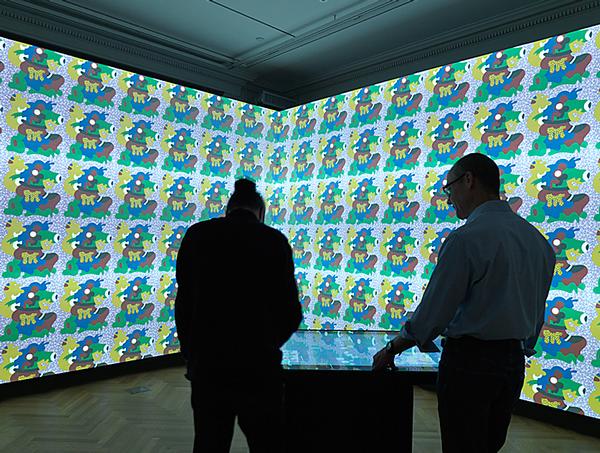
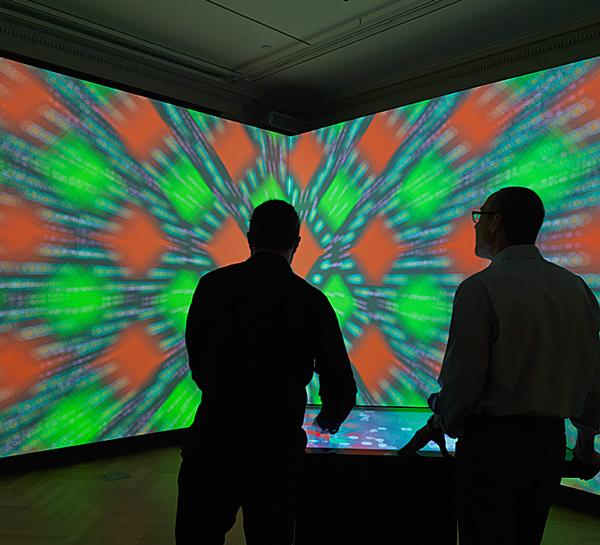
Immersion Room " The ‘wallpaper room’ is controlled by an interactive Ideum table which accesses the museum’s wallpaper collection – the largest collection of wall coverings in North America. Visitors project designs onto the walls of the Immersion Room, so instead of viewing a swatch, you can see the design floor-to-ceiling. You can design and project your own wallpaper, which can be saved to your account and retrieved later. "
PHOTO: Matt Flynn/Cooper Hewitt Smithsonian
In the Immersion Room, digital and projection technologies bring the wallpaper collection to life
PHOTO: Matt Flynn/Cooper Hewitt Smithsonian
In the Immersion Room, digital and projection technologies bring the wallpaper collection to life
PHOTO: Matt Flynn/Cooper Hewitt Smithsonian
In the Immersion Room, digital and projection technologies bring the wallpaper collection to life
The Pen "A museum today is part of the Internet, and vice versa, and visitors arrive with what is essentially a super-computer in their pockets. The Pen is a response to that. It was a remarkably complicated piece of work. The device allows you to interact with the museum, create things on the tables or in the Immersion Room, but also save information from the collection itself to your account.
The idea of the Pen and the idea of the post-visit happened simultaneously. It’s the idea of bookmarking, of being able to return to and share something. All these objects have thousands and thousands of words written about them, and now there’s a way to access this after your visit via your visitor account. The museum starts to exist beyond the 90 minutes that you spend inside its four walls."
PHOTO: Katie Shelly/Cooper Hewitt Smithsonian
Everything collected on the Pen is accessible via a unique Web address provided by the museum
PHOTO: Katie Shelly/Cooper Hewitt Smithsonian
Everything collected on the Pen is accessible via a unique Web address provided by the museum
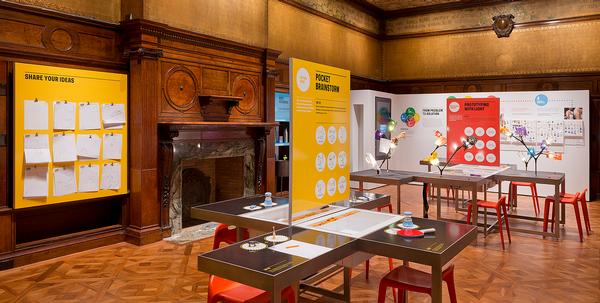
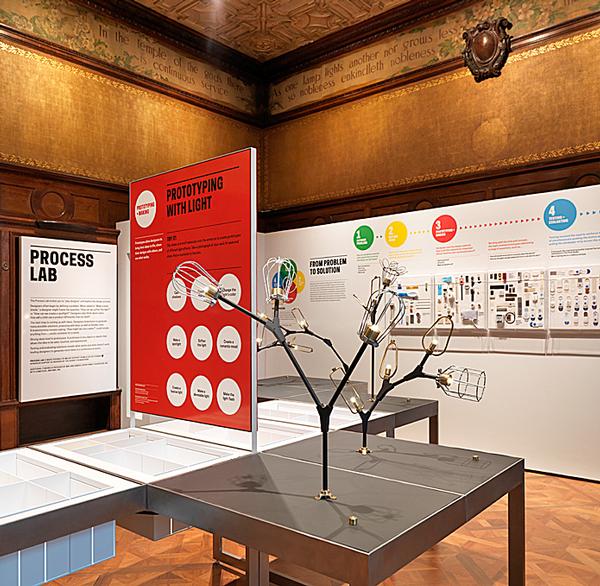
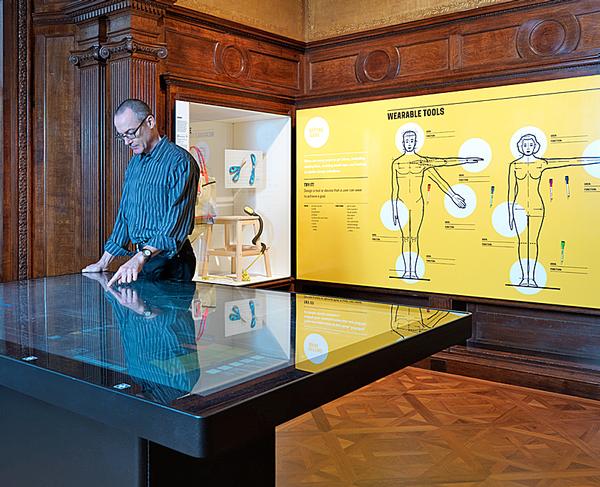
Process Lab "The Process Lab is a dedicated section of the museum where people can create their own design objects. There are tools, activities and devices to spark people’s imagination, such as a making station and 3D printer. On an interactive table, there’s an application that asks users to think about how they’d improve an object or use it differently. It’s an opportunity to work through the different constraints that any design object must overcome if it’s to get out into the real world."
PHOTO: Matt Flynn/Cooper Hewitt Smithsonian
Visitors experiment with design through physical and digital activities in the Process Lab
PHOTO: Matt Flynn/Cooper Hewitt Smithsonian
Visitors experiment with design through physical and digital activities in the Process Lab
PHOTO: Matt Flynn/Cooper Hewitt Smithsonian
Visitors experiment with design through physical and digital activities in the Process Lab
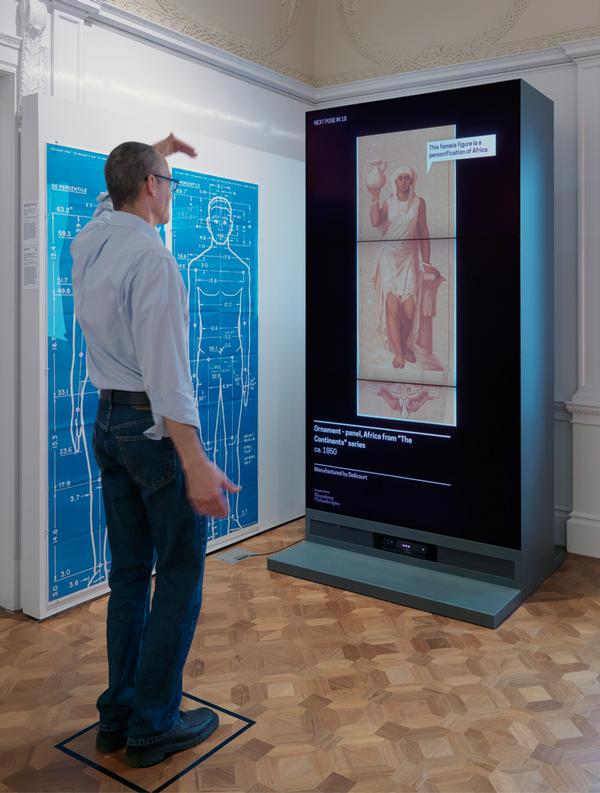
Gesture Match "Gesture Match uses a Microsoft Kinect to scan visitors’ poses and match the shapes to objects in the collection. It was made by Local Projects for the Beautiful Users exhibition. They wanted to create interesting and active ways for visitors to interact with the collection. That’s important because we’re not an art museum, we’re a design museum – and design objects exist to be used. Gesture Match and the Pen are an explicit invitation to visitors, which says: ‘You’re invited to do something; your participation is fundamental to design itself"
PHOTO: Matt Flynn/Cooper Hewitt Smithsonian
A visitor uses the Kinect-powered Gesture Match
WORKING ON COOPER HEWITT
Interior: Gluckman Mayner, Beyer Blinder Belle Architects
Garden: Hood Design
Retail space, visitor services desk: Diller Scofidio + Renfro
Casework: Diller Scofidio + Renfro, Goppion
Interactive media: Local Projects
Multi-user interactive tables: Ideum
Graphics and signage: Pentagram
Pen: Bloomberg Philanthropies, Local Projects, Diller Scofidio + Renfro, GE Design, Sistelnetworks, Tellart, Undercurrent, MakeSimply
Then-head of engineering Aaron Cope
COMPANY PROFILES
Painting With Light
By combining lighting, video, scenic and architectural elements, sound and special effects we tell s [more...]
As Cooper Hewitt reinvents interactive capabilities for visitors, the head of engineering talks us through the different parts of the digital experience
Pentagram designed a new graphic identity and signage for the museum / PHOTO: Matt Flynn / Cooper Hewitt Smithsonian
Cooper Hewitt, Smithsonian Design Museum in New York has emerged from a $81m (£52m, €73m) three-year renovation.
Then-head of engineering Aaron Cope told Attractions Management about the interactive elements, which use cutting-edge technologies and custom-made hardware to create a pioneering visitor experience.
The experience hinges on the idea of a visitor account. Using an NFC-enabled “pen” users can scan object codes and save artefacts of interest to their personal museum Web page.
Cooper Hewitt developed in-house its own digital infrastructure and systems architecture, including the Collections Browser. Mass digitisation of the collection is almost complete.
“The Collections Browser became the scaffolding for everything that followed,” Cope says, including the Pen, Process Lab and Immersion Room.
Cope explained the new experience.
Read more from this issue of Attractions Management magazine
View contents of Attractions Management 2015 issue 3
Interview: Michiel Buchel
Michiel Buchel is Ecsite’s new president and CEO of the Netherland’s biggest science centre, NEMO. He shares his optimism about the science centre sector and the secrets of NEMO’s success
Attractions: All Work, All Play
KidZania, star of the edutainment world, has opened its newest franchise in London, its 17th location to date. We meet the global top team to find out what makes these small cities a big success
Analysis: Be Our Guest
TEA/AECOM’s 2014 Theme Index shows attendance growth across all regions. AECOM experts analyse the recent trends
Collections Browser " The Collections Browser runs on the museum’s seven interactive Ideum tables that vary in size up to 84 inches for multiple users of six to eight people. You can browse the objects on display, related objects and see an object’s context in relation to the museum’s historical collection. You can use the tables to create your own designs which you can save to your account. "
PHOTO: Matt Flynn/Cooper Hewitt Smithsonian
Visitors simultaneously view high-resolution images of the collection
Immersion Room " The ‘wallpaper room’ is controlled by an interactive Ideum table which accesses the museum’s wallpaper collection – the largest collection of wall coverings in North America. Visitors project designs onto the walls of the Immersion Room, so instead of viewing a swatch, you can see the design floor-to-ceiling. You can design and project your own wallpaper, which can be saved to your account and retrieved later. "
PHOTO: Matt Flynn/Cooper Hewitt Smithsonian
In the Immersion Room, digital and projection technologies bring the wallpaper collection to life
PHOTO: Matt Flynn/Cooper Hewitt Smithsonian
In the Immersion Room, digital and projection technologies bring the wallpaper collection to life
PHOTO: Matt Flynn/Cooper Hewitt Smithsonian
In the Immersion Room, digital and projection technologies bring the wallpaper collection to life
The Pen "A museum today is part of the Internet, and vice versa, and visitors arrive with what is essentially a super-computer in their pockets. The Pen is a response to that. It was a remarkably complicated piece of work. The device allows you to interact with the museum, create things on the tables or in the Immersion Room, but also save information from the collection itself to your account.
The idea of the Pen and the idea of the post-visit happened simultaneously. It’s the idea of bookmarking, of being able to return to and share something. All these objects have thousands and thousands of words written about them, and now there’s a way to access this after your visit via your visitor account. The museum starts to exist beyond the 90 minutes that you spend inside its four walls."
PHOTO: Katie Shelly/Cooper Hewitt Smithsonian
Everything collected on the Pen is accessible via a unique Web address provided by the museum
PHOTO: Katie Shelly/Cooper Hewitt Smithsonian
Everything collected on the Pen is accessible via a unique Web address provided by the museum
Process Lab "The Process Lab is a dedicated section of the museum where people can create their own design objects. There are tools, activities and devices to spark people’s imagination, such as a making station and 3D printer. On an interactive table, there’s an application that asks users to think about how they’d improve an object or use it differently. It’s an opportunity to work through the different constraints that any design object must overcome if it’s to get out into the real world."
PHOTO: Matt Flynn/Cooper Hewitt Smithsonian
Visitors experiment with design through physical and digital activities in the Process Lab
PHOTO: Matt Flynn/Cooper Hewitt Smithsonian
Visitors experiment with design through physical and digital activities in the Process Lab
PHOTO: Matt Flynn/Cooper Hewitt Smithsonian
Visitors experiment with design through physical and digital activities in the Process Lab
Gesture Match "Gesture Match uses a Microsoft Kinect to scan visitors’ poses and match the shapes to objects in the collection. It was made by Local Projects for the Beautiful Users exhibition. They wanted to create interesting and active ways for visitors to interact with the collection. That’s important because we’re not an art museum, we’re a design museum – and design objects exist to be used. Gesture Match and the Pen are an explicit invitation to visitors, which says: ‘You’re invited to do something; your participation is fundamental to design itself"
PHOTO: Matt Flynn/Cooper Hewitt Smithsonian
A visitor uses the Kinect-powered Gesture Match
WORKING ON COOPER HEWITT
Interior: Gluckman Mayner, Beyer Blinder Belle Architects
Garden: Hood Design
Retail space, visitor services desk: Diller Scofidio + Renfro
Casework: Diller Scofidio + Renfro, Goppion
Interactive media: Local Projects
Multi-user interactive tables: Ideum
Graphics and signage: Pentagram
Pen: Bloomberg Philanthropies, Local Projects, Diller Scofidio + Renfro, GE Design, Sistelnetworks, Tellart, Undercurrent, MakeSimply
London Museum will open four new food and drink destinations when it launches its new home
at Smithfield on 28 November, making hospitality a central part of the visitor experience at one
of the capital's biggest cultural openings of the year.
OMA has completed a major transformation of New York's New Museum, creating a larger
cultural campus that combines expanded exhibition spaces with learning, performance,
hospitality and public programming.
A US$50 million (£44.2 million, €51.2 million) transformation of Chicago's historic McCormick
Mansion has created a new destination that combines live magic, immersive theatre, dining and
private membership under one roof.
The Montana Historical Society has officially celebrated the opening of its new Montana
Heritage
Center, a US$107 million (£79 million, €92 million) destination that combines immersive
storytelling with cutting-edge audiovisual technology to bring the sta
San Antonio Zoo has reported a US$283 million economic impact for 2025, following a decade-
long transformation programme that has seen almost US$200 million invested into the Texas
attraction.
Plans for the AU$180 million redevelopment of Reef HQ Aquarium in Townsville, Australia, are
progressing, with the project set to transform the attraction into a global centre for reef
education and conservation.
Abu Dhabi-based investment firm Mubadala Capital has made a binding, fully financed
€1 billion
offer to acquire Pierre and Vacances SA, the European holiday resort operator behind the
continental European Center Parcs business.
Disney has reaffirmed its commitment to investing US$30 billion in its US parks and cruise
business by 2033, using new America250 celebrations to underline the role its attractions play
in supporting jobs, tourism and economic growth.
Expo 2030 Riyadh is being planned as a permanent visitor destination, with organisers
confirming the six-million-square-metre site will become a Global Village after the event closes.
The owner of one of Australia's best-known waterparks has acquired a major competitor,
creating a new attractions business spanning two of the country's largest visitor destinations.