Hussle says its business model has been developed to protect the interests of gym operators / photo: HUSSLE
Operators lost 30-40 per cent of members during a year where the pandemic saw our industry forced to close three times. With estimates suggesting UK gyms have lost in the region of £2.3 billion in revenue it stands to reason that this year’s primary focus is going to be rebuilding memberships to recoup lost revenue and drive new income streams.
Naturally this will involve re-engaging old members and anecdotal feedback suggests operators are expecting a post-COVID ‘bounce’ on reopening, caused by significant pent-up demand. But once that wears off and the tougher summer months kick in, a more important consideration will be how to attract the 85 per cent of the population who don’t currently interact with our industry at all. This cohort is exactly the customers that fitness marketplace Hussle can help operators target.
A wider appeal Hussle appeals to very specific customer wants – choice, freedom and flexibility.
There are customers who need more than one venue to fit their lifestyle – with access to facilities in several locations – so wouldn’t join a single gym. Then there are customers who are keen to try venues before joining directly and who try-before-they-buy via Hussle.
“This is where our Membership Conversion Service (MCS) comes into its own, generating new direct members with no marketing costs,” says Jamie Owens, director of fitness partnerships at Hussle. “We proactively encourage users to join clubs they attend regularly. On average, 26 per cent of Hussle customers go on to become direct members – more than 30,000 users have been turned into exclusive members in the last 18 months alone.
“With MCS we present a unique offer to gyms. We make joining a seamless journey for the customer and, in doing so, convert more high-value direct members.
“What makes Hussle unique in the market is that a member converted is just that, an actual member. Most marketing partners provide operators with revenue, but the customers will never become their own. Hussle isn’t trying to own the customer, just enabling them to make an informed choice – and if one gym offers the right fit, we actively encourage them to join.”
Hussle also attracts hybrid customers. “This is the area we’ve seen grow hugely during the pandemic”, says Owens. “These are the customers who get fit in numerous ways, who spend on other fitness services, but still want occasional gym access.”
Keep them engaged by being flexible Peloton saw its quarterly workouts more than quadruple during 2020 – from 19m in Q1 to 77m in Q4, while ClubIntel reports that 72 per cent of global operators now offer on-demand and livestream workouts – up from just 25 per cent in 2019. With tech giants like Apple and Google getting involved, this member cohort is only set to grow.
These services could represent a threat to operators’ wallet share, but an October 2020 IHRSA report found 95 per cent of members miss at least one aspect of the gym; evidence that a flexible offering will be the way to ensure these modern members, who don’t want a one-size-fits-all gym, continue to use bricks and mortar facilities at least on some basis.
Increase footfall By offering two types of pass to access venues, Hussle enables operators to create an even broader appeal. Members who need more than one venue can opt for the Multi-Club Pass – priced at a premium to protect operators’ own direct membership.
Try-before-they-buy members, alongside those wanting occasional gym access, can opt for the Day Pass, based on operators’ own prices.
Either way Hussle gets footfall through the door, risk free. “We appeal to customers by investing in two main marketing channels – direct to the consumer through big-brand partnerships with companies such as American Express and Vodafone, as well as via big-name employers providing fitness-as-a-benefit, such as Travelodge, Facebook, Channel 4, and multiple NHS trusts,” explains Owens. “And finally, our key audience is aged 20-35 – the next generation of gym members, who are typically younger than most operators’ core 40-plus audience, offering yet another opportunity to get new people engaged.”
To find out more about Hussle or to become a partner visit www.hussle.com/list-my-gym. It’s free to list a gym on the platform and we’re always keen to discuss building a recovery partnership with operators.
"Our audience is aged 20-35 – the next generation of gym members – offering yet another opportunity to get new people engaged"
– Jamie Owens, Hussle
“When I was working across the UK, Hussle’s flexibility allowed me to explore some great gyms that I wouldn’t have known about otherwise.
“When I’m based in one place, I use Hussle to test out the best gym for me in the area and then purchase a direct membership. I always keep an eye on Hussle for new gyms, so that I can try them out when I’m travelling in different areas”
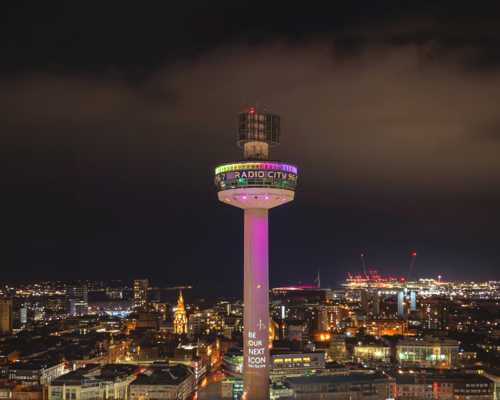
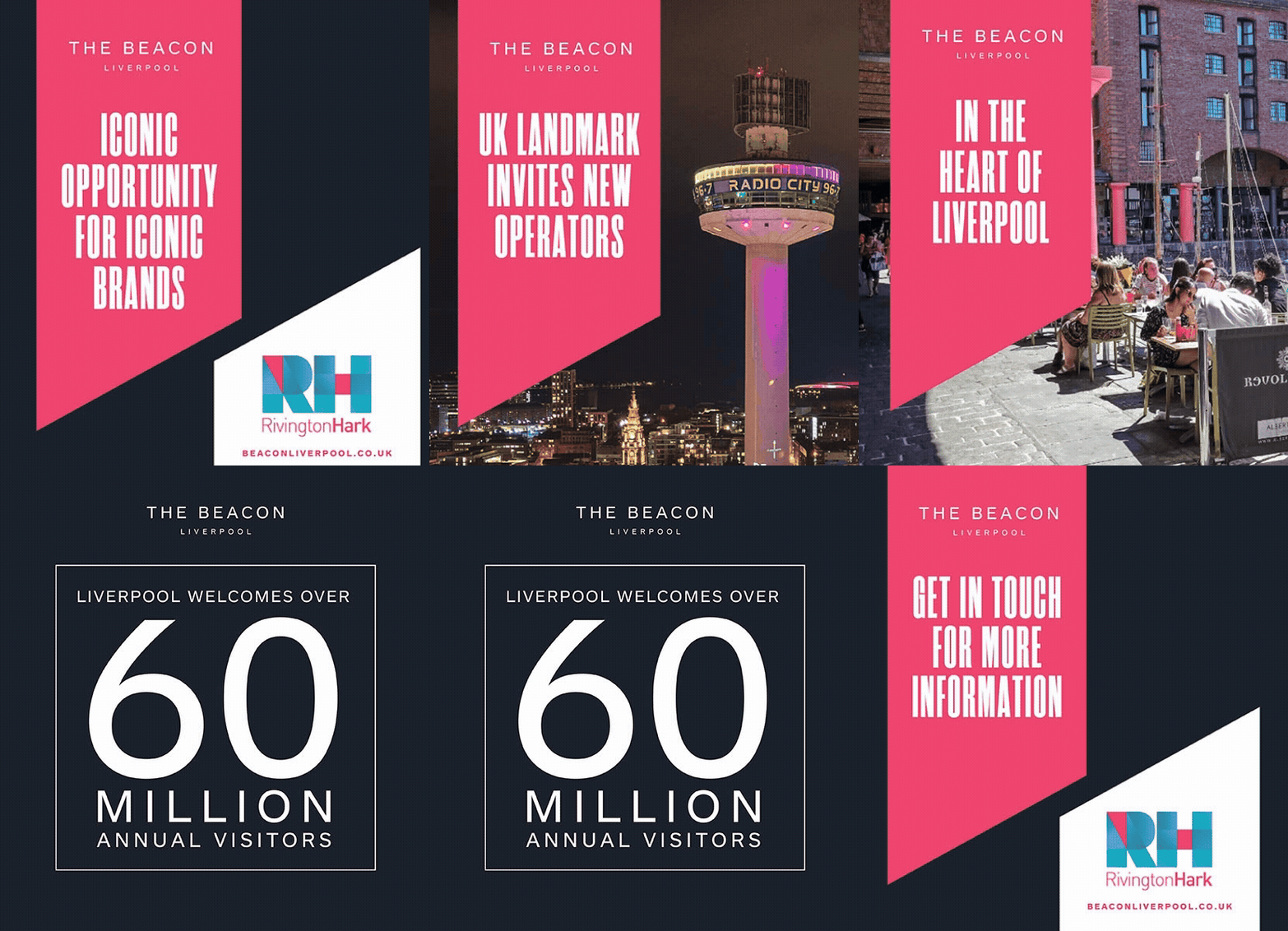
An opportunity to reimagine one of the UK’s most recognisable towers has been formally
opened by Rivington Hark, as St Johns Beacon invites operators and partners to shape its
next phase. [more...]
Hussle says its business model has been developed to protect the interests of gym operators / photo: HUSSLE
Operators lost 30-40 per cent of members during a year where the pandemic saw our industry forced to close three times. With estimates suggesting UK gyms have lost in the region of £2.3 billion in revenue it stands to reason that this year’s primary focus is going to be rebuilding memberships to recoup lost revenue and drive new income streams.
Naturally this will involve re-engaging old members and anecdotal feedback suggests operators are expecting a post-COVID ‘bounce’ on reopening, caused by significant pent-up demand. But once that wears off and the tougher summer months kick in, a more important consideration will be how to attract the 85 per cent of the population who don’t currently interact with our industry at all. This cohort is exactly the customers that fitness marketplace Hussle can help operators target.
A wider appeal Hussle appeals to very specific customer wants – choice, freedom and flexibility.
There are customers who need more than one venue to fit their lifestyle – with access to facilities in several locations – so wouldn’t join a single gym. Then there are customers who are keen to try venues before joining directly and who try-before-they-buy via Hussle.
“This is where our Membership Conversion Service (MCS) comes into its own, generating new direct members with no marketing costs,” says Jamie Owens, director of fitness partnerships at Hussle. “We proactively encourage users to join clubs they attend regularly. On average, 26 per cent of Hussle customers go on to become direct members – more than 30,000 users have been turned into exclusive members in the last 18 months alone.
“With MCS we present a unique offer to gyms. We make joining a seamless journey for the customer and, in doing so, convert more high-value direct members.
“What makes Hussle unique in the market is that a member converted is just that, an actual member. Most marketing partners provide operators with revenue, but the customers will never become their own. Hussle isn’t trying to own the customer, just enabling them to make an informed choice – and if one gym offers the right fit, we actively encourage them to join.”
Hussle also attracts hybrid customers. “This is the area we’ve seen grow hugely during the pandemic”, says Owens. “These are the customers who get fit in numerous ways, who spend on other fitness services, but still want occasional gym access.”
Keep them engaged by being flexible Peloton saw its quarterly workouts more than quadruple during 2020 – from 19m in Q1 to 77m in Q4, while ClubIntel reports that 72 per cent of global operators now offer on-demand and livestream workouts – up from just 25 per cent in 2019. With tech giants like Apple and Google getting involved, this member cohort is only set to grow.
These services could represent a threat to operators’ wallet share, but an October 2020 IHRSA report found 95 per cent of members miss at least one aspect of the gym; evidence that a flexible offering will be the way to ensure these modern members, who don’t want a one-size-fits-all gym, continue to use bricks and mortar facilities at least on some basis.
Increase footfall By offering two types of pass to access venues, Hussle enables operators to create an even broader appeal. Members who need more than one venue can opt for the Multi-Club Pass – priced at a premium to protect operators’ own direct membership.
Try-before-they-buy members, alongside those wanting occasional gym access, can opt for the Day Pass, based on operators’ own prices.
Either way Hussle gets footfall through the door, risk free. “We appeal to customers by investing in two main marketing channels – direct to the consumer through big-brand partnerships with companies such as American Express and Vodafone, as well as via big-name employers providing fitness-as-a-benefit, such as Travelodge, Facebook, Channel 4, and multiple NHS trusts,” explains Owens. “And finally, our key audience is aged 20-35 – the next generation of gym members, who are typically younger than most operators’ core 40-plus audience, offering yet another opportunity to get new people engaged.”
To find out more about Hussle or to become a partner visit www.hussle.com/list-my-gym. It’s free to list a gym on the platform and we’re always keen to discuss building a recovery partnership with operators.
"Our audience is aged 20-35 – the next generation of gym members – offering yet another opportunity to get new people engaged"
– Jamie Owens, Hussle
“When I was working across the UK, Hussle’s flexibility allowed me to explore some great gyms that I wouldn’t have known about otherwise.
“When I’m based in one place, I use Hussle to test out the best gym for me in the area and then purchase a direct membership. I always keep an eye on Hussle for new gyms, so that I can try them out when I’m travelling in different areas”
Hotel de France, located on the British Isle of Jersey, has created a wellness retreat package
that includes a hot yoga session that will take place in Jersey Zoo’s butterfly sanctuary.
A new immersive attraction designed to transport visitors into the final hours of ancient Pompeii
is preparing to open near the world-famous archaeological site in southern Italy.
Experience design company, BRC Imagination Arts, has completed a transition that sees founder
Bob Rogers pass ownership of the business to four long-serving senior executives, while
remaining actively involved with the company.
Movie Park Germany has opened a new Paramount Pictures-themed attraction as part of its 30th
anniversary celebrations, using immersive storytelling and adaptive reuse to reinforce the park’s
longstanding “Hollywood in Germany” positioning.
Therme Manchester’s 28-acre development, which will include interconnected glass pavilions
that measure 65,000sq m, will be the largest bathing and wellbeing attraction in the world once
complete, according to prof David Russell, CEO of Therme UK.
Efteling has opened Hooghmoed, a new family drop tower designed to broaden the appeal of its
recently launched Sirene Island themed area and introduce younger visitors to thrill attractions.
A proposed Puy du Fou development near Bicester and Universal Destinations and Experiences’
planned resort in Bedford are emerging as part of a wider transformation of the Oxford–
Cambridge Growth Corridor into a major centre for UK leisure and tourism inv
Shedd Aquarium has opened the Immersion Theater developed in partnership with SimEx-
Iwerks, as part of a wider strategy to enhance the guest experience and create additional
revenue opportunities.
The UK government has announced a temporary reduction in VAT on visitor attractions and
children’s meals as part of a summer cost-of-living support package designed to stimulate the
visitor economy and encourage family days out.
As designer Yinka Ilori prepares for his first solo gallery show in London, he speaks exclusively
to CLADmag about his mission to spread joy, the power of play, and his bold approach to using
colour (including the colours you won’t see in his work).
The government of Thailand is exploring plans for a THB300bn (£6.3bn, US$8.3bn)
entertainment complex in the country’s Eastern Economic Corridor (EEC), with officials
proposing a large-scale theme park and sports destination as part of a broader tourism and
economic development strategy.
+ More news
COMPANY PROFILES
DJW David & Lynn Willrich started the Company
over thirty years ago, from the Audio Visual
Department [more...]
Simworx Ltd The company was initially established
in 1997. Terry Monkton and Andrew
Roberts are the key stakeh [more...]
Sally Corporation Our services include: Dark ride design & build; Redevelopment of existing attractions; High-quality [more...]
An opportunity to reimagine one of the UK’s most recognisable towers has been formally
opened by Rivington Hark, as St Johns Beacon invites operators and partners to shape its
next phase. [more...]