Surveys from the UK Spa Association and Good Spa Guide gave the
country’s operators valuable industry and consumer insights. We examine
how they’re helping spas to reopen in a much-changed, post-lockdown world
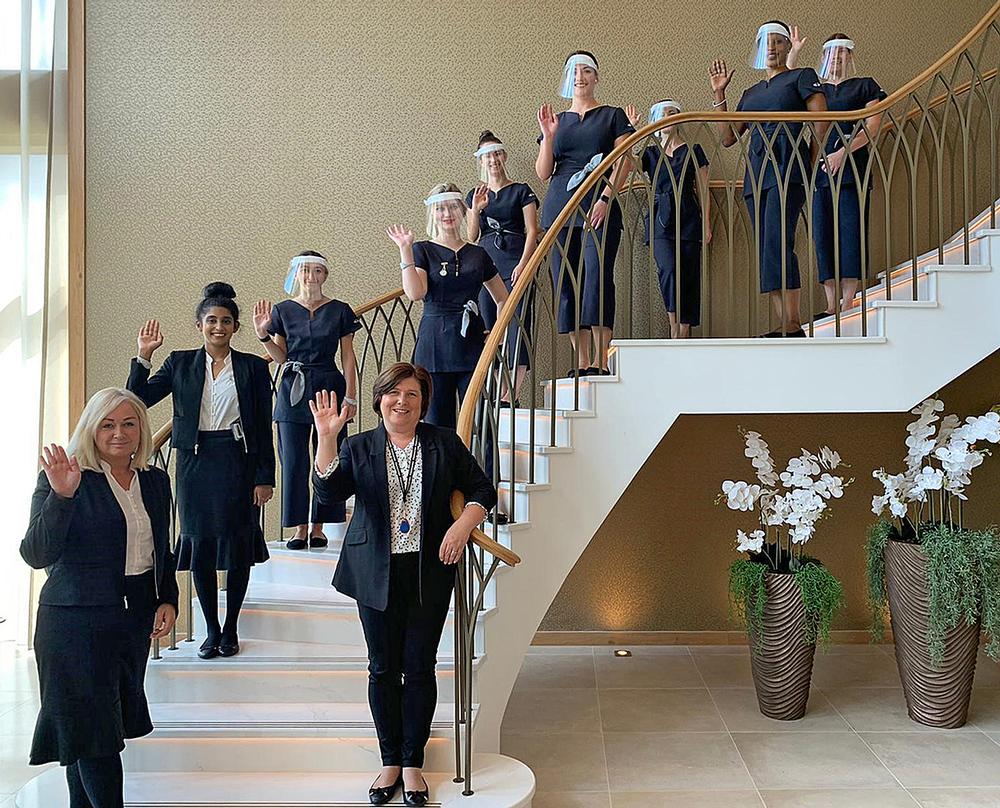
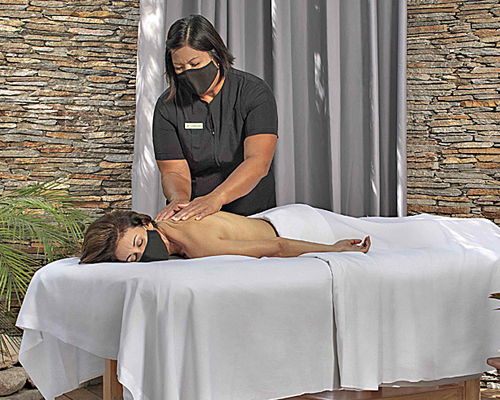
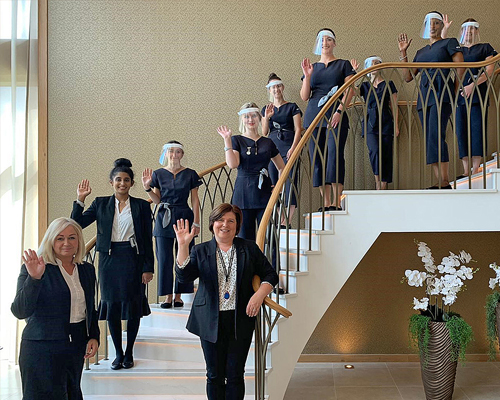
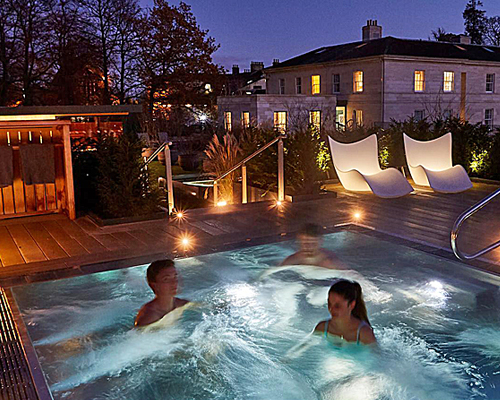
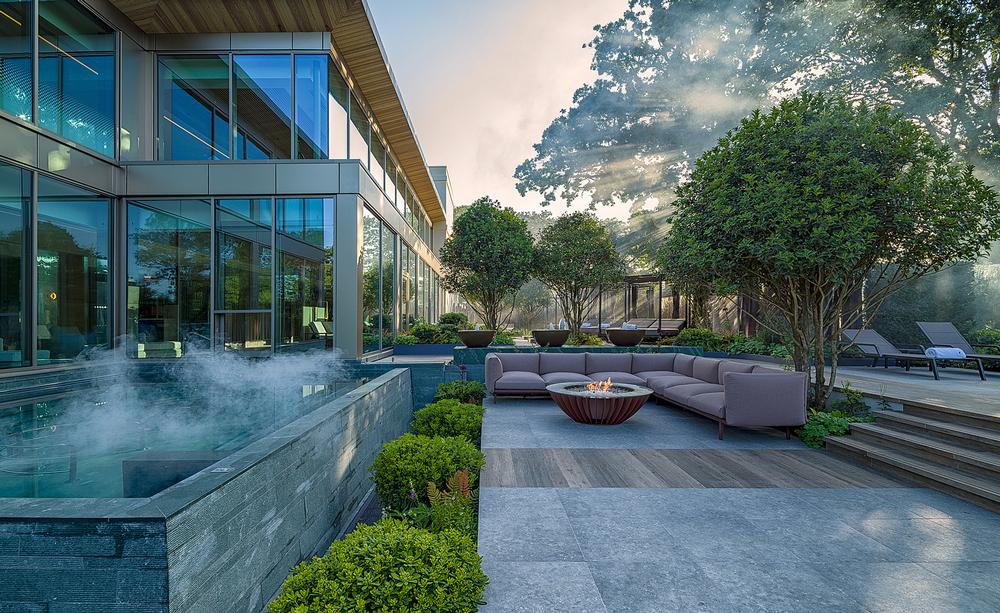
The Spa at Carden Park reopened on 25 July and has put extensive safety measures in place
After nearly four frustrating months, spas across the UK were legally allowed to reopen on 13 July – a positive move for the nation’s 3,500-plus facilities that make up the seventh largest spa market in the world (according to the 2018 Global Wellness Economy Monitor).
As operators prepare to embrace customers once more, they do so in a much different landscape. In anticipation of this, two respected organisations – the UK Spa Association (UKSA) and spa-goer-focused Good Spa Guide (see p46) – co-ordinated efforts to canvass both industry and consumer expectations to get a clearer idea of the lay of the land. Spa Business has analysed the findings to pinpoint the potential challenges and opportunities that lie ahead.
Returning to spas The good news is that there are strong indications that the UK will experience the same trend for pent-up spa demand that’s happening elsewhere in the world where phones are ringing off the hook. In its CV-19 Spa Report, based on a survey of 5,000 spa-goers in May, the Good Spa Guide found that people said they’ll go back to spas as soon as they reopen (48 per cent) or within a couple of months (36 per cent).
The core market, aged 46-60, are reportedly the most confident to return and overall 6 per cent of respondents plan to visit more regularly than before. Furthermore, 80 per cent of people expect to spend the same amount of money or more, than they did before the pandemic.
Daphne Metland, Good Spa Guide director and behavioural specialist, says: “Expect a spa boom once lockdown eases; people haven’t been able to treat themselves for a long time and now more than ever we’re reminded that we must look after our own wellbeing.
“After 9/11, spa bookings increased dramatically. Many people who thought they would get around to booking a spa trip ‘some time’ suddenly realised the future was uncertain. I think we’re seeing the same effect here and will see spa bookings increase later in the year.”
Taking heed of these findings, 54 per cent of spas were looking to open as soon as government guidelines allowed, according to the UKSA’s What’s Next for Wellness? survey which was based on the views of 380 operators, consultants, therapists and suppliers in May.
However, only 13 per cent of all industry respondents anticipated opening in full and were expecting lower occupancy levels. Twenty-two per cent of spas felt they’d run at 26-50 per cent occupancy, 14 per cent predicted 51-75 per cent occupancy, 12 per cent expected 0-25 per cent occupancy, while only 2 per cent predicted 76-100 per cent occupancy.
COVID-safe spaces With nation-wide social distancing measures in place, the majority of UK spa-goers believe spas offer a safe environment and only 13 per cent of Good Spa Guide survey respondents were apprehensive about going to a spa. Yet, they did expect adequate protocols and 82 per cent of people said they want to know about a spa’s hygiene policy in advance. Many expect that policy to include regular testing of staff and a limit on the number of guests in the spa.
Metland says: “Following the pandemic, we’ll all need more privacy. Timed use of facilities, screens in relaxation rooms, and more private areas will become the norm, so spas with private areas will win customers, as will smaller spas that can be booked by friends and families who want a private experience.”
Overall, consumers want therapists to wear PPE such as a mask, gloves and a disposable apron, while a smaller group suggested therapists should wear full-face protection such as a visor. Nearly every spa-goer surveyed (98 per cent) would be happy to have their temperature checked on arrival, followed by some respondents explaining they’d expect to re-book their spa day at no cost if they were barred entry.
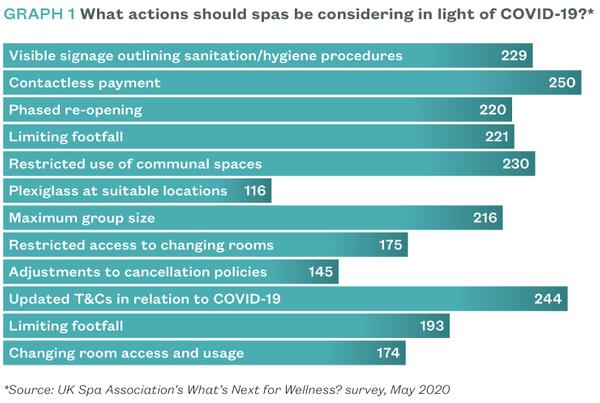
The UKSA survey shows that spas are putting a number of measures in place (see Graph 1). When asked ‘What actions should spas be considering in light of COVID-19?’ the most popular suggestions were contactless payments, updated terms and conditions in relation to COVID-19, restricted use of communal spaces, visible hygiene signage, limiting footfall and phased reopening.
After an urgent call for official reopening rules, the UK government finally published its recommendations – ‘Keeping workers and clients safe during COVID19 in close contact services’ – on 23 June. To view the document see here: http://lei.sr/y5D1F
The UKSA, which was involved with governmental conversations during the process, published its own more spa-specific COVID-19 Reopening Guidelines a day after that and can be read in detail using this link: http://lei.sr/5b2x9 . They feature advice about managing risk of infection, returning to the workplace, PPE, social-distancing, cleaning and equipment, as well as information on how to approach treatments and handling treatment room sanitisation. There’s also guidance on reopening pools and thermal areas, managing retail, laundry procedures, bookings and handling marketing and communication during reopening.
At the time of going to press, facials are allowed but therapists must wear a visor and face mask. Pools can also reopen, but saunas and steamrooms must remain closed until further notice.
UKSA chair Adam Chatterley says: “We all know spas already have rigorous hygiene procedures and ever since lockdown, they’ve been working hard to prepare as best they can to start welcoming people back. But they’ve been ‘flying blind’ to some degree.
“Finally having guidelines from the government allows spas to assess their own efforts and make any adjustments where necessary – and in most cases their preparations far exceed what’s been laid down in the government’s document.”
What’s on the menu? So, as spas in the UK begin to reopen, how will they adapt their offerings? According to the Good Spa Guide, only half of spa-goers say they will be happy having a facial or eye treatment, while 60 per cent would be comfortable with a massage and 69 per cent would opt for beauty services like manicures.
Moreover, the UKSA survey shows that 38 per cent of operators plan to restrict the use of thermal facilities once they are allowed to reopen and 22 per cent are planning a phased reopening of pool areas, with restricted usage also. This again aligns with spa-goer feelings, as only 44 per cent said they’d feel happy using thermal facilities after the pandemic.
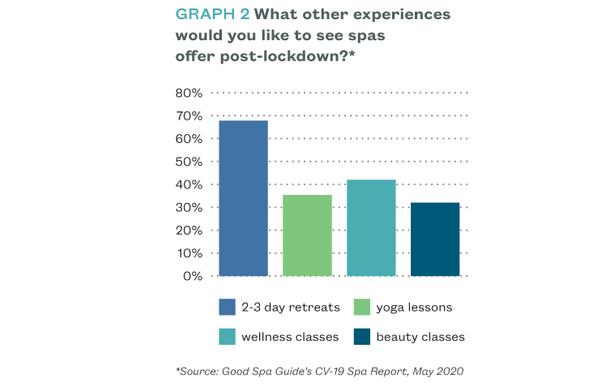
In response to the findings, the UKSA says the spa industry may have to get creative in how they encourage clients to spend the same money as before. The organisation sees huge potential for the industry to establish itself as a platform from which to educate the consumer with regard to their physical and mental health and wellbeing and is encouraging members to embrace this opportunity. Yet, spa consumers do not agree – no respondents from the Good Spa Guide survey said they would want mental wellbeing sessions (see Graph 2).
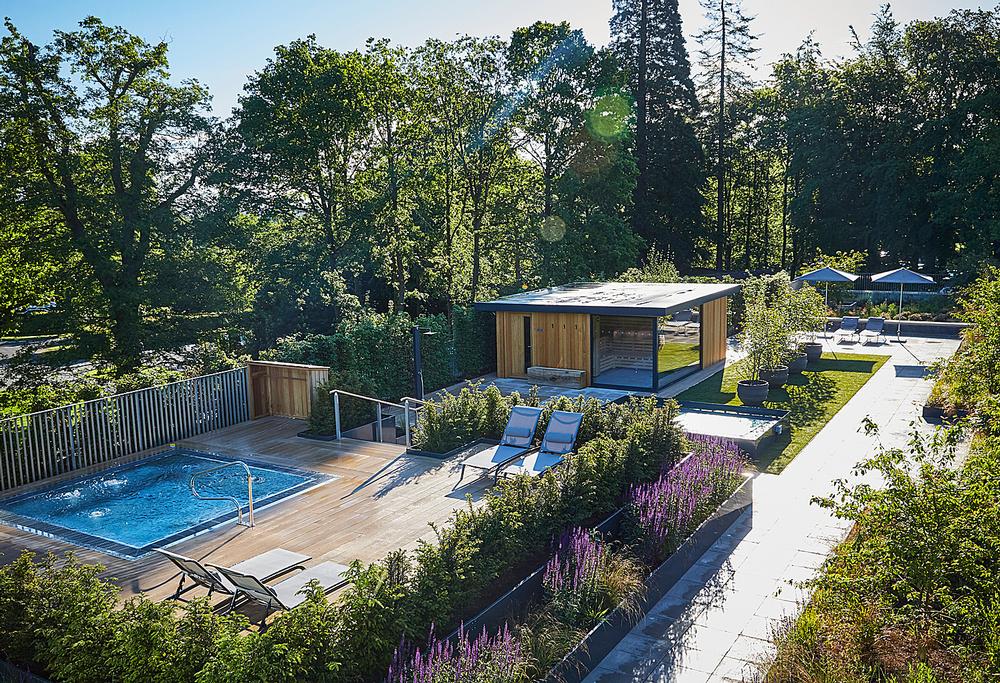
Instead, when the Good Spa Guide asked spa-goers what new offerings they’d like to see, the most popular suggestion was a ramping up of outdoor spa facilities, as nearly two-thirds of the sample set said they’d feel happier using spa areas outside.
Metland says: “We’re going to see more use of outdoor space at spas because meeting others outside has become the norm during lockdown, and due to scientific evidence supporting that the outdoors is safer, in terms of risking COVID transmission.
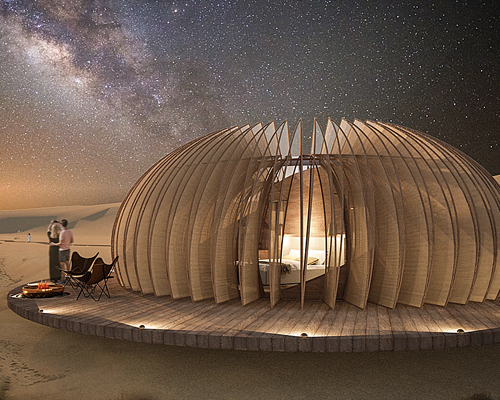
“The survey shows that spas have got to consider making more use of the outdoors with new facilities such as gardens, rooftop spas, woodland walks and even treatments in private cabins outside.”
Other popular requests included two- to three-night wellness breaks especially those focusing on sleep retreats and nutrition, ‘connection classes’ to help people reconnect after lockdown and online follow-up consultations.
Chatterley concludes: “Spa usage is going to shift fundamentally when we start to reopen and people understand the relaxing possibilities spas offer in a controlled, safe, hygienic environment.
“No longer will a visit to a spa be seen only as a special treat or something to do with friends. People will start to use them more frequently, with friends and also on their own as working from home and flexible working hours, set to increase post lockdown, allow them more time to focus on themselves.”
"Expect a spa boom
once lockdown eases" – Daphne Metland, Good Spa Guide
"In most cases the
preparations made by
spas far exceed what’s
been laid down in the
government’s document" – Adam Chatterley, UKSA
About the surveys
The UK Spa Association is a leading trade body and authority with 500-plus members and partners across the country’s spa, salon and wellness sector. Its What’s Next For Wellness? survey was conducted in May and received 380 responses from a combination of operators, consultants, therapists and suppliers.
The Good Spa Guide, a directory of the best spas in the UK and Ireland, revealed its CV-19 Spa Report in early June. It was based on an online survey of 5,000 spa-goers.
Regulations and guidelines
To access the UK government COVID-safety guidelines for close contact services – including spas – visit: http://lei.sr/y5D1F
Read the UK Spa Association’s COVID-19 Reopening Guidelines here: http://lei.sr/5b2x9
Read more from this issue of Attractions Management magazine
View contents of Attractions Management 2020 issue 3
Editor's letter: The fight ahead
There’s a huge job of work to do to build our reputation and win support in the corridors of power, says Katie Barnes
Spa people: Patrick Huey
The vice-president of spa and retail at Montage talks about his new role as ISPA chair, Black Lives Matter and how his spas are fighting back against COVID-19
Spa people: Rianna Riego
Wellness consultant Rianna Riego speaks out about racial discrimination in the global spa industry
Spa people: Anna Teal
The CEO of Aromatherapy Associates outlines the online innovations it's using to connect with customers in exciting new ways
Spa programmes: On the menu
How are spas changing their treatments and services now they’re staring to reopen again?
Interview: Lee Woon Hoe
Banyan Tree’s executive director of wellbeing tells Spa Business magazine why now is the right time for the group to launch its new wellness concept
Ask an expert: Spa design 2030
Spa Business magazine asks leading designers and architects to give their predictions about pandemic-proof spa models
Promotion: Trendsetting
Design specialists, The Wellness, worked with in-house engineers for Jumeirah to create a state-of-the-art gym for Talise Fitness at the Jumeirah Al Naseem in Dubai
Research: Manner of speaking
ISPA’s latest study reveals consumer attitudes in the aftermath of COVID-19. Josh Corman picks out the key details
Research: New perspectives
Two surveys in the UK highlight both spa operator and spa-goer insights as facilities across the country begin to welcome guests back
Promotion: The power of touchless
Spa and wellness innovator, Sammy Gharieni, reveals how his on-trend products are perfect for delivering high-value touchless treatments
Country focus: Best of British
We take a look at the standout concepts offered in the world-class spas that have opened in the UK over the last three years
Promotion: Sustain and regenerate
Sustainable skincare brand, Comfort Zone, has radically reinvented its entire Sacred Nature line, driven by the ambition to create some of the world’s first carbon-negative products
Interview: Emma Darby
Despite closing during in lockdown, some Resense spas still hit revenue targets. Its COO tells Spa Business magazine how
Promotion: Redefining the snowroom
Italian snowroom expert, TechnoAlpin, has collaborated with groundbreaking architectural practice, Snøhetta, to create a snowroom like no other
Medi-wellness: On good termes
Italy’s Long Life clinic, which offers anti-ageing science alongside water cures, is gaining greater attention post-lockdown. Sophie Benge pays a visit
Supplier showcase: Premium Fitness
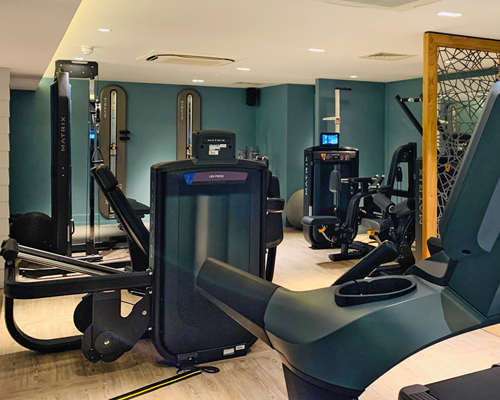
Dormy House has partnered with Matrix Fitness to create two fully-connected fitness suites to take its offering to a new and more sophisticated level @DormyHouse @MatrixFitnessUK
Promotion: Sothys
Sothys’ beauty treatment designer, Séverine Monjanel, and training director, Isabelle Villey, talk to Spa Business about the company’s new authentic ancestral Indonesian treatment
An opportunity to reimagine one of the UK’s most recognisable towers has been formally
opened by Rivington Hark, as St Johns Beacon invites operators and partners to shape its
next phase. [more...]
Surveys from the UK Spa Association and Good Spa Guide gave the
country’s operators valuable industry and consumer insights. We examine
how they’re helping spas to reopen in a much-changed, post-lockdown world
The Spa at Carden Park reopened on 25 July and has put extensive safety measures in place
After nearly four frustrating months, spas across the UK were legally allowed to reopen on 13 July – a positive move for the nation’s 3,500-plus facilities that make up the seventh largest spa market in the world (according to the 2018 Global Wellness Economy Monitor).
As operators prepare to embrace customers once more, they do so in a much different landscape. In anticipation of this, two respected organisations – the UK Spa Association (UKSA) and spa-goer-focused Good Spa Guide (see p46) – co-ordinated efforts to canvass both industry and consumer expectations to get a clearer idea of the lay of the land. Spa Business has analysed the findings to pinpoint the potential challenges and opportunities that lie ahead.
Returning to spas The good news is that there are strong indications that the UK will experience the same trend for pent-up spa demand that’s happening elsewhere in the world where phones are ringing off the hook. In its CV-19 Spa Report, based on a survey of 5,000 spa-goers in May, the Good Spa Guide found that people said they’ll go back to spas as soon as they reopen (48 per cent) or within a couple of months (36 per cent).
The core market, aged 46-60, are reportedly the most confident to return and overall 6 per cent of respondents plan to visit more regularly than before. Furthermore, 80 per cent of people expect to spend the same amount of money or more, than they did before the pandemic.
Daphne Metland, Good Spa Guide director and behavioural specialist, says: “Expect a spa boom once lockdown eases; people haven’t been able to treat themselves for a long time and now more than ever we’re reminded that we must look after our own wellbeing.
“After 9/11, spa bookings increased dramatically. Many people who thought they would get around to booking a spa trip ‘some time’ suddenly realised the future was uncertain. I think we’re seeing the same effect here and will see spa bookings increase later in the year.”
Taking heed of these findings, 54 per cent of spas were looking to open as soon as government guidelines allowed, according to the UKSA’s What’s Next for Wellness? survey which was based on the views of 380 operators, consultants, therapists and suppliers in May.
However, only 13 per cent of all industry respondents anticipated opening in full and were expecting lower occupancy levels. Twenty-two per cent of spas felt they’d run at 26-50 per cent occupancy, 14 per cent predicted 51-75 per cent occupancy, 12 per cent expected 0-25 per cent occupancy, while only 2 per cent predicted 76-100 per cent occupancy.
COVID-safe spaces With nation-wide social distancing measures in place, the majority of UK spa-goers believe spas offer a safe environment and only 13 per cent of Good Spa Guide survey respondents were apprehensive about going to a spa. Yet, they did expect adequate protocols and 82 per cent of people said they want to know about a spa’s hygiene policy in advance. Many expect that policy to include regular testing of staff and a limit on the number of guests in the spa.
Metland says: “Following the pandemic, we’ll all need more privacy. Timed use of facilities, screens in relaxation rooms, and more private areas will become the norm, so spas with private areas will win customers, as will smaller spas that can be booked by friends and families who want a private experience.”
Overall, consumers want therapists to wear PPE such as a mask, gloves and a disposable apron, while a smaller group suggested therapists should wear full-face protection such as a visor. Nearly every spa-goer surveyed (98 per cent) would be happy to have their temperature checked on arrival, followed by some respondents explaining they’d expect to re-book their spa day at no cost if they were barred entry.
The UKSA survey shows that spas are putting a number of measures in place (see Graph 1). When asked ‘What actions should spas be considering in light of COVID-19?’ the most popular suggestions were contactless payments, updated terms and conditions in relation to COVID-19, restricted use of communal spaces, visible hygiene signage, limiting footfall and phased reopening.
After an urgent call for official reopening rules, the UK government finally published its recommendations – ‘Keeping workers and clients safe during COVID19 in close contact services’ – on 23 June. To view the document see here: http://lei.sr/y5D1F
The UKSA, which was involved with governmental conversations during the process, published its own more spa-specific COVID-19 Reopening Guidelines a day after that and can be read in detail using this link: http://lei.sr/5b2x9 . They feature advice about managing risk of infection, returning to the workplace, PPE, social-distancing, cleaning and equipment, as well as information on how to approach treatments and handling treatment room sanitisation. There’s also guidance on reopening pools and thermal areas, managing retail, laundry procedures, bookings and handling marketing and communication during reopening.
At the time of going to press, facials are allowed but therapists must wear a visor and face mask. Pools can also reopen, but saunas and steamrooms must remain closed until further notice.
UKSA chair Adam Chatterley says: “We all know spas already have rigorous hygiene procedures and ever since lockdown, they’ve been working hard to prepare as best they can to start welcoming people back. But they’ve been ‘flying blind’ to some degree.
“Finally having guidelines from the government allows spas to assess their own efforts and make any adjustments where necessary – and in most cases their preparations far exceed what’s been laid down in the government’s document.”
What’s on the menu? So, as spas in the UK begin to reopen, how will they adapt their offerings? According to the Good Spa Guide, only half of spa-goers say they will be happy having a facial or eye treatment, while 60 per cent would be comfortable with a massage and 69 per cent would opt for beauty services like manicures.
Moreover, the UKSA survey shows that 38 per cent of operators plan to restrict the use of thermal facilities once they are allowed to reopen and 22 per cent are planning a phased reopening of pool areas, with restricted usage also. This again aligns with spa-goer feelings, as only 44 per cent said they’d feel happy using thermal facilities after the pandemic.
In response to the findings, the UKSA says the spa industry may have to get creative in how they encourage clients to spend the same money as before. The organisation sees huge potential for the industry to establish itself as a platform from which to educate the consumer with regard to their physical and mental health and wellbeing and is encouraging members to embrace this opportunity. Yet, spa consumers do not agree – no respondents from the Good Spa Guide survey said they would want mental wellbeing sessions (see Graph 2).
Instead, when the Good Spa Guide asked spa-goers what new offerings they’d like to see, the most popular suggestion was a ramping up of outdoor spa facilities, as nearly two-thirds of the sample set said they’d feel happier using spa areas outside.
Metland says: “We’re going to see more use of outdoor space at spas because meeting others outside has become the norm during lockdown, and due to scientific evidence supporting that the outdoors is safer, in terms of risking COVID transmission.
“The survey shows that spas have got to consider making more use of the outdoors with new facilities such as gardens, rooftop spas, woodland walks and even treatments in private cabins outside.”
Other popular requests included two- to three-night wellness breaks especially those focusing on sleep retreats and nutrition, ‘connection classes’ to help people reconnect after lockdown and online follow-up consultations.
Chatterley concludes: “Spa usage is going to shift fundamentally when we start to reopen and people understand the relaxing possibilities spas offer in a controlled, safe, hygienic environment.
“No longer will a visit to a spa be seen only as a special treat or something to do with friends. People will start to use them more frequently, with friends and also on their own as working from home and flexible working hours, set to increase post lockdown, allow them more time to focus on themselves.”
"Expect a spa boom
once lockdown eases" – Daphne Metland, Good Spa Guide
"In most cases the
preparations made by
spas far exceed what’s
been laid down in the
government’s document" – Adam Chatterley, UKSA
About the surveys
The UK Spa Association is a leading trade body and authority with 500-plus members and partners across the country’s spa, salon and wellness sector. Its What’s Next For Wellness? survey was conducted in May and received 380 responses from a combination of operators, consultants, therapists and suppliers.
The Good Spa Guide, a directory of the best spas in the UK and Ireland, revealed its CV-19 Spa Report in early June. It was based on an online survey of 5,000 spa-goers.
Regulations and guidelines
To access the UK government COVID-safety guidelines for close contact services – including spas – visit: http://lei.sr/y5D1F
Read the UK Spa Association’s COVID-19 Reopening Guidelines here: http://lei.sr/5b2x9
Read more from this issue of Attractions Management magazine
View contents of Attractions Management 2020 issue 3
Editor's letter: The fight ahead
There’s a huge job of work to do to build our reputation and win support in the corridors of power, says Katie Barnes
Spa people: Patrick Huey
The vice-president of spa and retail at Montage talks about his new role as ISPA chair, Black Lives Matter and how his spas are fighting back against COVID-19
Spa people: Rianna Riego
Wellness consultant Rianna Riego speaks out about racial discrimination in the global spa industry
Spa people: Anna Teal
The CEO of Aromatherapy Associates outlines the online innovations it's using to connect with customers in exciting new ways
Spa programmes: On the menu
How are spas changing their treatments and services now they’re staring to reopen again?
Interview: Lee Woon Hoe
Banyan Tree’s executive director of wellbeing tells Spa Business magazine why now is the right time for the group to launch its new wellness concept
Ask an expert: Spa design 2030
Spa Business magazine asks leading designers and architects to give their predictions about pandemic-proof spa models
Promotion: Trendsetting
Design specialists, The Wellness, worked with in-house engineers for Jumeirah to create a state-of-the-art gym for Talise Fitness at the Jumeirah Al Naseem in Dubai
Research: Manner of speaking
ISPA’s latest study reveals consumer attitudes in the aftermath of COVID-19. Josh Corman picks out the key details
Research: New perspectives
Two surveys in the UK highlight both spa operator and spa-goer insights as facilities across the country begin to welcome guests back
Promotion: The power of touchless
Spa and wellness innovator, Sammy Gharieni, reveals how his on-trend products are perfect for delivering high-value touchless treatments
Country focus: Best of British
We take a look at the standout concepts offered in the world-class spas that have opened in the UK over the last three years
Promotion: Sustain and regenerate
Sustainable skincare brand, Comfort Zone, has radically reinvented its entire Sacred Nature line, driven by the ambition to create some of the world’s first carbon-negative products
Interview: Emma Darby
Despite closing during in lockdown, some Resense spas still hit revenue targets. Its COO tells Spa Business magazine how
Promotion: Redefining the snowroom
Italian snowroom expert, TechnoAlpin, has collaborated with groundbreaking architectural practice, Snøhetta, to create a snowroom like no other
Medi-wellness: On good termes
Italy’s Long Life clinic, which offers anti-ageing science alongside water cures, is gaining greater attention post-lockdown. Sophie Benge pays a visit
Supplier showcase: Premium Fitness
Dormy House has partnered with Matrix Fitness to create two fully-connected fitness suites to take its offering to a new and more sophisticated level @DormyHouse @MatrixFitnessUK
Promotion: Sothys
Sothys’ beauty treatment designer, Séverine Monjanel, and training director, Isabelle Villey, talk to Spa Business about the company’s new authentic ancestral Indonesian treatment
A new immersive attraction designed to transport visitors into the final hours of ancient Pompeii
is preparing to open near the world-famous archaeological site in southern Italy.
Experience design company, BRC Imagination Arts, has completed a transition that sees founder
Bob Rogers pass ownership of the business to four long-serving senior executives, while
remaining actively involved with the company.
Movie Park Germany has opened a new Paramount Pictures-themed attraction as part of its 30th
anniversary celebrations, using immersive storytelling and adaptive reuse to reinforce the park’s
longstanding “Hollywood in Germany” positioning.
Therme Manchester’s 28-acre development, which will include interconnected glass pavilions
that measure 65,000sq m, will be the largest bathing and wellbeing attraction in the world once
complete, according to prof David Russell, CEO of Therme UK.
Efteling has opened Hooghmoed, a new family drop tower designed to broaden the appeal of its
recently launched Sirene Island themed area and introduce younger visitors to thrill attractions.
A proposed Puy du Fou development near Bicester and Universal Destinations and Experiences’
planned resort in Bedford are emerging as part of a wider transformation of the Oxford–
Cambridge Growth Corridor into a major centre for UK leisure and tourism inv
Shedd Aquarium has opened the Immersion Theater developed in partnership with SimEx-
Iwerks, as part of a wider strategy to enhance the guest experience and create additional
revenue opportunities.
The UK government has announced a temporary reduction in VAT on visitor attractions and
children’s meals as part of a summer cost-of-living support package designed to stimulate the
visitor economy and encourage family days out.
As designer Yinka Ilori prepares for his first solo gallery show in London, he speaks exclusively
to CLADmag about his mission to spread joy, the power of play, and his bold approach to using
colour (including the colours you won’t see in his work).
The government of Thailand is exploring plans for a THB300bn (£6.3bn, US$8.3bn)
entertainment complex in the country’s Eastern Economic Corridor (EEC), with officials
proposing a large-scale theme park and sports destination as part of a broader tourism and
economic development strategy.
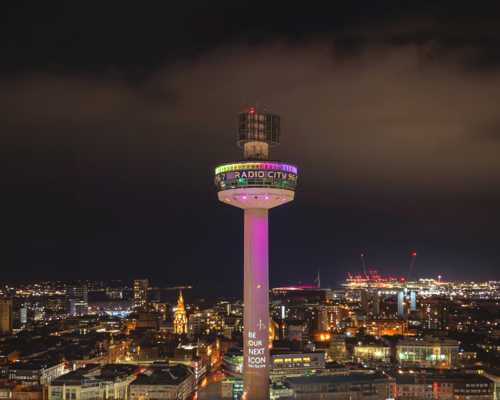
An opportunity to reimagine one of the UK’s most recognisable towers has been formally
opened by Rivington Hark, as St Johns Beacon invites operators and partners to shape its
next phase. [more...]