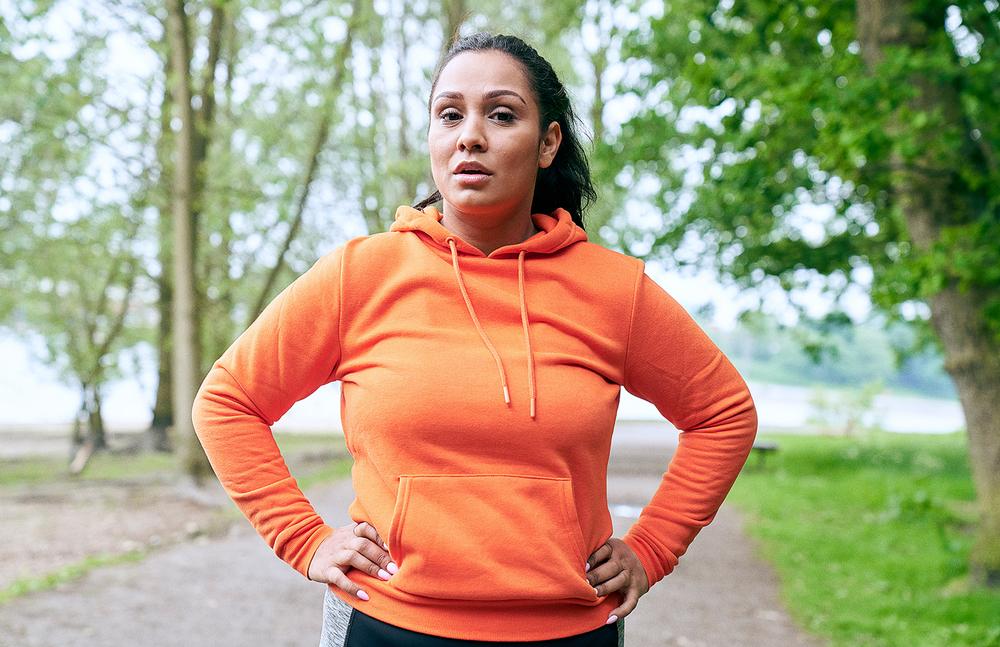
The research has been designed to support operators in re-engaging consumers / SPORT ENGLAND/AGE UK
A new report has revealed the likely timescales and shape of the UK fitness market’s recovery from the COVID-19 lockdown, finding that nearly 90 per cent of users intend to return to the UK’s gyms and leisure centres.
Using live data provided by organisations from across the sector, the new report, The COVID-19 impact report: the fitness and leisure sector’s path to recovery, has provided an unparalleled view of what the next 12 months may look like for the physical activity industry in the UK.
The work, co-authored by ukactive and 4global Consulting, draws on millions of customer visits captured by the DataHub, alongside data points from across the wider sector, including polling from Leisure-net, Sport England and Savanta ComRes, TA6 Alliance, MyCustomerLens and YouGov.
Using this data, it measures the known impact of COVID-19 on the sector, as well as modelling projections for the sector as a whole.
Predicting the future Future modelling, which predicts throughput after lockdown is relaxed and facilities are allowed to open, takes into consideration potential restrictions, including 50 per cent capacity, no access for participants aged 70 and over, no swimming lessons and no team sports.
Assuming that these restrictions are in place for three months after lockdown ends [assumed as early July for the sake of the model], by the first week of January 2021 it’s estimated that the industry will have stopped ‘recovering’, with throughput reaching a new normal at 2 per cent lower than 2019 levels.
This is estimated to be over 7 per cent lower than the industry would have achieved if COVID-19 had not happened, compared to 2021 projections.
When considering key individual facility types and the same assumed lifting of restrictions three months after lockdown has ended, group exercise is projected to be the most resilient facility type.
Studio throughput returns to 2019 levels by the first week in November 2020, before reaching its ‘new normal’ of 3 per cent higher than 2019 levels, in the first week of January 2021.
Gym and swim facilities are projected to recover more slowly, with throughput to gym facilities projected to reach 2019 levels in the last week of January 2021 before reaching 1 per cent growth by the third week in March. Swimming pools, however, are not projected to achieve 2019 levels, reaching a new normal of -0.2 per cent by the third week of March.
Key headline figures • The report estimates there will be a ‘loss’ of around 707 million visits to facilities, in the 12 months following the start of lockdown.
• The estimated social value generated by the sector in 2019 was £3.9bn – this could be reduced by £1.7bn in 2020, if restrictions are maintained for three months and £2.1bn if maintained for six months.
• While some facility types show a return to 2019 throughput levels, all of the three key facility types surveyed fail to reach the levels projected for 2020 and 2021, had COVID-19 not happened. These reductions range from 7 per cent for group workout and gym, down to 3 per cent reductions for swimming facilities.
Impact disparities There’s a huge range of potential permutations for the way things could pan out as the UK navigates out of its current lockdown state. For instance, outputs from the report demonstrate that should restrictions be maintained for six months, rather than the three months modelled above, the recovery of the sector will be slower, with the sector recovery curve taking until the third week in February to stop growing.
Data from the first 11 weeks of 2020 demonstrates the significant impact that COVID-19 had on the sector. It also shows that affluent parts of society with low deprivation levels were impacted less than participants in poorer segments.
Early data from 2020 demonstrates that the sector began the year strongly, with weeks 1-8 outperforming projections by an average of more than 4 per cent. This data, which is supported by the most recent Active Lives data from Sport England, suggests that without COVID-19, the industry was facing a record-breaking year.
As it panned out, the impact of COVID-19 was first felt in week 9, followed by rapid declines in activity through week 10 and week 11, reaching a maximum of 42 per cent less throughput to leisure facilities in the week before lockdown was imposed.
Greatest reduction Using Mosaic Consumer Profiling, researchers found the groups that had the greatest reduction in activity levels prior to lockdown included ‘transient renters in low-cost accommodation’, ‘elderly adults in specialised accommodation’ and ‘longstanding owners and renters of low-value homes.’
On the other hand, the groups that appeared to be the most ‘resilient’, included ‘high-status households’, ‘professionals renting premium flats’ and ‘thriving families with good incomes’.
Promising findings Using data collected from the recent Post Lockdown Recovery survey, delivered by Leisure-net Solutions in partnership with Max Associates and 4global, analysis of responses by level of deprivation provides useful insight.
While participants in ‘deprivation groups’ 1-3 were among the fastest to stop using facilities prior to lockdown, 31 per cent of participants in these ‘high deprivation’ groups said they were likely to use facilities more when they reopen, compared to 20 per cent of groups 4-10.
This insight shows that the traditional member base as we know it may be about to change.
It’s clear that when we look at who was fastest to stop exercising in leisure facilities pre-lockdown, those in low socio-economic groups were impacted most significantly by the pandemic. The silver lining here is that these participants are now most willing to return to facilities and build on inspiration generated during lockdown. This could be the starting point of a re-balancing period for our sector.
Building for the future As the sector continues to plan for re-opening in early July, the focus has intensified on what the industry may look like in the future.
Projections continue to evolve as more data becomes available, with ukactive and 4global committing to refreshing the key insights to ensure organisations have access to the best source of insight to drive future planning.
It’s clear the sector’s path to recovery will take time, with demand recovering quickly before flattening out. The report identifies key points operators can act on to reduce the long-term impact in their locality, such as re-purposing existing facilities and working to restore consumer confidence.
With the hard work in front of us, there remains light at the end of the tunnel; that this crisis could be the catalyst for greater activity rates among hard to reach groups and the people that the sector has, for so long, struggled to engage.
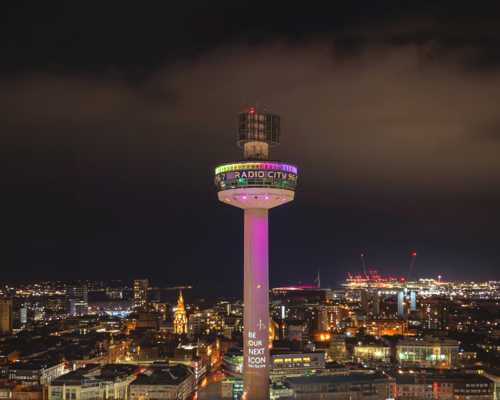
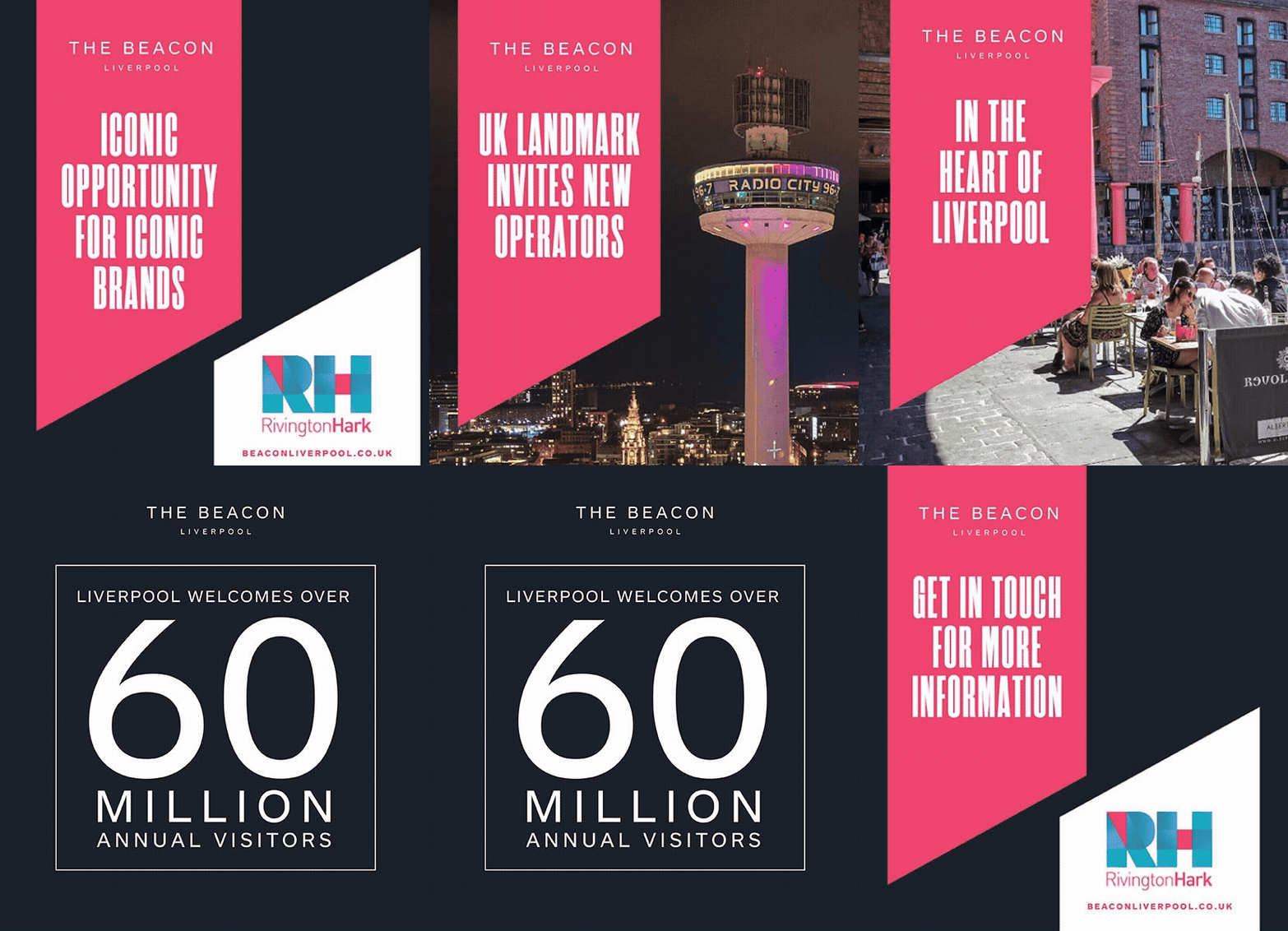
An opportunity to reimagine one of the UK’s most recognisable towers has been formally
opened by Rivington Hark, as St Johns Beacon invites operators and partners to shape its
next phase. [more...]
The research has been designed to support operators in re-engaging consumers / SPORT ENGLAND/AGE UK
A new report has revealed the likely timescales and shape of the UK fitness market’s recovery from the COVID-19 lockdown, finding that nearly 90 per cent of users intend to return to the UK’s gyms and leisure centres.
Using live data provided by organisations from across the sector, the new report, The COVID-19 impact report: the fitness and leisure sector’s path to recovery, has provided an unparalleled view of what the next 12 months may look like for the physical activity industry in the UK.
The work, co-authored by ukactive and 4global Consulting, draws on millions of customer visits captured by the DataHub, alongside data points from across the wider sector, including polling from Leisure-net, Sport England and Savanta ComRes, TA6 Alliance, MyCustomerLens and YouGov.
Using this data, it measures the known impact of COVID-19 on the sector, as well as modelling projections for the sector as a whole.
Predicting the future Future modelling, which predicts throughput after lockdown is relaxed and facilities are allowed to open, takes into consideration potential restrictions, including 50 per cent capacity, no access for participants aged 70 and over, no swimming lessons and no team sports.
Assuming that these restrictions are in place for three months after lockdown ends [assumed as early July for the sake of the model], by the first week of January 2021 it’s estimated that the industry will have stopped ‘recovering’, with throughput reaching a new normal at 2 per cent lower than 2019 levels.
This is estimated to be over 7 per cent lower than the industry would have achieved if COVID-19 had not happened, compared to 2021 projections.
When considering key individual facility types and the same assumed lifting of restrictions three months after lockdown has ended, group exercise is projected to be the most resilient facility type.
Studio throughput returns to 2019 levels by the first week in November 2020, before reaching its ‘new normal’ of 3 per cent higher than 2019 levels, in the first week of January 2021.
Gym and swim facilities are projected to recover more slowly, with throughput to gym facilities projected to reach 2019 levels in the last week of January 2021 before reaching 1 per cent growth by the third week in March. Swimming pools, however, are not projected to achieve 2019 levels, reaching a new normal of -0.2 per cent by the third week of March.
Key headline figures • The report estimates there will be a ‘loss’ of around 707 million visits to facilities, in the 12 months following the start of lockdown.
• The estimated social value generated by the sector in 2019 was £3.9bn – this could be reduced by £1.7bn in 2020, if restrictions are maintained for three months and £2.1bn if maintained for six months.
• While some facility types show a return to 2019 throughput levels, all of the three key facility types surveyed fail to reach the levels projected for 2020 and 2021, had COVID-19 not happened. These reductions range from 7 per cent for group workout and gym, down to 3 per cent reductions for swimming facilities.
Impact disparities There’s a huge range of potential permutations for the way things could pan out as the UK navigates out of its current lockdown state. For instance, outputs from the report demonstrate that should restrictions be maintained for six months, rather than the three months modelled above, the recovery of the sector will be slower, with the sector recovery curve taking until the third week in February to stop growing.
Data from the first 11 weeks of 2020 demonstrates the significant impact that COVID-19 had on the sector. It also shows that affluent parts of society with low deprivation levels were impacted less than participants in poorer segments.
Early data from 2020 demonstrates that the sector began the year strongly, with weeks 1-8 outperforming projections by an average of more than 4 per cent. This data, which is supported by the most recent Active Lives data from Sport England, suggests that without COVID-19, the industry was facing a record-breaking year.
As it panned out, the impact of COVID-19 was first felt in week 9, followed by rapid declines in activity through week 10 and week 11, reaching a maximum of 42 per cent less throughput to leisure facilities in the week before lockdown was imposed.
Greatest reduction Using Mosaic Consumer Profiling, researchers found the groups that had the greatest reduction in activity levels prior to lockdown included ‘transient renters in low-cost accommodation’, ‘elderly adults in specialised accommodation’ and ‘longstanding owners and renters of low-value homes.’
On the other hand, the groups that appeared to be the most ‘resilient’, included ‘high-status households’, ‘professionals renting premium flats’ and ‘thriving families with good incomes’.
Promising findings Using data collected from the recent Post Lockdown Recovery survey, delivered by Leisure-net Solutions in partnership with Max Associates and 4global, analysis of responses by level of deprivation provides useful insight.
While participants in ‘deprivation groups’ 1-3 were among the fastest to stop using facilities prior to lockdown, 31 per cent of participants in these ‘high deprivation’ groups said they were likely to use facilities more when they reopen, compared to 20 per cent of groups 4-10.
This insight shows that the traditional member base as we know it may be about to change.
It’s clear that when we look at who was fastest to stop exercising in leisure facilities pre-lockdown, those in low socio-economic groups were impacted most significantly by the pandemic. The silver lining here is that these participants are now most willing to return to facilities and build on inspiration generated during lockdown. This could be the starting point of a re-balancing period for our sector.
Building for the future As the sector continues to plan for re-opening in early July, the focus has intensified on what the industry may look like in the future.
Projections continue to evolve as more data becomes available, with ukactive and 4global committing to refreshing the key insights to ensure organisations have access to the best source of insight to drive future planning.
It’s clear the sector’s path to recovery will take time, with demand recovering quickly before flattening out. The report identifies key points operators can act on to reduce the long-term impact in their locality, such as re-purposing existing facilities and working to restore consumer confidence.
With the hard work in front of us, there remains light at the end of the tunnel; that this crisis could be the catalyst for greater activity rates among hard to reach groups and the people that the sector has, for so long, struggled to engage.
A new immersive attraction designed to transport visitors into the final hours of ancient Pompeii
is preparing to open near the world-famous archaeological site in southern Italy.
Experience design company, BRC Imagination Arts, has completed a transition that sees founder
Bob Rogers pass ownership of the business to four long-serving senior executives, while
remaining actively involved with the company.
Movie Park Germany has opened a new Paramount Pictures-themed attraction as part of its 30th
anniversary celebrations, using immersive storytelling and adaptive reuse to reinforce the park’s
longstanding “Hollywood in Germany” positioning.
Therme Manchester’s 28-acre development, which will include interconnected glass pavilions
that measure 65,000sq m, will be the largest bathing and wellbeing attraction in the world once
complete, according to prof David Russell, CEO of Therme UK.
Efteling has opened Hooghmoed, a new family drop tower designed to broaden the appeal of its
recently launched Sirene Island themed area and introduce younger visitors to thrill attractions.
A proposed Puy du Fou development near Bicester and Universal Destinations and Experiences’
planned resort in Bedford are emerging as part of a wider transformation of the Oxford–
Cambridge Growth Corridor into a major centre for UK leisure and tourism inv
Shedd Aquarium has opened the Immersion Theater developed in partnership with SimEx-
Iwerks, as part of a wider strategy to enhance the guest experience and create additional
revenue opportunities.
The UK government has announced a temporary reduction in VAT on visitor attractions and
children’s meals as part of a summer cost-of-living support package designed to stimulate the
visitor economy and encourage family days out.
As designer Yinka Ilori prepares for his first solo gallery show in London, he speaks exclusively
to CLADmag about his mission to spread joy, the power of play, and his bold approach to using
colour (including the colours you won’t see in his work).
The government of Thailand is exploring plans for a THB300bn (£6.3bn, US$8.3bn)
entertainment complex in the country’s Eastern Economic Corridor (EEC), with officials
proposing a large-scale theme park and sports destination as part of a broader tourism and
economic development strategy.
An opportunity to reimagine one of the UK’s most recognisable towers has been formally
opened by Rivington Hark, as St Johns Beacon invites operators and partners to shape its
next phase. [more...]