With a million people waiting to join gymnastics programmes,
we talk to David Marshall, British Gymnastics’ participation director,
about growth and the organisation’s grassroots strategy
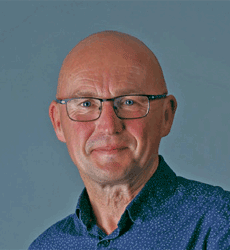
David Marshall,
British Gymnastics’ participation director
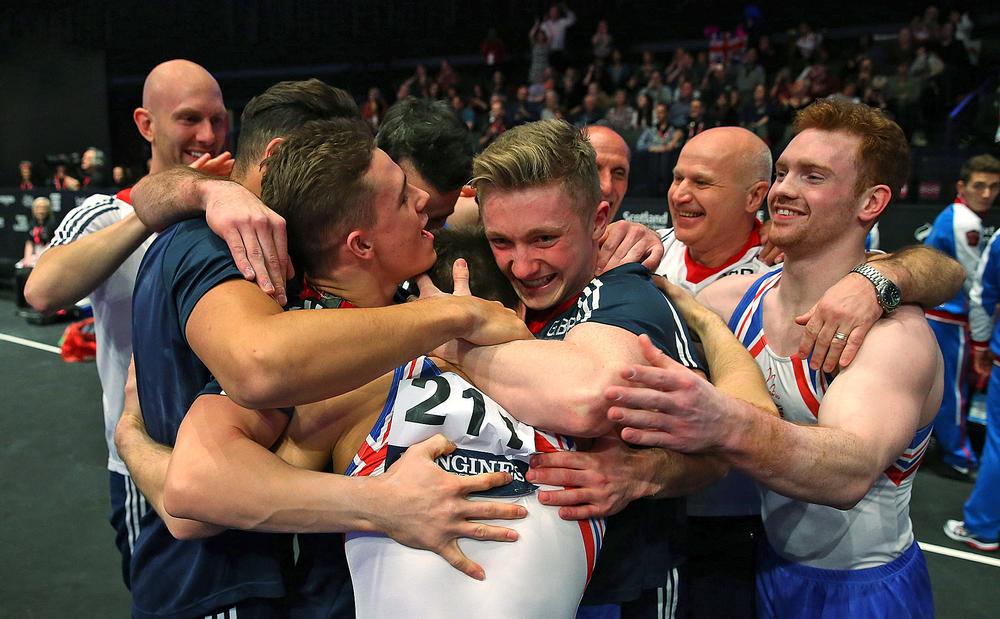
What’s happening in gymnastics? British Gymnastics is on a roll. Participation and membership numbers are rising, fan numbers are increasing and our medal-winning British Team has never been so prolific in its success. As one of the most successful sports governing bodies in the UK, we’re thrilled with what’s been achieved. It’s a remarkable time to be involved and we’re proud of the part we’ve played in driving the development, delivery, promotion and success.
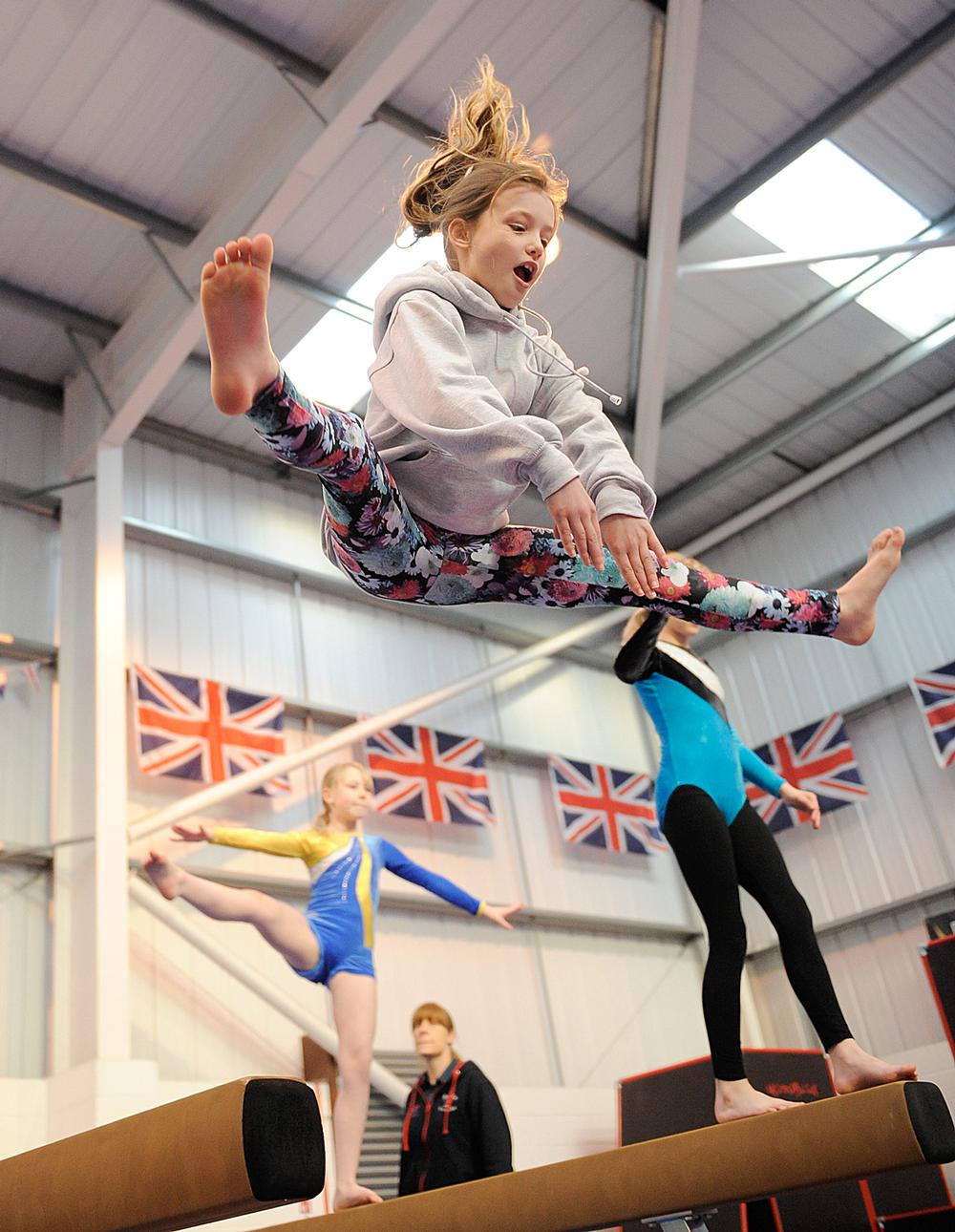
We don’t judge success just in terms of medal tables and viewing figures. Because for every high performance athlete chasing gold, there are playgrounds full of youngsters attempting their first handstand. There are local competitions and festival displays where the reward is the joy of performing and taking part, resulting in rocketing self esteem.
Is participation growing? Participation in gymnastics is at an all-time high, with growth highlighted by Sport England’s recent Active People Survey results and supported by our own data. There are now 1.1 million people taking part in gymnastics each month, and nearly 330,000 holding British Gymnastics membership to either participate or deliver gymnastics. Last year, we celebrated the fact that there are 100,000 more ‘recreational’ gymnast members taking part than there were in 2012.
A recent survey into demand for gymnastics showed there are even more individuals who would like to participate, with over one million people on waiting lists in the UK. We want to address this latent demand and our 2017-2021 strategy focuses on building capacity.
We’re committed to supporting registered clubs and we’ll also form new delivery partnerships to help create significant extra capacity. We’ve developed an initiative aimed at partners with no gymnastics background. This ‘off-the-shelf’ gymnastics product (Jump into Gymnastics) gives kids a great experience of gymnastics and satisfies the leisure market needs.
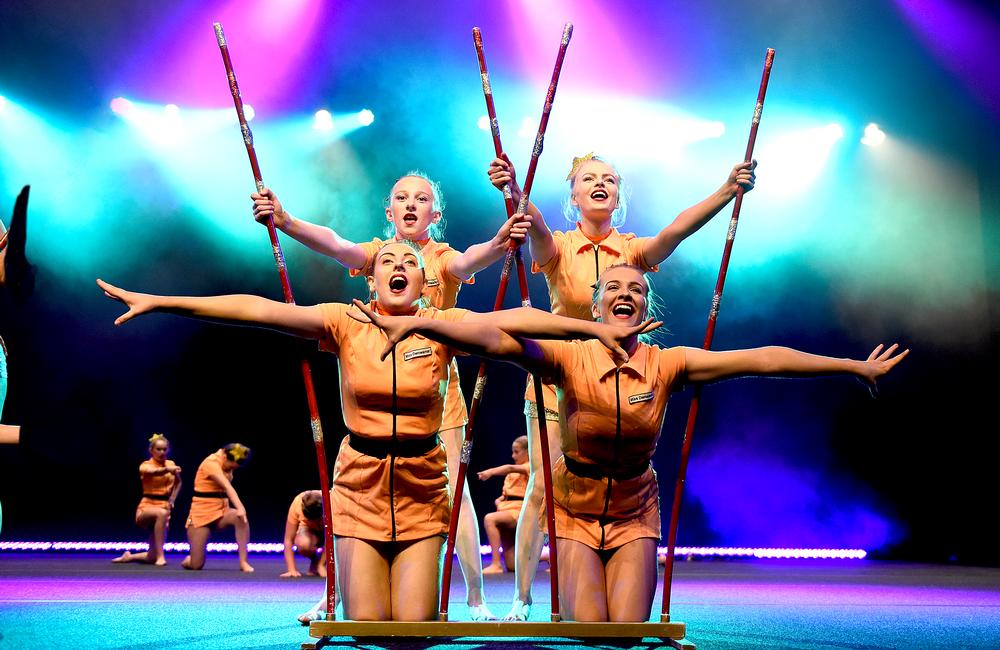
What grassroots programmes are there? Our 2013-2017 participation strategy concentrated on retention by reducing dropout that occurs in the sport at around nine years-old and older. New gymnastics-based activities and programmes were developed and introduced, targeting identified segments with specific motivations. For example, FreeG – freestyle gymnastics – was launched for teens who wanted to learn cool skills but without the rules or restrictions of more traditional gymnastics. We included this in our events and festivals calendar to provide an opportunity to perform without the pressure of technical scoring.
The retention strategy has been successful, with the 11-13 age group increasing from 17,500 to 34,000 participants over the last four-year cycle. Last year, 8,000 gymnasts took part in the new event and festival opportunities – an incredible increase of 300 per cent, as compared to 2015.
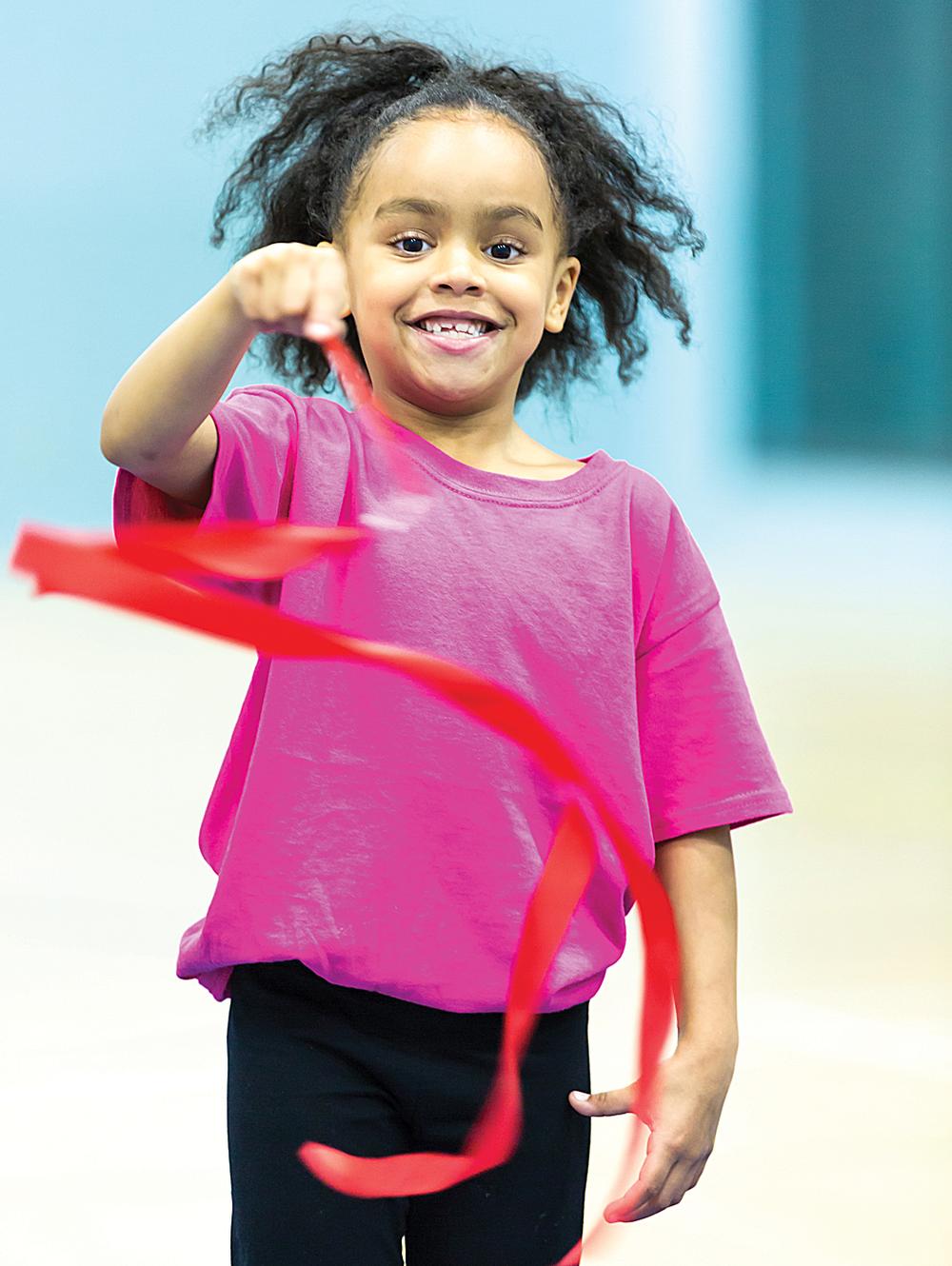
How do you encourage children to get involved in the sport? We’re devoted to the highest standards, while at the same time always keeping the focus firmly on the joy of taking part. We recognise that not everyone who takes part in the sport has an ambition to be an Olympic athlete. Recreational gymnastics is an area of increased focus for us and we plan to build greater awareness of recreational opportunities. Recreational members increased by 13 per cent in 2016 and we are very keen to see this trend continue.
In the latest government funding solution, we presented new research to Sport England and were pleased that they recognised the important role that gymnastics can play in providing children with foundation skills, and its wider contribution to their 'Towards an Active Nation' strategy.
The research also included insight gathered from the representatives of ten different sports, who all identified positive outcomes for their sport, which were gained as a result of gymnastics participation. We intend to promote these benefits and show how gymnastics can help children develop physical competence and a positive attitude towards sport.
What does the elite pathway look like? We support a talent pathway and national programme within nine disciplines. Each discipline has a different pathway to elite level and the level of support at each stage varies enormously due to factors such as: the number of gymnasts competing domestically; whether the discipline is in the Olympics or Commonwealth Games or has a World Championships; whether there is investment from UK Sport and Sport England; and where Great Britain is ranked in the discipline internationally.
Despite these differences, generally gymnasts start being selected into regional and national squads from the age of nine. Selection is based on trial days, their performance results from the National Development competition pathway and their technical competencies.
How do you attract new groups of people? We have several initiatives. For example, we’ve invested in a disability gymnastics programme to develop more high-quality opportunities for disabled people. There are now more than 230 clubs offering gymnastics to people with physical or learning disabilities, sensory impairments or health conditions.
The newly-formed British Gymnastics Foundation improves access to gymnastics for those who may otherwise struggle to engage with the opportunities on offer and the benefits. It works with schools, organisations and communities delivering bespoke programmes, inspirational gymnastics experiences and leadership courses.
Last year, the foundation provided financial assistance to 47 British Gymnastics members, implemented a very successful Age- and Dementia-Friendly Gymnastics pilot programme that reached over 150 people and worked with a number of special schools engaging over 170 children.
How do you engage with the UK gymnastics community? We actively engage with our communities and invest in staff, infrastructure, technology and initiatives to deliver on this. Major championships and education strategies bring us into contact with many thousands of fans, parents, participants, coaches, clubs and officials, either face-to-face or via new technologies and communication platforms.
We have additional programmes that aim to nurture volunteers and young people who want to get involved in the sport beyond participation. This may involve coaching, judging and working in their club or at events. We also offer young people opportunities to develop their leadership skills through the My Leadership Programme, which is active in over 390 clubs and provides a wealth of benefits.
Does British Gymnastics partner with other organisations? There is a very strong club network across the UK and we’re working with new leisure providers and local authorities to increase recreational opportunities. We’ve formed new partnerships such as coaching providers in schools and other community sports and partnerships. We want to work with those who can help us achieve our goal of increasing capacity and share our vision to deliver a high-quality gymnastics experience.
New brand and commercial partnerships have also been formed, helping us to really grow the sport and its wider profile. These include a partnership with Matchroom Sport, which saw the World Cup of Gymnastics staged at the O2 Arena in London in April, and also televised on Sky Sports.
Sport England, UK Sport and National Lottery funding remain key to helping create lasting success for the sport of gymnastics. We also work closely with Gymnastics Northern Ireland, Scottish Gymnastics and Welsh Gymnastics.
What is your facility strategy? Our Facility Strategy 2017-21 focuses on: • Increasing capacity through clubs, leisure providers and other delivery partners.
• Guiding funding and investment throughout the United Kingdom; from our own funding streams as well as from Home Country Sports Councils, Local Authorities and other potential funders.
• Maintaining and improve the quality of facilities and equipment within existing delivery partners.
• Developing insight, understanding and direction that relates to all the ways that facility developments can contribute towards other British Gymnastics strategic priorities including our High Performance and the Competition Pathway.
Did Rio 2016 impact participation? Last year ended with interest in gymnastics at an all-time high. Our website, www.DiscoverGymnastics.uk, which helps people to find their local club, notched up a record 712,000 visits in 2016. Our Gymnastics British Championships and the World Cup of Gymnastics also enjoyed record attendance figures.
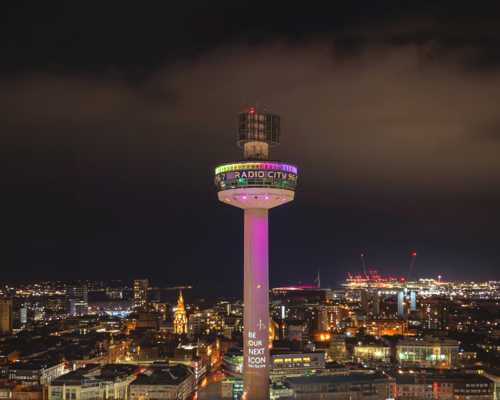
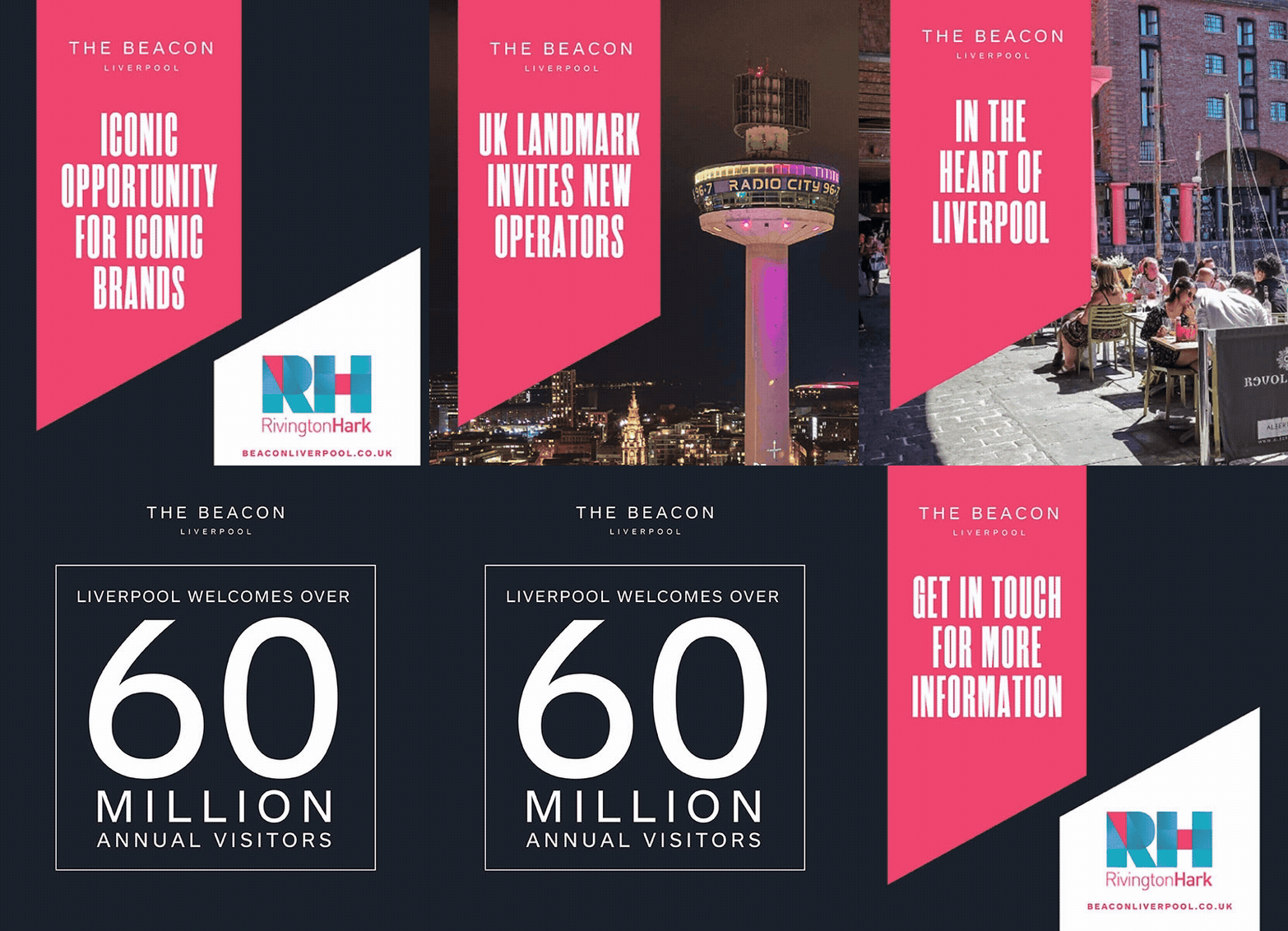
An opportunity to reimagine one of the UK’s most recognisable towers has been formally
opened by Rivington Hark, as St Johns Beacon invites operators and partners to shape its
next phase. [more...]
With a million people waiting to join gymnastics programmes,
we talk to David Marshall, British Gymnastics’ participation director,
about growth and the organisation’s grassroots strategy
David Marshall,
British Gymnastics’ participation director
What’s happening in gymnastics? British Gymnastics is on a roll. Participation and membership numbers are rising, fan numbers are increasing and our medal-winning British Team has never been so prolific in its success. As one of the most successful sports governing bodies in the UK, we’re thrilled with what’s been achieved. It’s a remarkable time to be involved and we’re proud of the part we’ve played in driving the development, delivery, promotion and success.
We don’t judge success just in terms of medal tables and viewing figures. Because for every high performance athlete chasing gold, there are playgrounds full of youngsters attempting their first handstand. There are local competitions and festival displays where the reward is the joy of performing and taking part, resulting in rocketing self esteem.
Is participation growing? Participation in gymnastics is at an all-time high, with growth highlighted by Sport England’s recent Active People Survey results and supported by our own data. There are now 1.1 million people taking part in gymnastics each month, and nearly 330,000 holding British Gymnastics membership to either participate or deliver gymnastics. Last year, we celebrated the fact that there are 100,000 more ‘recreational’ gymnast members taking part than there were in 2012.
A recent survey into demand for gymnastics showed there are even more individuals who would like to participate, with over one million people on waiting lists in the UK. We want to address this latent demand and our 2017-2021 strategy focuses on building capacity.
We’re committed to supporting registered clubs and we’ll also form new delivery partnerships to help create significant extra capacity. We’ve developed an initiative aimed at partners with no gymnastics background. This ‘off-the-shelf’ gymnastics product (Jump into Gymnastics) gives kids a great experience of gymnastics and satisfies the leisure market needs.
What grassroots programmes are there? Our 2013-2017 participation strategy concentrated on retention by reducing dropout that occurs in the sport at around nine years-old and older. New gymnastics-based activities and programmes were developed and introduced, targeting identified segments with specific motivations. For example, FreeG – freestyle gymnastics – was launched for teens who wanted to learn cool skills but without the rules or restrictions of more traditional gymnastics. We included this in our events and festivals calendar to provide an opportunity to perform without the pressure of technical scoring.
The retention strategy has been successful, with the 11-13 age group increasing from 17,500 to 34,000 participants over the last four-year cycle. Last year, 8,000 gymnasts took part in the new event and festival opportunities – an incredible increase of 300 per cent, as compared to 2015.
How do you encourage children to get involved in the sport? We’re devoted to the highest standards, while at the same time always keeping the focus firmly on the joy of taking part. We recognise that not everyone who takes part in the sport has an ambition to be an Olympic athlete. Recreational gymnastics is an area of increased focus for us and we plan to build greater awareness of recreational opportunities. Recreational members increased by 13 per cent in 2016 and we are very keen to see this trend continue.
In the latest government funding solution, we presented new research to Sport England and were pleased that they recognised the important role that gymnastics can play in providing children with foundation skills, and its wider contribution to their 'Towards an Active Nation' strategy.
The research also included insight gathered from the representatives of ten different sports, who all identified positive outcomes for their sport, which were gained as a result of gymnastics participation. We intend to promote these benefits and show how gymnastics can help children develop physical competence and a positive attitude towards sport.
What does the elite pathway look like? We support a talent pathway and national programme within nine disciplines. Each discipline has a different pathway to elite level and the level of support at each stage varies enormously due to factors such as: the number of gymnasts competing domestically; whether the discipline is in the Olympics or Commonwealth Games or has a World Championships; whether there is investment from UK Sport and Sport England; and where Great Britain is ranked in the discipline internationally.
Despite these differences, generally gymnasts start being selected into regional and national squads from the age of nine. Selection is based on trial days, their performance results from the National Development competition pathway and their technical competencies.
How do you attract new groups of people? We have several initiatives. For example, we’ve invested in a disability gymnastics programme to develop more high-quality opportunities for disabled people. There are now more than 230 clubs offering gymnastics to people with physical or learning disabilities, sensory impairments or health conditions.
The newly-formed British Gymnastics Foundation improves access to gymnastics for those who may otherwise struggle to engage with the opportunities on offer and the benefits. It works with schools, organisations and communities delivering bespoke programmes, inspirational gymnastics experiences and leadership courses.
Last year, the foundation provided financial assistance to 47 British Gymnastics members, implemented a very successful Age- and Dementia-Friendly Gymnastics pilot programme that reached over 150 people and worked with a number of special schools engaging over 170 children.
How do you engage with the UK gymnastics community? We actively engage with our communities and invest in staff, infrastructure, technology and initiatives to deliver on this. Major championships and education strategies bring us into contact with many thousands of fans, parents, participants, coaches, clubs and officials, either face-to-face or via new technologies and communication platforms.
We have additional programmes that aim to nurture volunteers and young people who want to get involved in the sport beyond participation. This may involve coaching, judging and working in their club or at events. We also offer young people opportunities to develop their leadership skills through the My Leadership Programme, which is active in over 390 clubs and provides a wealth of benefits.
Does British Gymnastics partner with other organisations? There is a very strong club network across the UK and we’re working with new leisure providers and local authorities to increase recreational opportunities. We’ve formed new partnerships such as coaching providers in schools and other community sports and partnerships. We want to work with those who can help us achieve our goal of increasing capacity and share our vision to deliver a high-quality gymnastics experience.
New brand and commercial partnerships have also been formed, helping us to really grow the sport and its wider profile. These include a partnership with Matchroom Sport, which saw the World Cup of Gymnastics staged at the O2 Arena in London in April, and also televised on Sky Sports.
Sport England, UK Sport and National Lottery funding remain key to helping create lasting success for the sport of gymnastics. We also work closely with Gymnastics Northern Ireland, Scottish Gymnastics and Welsh Gymnastics.
What is your facility strategy? Our Facility Strategy 2017-21 focuses on: • Increasing capacity through clubs, leisure providers and other delivery partners.
• Guiding funding and investment throughout the United Kingdom; from our own funding streams as well as from Home Country Sports Councils, Local Authorities and other potential funders.
• Maintaining and improve the quality of facilities and equipment within existing delivery partners.
• Developing insight, understanding and direction that relates to all the ways that facility developments can contribute towards other British Gymnastics strategic priorities including our High Performance and the Competition Pathway.
Did Rio 2016 impact participation? Last year ended with interest in gymnastics at an all-time high. Our website, www.DiscoverGymnastics.uk, which helps people to find their local club, notched up a record 712,000 visits in 2016. Our Gymnastics British Championships and the World Cup of Gymnastics also enjoyed record attendance figures.
Movie Park Germany has opened a new Paramount Pictures-themed attraction as part of its 30th
anniversary celebrations, using immersive storytelling and adaptive reuse to reinforce the park’s
longstanding “Hollywood in Germany” positioning.
Therme Manchester’s 28-acre development, which will include interconnected glass pavilions
that measure 65,000sq m, will be the largest bathing and wellbeing attraction in the world once
complete, according to prof David Russell, CEO of Therme UK.
Efteling has opened Hooghmoed, a new family drop tower designed to broaden the appeal of its
recently launched Sirene Island themed area and introduce younger visitors to thrill attractions.
A proposed Puy du Fou development near Bicester and Universal Destinations and Experiences’
planned resort in Bedford are emerging as part of a wider transformation of the Oxford–
Cambridge Growth Corridor into a major centre for UK leisure and tourism inv
Shedd Aquarium has opened the Immersion Theater developed in partnership with SimEx-
Iwerks, as part of a wider strategy to enhance the guest experience and create additional
revenue opportunities.
The UK government has announced a temporary reduction in VAT on visitor attractions and
children’s meals as part of a summer cost-of-living support package designed to stimulate the
visitor economy and encourage family days out.
As designer Yinka Ilori prepares for his first solo gallery show in London, he speaks exclusively
to CLADmag about his mission to spread joy, the power of play, and his bold approach to using
colour (including the colours you won’t see in his work).
The government of Thailand is exploring plans for a THB300bn (£6.3bn, US$8.3bn)
entertainment complex in the country’s Eastern Economic Corridor (EEC), with officials
proposing a large-scale theme park and sports destination as part of a broader tourism and
economic development strategy.
Royal Caribbean has revealed its Hero of the Seas cruise ship, home to the most pools at sea
(nine), and a record-breaking 28 dining venues, as well as attractions including a waterpark
with two new family raft slides.
An opportunity to reimagine one of the UK’s most recognisable towers has been formally
opened by Rivington Hark, as St Johns Beacon invites operators and partners to shape its
next phase. [more...]