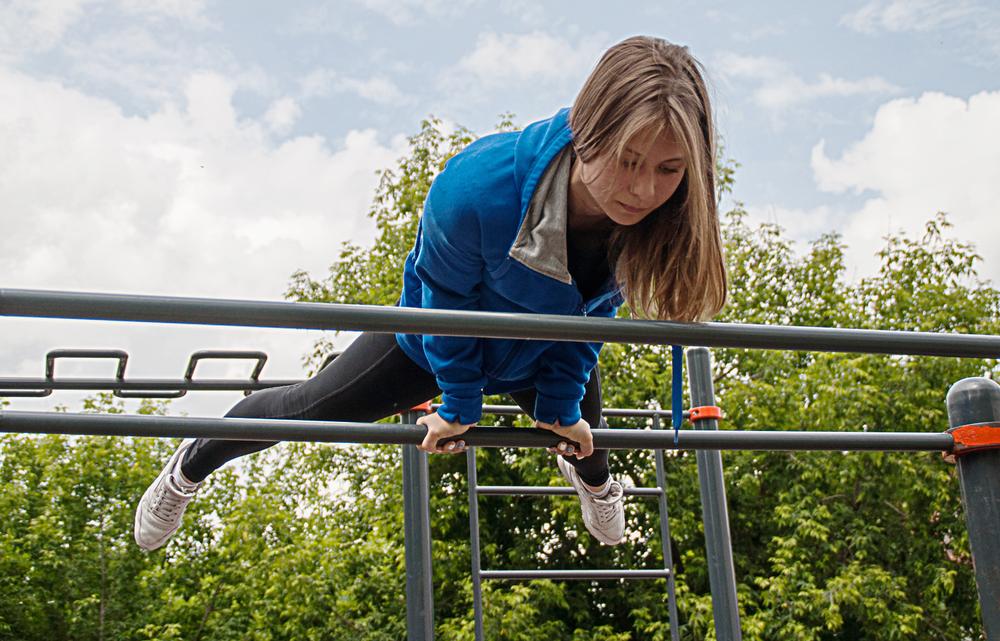
? British Gymnastics will focus on its role as a ‘foundation sport’ for kids / Evgeniia Freeman / shutterstock
The way Sport England uses National Lottery and government funding to invest in and work with national governing bodies of sport is changing. Significantly.
The days of Whole Sport Plans are over. They served a very important purpose throughout the last eight years, highlighting the need to get more people participating in sport. But Sport England is now taking a different approach, starting with the individual consumer and their behaviour.
We’re no longer looking for NGBs to be all things to everyone. We’re no longer asking them to cater to both the keen and committed regulars and the deconditioned population. We’re asking NGBs to focus on those who have a strong affinity with their sport and a habit of regular participation, including talented young athletes.
Why? Well, firstly this was a strong message that came out of the sector during our strategy consultation. Secondly, even though 35 per cent of people have a regular sporting habit, our work isn’t done with them. Life can still get in the way. Moving house, going off to college, having a baby or getting injured can take even the keenest participant away from their sport. We want to help NGBs focus their efforts on making those disruptions easy to overcome.
At the other end of the behaviour scale, we want to encourage people who are inactive to get moving. This requires some serious investment, and to fund this, we need to spend less money on those who already play sport. A reduced subsidy of governing bodies is the inevitable result.
Challenge accepted I’ve been delighted with the way NGBs have responded to the challenge so far, and the plans they’ve developed. There’s a real maturity to the plans – an understanding of what makes a regular player and that commercial income needs to play a bigger role and a genuine commitment to helping under-represented groups.
British Gymnastics, for example, clearly recognises its role as a ‘foundation sport’, teaching young people the physical skills to be competent and confident in other sports. British Tennis will spend most of its time and money in local parks rather than clubs, and will be making tennis venues more inclusive for people with disabilities.
The Rugby Football Union wants to create more ‘pitch up and play’ opportunities, especially for women. England Netball has ambitious plans for its Super League. Basketball England has great new partnerships with both the global brand that is the NBA and local community charities.
Of course, being in receipt of public money is a tremendous responsibility, and not one pound of this funding can be invested unless organisations meet the requirements of the Code for Sports Governance that we published with UK Sport last year. Again, the challenge is tough but the response has been really encouraging, with a commitment to positive change.
Time will tell how well the reality will match the ambition. But the evidence so far tells me that the sports industry believes in the direction we’re taking.
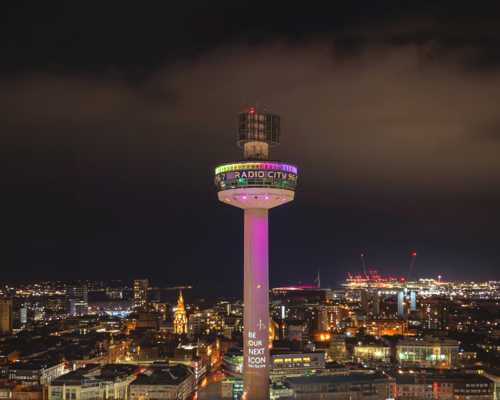
An opportunity to reimagine one of the UK’s most recognisable towers has been formally
opened by Rivington Hark, as St Johns Beacon invites operators and partners to shape its
next phase. [more...]
? British Gymnastics will focus on its role as a ‘foundation sport’ for kids / Evgeniia Freeman / shutterstock
The way Sport England uses National Lottery and government funding to invest in and work with national governing bodies of sport is changing. Significantly.
The days of Whole Sport Plans are over. They served a very important purpose throughout the last eight years, highlighting the need to get more people participating in sport. But Sport England is now taking a different approach, starting with the individual consumer and their behaviour.
We’re no longer looking for NGBs to be all things to everyone. We’re no longer asking them to cater to both the keen and committed regulars and the deconditioned population. We’re asking NGBs to focus on those who have a strong affinity with their sport and a habit of regular participation, including talented young athletes.
Why? Well, firstly this was a strong message that came out of the sector during our strategy consultation. Secondly, even though 35 per cent of people have a regular sporting habit, our work isn’t done with them. Life can still get in the way. Moving house, going off to college, having a baby or getting injured can take even the keenest participant away from their sport. We want to help NGBs focus their efforts on making those disruptions easy to overcome.
At the other end of the behaviour scale, we want to encourage people who are inactive to get moving. This requires some serious investment, and to fund this, we need to spend less money on those who already play sport. A reduced subsidy of governing bodies is the inevitable result.
Challenge accepted I’ve been delighted with the way NGBs have responded to the challenge so far, and the plans they’ve developed. There’s a real maturity to the plans – an understanding of what makes a regular player and that commercial income needs to play a bigger role and a genuine commitment to helping under-represented groups.
British Gymnastics, for example, clearly recognises its role as a ‘foundation sport’, teaching young people the physical skills to be competent and confident in other sports. British Tennis will spend most of its time and money in local parks rather than clubs, and will be making tennis venues more inclusive for people with disabilities.
The Rugby Football Union wants to create more ‘pitch up and play’ opportunities, especially for women. England Netball has ambitious plans for its Super League. Basketball England has great new partnerships with both the global brand that is the NBA and local community charities.
Of course, being in receipt of public money is a tremendous responsibility, and not one pound of this funding can be invested unless organisations meet the requirements of the Code for Sports Governance that we published with UK Sport last year. Again, the challenge is tough but the response has been really encouraging, with a commitment to positive change.
Time will tell how well the reality will match the ambition. But the evidence so far tells me that the sports industry believes in the direction we’re taking.
Hotel de France, located on the British Isle of Jersey, has created a wellness retreat package
that includes a hot yoga session that will take place in Jersey Zoo’s butterfly sanctuary.
A new immersive attraction designed to transport visitors into the final hours of ancient Pompeii
is preparing to open near the world-famous archaeological site in southern Italy.
Experience design company, BRC Imagination Arts, has completed a transition that sees founder
Bob Rogers pass ownership of the business to four long-serving senior executives, while
remaining actively involved with the company.
Movie Park Germany has opened a new Paramount Pictures-themed attraction as part of its 30th
anniversary celebrations, using immersive storytelling and adaptive reuse to reinforce the park’s
longstanding “Hollywood in Germany” positioning.
Therme Manchester’s 28-acre development, which will include interconnected glass pavilions
that measure 65,000sq m, will be the largest bathing and wellbeing attraction in the world once
complete, according to prof David Russell, CEO of Therme UK.
Efteling has opened Hooghmoed, a new family drop tower designed to broaden the appeal of its
recently launched Sirene Island themed area and introduce younger visitors to thrill attractions.
A proposed Puy du Fou development near Bicester and Universal Destinations and Experiences’
planned resort in Bedford are emerging as part of a wider transformation of the Oxford–
Cambridge Growth Corridor into a major centre for UK leisure and tourism inv
Shedd Aquarium has opened the Immersion Theater developed in partnership with SimEx-
Iwerks, as part of a wider strategy to enhance the guest experience and create additional
revenue opportunities.
The UK government has announced a temporary reduction in VAT on visitor attractions and
children’s meals as part of a summer cost-of-living support package designed to stimulate the
visitor economy and encourage family days out.
As designer Yinka Ilori prepares for his first solo gallery show in London, he speaks exclusively
to CLADmag about his mission to spread joy, the power of play, and his bold approach to using
colour (including the colours you won’t see in his work).
The government of Thailand is exploring plans for a THB300bn (£6.3bn, US$8.3bn)
entertainment complex in the country’s Eastern Economic Corridor (EEC), with officials
proposing a large-scale theme park and sports destination as part of a broader tourism and
economic development strategy.
+ More news
COMPANY PROFILES
Polin Waterparks Polin was founded in Istanbul in 1976. Polin
has since grown into a leading company in
the waterpa [more...]
An opportunity to reimagine one of the UK’s most recognisable towers has been formally
opened by Rivington Hark, as St Johns Beacon invites operators and partners to shape its
next phase. [more...]