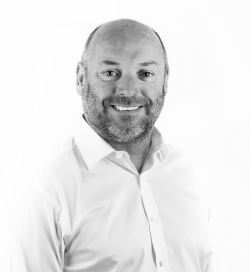
Dr Rosena Allin-Khan, shadow sports minister / matt crossick / press association
When Jeremy Corbyn won the latest Labour leadership contest in September – increasing his already significant authority – he was given the opportunity to form a new shadow cabinet.
While old party stalwarts like Diane Abbott and Emily Thornberry received top roles shadowing secretaries of state in domestic and foreign affairs respectively, Corbyn plumped for several newer members of parliament to take up shadow positions.
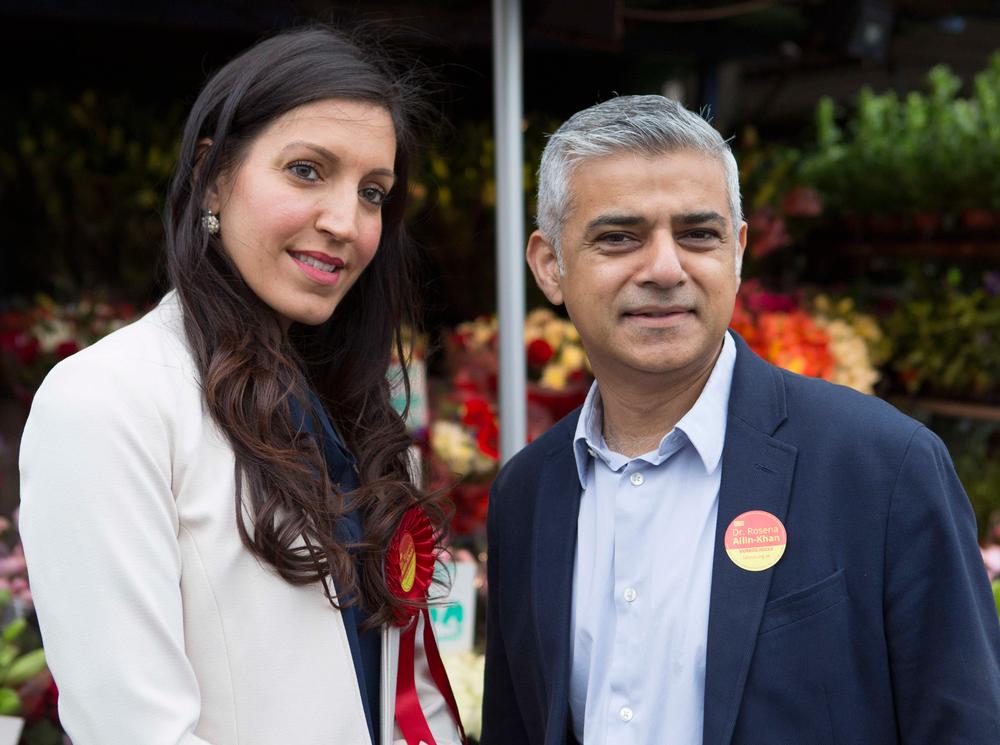
One of Labour’s latest intake of MPs, Dr Rosena Allin-Khan was appointed shadow sports minister by new shadow culture secretary Tom Watson. The promotion illustrates quite a rise for the “working-class, half Polish/half Pakistani” Allin-Khan, who was only elected in the spring after the previous MP for Tooting, Sadiq Khan, became London mayor.
Passion for sport Despite her relative inexperience in politics, the sports brief is one Allin-Khan is relishing already, and she appears to have all the credentials to succeed.
“I’ve been a sportsperson all my life actually,” she tells Sports Management. “I represented my school in a number of sports, including cricket and athletics. Then when I went to uni I played football and basketball, and at medical school I played football and korfball.”
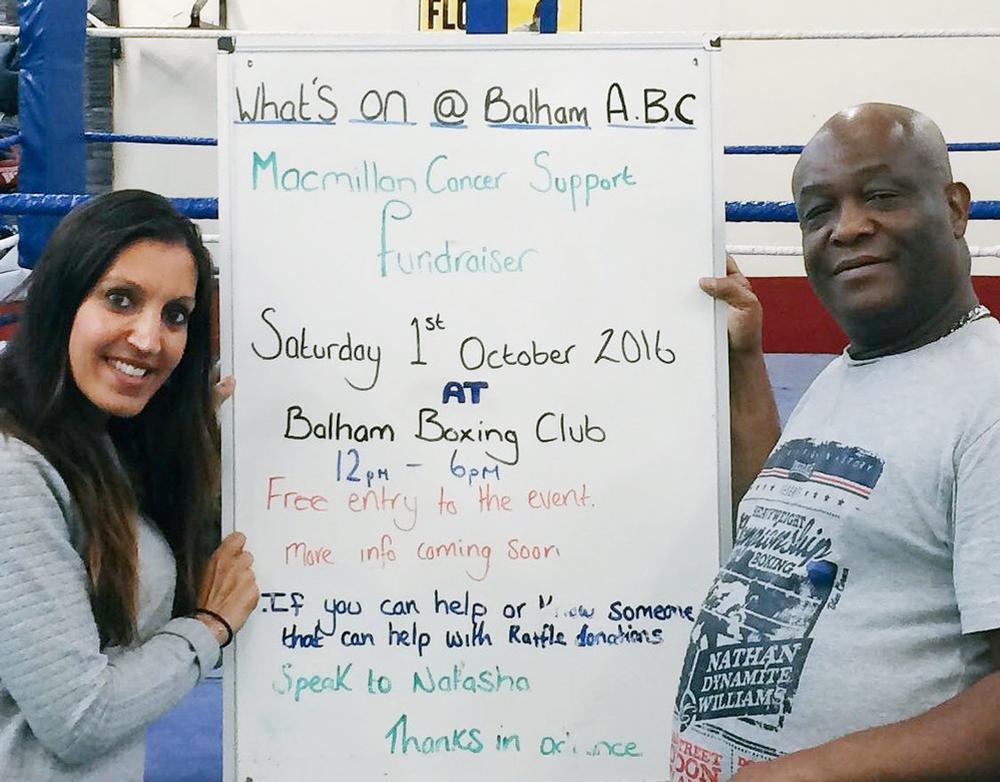
Allin-Khan also began to develop an interest in boxing towards the end of her time at medical school as, unlike team sports, it fit in with her busy lifestyle working in a hospital. She is now the team doctor at her local boxing club in Balham, South London, where she also trains. It is here that Allin-Khan properly realised the power of sport in wider society.
“I see sport as a fantastic way to bridge equality gaps and to tackle issues such as mental health, obesity and general wellbeing,” Allin-Khan explains.
“But I think it’s really important to look at the difference between sport and physical activity because sport isn’t for everyone. I was really lucky because I was good at sport at school, but I know that PE lessons where two captains have to pick a team can be a really daunting time for any child.”
Despite being good at a number of sports, Allin-Khan wasn’t immune to feeling left out, and developed an understanding of the importance of physical activity for those who are not comfortable with or who simply do not enjoy playing competitive sport.
“I didn’t swim very much as a child and when we started swimming lessons at school I was in the bottom class. I know that it can feel very intimidating. If there’s a sport you’re not deemed to be good at, it can be quite a discriminator,” she says.
“Physical activity is a way we can engage hard-to-reach groups like over-50s and young children without feeling there’s a competitive edge to it. We need to promote physical activity at the extremes of age.”
A healthy investment During her time working as a doctor, Allin-Khan saw first hand what a sedentary lifestyle can do to people. While she admits it’s difficult to quantify the extent to which physical activity would have prevented the ailments of her patients, she is convinced that investment in sport and physical activity strategies can lessen the burden on the NHS. She explains: “When you see people coming into hospital who’ve had heart attacks, who have diabetes, mental health problems, problems with alcoholism – all the research shows that being fit and healthy and active improves outcomes in all of these groups.”
Social cohesion is also an issue close to Allin-Khan’s heart, and she talks fondly about some of the initiatives Balham Boxing Club has developed to ensure it is accessible to everyone in the community.
“The club has sessions for under-11s, youth groups and white collar boxing where anybody can come and train,” she says. “Rather than advertise the boxing element, they talk about the benefits of training and keeping fit. You don’t even have to get into the ring.
“In my role I apply as much pressure as possible to ensure sport and physical activity is accessible to everyone,” she adds, explaining that she is intent on working with local authorities to demonstrate the benefits of investing in physical activity. Taking money out of physical activity, she says, is a “false economy”.
“More will need to be spent on social services for young children, as evidence shows that if we don’t invest in the early years then more money gets spent on social care later on,” she says.
“More money will be spent on older people in the NHS, and mental health is a classic example. The mental health budget is being cut and everyone is feeling the squeeze. I’ve seen first hand as a doctor just what physical activity can do for rates of depression. It can get people back in the workforce, increase their self-esteem and improve the local economy.”
Dr Rosena Allin-Khan, shadow sports minister / matt crossick / press association
When Jeremy Corbyn won the latest Labour leadership contest in September – increasing his already significant authority – he was given the opportunity to form a new shadow cabinet.
While old party stalwarts like Diane Abbott and Emily Thornberry received top roles shadowing secretaries of state in domestic and foreign affairs respectively, Corbyn plumped for several newer members of parliament to take up shadow positions.
One of Labour’s latest intake of MPs, Dr Rosena Allin-Khan was appointed shadow sports minister by new shadow culture secretary Tom Watson. The promotion illustrates quite a rise for the “working-class, half Polish/half Pakistani” Allin-Khan, who was only elected in the spring after the previous MP for Tooting, Sadiq Khan, became London mayor.
Passion for sport Despite her relative inexperience in politics, the sports brief is one Allin-Khan is relishing already, and she appears to have all the credentials to succeed.
“I’ve been a sportsperson all my life actually,” she tells Sports Management. “I represented my school in a number of sports, including cricket and athletics. Then when I went to uni I played football and basketball, and at medical school I played football and korfball.”
Allin-Khan also began to develop an interest in boxing towards the end of her time at medical school as, unlike team sports, it fit in with her busy lifestyle working in a hospital. She is now the team doctor at her local boxing club in Balham, South London, where she also trains. It is here that Allin-Khan properly realised the power of sport in wider society.
“I see sport as a fantastic way to bridge equality gaps and to tackle issues such as mental health, obesity and general wellbeing,” Allin-Khan explains.
“But I think it’s really important to look at the difference between sport and physical activity because sport isn’t for everyone. I was really lucky because I was good at sport at school, but I know that PE lessons where two captains have to pick a team can be a really daunting time for any child.”
Despite being good at a number of sports, Allin-Khan wasn’t immune to feeling left out, and developed an understanding of the importance of physical activity for those who are not comfortable with or who simply do not enjoy playing competitive sport.
“I didn’t swim very much as a child and when we started swimming lessons at school I was in the bottom class. I know that it can feel very intimidating. If there’s a sport you’re not deemed to be good at, it can be quite a discriminator,” she says.
“Physical activity is a way we can engage hard-to-reach groups like over-50s and young children without feeling there’s a competitive edge to it. We need to promote physical activity at the extremes of age.”
A healthy investment During her time working as a doctor, Allin-Khan saw first hand what a sedentary lifestyle can do to people. While she admits it’s difficult to quantify the extent to which physical activity would have prevented the ailments of her patients, she is convinced that investment in sport and physical activity strategies can lessen the burden on the NHS. She explains: “When you see people coming into hospital who’ve had heart attacks, who have diabetes, mental health problems, problems with alcoholism – all the research shows that being fit and healthy and active improves outcomes in all of these groups.”
Social cohesion is also an issue close to Allin-Khan’s heart, and she talks fondly about some of the initiatives Balham Boxing Club has developed to ensure it is accessible to everyone in the community.
“The club has sessions for under-11s, youth groups and white collar boxing where anybody can come and train,” she says. “Rather than advertise the boxing element, they talk about the benefits of training and keeping fit. You don’t even have to get into the ring.
“In my role I apply as much pressure as possible to ensure sport and physical activity is accessible to everyone,” she adds, explaining that she is intent on working with local authorities to demonstrate the benefits of investing in physical activity. Taking money out of physical activity, she says, is a “false economy”.
“More will need to be spent on social services for young children, as evidence shows that if we don’t invest in the early years then more money gets spent on social care later on,” she says.
“More money will be spent on older people in the NHS, and mental health is a classic example. The mental health budget is being cut and everyone is feeling the squeeze. I’ve seen first hand as a doctor just what physical activity can do for rates of depression. It can get people back in the workforce, increase their self-esteem and improve the local economy.”
A US$50 million (£44.2 million, €51.2 million) transformation of Chicago's historic McCormick
Mansion has created a new destination that combines live magic, immersive theatre, dining and
private membership under one roof.
The Montana Historical Society has officially celebrated the opening of its new Montana
Heritage
Center, a US$107 million (£79 million, €92 million) destination that combines immersive
storytelling with cutting-edge audiovisual technology to bring the sta
San Antonio Zoo has reported a US$283 million economic impact for 2025, following a decade-
long transformation programme that has seen almost US$200 million invested into the Texas
attraction.
Plans for the AU$180 million redevelopment of Reef HQ Aquarium in Townsville, Australia, are
progressing, with the project set to transform the attraction into a global centre for reef
education and conservation.
Abu Dhabi-based investment firm Mubadala Capital has made a binding, fully financed
€1 billion
offer to acquire Pierre and Vacances SA, the European holiday resort operator behind the
continental European Center Parcs business.
Disney has reaffirmed its commitment to investing US$30 billion in its US parks and cruise
business by 2033, using new America250 celebrations to underline the role its attractions play
in supporting jobs, tourism and economic growth.
Expo 2030 Riyadh is being planned as a permanent visitor destination, with organisers
confirming the six-million-square-metre site will become a Global Village after the event closes.
The owner of one of Australia's best-known waterparks has acquired a major competitor,
creating a new attractions business spanning two of the country's largest visitor destinations.
The Toverland theme park in the Netherlands has announced a €98m expansion programme
that will add a resort, new attractions and staff facilities as it pursues plans to become a multi-
day destination.
Hotel de France, located on the British Isle of Jersey, has created a wellness retreat package
that includes a hot yoga session that will take place in Jersey Zoo’s butterfly sanctuary.
+ More news
COMPANY PROFILES
Alterface Alterface’s Creative Division team is
seasoned in concept and ride development,
as well as storyte [more...]
DJW David & Lynn Willrich started the Company
over thirty years ago, from the Audio Visual
Department [more...]
Taylor Made Designs Founded in 1993, Taylor Made
Designs supply corporate clothing
and brand-enhancing merchandise
to [more...]