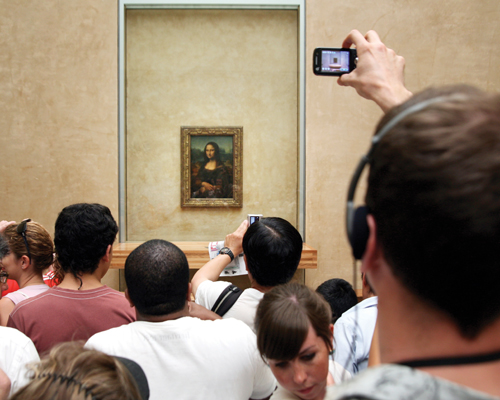
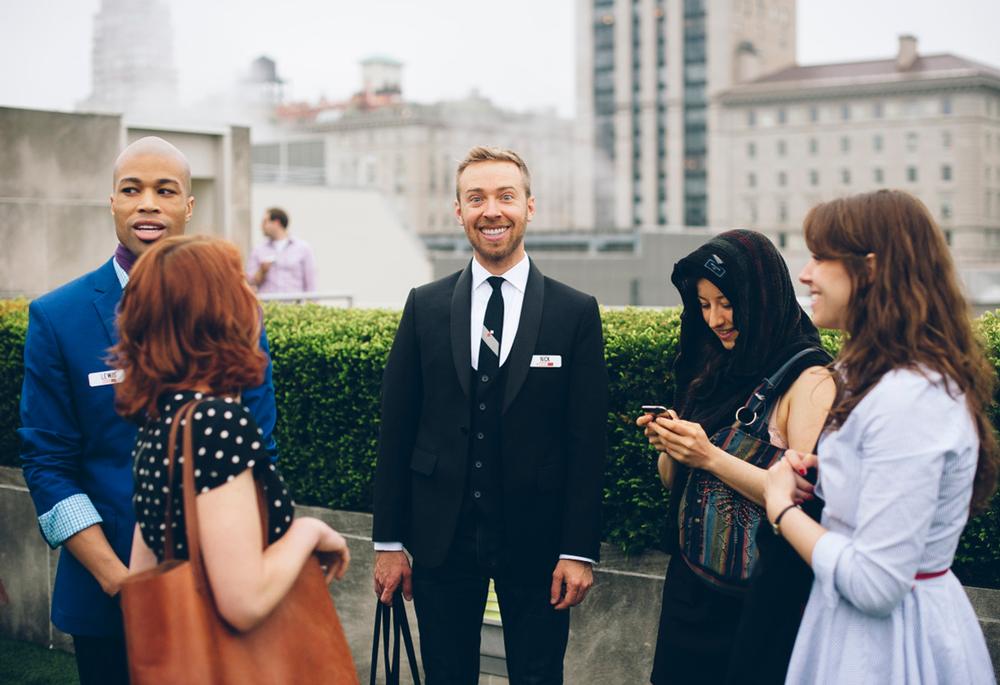
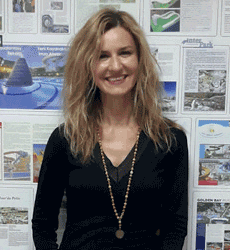
They’re museum tours for people who don’t like museums, and Nick Gray, founder of private museum tour company Museum Hack, was once one of those people.
“I used to hate museums. I thought they were the most boring places in the world, and some of them still are,” Gray says.
Today he’s in charge of an extraordinarily well-received enterprise that offers alternative tours of the Metropolitan Museum of Art in New York, as well as in Washington, DC, and San Francisco. On TripAdvisor, a Museum Hack tour at the Met is one of the highest-ranking things to do in New York City, with a five-star rating.
“There are three things that make a successful museum tour: guides, games and gossip,” says Gray, who believes today’s audiences have to be entertained before they can be educated. “We don’t hire guides based on whether they have a PhD in art history. The most important thing is that they’re great storytellers.”
Guides engage the group with games and activities, and the “gossip” comes from finding out fascinating and unusual facts – the “juicy backstories” – about the art.
“The tours are two or three times more fast-paced than an ordinary museum tour,” says Gray. “A lot of our target audience is in the ADD [attention deficit disorder] generation – always on their phones, always going from one thing to another. So that’s the kind of speed we maintain.”
Tours are conducted by guides who have designed their own unique routes through the museum, based on their own passions and interests. There are six or seven people in a group, and the price per person is $59 (£39, €54), including museum admission. At the Met, Museum Hack is registered with the Group Services office, in a similar way a foreign language tour guide would be.
Musuem Hack also offers teambuilding tours, family-friendly tours and tours for big groups like bachelorette parties. It works with museums around the world to do staff workshops and training programmes.
The company, which now has 24 employees and has hosted about 6,000 people on its tours, has been branching out into other areas and recently invited by a global sports company to train its staff in Musem Hack’s storytelling techniques.
The Hackers also worked recently with a newly renovated luxury heritage hotel in Times Square, the Knickerbocker.
“The Knickerbocker hired us to do their staff training. The hotel has all these crazy stories about Babe Ruth and the Titanic, for example. We trained their staff to be tour guides to tell these stories,” Gray says.
The business has come along way since Gray quit his job to focus on Museum Hack in July 2013. The definitive moment came a couple of years before that, when his opinion about museums was challenged.
“I was brought to the Met on a date,” he says. “The museum was empty and my date basically gave me a private tour, which unlocked a sense of curiosity about history and art that I never knew I had.”
Gray began touring his friends around the Met and soon his friends were bringing their friends. “Soon I was doing so many tours that I decided to establish a business.”
Now it’s about attracting Millennials. Gray says they have to be engaged at the speed and pace they’re used to – perhaps something the sector can learn from?
“Absolutely! I would love it if museums stole our ideas and put us out of business. I know that will never happen, but if they did steal our ideas then great. It’s important to engage fresh audiences with art.”
Read more from this issue of Attractions Management magazine
View contents of Attractions Management 2016 issue 1
Interview: Tony Butler
Tony Butler, executive director of Derby
Museums Trust, on how museums can
be a force for good in their communities
Attractions: Perfect Brew
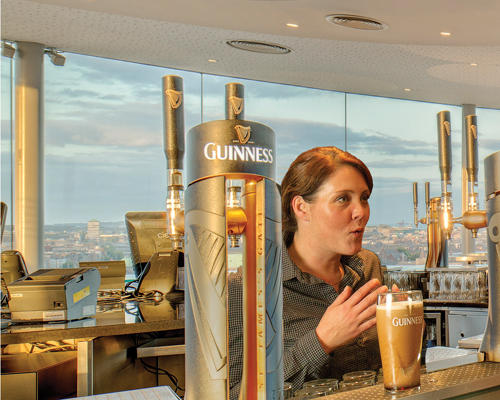
At 15 years old, the Guinness Storehouse
has been voted Europe’s best-loved
attraction. Manager Paul Carty reveals
the secrets of the Dublin brandland
Profile: John McReynolds
IAAPA’s new chairman reveals his aims
for the year ahead, his vision for a
global association and how his role at
Universal Orlando informs his goals
Analysis: The Attractions Business
Business planning consultant
David Camp starts an exclusive eight-part
series, delving into the fine art of attractions
operation from a business perspective
Science Centres: How to Future-Proof a Science Centre
Peter Slavenburg of design agency
NorthernLight describes how invisible
technology, serious play, co-creation
and the digital experience will inform
the science centre of tomorrow
Promotional feature: Simworx Ventures
Simworx Ventures is bringing its expertise in cutting-edge media-based attractions
to a new audience of museums, heritage sites, zoos and aquariums
Technology: Beacons on the Horizon
Beacons have countless applications in
the world of attractions. A case study
from the Cleveland Museum of Art
illustrates the technology’s potential
Museums & Galleries: Art Attack
Some of the most exciting attractions
design is happening in new and
upcoming galleries around the world,
from firms like Kengo Kuma and BIG
Promotional feature: IDEA
2016 is shaping up to be an interesting year for the attractions industry.
IDEA looks at what it takes to win audiences and command attention
Mystery Shopper: Spring in Your Step
We disappear down the rabbit hole as we
pay a mystery shopper visit to Bounce
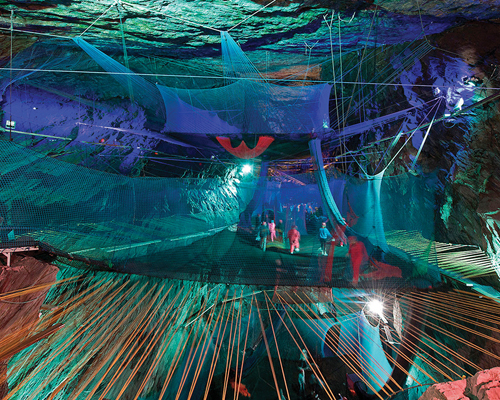
Below, a unique underground trampolining
attraction in Snowdonia, north Wales
Rides: The Ride Makers
Our ride makers series continues with
water rides, a firm favourite with park
guests. Three leading companies reveal
the latest trends in flumes and chutes
Technology: Tech Check
The industry technology unveiled at
IAAPA 2015: from VR to interactives, and
digital puppets to 20-storey LED giants
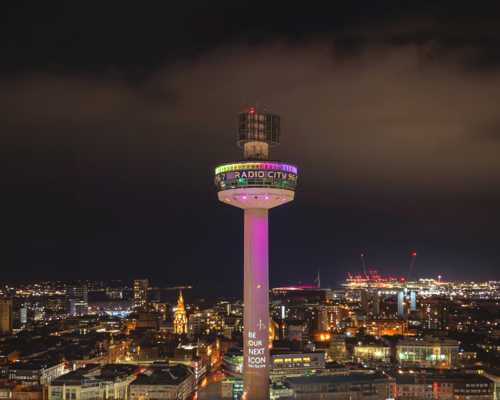
An opportunity to reimagine one of the UK’s most recognisable towers has been formally
opened by Rivington Hark, as St Johns Beacon invites operators and partners to shape its
next phase. [more...]
They’re museum tours for people who don’t like museums, and Nick Gray, founder of private museum tour company Museum Hack, was once one of those people.
“I used to hate museums. I thought they were the most boring places in the world, and some of them still are,” Gray says.
Today he’s in charge of an extraordinarily well-received enterprise that offers alternative tours of the Metropolitan Museum of Art in New York, as well as in Washington, DC, and San Francisco. On TripAdvisor, a Museum Hack tour at the Met is one of the highest-ranking things to do in New York City, with a five-star rating.
“There are three things that make a successful museum tour: guides, games and gossip,” says Gray, who believes today’s audiences have to be entertained before they can be educated. “We don’t hire guides based on whether they have a PhD in art history. The most important thing is that they’re great storytellers.”
Guides engage the group with games and activities, and the “gossip” comes from finding out fascinating and unusual facts – the “juicy backstories” – about the art.
“The tours are two or three times more fast-paced than an ordinary museum tour,” says Gray. “A lot of our target audience is in the ADD [attention deficit disorder] generation – always on their phones, always going from one thing to another. So that’s the kind of speed we maintain.”
Tours are conducted by guides who have designed their own unique routes through the museum, based on their own passions and interests. There are six or seven people in a group, and the price per person is $59 (£39, €54), including museum admission. At the Met, Museum Hack is registered with the Group Services office, in a similar way a foreign language tour guide would be.
Musuem Hack also offers teambuilding tours, family-friendly tours and tours for big groups like bachelorette parties. It works with museums around the world to do staff workshops and training programmes.
The company, which now has 24 employees and has hosted about 6,000 people on its tours, has been branching out into other areas and recently invited by a global sports company to train its staff in Musem Hack’s storytelling techniques.
The Hackers also worked recently with a newly renovated luxury heritage hotel in Times Square, the Knickerbocker.
“The Knickerbocker hired us to do their staff training. The hotel has all these crazy stories about Babe Ruth and the Titanic, for example. We trained their staff to be tour guides to tell these stories,” Gray says.
The business has come along way since Gray quit his job to focus on Museum Hack in July 2013. The definitive moment came a couple of years before that, when his opinion about museums was challenged.
“I was brought to the Met on a date,” he says. “The museum was empty and my date basically gave me a private tour, which unlocked a sense of curiosity about history and art that I never knew I had.”
Gray began touring his friends around the Met and soon his friends were bringing their friends. “Soon I was doing so many tours that I decided to establish a business.”
Now it’s about attracting Millennials. Gray says they have to be engaged at the speed and pace they’re used to – perhaps something the sector can learn from?
“Absolutely! I would love it if museums stole our ideas and put us out of business. I know that will never happen, but if they did steal our ideas then great. It’s important to engage fresh audiences with art.”
Read more from this issue of Attractions Management magazine
View contents of Attractions Management 2016 issue 1
Interview: Tony Butler
Tony Butler, executive director of Derby
Museums Trust, on how museums can
be a force for good in their communities
Attractions: Perfect Brew
At 15 years old, the Guinness Storehouse
has been voted Europe’s best-loved
attraction. Manager Paul Carty reveals
the secrets of the Dublin brandland
Profile: John McReynolds
IAAPA’s new chairman reveals his aims
for the year ahead, his vision for a
global association and how his role at
Universal Orlando informs his goals
Analysis: The Attractions Business
Business planning consultant
David Camp starts an exclusive eight-part
series, delving into the fine art of attractions
operation from a business perspective
Science Centres: How to Future-Proof a Science Centre
Peter Slavenburg of design agency
NorthernLight describes how invisible
technology, serious play, co-creation
and the digital experience will inform
the science centre of tomorrow
Promotional feature: Simworx Ventures
Simworx Ventures is bringing its expertise in cutting-edge media-based attractions
to a new audience of museums, heritage sites, zoos and aquariums
Technology: Beacons on the Horizon
Beacons have countless applications in
the world of attractions. A case study
from the Cleveland Museum of Art
illustrates the technology’s potential
Museums & Galleries: Art Attack
Some of the most exciting attractions
design is happening in new and
upcoming galleries around the world,
from firms like Kengo Kuma and BIG
Promotional feature: IDEA
2016 is shaping up to be an interesting year for the attractions industry.
IDEA looks at what it takes to win audiences and command attention
Mystery Shopper: Spring in Your Step
We disappear down the rabbit hole as we
pay a mystery shopper visit to Bounce
Below, a unique underground trampolining
attraction in Snowdonia, north Wales
Rides: The Ride Makers
Our ride makers series continues with
water rides, a firm favourite with park
guests. Three leading companies reveal
the latest trends in flumes and chutes
Technology: Tech Check
The industry technology unveiled at
IAAPA 2015: from VR to interactives, and
digital puppets to 20-storey LED giants
A new immersive attraction designed to transport visitors into the final hours of ancient Pompeii
is preparing to open near the world-famous archaeological site in southern Italy.
Experience design company, BRC Imagination Arts, has completed a transition that sees founder
Bob Rogers pass ownership of the business to four long-serving senior executives, while
remaining actively involved with the company.
Movie Park Germany has opened a new Paramount Pictures-themed attraction as part of its 30th
anniversary celebrations, using immersive storytelling and adaptive reuse to reinforce the park’s
longstanding “Hollywood in Germany” positioning.
Therme Manchester’s 28-acre development, which will include interconnected glass pavilions
that measure 65,000sq m, will be the largest bathing and wellbeing attraction in the world once
complete, according to prof David Russell, CEO of Therme UK.
Efteling has opened Hooghmoed, a new family drop tower designed to broaden the appeal of its
recently launched Sirene Island themed area and introduce younger visitors to thrill attractions.
A proposed Puy du Fou development near Bicester and Universal Destinations and Experiences’
planned resort in Bedford are emerging as part of a wider transformation of the Oxford–
Cambridge Growth Corridor into a major centre for UK leisure and tourism inv
Shedd Aquarium has opened the Immersion Theater developed in partnership with SimEx-
Iwerks, as part of a wider strategy to enhance the guest experience and create additional
revenue opportunities.
The UK government has announced a temporary reduction in VAT on visitor attractions and
children’s meals as part of a summer cost-of-living support package designed to stimulate the
visitor economy and encourage family days out.
As designer Yinka Ilori prepares for his first solo gallery show in London, he speaks exclusively
to CLADmag about his mission to spread joy, the power of play, and his bold approach to using
colour (including the colours you won’t see in his work).
The government of Thailand is exploring plans for a THB300bn (£6.3bn, US$8.3bn)
entertainment complex in the country’s Eastern Economic Corridor (EEC), with officials
proposing a large-scale theme park and sports destination as part of a broader tourism and
economic development strategy.
An opportunity to reimagine one of the UK’s most recognisable towers has been formally
opened by Rivington Hark, as St Johns Beacon invites operators and partners to shape its
next phase. [more...]