Passionate staff have helped fuel the success of the industry / shutterstock/Lobachad
You’ve probably heard the joke...
Q: What’s the easiest way to make a million dollars in the spa industry? A: Start with 2 million!
It’s not easy to be successful in our sector for two reasons. Firstly, these are complex businesses that require a lot of knowledge in diverse areas, including leadership, customer service, wellness therapies, products and retail, finance, sales and marketing, software systems and more. Secondly, they are low-margin operations that require large numbers of highly paid and well-trained employees. Most spas simply don’t make enough money to pay for the calibre of talent necessary.
This relationship between complexity and profitability is the greatest challenge spa owners and operators face. However, many have still found ways to create successful businesses. So how do they do it? Here are some strategies they use:
1. Many successful spas can be found within hotel premises, where they can offload some of the complexity – relying on the property’s expertise and support in areas such as housekeeping, maintenance, marketing and food and beverage. In this synergistic relationship, the hotel also benefits from offering a great experience that builds loyalty and goodwill.
2. A larger spa with more treatment rooms has greater revenue-generating potential, leading to higher margins and supporting more experienced leaders. This can create an upward spiral resulting in increased success. Unfortunately, because spa margins are not high, there’s often pressure from investors to reduce size, and smaller facilities struggle to make enough money to offset the fixed costs and turn a profit.
3. Having multiple locations can allow a spa business to draw enough income from across its operations to fund an experienced central leadership team who can share their support and expertise in each business unit.
4. Spas can reduce complexity by streamlining their offering down to a few key services and building a reputation for doing those services very well. Many spas try too hard to keep up with all of the latest wellness trends and continually expand their menu to offer so much that it confuses customers and costs more in terms of stock and training.
5. Much of the success of the spa industry is fuelled by the passion of our people – people who have foregone other potentially more lucrative career opportunities in favour of working in a more meaningful industry that gives them a deep sense of purpose. The spa industry would simply not be what it is today without these hard-working individuals who have a passion for wellness and for helping people feel at their best. One of the best ways for a spa operator to be successful is to create a working environment that attracts the best people and enables them to do their best work.
6. Give your guests a great experience that they’ll want to have again and again and will want to tell all their friends about. The winning spas are those that really know their guests and give them exactly what they need.
7. Give your guests a story to tell. The best spa is not necessarily the one with the most products or treatments; it’s the one that has a compelling story. And stories are easier to tell and remember.
Essentially, most strategies for successful spa operations work by virtue of their ability to reduce or offset the complexity of the operation. The key to success is the focus on quality, caring and – above all – simplicity.
About the author: Jeremy McCarthy has worked in the spa industry for 34 years. As group director of spa and wellness for Mandarin Oriental, he oversees spa, wellness and leisure operations at 35 luxury hotels globally. Contact him with your views on Twitter @jeremymcc
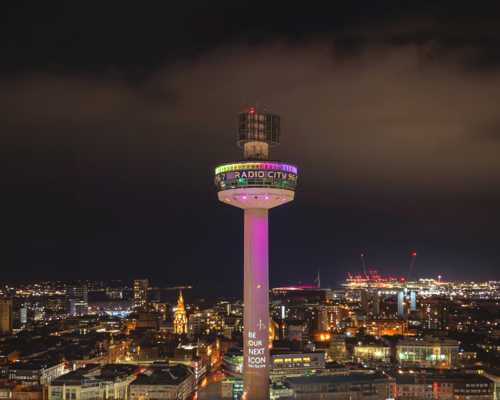
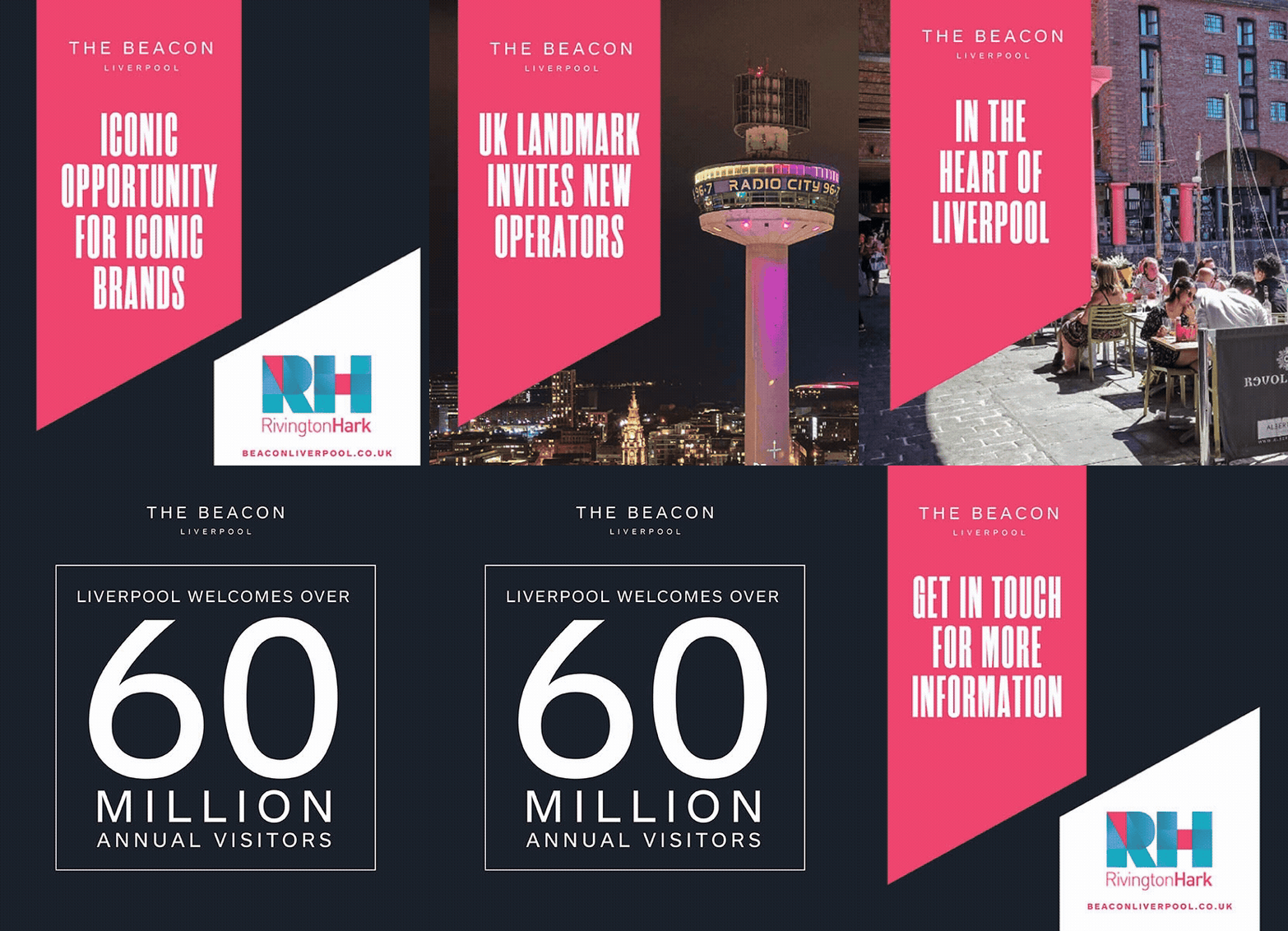
An opportunity to reimagine one of the UK’s most recognisable towers has been formally
opened by Rivington Hark, as St Johns Beacon invites operators and partners to shape its
next phase. [more...]
Passionate staff have helped fuel the success of the industry / shutterstock/Lobachad
You’ve probably heard the joke...
Q: What’s the easiest way to make a million dollars in the spa industry? A: Start with 2 million!
It’s not easy to be successful in our sector for two reasons. Firstly, these are complex businesses that require a lot of knowledge in diverse areas, including leadership, customer service, wellness therapies, products and retail, finance, sales and marketing, software systems and more. Secondly, they are low-margin operations that require large numbers of highly paid and well-trained employees. Most spas simply don’t make enough money to pay for the calibre of talent necessary.
This relationship between complexity and profitability is the greatest challenge spa owners and operators face. However, many have still found ways to create successful businesses. So how do they do it? Here are some strategies they use:
1. Many successful spas can be found within hotel premises, where they can offload some of the complexity – relying on the property’s expertise and support in areas such as housekeeping, maintenance, marketing and food and beverage. In this synergistic relationship, the hotel also benefits from offering a great experience that builds loyalty and goodwill.
2. A larger spa with more treatment rooms has greater revenue-generating potential, leading to higher margins and supporting more experienced leaders. This can create an upward spiral resulting in increased success. Unfortunately, because spa margins are not high, there’s often pressure from investors to reduce size, and smaller facilities struggle to make enough money to offset the fixed costs and turn a profit.
3. Having multiple locations can allow a spa business to draw enough income from across its operations to fund an experienced central leadership team who can share their support and expertise in each business unit.
4. Spas can reduce complexity by streamlining their offering down to a few key services and building a reputation for doing those services very well. Many spas try too hard to keep up with all of the latest wellness trends and continually expand their menu to offer so much that it confuses customers and costs more in terms of stock and training.
5. Much of the success of the spa industry is fuelled by the passion of our people – people who have foregone other potentially more lucrative career opportunities in favour of working in a more meaningful industry that gives them a deep sense of purpose. The spa industry would simply not be what it is today without these hard-working individuals who have a passion for wellness and for helping people feel at their best. One of the best ways for a spa operator to be successful is to create a working environment that attracts the best people and enables them to do their best work.
6. Give your guests a great experience that they’ll want to have again and again and will want to tell all their friends about. The winning spas are those that really know their guests and give them exactly what they need.
7. Give your guests a story to tell. The best spa is not necessarily the one with the most products or treatments; it’s the one that has a compelling story. And stories are easier to tell and remember.
Essentially, most strategies for successful spa operations work by virtue of their ability to reduce or offset the complexity of the operation. The key to success is the focus on quality, caring and – above all – simplicity.
About the author: Jeremy McCarthy has worked in the spa industry for 34 years. As group director of spa and wellness for Mandarin Oriental, he oversees spa, wellness and leisure operations at 35 luxury hotels globally. Contact him with your views on Twitter @jeremymcc
Hotel de France, located on the British Isle of Jersey, has created a wellness retreat package
that includes a hot yoga session that will take place in Jersey Zoo’s butterfly sanctuary.
A new immersive attraction designed to transport visitors into the final hours of ancient Pompeii
is preparing to open near the world-famous archaeological site in southern Italy.
Experience design company, BRC Imagination Arts, has completed a transition that sees founder
Bob Rogers pass ownership of the business to four long-serving senior executives, while
remaining actively involved with the company.
Movie Park Germany has opened a new Paramount Pictures-themed attraction as part of its 30th
anniversary celebrations, using immersive storytelling and adaptive reuse to reinforce the park’s
longstanding “Hollywood in Germany” positioning.
Therme Manchester’s 28-acre development, which will include interconnected glass pavilions
that measure 65,000sq m, will be the largest bathing and wellbeing attraction in the world once
complete, according to prof David Russell, CEO of Therme UK.
Efteling has opened Hooghmoed, a new family drop tower designed to broaden the appeal of its
recently launched Sirene Island themed area and introduce younger visitors to thrill attractions.
A proposed Puy du Fou development near Bicester and Universal Destinations and Experiences’
planned resort in Bedford are emerging as part of a wider transformation of the Oxford–
Cambridge Growth Corridor into a major centre for UK leisure and tourism inv
Shedd Aquarium has opened the Immersion Theater developed in partnership with SimEx-
Iwerks, as part of a wider strategy to enhance the guest experience and create additional
revenue opportunities.
The UK government has announced a temporary reduction in VAT on visitor attractions and
children’s meals as part of a summer cost-of-living support package designed to stimulate the
visitor economy and encourage family days out.
As designer Yinka Ilori prepares for his first solo gallery show in London, he speaks exclusively
to CLADmag about his mission to spread joy, the power of play, and his bold approach to using
colour (including the colours you won’t see in his work).
The government of Thailand is exploring plans for a THB300bn (£6.3bn, US$8.3bn)
entertainment complex in the country’s Eastern Economic Corridor (EEC), with officials
proposing a large-scale theme park and sports destination as part of a broader tourism and
economic development strategy.
+ More news
COMPANY PROFILES
Polin Waterparks Polin was founded in Istanbul in 1976. Polin
has since grown into a leading company in
the waterpa [more...]
RMA Ltd RMA Ltd is a one-stop global company
that can design, build and produce from a
greenfield site upw [more...]
Clip 'n Climb Clip ‘n Climb currently offers facility owners and
investors more than 40 colourful and unique
Cha [more...]
An opportunity to reimagine one of the UK’s most recognisable towers has been formally
opened by Rivington Hark, as St Johns Beacon invites operators and partners to shape its
next phase. [more...]