How are spas adapting their business model to attract local customers? And what
happens when international travel picks up once more? Jane Kitchen asks the industry
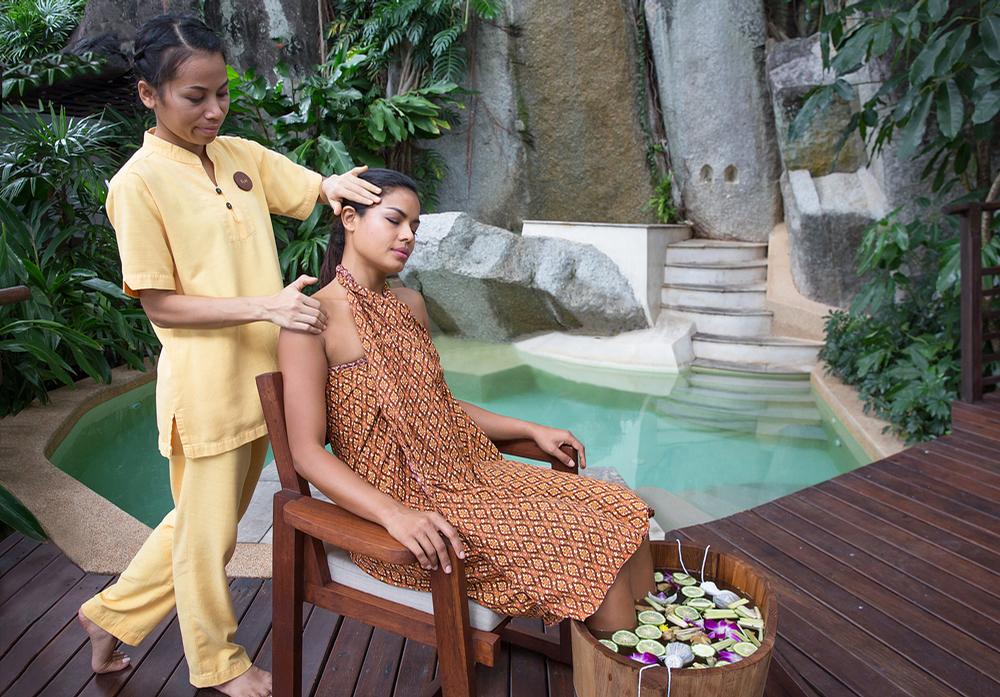
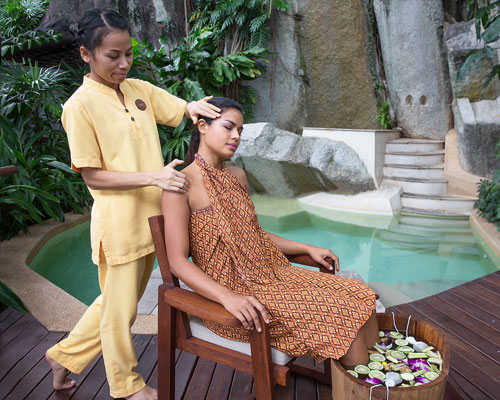
Kamalaya made its prices more competitive to tempt domestic guests / photo: Kamalaya
Perhaps no industry has been hit as hard by the coronavirus pandemic as hospitality. In the early stages of lockdown, most hotels and spas were forced to close their doors, but even as things began opening back up again, many spas around the world found their core market wiped out, as borders remained closed, travel restricted, and customers less willing to step on an plane.
But as with the rest of the world, the spa market has learned to pivot. Those who relied on international tourists found themselves looking to attract local visitors – and locals were often suddenly made aware of the wellness treasures waiting in their own backyards.
After being stuck in their own homes for weeks on end, a staycation getaway to a local spa or wellness destination was appealing – especially with offers designed to lure guests back.
For some spas, attracting those local customers has been a way to keep afloat, to keep their employees working, and to make it through an unprecedented year. But along the way, many have found a new connection with clients who are closer to home, and are planning their future to include a hybrid mix of domestic and international clientele.
We asked spa operators and consultants around the world how this transition to a local market has worked. How did they attract these new local customers? How has it changed their business model? What’s worked well – and what hasn’t? And what happens when things eventually get back to normal?
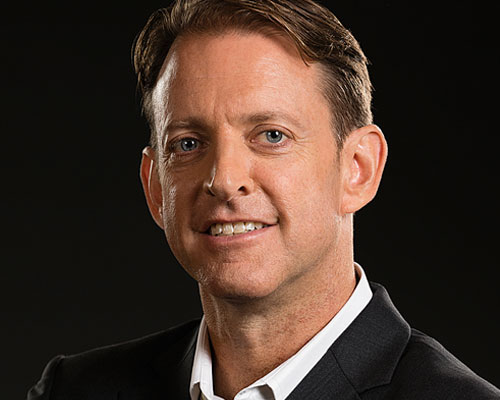
John Stewart
Founder & chair, Kamalaya Koh Samui (Thailand)
photo: kamalaya
Most of our customers before COVID-19 came from longer-haul markets like the UK, Europe, Australia and the US; less than 2 per cent of our business was local. That has generally meant longer stays (average nine nights) – something that has been less suited to the Thai holiday pattern.
When the pandemic closed the Thai borders to international travel, we quickly made the pivot to local markets, building on our existing profile by increasing visitation by social media influencers and an increased media/PR focus. We also adjusted our length of stay guidelines to allow for shorter stays more suited to the domestic market. The current disruptive travel climate has also meant a more aggressive approach to pricing to ensure our offer is relevant to customers closer to home.
This approach has given us our needed new source of business at a time when most international borders remain closed. We have dramatically improved the number of room nights attributable to the Thai market – actually more than 500 per cent over a four-month period. Right now, our business is almost 100 per cent from the domestic market, made up of a very sophisticated Thai and expat market. We have been pleasantly surprised with the extremely positive response from Thai customers.
We’ve already had many repeat customers who’ve been deeply touched by the Kamalaya experience. Our new repeaters are staying longer and booking programmes. Thailand did not know us before – now we’re developing a loyal following.
We know that in 2021, when longer-haul markets build back up, it will be a slow process. We will ensure that we are well-placed with not only attractive offers but also new programmes that will be purpose-designed to meet the need to reconnect, rebuild and restore confidence and personal strengths.
Thailand did not know us before –
now we’re developing a loyal following
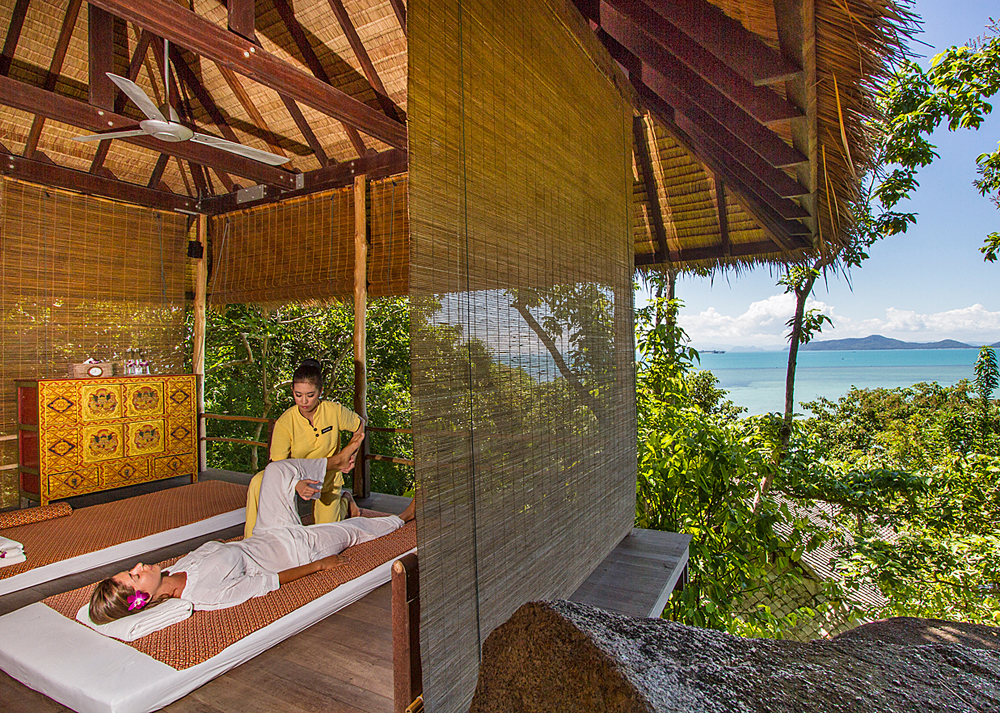
The spa is inviting more social media influencers / photo: Kamalaya
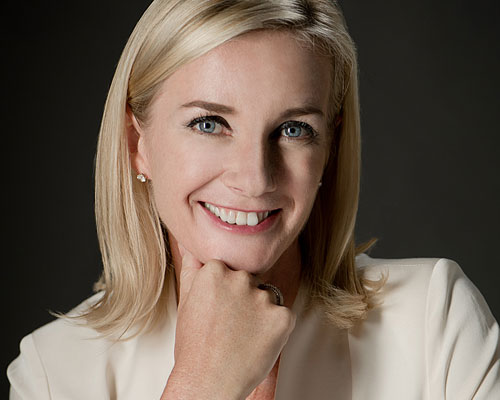
Ann Patton
Owner, Savvy Spa Consulting (Arizona, USA)
photo: savvy spa consulting
The Phoenix/Scottsdale spa market notoriously enjoys a healthy slice of business from the local market. In 2019, nearly every spa reported that 40 to 60 per cent of its business came from locals. Many spas established this base through Groupon-type offers and ‘day away’ summer specials. Email blasts and social media continue to provide up-to-the-minute promotions and specials and many spas say they’re using these to specifically target repeat guests.
Due to the pandemic, many Phoenix/Scottsdale spas are reopening with strategies aimed at keeping the health and safety of each staff member and guest in the forefront of their operations. A quick survey of these spas found that many of them are only open Thursday through Sunday to target locals as well as weekend-stay guests.
Many spas are offering limited menus, focusing more on massage therapies and less on body treatments and facials. The reality of the current situation is that these spas are now competing for a smaller pool of guests, as the robust numbers of locals have not come back yet. One spa is offering a Welcome Back package at the US$99 (€81, £73) price point that is normally only available in the summer. Once the guest books, the therapist offers a number of add-ons, leading to a healthy average ticket of US$150 (€123, £111). Guests love the value of the US$99 rate and are inclined to take advantage of all the touches of luxury that the add-ons provide.
Other spas are enticing the staycation crowd whose travel and vacation plans outside of the region have been put on hold. Hefty resort credits for spa are reportedly driving the guests to relax and unwind with a massage rather than spending the credit on food and beverage. Most spas in this area are also blessed to be able to offer extensive outdoor relaxation venues for a beautiful, socially-distanced experience.
Spas are enticing the staycation
crowd whose vacation plans outside
the region have been put on hold
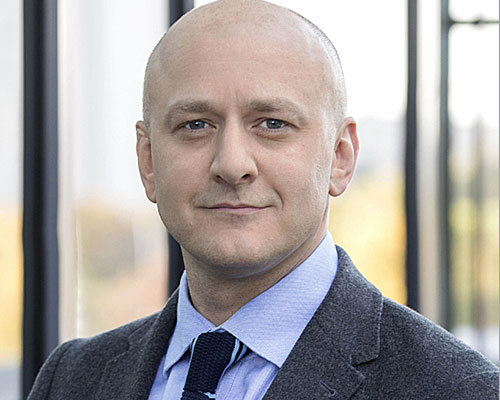
Sara Codner
Senior director of spa and wellness, Mandarin Oriental Dubai (UAE)
photo: Mandarin Oriental
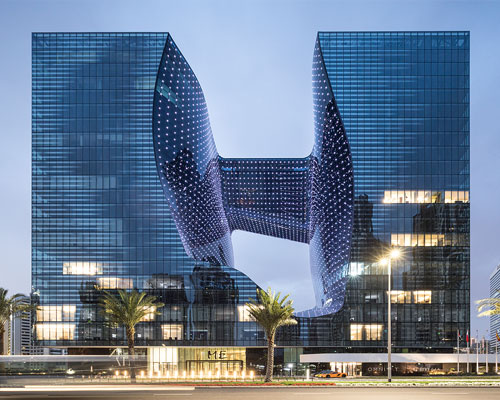
Before the pandemic, 45 per cent of our guests were local, but now that’s doubled to around 90 per cent. What’s interesting is that local guests, including expats, are now checking into the hotel for staycations, so although we have a high proportion of hotel guests, they’re from Dubai.
After we reopened on 9 July, we started ‘daycation’, packages, which include pool and beach access and give locals a taster of what we offer and our new hygiene measures. This gave them the confidence to see how we’re dealing with the pandemic, their safety, and the safety of our colleagues. We then started to offer overnight staycations, which attracted local guests that may not have necessarily stayed with us before.
In all this, we didn’t adjust our offerings at all. It’s very difficult to justify lowering our spa rates; this fosters doubt in a guest’s mind and doesn’t convey trust in you, your experiences or your brand. We found that guests appreciated extra safety measures, with staggered timings and sanitisation times after each treatment.
With our Fitness & Wellness, our guests and members enjoyed that we were exclusive and they felt safe. We’ve seen a huge increase in personal training, more than the same period the previous year.
Since reopening, we’ve been busier than the same period in 2019. We’re seeing some international travel return; however, our main guests are currently still locals. We have maintained confidence in our offerings without compromising quality and service, and this level of trust has brought guests back to us on a regular basis.
We didn’t adjust our offerings, or
rates, at all as that doesn’t convey
trust in your experiences or brand
Erica D’Angelo
Director of wellbeing, Borgo Egnazia (Puglia, Italy)
photo: Borgo egnazia
In 2019, local business made up around 25 per cent of our visitors; in 2020, it was nearly 50 per cent. When we reopened after lockdown, we gave a strong push to digital tools to reach local clientele in a faster way – not just communicating location and services, but also our culture and experience-focused approach. We never lowered price points, but encouraged future bookings by being more flexible with policies, granting vouchers that can be used in other periods, ensuring cancellation options up to a few days before arrival, or allowing guests to change dates without penalties.
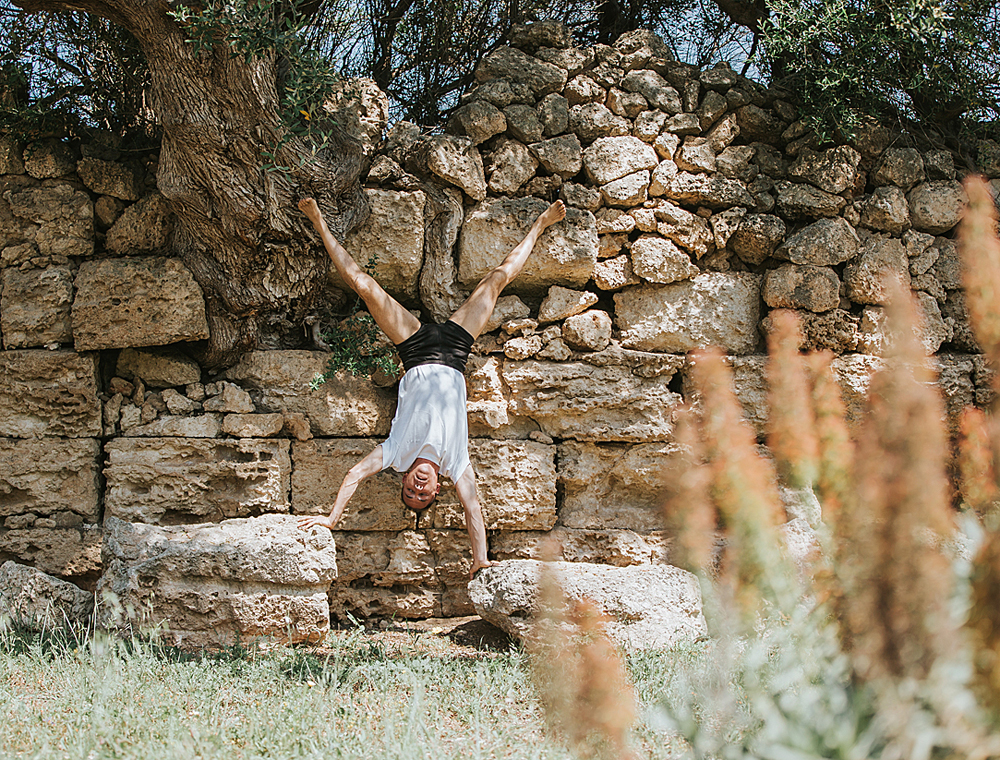
We also developed new offerings for the times we’re living in, such as long-term stays in villas with maximum privacy or smart working solutions. The idea of putting smart working and wellbeing together has worked really well. Smart working at Borgo Egnazia means perfect harmony between work and wellbeing, as you can take a break to ride in the countryside or participate in an outdoor fitness class. All the activities connected with outdoor living have been a great success: bike rides, walks in nature, sunsets over the sea and yoga among the olive trees.
General occupancy during this year has been slightly lower than normal, but better than expected. Of course, we had the chance to gain a new kind of customer, and to welcome more Italian people during the summer. Everything has been made in full compliance with new regulations, which meant that we reduced the hotel capacity to 60-70 per cent.
We hope that the new local clientele who discovered Borgo last year will come back in 2021 not just in the summer, but even in spring, autumn and winter.
We reached the local clientele in a
faster way using digital tools… and were
flexible with our bookings policies
Long-term stays which balance work and wellbeing are popular / Borgo Egnazia
Read more from this issue of Attractions Management magazine
View contents of Attractions Management 2021 issue 1
Editor's letter: Healing the world
With the impact of COVID-19 affecting millions of people globally, spas have a special role to play in the recovery movement
Spa Programmes: On the menu
Healing heartache retreats at Chablé Mexico and Czech spas using mineral water to treat long COVID feature in our latest programming highlights
Programming: Kevin Kelly
Four Seasons’ Sensei retreat in Hawaii taps into wearable tech and biometric data
Programming: Jeremy McCarthy
Mandarin Oriental rolls out it Inner Strength Outer Strength mental wellness course to guests
Interview: Emlyn Brown
Accor’s global vice-president of wellbeing talks to Katie Barnes about business strategies following COVID
Everyone’s talking about: Local markets
How are spas adapting their business model to attract locals? And what happens when international tourists return? Spa Business magazine reports
Trends: Spa Foresight™ 20/21
Touch hunger, lung health, resilience and COVID cool spots all feature in future predictions from the Spa Business team
Sponsored: G.M. COLLIN: New partnerships
Skincare brand GM Collin is
re-energising its sales network and looking
for new distributors from across the globe
to drive its business network
Insight: Hindsight 2020
Mia Kyricos looks at the harsh lessons that spas can learn from the last year
Analysis: On your marks
Analyst Jan Freitag suggests a timescale for global hotel recovery and hotel spas
Research: Eyes on Ireland
An Irish Spa Association snapshot survey shows the impact of COVID on spas across country
Promotion: Artofcryo.com: Chill factor
Artofcryo.com provides evidence-based whole body cryotherapy solutions,
offering effective solutions for guests and an attractive ROI for investors
Fitness: Harley Pasternak
The celebrity trainer and nutritionist shares his vision of fitness and health in the age of coronavirus
Promotion: Iyashi Dôme: Optimal solution
Iyashi Dôme Japanese saunas offer a versatile treatment solution for spas searching for quality touchless treatments backed by science and Japanese technology
Finishing touch: Watch out
UK researchers launch a new study to explore how digital nature experiences can be good for us
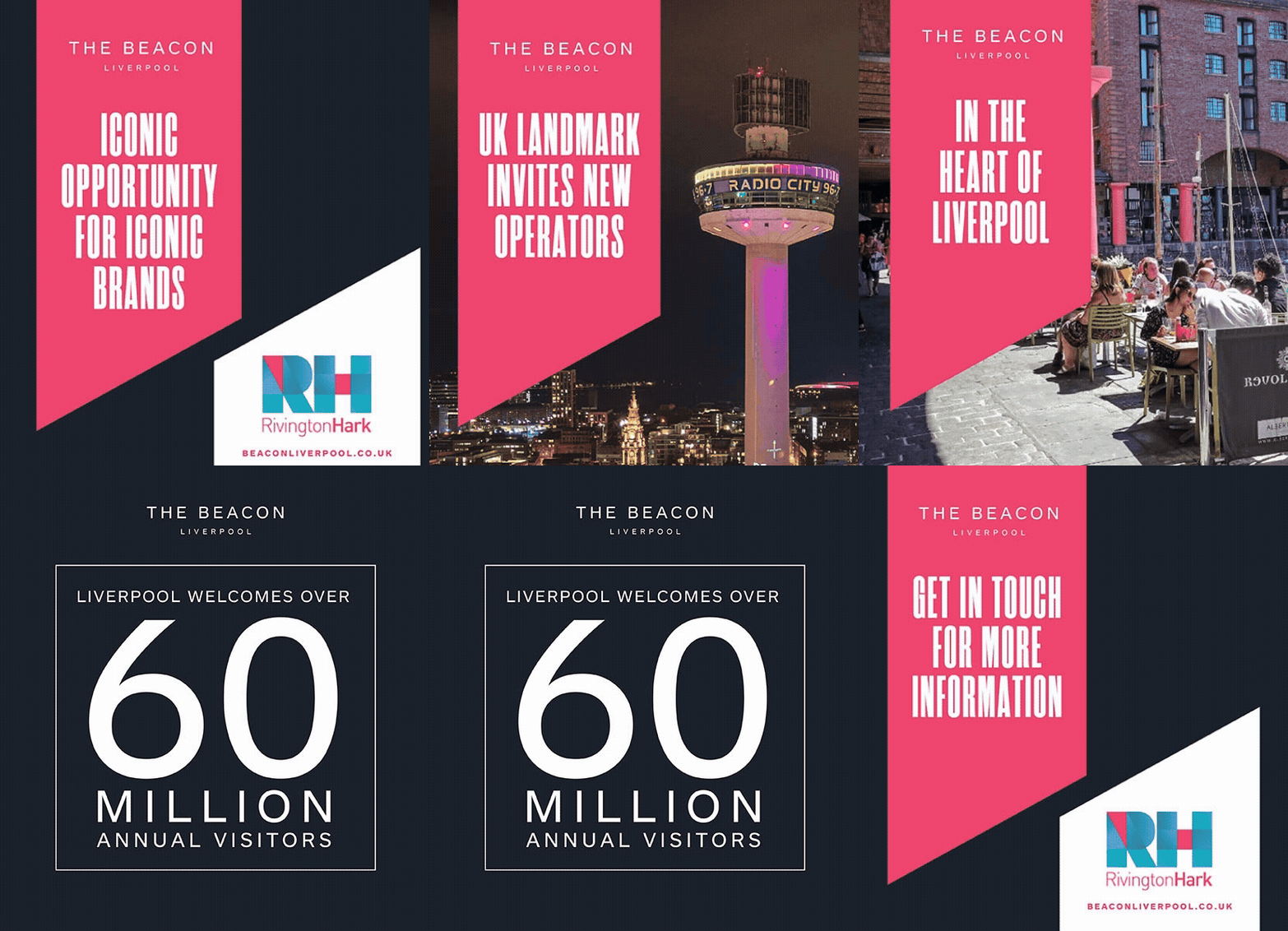
An opportunity to reimagine one of the UK’s most recognisable towers has been formally
opened by Rivington Hark, as St Johns Beacon invites operators and partners to shape its
next phase. [more...]
How are spas adapting their business model to attract local customers? And what
happens when international travel picks up once more? Jane Kitchen asks the industry
Kamalaya made its prices more competitive to tempt domestic guests / photo: Kamalaya
Perhaps no industry has been hit as hard by the coronavirus pandemic as hospitality. In the early stages of lockdown, most hotels and spas were forced to close their doors, but even as things began opening back up again, many spas around the world found their core market wiped out, as borders remained closed, travel restricted, and customers less willing to step on an plane.
But as with the rest of the world, the spa market has learned to pivot. Those who relied on international tourists found themselves looking to attract local visitors – and locals were often suddenly made aware of the wellness treasures waiting in their own backyards.
After being stuck in their own homes for weeks on end, a staycation getaway to a local spa or wellness destination was appealing – especially with offers designed to lure guests back.
For some spas, attracting those local customers has been a way to keep afloat, to keep their employees working, and to make it through an unprecedented year. But along the way, many have found a new connection with clients who are closer to home, and are planning their future to include a hybrid mix of domestic and international clientele.
We asked spa operators and consultants around the world how this transition to a local market has worked. How did they attract these new local customers? How has it changed their business model? What’s worked well – and what hasn’t? And what happens when things eventually get back to normal?
John Stewart
Founder & chair, Kamalaya Koh Samui (Thailand)
photo: kamalaya
Most of our customers before COVID-19 came from longer-haul markets like the UK, Europe, Australia and the US; less than 2 per cent of our business was local. That has generally meant longer stays (average nine nights) – something that has been less suited to the Thai holiday pattern.
When the pandemic closed the Thai borders to international travel, we quickly made the pivot to local markets, building on our existing profile by increasing visitation by social media influencers and an increased media/PR focus. We also adjusted our length of stay guidelines to allow for shorter stays more suited to the domestic market. The current disruptive travel climate has also meant a more aggressive approach to pricing to ensure our offer is relevant to customers closer to home.
This approach has given us our needed new source of business at a time when most international borders remain closed. We have dramatically improved the number of room nights attributable to the Thai market – actually more than 500 per cent over a four-month period. Right now, our business is almost 100 per cent from the domestic market, made up of a very sophisticated Thai and expat market. We have been pleasantly surprised with the extremely positive response from Thai customers.
We’ve already had many repeat customers who’ve been deeply touched by the Kamalaya experience. Our new repeaters are staying longer and booking programmes. Thailand did not know us before – now we’re developing a loyal following.
We know that in 2021, when longer-haul markets build back up, it will be a slow process. We will ensure that we are well-placed with not only attractive offers but also new programmes that will be purpose-designed to meet the need to reconnect, rebuild and restore confidence and personal strengths.
Thailand did not know us before –
now we’re developing a loyal following
The spa is inviting more social media influencers / photo: Kamalaya
Ann Patton
Owner, Savvy Spa Consulting (Arizona, USA)
photo: savvy spa consulting
The Phoenix/Scottsdale spa market notoriously enjoys a healthy slice of business from the local market. In 2019, nearly every spa reported that 40 to 60 per cent of its business came from locals. Many spas established this base through Groupon-type offers and ‘day away’ summer specials. Email blasts and social media continue to provide up-to-the-minute promotions and specials and many spas say they’re using these to specifically target repeat guests.
Due to the pandemic, many Phoenix/Scottsdale spas are reopening with strategies aimed at keeping the health and safety of each staff member and guest in the forefront of their operations. A quick survey of these spas found that many of them are only open Thursday through Sunday to target locals as well as weekend-stay guests.
Many spas are offering limited menus, focusing more on massage therapies and less on body treatments and facials. The reality of the current situation is that these spas are now competing for a smaller pool of guests, as the robust numbers of locals have not come back yet. One spa is offering a Welcome Back package at the US$99 (€81, £73) price point that is normally only available in the summer. Once the guest books, the therapist offers a number of add-ons, leading to a healthy average ticket of US$150 (€123, £111). Guests love the value of the US$99 rate and are inclined to take advantage of all the touches of luxury that the add-ons provide.
Other spas are enticing the staycation crowd whose travel and vacation plans outside of the region have been put on hold. Hefty resort credits for spa are reportedly driving the guests to relax and unwind with a massage rather than spending the credit on food and beverage. Most spas in this area are also blessed to be able to offer extensive outdoor relaxation venues for a beautiful, socially-distanced experience.
Spas are enticing the staycation
crowd whose vacation plans outside
the region have been put on hold
Sara Codner
Senior director of spa and wellness, Mandarin Oriental Dubai (UAE)
photo: Mandarin Oriental
Before the pandemic, 45 per cent of our guests were local, but now that’s doubled to around 90 per cent. What’s interesting is that local guests, including expats, are now checking into the hotel for staycations, so although we have a high proportion of hotel guests, they’re from Dubai.
After we reopened on 9 July, we started ‘daycation’, packages, which include pool and beach access and give locals a taster of what we offer and our new hygiene measures. This gave them the confidence to see how we’re dealing with the pandemic, their safety, and the safety of our colleagues. We then started to offer overnight staycations, which attracted local guests that may not have necessarily stayed with us before.
In all this, we didn’t adjust our offerings at all. It’s very difficult to justify lowering our spa rates; this fosters doubt in a guest’s mind and doesn’t convey trust in you, your experiences or your brand. We found that guests appreciated extra safety measures, with staggered timings and sanitisation times after each treatment.
With our Fitness & Wellness, our guests and members enjoyed that we were exclusive and they felt safe. We’ve seen a huge increase in personal training, more than the same period the previous year.
Since reopening, we’ve been busier than the same period in 2019. We’re seeing some international travel return; however, our main guests are currently still locals. We have maintained confidence in our offerings without compromising quality and service, and this level of trust has brought guests back to us on a regular basis.
We didn’t adjust our offerings, or
rates, at all as that doesn’t convey
trust in your experiences or brand
Erica D’Angelo
Director of wellbeing, Borgo Egnazia (Puglia, Italy)
photo: Borgo egnazia
In 2019, local business made up around 25 per cent of our visitors; in 2020, it was nearly 50 per cent. When we reopened after lockdown, we gave a strong push to digital tools to reach local clientele in a faster way – not just communicating location and services, but also our culture and experience-focused approach. We never lowered price points, but encouraged future bookings by being more flexible with policies, granting vouchers that can be used in other periods, ensuring cancellation options up to a few days before arrival, or allowing guests to change dates without penalties.
We also developed new offerings for the times we’re living in, such as long-term stays in villas with maximum privacy or smart working solutions. The idea of putting smart working and wellbeing together has worked really well. Smart working at Borgo Egnazia means perfect harmony between work and wellbeing, as you can take a break to ride in the countryside or participate in an outdoor fitness class. All the activities connected with outdoor living have been a great success: bike rides, walks in nature, sunsets over the sea and yoga among the olive trees.
General occupancy during this year has been slightly lower than normal, but better than expected. Of course, we had the chance to gain a new kind of customer, and to welcome more Italian people during the summer. Everything has been made in full compliance with new regulations, which meant that we reduced the hotel capacity to 60-70 per cent.
We hope that the new local clientele who discovered Borgo last year will come back in 2021 not just in the summer, but even in spring, autumn and winter.
We reached the local clientele in a
faster way using digital tools… and were
flexible with our bookings policies
Long-term stays which balance work and wellbeing are popular / Borgo Egnazia
Read more from this issue of Attractions Management magazine
View contents of Attractions Management 2021 issue 1
Editor's letter: Healing the world
With the impact of COVID-19 affecting millions of people globally, spas have a special role to play in the recovery movement
Spa Programmes: On the menu
Healing heartache retreats at Chablé Mexico and Czech spas using mineral water to treat long COVID feature in our latest programming highlights
Programming: Kevin Kelly
Four Seasons’ Sensei retreat in Hawaii taps into wearable tech and biometric data
Programming: Jeremy McCarthy
Mandarin Oriental rolls out it Inner Strength Outer Strength mental wellness course to guests
Interview: Emlyn Brown
Accor’s global vice-president of wellbeing talks to Katie Barnes about business strategies following COVID
Everyone’s talking about: Local markets
How are spas adapting their business model to attract locals? And what happens when international tourists return? Spa Business magazine reports
Trends: Spa Foresight™ 20/21
Touch hunger, lung health, resilience and COVID cool spots all feature in future predictions from the Spa Business team
Sponsored: G.M. COLLIN: New partnerships
Skincare brand GM Collin is
re-energising its sales network and looking
for new distributors from across the globe
to drive its business network
Insight: Hindsight 2020
Mia Kyricos looks at the harsh lessons that spas can learn from the last year
Analysis: On your marks
Analyst Jan Freitag suggests a timescale for global hotel recovery and hotel spas
Research: Eyes on Ireland
An Irish Spa Association snapshot survey shows the impact of COVID on spas across country
Promotion: Artofcryo.com: Chill factor
Artofcryo.com provides evidence-based whole body cryotherapy solutions,
offering effective solutions for guests and an attractive ROI for investors
Fitness: Harley Pasternak
The celebrity trainer and nutritionist shares his vision of fitness and health in the age of coronavirus
Promotion: Iyashi Dôme: Optimal solution
Iyashi Dôme Japanese saunas offer a versatile treatment solution for spas searching for quality touchless treatments backed by science and Japanese technology
Finishing touch: Watch out
UK researchers launch a new study to explore how digital nature experiences can be good for us
A new immersive attraction designed to transport visitors into the final hours of ancient Pompeii
is preparing to open near the world-famous archaeological site in southern Italy.
Experience design company, BRC Imagination Arts, has completed a transition that sees founder
Bob Rogers pass ownership of the business to four long-serving senior executives, while
remaining actively involved with the company.
Movie Park Germany has opened a new Paramount Pictures-themed attraction as part of its 30th
anniversary celebrations, using immersive storytelling and adaptive reuse to reinforce the park’s
longstanding “Hollywood in Germany” positioning.
Therme Manchester’s 28-acre development, which will include interconnected glass pavilions
that measure 65,000sq m, will be the largest bathing and wellbeing attraction in the world once
complete, according to prof David Russell, CEO of Therme UK.
Efteling has opened Hooghmoed, a new family drop tower designed to broaden the appeal of its
recently launched Sirene Island themed area and introduce younger visitors to thrill attractions.
A proposed Puy du Fou development near Bicester and Universal Destinations and Experiences’
planned resort in Bedford are emerging as part of a wider transformation of the Oxford–
Cambridge Growth Corridor into a major centre for UK leisure and tourism inv
Shedd Aquarium has opened the Immersion Theater developed in partnership with SimEx-
Iwerks, as part of a wider strategy to enhance the guest experience and create additional
revenue opportunities.
The UK government has announced a temporary reduction in VAT on visitor attractions and
children’s meals as part of a summer cost-of-living support package designed to stimulate the
visitor economy and encourage family days out.
As designer Yinka Ilori prepares for his first solo gallery show in London, he speaks exclusively
to CLADmag about his mission to spread joy, the power of play, and his bold approach to using
colour (including the colours you won’t see in his work).
The government of Thailand is exploring plans for a THB300bn (£6.3bn, US$8.3bn)
entertainment complex in the country’s Eastern Economic Corridor (EEC), with officials
proposing a large-scale theme park and sports destination as part of a broader tourism and
economic development strategy.
An opportunity to reimagine one of the UK’s most recognisable towers has been formally
opened by Rivington Hark, as St Johns Beacon invites operators and partners to shape its
next phase. [more...]