In addition to championing the health benefits of activity, the sector must now start to emphasise its power to drive the economy if we are to gain the policy support we need
By Liz Terry | Published in Health Club Management 2021 issue 2
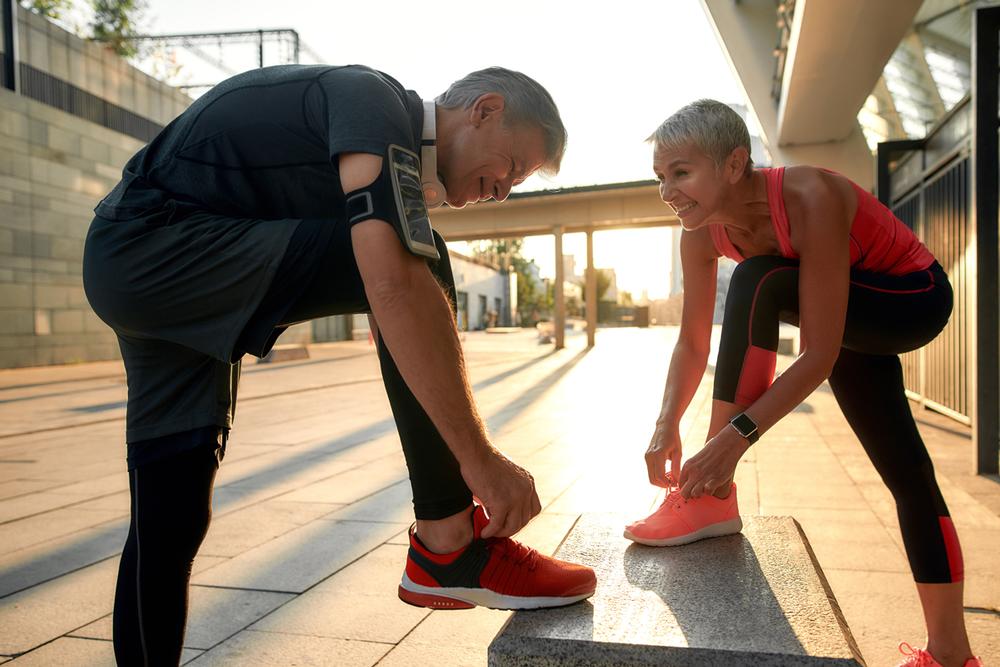
A fit workforce is needed to drive the economy / photo: shutterstock/ BAZA Production
Many of you will be aware that HCM has been driving a Parliamentary Petition with two demands – to get gyms open first after lockdown and for the government to fund a Work Out to Help Out scheme to get people back to fitness (if you’ve been supporting it, a huge thank you. The response has been tremendous).
And so my heart sank when UK prime minister Boris Johnson instead hinted at plans for the government to reduce taxation on beer, so people could get drunk more cheaply after lockdown.
If this kind of populism was accompanied by a commitment to rebooting the fitness of the nation, it would just about be bearable, but for the government to be considering pushing cheap beer, without there being sufficient focus on health and prevention, shows an appalling lack of leadership in the middle of a health crisis.
The mental and physical health impacts of lockdowns have been well documented – the increases in sedentary behaviour and obesity levels, reductions in fitness and escalation of mental health issues – but what lies behind these numbers is even more serious: a catastrophic rewiring of people’s behaviour patterns and a bedding in of sedentary routines that will be challenging to reverse.
It will require a huge effort to overcome the inertia of successive lockdowns and getting the nation moving again will be like restarting an oil tanker. A Work Out to Help Out subsidy would accelerate this process, enabling the fitness industry to deliver results far more quickly.
Tactically, we’ve made a very strong case as a sector for the health benefits of activity, with a £4 gain to the NHS for every £1 invested, but we think it’s now time to also start lobbying around the economic value of having a fit nation.
There are clearly vast economic challenges ahead as a result of the perfect storm of the pandemic and Brexit, meaning the health and vitality of the nation is critical to ensuring the workforce is ready and able to respond.
A sluggish workforce will not be able to compete effectively, so there’s a strong argument for the health and fitness sector in the UK to have a portfolio link to the Department for Business, Energy and Industrial Strategy, in addition to the connection which already exists with the Department for Digital, Culture, Media and Sport.
The hospitality sector has this two-ministry set-up and has achieved notable successes as a result of being thoroughly understood as a business sector. We should demand no less for the rapidly-expanding activity sector.
We provide mission-critical services which underpin the health of the nation, its happiness, vitality and economic prosperity and it’s time this was properly recognised.
To accelerate this process, we must now also produce evidence of the economic value of activity to the nation.
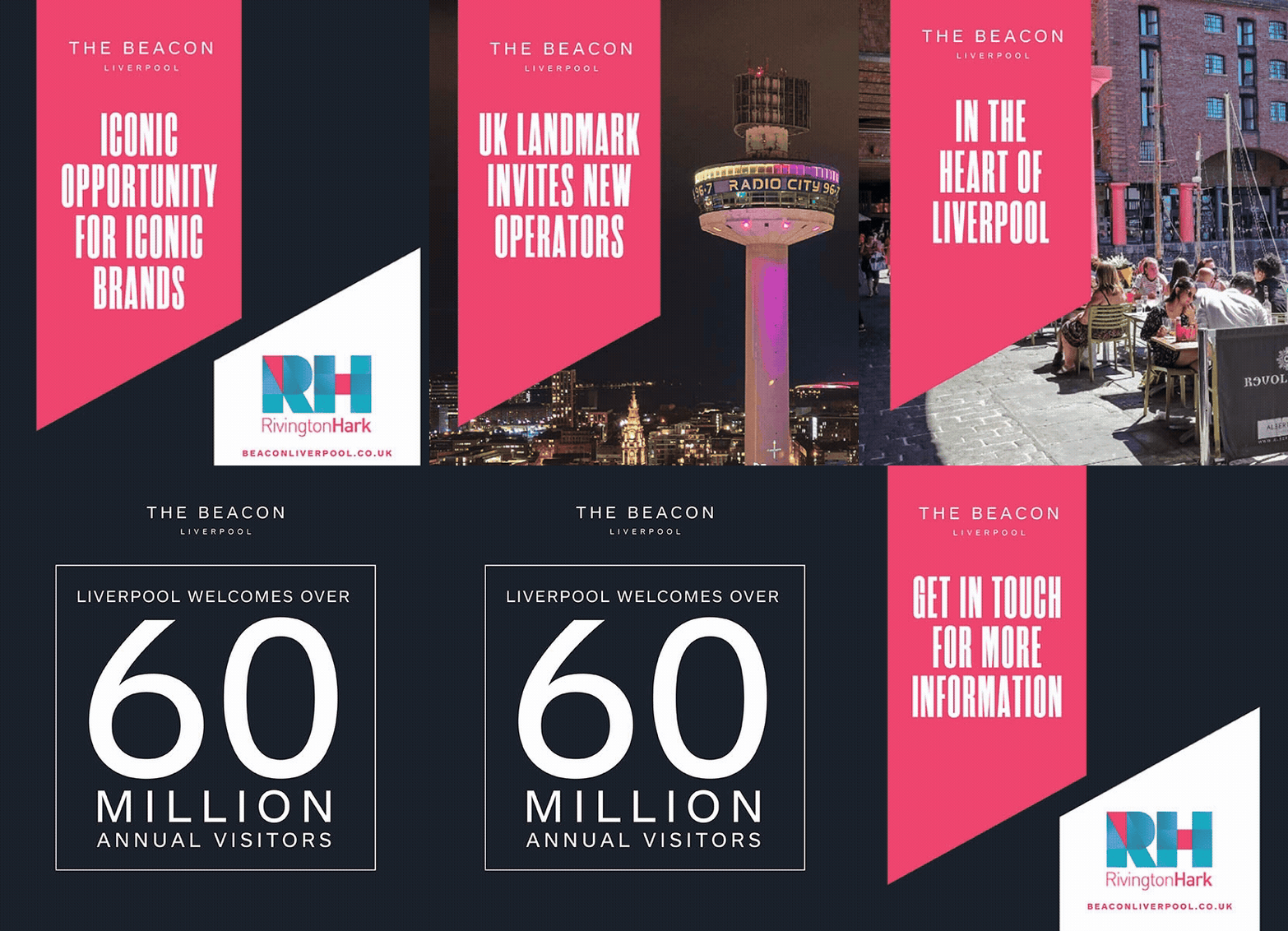
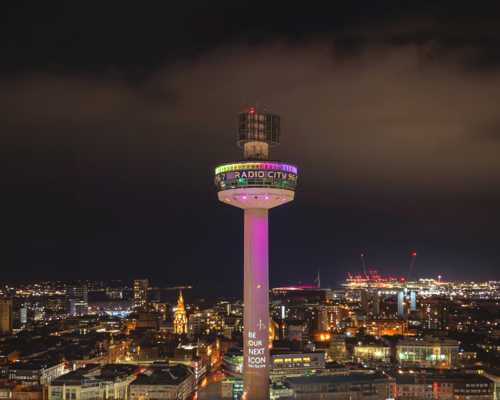
An opportunity to reimagine one of the UK’s most recognisable towers has been formally
opened by Rivington Hark, as St Johns Beacon invites operators and partners to shape its
next phase. [more...]
In addition to championing the health benefits of activity, the sector must now start to emphasise its power to drive the economy if we are to gain the policy support we need
By Liz Terry | Published in Health Club Management 2021 issue 2
A fit workforce is needed to drive the economy / photo: shutterstock/ BAZA Production
Many of you will be aware that HCM has been driving a Parliamentary Petition with two demands – to get gyms open first after lockdown and for the government to fund a Work Out to Help Out scheme to get people back to fitness (if you’ve been supporting it, a huge thank you. The response has been tremendous).
And so my heart sank when UK prime minister Boris Johnson instead hinted at plans for the government to reduce taxation on beer, so people could get drunk more cheaply after lockdown.
If this kind of populism was accompanied by a commitment to rebooting the fitness of the nation, it would just about be bearable, but for the government to be considering pushing cheap beer, without there being sufficient focus on health and prevention, shows an appalling lack of leadership in the middle of a health crisis.
The mental and physical health impacts of lockdowns have been well documented – the increases in sedentary behaviour and obesity levels, reductions in fitness and escalation of mental health issues – but what lies behind these numbers is even more serious: a catastrophic rewiring of people’s behaviour patterns and a bedding in of sedentary routines that will be challenging to reverse.
It will require a huge effort to overcome the inertia of successive lockdowns and getting the nation moving again will be like restarting an oil tanker. A Work Out to Help Out subsidy would accelerate this process, enabling the fitness industry to deliver results far more quickly.
Tactically, we’ve made a very strong case as a sector for the health benefits of activity, with a £4 gain to the NHS for every £1 invested, but we think it’s now time to also start lobbying around the economic value of having a fit nation.
There are clearly vast economic challenges ahead as a result of the perfect storm of the pandemic and Brexit, meaning the health and vitality of the nation is critical to ensuring the workforce is ready and able to respond.
A sluggish workforce will not be able to compete effectively, so there’s a strong argument for the health and fitness sector in the UK to have a portfolio link to the Department for Business, Energy and Industrial Strategy, in addition to the connection which already exists with the Department for Digital, Culture, Media and Sport.
The hospitality sector has this two-ministry set-up and has achieved notable successes as a result of being thoroughly understood as a business sector. We should demand no less for the rapidly-expanding activity sector.
We provide mission-critical services which underpin the health of the nation, its happiness, vitality and economic prosperity and it’s time this was properly recognised.
To accelerate this process, we must now also produce evidence of the economic value of activity to the nation.
A new immersive attraction designed to transport visitors into the final hours of ancient Pompeii
is preparing to open near the world-famous archaeological site in southern Italy.
Experience design company, BRC Imagination Arts, has completed a transition that sees founder
Bob Rogers pass ownership of the business to four long-serving senior executives, while
remaining actively involved with the company.
Movie Park Germany has opened a new Paramount Pictures-themed attraction as part of its 30th
anniversary celebrations, using immersive storytelling and adaptive reuse to reinforce the park’s
longstanding “Hollywood in Germany” positioning.
Therme Manchester’s 28-acre development, which will include interconnected glass pavilions
that measure 65,000sq m, will be the largest bathing and wellbeing attraction in the world once
complete, according to prof David Russell, CEO of Therme UK.
Efteling has opened Hooghmoed, a new family drop tower designed to broaden the appeal of its
recently launched Sirene Island themed area and introduce younger visitors to thrill attractions.
A proposed Puy du Fou development near Bicester and Universal Destinations and Experiences’
planned resort in Bedford are emerging as part of a wider transformation of the Oxford–
Cambridge Growth Corridor into a major centre for UK leisure and tourism inv
Shedd Aquarium has opened the Immersion Theater developed in partnership with SimEx-
Iwerks, as part of a wider strategy to enhance the guest experience and create additional
revenue opportunities.
The UK government has announced a temporary reduction in VAT on visitor attractions and
children’s meals as part of a summer cost-of-living support package designed to stimulate the
visitor economy and encourage family days out.
As designer Yinka Ilori prepares for his first solo gallery show in London, he speaks exclusively
to CLADmag about his mission to spread joy, the power of play, and his bold approach to using
colour (including the colours you won’t see in his work).
The government of Thailand is exploring plans for a THB300bn (£6.3bn, US$8.3bn)
entertainment complex in the country’s Eastern Economic Corridor (EEC), with officials
proposing a large-scale theme park and sports destination as part of a broader tourism and
economic development strategy.
An opportunity to reimagine one of the UK’s most recognisable towers has been formally
opened by Rivington Hark, as St Johns Beacon invites operators and partners to shape its
next phase. [more...]