Some of those who’ve suffered from COVID-19 face a long road
to recovery. What role can the health and fitness industry play in
supporting them with their rehabilitation? Kath Hudson reports
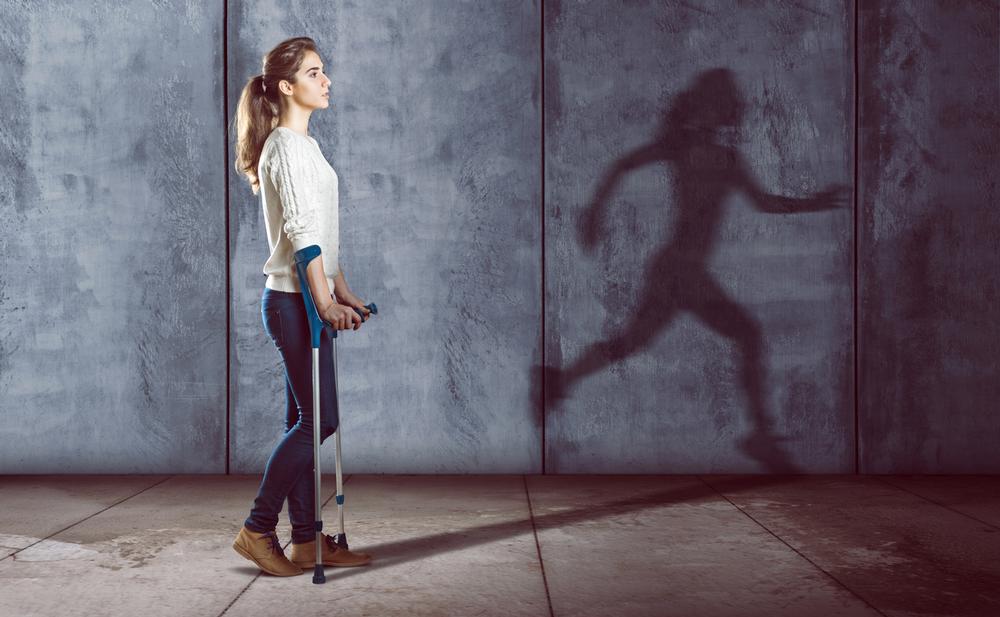
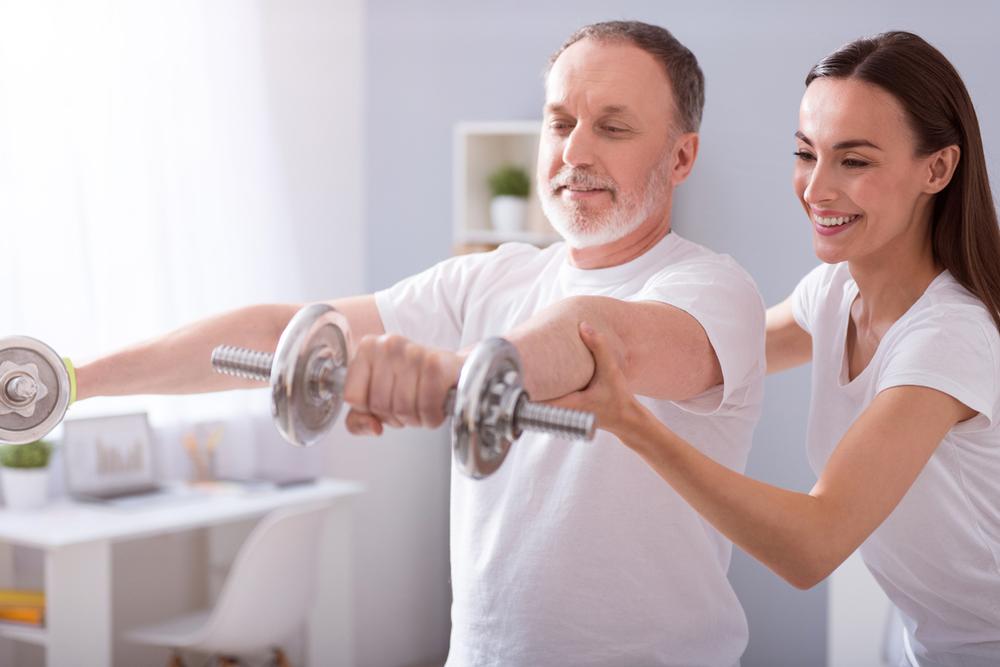
For COVID-19 survivors, the road to a full recovery can be long. How can health clubs support this journey? / Shutterstock
Anyone who has suffered from the virus will need to rebuild their physical and mental resilience and the health and fitness sector is perfectly placed to guide them through this process.
In extreme cases, people will need medical supervision to exercise, but there is a lot of middle ground, where recovery can be undertaken at a normal gym, under the supervision of fitness professionals.
Much about the virus is still unknown, but medics are already reporting high incidences of Chronic Fatigue Syndrome in post-COVID patients, as well as a wide range of issues with organ damage and reduced lung capacity and scarring.
The impact of SARS can also give us some clues. Studies undertaken in Hong Kong into its long-term effects showed that two years after they had the disease, 50 per cent of survivors had a much reduced exercise capacity, while 40 per cent still had chronic fatigue symptoms three and a half years after being diagnosed.
Staff delivering the Newport Live COVID-19 recovery programme have noticed the shocking way COVID-19 deconditions the body. Not just the respiratory system, but also the muscles, as a result of reduced mobility. A report published in JAMA Cardiology says there are also indications people who have been infected by the virus may go on to have a much higher incidence of heart issues.
Clearly the nation now desperately needs the health and fitness industry’s guidance to heal post-COVID patients, so what’s the way forward? We ask the experts.
Dr Ursula Levine
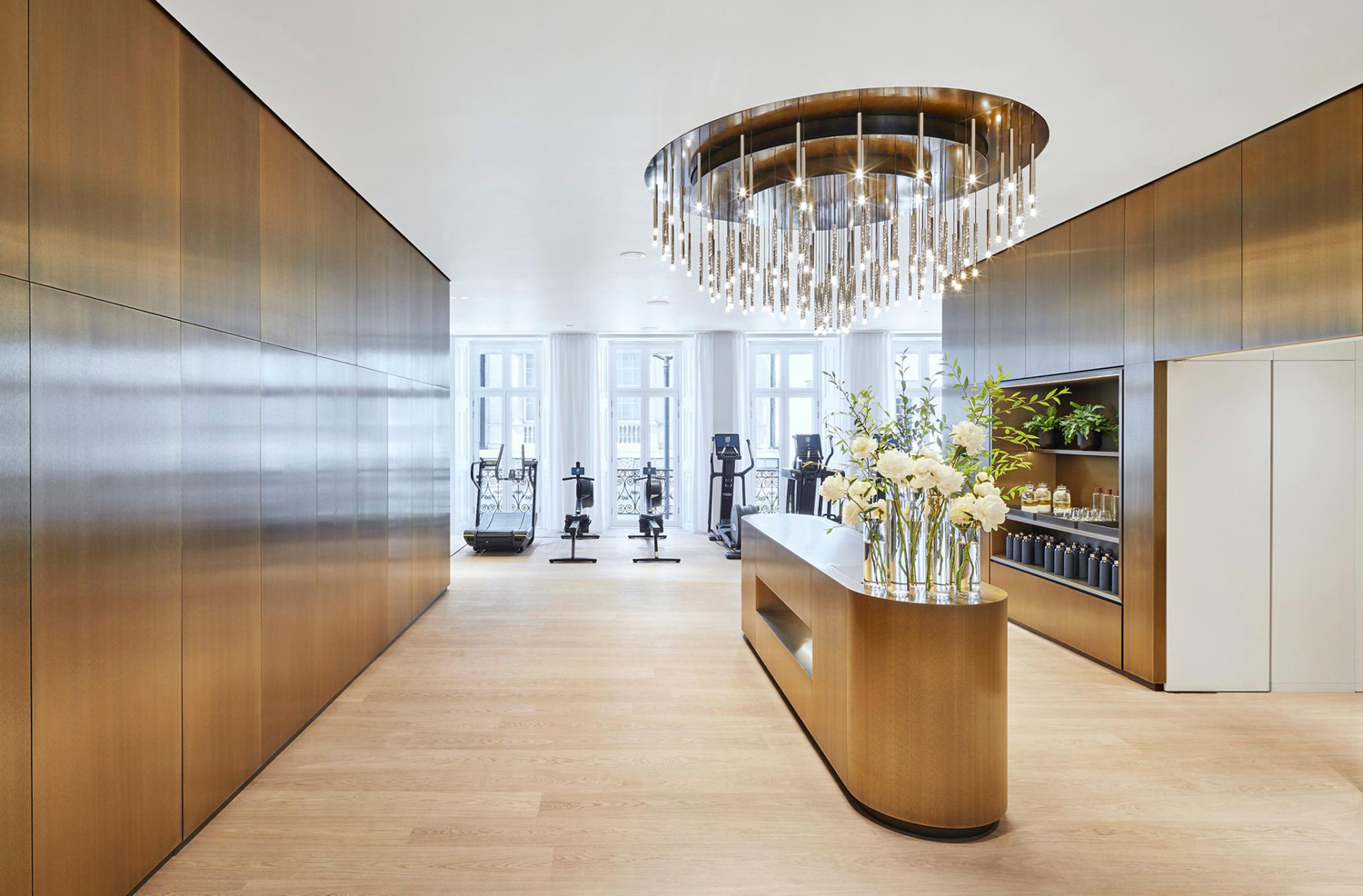
Lanserhof at The Arts Club:
GP and integrative medicine specialist
The health and fitness industry’s role in supporting and rehabilitating people who have suffered from COVID-19 cannot be over-estimated.
Our industry has two roles to fulfil: to rehabilitate those who have had the virus and educate and empower those who have not. ‘Prepare, react, repair’ is a useful blueprint for the patient to visualise, as we help them build resilience.
A striking feature of the virus is how long the symptoms can last: many people have seen them continue for eight to 10 weeks. Symptoms can go away and race back and it appears to leave a footprint, so this has to be factored into rehabilitation programmes. Recovery involves a cyclical process rather than a straight line of improvement, which must be explained to clients.
The virus doesn’t just attack the respiratory system: people have reported fatigue, muscle ache, gut issues and kidney problems, so all those systems and organs need rejuvenating. In response, cleansing dietary regimes, which help the gut and kidneys, are essential.
Operators should also anticipate patients presenting with mental health challenges as a result of the crisis. At Lanserhof, we have found patients have generally been emotionally and mentally discouraged. They complain of feeling drained and report cravings and a tendency to adopt bad habits. This suggests there is likely to be a spike in addictive behaviour and possible substance misuse issues.
We’ve found patients have been emotionally and mentally discouraged, complain of feeling drained and report a tendency to adopt bad habits
Each operator should now play to their strengths, working out how they can be of benefit to COVID-19 sufferers and then communicating this to potential clients. Lanserhof’s USP is cutting edge diagnostics, treatment and therapeutic support and we are using a range of medical therapies in our bespoke treatment programmes, including IV therapy, ozone therapy, micro-immunotherapy, cryotherapy and acupuncture.
Knowledge is capital, so ensure your staff are exceptional in their product knowledge and skills. The more comprehensive the packages you can create, the better it will be for patients and the business.
Finally, it is vital to let patients know that they are partners in a strategic approach to improving their healthcare results, not just passive recipients.
Utilise the specialist knowledge of your team and create comprehensive packages for customers
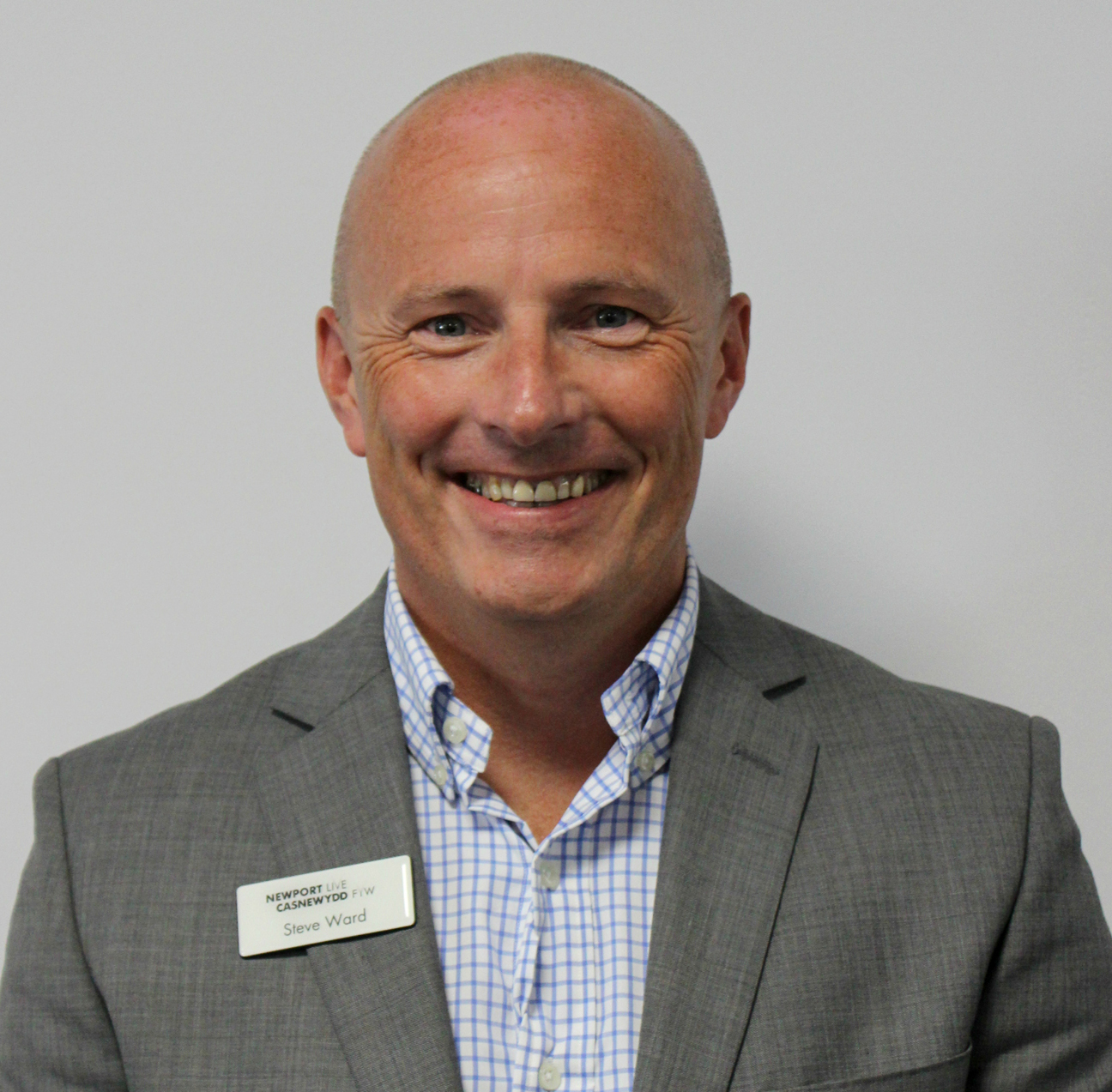
Steve Ward
Newport Live: chief executive
The fitness industry can help people to see the value of investing in their health, says Ward
As a sector, we know and believe exercise is medicine and for the first time the Government advocated this, with the daily exercise allowance during lockdown.
The health and fitness industry is brilliantly placed to support rehabilitation and this situation is a game changer that the sector must embrace, especially as we don’t know how long the effects of COVID-19 will be with us.
Newport Live is supporting the only COVID-19 recovery programme in Wales being used as a clinical trial.
Created by the clinical team from Aneurin Bevan University Health Board, which worked with Public Health Wales, the eight week programme was approved to run at our facilities by Newport City Council.
Patients attend in groups and work with clinicians, physiotherapists, dieticians and National Exercise Referral colleagues. Each programme is tailor-made, in accordance with the individual’s health status prior to the illness and the impact of the virus. Each person needs a unique approach requiring psychological support, physiotherapy and lifestyle advice, as well as physical exercise.
Newport Live is supporting the only COVID-19 recovery programme in Wales that is being used as a clinical trial
The aim is for those who have participated in the programme to continue to receive support and encouragement to remain active once the eight weeks conclude.
The exit strategy following intense clinical programmes is where health and fitness operators can gain the greatest traction: taking the customer on the next phase of their journey to better health once they leave hospital.
Going forward, partnerships with health providers will be critical in both the recovery and prevention journey.
Restarting the industry will be tough, but we also have a new journey – to help the wider population to see the value of exercise and investing in their wellbeing. The industry needs to shout loudly about the role we have in preventing poor health and advocate that we are the wellbeing service: health clubs are where you come to stay well and get healthier, which helps during times of physical and mental health challenges.
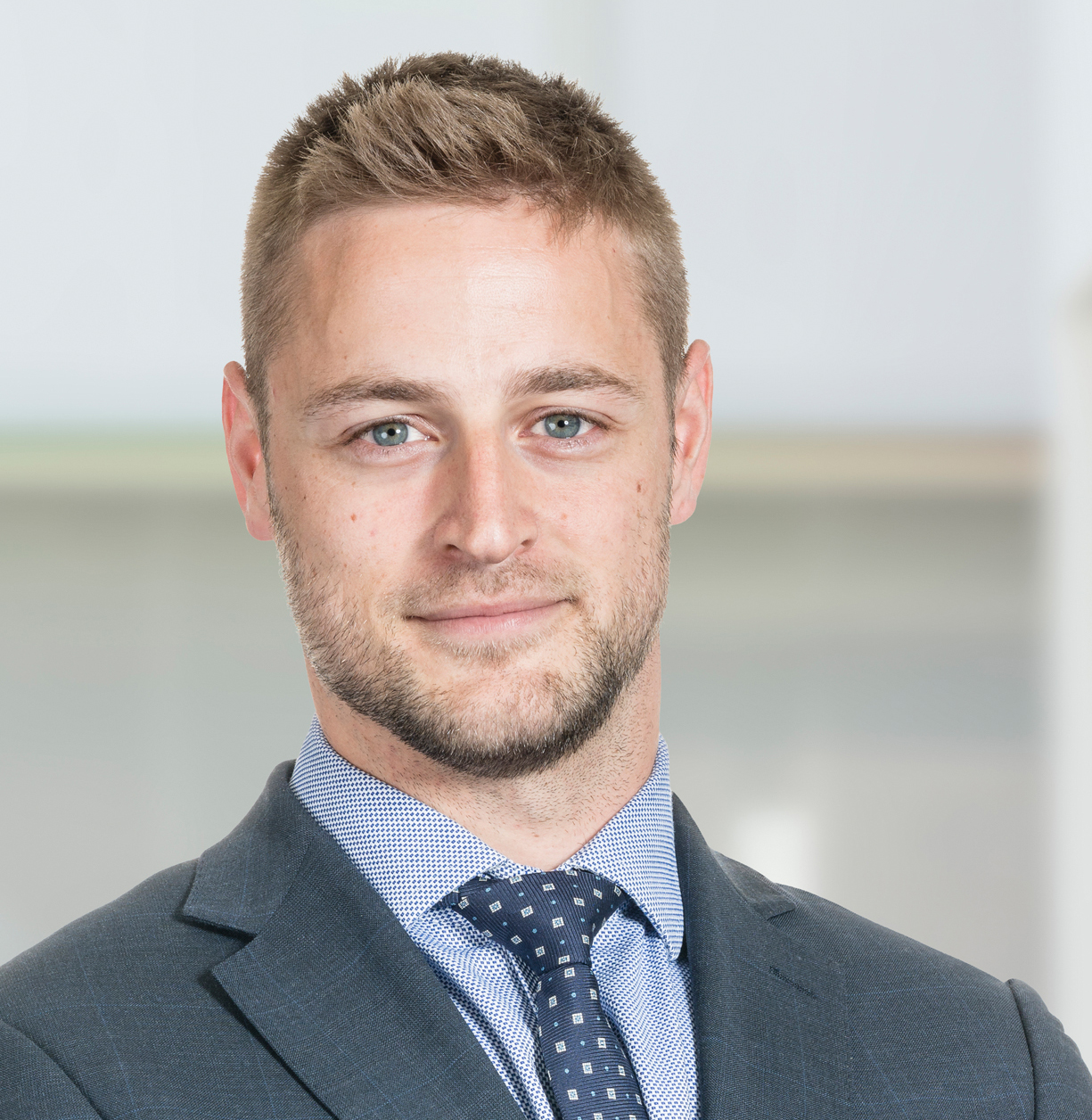
Dr Dane Vishnubala
Active IQ: chief medical advisor
It may take up to three months for an individual to return to previous levels of fitness, says Vishnubala
Fitness professionals have the consultation, empathetic, coaching and programming skills which could be adapted to provide a supportive workforce to aid in post COVID-19 rehabilitation efforts. While some upskilling is necessary, instructors with exercise referral or pulmonary rehab qualifications could be upskilled quite easily via CPD – potentially even online.
However, the health and fitness industry’s rehabilitation offer does need further development. Insurance companies will need to be at the table, alongside health bodies, to come to a consensus in terms of how rehabilitation will work.
Having clear rules around risk stratification may avoid the need to have GP clearance. For the fitness industry to have true impact, we should work closely with other professionals, such as physiotherapists, to maximise the benefit to the patient.
For the fitness industry to have true impact, we should work closely with other professionals, such as physiotherapists
A robust risk stratification process would assess which patients are suitable for rehabilitation at the gym. High risk people, who have been left with low oxygen levels or possible heart issues, should be under clinical guidance. Those who have made a full recovery, who are are asymptomatic and have had sufficient rest following the illness – at least two weeks – could greatly benefit from working with fitness professionals. A slow return to exercise is recommended – it may reasonably take up to three months to return to previous levels of fitness.
People who have experienced significant effects of the virus will likely have suffered mentally as well. Screening for mental health issues and undergoing training to look out for this, such as the Active IQ Mental Health Awareness course, may help to support these individuals. Treatment can vary from cognitive behavioural therapy, group support and other forms of talking therapies.
Dr Ben Kelly
Nuffield Health: head of clinical research
Exercise programmes must be tailored to the needs of the individual, says Kelly
Gyms and leisure centres have a vital part to play in improving the long-term health of the population, both physically and mentally. As a sector we need to think about how we can support the NHS and allied health professionals and define a model which can be adapted to support COVID-19 rehabilitation.
There may be a need for clinical referral to exercise for former COVID-19 patients, so operators will need to make formal connections with referring NHS sites.
As a sector we will also need to work on a standardised model of care delivery using PTs, who will need to be upskilled to deliver rehabilitation programmes. This model should enable processes to remain standardised and allow the specialist knowledge of the condition to be adapted over time. This way the model can be used to support the participants through other conditions as well.
Exercise is as specific as a drug in terms of how it works for people, what they need, when it can be undertaken and how it is prescribed and we need to start respecting it in this way. Everyone should be assessed and the fitness programmes tailored to the needs of the patient. The inclusion and exclusion of particular activities will very much depend on individual requirements.
Exercise is as specific as a drug in terms of how it works for people and what they need, and we need to start respecting it in this way
Around 30 per cent of all people with a long-term physical health condition also have a mental health problem – most commonly depression or anxiety. To this end, the industry should be working to develop multi-disciplinary practitioners to support both the physical and mental recovery of the patient.
Nuffield Health and Fitness is running a free 12-week pilot to support the rehabilitation of COVID-19 patients, following their discharge from the NHS.
We’re working with NHS Trusts to implement this programme, with virtual support for patients, as well as access to our network of gyms to enable consultations. We want to roll this out across the UK, so we can support patients significantly impacted by the virus.
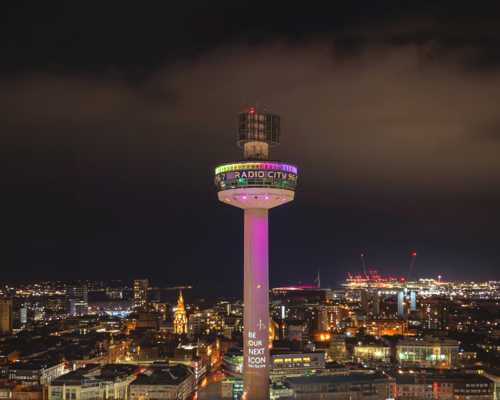
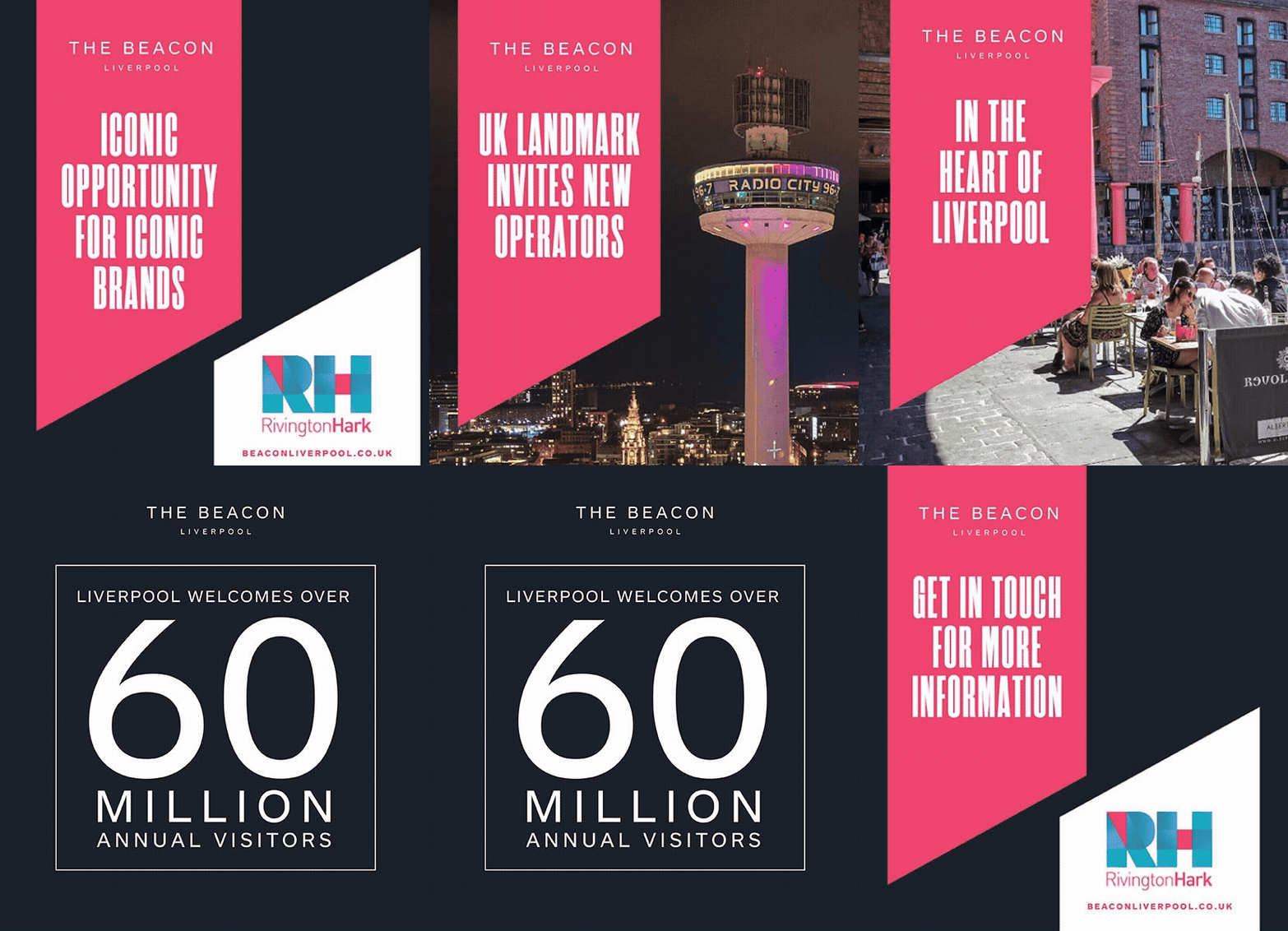
An opportunity to reimagine one of the UK’s most recognisable towers has been formally
opened by Rivington Hark, as St Johns Beacon invites operators and partners to shape its
next phase. [more...]
Some of those who’ve suffered from COVID-19 face a long road
to recovery. What role can the health and fitness industry play in
supporting them with their rehabilitation? Kath Hudson reports
For COVID-19 survivors, the road to a full recovery can be long. How can health clubs support this journey? / Shutterstock
Anyone who has suffered from the virus will need to rebuild their physical and mental resilience and the health and fitness sector is perfectly placed to guide them through this process.
In extreme cases, people will need medical supervision to exercise, but there is a lot of middle ground, where recovery can be undertaken at a normal gym, under the supervision of fitness professionals.
Much about the virus is still unknown, but medics are already reporting high incidences of Chronic Fatigue Syndrome in post-COVID patients, as well as a wide range of issues with organ damage and reduced lung capacity and scarring.
The impact of SARS can also give us some clues. Studies undertaken in Hong Kong into its long-term effects showed that two years after they had the disease, 50 per cent of survivors had a much reduced exercise capacity, while 40 per cent still had chronic fatigue symptoms three and a half years after being diagnosed.
Staff delivering the Newport Live COVID-19 recovery programme have noticed the shocking way COVID-19 deconditions the body. Not just the respiratory system, but also the muscles, as a result of reduced mobility. A report published in JAMA Cardiology says there are also indications people who have been infected by the virus may go on to have a much higher incidence of heart issues.
Clearly the nation now desperately needs the health and fitness industry’s guidance to heal post-COVID patients, so what’s the way forward? We ask the experts.
Dr Ursula Levine
Lanserhof at The Arts Club:
GP and integrative medicine specialist
The health and fitness industry’s role in supporting and rehabilitating people who have suffered from COVID-19 cannot be over-estimated.
Our industry has two roles to fulfil: to rehabilitate those who have had the virus and educate and empower those who have not. ‘Prepare, react, repair’ is a useful blueprint for the patient to visualise, as we help them build resilience.
A striking feature of the virus is how long the symptoms can last: many people have seen them continue for eight to 10 weeks. Symptoms can go away and race back and it appears to leave a footprint, so this has to be factored into rehabilitation programmes. Recovery involves a cyclical process rather than a straight line of improvement, which must be explained to clients.
The virus doesn’t just attack the respiratory system: people have reported fatigue, muscle ache, gut issues and kidney problems, so all those systems and organs need rejuvenating. In response, cleansing dietary regimes, which help the gut and kidneys, are essential.
Operators should also anticipate patients presenting with mental health challenges as a result of the crisis. At Lanserhof, we have found patients have generally been emotionally and mentally discouraged. They complain of feeling drained and report cravings and a tendency to adopt bad habits. This suggests there is likely to be a spike in addictive behaviour and possible substance misuse issues.
We’ve found patients have been emotionally and mentally discouraged, complain of feeling drained and report a tendency to adopt bad habits
Each operator should now play to their strengths, working out how they can be of benefit to COVID-19 sufferers and then communicating this to potential clients. Lanserhof’s USP is cutting edge diagnostics, treatment and therapeutic support and we are using a range of medical therapies in our bespoke treatment programmes, including IV therapy, ozone therapy, micro-immunotherapy, cryotherapy and acupuncture.
Knowledge is capital, so ensure your staff are exceptional in their product knowledge and skills. The more comprehensive the packages you can create, the better it will be for patients and the business.
Finally, it is vital to let patients know that they are partners in a strategic approach to improving their healthcare results, not just passive recipients.
Utilise the specialist knowledge of your team and create comprehensive packages for customers
Steve Ward
Newport Live: chief executive
The fitness industry can help people to see the value of investing in their health, says Ward
As a sector, we know and believe exercise is medicine and for the first time the Government advocated this, with the daily exercise allowance during lockdown.
The health and fitness industry is brilliantly placed to support rehabilitation and this situation is a game changer that the sector must embrace, especially as we don’t know how long the effects of COVID-19 will be with us.
Newport Live is supporting the only COVID-19 recovery programme in Wales being used as a clinical trial.
Created by the clinical team from Aneurin Bevan University Health Board, which worked with Public Health Wales, the eight week programme was approved to run at our facilities by Newport City Council.
Patients attend in groups and work with clinicians, physiotherapists, dieticians and National Exercise Referral colleagues. Each programme is tailor-made, in accordance with the individual’s health status prior to the illness and the impact of the virus. Each person needs a unique approach requiring psychological support, physiotherapy and lifestyle advice, as well as physical exercise.
Newport Live is supporting the only COVID-19 recovery programme in Wales that is being used as a clinical trial
The aim is for those who have participated in the programme to continue to receive support and encouragement to remain active once the eight weeks conclude.
The exit strategy following intense clinical programmes is where health and fitness operators can gain the greatest traction: taking the customer on the next phase of their journey to better health once they leave hospital.
Going forward, partnerships with health providers will be critical in both the recovery and prevention journey.
Restarting the industry will be tough, but we also have a new journey – to help the wider population to see the value of exercise and investing in their wellbeing. The industry needs to shout loudly about the role we have in preventing poor health and advocate that we are the wellbeing service: health clubs are where you come to stay well and get healthier, which helps during times of physical and mental health challenges.
Dr Dane Vishnubala
Active IQ: chief medical advisor
It may take up to three months for an individual to return to previous levels of fitness, says Vishnubala
Fitness professionals have the consultation, empathetic, coaching and programming skills which could be adapted to provide a supportive workforce to aid in post COVID-19 rehabilitation efforts. While some upskilling is necessary, instructors with exercise referral or pulmonary rehab qualifications could be upskilled quite easily via CPD – potentially even online.
However, the health and fitness industry’s rehabilitation offer does need further development. Insurance companies will need to be at the table, alongside health bodies, to come to a consensus in terms of how rehabilitation will work.
Having clear rules around risk stratification may avoid the need to have GP clearance. For the fitness industry to have true impact, we should work closely with other professionals, such as physiotherapists, to maximise the benefit to the patient.
For the fitness industry to have true impact, we should work closely with other professionals, such as physiotherapists
A robust risk stratification process would assess which patients are suitable for rehabilitation at the gym. High risk people, who have been left with low oxygen levels or possible heart issues, should be under clinical guidance. Those who have made a full recovery, who are are asymptomatic and have had sufficient rest following the illness – at least two weeks – could greatly benefit from working with fitness professionals. A slow return to exercise is recommended – it may reasonably take up to three months to return to previous levels of fitness.
People who have experienced significant effects of the virus will likely have suffered mentally as well. Screening for mental health issues and undergoing training to look out for this, such as the Active IQ Mental Health Awareness course, may help to support these individuals. Treatment can vary from cognitive behavioural therapy, group support and other forms of talking therapies.
Dr Ben Kelly
Nuffield Health: head of clinical research
Exercise programmes must be tailored to the needs of the individual, says Kelly
Gyms and leisure centres have a vital part to play in improving the long-term health of the population, both physically and mentally. As a sector we need to think about how we can support the NHS and allied health professionals and define a model which can be adapted to support COVID-19 rehabilitation.
There may be a need for clinical referral to exercise for former COVID-19 patients, so operators will need to make formal connections with referring NHS sites.
As a sector we will also need to work on a standardised model of care delivery using PTs, who will need to be upskilled to deliver rehabilitation programmes. This model should enable processes to remain standardised and allow the specialist knowledge of the condition to be adapted over time. This way the model can be used to support the participants through other conditions as well.
Exercise is as specific as a drug in terms of how it works for people, what they need, when it can be undertaken and how it is prescribed and we need to start respecting it in this way. Everyone should be assessed and the fitness programmes tailored to the needs of the patient. The inclusion and exclusion of particular activities will very much depend on individual requirements.
Exercise is as specific as a drug in terms of how it works for people and what they need, and we need to start respecting it in this way
Around 30 per cent of all people with a long-term physical health condition also have a mental health problem – most commonly depression or anxiety. To this end, the industry should be working to develop multi-disciplinary practitioners to support both the physical and mental recovery of the patient.
Nuffield Health and Fitness is running a free 12-week pilot to support the rehabilitation of COVID-19 patients, following their discharge from the NHS.
We’re working with NHS Trusts to implement this programme, with virtual support for patients, as well as access to our network of gyms to enable consultations. We want to roll this out across the UK, so we can support patients significantly impacted by the virus.
A new immersive attraction designed to transport visitors into the final hours of ancient Pompeii
is preparing to open near the world-famous archaeological site in southern Italy.
Experience design company, BRC Imagination Arts, has completed a transition that sees founder
Bob Rogers pass ownership of the business to four long-serving senior executives, while
remaining actively involved with the company.
Movie Park Germany has opened a new Paramount Pictures-themed attraction as part of its 30th
anniversary celebrations, using immersive storytelling and adaptive reuse to reinforce the park’s
longstanding “Hollywood in Germany” positioning.
Therme Manchester’s 28-acre development, which will include interconnected glass pavilions
that measure 65,000sq m, will be the largest bathing and wellbeing attraction in the world once
complete, according to prof David Russell, CEO of Therme UK.
Efteling has opened Hooghmoed, a new family drop tower designed to broaden the appeal of its
recently launched Sirene Island themed area and introduce younger visitors to thrill attractions.
A proposed Puy du Fou development near Bicester and Universal Destinations and Experiences’
planned resort in Bedford are emerging as part of a wider transformation of the Oxford–
Cambridge Growth Corridor into a major centre for UK leisure and tourism inv
Shedd Aquarium has opened the Immersion Theater developed in partnership with SimEx-
Iwerks, as part of a wider strategy to enhance the guest experience and create additional
revenue opportunities.
The UK government has announced a temporary reduction in VAT on visitor attractions and
children’s meals as part of a summer cost-of-living support package designed to stimulate the
visitor economy and encourage family days out.
As designer Yinka Ilori prepares for his first solo gallery show in London, he speaks exclusively
to CLADmag about his mission to spread joy, the power of play, and his bold approach to using
colour (including the colours you won’t see in his work).
The government of Thailand is exploring plans for a THB300bn (£6.3bn, US$8.3bn)
entertainment complex in the country’s Eastern Economic Corridor (EEC), with officials
proposing a large-scale theme park and sports destination as part of a broader tourism and
economic development strategy.
An opportunity to reimagine one of the UK’s most recognisable towers has been formally
opened by Rivington Hark, as St Johns Beacon invites operators and partners to shape its
next phase. [more...]