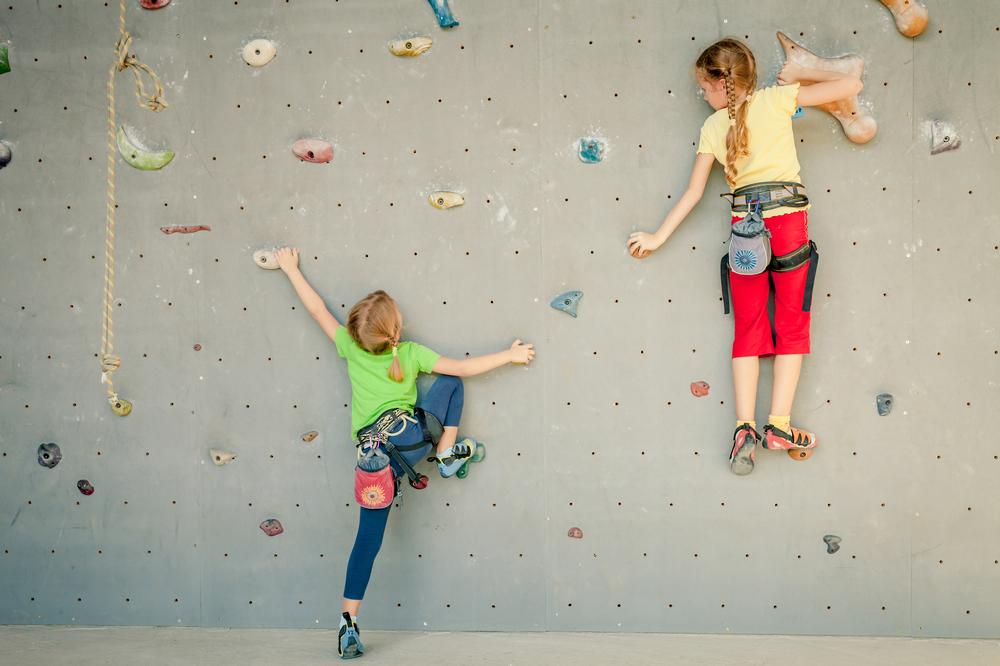
The majority of children around the world are not meeting physical activity guidelines © shutterstock/pixinoo
Based on an analysis of 49 countries, we are facing a global epidemic of childhood inactivity
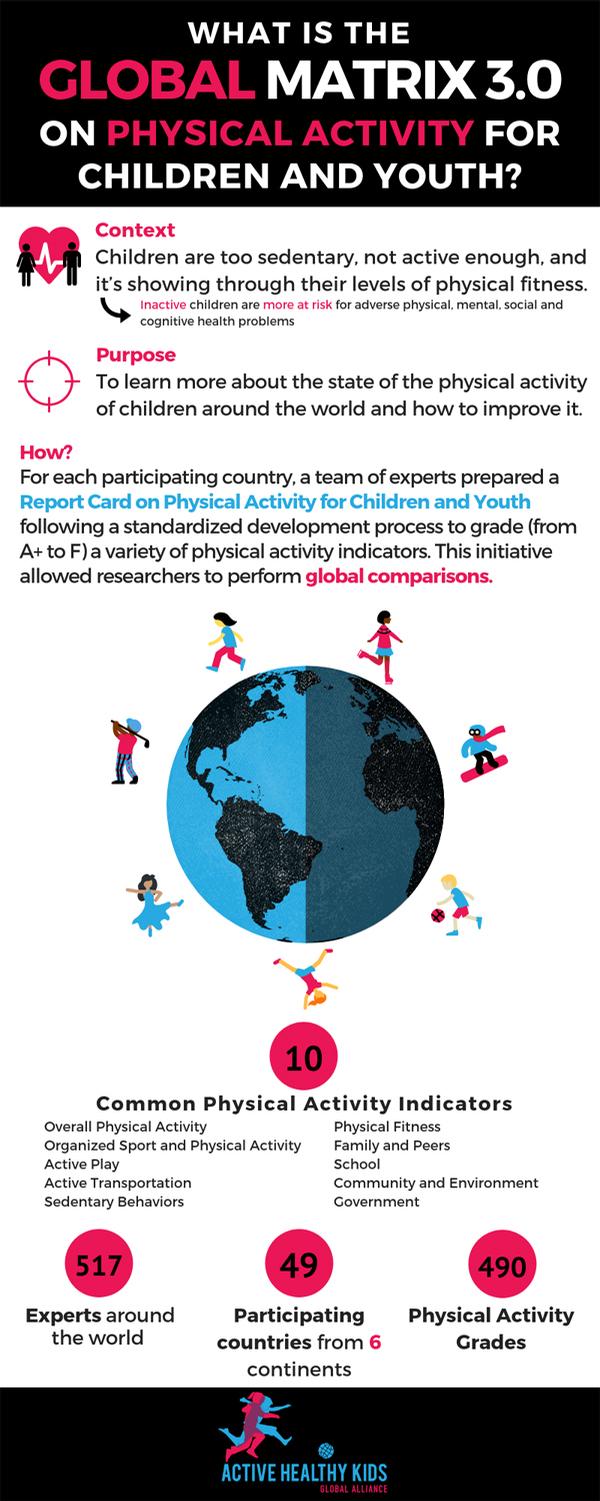
The majority of children and youth are not meeting the physical activity guideline of a daily 60 minutes of moderate to vigorous physical activity, and spend too much time in front of a recreational screen
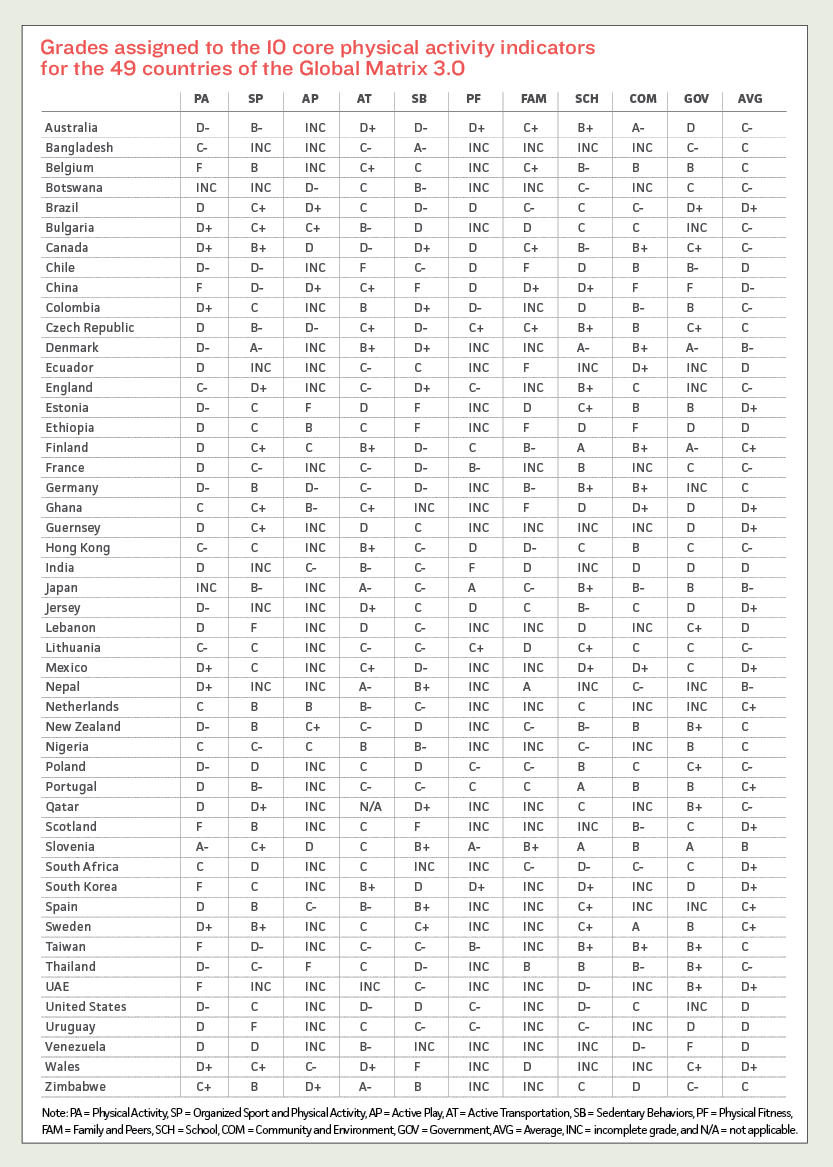
Slovenia obtained the best grades for Overall Physical Activity (A-), Family and Peers (B+), and Government (A), and received an overall average grade of B
A notable feature in Slovenia is the importance of sport for the culture of this almost 30-year old country as “Slovenes tend to view sports as an effective tool in fostering national identity among citizens and making successful global identity claims”
Lower behavioral grades and higher source of influence grades were observed within the very high Human Development Index (wealthier) countries
Generally low average grades for each indicator were observed in the high Human Development Index countries
The report revealed that modern lifestyles – increases in screen time, the growing urbanisation of communities and the rise in automation of previously manual tasks – are contributing to a pervasive public health problem
Zimbabwe reports above-average grades in Overall Physical Activity (C+) and Sedentary Behaviours (B)
Overall physical activity is mostly affected by active transportation which, for the majority of the children in Zimbabwe, is a necessity in everyday life
Japan had the best grades for Active Transportation (A-) and Physical Fitness (A), and had no grades lower than C-
Japan has a highly established “walking to school practice” that has been implemented since the School Education Act enforcement order, enacted in 1953. It states that public elementary schools should be located within no more than 4 km, and for public junior high schools no more than 6 km,
from the student’s home
Higher behavioral grades (Overall Physical Activity, Organised Sport and Physical Activity, Active Play, Active Transportation, and Sedentary Behaviors) and lower Source of Influence grades (Family and Peers, School, Community and Environment, and Government) were generally observed in the low and medium Human Development Index countries

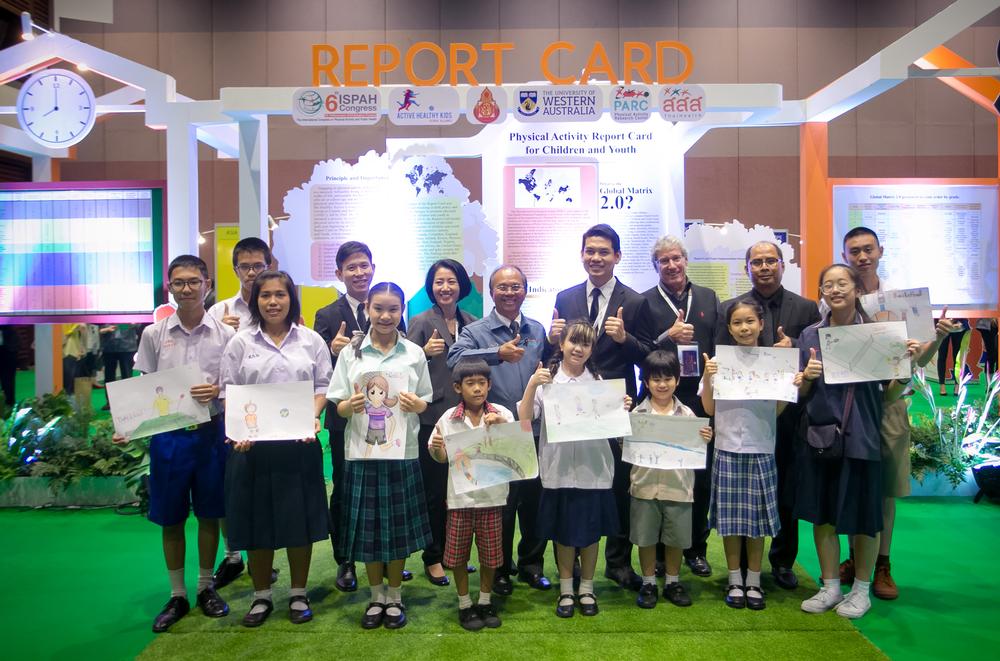
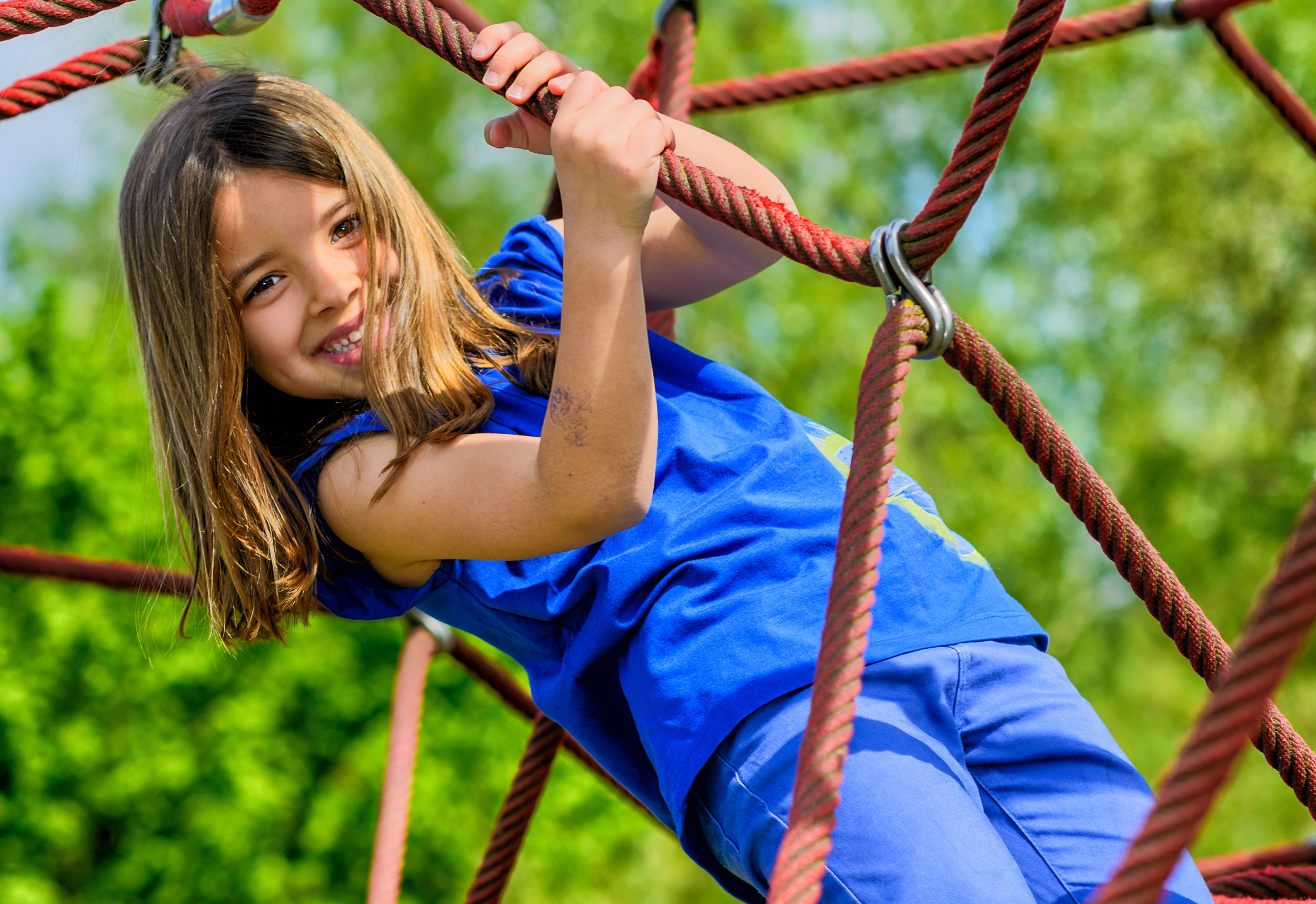
Many countries have made changes to their physical activity strategies based on the results of the matrix © shutterstock/Dmitry Naumov