Hyatt Hotels Corporation has committed to developing wellbeing initiatives for both guests and the people it employs. Its global head of wellbeing explains why Well Home matters
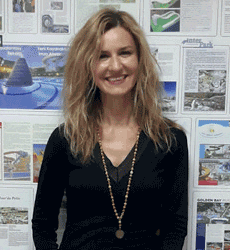
Mia Kyricos is senior vice president and global head of wellbeing for Hyatt Hotels Corporation
As someone who’s worked in wellness for the last two decades, I can’t help but think that we’re living in amazing times.
Wellness is no longer a fad which is dictated to us on the cover of a magazine. It’s a global movement which the hands of time have no chance of turning back.
It’s about a shared desire to live healthier, longer and more fulfilling lives than those before us. It spans multiple generations, and fortunately, is fueled by a greater awareness and understanding of the science behind it.
I’ve been watching this shift for quite some time. Earlier in my career, I was focused on the luxuries of travel, including the development and operation of spa facilities around the world.
It was there I learned about health and wellness and began to contemplate what the implications might be for all of us, if only we had access to the same support.
Later I gained insights into the health and wellness of sedentary people, partnering with the executive teams of corporations who were driven by the desire to reduce employee healthcare costs.
Our focus was on the nutritional, physical, emotional and mental health of each individual, but we paid less heed to the environments within which people worked and lived.
Fast forward to 2013 when I had the privilege to work alongside a small group of individuals at the Global Wellness Institute who identified and defined “wellness tourism” – travel associated with maintaining or enhancing your personal wellbeing – as a sector of the economy that was growing twice as fast as global tourism.
While this was a great moment in time for those of us who worked in travel, I began to wonder what would happen if we shifted our focus from where people would only visit, to where they call home.
Now, years later, we’ve started to look at the houses, buildings, and communities within which we all live, and as it turns out, I haven’t been the only one thinking along these lines.
For years, I’ve watched the team behind Well Home bring magazines to market and the forefront of our industry that have been professionally and personally meaningful to me – from spa and wellness and health and fitness to architecture and design. I’ve looked to them to help make sound business sense from advancements in these fields, complemented by changes in society at large. Today is no different.
Well Home has been designed to showcase and explain what it means to live well, with care for the environment that surrounds us and respect for the fact that how we move, fuel, play and think are not the only things that affect our wellbeing.
We’re now smart enough to know that it’s the environments we choose to surround ourselves with that impact our health and wellness, and thanks again to our friends at Leisure Media, who will now help to teach us how.
So sit back, grab a healthy beverage and enjoy the magazine. And let’s toast to a well world together.
• Mia Kyricos is senior vice president and global head of wellbeing for Hyatt Hotels Corporation and founding chair of the Wellness Communities Initiative for the Global Wellness Institute.
Mia has also served as Senior Leader and strategic advisor for wellness-driven hospitality, tourism, travel and healthy lifestyle companies globally.
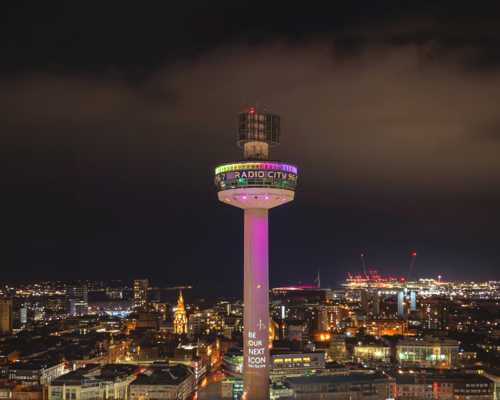
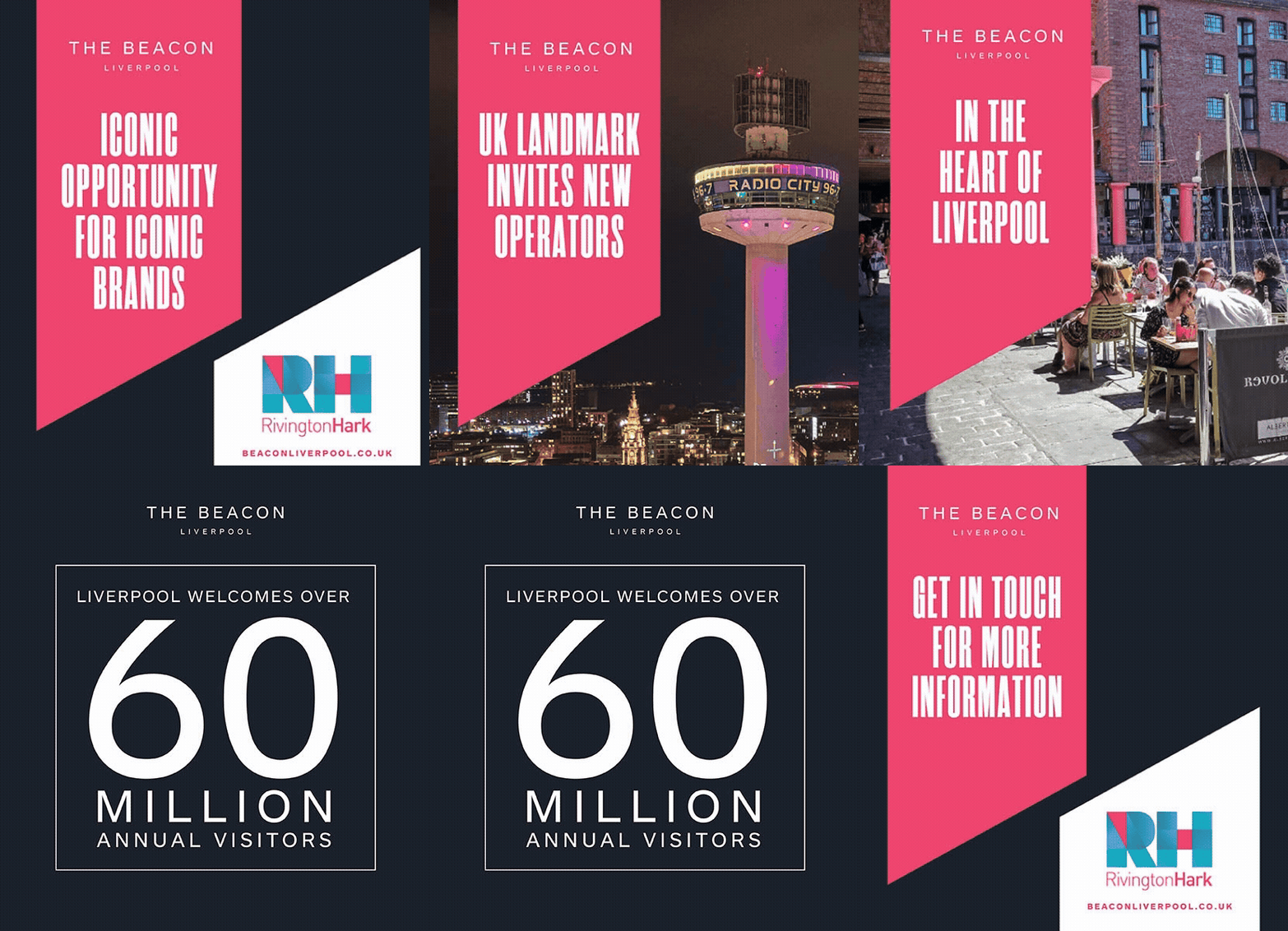
An opportunity to reimagine one of the UK’s most recognisable towers has been formally
opened by Rivington Hark, as St Johns Beacon invites operators and partners to shape its
next phase. [more...]
Hyatt Hotels Corporation has committed to developing wellbeing initiatives for both guests and the people it employs. Its global head of wellbeing explains why Well Home matters
Mia Kyricos is senior vice president and global head of wellbeing for Hyatt Hotels Corporation
As someone who’s worked in wellness for the last two decades, I can’t help but think that we’re living in amazing times.
Wellness is no longer a fad which is dictated to us on the cover of a magazine. It’s a global movement which the hands of time have no chance of turning back.
It’s about a shared desire to live healthier, longer and more fulfilling lives than those before us. It spans multiple generations, and fortunately, is fueled by a greater awareness and understanding of the science behind it.
I’ve been watching this shift for quite some time. Earlier in my career, I was focused on the luxuries of travel, including the development and operation of spa facilities around the world.
It was there I learned about health and wellness and began to contemplate what the implications might be for all of us, if only we had access to the same support.
Later I gained insights into the health and wellness of sedentary people, partnering with the executive teams of corporations who were driven by the desire to reduce employee healthcare costs.
Our focus was on the nutritional, physical, emotional and mental health of each individual, but we paid less heed to the environments within which people worked and lived.
Fast forward to 2013 when I had the privilege to work alongside a small group of individuals at the Global Wellness Institute who identified and defined “wellness tourism” – travel associated with maintaining or enhancing your personal wellbeing – as a sector of the economy that was growing twice as fast as global tourism.
While this was a great moment in time for those of us who worked in travel, I began to wonder what would happen if we shifted our focus from where people would only visit, to where they call home.
Now, years later, we’ve started to look at the houses, buildings, and communities within which we all live, and as it turns out, I haven’t been the only one thinking along these lines.
For years, I’ve watched the team behind Well Home bring magazines to market and the forefront of our industry that have been professionally and personally meaningful to me – from spa and wellness and health and fitness to architecture and design. I’ve looked to them to help make sound business sense from advancements in these fields, complemented by changes in society at large. Today is no different.
Well Home has been designed to showcase and explain what it means to live well, with care for the environment that surrounds us and respect for the fact that how we move, fuel, play and think are not the only things that affect our wellbeing.
We’re now smart enough to know that it’s the environments we choose to surround ourselves with that impact our health and wellness, and thanks again to our friends at Leisure Media, who will now help to teach us how.
So sit back, grab a healthy beverage and enjoy the magazine. And let’s toast to a well world together.
• Mia Kyricos is senior vice president and global head of wellbeing for Hyatt Hotels Corporation and founding chair of the Wellness Communities Initiative for the Global Wellness Institute.
Mia has also served as Senior Leader and strategic advisor for wellness-driven hospitality, tourism, travel and healthy lifestyle companies globally.
A new immersive attraction designed to transport visitors into the final hours of ancient Pompeii
is preparing to open near the world-famous archaeological site in southern Italy.
Experience design company, BRC Imagination Arts, has completed a transition that sees founder
Bob Rogers pass ownership of the business to four long-serving senior executives, while
remaining actively involved with the company.
Movie Park Germany has opened a new Paramount Pictures-themed attraction as part of its 30th
anniversary celebrations, using immersive storytelling and adaptive reuse to reinforce the park’s
longstanding “Hollywood in Germany” positioning.
Therme Manchester’s 28-acre development, which will include interconnected glass pavilions
that measure 65,000sq m, will be the largest bathing and wellbeing attraction in the world once
complete, according to prof David Russell, CEO of Therme UK.
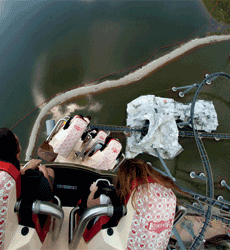
Efteling has opened Hooghmoed, a new family drop tower designed to broaden the appeal of its
recently launched Sirene Island themed area and introduce younger visitors to thrill attractions.
A proposed Puy du Fou development near Bicester and Universal Destinations and Experiences’
planned resort in Bedford are emerging as part of a wider transformation of the Oxford–
Cambridge Growth Corridor into a major centre for UK leisure and tourism inv
Shedd Aquarium has opened the Immersion Theater developed in partnership with SimEx-
Iwerks, as part of a wider strategy to enhance the guest experience and create additional
revenue opportunities.
The UK government has announced a temporary reduction in VAT on visitor attractions and
children’s meals as part of a summer cost-of-living support package designed to stimulate the
visitor economy and encourage family days out.
As designer Yinka Ilori prepares for his first solo gallery show in London, he speaks exclusively
to CLADmag about his mission to spread joy, the power of play, and his bold approach to using
colour (including the colours you won’t see in his work).
The government of Thailand is exploring plans for a THB300bn (£6.3bn, US$8.3bn)
entertainment complex in the country’s Eastern Economic Corridor (EEC), with officials
proposing a large-scale theme park and sports destination as part of a broader tourism and
economic development strategy.
An opportunity to reimagine one of the UK’s most recognisable towers has been formally
opened by Rivington Hark, as St Johns Beacon invites operators and partners to shape its
next phase. [more...]